


AC condenser leak symptoms usually show up as weak cooling, longer time to get cold air, and A/C that works briefly then fades—because the system slowly loses refrigerant (and oil) from the front of the vehicle.
If you suspect condenser leaking, the fastest win is to separate “low refrigerant from a leak” vs “electrical/control issues,” then narrow the leak’s location before you spend money on parts.
You’ll also want to know which clues point to a front-end leak (condenser, line joints, service ports) versus a hidden leak (evaporator), because the symptoms overlap but the confirmation steps differ.
Giới thiệu ý mới: Below are the practical symptoms, checks, and decision rules you can use to confirm a condenser leak and choose the right fix.
What does the condenser do, and why do leaks show up at the vehicle’s front?
The condenser is the front-mounted heat exchanger that turns hot, high-pressure refrigerant gas into a cooler liquid, and it leaks more often than many parts because it lives where rocks, salt, and vibration hit first. Next, you’ll see why “front exposure” creates predictable failure patterns.
To understand symptoms, picture airflow and pressure. The condenser sits behind the grille, so every mile of road grit can bend fins, puncture tubes, or crack end-tank joints. In normal operation, the compressor raises pressure and temperature; the condenser then rejects that heat to outside air. When a leak forms, the system loses charge and oil, so the compressor can’t build stable pressures and the evaporator can’t pull heat from the cabin consistently.
However, not every front-end A/C issue is a leak. A stuck cooling fan, blocked fins, or a faulty pressure sensor can imitate low-charge behavior. That’s why you’ll combine “feel” symptoms with “see/confirm” tests in later sections.
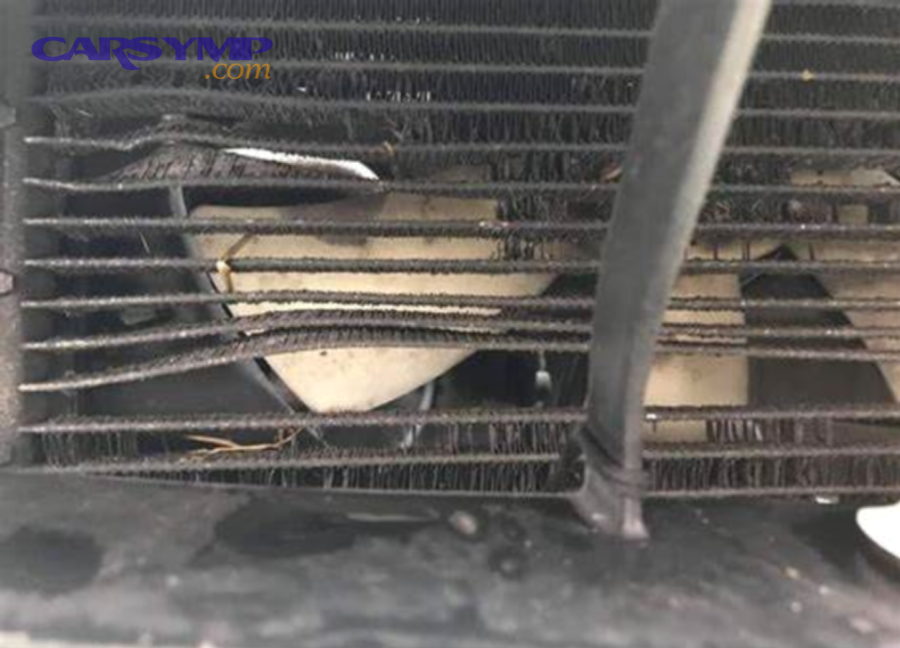
Which AC condenser leak symptoms are most noticeable while driving?
Yes—AC condenser leak symptoms are often noticeable in real driving because cooling becomes inconsistent: it may start cold, then turn lukewarm as pressures drift and the system cycles to protect itself. Next, match what you feel to what the system is doing.
1) Cooling fades over days or weeks. The classic pattern is “works, then gradually doesn’t.” A slow leak lowers refrigerant mass, so the evaporator gets less liquid refrigerant to boil and absorb heat. You may notice the cabin takes longer to cool, especially in traffic or on hot afternoons.
2) Cold at highway speed, weak at idle. This can happen when the remaining charge is marginal and the system depends on strong airflow at speed. At idle, condenser heat rejection is weaker, pressures can rise or become unstable, and the control system may cycle the compressor more aggressively.
3) Frequent compressor cycling. With low charge, the low-pressure switch or pressure sensor may see unsafe conditions and cut the compressor on/off. You feel it as temperature “pulsing” from the vents.
4) A/C works after a recharge, then fails again. If you top off refrigerant without fixing the leak, the improvement is temporary. This “short-lived recharge” is a loud hint of condenser leaking or another leak point.
5) Hissing after shutoff (sometimes). A brief hiss can be normal equalization, but repeated audible hissing near the grille area can coincide with a larger leak. However, sound alone is not proof—use confirmation steps later.
To make these symptoms actionable, you’ll next look for visible evidence that refrigerant oil has escaped at the front of the car.
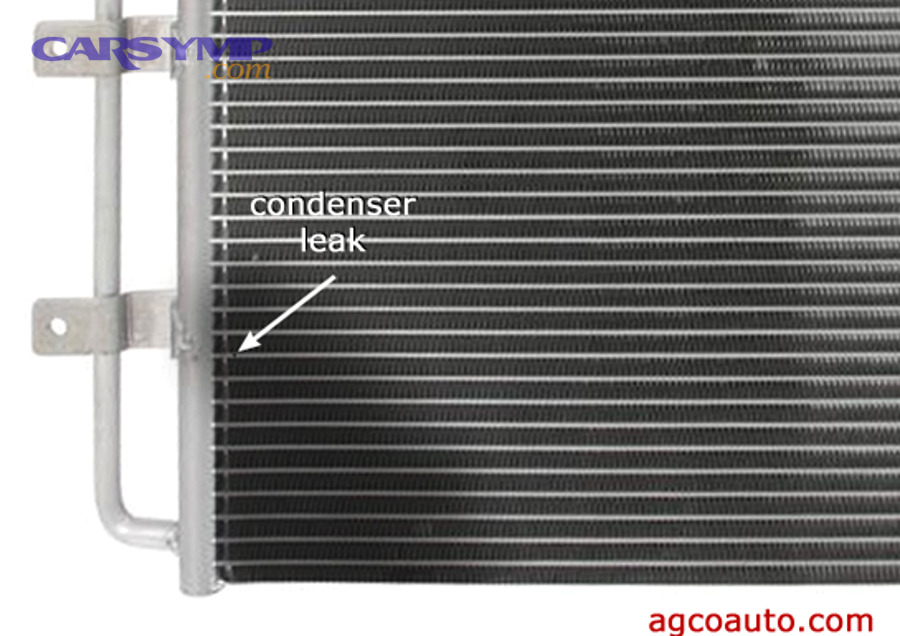
Can you visually spot a condenser leak without tools?
Sometimes—many condenser leaks leave visible oil staining, wet spots, or damaged fin/tube areas at the front heat exchanger, especially when the leak is large or has been present for a while. Next, you’ll learn what “leak fingerprints” look like on real hardware.
Start with the simplest rule: refrigerant carries oil, so a leak often looks oily or dirty where oil has captured dust. Shine a light through the grille (engine off, cool) and look for:
- Oily film on a specific patch of the condenser core (often near a puncture or rub point).
- Dark, grimy “wet dirt” stuck to fins—oil acts like glue for road dust.
- Green/yellow dye traces if dye was ever added in the past (not always present).
- Bent fins with an impact mark (rock strike) that aligns with the oily area.
However, don’t confuse water condensation with refrigerant oil. Water drips are normal on humid days; oil residue is sticky, collects grime, and usually won’t evaporate quickly.
Check nearby joints, too. A front-end leak can be at a hose crimp, an O-ring connection, or a service port. If oil is concentrated at a fitting rather than in the condenser core, that shifts the diagnosis toward seals and connections.
To build confidence, compare a “hose oil residue” example with a “front heat-exchanger damage” example—then move to confirmation tests.
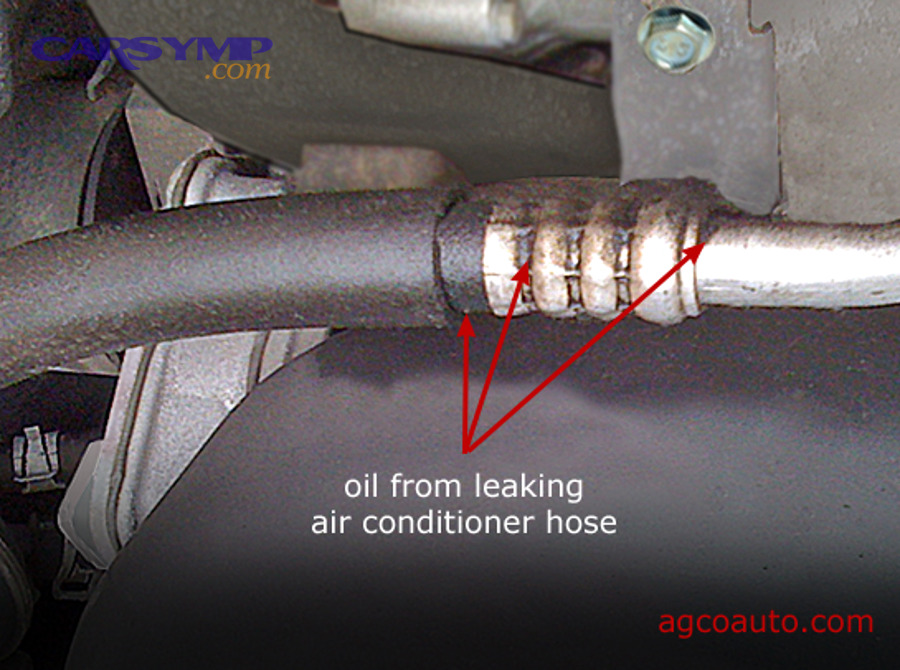
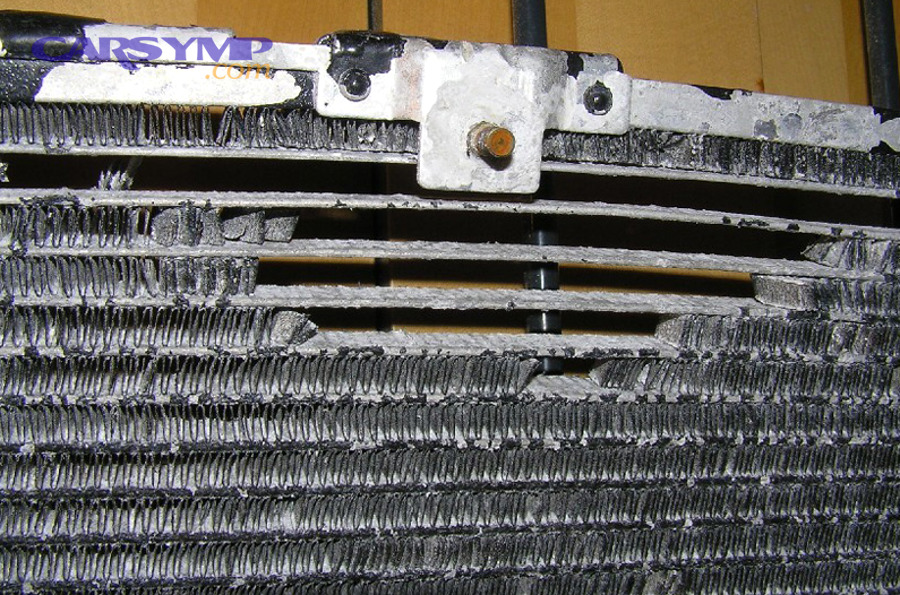
How do you confirm a condenser leak at home without guesswork?
You can confirm a likely condenser leak using three practical methods—visual oil tracing, UV dye inspection, and electronic sniffing—then triangulate the leak’s location by testing the condenser face and nearby joints first. Next, follow the safest, most reliable order.
Method 1: Visual inspection + cleaning. If the condenser is filthy, gently rinse the front (low pressure water, never a pressure washer). After it dries, re-check for oily “reappearing” spots. The leak area often stays darker or tacky.
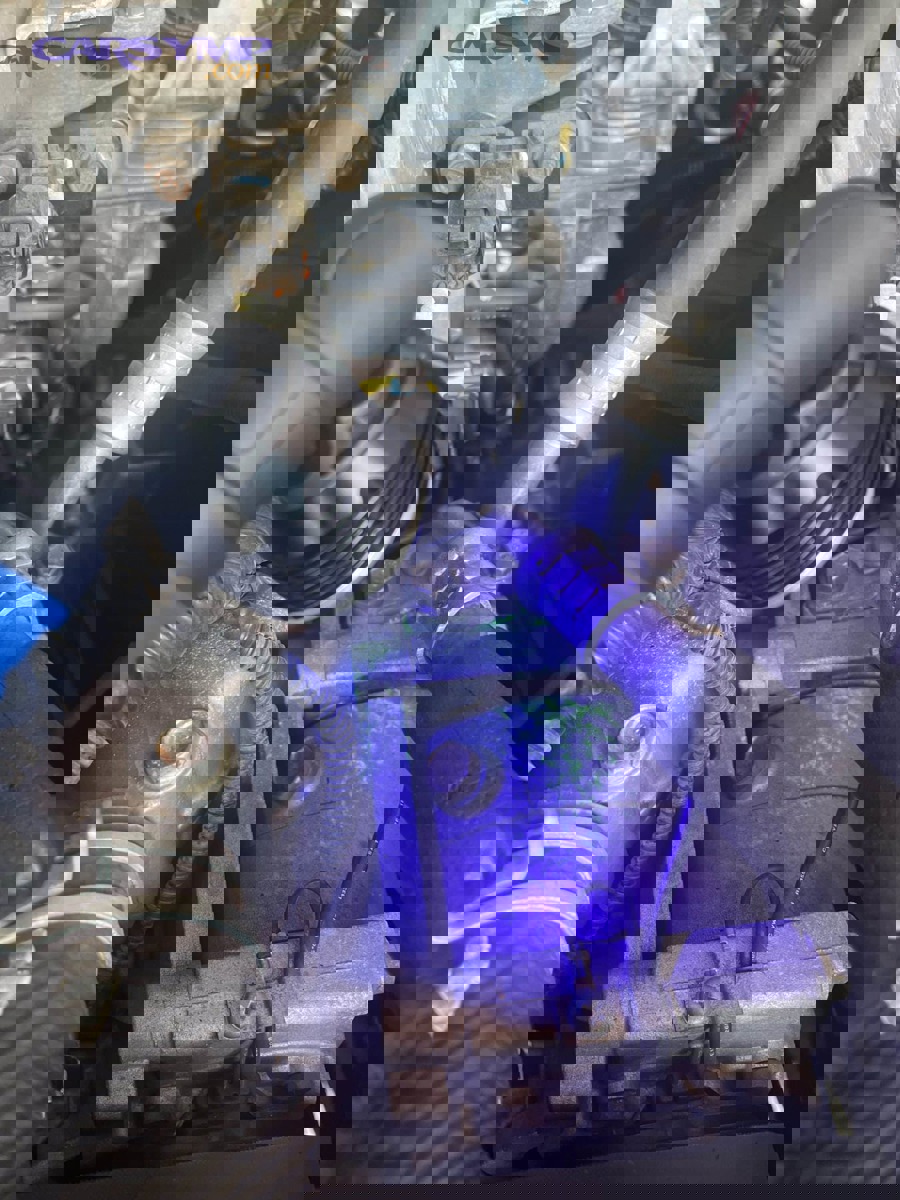
Method 2: UV dye and UV light. If dye is present (or added by a shop), UV light makes leaked oil glow, turning an invisible leak path into a visible stain. You scan the condenser face, the receiver/drier area (if integrated), and the line connections. This method is especially good for slow leaks because the dye accumulates where it escapes.
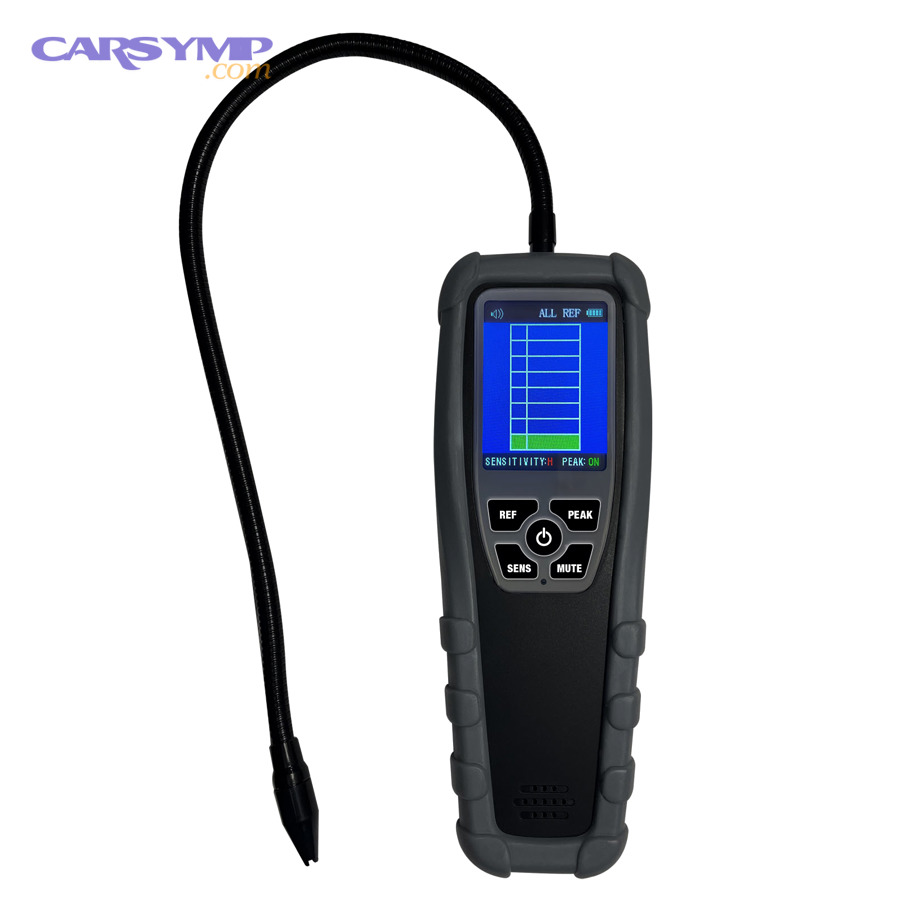
Method 3: Electronic leak detector (“sniffer”). A sniffer can detect refrigerant molecules near a leak. You move the probe slowly along the condenser edges, joints, and service ports. The key is patience: fast sweeping gives false negatives, and windy conditions can dilute the plume.
Method 4: Soapy water for accessible joints. On accessible fittings (not deep in the core), a mild soap solution can show bubbling where gas escapes. This is less useful for the finned face, but excellent for fittings and service ports.
However, avoid “stop-leak” additives as a diagnostic shortcut. They can clog small passages and contaminate service equipment, turning a simple leak into a bigger repair bill.
To make the process more concrete, here’s a hands-on video that demonstrates A/C leak finding with UV dye on a vehicle system:
Next, you’ll connect these confirmations to what the A/C pressures and vent behavior typically do when the condenser is the leak source.
What performance clues suggest the leak is in the condenser rather than elsewhere?
Condenser leaks often combine “front-of-car evidence” with rapid performance drop under load: weak cooling in heat, unstable cycling, and sensitivity to airflow and fan operation, especially when the leak has reduced charge below a stable operating range. Next, use a quick triage map.
Before grabbing tools, use this simple decision logic: if you have front-end oil staining, impact damage, or dye at the condenser face, the condenser jumps to the top of the suspect list. If there’s no front evidence but you smell mustiness and get foggy windows, the evaporator case becomes more likely. If you see oil at a crimp or fitting, the seal/joint becomes more likely.
This table helps you map symptoms to likely leak zones so you can prioritize where to inspect first. This table contains common symptom patterns and what they usually point to during early diagnosis.
| Symptom pattern | Most likely leak zone | Why it fits |
|---|---|---|
| Weak cooling + oil/dirt patch visible through grille | Condenser core | Oil escapes at puncture/tube, traps grime at the front |
| Cooling fades + oily residue concentrated at one fitting | O-ring joint / crimped hose | Seals seep slowly; residue forms at connection |
| No visible oil up front + odor in cabin + wet passenger floor is normal | Evaporator case (not always visible) | Leaks may stay hidden; dye/UV needed near drain |
| Works at speed, weak at idle + fans run constantly | Low charge and/or airflow problem | Low charge amplifies sensitivity to condenser cooling |
| Recharge helps briefly, then fails again within days/weeks | Active leak (often front-end) | Charge loss repeats; leak still present |
However, performance clues alone can’t “prove” a condenser leak; they only raise probability. To reduce mistakes, you’ll next look at what gauge-style behavior typically does when charge is low due to a leak.
How do low-charge behaviors from a condenser leak show up in real-world operation?
When the system is low on refrigerant from a leak, cooling becomes inconsistent because the evaporator isn’t fed the right amount of liquid, and the compressor may cycle to protect itself as pressure signals drift outside normal targets. Next, connect the “feel” symptoms to what’s happening internally.
In moderate low charge, the A/C may still blow somewhat cool while driving, but it struggles in stop-and-go traffic. You might notice the air warms at idle, then cools again as you accelerate. This is partly airflow, but it’s also because low refrigerant reduces the system’s ability to move heat under worst-case conditions.
In heavier low charge, the compressor may short-cycle: it kicks on, pulls pressure down quickly, then shuts off because the control system sees an unsafe low-pressure condition. From the cabin, it feels like brief bursts of cool air followed by longer warm periods.
Cabin temperature “never stabilizes” is another clue. Healthy systems settle into a steady rhythm. Low-charge systems often can’t maintain a stable evaporator temperature, so the air alternates between cool and lukewarm even with the same settings.
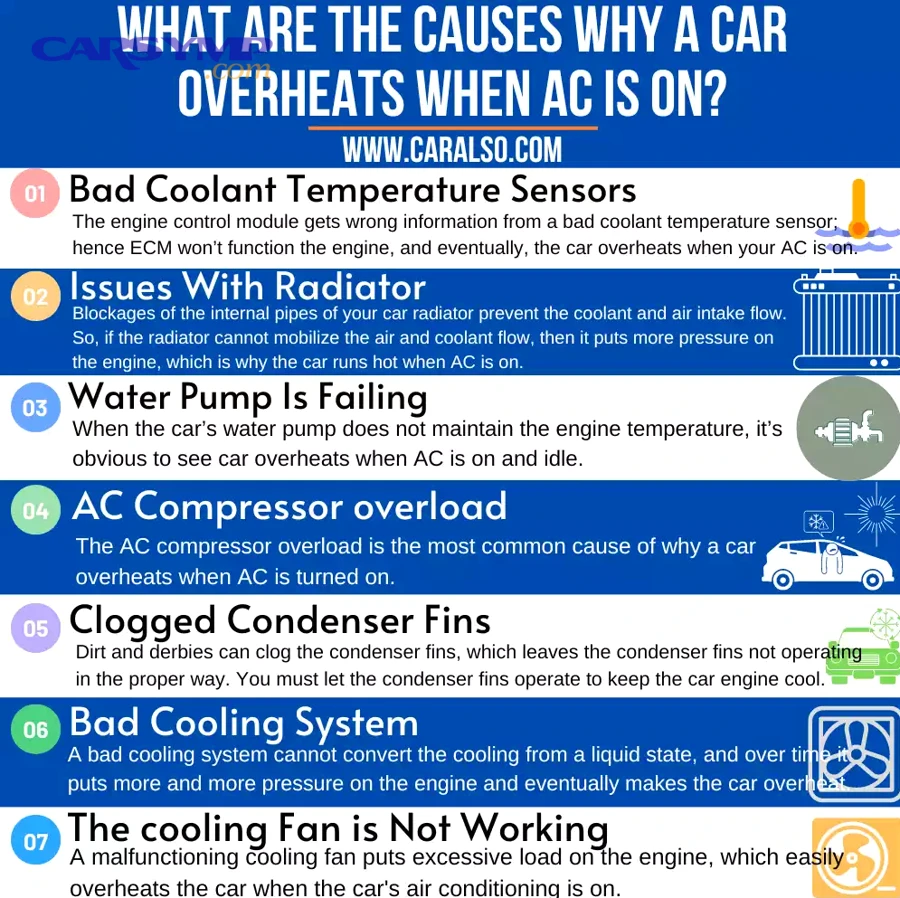
However, if your condenser is not leaking but is restricted (blocked fins, internal debris), you may see poor cooling with high load and fans screaming—so always pair behavior with evidence from leak detection (UV/sniffer).
Next, you’ll see why condenser problems can sometimes coincide with overheating or fan behavior that feels unrelated to A/C at first glance.
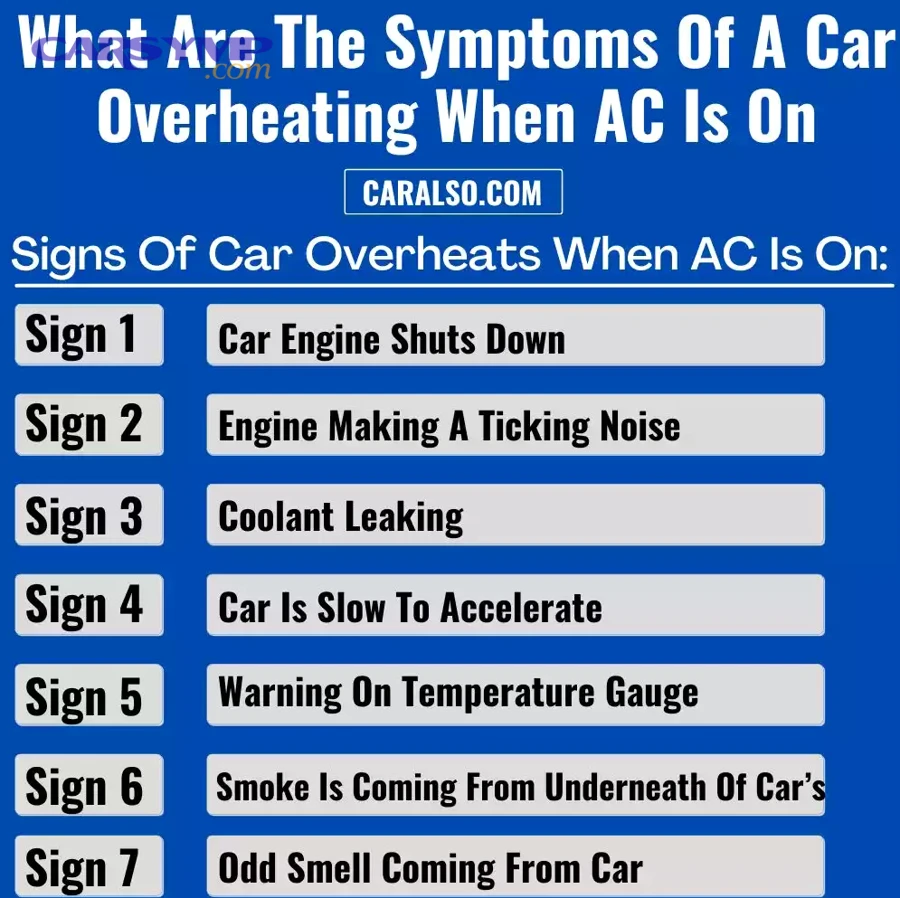
Can a condenser leak cause overheating or unusual fan behavior?
Indirectly, yes—condenser problems can trigger more fan runtime and higher under-hood heat, and a low-charge system can still load the engine while failing to cool, making drivers notice temperature creep in traffic. Next, separate “A/C-related heat load” from true cooling system faults.
The condenser sits in front of the radiator, so anything that reduces airflow—bent fins, debris, or damaged stacking—can elevate both A/C pressures and engine cooling demands. Even if the main issue is a leak, the aftermath can include:
- Fans running more often as the car tries to manage head pressure and coolant temperature.
- Hot air under the hood because heat exchange is less efficient when charge is wrong or airflow is impaired.
- More noticeable temperature rise at idle where airflow is weakest.
However, a true engine overheating condition (coolant loss, bad thermostat, failing water pump) is a separate safety issue. If your temperature gauge rises quickly with the A/C on, don’t assume the condenser leak is the only problem—verify coolant level and fan operation.
Next, you’ll decide whether it’s safe to keep driving and what “stop using the A/C” thresholds look like in practice.
Is it safe to drive with suspected condenser leaking, and when should you stop?
It can be safe to drive the car, but it’s not always safe to keep running the A/C: if the system is low enough to short-cycle or make noise, continued operation can reduce lubrication and increase the risk of compressor damage. Next, use clear stop/go rules.
Generally safe to drive (A/C off):
- The vehicle drives normally, no overheating, no warning lights related to engine temperature.
- A/C simply blows warm or inconsistent air without grinding noises.
- You suspect a slow leak but the system is not making alarming sounds.
Stop using the A/C and schedule diagnosis soon:
- Compressor cycles rapidly (on/off every few seconds) for extended periods.
- You hear squealing, grinding, or persistent rattling when A/C is engaged.
- The system was recharged recently and lost cooling again quickly (active leak).
Stop driving and address safety first:
- Engine temperature rises toward overheating, especially in traffic.
- You see steam/smoke, coolant loss, or a hot smell unrelated to A/C.
However, even if the car is drivable, repeated A/C use with low charge can be expensive: the compressor depends on oil circulation carried by refrigerant. A leak means less refrigerant, less oil movement, and less stable lubrication.
Next, you’ll learn the most common root causes that make condensers leak, so you can prevent a repeat failure.
What causes an AC condenser to leak in the first place?
Most condenser leaks come from three root causes—impact damage, corrosion, and vibration-related fatigue—because the condenser is thin-walled, front-mounted, and constantly exposed to moisture and debris. Next, you’ll see how each cause leaves a different trail.
1) Road debris impact (puncture or crack). Small stones can puncture tubes or crack joints. You often see an impact zone with localized fin damage and an oily patch nearby. This is common on vehicles with wide grille openings.
2) Corrosion from salt and moisture. In regions with winter road salt or coastal air, corrosion slowly eats fins and tubes. Leaks may appear as broad, crusty deterioration rather than a single puncture. Over time, corrosion can also reduce heat exchange, compounding performance issues.
3) Vibration and mounting stress. If mounts are loose or the condenser stack is misaligned after a front-end repair, vibration can fatigue brazed joints or end-tank seams. The symptom can be intermittent performance and a leak that worsens with driving.
4) Airflow restriction and heat stress. A clogged condenser runs hotter, and repeated thermal cycling can stress joints and seals. While restriction isn’t a “leak cause” by itself, it can accelerate aging and make weak areas fail sooner.
However, not all “oily spots” mean the condenser itself is bad. A leaking hose crimp can spray oil onto the condenser surface, creating a false target. That’s why pinpointing with UV or a sniffer is the smarter next step before you buy parts.
Next, you’ll look at repair decisions: when replacement is the right move, and what to replace together so the fix lasts.
What’s the correct fix once you’ve confirmed the condenser is leaking?
Once confirmed, the durable fix is usually to replace the leaking component and restore the system correctly—because most condenser cores aren’t realistically repairable in-car, and “sealants” are unreliable and risky. Next, you’ll choose the right scope of repair.
Repair vs replace depends on design and damage. Traditional repairs (like brazing) are uncommon for modern automotive condensers because the tubes are thin, multi-channel, and difficult to seal reliably without removing the unit and risk damaging nearby parts. If the leak is in a removable fitting or service port, you may only need an O-ring or valve core. If the leak is in the core, replacement is typically the practical route.
Replace what makes sense together so you don’t repeat labor:
- O-rings on opened connections should be replaced and lubricated with the correct oil.
- Receiver/drier or desiccant element should be addressed when the system has been opened to air for a meaningful time, because moisture control is critical to long-term reliability.
- Condenser fan and airflow path should be checked for proper operation, because poor airflow can mimic or worsen symptoms.
Quality control steps matter. A correct repair includes evacuation (vacuum) to remove air and moisture, and then charging by the specified amount. “Pressure-only” recharges can lead to under/overcharge behavior that looks like another leak.
However, don’t skip leak verification after the fix. Even a perfect new condenser won’t help if a second leak exists at a hose crimp or service port.
Next, you’ll go beyond the basics into the “rare but important” details that change repair strategy on modern condenser designs.
Contextual border: Up to this point, you’ve focused on symptoms and confirmation. Next, we’ll expand into modern design details and repair strategy pitfalls that can quietly determine whether the fix lasts.
What repair details matter most on modern condenser designs?
Modern condensers can behave differently because many are multi-channel, tightly packaged, and sometimes integrated with other components, so repair strategy must prioritize cleanliness, compatibility, and post-repair validation. Next, use these “advanced rules” to avoid repeat failures.
Why multi-channel condensers change what “clean” and “repairable” mean
Multi-channel condensers are efficient but delicate: tiny passages can trap debris and resist cleaning, so a mistake in contamination control can cause restrictions that feel like a new problem. Next, treat cleanliness as part of the repair, not an afterthought.
If the previous failure involved internal debris (for example, compressor damage), many professionals treat the condenser as non-serviceable because debris can lodge in micro-passages and later migrate. This is where the phrase Parallel-flow condenser flushing rules matters in practice: you may be able to flush some lines, but the condenser’s internal architecture often makes complete flushing unreliable, so replacement is frequently chosen to protect the new parts.
Why “quick recharge” fixes feel good but fail fast
A quick recharge can temporarily mask a leak, but it doesn’t restore oil balance or remove moisture, so performance may drift and the compressor may be stressed again. Next, treat a recharge as a diagnostic step only when paired with leak location.
In real-world terms, if you recharged and the cold air returned for a short time, you didn’t “fix” anything—you just proved the system was low. The next correct step is to locate the leak (UV/sniffer), then repair and verify. That’s the difference between spending once and paying repeatedly.
What to plan for when you commit to a proper front-end repair
Front-end A/C repairs often involve removing trim, the bumper cover, or the radiator support area, so planning the job scope up front prevents repeat labor. Next, think in “one-time access” terms.
If you’ve confirmed the core is leaking, the phrase AC condenser replacement belongs in your plan as a full procedure, not just a part swap: inspect fan operation, clean airflow path, replace disturbed seals, and validate charge and leak integrity afterward. This is also where budgeting questions show up, so many owners search for a Condenser replacement cost estimate—but remember that cost swings depend heavily on vehicle access, whether the drier is integrated, and whether additional leaks are found during confirmation.
How to reduce repeat leaks after the repair
You reduce repeat leaks by addressing the cause: protect the condenser from debris where possible, ensure mounts and brackets are correct, and keep fins clean so heat and pressure stay in normal ranges. Next, use a short prevention checklist.
- Check grille and lower intake areas for missing shields that allow rock strikes.
- Rinse bugs and debris gently to maintain airflow and reduce heat stress.
- Confirm fan operation so pressures don’t spike in traffic.
- Avoid sealants that can create downstream restrictions and service complications.
FAQ
Can you smell refrigerant if the condenser is leaking?
Sometimes, but not reliably: many people can’t smell small leaks, and odors can come from other under-hood sources, so smell alone is not a dependable diagnostic. Next, rely on UV dye or an electronic detector for confirmation.
Does a condenser leak always leave oil stains?
No—very small leaks may not show obvious staining, and airflow can disperse residue, especially on clean or newly washed surfaces. Next, use UV dye or a sniffer when visual evidence is weak.
Is it worth using “A/C stop leak” for a condenser leak?
In most cases, no: stop-leak products are unpredictable, can contaminate equipment, and may create restrictions that cause bigger failures later. Next, confirm the leak and repair the actual source for a durable outcome.
Why does the A/C cool better at speed if the condenser is leaking?
Higher airflow can temporarily improve heat rejection, and marginal charge may “cope” better under steady cruising conditions than at idle. Next, treat this as a symptom pattern—not proof—and confirm the leak location with UV or a detector.
After fixing a condenser leak, how do you know the job is truly done?
You know it’s done when cooling is stable across idle and highway conditions, cycling becomes normal, and leak checks show no dye expansion or detector alarms at the condenser core and fittings. Next, recheck after a few days of normal driving to confirm no slow seep remains.
Key takeaways: AC condenser leak symptoms usually mean fading cooling and cycling; confirm with visible oil/dye or an electronic detector; prioritize front-end inspection; avoid sealants; and complete the repair with proper evacuation, correct charge, and post-repair verification.