


Debris and road damage causes are the everyday ways foreign objects on the roadway strike, clog, or abrade vulnerable front-end parts—especially heat exchangers—until airflow and cooling efficiency drop, or a puncture creates a leak.
Beyond “a rock hit it,” you’ll see patterns: gravel spray, tire throw, highway litter, insects and organic buildup, and the physics of speed that turns small objects into high-energy impacts.
You’ll also want to separate true impact damage from look-alike problems such as age-related corrosion, prior repairs, or pressure issues—because the fix, cost, and urgency can be totally different.
To introduce a new idea, the most useful approach is to map each damage pattern to its likely cause, then verify with a careful inspection and documentation before you commit to any repair path.
What do “debris” and “road damage” actually mean for a vehicle?
Road debris is any foreign material or object in the roadway environment that can strike, scrape, or block vehicle components, while road damage is the resulting physical harm—bent fins, cracks, punctures, or blocked airflow—most often at the front of the car.
To connect that definition to real failures, think in two categories: impact (something hits and deforms or punctures) and accumulation (stuff builds up and blocks airflow).
Why the front end gets hit first
The front bumper area is designed to breathe—air must pass through grilles into stacked coolers (A/C condenser, radiator, intercooler, transmission cooler). That airflow path is exactly where stones, bugs, and litter also travel.
Next, the closer a cooler sits to the grille, the less “buffer” it has, so even small debris can bend fins or flatten sections that reduce airflow.
Two main damage mechanisms: impact vs clogging
Impact damage typically appears as localized crushed fins, a crease line, or a pinhole puncture. Clogging shows up as a matted layer of insects, leaves, or plastic film that makes the surface look dirty and sealed.
To keep the flow moving, treat clogging as a “restriction problem” and impact as a “structural problem”—they can coexist, but they point to different root causes.
Why speed changes everything
At highway speed, even a pebble can behave like a projectile. The higher the speed, the more likely you’ll see sharp, concentrated dents and deeper fin collapse.
In practice, that means damage severity can jump dramatically when debris is thrown by another vehicle, especially trucks and vehicles with aggressive tires.
Which debris sources most commonly cause damage in everyday driving?
The most common debris sources are gravel and stones, tire-thrown objects, highway litter, and seasonal organic material; they cause damage by striking the grille area, collapsing fins, and sometimes puncturing thin tubes in front-end coolers.
To link cause to evidence, look for where you drive most: construction zones, gravel shoulders, winter roads, or long highway commutes will each leave distinct “signatures.”
Gravel, stones, and construction aggregate
Loose aggregate is the classic cause of small, repeated impacts that slowly flatten fins. You often won’t notice a single “event”; instead, cooling performance gradually fades in hot weather or at idle.
Next, repeated gravel spray creates a wide “peppered” impact field—many tiny dents spread across the lower half of the cooler where road spray concentrates.
Tire throw from other vehicles
When a vehicle ahead flings debris, the object can arrive with a steep angle and higher relative speed, making damage more concentrated. This is where you’ll often see a single deeper dent or a puncture near the leading edge.
To extend that idea, lifted trucks and vehicles with larger tread blocks can throw larger stones, so following distance becomes a real protective strategy.
Highway litter and plastic film
Plastic bags, shrink wrap, and thin sheet debris rarely puncture metal, but they can seal the face of a condenser like cling film. That reduces airflow and can mimic “weak A/C” symptoms.
Next, if a film stays stuck and the fan pulls it tighter, temperatures rise quickly at idle—often when you’re stuck in traffic and the engine bay heat is highest.
Organic buildup: insects, seeds, and leaves
Insect impacts form a sticky layer that traps dust and pollen. Over time, the condenser face becomes a dense mat that blocks airflow and holds moisture, increasing corrosion risk in humid or salty environments.
To keep the chain intact, accumulation is often the hidden half of debris damage—less dramatic than a puncture, but just as capable of reducing performance.
How does road debris physically damage fins, tubes, and joints?
Road debris damages coolers by crushing fins (airflow loss), deforming headers (stress concentration), or puncturing thin tubes and brazed joints (leaks), with severity driven by impact angle, object hardness, and speed.
To connect physics to what you see, each damage type has a distinct visual pattern that helps you backtrack to the cause.
Bent fins: the most common, often overlooked
Fins are thin and easy to bend. Once bent, they restrict airflow and reduce heat transfer, especially when large areas fold over and “seal” adjacent passages.
Next, fin damage can look worse than it is: a small bent section may not matter, while a broad flattened section can cut performance significantly even without any leak.
Punctures and pinholes: the fast failure
A sharp stone or metal fragment can pierce a tube or a weak spot near a joint. This usually creates a sudden performance drop—sometimes after a single audible strike.
To illustrate the broader idea, punctures are not always big; a tiny hole can still cause a rapid loss of refrigerant over days.
Cracks at mounts and stress points
Repeated vibration plus a small impact bend can shift load into brackets and mounts. Over time, that can crack a joint or create a seep at a connection point.
Next, this is why “minor damage” sometimes turns into a leak weeks later—stress takes time to propagate.
Clogging as thermal damage
When debris blocks airflow, the system runs hotter. Higher pressure and temperatures increase mechanical stress on hoses and seals, raising the odds of secondary issues.
To keep the thread consistent, debris damage isn’t only about holes—it’s also about restrictions that quietly push the system outside its comfortable operating range.
Which vehicles and driving situations are most at risk?
Vehicles are most at risk when their condenser sits close to an open grille, when ride height is low, or when driving conditions include gravel, construction zones, winter grit, and frequent highway travel behind other vehicles.
To connect risk to decisions, the goal is not fear—it’s identifying your “exposure profile” so you can choose the right protection and inspection routine.

Low front-end openings and minimal grille protection
Some designs prioritize airflow and styling with wide openings. That can leave the first heat exchanger with less shielding against stones and litter.
Next, if the lower grille is open and the condenser is close behind it, the lower half often shows the heaviest fin damage.
Construction corridors and newly resurfaced roads
Fresh chip seal, loose gravel, or active roadwork increases the number of hard objects available to be thrown at your vehicle. Even cautious drivers can get hit when traffic is dense.
To extend the logic, the risk spikes when speed is high and lane changes are frequent—objects get kicked sideways into your path.
Winter grit, sand, and road salt environments
Grit increases impacts; salt increases corrosion. Together, they can turn small fin damage into weakened metal and eventual leaks at joints.
Next, if you see white crusty residue or damp-looking spots on metal, treat it as a clue that the environment is accelerating deterioration.
Off-road, rural driving, and unpaved shoulders
Even short stretches on gravel shoulders can spray stones upward. Rural roads also bring mud and seeds that pack into fins, especially after rain.
To keep the “cause to evidence” chain, check the lower grille and the bottom corners first; that’s where unpaved spray tends to land.
What symptoms suggest debris/road damage on the A/C condenser?
Yes—debris and road damage can cause A/C problems, typically through restricted airflow, visible fin collapse, or a puncture leak; the biggest clues are weaker cooling at idle, oily residue near the condenser, and impact marks behind the grille.
However, symptoms alone can mislead, so you’ll want to combine symptom timing with a visual inspection before concluding anything.
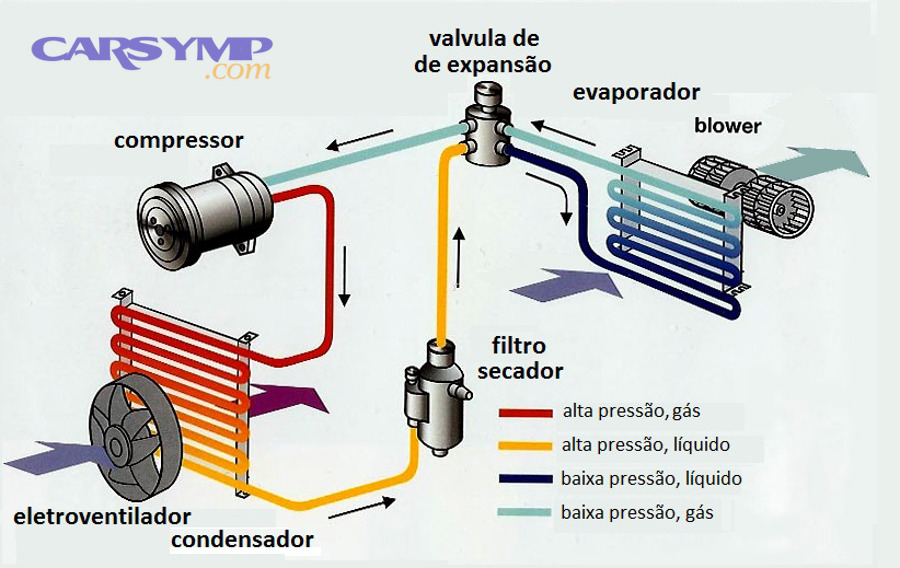
Weak cooling in traffic but better on the move
When the car is moving, ram air helps compensate for partial blockage. At idle, you rely on the fan; if debris has “sealed” fin passages, airflow is still insufficient and vent temperatures rise.
Next, this pattern is especially common with insect mats and plastic film stuck to the face of the condenser.
Sudden loss after a strike event
If you heard a sharp impact and soon after the A/C performance dropped quickly, a puncture becomes more likely. You may also notice a faint hiss, though it’s not always audible.
To keep the thread consistent, a sudden failure is more “impact-leak” than “slow restriction,” though both can exist.
Visible impact marks, crushed fins, or wet/oily residue
Look for a localized dent field behind the grille and for oily residue that can attract dirt. Residue doesn’t guarantee a leak, but it’s a strong signal to inspect more closely.
Next, don’t confuse normal road grime with oil: oil usually looks sticky, darker, and concentrated around a specific spot.
High pressure behavior and intermittent cooling
Restricted airflow can raise pressures, causing the system to cycle or reduce output under high load. The cabin may feel cool at first and then fade during long idles or hot days.
To connect symptoms to action, this is where a careful inspection becomes your best “truth test.”
How can you inspect safely and document debris damage without making it worse?
The safest inspection is a gentle visual check through the grille, followed by controlled access with the engine off; you’re looking for blockage, fin flattening, and localized dents, while avoiding harsh tools that can tear fins or puncture tubes.
Next, good documentation (photos, angles, and notes) helps you decide whether you’re dealing with restriction, deformation, or a likely leak.
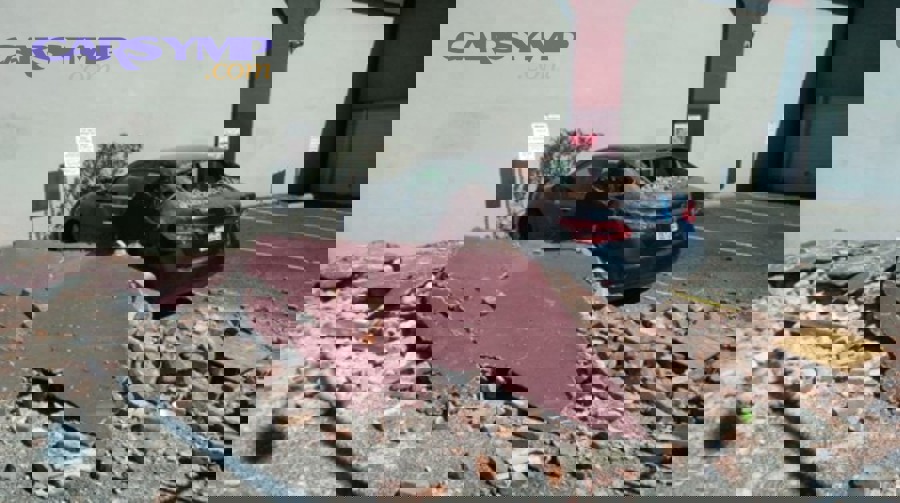
Step 1: Visual scan through the grille
Use a flashlight and look for “shadow patches” where fins are folded or covered. Pay extra attention to the lower third, corners, and any place with a direct line of sight from the road.
Next, if you see plastic film or leaves, do not pull aggressively—thin aluminum fins can tear, and you can worsen the blockage by stretching debris deeper into the fin pack.
Step 2: Check for blockage patterns vs impact patterns
Blockage looks like a uniform mat or film; impact looks like dents and crushed lines. If there are both, note which one covers more surface area, because that often correlates with how much airflow you’re losing.
To keep the chain intact, the “pattern” is your strongest clue to the cause: gravel peppering, highway film, or insect matting.
Step 3: Document with photos and a simple map
Take photos straight-on and at angles. If possible, sketch a quick “grid map” in your notes (top-left, bottom-right, center) and mark where damage is worst.
Next, this makes it easier to track whether damage is progressing over time—and it helps a shop avoid misdiagnosing a restriction as a component failure.
Step 4: Clean only with low-risk methods
Use low-pressure water (not a pressure washer) and soft airflow from the engine side outward if accessible. Avoid sharp picks, screwdrivers, or aggressive brushing that can fold fins deeper or puncture tubes.
To extend the idea, cleaning is for removing buildup—not for “fixing” bent fins; correction requires specialized fin combs and patience.
How do you reduce the risk: practical protection strategies that work?
You can reduce debris and road damage by increasing following distance, choosing lanes strategically, keeping the grille area clean, and adding appropriately designed mesh or guards that block stones without choking airflow.
Next, the best strategy is layered: driving habits reduce impacts, maintenance prevents clogging, and hardware protection limits worst-case strikes.

Driving habits: distance and positioning
Increase following distance behind trucks and vehicles with large tires. On gravel or construction roads, reduce speed and avoid hugging the shoulder where loose stones collect.
Next, if you must pass through a debris-heavy zone, smooth steering and steady speed help avoid sudden tire kick-up from your own wheels.
Maintenance habits: cleaning the airflow path
Seasonal cleaning prevents insect mats and organic buildup from hardening into an airflow barrier. A clean condenser face improves efficiency and reduces the “pressure stress” that restriction can cause.
To keep the flow logical, clean airflow surfaces are a prevention tool, not just a cosmetic preference.
Hardware protection: mesh screens and guards
Fine mesh can block stones, but it must be sized and mounted to avoid choking airflow or trapping debris. The best setups are removable and easy to clean.
Next, avoid overly dense screens; if it collects bugs and leaves faster than you can clean it, you may trade impact protection for chronic restriction.
Seasonal and route-based choices
During winter or heavy construction seasons, rerouting even a few trips can reduce exposure. If your commute includes frequent gravel segments, a guard becomes more valuable than for pure city driving.
To connect behavior to outcomes, less exposure means fewer impacts and less buildup—simple, but powerful over time.
When is repair reasonable, and when is replacement the smarter call?
Repair can be reasonable when damage is limited to light fin deformation or removable blockage, while replacement is smarter when there is a puncture, repeated leakage, severe fin collapse across large areas, or structural damage near joints.
Next, the decision hinges on two questions: can the part reliably hold pressure, and can it still transfer heat efficiently after correction?
Cases where cleaning or fin correction may be enough
If you have light fin bends and no evidence of leakage, gentle fin straightening with a fin comb and a careful cleaning can restore airflow. The key is to avoid tearing fins or stressing tubes.
Next, measure success by results: improved airflow and stable cooling under idle load, not by making the fins “perfect.”
Cases where a leak makes replacement likely
Once a tube or joint is punctured, long-term reliability becomes the priority. Small leaks can sometimes be patched in specific conditions, but many modern thin-tube designs make durable repair difficult.
In real-world planning, AC condenser replacement is often chosen when leak risk is high or damage is widespread, because it resets reliability and avoids repeat labor.
Efficiency damage: when fins are flattened across big areas
If the surface is broadly collapsed, airflow and heat transfer drop significantly even without a leak. The system may appear “charged” but still underperform because the condenser can’t reject heat efficiently.
Next, this is the classic “it cools on the highway but not in traffic” scenario when the restriction is severe.
Use diagnosis logic to avoid replacing the wrong part
Before any major decision, apply a structured check: verify airflow (fan operation and blockage), confirm visible impact patterns, and look for localized residue. In tricky cases, Condenser vs evaporator vs compressor diagnosis prevents expensive guesswork by matching symptoms to the component most consistent with the evidence.
To keep the chain tight, the goal is to connect cause (debris pattern) → damage (restriction or leak) → symptom (cooling behavior) → fix (clean, correct, repair, or replace).
Table introduction: This table helps you match visible damage patterns to the most likely debris causes and the most practical first action.
| Visible pattern | Most likely cause | Primary effect | Best first action |
|---|---|---|---|
| Wide peppered dents, mostly low section | Gravel/aggregate spray | Airflow loss, gradual efficiency drop | Inspect + gentle cleaning; assess fin collapse |
| Localized deep dent or puncture point | Tire-thrown stone/metal fragment | Leak risk, sudden performance drop | Document + leak check; plan repair/replacement |
| Uniform matted layer on face | Insects/organic buildup | Restriction, high pressure at idle | Low-pressure wash; maintain seasonally |
| Film-like sheet stuck to grille-side | Plastic bag/shrink wrap | Severe airflow blockage | Careful removal without tearing fins |
Beyond the obvious: hidden contributors that make debris damage worse
Hidden contributors include corrosion-prone environments, prior front-end repairs that reduce clearance, design differences in tube geometry, and maintenance gaps that let small debris issues evolve into pressure and leak problems.
Next, these factors matter because they explain why two cars can face the same road debris yet end up with very different outcomes.

Corrosion synergy: moisture + salt + trapped debris
When debris holds moisture against metal, corrosion accelerates, especially in salty climates. What starts as harmless buildup can weaken fins and joints until vibration or a minor strike triggers a leak.
Next, this is why cleaning isn’t only about airflow—it’s also about preventing moisture retention in the fin pack.
Design and clearance: why some condensers are more vulnerable
Small differences in how close the condenser sits to the grille, and how the lower opening is shaped, can change exposure dramatically. Thin-tube, high-efficiency designs can be sensitive to localized impacts.
To connect the idea to inspection, check whether the condenser has a direct line of sight through the grille in the lowest section—if yes, prioritize protection there.
Prior repairs and missing ducting
After bumper work, missing duct seals or misaligned brackets can increase vibration and shift airflow paths. That can worsen restriction and stress joints.
Next, if you notice uneven gaps or loose mounts, fix those first; otherwise you may keep “creating” damage conditions even after cleaning or replacement.
Misreading the damage: bent fins vs internal problems
It’s easy to assume visible fin damage equals a leak, but not always. How to spot bent fins vs internal leak comes down to evidence: broad fin collapse and blockage suggest restriction, while localized residue and sudden performance loss suggest leakage.
Next, when evidence is mixed, treat it like a layered problem—clear blockage first, then reevaluate system behavior before committing to a major component decision.
FAQ (Frequently Asked Questions)
Can a car still cool “okay” with visible fin damage?
Yes, if the bent fins are limited in area and airflow is still strong, cooling may remain acceptable. However, as damage spreads, performance typically drops first at idle and in hot weather—so small damage can become a bigger issue over time.
Is it safe to use a pressure washer on the condenser?
No in most cases; high pressure can fold fins deeper, tear delicate structures, and even create leaks. Use low-pressure water and clean from the engine side outward when possible, keeping the nozzle at a safe distance.
Why does cooling get worse only in traffic?
Traffic removes the benefit of ram air. If debris blockage or fin collapse limits airflow, the fan may not overcome that restriction, so pressures rise and cooling fades until you move again.
Can debris damage be “invisible” from the outside?
Yes. Some impacts affect the lower edge or corners that are hard to see, and clogging can hide behind the grille. A flashlight inspection and photos from multiple angles often reveal what a quick glance misses.
Is there a simple video to learn condenser inspection basics?
Yes—this walkthrough demonstrates a practical inspection approach and what to look for when checking the condenser face and surrounding area.
Key takeaway: Debris and road damage causes become predictable when you connect driving environment → debris type → damage pattern → symptom. That mapping reduces misdiagnosis, prevents repeat failures, and helps you choose the safest, most cost-effective fix.