


A bad door switch can keep your interior lights (or “courtesy” lights) alive when you think the car is fully off, slowly draining the battery until you wake up to a no-start situation.
To confirm it, you’ll look for a door-ajar signal that never goes “closed,” then measure key-off current draw and isolate the lighting/BCM circuit that refuses to sleep.
After you’ve proven the drain path, the fix is usually simple—cleaning or replacing a door-jamb switch, servicing a latch sensor, or repairing a pinched wire in the door harness.
To start, “Giới thiệu ý mới”: we’ll go from fast symptom checks to a safe meter test, then to pinpointing and fixing the exact component.
Can a bad door switch drain your battery overnight?
Yes—a faulty door switch can drain the battery overnight because it can keep interior lights on, keep the body computer awake, and prevent the vehicle from entering a low-power sleep state.
To begin, the key is to treat this as a “signal stuck on” problem, not just “a weak battery,” because the car may be acting as if a door is always open.
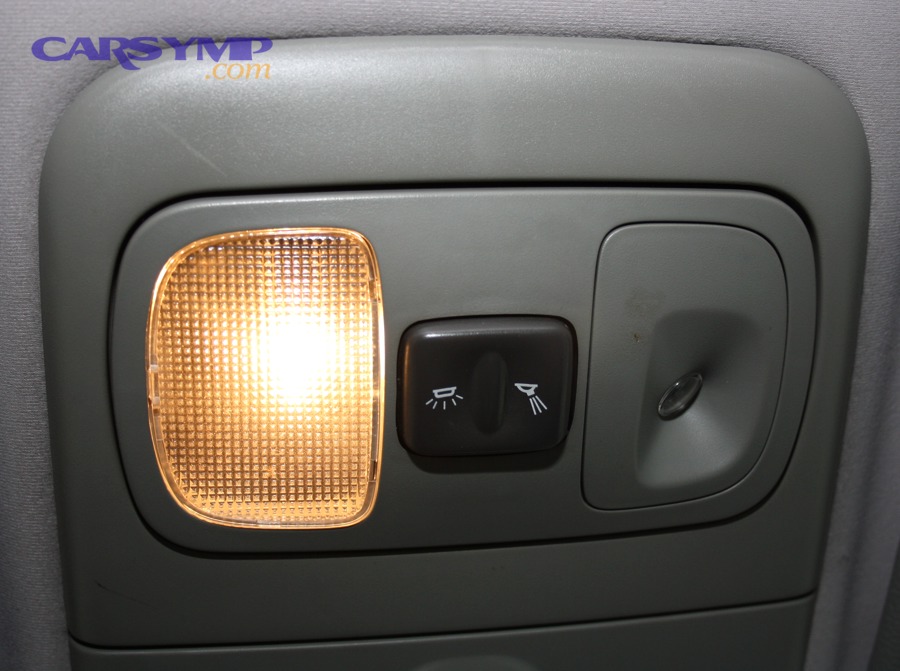
Here are the three most common drain paths when a door switch lies about the door being closed:
- Interior lights stay energized: Even if they dim, “fade,” or look off in daylight, the circuit can still be pulling current.
- Door-ajar logic keeps modules awake: Modern cars may wake the BCM, keyless entry, alarm system, and networked modules repeatedly.
- Repeated wake-ups multiply the drain: One small load plus periodic wake cycles is far worse than a steady, tiny draw.
Concrete signs include: a door-ajar indicator that won’t go away, a dome light that won’t time out, or a “lights on” chime that triggers unexpectedly while the car is parked.
According to RepairPal’s explanation of the door-ajar system, the sensor signal is often tied directly to the interior lights, so a bad signal can keep the courtesy lighting logic active.
What exactly is the door switch doing in the light circuit?
A door switch is a simple input device that tells the vehicle whether a door is open, which the BCM uses to control interior lights, warnings, and wake/sleep behavior.
Next, it helps to picture the system as a set of parts (a meronymy view): sensor → wiring → BCM logic → light drivers → lamps.
Depending on the vehicle, the “door switch” may be one of these designs:
- Door-jamb plunger switch: A spring-loaded button near the door frame (common on older trucks and simpler cars).
- Latch-integrated sensor: A switch inside the door latch assembly that reports “latched/closed” to the BCM.
- Hall-effect or micro-switch module: Used in some modern latches; can fail due to contamination or wear.
When it fails, the problem is often not “the light bulb,” but the control logic that thinks the door is still open, so the BCM keeps the courtesy circuit enabled or never fully sleeps.
There’s also a second layer: even if the lamp output turns off after a timeout, the BCM can remain partially awake if it still sees an “open door” status.
How do you confirm the interior lights are staying on?
You confirm it by checking for any light activity after the normal timeout, verifying the door-ajar status, and looking for subtle glow or repeated wake-ups when the car should be asleep.
After that, you’ll know whether you’re chasing a real electrical drain or a one-time “left the light on” event.
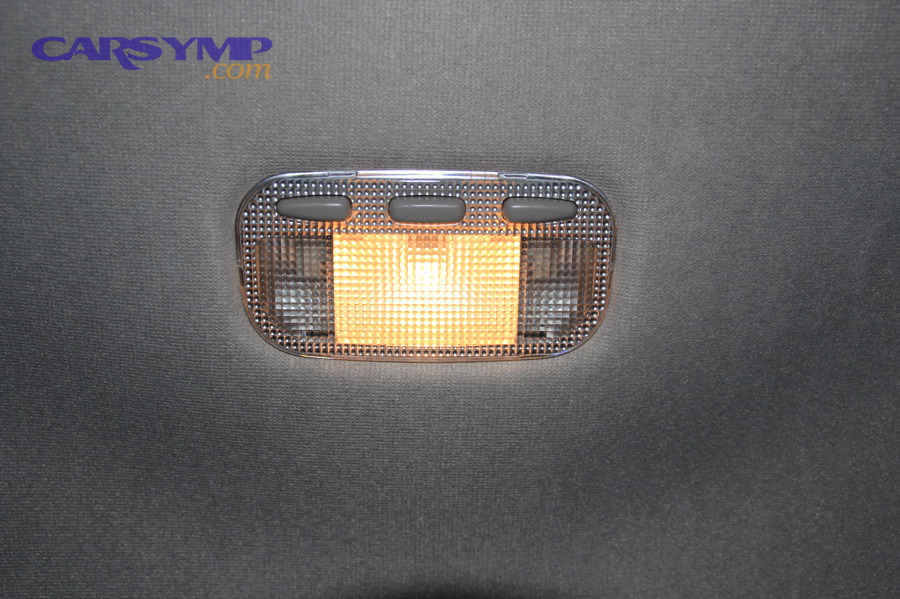
Do the “dark garage” and phone-camera test
Close all doors, lock the vehicle, wait for the normal interior-light delay, then look through the window in a dark area; use your phone camera because it often detects low light you can’t easily see.
To illustrate, scan footwells, vanity mirrors, glovebox, trunk/cargo lamp areas—these are classic “stayed on” culprits that mimic a door-switch problem.
Watch for repeated wake-ups
If you hear relays clicking, see dash lights briefly flash, or see a keyless-entry handle light repeatedly pulsing, that suggests a module is waking up instead of staying asleep.
GM’s guidance notes that sleep behavior can take time and can include periodic wake cycles before full power-down, which matters when you’re trying to catch a drain.
Use a scan tool door-status screen if available
Many scan tools show “Door FL/FR/RL/RR: Open/Closed.” If one door remains “Open” while physically shut, you’ve found the direction of the fault even before touching a meter.
What current draw is normal, and what counts as a problem?
Normal key-off draw is usually in the tens of milliamps, while sustained readings significantly above that (after sleep) indicate an abnormal parasitic drain.
Next, you’ll use a threshold mindset: first wait for the car to sleep, then judge the stabilized draw—not the immediate post-shutdown spike.
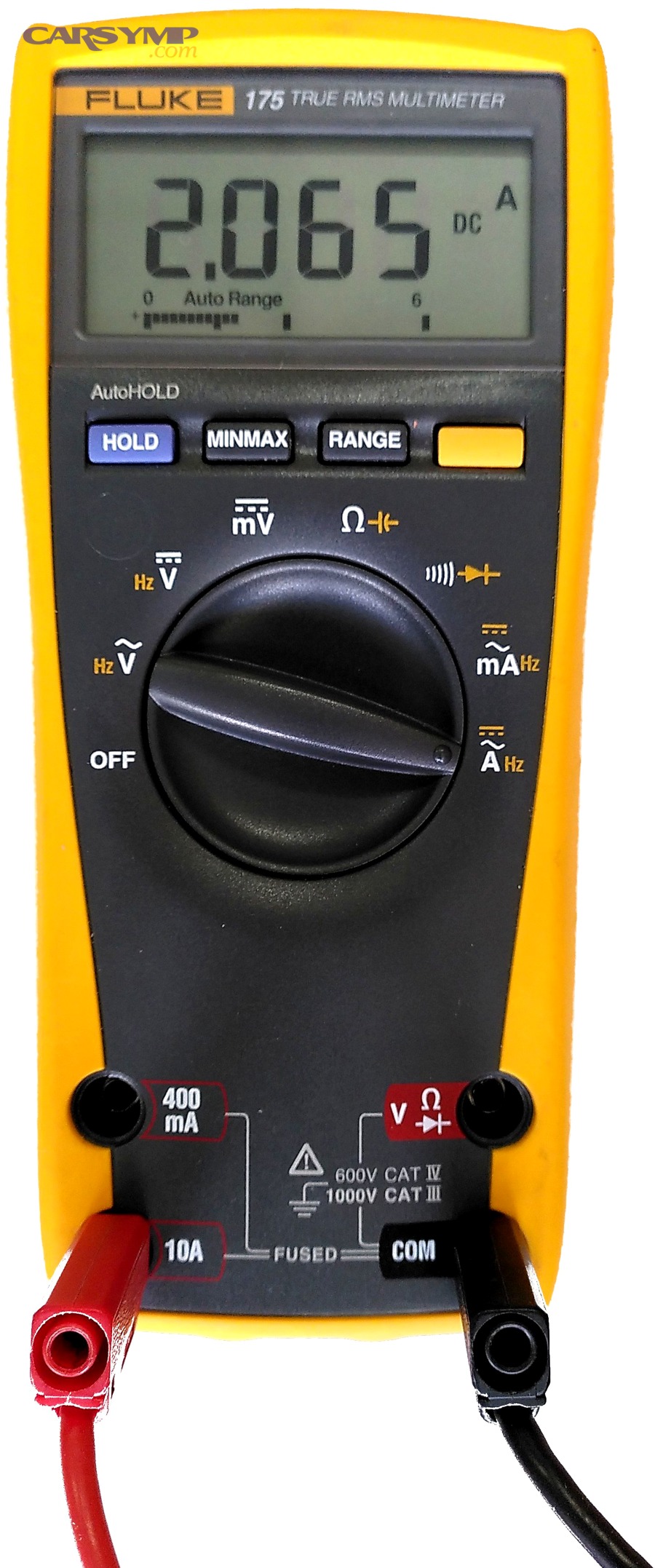
Universal Technical Institute (UTI) states a typical “normal” parasitic draw is about 50–85 mA for many newer cars (often less for older vehicles).
GM’s technical guidance also emphasizes that systems can take time to enter sleep, and typical draw during initial sleep should not be high once stabilized.
This table helps you interpret readings once the vehicle has had enough time to settle.
The table below contains a quick cheat sheet of stabilized current readings and what they usually mean, so you can decide whether to keep testing or move to circuit isolation.
| Stabilized key-off reading | What it usually means | Best next action |
|---|---|---|
| 5–30 mA | Very low draw; often normal for clocks, memory, security | Stop unless the battery is old/weak; retest after full charge |
| 30–85 mA | Common “normal range” for many modern cars after sleep | Confirm sleep time; check service info expectations |
| 100–300 mA | Abnormal; can drain a battery in days | Isolate circuits with fuses/relays; look for “awake” modules |
| 300 mA–2 A+ | Severe drain; can kill a battery overnight | Stop guessing; isolate immediately; suspect lights, relays, modules |
One more nuance: modern networked vehicles can drain batteries due to modules failing to sleep from ECU network-management issues, which is a known technical problem in the industry literature.
How to measure the drain safely with a meter
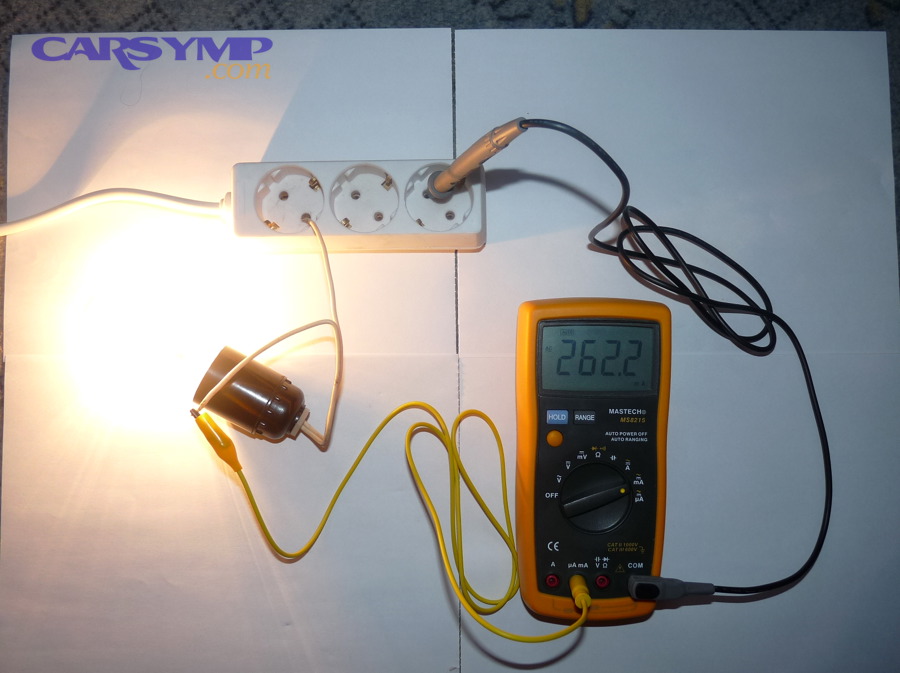
You measure drain safely by connecting your meter in series with the battery, protecting it with the correct fused input, and waiting for the vehicle to enter sleep before judging the stabilized current.
After that, you’ll have a reliable number to guide the rest of the diagnosis, rather than relying on hunches.

Important safety and accuracy rules before you begin:
- Use the correct jack: Put the red lead into the fused current jack (often labeled “A” or “mA/µA”).
- Start on the higher range: Begin on the amp range, then step down to mA if safe.
- Do not open doors mid-test: Opening a door wakes modules and can spike current, blowing the meter fuse.
- Latch the hood/door switches: If you must keep something open, manually latch the switch so the car “thinks” it’s closed.
Here’s a practical “Parasitic draw test step-by-step” approach you can repeat consistently:
- Fully charge the battery (a low battery changes behavior and sleep cycles).
- Turn off all accessories, remove key/fob from near the vehicle.
- Connect the meter in series on the negative cable (battery negative → meter → removed negative cable).
- Lock the vehicle and wait—many cars need 10 minutes to start sleeping and longer to fully settle.
- Record the stabilized reading and note any periodic spikes.
If you prefer a visual walkthrough, this video demonstrates a straightforward parasitic draw test setup and process:
How do you isolate the culprit circuit without guesswork?
You isolate the culprit by watching the meter while removing fuses and relays one at a time until the current drops, which identifies the circuit that’s staying powered when it shouldn’t.
Next, you move from “which fuse” to “which component” by unplugging devices on that circuit one by one.
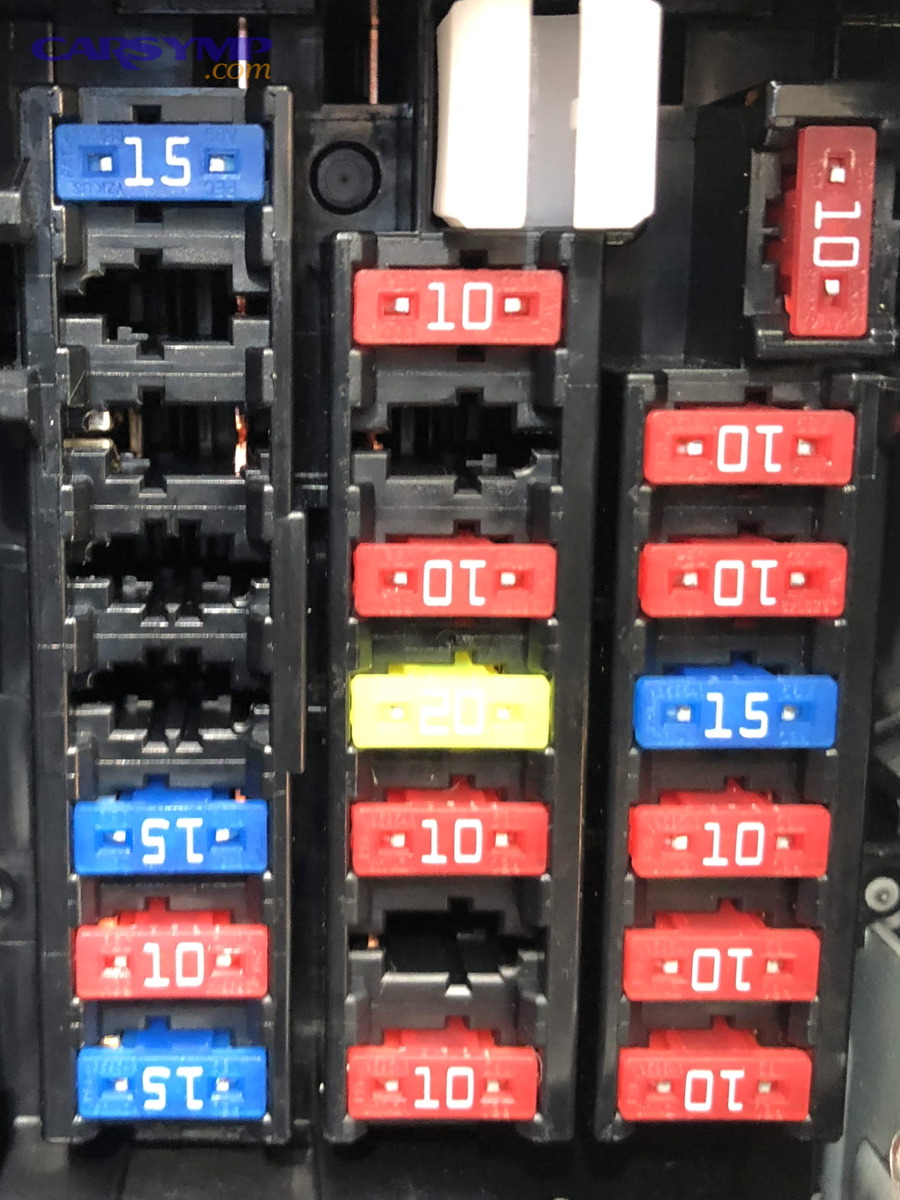
This is the moment to use the exact method many techs rely on: the “Fuse pull method to isolate the circuit” while monitoring stabilized draw.
AutoZone’s DIY guidance describes this basic logic clearly: if the draw is excessive, remove fuses/relays one at a time until the draw disappears, revealing the affected circuit.
To make it reliable on modern cars, follow these best practices:
- Pull fuses after the car is asleep: If you pull too early, you’ll chase false readings.
- Document each change: Write down fuse number, label, and current before/after.
- Use the fuse-box map: Many vehicles have multiple fuse panels (engine bay + cabin).
For an advanced alternative, Clore Automotive explains a fuse voltage-drop approach: measuring tiny voltage drops across fuses to find current flow without repeatedly breaking the circuit, which can reduce the risk of waking modules while testing.
How do you prove the door switch is the real culprit?
You prove it by correlating a stuck “door open” signal with a draw drop when the door-switch circuit is disabled, then confirming the switch/sensor fails continuity or status tests.
After that, you can stop blaming the battery and focus on the exact input that’s keeping the courtesy system alive.

Use a three-layer proof strategy:
Layer 1: Status proof (dash light or scan tool)
If the dash shows “door ajar” with all doors shut, identify which door is reported open using scan data if possible, because that points directly to one latch or switch.
Layer 2: Circuit proof (fuse or connector)
Once you’ve found the fuse that feeds interior/courtesy lighting or BCM wake logic, disable it briefly and see if the draw drops dramatically. If it does, you’re in the right neighborhood.
Layer 3: Component proof (switch test)
Test the suspected switch/sensor: on a simple plunger switch, check whether it opens/closes cleanly; on a latch sensor, inspect for contamination and test harness continuity through the door boot.
RepairPal notes the door-ajar sensor is an electrical circuit signal that informs the vehicle computer and is often connected to interior lights, which is why a false “open” can keep courtesy logic active.
Common “gotchas” that mimic a bad switch include a pinched wire where the harness flexes at the door hinge, water intrusion in the latch, or an aftermarket alarm tied into door triggers.
What fixes work best for a bad door switch drain?
The best fix is the simplest one that permanently restores a correct “door closed” signal: cleaning a sticky switch, adjusting alignment, replacing the switch/latch sensor, or repairing wiring damage in the door harness.
Next, choose the fix type based on whether the fault is mechanical contamination, electrical wear, or harness damage.
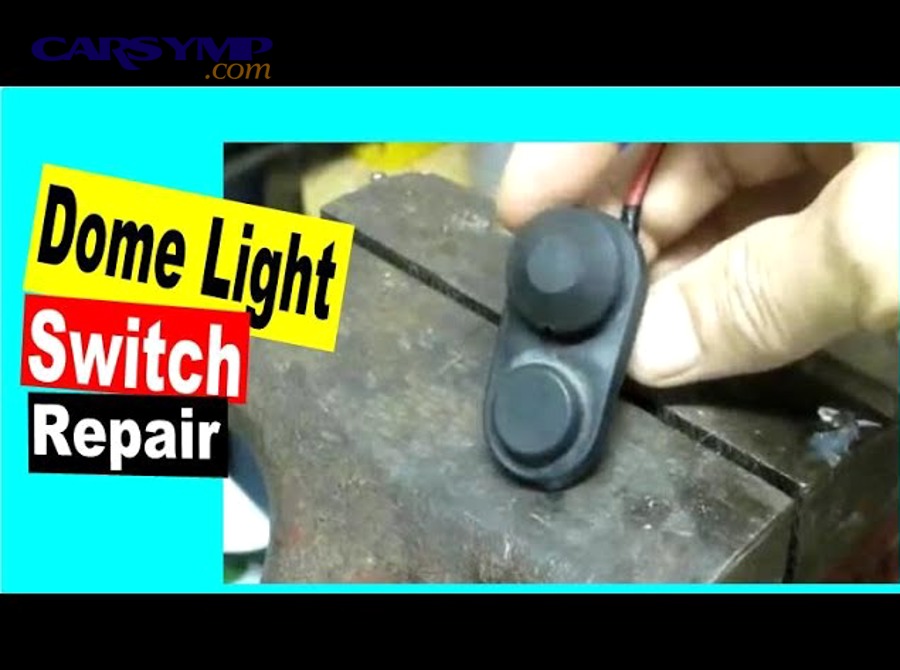
Fix 1: Clean and de-contaminate (best for sticky plungers and latches)
If the switch physically sticks, clean the plunger area and ensure it moves freely; for latch sensors, service the latch area carefully and verify the door fully latches with consistent alignment.
Fix 2: Adjust door alignment and striker engagement
A door that doesn’t fully close can keep the latch in a borderline state—enough to seal the door, but not enough to flip the internal “closed” signal reliably.
Fix 3: Replace the switch or latch sensor module
If continuity is intermittent or scan data flickers between open/closed, replacement is often the fastest permanent solution.
Fix 4: Repair wiring in the door boot
Broken copper strands can make the signal fail only when the door moves, creating a drain that appears “random” and is hardest to catch without flex testing.
After any fix, repeat the key-off draw test to confirm the stabilized current returns to a normal range after sleep.
When should you pay a shop instead of continuing DIY?
You should pay a shop when the drain is intermittent, involves multiple modules staying awake, or requires factory scan functions and wiring diagrams to avoid wasting time and blowing meter fuses.
After that decision, you’ll approach the visit with better questions and better expectations, which usually saves you money.
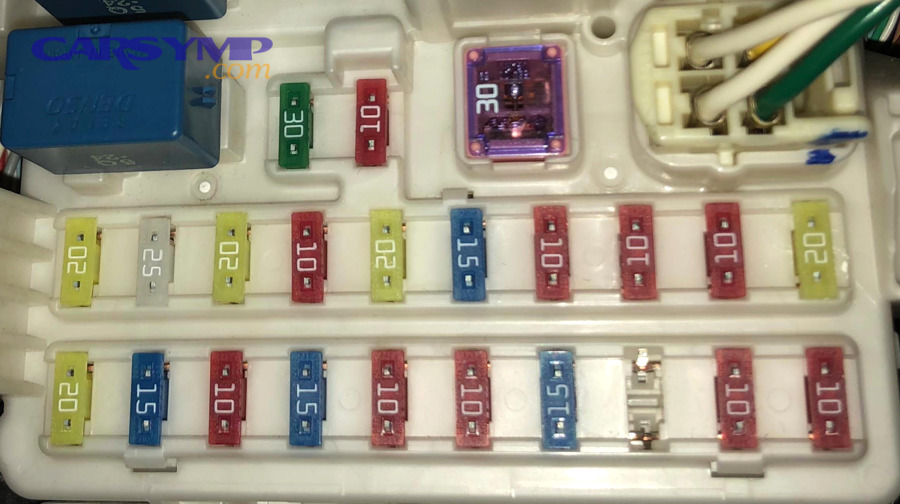
This is where a structured battery drain diagnosis process matters: a technician can combine scan-tool sleep-state checks, module wake logs (when available), and targeted circuit testing to avoid endless trial-and-error.
If you’re budgeting, it helps to know the typical “Shop diagnostic cost for battery drain” is often comparable to a general electrical diagnosis charge, not a full repair bill up front. RepairPal estimates an Electrical System Diagnosis commonly falls in the roughly $122–$179 range (location and vehicle affect this).
Go to a shop sooner if any of these are true:
- You measure a severe stabilized draw (hundreds of mA or more) and can’t isolate it quickly.
- The draw disappears and returns unpredictably (classic sign of network/module wake issues).
- You need access to OEM wiring diagrams, BCM pinouts, or module sleep diagnostics.
- You suspect aftermarket electronics are tied into door triggers and power feeds.
To keep the appointment efficient, bring your notes: stabilized draw readings, the time it takes to sleep, and which fuses change the reading.
Contextual Border: At this point, you already know how to confirm the drain, measure it safely, isolate the circuit, and prove the door-switch signal is at fault. Next, we’ll expand into modern edge cases that make this problem feel “haunted.”
Modern edge cases that make door-switch drains harder
Modern vehicles can hide this problem because computers may wake and sleep in cycles, LED lighting behaves differently than incandescent bulbs, and aftermarket devices can hijack door signals.
Next, use these edge-case patterns to explain “intermittent” drains that seem to vanish when you start testing.
Why “sleep” can take longer than you expect
Some vehicles enter an initial sleep state after several minutes but may take much longer to fully power down; periodic wake cycles can appear as spikes on your meter. GM notes that complete power-down can take extended time in some cases, so judging draw too early can mislead you.
LED interior lights can “ghost glow” but still drain
LEDs can emit faint light with tiny currents that wouldn’t visibly light an incandescent bulb; so “I don’t see a light on” is not proof the circuit is off.
Aftermarket alarms, remote starters, and dash cams
These often tie into door-trigger wires or BCM wake lines; if the installer used a poor ground or backfed a signal, the car may never sleep correctly.
Cold weather and aging batteries amplify the symptom
A marginal battery can appear “fine” until a small draw becomes enough to drop it below crank threshold overnight—so always confirm battery health, but don’t stop there if the draw is abnormal.
FAQ
These quick answers help you decide whether you’re dealing with a door-switch drain, a different stuck light, or a broader electrical issue that needs deeper testing.
Can a glovebox or trunk light look like a door-switch problem?
Yes—those lights are often on the same courtesy logic family, and a misaligned glovebox or trunk latch can keep a lamp on even when everything appears closed.
What if the door-ajar light is off, but the battery still dies?
It may still be a courtesy circuit drain (including LEDs you can’t see), or it may be another circuit; that’s why the stabilized current measurement and fuse isolation step matter.
Is it safe to pull fuses while the meter is connected?
It can be safe if you avoid waking the vehicle and you pull fuses only after sleep; however, on some cars pulling certain fuses can wake modules, so work methodically and record changes.
What stabilized draw should I consider “normal”?
Many modern vehicles land in a tens-of-milliamps range after sleep; UTI notes typical normal draw figures often cited around 50–85 mA for newer cars, though exact specs vary by vehicle.
Where can I log symptoms consistently?
Create a simple diary of dates, how long the car sat, weather, whether the door-ajar indicator flickered, and your meter readings—this makes patterns obvious and is exactly the kind of evidence that “Car Symptoms” trackers aim to capture for troubleshooting.