


To prevent future battery drain, you need a repeatable routine: reduce “key-off” power use, make sure the car actually goes to sleep, and keep the charging system healthy so the battery starts each night at the right state of charge.
Next, you’ll learn practical habits that stop small, everyday loads—chargers, dash cams, interior lights, short trips—from quietly stacking up until the car won’t crank.
Then, we’ll cover modern causes like always-on electronics, keyless entry, and infotainment wake-ups, plus simple ways to spot patterns before they strand you again.
After that, “Giới thiệu ý mới”: we’ll turn prevention into a checklist you can follow after any repair, battery replacement, or accessory install—so the problem doesn’t return.
Why does battery drain come back even after you “fixed” it?
Battery drain usually returns because the original trigger wasn’t removed, the vehicle never fully enters sleep mode, or a new accessory/connection creates a fresh parasitic load while the car sits.
To start, treat the issue as a system problem—battery condition, charging health, and key-off loads must all line up—or the same symptom will reappear in a different disguise.

Was the battery already weakened before the “fix”?
Even if you stop the drain, a battery that has been deeply discharged multiple times can lose capacity, meaning it reaches “no-start” voltage faster the next time the car sits.
Next, confirm the battery’s real health (not just “it started today”) by checking resting voltage after an overnight sit and, if possible, a proper load or conductance test at a shop.
Did the car fail to sleep because something kept waking it up?
Modern vehicles may take minutes to hours to reach full sleep, and anything that keeps modules awake can make a normal standby draw look like a major drain.
In other words, your “fix” can be perfect, but if a door switch, a stuck latch, an aftermarket module, or a key fob keeps the network awake, the battery still empties.
Did an accessory create a new always-on circuit?
Add-ons often cause repeat drains because they’re tied to constant power (battery hot) instead of ignition power (switched), or because their “parking mode” is misconfigured.
So before blaming the battery, trace every non-factory device—camera, tracker, charger, amplifier, inverter—and confirm how it’s powered when the key is off.
How do you set a baseline so you can tell if the drain returns?
You prevent repeat battery drain by measuring a baseline “key-off” current after the car sleeps, then checking it again after any change—repair, battery swap, accessory install, or software update.
Next, think of this baseline as your early-warning system: once you know what “normal” looks like for your vehicle, abnormal draw becomes obvious instead of mysterious.

Wait long enough for sleep mode—then measure
Many cars don’t enter full sleep immediately; measuring too soon leads to false alarms and wrong fixes.
According to guidance published in GM TechLink (Mid-December 2020), many systems enter an initial sleep after about 10 minutes, but it can take up to two hours for all systems to power down completely, and typical parasitic draw during the initial sleep cycle is not more than about 50 mA.
Use the baseline to verify every “prevention” change
Prevention is only real when your baseline improves or stays stable after you change habits, repair wiring, or reconfigure accessories.
For example, if you unplug a dash cam at night and your baseline drops, you’ve proven cause-and-effect rather than guessing.
Keep notes like a technician, not a gambler
Write down the date, outside temperature, how long the car sat, and whether the key fob was nearby; patterns matter because intermittent drains often depend on conditions.
Later, if you need deeper troubleshooting, those notes make any battery drain diagnosis faster and cheaper, because you’re not starting from zero.
Which everyday driving habits prevent battery drain most effectively?
The most effective daily habits are simple: avoid repeated short trips without recharge time, reduce key-off accessory use, and make sure the car actually shuts down fully every time you park.
Next, you’ll connect each habit to the battery’s reality: the alternator must replace what starting consumed, and the car must stop consuming when it’s supposed to be asleep.
Balance short trips with true recharge time
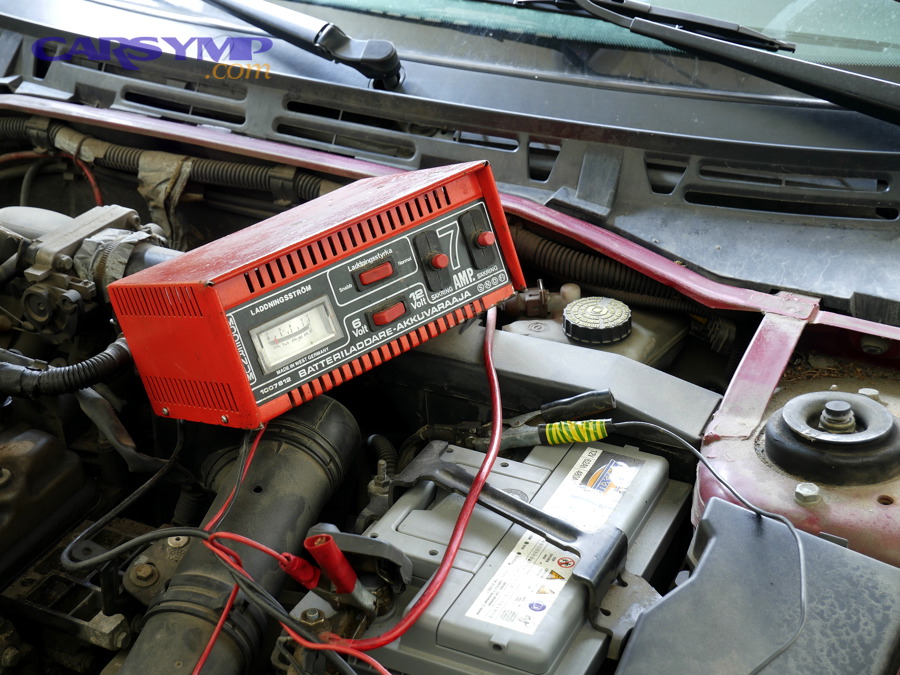
Short trips can leave the battery undercharged because starting current is high while recharge time is limited—especially with headlights, defroster, heated seats, and blower running.
So if your routine is multiple quick drives, add one longer drive periodically or use a maintainer at home to prevent slow, cumulative discharge.
Turn off “convenience” loads before you shut the engine down
Leaving high electrical loads on until the last second can increase how hard the battery works during cranking and can confuse some vehicles’ power management behavior.
To reduce stress, shut off heated seats, defroster, and aftermarket accessories a minute before parking so voltage stabilizes and modules can transition cleanly.
Confirm the car is truly off—especially at night
A partially latched door, a trunk that doesn’t fully close, or an interior light that stays on can drain a battery surprisingly fast.
Next time you park, do a quick walk-around: look for interior glow, listen for fans running, and verify the vehicle locks and arms as expected.
How can you prevent parasitic loads from chargers, dash cams, and plug-ins?
You prevent accessory-related battery drain by eliminating always-on power paths, using switched circuits or hardwire kits with low-voltage cutoffs, and unplugging devices that quietly draw power when the car is off.
Next, you’ll see why “small” devices matter: individually they’re minor, but together they can keep a battery below starting threshold after a couple of nights.
Don’t assume the 12V outlet turns off
Some vehicles keep the accessory socket powered even with the ignition off, which means anything plugged in can continue drawing current overnight.
AAA notes that if an accessory remains plugged in with the engine off, it continues to draw current and can gradually deplete the battery’s ability to start the car.
Hardwire accessories the right way (or don’t hardwire them at all)
A proper hardwire setup uses the correct fuse tap, correct ground, and a circuit that is truly ignition-switched—or a smart module with a real low-voltage cutoff for parking mode.
To avoid repeat drains, don’t “share” random fuses: choose the correct type of circuit (switched vs constant), verify with a meter, and secure the wiring so it won’t chafe or loosen.
Set parking modes with realistic limits
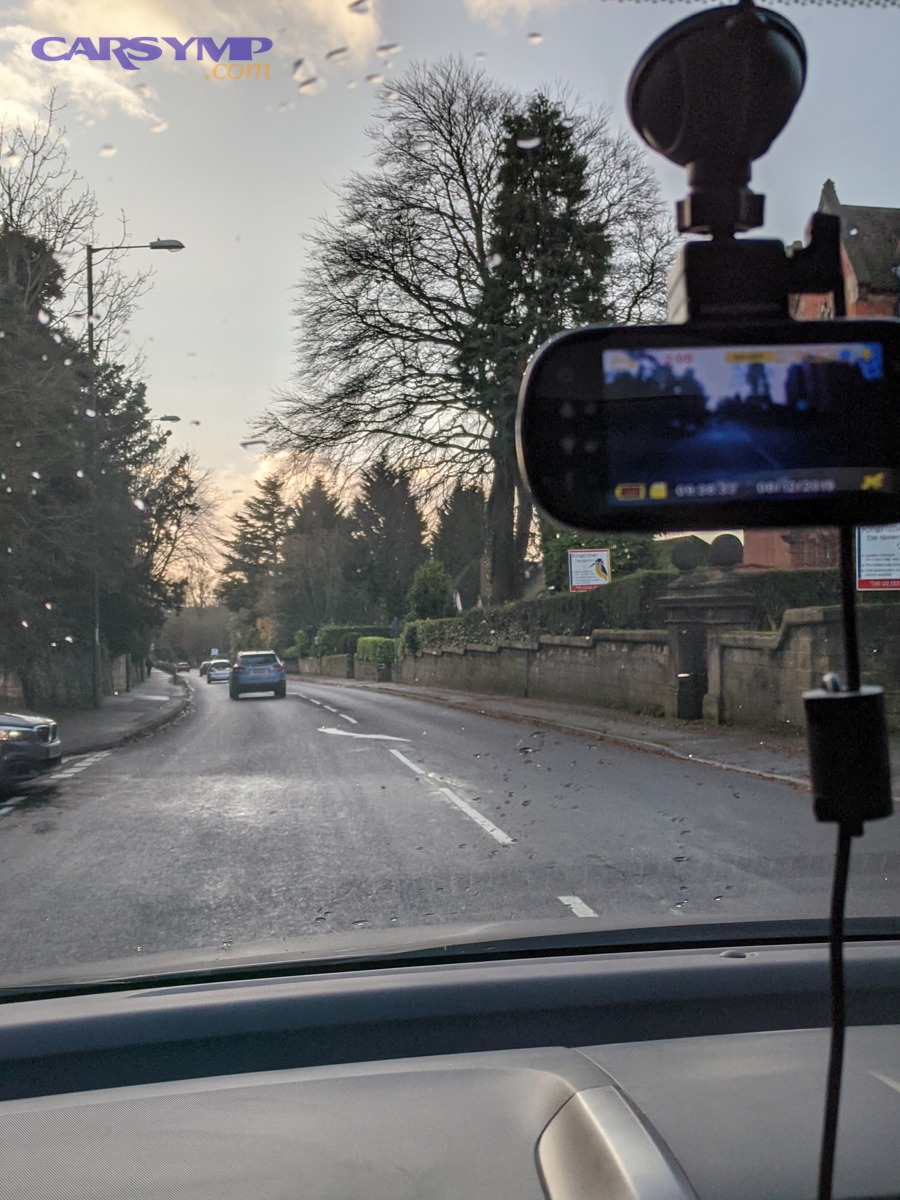
Dash cams and trackers often offer parking recording that can be safe for the battery only if the cutoff voltage and timer are set conservatively.
In practice, if you park for long periods, prioritize battery protection over footage—lower sensitivity, shorter parking windows, or disable parking mode entirely when needed.
How do you stop infotainment and modules from staying awake?
You prevent module-related battery drain by removing common wake triggers—keys too close, repeated app pings, stuck switches—and keeping vehicle software and settings aligned with normal sleep behavior.
Next, you’ll connect symptoms (random screen wake-ups, fans running, locks cycling) to the underlying problem: network activity that prevents deep sleep.

Keep key fobs away from the vehicle when parked
Keyless systems can “poll” for nearby keys, and a fob stored too close (garage wall, entry table) can increase wake-ups or keep parts of the system alert.
To reduce risk, store keys farther away, or use a Faraday pouch/box if your vehicle is known to be sensitive.
Disable unnecessary wake features you don’t use
Features like constant connectivity, frequent vehicle-status updates, or aftermarket alarms can create repeated wake events that never let the car settle.
So if you don’t need them, turn them off—then re-check your baseline draw to confirm the car sleeps more deeply.
Keep software current when there’s a known drain pattern
Some drains are software-driven: a module that fails to time out, a head unit that crashes, or a telematics unit that repeatedly reconnects.
According to an SAE International technical article on parasitic battery drain and network management (April 2018), improper network management between ECUs can contribute to battery drain by affecting sleep/wake performance across the network.
How do you protect the alternator and charging system from hidden drains?
You prevent charging-system-related “drain” by ensuring the alternator charges correctly, the belt and connections are solid, and no fault (like a leaking diode) creates current flow when the engine is off.
Next, this matters because a battery can look like it’s “draining,” when the real issue is it never fully recharged—or it’s being back-fed through a charging fault.

Check charging voltage and belt condition, not just “it starts”
Loose belts, weak tensioners, and poor connections can reduce charging output, especially under load, leaving the battery consistently underfilled.
To prevent repeat problems, check charging voltage at idle and with headlights/blower on, and inspect belt wear and tension so the alternator can do its job.
Watch for backfeed patterns that mimic a parasitic draw
A failing alternator diode can allow reverse current flow when the engine is off, creating a persistent drain that looks like an “electrical mystery.”
If you’ve seen Alternator diode drain symptoms before, treat it as a high-priority check—because replacing batteries without fixing backfeed is a guaranteed repeat failure.
Clean and tighten grounds and battery cables
High resistance at terminals or grounds can cause slow charging, voltage drop, and odd module behavior that increases draw.
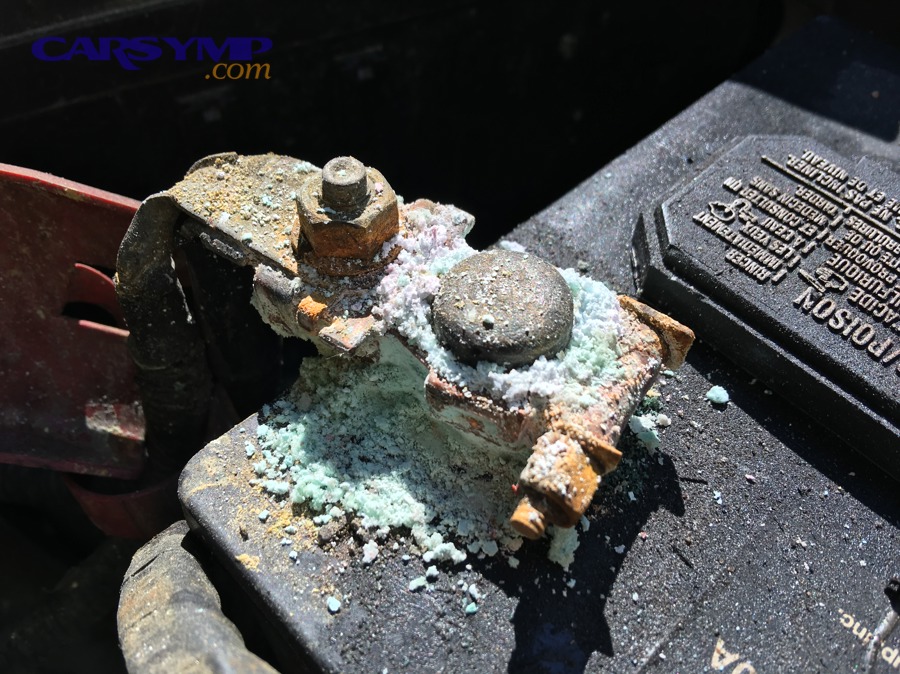
To fix the root, clean corrosion, tighten connections to specification, and inspect cables for hidden corrosion under insulation.
How can you prevent repeat drains after installing a new battery?
You prevent battery drain after a replacement by verifying the car’s parasitic draw and charging performance first, then registering/programming the battery if your vehicle requires it, and finally rechecking sleep behavior.
Next, the key idea is simple: a new battery hides the problem temporarily, so you must validate the system while the symptom is “gone.”

Don’t skip the “quiet check” just because it’s new
A new battery can still be drained by the same load, just on a slower timeline, which is why repeat failures happen weeks later instead of the next morning.
So re-check your baseline draw after installation, then again after a few days of normal use to confirm the value stays stable.
Confirm the battery is fully charged before judging anything
Many “new” batteries sit on shelves and may not be at 100% state of charge when installed.
To avoid confusion, charge it fully (or have it charged/tested) so you’re not diagnosing a half-full battery as if it were a drain.
Use a methodical test if you suspect a returning draw
If the battery starts fine for a few days and then weakens, you’re likely facing an intermittent load or a sleep issue rather than a one-time mistake.
In that case, follow a structured process—many guides recommend a step-by-step parasitic draw approach using a meter and fuse isolation to identify the circuit causing the draw.
How do you build a “no-surprises” parking routine for long sits?
You prevent future battery drain during long parking by reducing key-off loads to near-zero, keeping the battery topped safely, and eliminating wake triggers like nearby keys and periodic accessory operation.
Next, the goal is not perfection—it’s predictable survival: your car should start after days or weeks, not only after yesterday.
Use a maintainer when the car sits more than a week
A smart maintainer keeps voltage in a safe range without overcharging, which is especially useful in cold weather or when you drive infrequently.
To make it easy, install a quick-connect lead at the battery and route it to an accessible spot so you actually use it.
Consider a battery disconnect only when appropriate
A disconnect switch can eliminate drain, but it may reset modules, require re-learning, and interfere with alarms or telematics.
So use it strategically—older vehicles and seasonal cars benefit most, while newer cars may prefer a maintainer plus reduced wake triggers.
Before storing, remove the obvious loads first
Unplug chargers, disable parking mode on accessories, and ensure doors and trunk are fully latched—these steps remove the most common human-caused drains.
Then re-check that the car locks normally and no lights remain on, because a simple oversight can defeat every other prevention tactic.
What’s the safest way to measure and prevent drains without damaging your car?
Yes—you can measure and prevent drains safely if you use proper meter settings, avoid opening doors mid-test, and follow a stable procedure that won’t wake modules or blow your meter fuse.
Next, this section ties prevention to verification: once you can measure draw confidently, you can confirm your fixes instead of hoping.
Use correct meter technique and protect the circuit
Always start with the meter on a high-current setting if you’re placing it in series, then step down to milliamps after you confirm the draw is within safe range.
To avoid waking systems, keep doors closed, disable underhood lights if possible, and wait until the vehicle is in its stable sleep state before judging results.
Learn a proven workflow once—then reuse it forever
When you master a repeatable method, you can test after every change and stop drains early—before they leave you stranded.
If you want a visual walkthrough, this video demonstrates a step-by-step parasitic draw test process you can adapt to your vehicle.
Translate measurements into prevention actions
Once you see the draw drop after pulling a specific fuse, you’ve identified the “owner” of the drain—then prevention becomes targeted (repair, rewire, replace, or reconfigure).
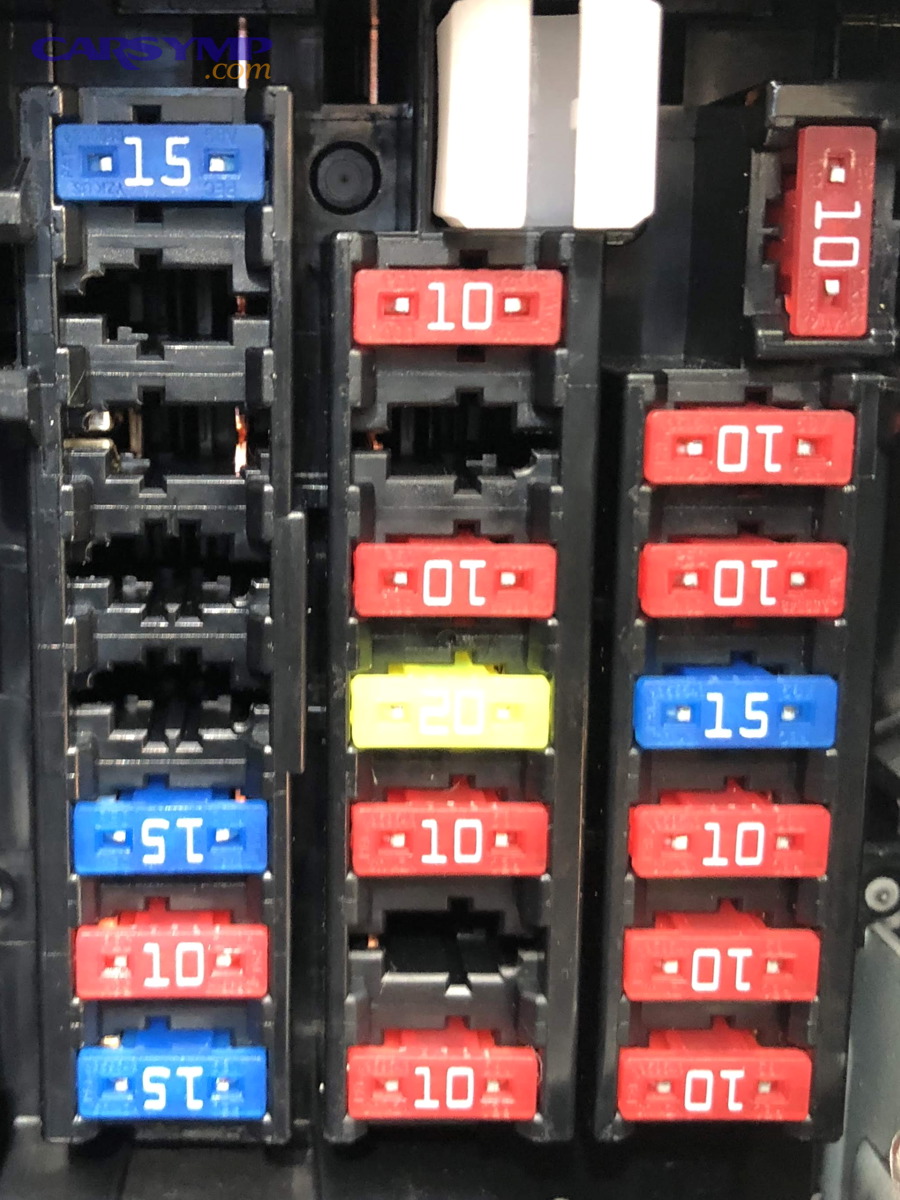
At that point, knowing How to use a multimeter to find a draw becomes the difference between endless battery swaps and a permanent fix.
Contextual border: when prevention becomes “advanced electrical strategy”
Up to this point, you’ve covered the highest-probability prevention moves that solve most repeat drains. Next, we’ll expand into less common but increasingly important scenarios—modern always-on features, aftermarket modules, and special vehicle types—where small changes have outsized effects.
Advanced prevention for modern always-on vehicles
Advanced prevention focuses on controlling wake events, limiting always-on modules, and protecting the battery during long sits—because modern cars can draw power even when “off” due to security, connectivity, and convenience features.
Next, apply these tactics only if they match your situation; otherwise, keep your prevention plan simple and consistent.
How do you prevent keyless-entry wake-ups at home?
You prevent keyless wake-ups by increasing distance between keys and the car, using shielding if needed, and avoiding repeated lock/unlock pings from phones or smart devices.
In practice, a few extra meters of distance can reduce background communication and help the vehicle reach deeper sleep states more reliably.
How do you handle aftermarket trackers, remote starters, and alarms?
You prevent drain from aftermarket modules by ensuring they have true sleep modes, are wired correctly, and are powered from appropriate circuits with proper fusing and grounds.
Next, if your baseline draw rises after installation, don’t “live with it”—reconfigure or replace the module, because slow drains become fast drains when weather turns cold.
What should you do for seasonal storage or infrequent driving?
You prevent storage-related drain by combining a smart maintainer with a low-load environment: unplug accessories, disable parking features, and prevent wake triggers.
To make it easy, build a two-minute shutdown routine you can repeat every time you know the car will sit.
Do hybrids/EVs still get 12V battery drain?
Yes—many hybrids and EVs still rely on a 12V battery for computers, locks, and relays, so parasitic draw and sleep issues can still cause no-start behavior even if the traction battery is fine.
So treat prevention the same way: reduce key-off loads, confirm sleep behavior, and follow manufacturer guidance for long-term parking.
FAQ: Preventing future battery drain
These quick answers reinforce the prevention plan so you can act fast when something feels “off,” without restarting the whole learning process.
Next, use the questions below as a checklist whenever you change a habit, install a device, or notice slower cranking.
Can a weak battery look like a drain?
Yes—reduced capacity can mimic a drain because the battery reaches low voltage sooner even with normal standby loads.
So confirm battery health and charge level first, then evaluate parasitic draw with a stable, repeatable method.
Is it “normal” for a car to draw power when off?
Yes—most modern cars have some standby draw for memory and security, but excessive draw or failure to sleep is what creates repeated dead batteries.
As a reference point, manufacturer and industry guidance often treats tens of milliamps as typical, while higher sustained draws suggest a problem.
What’s the fastest prevention step if I’m not sure of the cause?
Unplug all accessories, move the key fob away, and fully charge the battery—then observe whether the problem returns after a normal overnight sit.
From there, reintroduce one variable at a time so the cause reveals itself.
When should I escalate to a professional?
If the car repeatedly dies within 24–72 hours, if you suspect charging system backfeed, or if the draw is intermittent and tied to network modules, a shop with proper diagnostic tools can save you time and parts.
At that stage, your notes and baseline measurements help a technician pinpoint the fault faster, reducing guesswork and repeat visits.