


Brake fluid type and compatibility determine how safely your braking system builds pressure, resists heat, and protects internal parts from moisture and corrosion. If you choose the wrong type—or mix incompatible fluids—you can reduce braking performance, damage seals, and shorten the life of expensive components.
Beyond “which DOT number,” compatibility also includes how a fluid behaves over time: water absorption, boiling resistance, seal friendliness, and how it interacts with paints and plastics. Understanding these factors helps you pick the correct fluid for daily driving, towing, mountains, or track-like heat without guessing.
You’ll also want practical decision rules: how to confirm your vehicle’s specification, what mixing is truly acceptable, and how to handle a partial top-off versus a full flush. These rules prevent common mistakes that quietly create spongy pedal feel and internal corrosion months later.
To start, we’ll define the fluid families, then map the DOT ratings, then move into compatibility logic and real-world handling so you can maintain the system confidently and consistently.
What does brake fluid “type” mean, and why does compatibility matter?
Brake fluid “type” means the fluid family and performance standard your system is designed for, and compatibility matters because seals, boiling resistance, and water behavior must match the hardware’s expectations to maintain safe hydraulic pressure.
To connect the idea to real outcomes, compatibility is not just a label—it’s the relationship between chemistry and the brake system’s materials, temperatures, and maintenance habits.
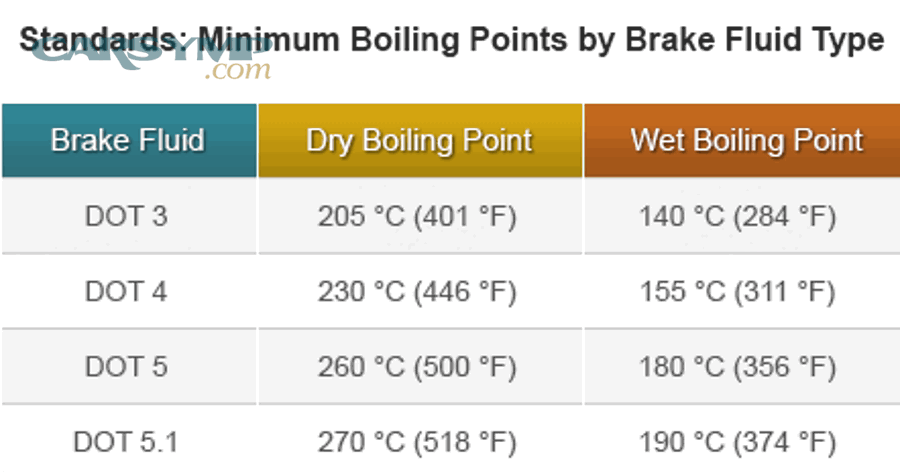
Brake fluid type usually combines three layers:
- Chemical base: glycol-ether (most DOT 3/4/5.1) or silicone (DOT 5).
- Performance target: how well it resists boiling under heat and moisture exposure.
- Material compatibility: seal rubber, ABS valve blocks, master cylinder coatings, and hoses.
When the type is wrong or compatibility is ignored, the consequences are often delayed rather than immediate. A top-off with an incompatible fluid can swell seals slowly, change pedal feel gradually, or increase internal corrosion as water behaves differently inside the system.
Which DOT brake fluid types exist, and how do DOT 3, DOT 4, DOT 5, and DOT 5.1 differ?
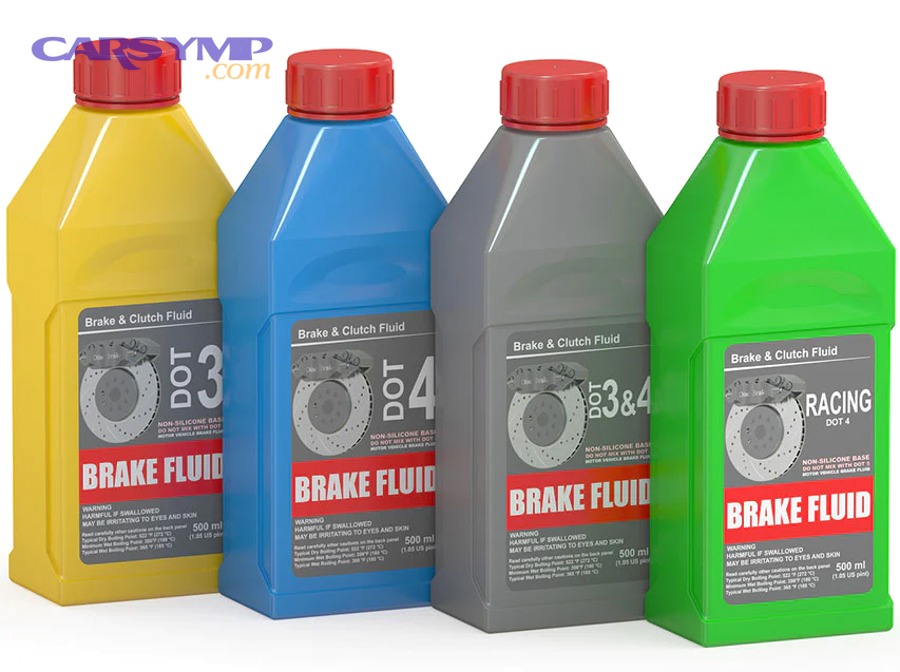
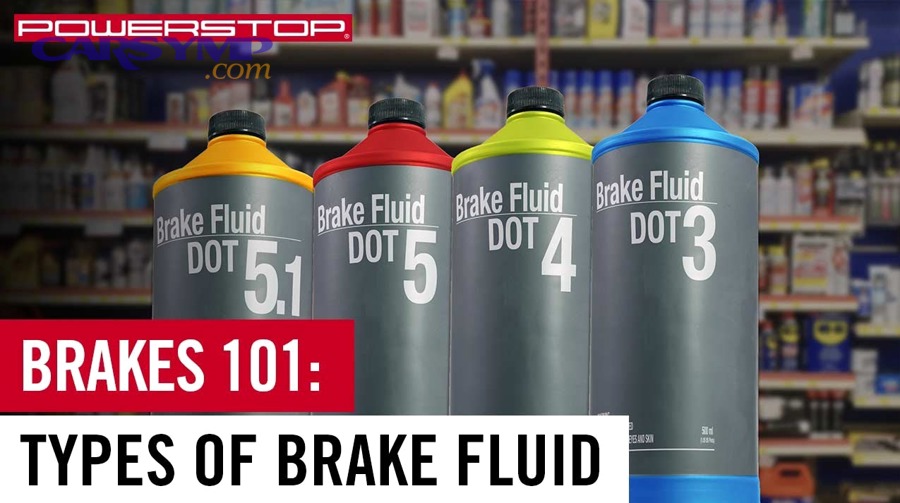
There are four common DOT brake fluid categories—DOT 3, DOT 4, DOT 5, and DOT 5.1—and they differ mainly by chemical base, boiling resistance, viscosity behavior, and whether they can safely mix with other types.
Next, it helps to compare them side-by-side so you can see where “higher number” really matters and where it doesn’t.
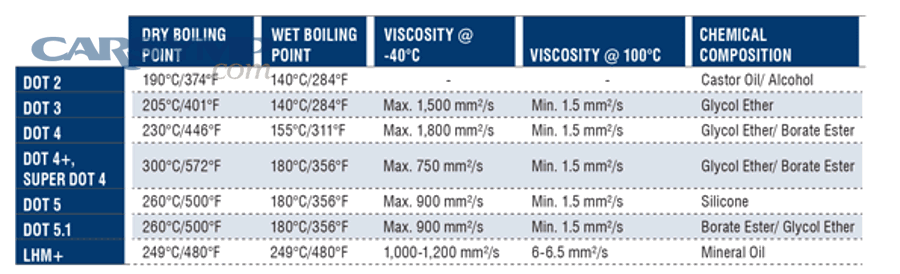
This table helps you quickly understand what each DOT type is made from, how it behaves, and what it’s usually best for.
| DOT Type | Base Chemistry | Mixing Compatibility | Typical Use Case | Key Tradeoff |
|---|---|---|---|---|
| DOT 3 | Glycol-ether | Usually mixable with DOT 4 / DOT 5.1 | Most daily drivers | Lower heat margin vs DOT 4/5.1 |
| DOT 4 | Glycol-ether (often borate esters) | Usually mixable with DOT 3 / DOT 5.1 | Higher heat, heavier vehicles, towing | Often absorbs moisture faster than DOT 3 |
| DOT 5 | Silicone | Not mixable with DOT 3/4/5.1 | Some classic cars, special storage needs | Different pedal feel; air entrainment concerns |
| DOT 5.1 | Glycol-ether (high performance) | Usually mixable with DOT 3 / DOT 4 | High heat + cold weather ABS stability | Can be more expensive; still hygroscopic |
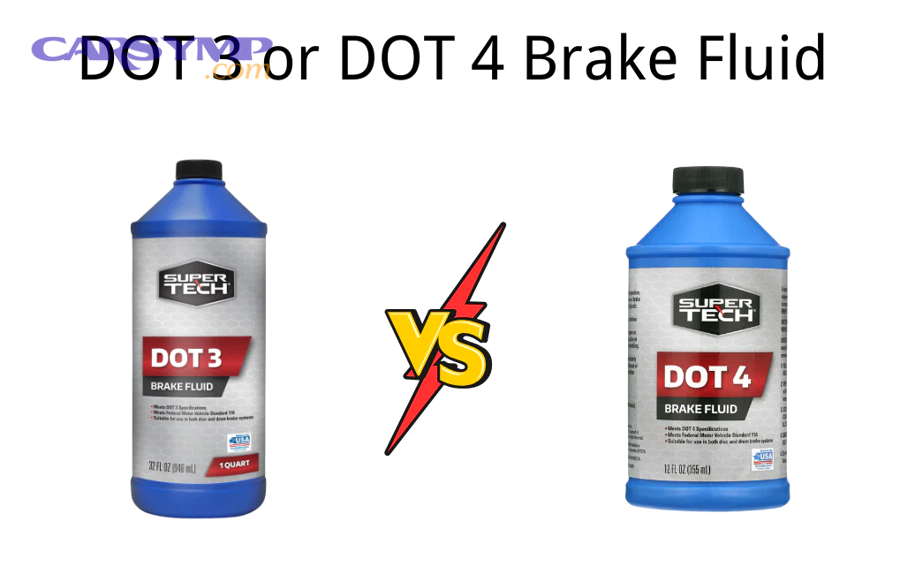
DOT 3 vs DOT 4 (most common decision): DOT 4 typically offers higher heat margin, which can matter with mountain driving, aggressive braking, towing, or heavier vehicles. However, DOT 4 may be more sensitive to moisture over time depending on formulation, so maintenance discipline becomes more important.
DOT 5 vs DOT 5.1 (the common confusion): DOT 5 is silicone-based and not compatible with glycol fluids; DOT 5.1 is glycol-based and generally compatible with DOT 3/4. The similarity in names is a classic trap.
Can you mix brake fluid types safely, or should you never combine them?
Yes, you can usually mix DOT 3, DOT 4, and DOT 5.1 in an emergency because they’re glycol-based, but you should never mix DOT 5 silicone with any glycol-based fluid because the system behavior becomes unpredictable.
However, the safe “emergency rule” is different from the best “maintenance rule,” so let’s separate the two clearly.
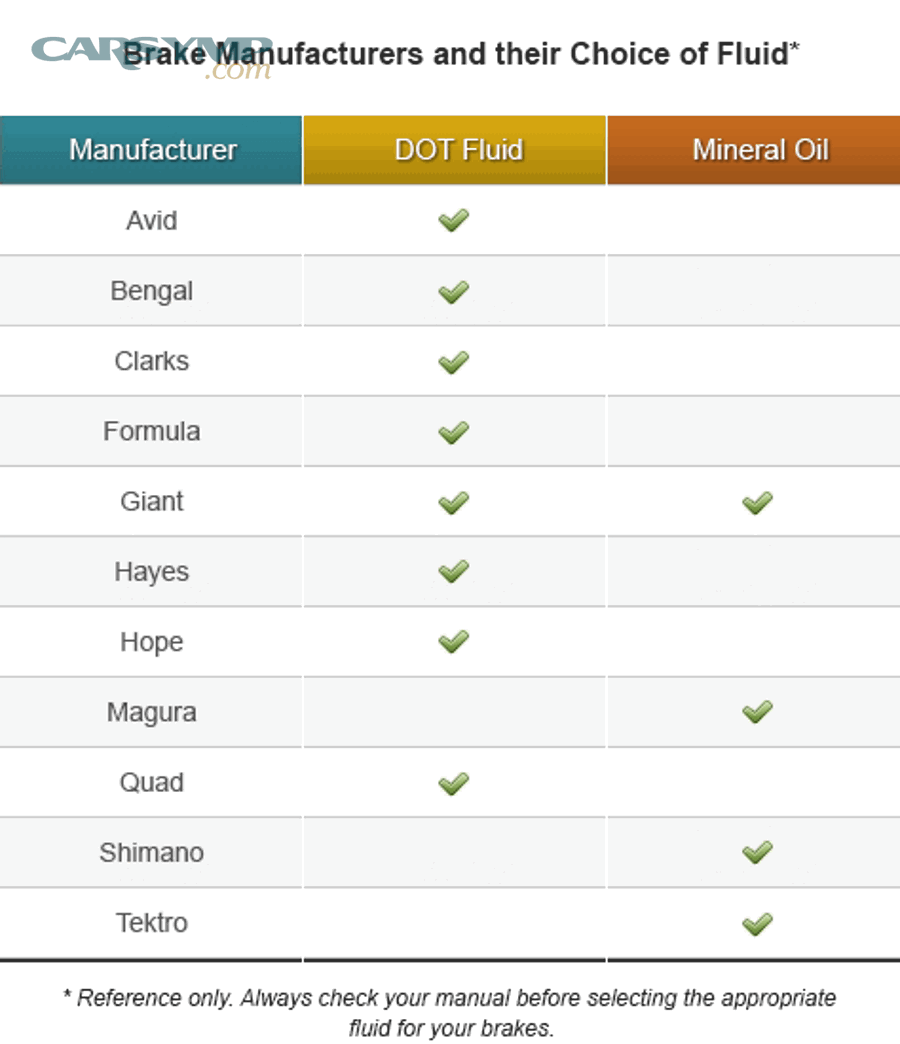
Emergency top-off logic (short-term safety):
- If your cap says DOT 3 and you only have DOT 4, topping off is generally acceptable to restore safe operation.
- If your system specifies DOT 4 and you add DOT 3, it can reduce heat margin; you should plan a full service soon.
- If there’s any chance the system contains DOT 5 silicone, do not add DOT 3/4/5.1.
Maintenance logic (long-term reliability): Mixing changes the final blend’s performance toward the “lowest common denominator” for certain properties. So even when mixing glycol fluids is chemically compatible, it may not preserve the higher-temperature benefits you were trying to achieve.
To make this actionable: if you had to mix during a trip, treat it as a temporary patch. Once home, restore a single, correct spec with a proper flush so the fluid behavior is predictable again.
How do you identify the correct brake fluid for your vehicle without guessing?
You identify the correct brake fluid by checking the reservoir cap, owner’s manual, and service information for the required DOT rating, then confirming whether your driving conditions justify upgrading within compatible glycol categories.
To avoid mismatches, you’ll want a simple verification sequence that works even if the vehicle has a mixed maintenance history.
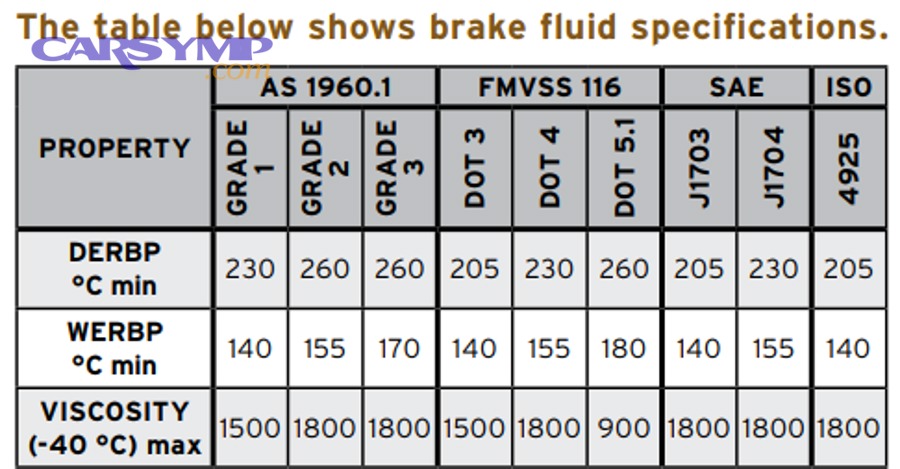
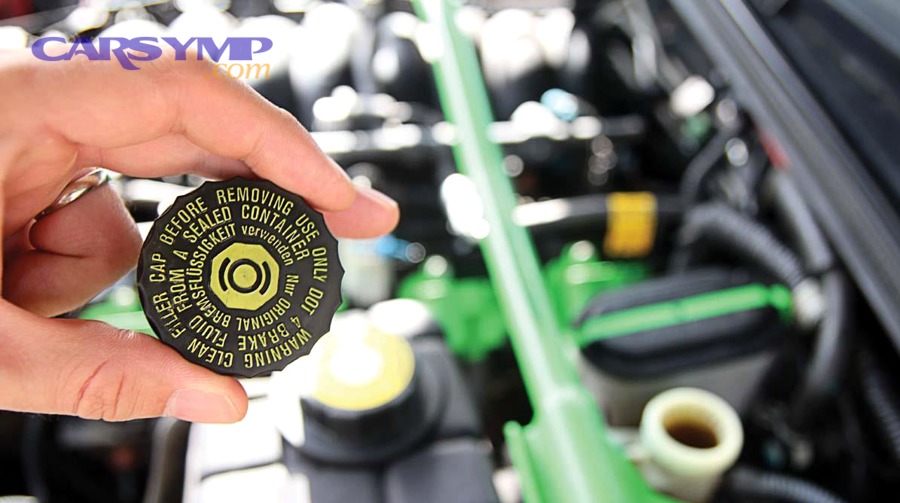
- Check the reservoir cap first: Many manufacturers print “Use DOT 3” or “Use DOT 4” directly on the cap.
- Confirm in the owner’s manual: Look for “brake fluid” in specifications, not just in maintenance tips.
- Match the DOT rating exactly for DOT 5: If it says DOT 5, treat it as a separate chemistry category and avoid glycol fluids.
- If the cap is missing or unclear: Use the manual + VIN-based service info; if still uncertain, assume the most common factory spec for that model year and verify with a trusted shop before changing chemistry.
Practical upgrade rule: If your vehicle calls for DOT 3, moving to DOT 4 or DOT 5.1 is often acceptable because they’re glycol-based, but only if you plan a flush so the system truly benefits rather than becoming an unknown blend.
Why does brake fluid absorb water, and how does moisture change boiling and corrosion risk?
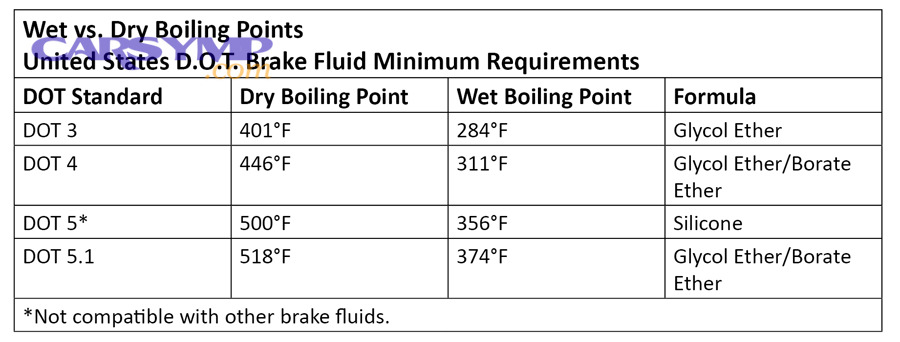
Most brake fluids are hygroscopic, meaning they absorb water from air over time, and that moisture lowers boiling resistance while increasing corrosion risk inside lines, calipers, and ABS valve bodies.
To connect this to compatibility, moisture behavior is one of the biggest reasons “same chemistry” still needs “correct maintenance.”
What moisture does in practical terms:
- Boiling risk increases: Water boils at a lower temperature than brake fluid, so under heavy braking it can create vapor bubbles that compress, causing a soft or sinking pedal.
- Corrosion accelerates: Water promotes rust and pitting in steel lines and internal passages, and can degrade delicate ABS modulator channels.
- Performance becomes inconsistent: The pedal may feel fine in normal driving but degrade after repeated stops or downhill braking.
Why DOT 4 often “feels better” under heat: It commonly has higher dry boiling resistance, so it tolerates heat spikes better. Yet moisture management still matters, because once water content rises, the advantage shrinks.
In other words, compatibility isn’t just “will it mix,” it’s “will it keep working after months of humidity and heat cycles.”
What are the signs your brake fluid is contaminated, incompatible, or overdue?
Common signs include a spongy or inconsistent pedal, darker fluid color, a burning smell after hard braking, uneven brake response, and recurring ABS-related symptoms that appear after heat cycles.
Next, you can use a symptom-to-cause approach to decide whether you need a simple top-off, a bleed, or a full flush.
Symptom patterns that often point to fluid problems:
- Pedal gets softer after repeated stops: Possible boiling or moisture-lowered heat margin.
- Pedal feels spongy all the time: Possible air in lines, poor bleed, or seal issues aggravated by wrong chemistry.
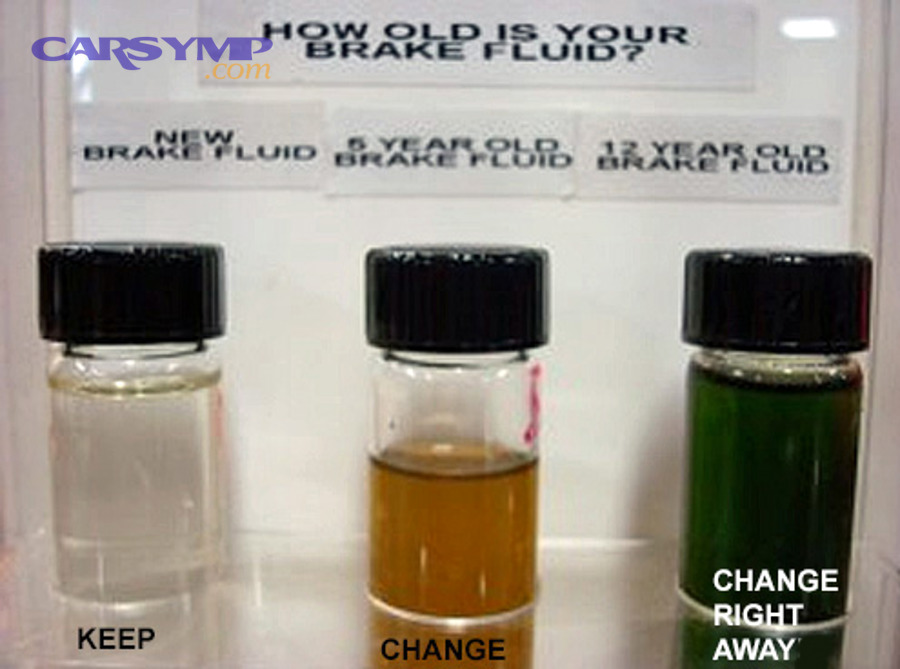
- Fluid is very dark or cloudy: Oxidation, rubber debris, corrosion byproducts, or contamination.
- ABS seems to activate oddly on rough roads: Not always fluid-related, but degraded fluid can worsen valve behavior or pressure modulation feel.
To make a safe decision, treat a sudden change in pedal feel as urgent. If braking performance is uncertain, don’t rely on “it might clear up”—inspect immediately and correct the fluid condition before normal driving.
How should you choose brake fluid for climate, towing, mountains, and daily driving?
You choose brake fluid by matching the manufacturer’s DOT requirement first, then selecting a formulation that fits your heat load and climate, with DOT 4 or DOT 5.1 often favored for high-heat conditions when compatible.
To keep the choice grounded, start with your driving stress level rather than marketing labels.
Use-case filters that actually matter:
- Daily commuting, moderate climate: The specified DOT 3 or DOT 4 is usually sufficient when replaced on schedule.
- Mountains, towing, heavy loads: Higher heat margin can help; DOT 4 is a common step up if your system allows it.
- Cold winters + modern ABS: Low-temperature viscosity stability matters; DOT 5.1 can perform well while staying glycol-compatible.
- Track-like braking: Choose a high-performance fluid within the correct chemistry, then commit to more frequent replacement.
Important: “Higher DOT number” is not automatically “better for everything.” The best fluid is the one that meets the spec, stays stable in your temperatures, and is maintained before moisture and heat cycles degrade it.
How do you store and handle brake fluid so it stays compatible and effective?
Brake fluid stays effective when you minimize air exposure, keep containers sealed, avoid cross-contamination, and store it away from humidity and extreme heat so the chemistry doesn’t absorb moisture or degrade.
Next, treat brake fluid like a precision chemical rather than a generic “garage liquid,” because small handling mistakes have system-wide effects.
Handling rules that prevent hidden compatibility problems:
- Keep the cap tight: Glycol fluids pull moisture from the air; an open container can degrade quickly.
- Don’t “combine leftovers”: Mixing partially used bottles creates unknown blends and may introduce moisture.
- Use clean tools: A funnel that touched power steering fluid, oil, or coolant can contaminate brake fluid.
- Protect paint: Many glycol fluids damage paint; wipe spills immediately and rinse with water.
Practical tip: If you only need a small amount for a top-off, buy the smallest sealed container available. The cost of wasted leftover fluid is still cheaper than the cost of moisture-driven corrosion later.
How do you replace brake fluid correctly while avoiding compatibility mistakes?
The safest method is a full flush using the specified DOT fluid, maintaining reservoir level throughout, bleeding in a controlled sequence, and finishing with pedal and leak checks so the system remains consistent and air-free.
To tie this to compatibility, a flush resets chemistry, removes moisture-contaminated fluid, and prevents unknown blends from lingering in ABS passages.
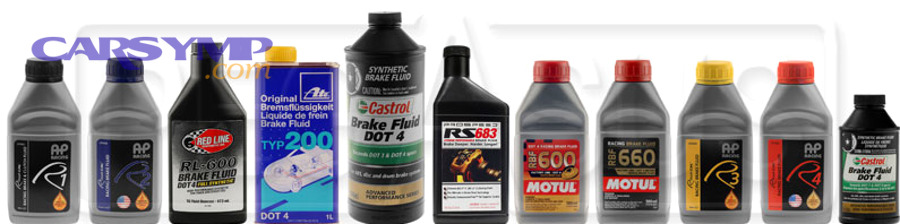
High-level steps (safe workflow):
- Confirm the required DOT rating and buy enough fresh, sealed fluid for a full flush.
- Protect paint and plastics with towels and rinse-ready water; brake fluid can damage finishes.
- Flush and bleed until clean fluid appears at each wheel, keeping the reservoir from running low.
- Check pedal feel and leaks, then road-test gently in a safe area before normal driving.
To reduce mistakes, avoid “partial upgrades” where you add a higher-spec fluid on top of old fluid and assume you’ve improved performance. Without a flush, the system becomes a blend, and the final behavior may not match the label on the bottle.
In practical maintenance language, many drivers describe the process as “bleed brakes,” but the key compatibility point is whether you are just removing air or truly replacing the old, moisture-loaded fluid across the entire circuit.
Also, if you’re following a workshop procedure, you may see references to Bleeding order by vehicle type; that ordering helps remove air efficiently and can matter especially when lines route differently or when the ABS unit sits higher or lower than expected.
Finally, modern systems sometimes have specific ABS brake bleeding requirements that include cycling valves (often with a scan tool) so old fluid and trapped air in the modulator can be moved out during service.
How do ABS, seals, hoses, and brake components influence fluid compatibility?
ABS modulators, seal materials, and hose construction influence compatibility because certain chemistries can swell or dry seals, change valve response, or trap microbubbles—so the system’s material design must match the fluid family.
Next, it’s helpful to understand which parts “care the most,” so you know why mixing rules are strict for silicone and why maintenance discipline matters for glycol fluids.
Components most sensitive to compatibility and fluid condition:
- ABS hydraulic modulator: Fine passages and valves depend on predictable viscosity and clean fluid.
- Master cylinder seals: Must maintain elasticity; wrong chemistry can swell or degrade rubber.
- Caliper seals and slide boots: Heat cycles plus contamination can accelerate seal wear and sticking.
- Brake hoses: Old hoses can shed particles internally, darkening fluid and affecting valve operation.
Why this matters in real driving: Even if the brakes “feel okay” today, internal damage or corrosion from fluid issues often shows up later as sticking calipers, ABS faults, or a pedal that changes with temperature.
So, compatibility is best treated as a system-wide property: fluid chemistry + materials + heat + moisture + maintenance schedule.
When is topping off acceptable, and when do you need a full flush instead?
Topping off is acceptable when the fluid is otherwise clean and the correct DOT type is confirmed, but a full flush is the better choice when fluid is dark, unknown, moisture-exposed, or when you’re changing performance level within compatible glycol fluids.
To make this decision simple, you can use a threshold-based checklist that focuses on risk rather than convenience.
Top-off is usually reasonable if:
- You can confirm the exact DOT type from the cap/manual.
- The fluid in the reservoir looks clear to light amber (not dark brown/black).
- You are correcting a small drop due to pad wear (a normal level change).
A full flush is strongly favored if:
- The DOT type is unknown or service history is unclear.
- The fluid is dark, cloudy, or has visible debris.
- The pedal feel is inconsistent after heat or repeated stops.
- You want the benefits of DOT 4 or DOT 5.1 rather than a blended compromise.
As a connecting rule: if you can’t confidently describe what’s in the system, the safest compatibility reset is a flush with the correct specification.
How do you dispose of brake fluid safely, and what should you never do?
You dispose of brake fluid by treating it as hazardous waste, storing it in a sealed container, and bringing it to an approved recycling or disposal facility, while never pouring it into drains, onto soil, or into household trash.
Next, safe disposal also supports system compatibility because it discourages risky “reuse” habits and keeps your maintenance workflow clean.
- Never reuse old brake fluid: It may contain moisture and debris that compromise performance and materials.
- Never mix with oil/coolant for disposal: Mixed fluids can be rejected by facilities and create environmental hazards.
- Do use a clearly labeled container: Keep it sealed to prevent spills and fumes.
- Do check local rules: Many auto parts stores or municipal centers accept brake fluid with other hazardous automotive liquids.
In summary, compatibility is about protecting the brake system, and responsible disposal is about protecting everything outside the system.
Contextual Border: The main compatibility decisions are now clear. Next we’ll cover edge cases, confusing labels, and situations where the “usual rules” mislead drivers.
Edge cases and compatibility traps drivers overlook
Is DOT 5 silicone ever a smart choice, and what must be done to convert safely?
DOT 5 silicone can be appropriate in certain niche situations, but only if the entire system is converted intentionally, fully purged of glycol fluid, and maintained with the understanding that silicone behaves differently with air and moisture.
Next, the key trap is thinking you can “upgrade” to DOT 5 because the number is higher, when in reality it’s a different chemical family with different system behavior.
- Conversion is not a drain-and-fill: You typically need a full disassembly-level cleaning or replacement of rubber parts, plus complete line and component purging.
- Do not mix: Even small remnants of glycol fluid can create unpredictable performance and contamination.
- Pedal feel expectations: Some setups experience a different feel due to how silicone can entrain tiny air bubbles if handled aggressively.
For most modern vehicles with ABS and frequent heat cycles, staying within glycol-based DOT 3/4/5.1 is the simpler, more predictable compatibility path.
Do “racing” or “high temp” fluids change compatibility, or just maintenance frequency?
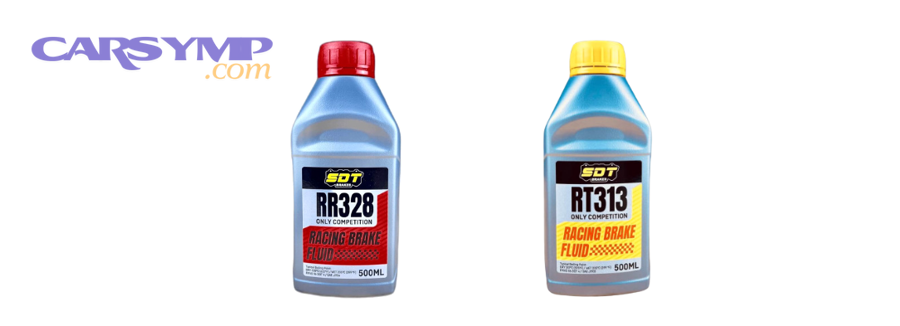
Most high-temp brake fluids remain glycol-based and compatible with DOT 3/4/5.1 systems, but they often demand more frequent replacement because performance can degrade faster when exposed to moisture and extreme heat cycles.
Next, the practical trap is paying for high-temp performance while keeping old fluid in place—without a flush, you won’t get the behavior you expect.
- Compatibility usually remains within glycol, but always confirm the label and intended DOT category.
- Heat margin helps most when fluid is fresh and moisture is low.
- Service interval matters more as braking stress rises; treat it like a consumable in hard use.
If you tow, drive mountains, or brake hard repeatedly, prioritize fresh fluid and a proper flush over chasing a label without changing the old chemistry in the lines.
Can you rely on brake fluid color, and what labeling myths cause wrong purchases?
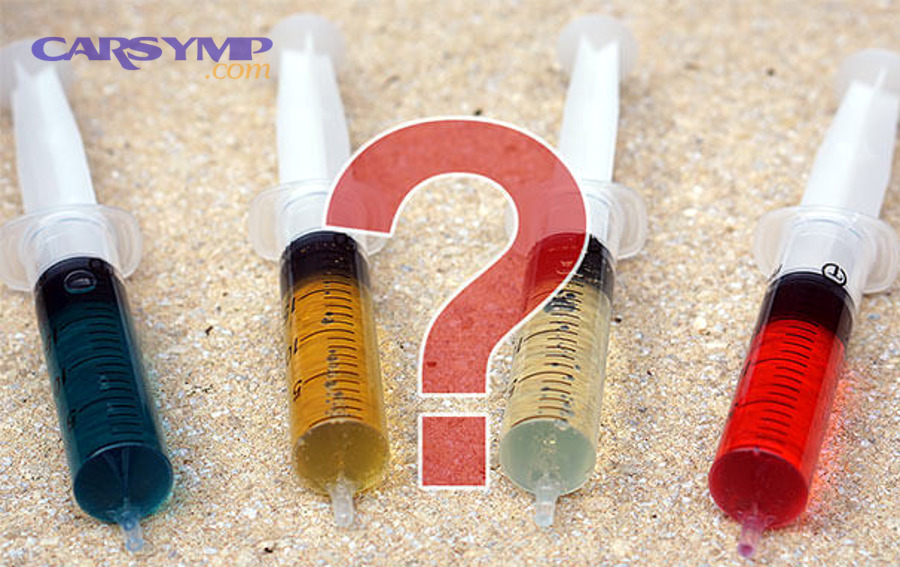
No, you cannot rely on color alone because dye and aging vary widely; the only reliable compatibility guide is the DOT specification and chemistry family, especially avoiding the DOT 5 vs DOT 5.1 name confusion.
Next, recognizing the common myths helps you shop correctly in seconds.
- Myth: “DOT 5.1 is silicone because it’s close to DOT 5.” Reality: DOT 5.1 is glycol-based.
- Myth: “Clear fluid is always good.” Reality: Some fresh fluids are light, but moisture content isn’t reliably visible.
- Myth: “Any DOT fluid works for any car.” Reality: DOT 5 silicone is the major incompatibility exception, and spec still matters for heat and viscosity behavior.
As a quick safeguard, buy fluid that explicitly matches your cap/manual DOT rating, and only deviate upward within glycol types when you plan a full flush.
FAQ: quick compatibility answers drivers ask most
These quick answers summarize common decisions so you can act fast without losing the compatibility logic you’ve learned.
Next, use these as reminders—not replacements for the cap/manual—because the manufacturer spec is still your primary anchor.
- Is DOT 4 “better” than DOT 3? Often better under heat, but only “better” if your system allows it and you maintain it properly; otherwise it’s just different.
- Can I mix DOT 3 and DOT 4? Generally yes (glycol-based), but blending may reduce the performance you expected; a flush restores predictability.
- Can I mix DOT 5 with DOT 4? No; DOT 5 silicone should not be mixed with glycol fluids.
- Do I need a scan tool for ABS? Sometimes; certain systems require cycling ABS valves during service to fully exchange fluid inside the modulator.
- What’s the safest plan if I’m unsure what’s inside? A complete flush with the correct manufacturer-specified DOT fluid is the most reliable compatibility reset.
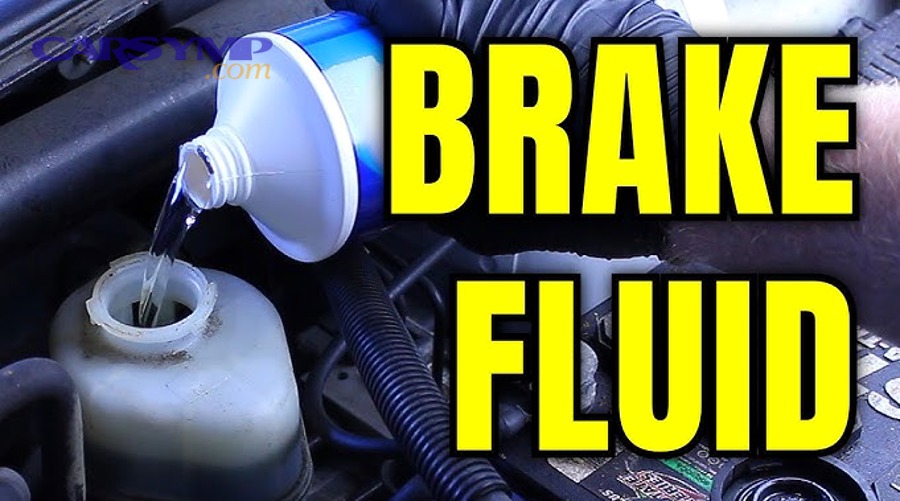
If you want a visual walkthrough, this video demonstrates common brake fluid service concepts and what to watch for when selecting and replacing fluid.