


A DIY brake inspection checklist is a step-by-step way to verify your braking system’s most failure-prone parts before they turn into unsafe stopping distances or sudden brake loss.
It helps you spot early warning signs—like uneven pad wear, fluid issues, or hardware problems—so you can decide what is safe to monitor and what needs immediate service.
It also reduces guesswork when you hear unfamiliar sounds, because you can connect what you see (pads, rotors, hoses) to what you feel (pedal travel, pulling, vibration).
To start, you’ll follow a structured sequence from quick exterior checks to wheel-off inspection, then a short road test—so each finding leads naturally to the next decision.
Is a DIY brake inspection checklist enough to decide if your car is safe today?
Yes—for basic safety screening it’s enough, because it checks the most common “stop-driving” risks, it reveals visible wear patterns, and it identifies leak/overheat clues before a road test.
To begin, treat this checklist as a triage tool: it tells you whether to keep driving cautiously, schedule service soon, or stop and tow.
When a DIY check is sufficient
It’s sufficient when your goal is to confirm no obvious leaks, no metal-to-metal wear, and no severe heat damage—and when you can safely lift the car and remove wheels.
Next, use the checklist results to decide whether you should proceed to a controlled road test or skip driving and book service.
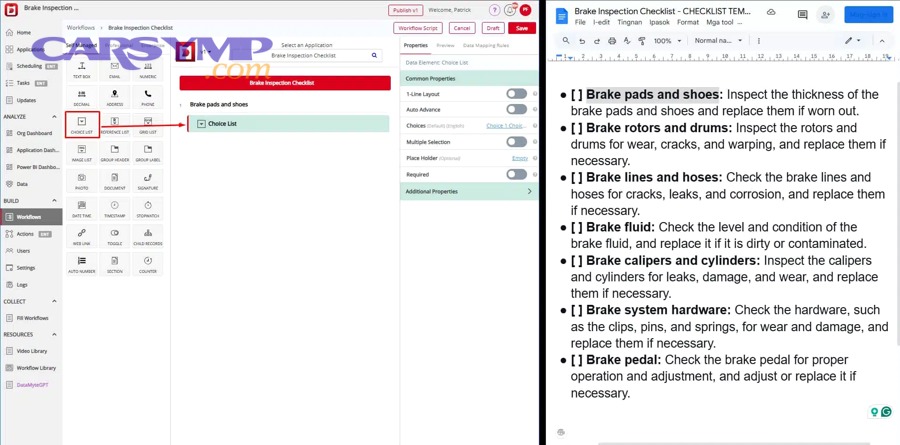
- Good sign: Dry calipers/hoses, healthy pad thickness, rotor surfaces mostly smooth, pedal feel consistent.
- Proceed cautiously: Minor surface rust, light glazing, slight lip on rotor edge, pads still above minimum.
- Stop-driving: Wet brake fluid, torn hose bulge, severe cracking, pad backing plate exposure, rotor cracks.
When a DIY check is not enough
It’s not enough when symptoms suggest internal hydraulic or ABS-related faults, because those can hide without scan data and pressure testing.
In that case, move from DIY screening to professional diagnosis to avoid false confidence.
- Brake warning light, ABS/ESC light, or repeated low-fluid return after topping off.
- Pedal sinks slowly at a stop (possible internal bypass).
- Severe pulling, shaking under braking, or grinding that returns immediately.
What “safe today” actually means for brakes
“Safe today” means your system can generate stable pressure, maintain friction at all wheels, and release properly without overheating or dragging.
To connect this to your checklist, you’ll verify the brake system’s meronymy—fluid, hoses, calipers, pads, rotors, hardware, and parking brake—because one weak part can compromise the whole system.
- Hydraulics: reservoir level, lines/hoses, caliper seals, bleeders.
- Friction: pad material, rotor condition, contact pattern.
- Mechanicals: slide pins, shims, clips, parking brake linkage.
A quick evidence-based mindset for DIY checks
Use a “look-feel-smell” mindset: look for leaks and wear, feel for looseness and pedal changes, and smell for overheating—because heat and fluid loss are the fastest paths to unsafe braking.
Next, you’ll build a repeatable routine so each inspection produces comparable notes over time.
What tools and preparation do you need before you start?
You need a safe lifting setup, basic hand tools, and simple measuring aids, because brake inspection accuracy depends on stability, visibility, and consistent measurements.
To begin, gather tools first so you don’t rush while the car is lifted.
Safety-first setup (non-negotiable)
You need level ground, wheel chocks, and jack stands—because a slipping vehicle is the biggest DIY hazard, not the brake parts themselves.
Next, confirm your car’s jacking points and torque specs before removing any wheel.
- Floor jack + jack stands rated for your vehicle
- Wheel chocks (at least two)
- Lug wrench or impact + socket set
- Gloves, safety glasses, and a bright flashlight
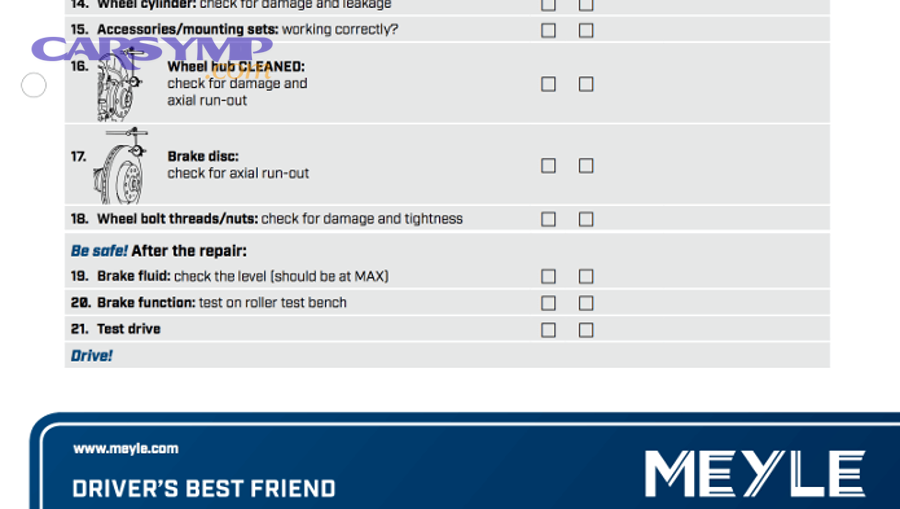
Simple measuring and inspection aids
Use a ruler or pad gauge, a mirror, and chalk/marker, because many brake issues are patterns—taper wear, one-hot-rotor, or uneven contact.
Then, document your findings so your next inspection becomes faster and more confident.
- Pad thickness gauge or small ruler (mm and inches)
- Rotor thickness reference (service manual or rotor hat stamping, if present)
- Small pry bar (for gentle play checks), wire brush, and brake cleaner
- Paper towels + drip pan (for spotting seepage)
Pre-check questions that guide your workflow
Ask: “What changed?” because new noise, new pedal feel, or new pulling will tell you which corner to focus on first.
Next, you’ll map symptoms to corners—front left, front right, rear left, rear right—so inspection is not random.
- Does it happen only when reversing, only at first stop, or only when hot?
- Does the pedal feel higher/lower than last week?
- Any recent tire rotation, wheel change, or brake service?
How do you run the DIY brake inspection checklist step by step?
Use a three-phase method—walk-around, wheel-on functional checks, and wheel-off component checks—so you catch obvious safety issues early and avoid unnecessary disassembly.
To begin, start with checks that require no tools, then progress to deeper inspection only if earlier steps look normal.
Phase 1: Walk-around and driveway checks
Do a walk-around to check for leaks, wheel stains, and stance changes, because fluid loss and dragging brakes often leave visible traces.
Next, confirm your brake fluid level and condition before any road test.
- Under the car: wet spots near wheels or along lines (especially after parking overnight)
- On wheels: heavy black dust on one wheel only (possible dragging) or shiny wetness (possible fluid)
- Smell: sharp burning odor after a short drive (possible overheated pad/rotor)
- Brake fluid reservoir: level between MIN and MAX; fluid not milky or full of debris
The quick logic is simple: if you already see fluid or smell overheating, you skip deeper DIY testing and prioritize safety.
Phase 2: Wheel-on functional checks (before lifting)
Check pedal feel, parking brake hold, and wheel resistance, because these reveal pressure problems and dragging calipers without removing parts.
Then, you’ll choose which wheels to remove first based on the strongest abnormal clue.
- Pedal check (engine off): press 3–5 times; pedal should firm up and not drop to the floor.
- Pedal check (engine on): pedal may sink slightly with booster assist; it should feel stable, not spongy.
- Parking brake test: on a gentle incline, it should hold without excessive lever travel.
- Wheel resistance: with car safely lifted just enough to spin, a dragging wheel often resists spinning freely.
Phase 3: Wheel-off inspection (pads, rotors, calipers, hardware)
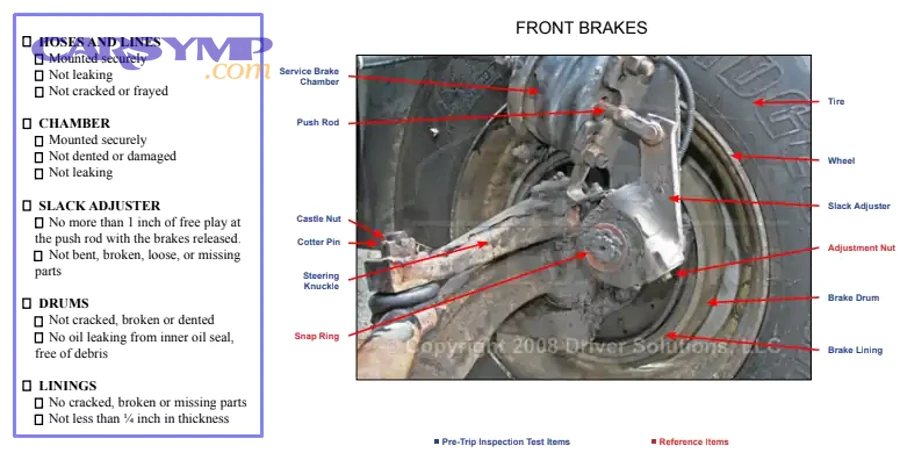
Wheel-off inspection focuses on friction and hardware, because most brake noise and uneven braking comes from wear, contamination, and sticking movement rather than “mystery” failures.
Next, you’ll compare left vs right on the same axle, because symmetry is your baseline.
Step 3.1: Inspect brake pads for thickness and wear patterns
Measure pad thickness and look for tapering, cracks, or contamination, because pad condition is the clearest indicator of remaining braking margin and caliper health.
Then, connect what you see to the likely cause so your next action is clear.
- Even wear: both inner and outer pads similar thickness (healthy slides and piston action)
- Inner pad much thinner: stuck caliper slide pins or piston not retracting smoothly
- Outer pad much thinner: slide binding or bracket alignment issues
- Glazing (shiny surface): overheating, improper bedding, or light braking habit
- Oil/grease contamination: axle seal leak or careless lubrication—pads often need replacement
According to research by the National Highway Traffic Safety Administration (NHTSA) from its Vehicle Safety resources, in March 2024, maintaining critical brake components is repeatedly emphasized as a core safety factor because braking performance directly affects stopping capability and crash avoidance.
Step 3.2: Inspect rotors for surface condition, thickness clues, and heat damage
Check rotor faces for scoring, cracks, and blue/purple heat spots, because rotor damage often signals overheating, metal-to-metal contact, or a dragging brake.
Next, interpret the pattern so you know whether cleaning, resurfacing, or replacement is realistic.
- Light grooves: normal wear; monitor and measure thickness at service
- Deep grooves + edge lip: likely near end of life; pads may be uneven or worn too far
- Heat checking (fine cracks): repeated overheating; inspect pads/caliper for drag
- One rotor much darker: one corner overheating (sticking caliper, collapsed hose, or hardware bind)
Step 3.3: Inspect caliper movement, slide pins, and dust boots
Inspect the caliper dust boot and slide pin movement, because a caliper that cannot glide will create uneven wear, noise, and heat buildup.
Then, you’ll decide if cleaning and re-lubrication is enough or if parts must be replaced.
- Dust boot torn: contamination enters; piston may corrode and stick
- Slide pin seized: uneven pads, dragging, squeal; often requires pin service or bracket replacement
- Wetness at piston area: possible caliper leak (do not ignore)
- Pad ears stuck in bracket: hardware rust; leads to binding and noise
Step 3.4: Inspect hoses and lines near each wheel
Inspect hoses for cracks, bulges, or wetness, because brake hose failure can cause sudden loss of braking or a one-wheel drag that overheats rapidly.
Next, follow any wetness upward, because gravity and airflow can move fluid away from the true leak point.
- Bulge when pedal is pressed: internal hose damage (replace)
- Cracked outer rubber: aging; assess severity and replace if deep cracks
- Wet fittings/bleeder: tighten/repair and bleed as required
- Rusty steel lines: treat as urgent, especially in salt states
Step 3.5: Inspect wheel bearings and suspension cues that mimic brake issues
Check for wheel play and rough rotation, because a failing bearing or loose component can mimic brake vibration, scraping, or intermittent noises.
Then, separate brake friction issues from rotating assembly issues so you don’t misdiagnose the source.
- With the wheel mounted and lifted: shake at 12-and-6 and 3-and-9 positions for play.
- Spin the wheel: listen for grinding that continues without brake contact.
- Compare to the opposite side on the same axle.
Which brake noises match which inspection findings?
There are five main brake noise categories—squeal, grind, click, scrape, and thump—each tied to a distinct wear or hardware condition you can confirm during inspection.
Next, you’ll match the sound to what you see so you can prioritize the correct fix.
Squealing: friction material, glazing, or wear indicators
Squealing usually points to pad friction characteristics, minor contamination, or wear indicators, because high-frequency vibration is common when pads are hard, glazed, or nearing their limit.
Then, check pad thickness and rotor finish before assuming the worst.
- Light squeal at first stop: moisture film or light rust on rotor (often normal)
- Constant squeal: wear indicator contacting rotor or glazed pad surface
- Squeal after pad replacement: bedding-in issues or missing/incorrect hardware
Grinding: metal-to-metal or trapped debris
Grinding often means metal-to-metal contact or severe debris scoring, because once friction material is gone the backing plate cuts into the rotor.
Next, confirm whether the rotor has deep grooves and whether the pad material is missing.
- Immediate stop-driving: backing plate visible, rotor heavily scored, braking distance increased
- Debris grind: small stone between shield and rotor can mimic grinding—inspect dust shield clearance
Clicking: loose hardware or pad movement
Clicking often points to loose hardware or pads shifting, because brake torque reversal can move pads if clips, shims, or anti-rattle parts are missing or worn.
Then, check that all clips are seated and slide pins move smoothly.
- Missing anti-rattle clips
- Worn pad ears or rusty bracket lands
- Loose caliper bolts or damaged threads (urgent)
Scraping: dust shield contact or rotor edge lip
Scraping often comes from a bent dust shield or rotor lip contact, because thin metal shields can bend during tire service and lightly rub as the rotor spins.
Next, confirm shield-to-rotor clearance by rotating the hub and listening for contact points.
- Shield rub changes with steering angle
- Noise may disappear after gently bending shield away
- If scraping persists, check for stones trapped behind the rotor
Thump or vibration: rotor thickness variation, loose components, or tire issues
Thumping or vibration under braking often indicates rotor thickness variation or looseness, because uneven friction and runout transmit pulses through the pedal and steering.
Then, verify whether vibration occurs only under braking or also at cruising speed, which can indicate tire or bearing causes.
- Only while braking: rotor/pad contact issues or caliper release problems
- Also while cruising: tire balance, bearing roughness, or suspension looseness
How do you check caliper hardware and shims during a DIY inspection?
You check caliper hardware and shims by verifying presence, fit, and freedom of movement, because the hardware controls pad alignment, noise damping, and smooth release.
To begin, treat hardware like “the brake system’s silent organizers”—if they’re rusty, missing, or misfit, noise and uneven wear follow.
What hardware should be there (and why it matters)
Most disc brakes use anti-rattle clips, pad abutment clips, and sometimes shims, because they prevent chatter, reduce squeal, and keep pads retracting consistently.
Next, you’ll confirm each part is seated correctly and not deformed.
- Abutment clips: reduce friction at pad ears and guide pad movement
- Anti-rattle springs: keep pads from vibrating and clicking
- Shims: damp vibration between pad and caliper piston/bracket
How to judge “good” vs “problem” hardware
Good hardware is clean, properly clipped, and allows pads to slide without sticking, because brakes must apply and release smoothly in tiny increments.
Then, if you see rust buildup on bracket lands, you’ll clean and restore the sliding surfaces so pads don’t bind.
- Good: clips intact, no heavy rust under clips, pads move by hand with light resistance
- Problem: heavy rust lifting clips, bent clips, missing clips, pads jammed in bracket
Common DIY mistakes with shims and lubricants
The common mistake is over-lubricating or lubricating the wrong surfaces, because grease on friction material reduces braking and creates unpredictable noise.
Next, apply the “only on metal-to-metal contact points” rule.
- Do not grease pad faces or rotor surfaces.
- Use brake-specific lubricant on slide pins and pad ears where specified.
- Replace torn boots rather than stuffing grease into contaminated areas.
How do you do a short road test after inspection without increasing risk?
Do a short road test using low-speed, progressive braking in a safe area, because controlled heat build-up helps reveal pull, pulsation, and noise patterns while minimizing danger.
To begin, only road test if you found no leaks, no severe wear, and the pedal feels firm.
Road test sequence (simple and repeatable)
Use three gentle stops, then two moderate stops, because gradual loading reveals instability without shocking the system.
Next, re-check for smell and wheel heat afterward.
- Drive 10–15 mph and brake lightly—listen and feel.
- Drive 20–25 mph and brake gently—check steering pull.
- Drive 30 mph and brake moderately—check vibration/pulsation.
- After stopping, walk around and smell near each wheel.
- Carefully feel for one wheel noticeably hotter than the others (do not touch the rotor).
What “noise only when reversing” can indicate
Noise only when reversing often indicates pad shift, light rust on rotor, or hardware movement, because brake torque direction changes and can reveal looseness that’s quiet moving forward.
Then, return to the hardware and dust shield checks if reverse-only noise repeats.
- Loose anti-rattle clips or pad ears
- Dust shield lightly contacting rotor
- Parking brake shoe drag (on rear setups with drum-in-hat)
Stop the road test immediately if these happen
Stop immediately if the pedal suddenly changes, the car pulls hard, or smoke appears, because those are rapid escalation signs of fluid loss, seized caliper, or friction material failure.
Next, park safely and arrange service rather than “trying one more stop.”
- Pedal goes soft or sinks rapidly
- Steering yanks during braking
- Smoke, burning smell intensifies, or wheel heat is extreme
How do you document findings so the next inspection is faster and more accurate?
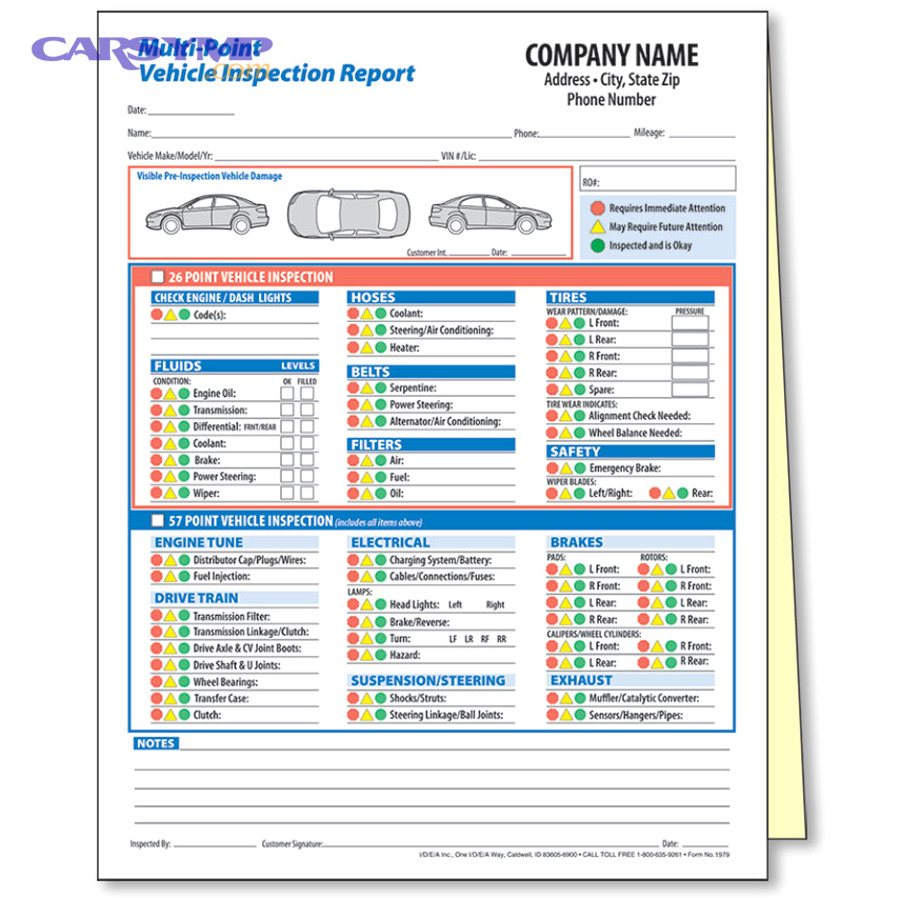
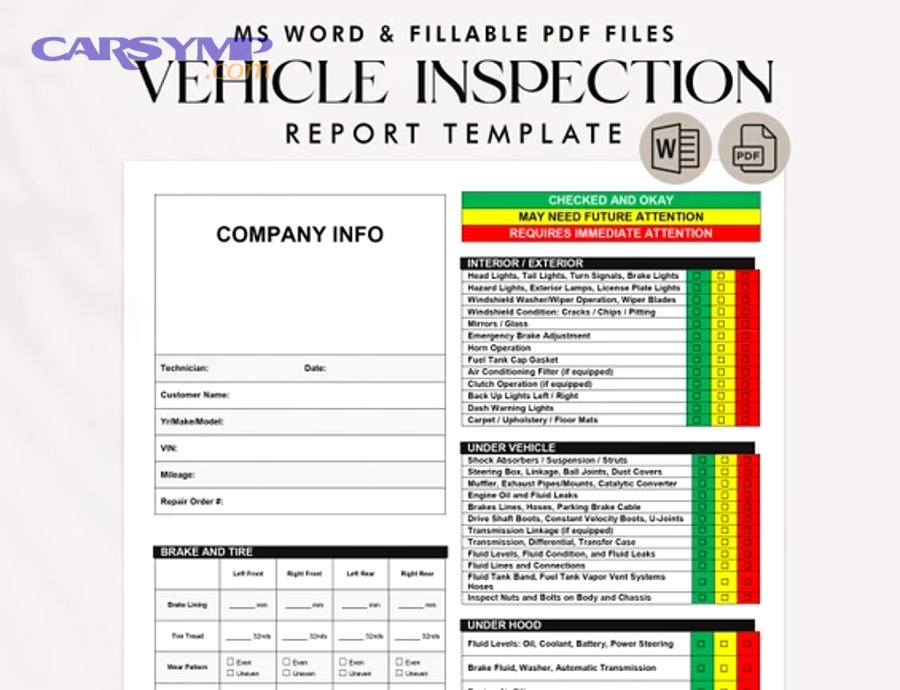
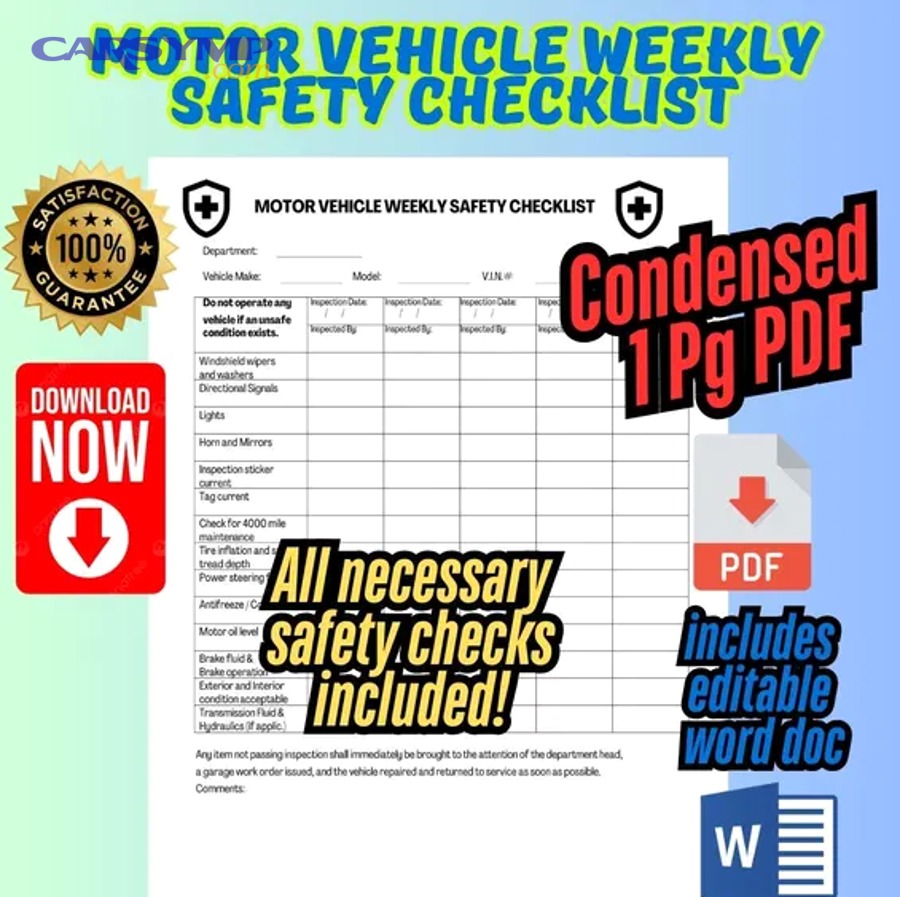
Document findings with a simple template—pad thickness, rotor condition notes, hardware condition, and fluid level—because trends over time matter more than a single snapshot.
Next, use your notes to schedule service before the “unsafe” threshold.
A simple DIY inspection log you can reuse
Track left/right differences and dates, because asymmetry is often the earliest clue of a sticking caliper or uneven braking forces.
Then, your log becomes a decision tool rather than just a checklist.
- Date and mileage
- Front left/right pad thickness (inner/outer)
- Rear left/right pad thickness (inner/outer)
- Rotor notes (grooves, heat spots, lip, cracks)
- Hardware notes (clips, shims, slide pin movement)
- Fluid level and color
- Noise notes (speed, direction, temperature)
Table: What your findings typically mean (and what to do next)
This table contains common DIY brake inspection findings and the most likely meaning, so you can decide whether to monitor, service soon, or stop-driving.
It helps you convert observations into actions without guessing.
| Finding | Most likely meaning | What to do next |
|---|---|---|
| One inner pad worn much faster | Slide pins sticking or caliper not retracting | Service pins/boots; inspect caliper; replace pads/rotors if needed |
| Wetness at caliper or hose | Fluid leak risk | Stop-driving; repair and bleed |
| Blue/purple rotor spots | Overheating or dragging brake | Check drag, hardware bind, hose collapse; replace damaged parts |
| Squeal with good pad thickness | Glazing, bedding, or hardware resonance | Inspect clips/shims; clean bracket lands; re-bed if appropriate |
| Grinding under braking | Metal-to-metal or severe debris damage | Stop-driving; replace pads/rotors; inspect caliper and bracket |
Contextual Border
Beyond basic inspection, the next layer focuses on unique and rarer brake behaviors—like direction-specific noise, heat-soak patterns, and brand-specific service quirks—so you can refine your decisions without overcomplicating the core checklist.
Advanced DIY brake inspection nuances that are easy to miss
These nuances help you catch rare-but-costly patterns, because brakes can look “okay” yet behave inconsistently depending on heat, direction, or hardware resonance.
Next, you’ll use these checks as tie-breakers when symptoms don’t match what you see.
Reverse-only noise as a clue (directional meronymy)
Reverse-only noise can be a meronymy clue: it highlights smaller parts—clips, shims, dust shields—that react to torque reversal more than pads and rotors do.
Then, revisit pad seating and hardware fit before replacing major components.
- Confirm pad ears slide freely in the bracket
- Check for shiny rub marks on the dust shield
- Look for missing anti-rattle components
Why one-wheel overheating matters more than most noises
One-wheel overheating is a high-priority sign because it can boil fluid locally, warp friction surfaces, and damage wheel bearings.
Next, treat it as a “find the drag” mission rather than a “replace pads” mission.
- Compare rotor color and pad glazing left vs right
- Check slide pin freedom and boot integrity
- Inspect hose for internal collapse signs
How moisture and surface rust can mimic serious problems (antonym: normal vs unsafe)
Moisture and light surface rust can sound alarming but often represent the antonym pair of normal versus unsafe, because a thin rotor film can squeal briefly without indicating failure.
Then, confirm normality by checking for consistent braking, stable pedal feel, and no deep scoring.
- Brief squeal after rain: often normal
- Persistent squeal + thin pads: often service needed
- Grinding: often unsafe
How to use a quick video reference without misdiagnosing
Use video references to learn what “normal movement” looks like, but rely on your measurements and symmetry checks to decide action.
Next, watch one focused clip, then return to your checklist so you don’t chase irrelevant symptoms.
FAQ
How often should you perform a DIY brake inspection checklist?
Do it every 6 months or before long trips, because brake wear is gradual but can become unsafe quickly once pads near their limit.
Next, increase frequency if you drive in mountains, tow, or notice any new noise or pedal change.
Can you inspect brakes without removing the wheel?
Yes, you can do a partial check, because you can see some pad thickness and rotor condition through spokes, but you can miss inner pad wear and hardware binding.
Then, treat wheel-on inspection as screening, not confirmation.
What pad thickness means “replace now” for most drivers?
Replace now when pads are near the wear indicator or visibly thin, because stopping margin shrinks and heat management worsens as material disappears.
Next, use your manufacturer’s specifications if available, because designs vary by vehicle.
What should you do if you find brake fluid below MIN?
Do not ignore it, because low fluid can indicate a leak or severely worn pads, both of which can become unsafe without warning.
Then, inspect for leaks at each wheel and arrange service if you cannot confidently explain the drop.
How do you connect your checklist to smarter brake service decisions?
Use your notes to describe symptoms and measurements, because clear evidence helps a shop confirm the issue faster and avoid unnecessary parts swapping.
Next, bring your log and mention whether the problem relates to noise direction, heat, or uneven wear so diagnosis is targeted.