


Beyond the basic “high-pitched squeal,” the real-world challenge is that the same car can sound different at different speeds, temperatures, and pedal pressures. That’s why learning the sound signature and the quick confirmation checks matters more than memorizing one description.
Another practical concern is avoiding false alarms: dust shields, small stones, loose hardware, glazing, or rust lips can mimic the warning sound. If you can quickly narrow the cause, you can prevent unnecessary parts replacement—or prevent a dangerous delay.
Giới thiệu ý mới: the sections below translate the noise into mechanical causes, give you fast tests you can do safely, and show you when to stop driving and schedule service.
What does a pad wear indicator sound like in real driving?
A pad wear indicator typically sounds like a sharp, high-pitched squeal during light-to-moderate braking because a small metal tab (or a sensor contact) begins touching the spinning rotor as pad material gets thin. Tiếp theo, you’ll learn the consistent “clues” that make this noise different from other squeals.
The sound profile you can rely on (most of the time) is a narrow, “piercing” tone that shows up when you apply the brakes, then often fades when you release the pedal. It can begin quietly and become more frequent over a few days or weeks as the pad continues to wear. Unlike random squeaks, it tends to repeat in similar braking situations (slowdowns, traffic lights, gentle pedal input).
Why it often starts as an “occasional” squeal: the tab only contacts the rotor at certain angles, pad positions, or rotor high spots, so you might hear it on one stop but not the next. Cụ thể, slight rotor runout, surface rust after rain, or a light pedal can make the contact intermittent.
Common “signature behaviors” that fit a wear indicator:
- It is more noticeable at low speeds (parking lots, stop-and-go traffic).
- It appears primarily when braking, not when cruising.
- It can be louder with light braking than with hard braking (because hard braking clamps the pad more firmly and may change vibration modes).
- It often comes from one corner of the vehicle (front-left, etc.), not “everywhere at once.”
Theo nghiên cứu của Chapel Hill Tire từ bài hướng dẫn kỹ thuật về brake wear indicators, vào 07/2022, “squealer” metal tabs can contact the rotor once pads drop below a safe thickness and create a squeaking/scraping warning sound.
Why does the wear indicator squeal happen near the end of pad life?
The wear indicator squeal happens because pad thickness decreases until the indicator tab (or contact) reaches the rotor surface and starts lightly scraping it, creating a consistent tone that warns you before the friction material is dangerously thin. Sau đây, we connect the noise to the exact parts involved so you can picture what’s happening.
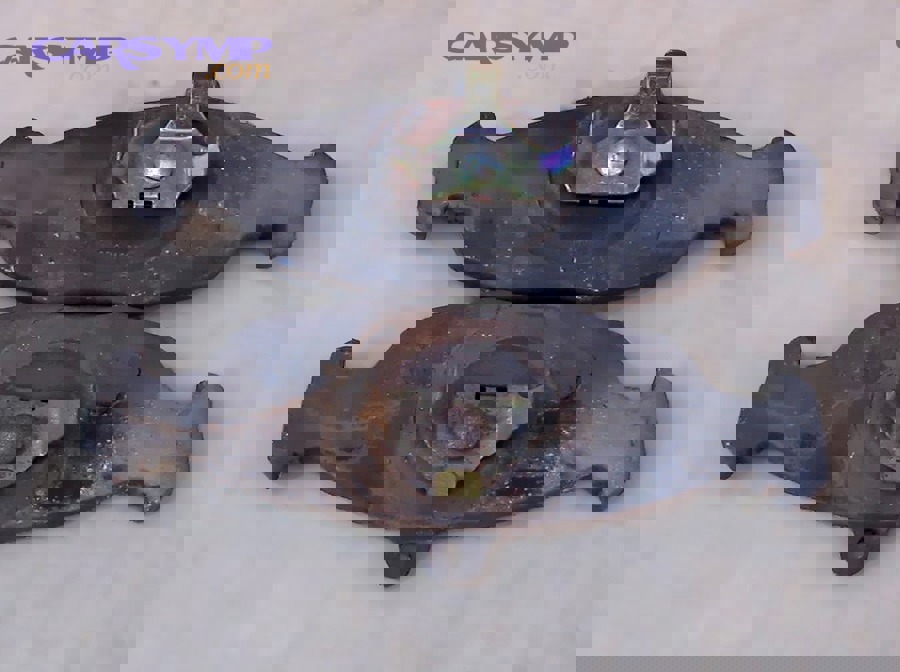
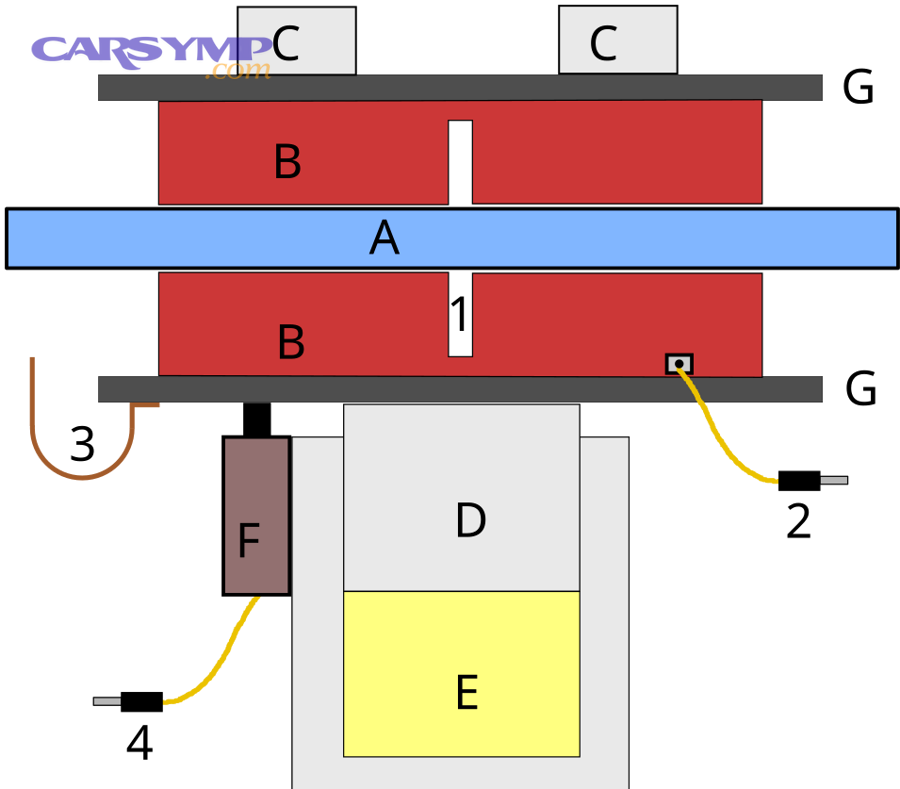
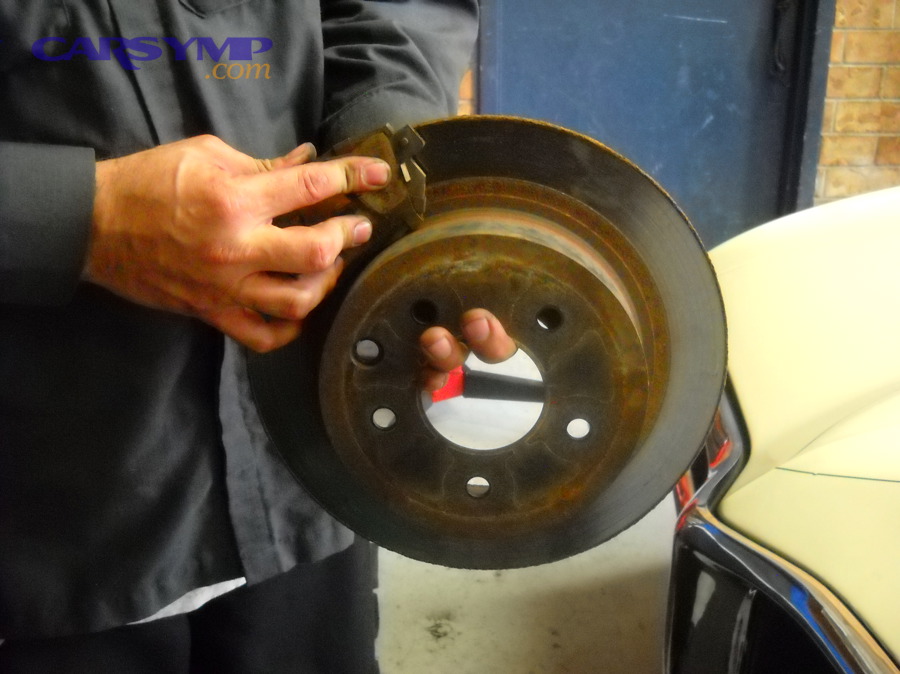
What is physically touching what? In an acoustic (mechanical) system, a thin metal “squealer” tab is attached to the pad backing plate. When friction material wears down, that tab becomes the first thing to touch the rotor during braking. The contact is light, so it doesn’t usually feel like vibration in the pedal at first—just sound.
Why the tone is so noticeable: a thin metal tab acts like a small reed. As it drags across the rotor, it can excite high-frequency vibration. For drivers, it reads as a “screech” rather than a dull scrape.
Why some pads squeal earlier than others (even with “okay” thickness): pad formulation, shims, rotor finish, and caliper hardware can amplify or damp the same contact. Cụ thể hơn, a pad that’s slightly glazed can make the tab-to-rotor contact sharper; a rotor with a rust lip can make the noise louder at the outer edge.
To keep your diagnosis clean, it helps to compare this sound against other brake noises in your mind (without jumping to conclusions). In everyday brake noise diagnosis, the wear indicator is one of the few sounds that is intentionally designed into the system as a warning.
Theo nghiên cứu của Firestone Complete Auto Care từ bài viết về acoustic brake wear indicators, vào 08/2025, when pad material wears low the indicator tab can contact the rotor and create a high-pitched squeal during braking.
How can you confirm it’s the wear indicator in 60 seconds without tools?
You can confirm a likely wear indicator by reproducing the sound with light braking at low speed, then checking whether the noise disappears when you stop braking and returns predictably on the next gentle stop. Để bắt đầu, use these fast, safe checks that don’t require jacking the car up.
60-second confirmation checklist (safe conditions only):
- Choose a quiet area (empty parking lot) and drive 10–15 mph.
- Light brake application: press the pedal gently. If it’s the wear indicator, you’ll often get a sharp squeal that tracks pedal input.
- Release test: release the pedal fully. Wear-indicator squeal usually stops or drops dramatically when braking stops.
- Repeatability: do 2–3 gentle stops. A warning tab tends to repeat; random debris often changes or disappears.
- Direction check: if safe, try one gentle stop while turning slightly left, then slightly right. A change in load can shift the noise to be more obvious from one side.
What you should NOT do: don’t do repeated hard stops to “burn it off.” Hard braking can overheat components and mask the signal, and it can also accelerate damage if pads are already near the backing plate.
If you want a quick visual explanation of how the tab works, the video below shows the concept and the typical sound pattern during braking.
Now connect this to sound categories you may have heard before. People often describe brake sounds in buckets like Grinding vs squealing vs clicking diagnosis. The wear indicator typically belongs in the “squealing” bucket—not “grinding”—unless you’ve ignored it long enough that metal-on-metal contact has started.
Theo nghiên cứu của AutoZone từ bài hướng dẫn về brake wear indicators (squealers), vào 04/2025, brake pad wear indicators can help identify when friction material is getting low and may produce a distinct squeal as the warning stage begins.
Why does the sound change with speed, heat, rain, or reversing?
The wear indicator sound changes because rotor surface condition, pad vibration modes, and contact pressure vary with speed, temperature, and direction, which alters how strongly the tab (or sensor contact) resonates against the rotor. Bên cạnh đó, understanding these changes prevents you from dismissing the warning as “just a wet-day squeak.”
Speed effects: at low speed, the squeal can be more obvious because the system spends more time in the light-contact regime where the tab can chatter and resonate. At higher speed, wind and road noise may mask it, and braking forces may clamp the pad differently.
Heat effects: warm pads and rotors change friction behavior. Sometimes the squeal is louder cold (first stop of the day); sometimes it appears after a few stops when the rotor film changes. Cụ thể, a thin layer of moisture or oxidation can make the first couple of stops noisier.
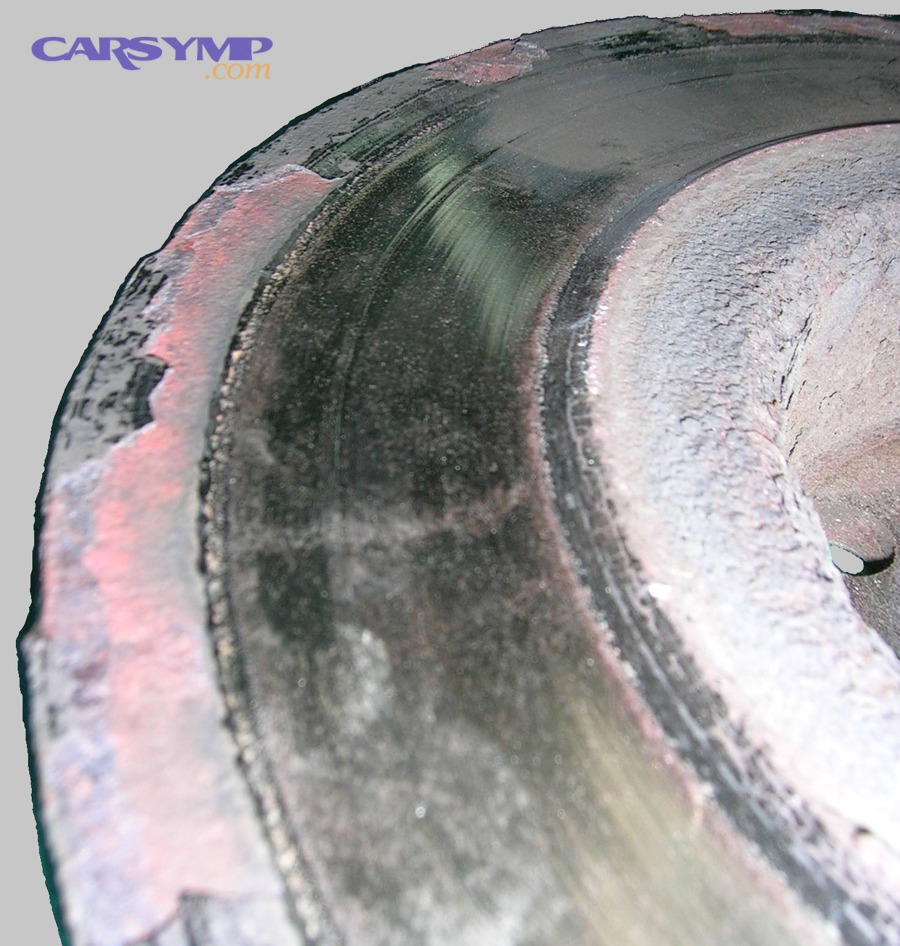
Rain and humidity: a light rust film on the rotor forms quickly after rain or overnight humidity. That film can make the wear indicator sound sharper for a short period. If the sound disappears completely after one or two normal stops and does not return, you may be hearing surface rust rather than a true wear-tab warning.
Reversing: a wear tab can squeal more when backing up because the pad’s leading/trailing edge relationship flips. This can be confused with Noise only when reversing causes, but the key is repeatability: a wear indicator warning tends to appear in reverse braking consistently once pad thickness is low, not just “one random time.”
Theo nghiên cứu của Beijing Institute of Technology từ nghiên cứu công bố trên tạp chí Materials (Basel), vào 05/2024, surface morphology and contact-pressure distribution were shown to influence friction-induced noise behavior, including how squeal can appear later or earlier depending on surface conditions.
When should you treat the sound as urgent and stop driving?
You should treat the sound as urgent if it escalates from a light squeal into harsh grinding, if braking feel changes, or if the noise becomes constant even with gentle braking—because that suggests you may be beyond the warning-tab stage. Quan trọng hơn, the goal is to avoid rotor damage and unsafe braking performance.
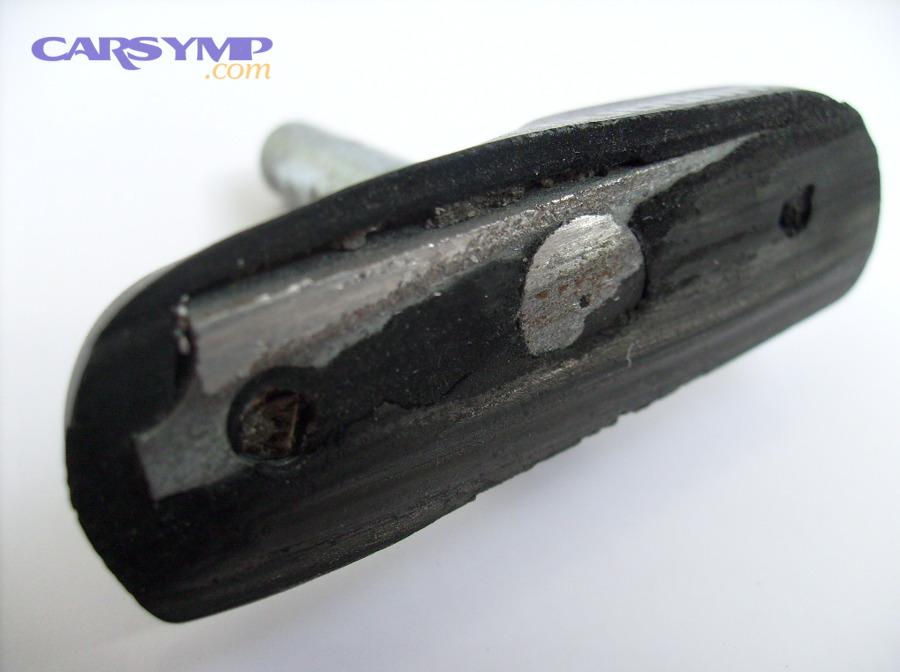
Urgent warning signs (stop driving or drive only to the nearest safe service):
- Grinding (a harsh, low-pitched metal rasp) that is present every time you brake.
- Longer stopping distance or a pedal that feels different than normal.
- Vibration or pulsing that suddenly appeared alongside the noise.
- Burning smell or smoke after braking (possible overheating).
- Noise even when not braking (possible seized caliper or hardware issue).
Why grinding is a different category: the wear tab is designed to be a “warning.” Grinding usually means the pad friction material is gone and the steel backing plate is contacting the rotor. That can destroy rotors quickly and reduce braking effectiveness.
If you’re unsure, assume conservative safety. There’s a clear difference between “annoying” and “dangerous,” and the safest approach is to inspect sooner rather than later—especially if the sound is escalating.
In day-to-day decision-making, you can frame it this way: if the noise suggests When noise means unsafe to drive, your priority is safety and preventing further damage, not identifying the exact part by sound alone.
Theo nghiên cứu của Firestone Complete Auto Care từ bài hướng dẫn về brake warning sounds, vào 08/2025, ignoring a high-pitched wear-indicator squeal can lead to more severe braking-system damage (including rotor damage) as wear continues.
What sounds get mistaken for a wear indicator, and how do you tell them apart?
Many brake noises mimic a wear indicator, but you can separate them by listening for when the sound occurs (braking vs cruising), how it changes with steering, and whether it disappears after a few stops. Ngoài ra, a quick “pattern match” prevents replacing pads when the real issue is hardware or debris.
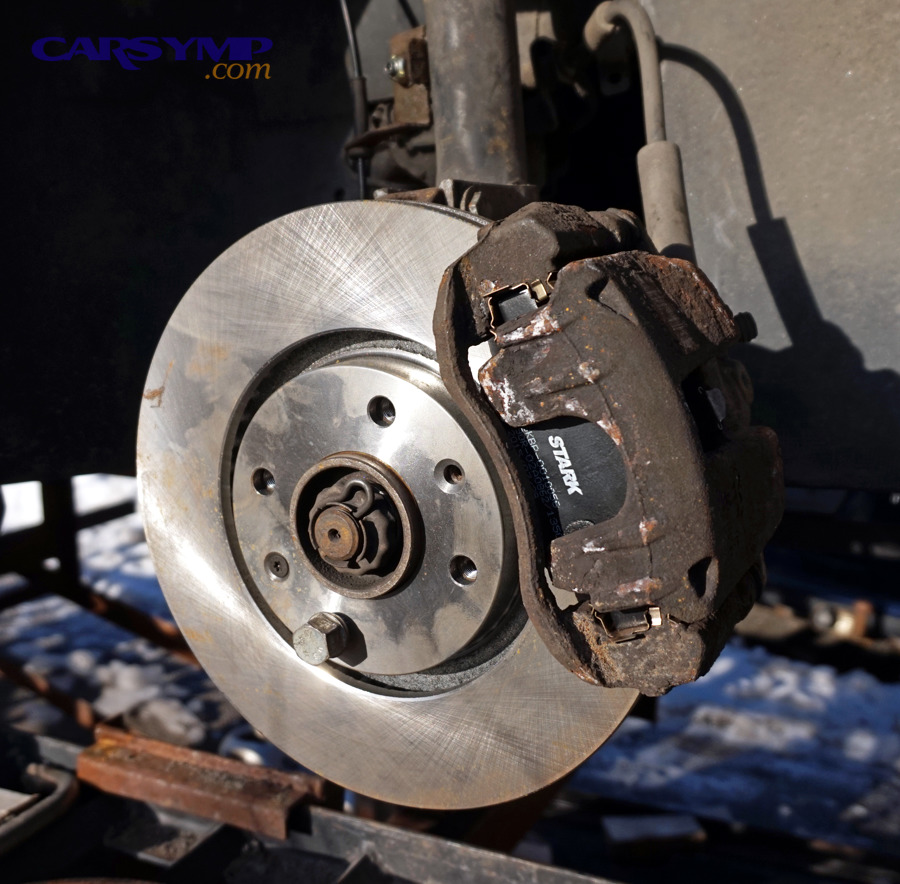
1) Dust shield rubbing often creates a light scrape that can happen while driving without braking, especially after hitting a pothole or driving through snow. Turning the wheel slightly can change the sound because the shield-to-rotor gap shifts.
2) Small stone between pad and rotor can produce a sharp, inconsistent screech that may appear suddenly and then disappear. It often doesn’t track pedal pressure smoothly; it can chirp or crunch once per wheel rotation.
3) Glazed pads can squeal at certain temperatures and pressures, sometimes sounding similar to a wear indicator. The difference is that glazed-pad squeal can happen with relatively thick pads and can be strongly dependent on heat and pedal force.
4) Loose caliper hardware or shims can create clicking or clunking—especially during the first brake application in reverse or when changing direction. This is where drivers mentally file it under Grinding vs squealing vs clicking diagnosis and get confused. Clicking is rarely a wear-tab sound; it’s usually movement or clearance in hardware.
5) Rotor rust lip contact can mimic the warning tab near the outer edge of the rotor, especially if pads are worn unevenly. A rust ridge can “sing” as the pad edge catches it.
To bring it back to a practical rule: a wear indicator is intentionally repeatable with braking, while many “impostor” noises are either constant without braking or change randomly with road conditions.
Theo nghiên cứu của Raybestos từ bài tổng hợp về common brake noises, vào 03/2025, many pads use a small metal tab that contacts the rotor when pad material approaches a low threshold, producing a recognizable high-frequency squeal that signals replacement time.
How do you verify pad thickness and confirm the indicator stage?
You can verify the indicator stage by checking pad thickness at the wheel with the clearest access (often the front), comparing inner and outer pad wear, and relating what you see to typical “action thresholds” for inspection and replacement. Hơn nữa, seeing the pad once removes most uncertainty about the sound.
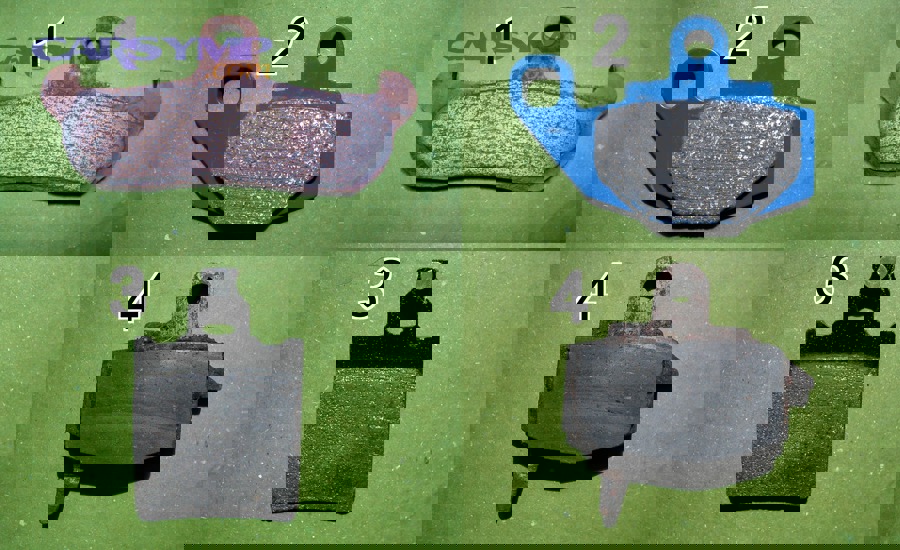
Safe approach (no tools vs basic tools):
- No tools: look through the wheel spokes with a flashlight. You’re trying to see the friction material (not the backing plate). This is imperfect but can catch “very thin” pads.
- Basic tools: remove the wheel for a clear view (only if you know how to jack safely). Measure pad thickness with a simple gauge or ruler.
What you’re measuring: the friction material only, not the backing plate. If you can’t confidently identify the friction layer, don’t guess—get a quick inspection.
This table helps you translate what you see into an action plan and how likely it is that a wear indicator is involved.
| Approx. pad friction thickness | Typical sound expectation | Recommended action |
|---|---|---|
| 8–12 mm (new-ish) | Wear indicator unlikely; squeal more likely from glazing/hardware | Inspect hardware, rotor surface, and dust shield if noise persists |
| 5–7 mm (mid-life) | Wear indicator still unlikely; noise often condition-dependent | Schedule inspection if noise repeats; check for uneven wear |
| 3–4 mm (low) | Wear indicator possible on some designs; squeal may begin intermittently | Plan pad replacement soon; inspect rotors and caliper slides |
| 2–3 mm (very low) | Wear indicator likely if equipped; squeal often frequent | Replace pads promptly; avoid long delays to prevent rotor damage |
| <2 mm (critical) | Grinding risk; backing plate contact possible | Stop driving except to reach immediate service |
Inner vs outer pad matters: on many calipers, the inner pad can wear faster (piston side). That means you can hear a wear indicator while the outer pad still looks “okay” through the wheel. Cụ thể, this is one of the biggest reasons drivers doubt what they’re hearing.
Theo nghiên cứu của Brake & Front End từ bài chuyên môn về electronic brake pad wear sensors, vào 11/2017, wear systems may be designed to alert around the last few millimeters of pad material, emphasizing that measurement and system type matter for correct interpretation.
What should you do after identifying the wear indicator sound?
After identifying a likely wear indicator sound, you should schedule brake pad service soon, minimize heavy braking, and request a full brake inspection that checks rotors, caliper hardware, and uneven wear—because the sound is a warning, not the final failure. Tóm lại, treat it like a “replace soon” signal with a safety margin.
Practical next steps:
- Book inspection/replacement within days, not months, especially if the sound repeats daily.
- Avoid towing or mountain descents until serviced, because heat accelerates wear and can trigger fade.
- Ask the shop to check rotor thickness/condition, caliper slide pins, hardware clips, and whether inner/outer pads wore unevenly.
- Request a clear explanation of whether rotors need resurfacing/replacement and why.
Why a full inspection matters: the wear indicator tells you pad material is low, but it doesn’t tell you why it wore that way. Sticking caliper slides, seized pistons, or mis-installed hardware can destroy new pads quickly and bring the same noise back.
One more “móc xích” to keep your decision-making grounded: if you’re hearing the warning consistently, the most valuable action is not to keep analyzing sound categories—it’s to confirm thickness and fix the root cause before grinding begins.
Theo nghiên cứu của Chapel Hill Tire từ hướng dẫn về brake wear indicators, vào 07/2022, once pads dip below safe thickness the squealer can contact the rotor and create warning sounds that signal it’s time to replace pads to prevent further damage.
Contextual Border: The main content above helps you identify the sound and take the correct next step. The section below expands into deeper system variations (mechanical vs electronic) and why the same “warning” can sound different across vehicles.
Deep-dive on indicator designs that change what you hear
A wear warning can be mechanical (a squealer tab) or electronic (a sensor and warning light), and the design choice changes how early you hear a sound, whether it’s intermittent, and what “confirmation” looks like. Tiếp theo, use these subtopics to understand why two cars with the same pad thickness can behave differently.
How mechanical squealer tabs create a “pure” tone
Mechanical tabs produce sound because they physically touch the rotor and can resonate at high frequency, especially under light braking. Cụ thể, tab shape, stiffness, and mounting position affect whether the tone is a clean squeal or a harsher scrape, and rotor surface finish can amplify it.
Some pads include dual tabs or tabs on specific pads only; that’s why you might hear a warning from one wheel while others are silent. If the tab is installed on the inner pad, the sound can be clearer from inside the cabin in some vehicles.
Theo nghiên cứu của Firestone Complete Auto Care từ bài viết về acoustic indicators, vào 08/2025, thin metal tabs attached to pads can contact the rotor and create a high-pitched squeal as a designed audible warning.
How electronic wear sensors warn without relying on sound
Electronic sensors typically trigger a dashboard warning when pad wear reaches a predefined point, so you may get a warning light without a classic squeal—or you may hear noise for another reason and assume it’s the “sensor.” Bên cạnh đó, some systems have two-stage sensing (early warning and final warning) rather than a single threshold.
Because electronic systems are vehicle-specific, the best confirmation is scanning for brake wear-related codes (if applicable) and visually confirming pad thickness. A shop can do this quickly during inspection.
Theo nghiên cứu của Brake & Front End từ bài kỹ thuật về electronic brake pad wear sensors, vào 11/2017, modern wear sensors can be more than simple “wire break” loops and may warn drivers earlier by using multiple sensing depths or logic states.
Why some “warning” squeals happen even with decent pad thickness
Some squeals are not a wear indicator at all—they’re friction and vibration behavior caused by pad material, rotor condition, missing shims, or hardware resonance. Để minh họa, a glazed pad can squeal loudly at 6–8 mm thickness, and a rusty rotor can squeal on the first stop after rain even with new pads.
This is why confirmation should combine sound pattern + repeatability + visual thickness, rather than relying on sound alone.
Theo nghiên cứu của Beijing Institute of Technology từ nghiên cứu đăng trên Materials (Basel), vào 05/2024, friction-induced noise behavior was shown to depend on surface morphology and pressure distribution, meaning squeal can appear or disappear based on contact conditions—not just pad thickness.
How to prevent the warning sound from returning after new pads
To prevent repeated squeal after pad replacement, the key is correct hardware installation, proper lubrication at contact points (not on friction surfaces), rotor condition verification, and bedding-in (burnishing) the pads according to manufacturer guidance. Quan trọng hơn, fixing uneven-wear causes (slides, pistons, sticking hardware) prevents early noise and premature pad wear.
If the original wear indicator sounded early due to uneven inner-pad wear, make sure the service includes slide pin cleaning, caliper inspection, and correct hardware clips.
Theo nghiên cứu của Chapel Hill Tire từ hướng dẫn về brake wear indicators và brake service basics, vào 07/2022, proper brake component condition (pads, rotors, and related hardware) helps avoid recurring noise and ensures the warning function remains meaningful rather than constant.
FAQ
Can a wear indicator squeal be intermittent for weeks?
Yes—intermittent squeal is common because the tab may only touch the rotor under certain angles, pressures, or rotor surface conditions; however, if it’s repeatable under light braking, plan replacement soon rather than waiting for it to become constant.
Why do I hear it mostly at low speed?
Low speed makes the warning tone easier to hear and often keeps braking in the “light contact” range where resonance is strongest; at higher speed, wind/road noise can mask it, and higher clamp force can change vibration behavior.
Why does it sound worse in reverse sometimes?
Reverse braking can shift the pad’s leading/trailing edge behavior and change how the tab drags across the rotor. If the sound is consistent during reverse braking and pad thickness is low, it can still be a true wear indicator warning.
Do all brake pads have wear indicator tabs?
No—some pads rely on electronic sensors, and some rely on visual inspection only. That’s why confirmation should combine your vehicle’s warning systems (if present) with a physical pad thickness check.