


Warranty on brake pads and labor is a written promise that defines what’s covered, for how long, and under which conditions if your brake pads (and the work to install them) fail, squeal, wear unusually fast, or trigger a comeback visit.
Beyond the fine print, most drivers want to know how to compare warranties between shops and brands, what “lifetime” actually means, and what proof they’ll need if a problem appears months later.
It also helps to connect the warranty to your wallet: a longer warranty can offset brake pad replacement cost surprises, especially if you’re deciding between economy pads and premium options.
To begin, “Giới thiệu ý mới” this guide breaks warranties into parts vs labor, shows how claims work in real life, and gives a practical checklist so you can buy brake service with confidence—not confusion.
What does a brake pad and labor warranty actually cover?
It covers defective pads and/or workmanship for a stated time or mileage, but only under specific conditions—so the most important step is reading whether coverage applies to parts only, labor only, or both. Next, we’ll map the typical coverage items so you can spot gaps fast.

Parts coverage: what “brake pads” means on paper
Parts coverage usually means the friction material itself (pads/shoes), not every related component. After that, the warranty often excludes hardware, sensors, and rotors unless stated. Next, compare exactly which SKU or pad line the shop installed.
- Commonly covered: pad material defects, separation, abnormal cracking, premature failure due to manufacturing.
- Sometimes covered: pad hardware kit (clips/shims) if included as a package.
- Commonly excluded: rotors, calipers, brake fluid, wheel bearings, alignment, and “noise complaints” without measurable defect.
The key attribute is the definition of “defect” versus “wear.” A pad can be noisy and still be “normal wear” in warranty language, which is why you must identify whether noise is covered as a symptom or excluded as a characteristic.
Labor coverage: what the shop promises about workmanship
Labor coverage means the shop will redo qualifying work (remove/install) at no charge if the original work was incorrect or incomplete. Then, the shop may still charge for new parts if parts weren’t included in labor warranty. Next, check if the warranty is honored at all locations or only the original store.
- Covered examples: improperly torqued bolts, missing hardware, caliper slide service omitted, pad installed incorrectly, improper lubrication on contact points (when required).
- Not usually covered: customer-supplied parts, unrelated brake issues developing later, damage from accidents, misuse, or contamination.
Noise, vibration, and “feel”: when symptoms are covered vs excluded
Noise and vibration may be covered only if tied to a verified defect or improper installation. However, many warranties explicitly exclude squeal because it can occur even with correct installation. Next, you should ask whether the shop has a “noise adjustment” window (e.g., 30–90 days) separate from the long-term warranty.
To illustrate, squeal might be treated as “comfort” rather than “safety,” so it becomes a policy question: some shops will re-lube shims or re-bed pads as a courtesy, but won’t replace pads unless thickness loss indicates abnormal wear.
Rotors and related parts: the most common misunderstanding
Rotors are often the biggest gap between what drivers assume and what contracts cover. In many cases, pads are warranted, but rotor resurfacing or replacement is a separate line item with its own terms. Next, confirm whether rotor work is required to keep the pad warranty valid.
Some warranties require that rotors be replaced or resurfaced at the same time, arguing that uneven rotor surfaces can cause premature pad wear or noise. If you skip rotor service against recommendations, the shop may deny pad wear claims later.
What types of brake warranties exist, and how do they differ?
There are several main types of warranties—time-based, mileage-based, “lifetime,” and limited satisfaction policies. Next, we’ll group them by the rule that triggers coverage so you can compare apples to apples.
Time-based warranty: the calendar is the gatekeeper
Time-based coverage lasts a set period (for example, 12 or 24 months). After that, coverage ends even if you drove very little. Next, ask whether the start date is the invoice date or completion date.
- Best for: low-mileage drivers, city drivers, or second vehicles.
- Weak spot: heavy drivers can burn through pads before time ends, but the warranty may still exclude wear.
Mileage-based warranty: the odometer is the gatekeeper
Mileage-based coverage lasts until a mileage threshold (for example, 24,000 or 36,000 miles). However, you may need service documentation to prove the odometer reading at install. Next, confirm whether the warranty is “whichever comes first” with time.
- Best for: commuters and drivers who put miles on quickly.
- Weak spot: time limits may still end it early.
“Lifetime” warranty: how the word is used in brake service
Lifetime is a label, not a guarantee of free brakes forever. In practice, it may mean “for as long as you own the vehicle” or “for as long as you return for required inspections.” Next, look for conditions like annual inspections or minimum thickness checks.
Common patterns include:
- Lifetime parts only: free pad replacement when worn out, but you pay labor each time.
- Lifetime labor only: rare; usually tied to premium packages.
- Lifetime with inspection requirement: miss an inspection and coverage can be voided.
Satisfaction or adjustment policies: short-term comfort coverage
Adjustment policies are short windows (often weeks or a few months) where the shop will correct noise, vibration, or pedal feel. Next, treat this as separate from the longer defect/workmanship warranty.
This matters because many “noise issues” show up early—after bedding, heat cycles, or initial rust transfer—so a short adjustment policy can be more valuable than a long defect-only warranty if your main fear is squeal.
How do warranty terms affect the brake pad replacement cost you actually pay?
They affect your out-of-pocket total because coverage may replace parts but still charge labor, or redo labor but still charge parts, plus fees. Next, we’ll tie typical warranty structures to cost outcomes you can predict before you buy.

Parts-only warranty: why you still pay significant money
Parts-only coverage can reduce the price of the pads, but labor can still be most of the bill. Next, confirm whether the shop charges full labor or a reduced “warranty labor rate.”
For example, if pads are replaced under parts warranty, you might still pay for:
- Labor to remove wheels, compress pistons, install pads, and reassemble
- Shop supplies / environmental fees
- Brake fluid top-off or service (if needed)
- Hardware kit (if excluded)
Labor-only warranty: when it helps, and when it doesn’t
Labor-only coverage can be valuable when the issue is installation-related (dragging brakes, uneven wear due to stuck slides, missing shims). However, it won’t help if the pad compound simply wears quickly due to driving style. Next, ask how the shop distinguishes “wear” from “workmanship.”
Parts + labor warranty: the gold standard, with hidden conditions
Parts + labor coverage is typically the best consumer outcome because it reduces both the pad line item and the redo work. Next, verify whether it includes diagnostics time, since some shops charge to inspect even if they later honor warranty.
Also watch for the condition “only if installed with new rotors or resurfaced rotors.” If your invoice shows you declined rotor service, the shop may limit coverage to defects only, not wear or noise.
How to connect warranty value to Average brake pad replacement cost
Average brake pad replacement cost varies by vehicle, region, parts grade, and whether rotors are serviced. Therefore, a warranty’s value depends on how likely you are to need a redo within the time/mileage window. Next, estimate your annual mileage and brake usage pattern (city stops vs highway cruising).
For a high-mileage commuter, a short time warranty may not protect you during the highest-risk period (after 20k–30k miles). For a low-mileage driver, a longer time-based warranty can be more meaningful than mileage coverage.
Cost per axle vs all four wheels: how warranties apply to partial vs full brake jobs
Most brake warranties apply to the specific axle serviced (front or rear), not automatically to “all four wheels.” Next, we’ll clarify how mixed coverage happens when you do brakes in stages.

Axle-based invoices create axle-based warranty coverage
If you replace pads on one axle, the warranty typically covers only that axle’s pads and labor line items. Therefore, if the other axle later develops noise or wear, it won’t be covered under the first repair. Next, keep your invoice organized by axle for clean claims.
Staged brake service: when front and rear warranties start on different dates
When you service front and rear at different times, each axle’s warranty starts on its own invoice date. However, drivers often assume a “vehicle-level” start date. Next, check each receipt’s terms to avoid timing mistakes.
Mixed parts quality across axles can complicate claims
Different pad brands or compounds front vs rear can lead to different noise characteristics, wear rates, and bedding needs. Consequently, a warranty claim might hinge on whether the shop installed the same grade recommended for your vehicle. Next, ensure the invoice lists pad brand/line clearly.
When doing all four makes warranty enforcement simpler
All-four service can simplify warranty tracking and reduce disputes about “normal” brake feel, because the system is balanced and components are refreshed together. Next, if your budget allows, ask whether a full job includes unified warranty terms across both axles.
What voids a brake pad and labor warranty most often?
Yes—warranties can be voided by missing required inspections, using the vehicle outside stated conditions, modifying brake components, or failing to keep receipts. Next, we’ll list the most frequent “denial reasons” so you can avoid them.
Skipping required inspections or documentation
Many programs require periodic inspections to document pad thickness and condition. If you skip them, the shop can claim it can’t verify wear history. Next, put inspection reminders on your calendar and keep paperwork.
Contamination, misuse, or severe duty not disclosed
Oil or grease contamination, driving with a stuck caliper, towing beyond rated limits, or track use can be labeled “abuse” or “severe duty.” However, not every heavy-use scenario is excluded—some warranties offer severe-duty options. Next, ask directly whether towing or rideshare use changes terms.
Customer-supplied parts and “no warranty” labor clauses
If you bring your own pads, many shops limit or exclude warranty on labor because they can’t control part quality. Next, if you still choose customer-supplied parts, request a written statement of what labor issues they will still correct.
Failing to follow bedding procedures or ignoring early warning signs
Improper bedding can contribute to uneven transfer layers, noise, or judder. While bedding isn’t always in the warranty, some shops will argue that overheating or improper break-in caused the symptom. Next, follow the shop’s bedding guidance and return early if you notice abnormal behavior.
How do you file a warranty claim and maximize approval?
The best method is to document symptoms, return promptly, and present clear proof of purchase and maintenance—then request a written diagnosis. Next, we’ll turn this into a step-by-step process you can follow under stress.
Step 1: Gather your evidence before you visit
Bring the invoice, any inspection records, and a note describing when the issue happens (cold/hot, braking lightly/hard, turning, reversing). Next, include photos if there’s visible uneven wear, scoring, or hardware damage.
- Date and mileage at install
- Date and mileage when symptom started
- Description of noise/vibration/pedal feel
- Any recent work (tires, suspension, wheel bearing) that could overlap symptoms
Step 2: Ask for a specific inspection outcome, not a vague “check it”
Request measurable findings such as pad thickness inner/outer, rotor runout (if applicable), caliper slide condition, and hardware/shim placement. Next, ask them to state in writing whether it’s wear, defect, or workmanship.
Step 3: Confirm what is covered before authorizing extra work
Do not approve rotor replacement, caliper replacement, or unrelated repairs until you know what the warranty will pay. However, safety comes first—if brakes are unsafe, prioritize safe repair. Next, ask for a split estimate: “warranty-covered lines” vs “customer-pay lines.”
Step 4: Escalate politely with documentation
If you disagree with a denial, ask for the policy section they’re relying on and request a manager review. Next, if it’s a national chain, ask whether a regional support team can review the case using your documentation.
What should be written on your invoice to protect you?
Your invoice is the warranty backbone because it proves parts used, axle serviced, and included labor. Next, we’ll list the exact line items and notes that prevent “he said, she said” later.
Parts identification: brand, line, and part numbers
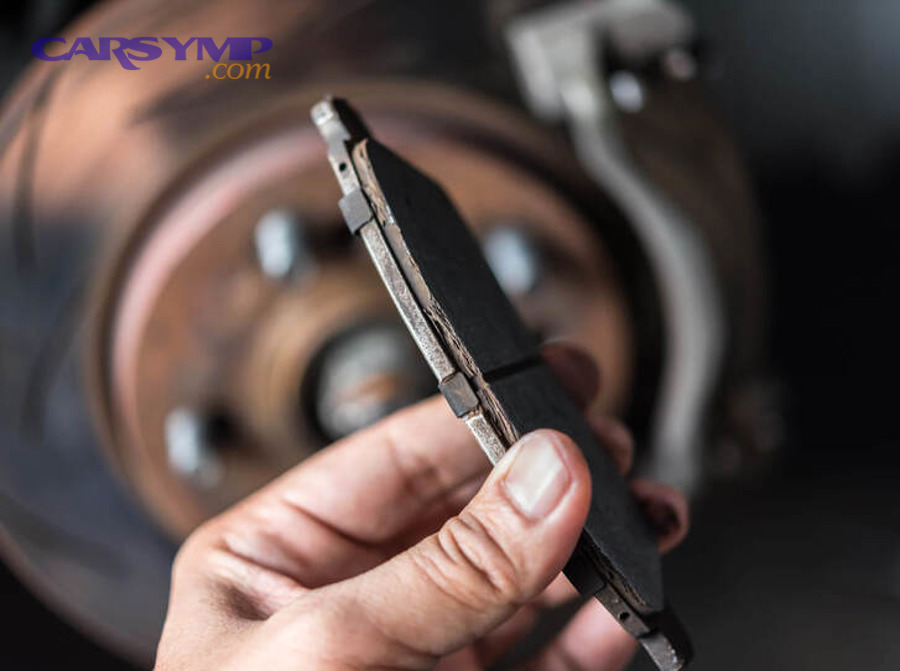
Require clarity on the pad brand and product line, not just “brake pads.” Next, ensure the invoice includes part numbers or SKU so you can verify what was installed if you move or sell the car.
Axle and vehicle details: VIN, mileage, and service location
VIN and mileage at service create an unambiguous start point. Next, confirm the shop address or store number, especially for chain warranties.
Included services: rotor treatment, hardware, lubrication, and caliper service
These notes matter because warranty disputes often hinge on whether supporting steps were performed. Next, look for lines like “clean/lube slide pins,” “replace hardware kit,” “resurface/replace rotors,” and “road test.”
Warranty statement: duration and what it covers
Ask for explicit terms printed on the invoice: months/miles, parts vs labor, and any inspection requirements. Next, if terms are on the back or website, request the URL or a printed copy attached to your receipt.
Brake warranty comparison checklist for shoppers
This is a HOW-TO: use one checklist with 10 questions to compare warranties across quotes and reduce surprises. Next, apply it to every estimate you receive, even when the price looks attractive.

The 10 questions that reveal real warranty value
Use these questions to expose what’s covered, what’s excluded, and how claims work. Next, write the answers on the estimate so you can compare later.
- Is the warranty parts, labor, or both?
- Is it time-based, mileage-based, or “whichever comes first”?
- Does it cover noise/vibration, or only defects?
- Are hardware kits included and warranted?
- Are rotors required to be resurfaced/replaced to keep coverage valid?
- Do you charge a diagnostic fee for warranty inspections?
- Is the warranty honored at any location or only this shop?
- Are inspections required (and are they free)?
- What voids coverage (towing, rideshare, modified brakes, customer parts)?
- What paperwork do I need, and how long do approvals take at the counter?
A quick table to compare warranty types side by side
This table helps you compare common warranty structures by what they cover and the most typical “gotcha” condition so you can pick the best option for your driving pattern.
| Warranty Type | Typical Coverage | Best For | Common Gotcha |
|---|---|---|---|
| Parts-only | Pad replacement if defective | DIY-friendly buyers, lower upfront quotes | Labor still paid by customer |
| Labor-only | Workmanship redo | Install-related comebacks | Parts excluded; “wear” not covered |
| Parts + labor | Pad + redo labor within term | Most drivers | Diagnostics or rotor condition requirements |
| Lifetime parts | Pads replaced when worn | Long-term owners | Labor charged each replacement |
| Adjustment policy | Noise/feel tweaks in short window | Noise-sensitive drivers | Ends quickly; not defect coverage |
Contextual Border
Beyond the core warranty terms, the next section expands into less-discussed details—unique clauses, rare exclusions, and smart negotiation tactics—so you can reduce denial risk and increase the value of what you buy.
Supplementary: Rare clauses and smart tactics that improve warranty outcomes
Prorated wear clauses: when “coverage” still means partial payment
Prorated terms reduce the value of your claim as the pads accumulate miles, even inside the stated warranty window. For example, a pad might be “warranted” to 24,000 miles but only receive partial credit at 18,000 miles. Next, ask whether replacement is free or prorated by remaining tread-like thickness.
Transferability: what happens if you sell the vehicle?
Most warranties are non-transferable, meaning the new owner can’t claim coverage. However, some branded parts warranties may transfer with paperwork. Next, if you plan to sell soon, prioritize shorter but clearer coverage rather than “lifetime” you won’t use.
Nationwide vs single-shop coverage: synonym trap in marketing
“Nationwide” can be marketed as a synonym for “accepted anywhere,” but sometimes it means “within our chain network only.” Next, request the exact list of participating locations or the policy language that defines where it’s honored.
Negotiation tip: tie warranty to inspection and documentation promises
You can often improve outcomes by asking the shop to include free inspection checks (pad thickness measurement, hardware condition) during the warranty term and to record results on a work order. Next, this documentation becomes your strongest evidence if a claim dispute happens later.
FAQ
Is a “lifetime warranty” on brake pads really free brakes forever?
No—it usually means lifetime parts replacement under conditions, while labor and fees can still apply; it can also require inspections and can exclude severe duty. Next, ask whether labor is included on subsequent replacements.
Can I keep my warranty if I skip rotor resurfacing or replacement?
Sometimes yes, sometimes no—many warranties require rotors to be within spec or serviced to ensure proper bedding and wear; otherwise, claims may be denied as “caused by rotor condition.” Next, ensure your invoice states rotor measurements or the recommendation you accepted/declined.
If my brakes squeal, is that automatically covered?
Not automatically—squeal is often excluded unless tied to a defect or workmanship problem, though many shops offer a short adjustment policy. Next, return early while any adjustment window is still active.
Do warranties cover both front and rear if I only serviced one axle?
No—coverage typically matches the axle serviced on the invoice, so the other axle remains separate. Next, keep each axle’s receipt and terms so you can claim correctly later.
What is the single best way to avoid a denied claim?
Document everything: keep the invoice, follow any inspection schedule, and get written measurements when symptoms appear. Next, present that evidence before approving any extra paid work, so coverage decisions happen first.
According to research by the National Highway Traffic Safety Administration (NHTSA) from its Office of Vehicle Safety Compliance, in October 2022, consumer maintenance and repair documentation was repeatedly emphasized in safety-related defect investigations as a key factor in tracing part performance over time.
brake pad replacement cost can vary widely by vehicle and region, and Cost per axle vs all four wheels decisions can change how many separate warranty start dates you end up managing.