


If you’re shopping for brake service, a brake job estimate checklist for shoppers helps you compare quotes fairly, avoid surprise add-ons, and approve only what your car actually needs.
Tiếp theo, you’ll learn how to read an estimate like a pro—what line items must be there, which terms are vague on purpose, and how to ask questions that force clear answers.
Ngoài ra, you’ll get a practical, step-by-step workflow for gathering multiple quotes, matching parts and labor apples-to-apples, and documenting everything for warranty and future resale value.
Giới thiệu ý mới: Dưới đây is the checklist-driven approach that turns a confusing brake quote into a confident decision—without guessing, arguing, or overpaying.
What should a brake job estimate include for shoppers to compare accurately?
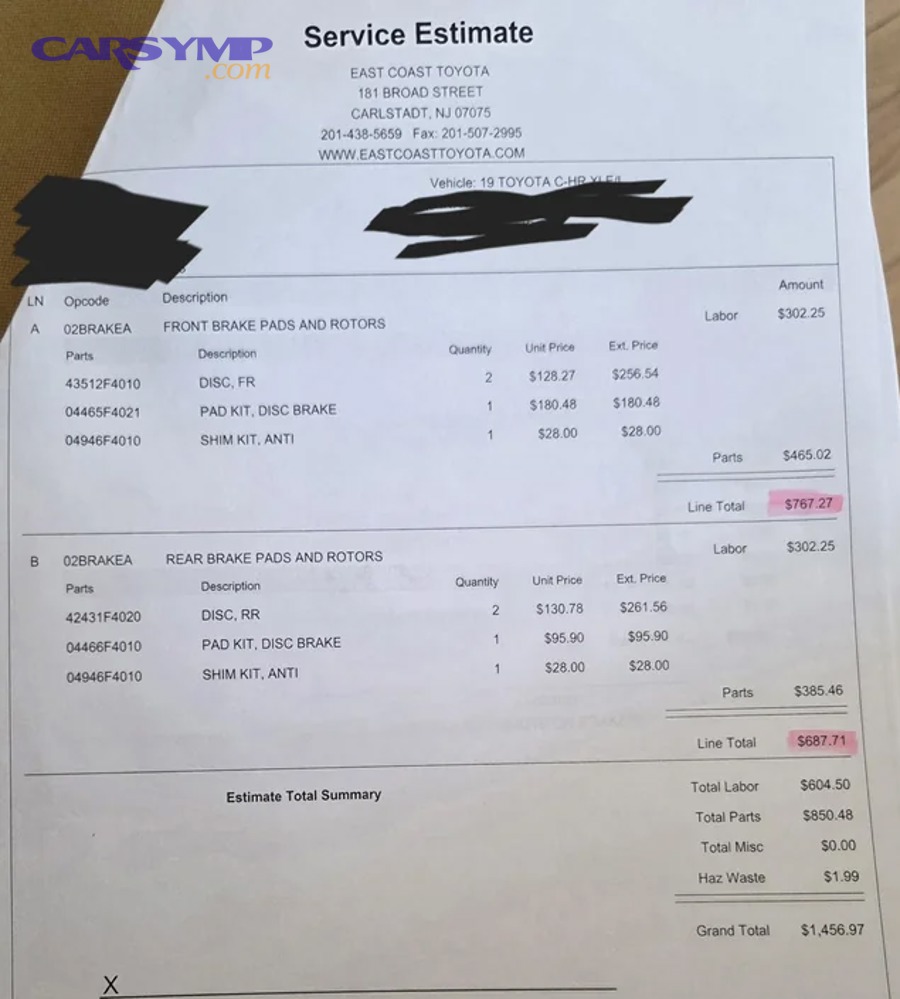
A complete brake job estimate checklist for shoppers should include vehicle details, exact parts and quantities, labor operations with time or flat-rate references, fees/taxes, and warranty terms so two quotes can be compared line-by-line.
Để bắt đầu, use the section below to confirm the estimate is “complete” before you compare price.

Which vehicle identifiers must appear on the estimate?
The estimate should list your
Cụ thể, “front brakes” vs “rear brakes” is not enough on many platforms because pad shapes, hardware kits, sensors, and labor steps can vary by trim and brake package.
Tiếp theo, confirm whether the quote is for 2 wheels (one axle) or 4 wheels (both axles), and whether it includes test drive and post-service verification.
What line items are considered “non-optional” for a real comparison?
At minimum, you want parts (pads and any required hardware), labor for replacement, shop supplies/fees, and taxes; if the shop uses electronic wear sensors, the estimate should mention them clearly.
Để minh họa, a quote that says “Brake service—$399” without parts breakdown may hide low-grade friction material or omit necessary hardware that prevents noise and uneven wear.
Quan trọng hơn, insist on brand/grade and part numbers where possible, because “premium” means different things to different shops.
How do you verify the estimate matches your requested scope?
Match each line item to the scope: pads only, pads + rotors, rotor resurfacing, caliper service, brake fluid service, or diagnostic; any mismatch makes price comparisons misleading.
Ví dụ, if you asked for “pads and rotors,” but the estimate includes only pad labor with no rotor line, the final invoice could climb later.
Tóm lại, lock scope first—then compare pricing.
How do you compare two brake quotes line-by-line without missing hidden costs?
To compare quotes, align scope, parts grade, and labor operations first, then normalize fees and taxes; the cheapest quote often becomes expensive when “missing” items appear later.
Sau đây, use a simple normalization method to convert messy estimates into a consistent checklist format.
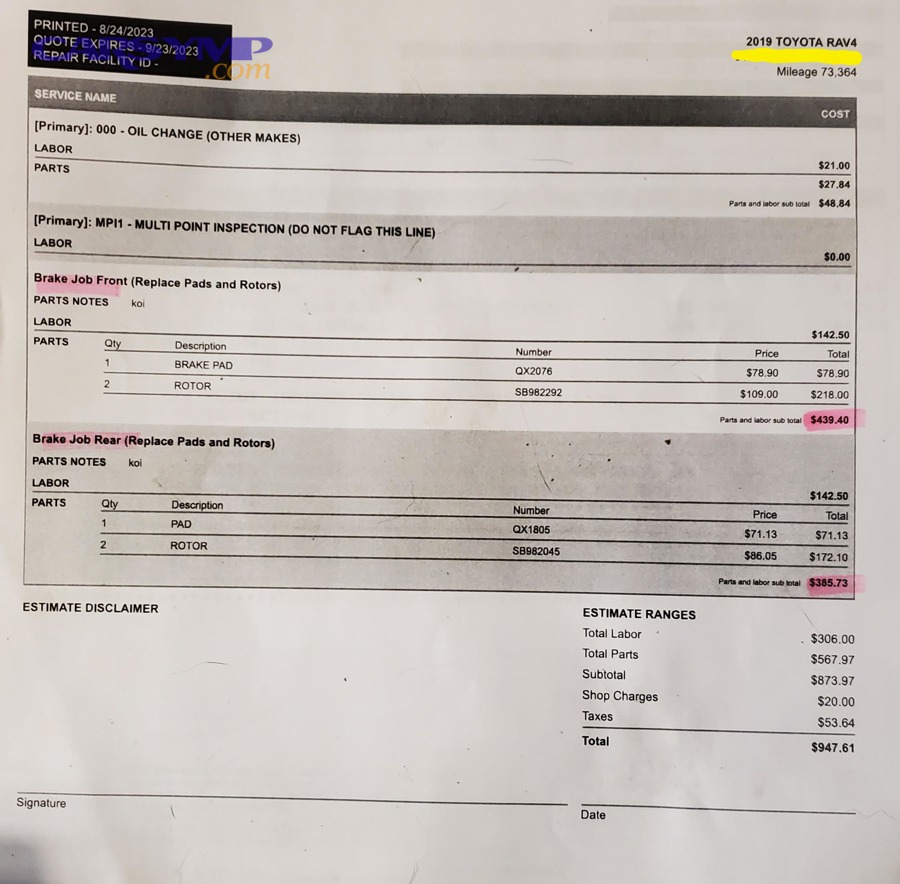
What does “apples-to-apples” comparison look like for brake work?
Apples-to-apples means both estimates cover the same axle(s), the same friction grade, the same rotor plan (replace vs resurface), and the same ancillary items (hardware, sensors, cleaning/lube, test drive).
Cụ thể hơn, if Quote A includes rotor replacement and Quote B includes rotor resurfacing, you must treat them as different services—even if both are labeled “brake job.”
Trong khi đó, if one quote includes a “road test” or “burnish/bedding” step and the other doesn’t mention it, ask whether it’s included or omitted.
Which fees should be separated from real parts and labor?
Separate shop supplies, environmental/disposal fees, and “hazmat” charges from parts and labor so you can see the real cost drivers; these can be legitimate, but they shouldn’t be used to obscure the core service.
Ví dụ, a low labor number paired with unusually high “shop supplies” can be a pricing tactic, not a true bargain.
Bên cạnh đó, confirm whether tax is applied to parts only or to parts and labor (rules vary by location), so the total comparison stays fair.
How do you handle different pricing structures across shops?
If one shop quotes a package price and another itemizes, request itemization from the package shop or convert the itemized quote into a package by summing only the matching scope.
Để hiểu rõ hơn, your checklist should always end with a “scope-matched subtotal” before fees/tax, then a “true out-the-door total.”
Tổng kết lại, you’re not comparing paperwork styles—you’re comparing the same service delivered with the same parts standard.
What questions should shoppers ask a shop before approving a brake estimate?
Shoppers should ask targeted questions about parts grade, rotor plan, hardware, inspection findings, warranty coverage, and test-drive verification to remove ambiguity and prevent mid-job surprises.
Tiếp theo, use these questions as a script—polite, direct, and hard to dodge.
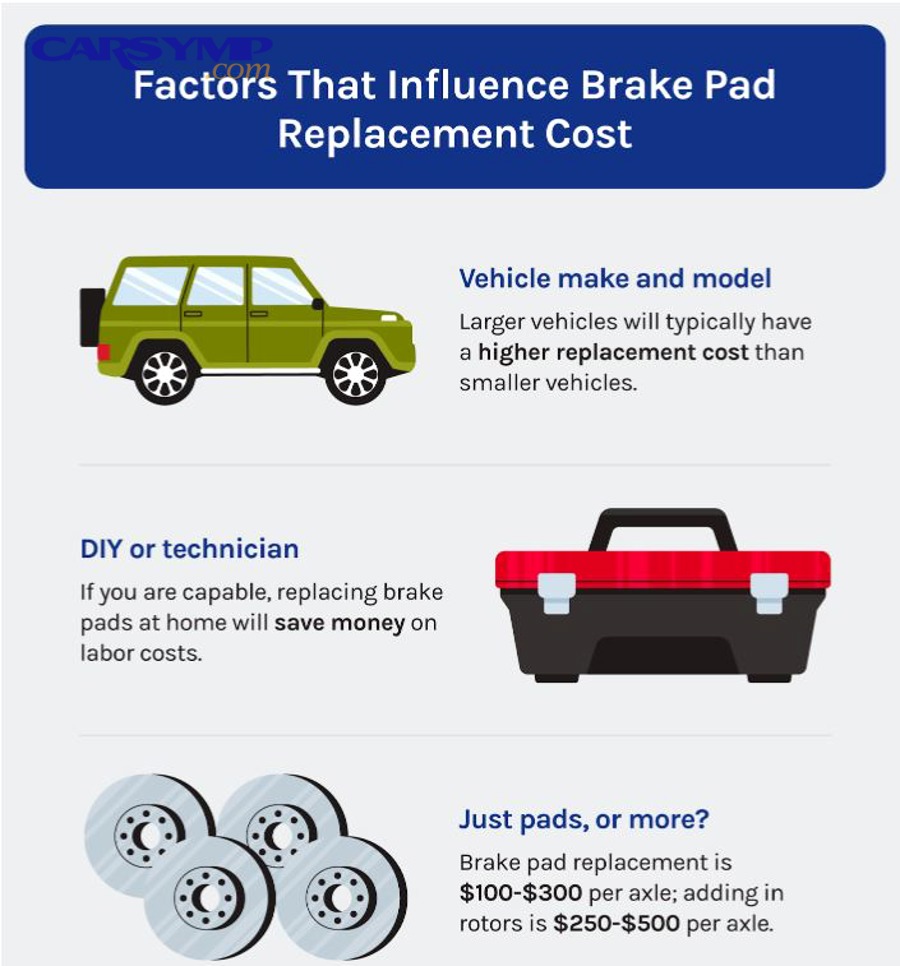
Which inspection findings must the shop explain in plain terms?
Ask what measurements or observations justify the work: pad thickness, rotor thickness/condition, runout, heat spots, scoring, caliper slide function, and fluid condition.
Cụ thể, request the “why now” explanation: what symptom or measurement indicates replacement rather than monitoring.
Hơn nữa, ask if they can show you the worn parts at pickup; reputable shops usually can.
How do you get clarity on parts quality without arguing brands?
Ask for friction material type, noise-reduction features, and the category the shop uses (OE-equivalent vs performance vs economy), then request part numbers or a written description on the estimate.
Để minh họa, you can say: “Please note the pad grade and rotor type on the quote so I can compare fairly.”
Quan trọng hơn, verify whether the quote uses new hardware (clips/shims) and whether anti-noise measures are included.
What “approval checkpoints” prevent upsells mid-repair?
Set a rule: no additional work beyond the written scope without a call/text approval and a revised estimate in writing.
Tiếp theo, ask what could change the price (e.g., seized bolts, damaged caliper bracket, sensor failure) and how the shop documents it.
Tóm lại, shoppers stay in control when approvals are explicit and documented.
Which parts and service choices most affect brake estimate value, not just price?
The biggest value drivers are friction material grade, rotor strategy, hardware quality, caliper slide service, and verification steps; these determine noise, feel, longevity, and safety more than a small difference in headline price.
Để hiểu rõ hơn, treat these choices as “value levers” inside your brake job estimate checklist for shoppers.

How do pads and rotors influence total value?
Pad formulation and rotor quality influence stopping feel, dust/noise, heat handling, and wear rate; a slightly higher-quality combo can reduce comebacks and premature replacement.
Cụ thể, ask whether the rotors are being replaced, resurfaced, or left as-is—and why that option fits your rotor condition.
Ngược lại, if rotors are deeply scored or below spec, resurfacing may be a short-term fix that leads to vibration or faster wear.
Why does hardware matter for quiet and even braking?
Hardware (clips, shims, abutments) keeps pads aligned and reduces vibration; reusing fatigued hardware can cause squeal, dragging, and uneven pad wear.
Ví dụ, if the estimate doesn’t mention hardware, ask whether it’s included in the pad kit or billed separately.
Đặc biệt, insist that caliper slides/pins are inspected and serviced; sticky slides can destroy new pads quickly.
What verification steps signal a higher-quality brake job?
A quality service includes cleaning contact points, proper torque, brake pedal check, and a controlled road test; some shops also include a guided break-in or burnish process appropriate to the pad type.
Tiếp theo, ask the shop to note “road test included” and any post-service recheck policy on the estimate.
Tổng kết lại, verification steps are where good workmanship shows up—and where cheap quotes often cut corners.
How can shoppers spot vague language, missing items, and upsell patterns in brake estimates?
Shoppers can spot risk by looking for vague package labels, “as needed” placeholders without limits, missing rotor/hardware details, and add-ons that don’t match symptoms or measurements.
Sau đây, use these red-flag patterns to protect your budget and your brakes.

Which words and phrases often hide uncertainty?
Watch for “premium,” “complete brake service,” “hardware as needed,” “machine rotors if possible,” or “clean and adjust” without specifying what’s being replaced or measured.
Cụ thể hơn, “if possible” may be reasonable (rotors sometimes can’t be resurfaced), but the estimate should explain the decision rule and the price difference between options.
Hơn nữa, ask for a written cap: “If rotors can’t be resurfaced, rotor replacement per axle is $X—please confirm before proceeding.”
How do you evaluate add-ons like fluid service or calipers?
Ask for the justification: what symptom, test, or inspection finding triggers the add-on; valid add-ons have a measurable reason (contamination, sticking caliper, leaking seal), not a generic upsell pitch.
Ví dụ, brake fluid service can be legitimate for moisture contamination or time-based maintenance, but the estimate should list the procedure and scope.
Quan trọng hơn, if a shop recommends calipers, ask whether they found a seized piston, torn boot with corrosion, uneven wear pattern, or a leak.
What’s the difference between “nice-to-have” and “must-do” items?
Must-do items address safety and immediate function (worn pads, unsafe rotors, sticking caliper), while nice-to-have items improve longevity and performance (higher-grade pads, upgraded rotors, optional fluid flush if not overdue).
Tiếp theo, label each estimate line as MUST, SHOULD, or OPTIONAL in your checklist so you don’t approve everything automatically.
Tóm lại, a shopper’s best defense is categorizing each line item by necessity.
How can a shopper inspect basics before getting brake quotes to avoid misdiagnosis?
A quick pre-quote check—symptoms, wheel visuals, and service history—helps you describe the problem accurately, reduces miscommunication, and prevents shops from quoting the wrong scope.
Để bắt đầu, follow this simple pre-quote routine before you call or visit a shop.

What symptoms should you document in writing?
Note when the issue occurs (cold vs hot, first stop vs repeated stops), what you hear/feel (squeal, grind, vibration, pull), and which speeds or pedal pressures trigger it.
Cụ thể, write a short symptom sentence you can repeat consistently to every shop; this keeps quotes and diagnoses aligned.
Bên cạnh đó, note whether any dash brake warnings are present and whether the parking brake feels normal.
What can you safely look at without tools?
Through many wheels, you can see rough pad thickness and rotor condition; look for deep grooves, heavy rust ridges, or obvious scoring.
Ví dụ, if the rotor surface looks heavily grooved or the pad appears very thin, you can tell the shop you suspect both pads and rotors may be involved.
Quan trọng hơn, never stick fingers into tight spaces or crawl under a car that isn’t properly supported.
How does service history change the quote conversation?
If pads were replaced recently, uneven wear may suggest sticking slides or caliper issues; if rotors were resurfaced multiple times, replacement may be more likely.
Tiếp theo, gather your last invoice (even a photo) so you can answer: what was replaced, what brand/grade was used, and whether warranties apply.
Tổng kết lại, a little history makes your estimate checklist sharper and your quote comparisons fairer.
How do labor details and time assumptions influence brake estimates for shoppers?
Labor assumptions influence total cost because shops price by flat-rate time, shop rate, and complexity factors like rust, electronic parking brakes, and sensor systems that add steps beyond “pads and rotors.”
Tiếp theo, decode labor on your brake job estimate checklist for shoppers so you know what you’re paying for.
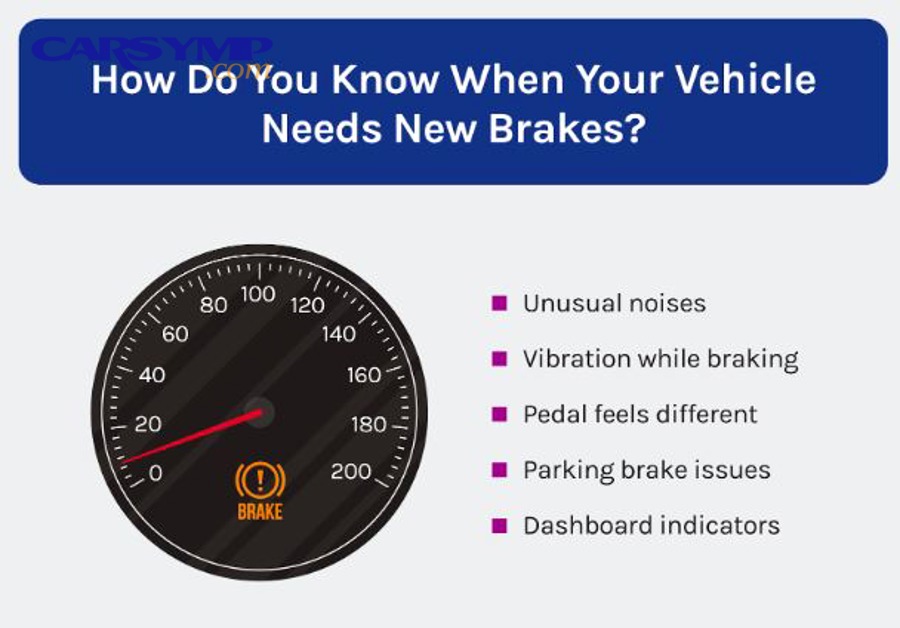
What labor lines should you expect to see?
Common labor lines include remove/replace pads, remove/replace or machine rotors, clean/lube hardware points, and road test; some vehicles add electronic parking brake service mode steps.
Cụ thể hơn, if the quote includes “diagnosis,” ask whether that fee is credited toward repair if you proceed.
Hơn nữa, confirm whether the shop includes a post-service check of pedal feel and brake balance.
Why do two shops quote different labor for the same job?
Differences come from labor rate, flat-rate guide use, included steps (like slide service), local rust/corrosion expectations, and whether the shop is quoting for best-case or worst-case conditions.
Để minh họa, in high-rust areas, a shop may reasonably quote extra time for seized fasteners—yet a shopper should ask how that’s handled if it doesn’t occur.
Ngược lại, a very low labor quote may signal missing steps that reduce noise and longevity.
How should shoppers negotiate labor clarity without sounding confrontational?
Ask for transparency rather than discounts: “Can you list what’s included in labor—cleaning, lubrication, and road test—so I can compare fairly?”
Tiếp theo, if the shop offers options, request two written totals: a baseline safe repair and an upgraded value option, both clearly scoped.
Tóm lại, clarity is the shopper’s leverage—more than haggling.
What warranty, break-in guidance, and after-service support should be written into the estimate?
The best value estimate states parts and labor warranty length, conditions, and what support is included after the job—noise rechecks, bedding guidance, and follow-up inspections—so shoppers know what happens if something feels off.
Sau đây, treat warranty and support as part of your brake job estimate checklist for shoppers—not a footnote.

What warranty terms matter most for brake shoppers?
Look for the exact warranty duration, whether it covers parts only or parts and labor, and what voids it (racing, contamination, misuse); also ask whether warranty is nationwide or shop-only.
Cụ thể, require the warranty to be written on the estimate or invoice, not just spoken at the counter.
Quan trọng hơn, ask if any diagnostic or recheck is free within a short window if noise or vibration appears right after service.
Why is break-in guidance a value indicator?
Proper bedding/burnishing helps transfer a consistent friction layer and can reduce noise and vibration; an estimate or invoice that includes guidance shows the shop is thinking beyond installation.
Ví dụ, a shop might advise gentle stops initially and avoiding hard braking for a short period, depending on pad type and driving conditions.
Tiếp theo, ask whether the shop performs a controlled road test and verifies pedal feel before returning the car.
How do you document support for future disputes?
Keep the written estimate, final invoice, and any inspection notes; if the shop showed you worn parts, take a photo as a record of condition at time of service.
Ngoài ra, save any text messages or emails that confirm scope approvals and price changes.
Tổng kết lại, documentation protects shoppers when memory and paperwork don’t match later.
How do you use a printable checklist during drop-off, pickup, and test drive?
A drop-off and pickup checklist prevents miscommunication by confirming scope at drop-off, verifying parts returned and paperwork at pickup, and testing for noise/vibration on the first drive so issues are caught early.
Để bắt đầu, use the table below as your on-the-spot workflow.
This table lists the key checkpoints at each phase (drop-off, pickup, test drive) and explains what each checkpoint protects you from.
Use it as a script so you don’t forget important questions when you’re rushed at the counter.
| Phase | Checklist checkpoint | Why it matters |
|---|---|---|
| Drop-off | Confirm axle(s) serviced + written scope | Prevents doing the wrong end or adding items without your approval |
| Drop-off | Ask for “call/text before extra work” note | Stops surprise add-ons mid-job |
| Pickup | Review invoice vs estimate line-by-line | Catches missing promises or added charges |
| Pickup | Request old parts back (if applicable) | Creates transparency and supports warranty claims |
| Test drive | Check noise, vibration, pulling, pedal feel | Finds immediate issues while the shop can recheck quickly |
What should you confirm at drop-off to lock the estimate?
Repeat the scope, ask the advisor to circle the axle(s) and parts on the estimate, and confirm the out-the-door total including fees and tax.
Tiếp theo, ask when you’ll receive updates and what counts as an approval event (phone call, text message, signed authorization).
Hơn nữa, confirm whether any diagnostic fee is included, waived, or credited if you proceed.
What paperwork should you leave with at pickup?
Leave with a final invoice showing parts descriptions, warranty terms, and the shop’s contact details; if part numbers are listed, keep them for future reference.
Cụ thể, check that the invoice matches the estimate scope—especially rotor plan and hardware inclusion.
Quan trọng hơn, if you paid for upgraded components, ensure the invoice language reflects that upgrade clearly.
What is the safest first test drive routine after brake work?
Start with low-speed stops in a safe area, then gradually increase speed while listening for squeal, grinding, clicking, or feeling vibration; confirm the car tracks straight under braking.
Tiếp theo, if anything feels wrong, return promptly and reference the written scope and warranty language.
Tóm lại, early feedback catches issues when they’re easiest to fix.
Contextual Border
From here, we move beyond the core brake job estimate checklist for shoppers into advanced tactics—how to time the purchase, negotiate with documentation, and strengthen your proof trail if you need warranty support later.
Extra shopper tactics to improve brake estimate value and confidence
These tactics help shoppers reduce risk and improve value by controlling timing, clarifying materials, and strengthening documentation—without turning the process into a stressful negotiation.
Để hiểu rõ hơn, pick the strategies that fit your situation and add them to your brake job estimate checklist for shoppers.

When is the best time to shop for a brake quote?
Shop before metal-on-metal symptoms appear; earlier shopping gives you time to compare, avoids emergency pricing, and reduces the chance that rotors and calipers are damaged by continued driving.
Đặc biệt, weekday mornings often produce clearer communication because the front desk is less rushed.
Như vậy, timing is not about chasing discounts—it’s about reducing pressure so you can choose wisely.
How can documentation improve your negotiating position?
Bring a consistent symptom description, photos of visible rotor condition if safe to capture, and your last brake invoice; this reduces ambiguity and encourages the shop to quote with clearer scope.
Cụ thể, ask the shop to write key decisions into the estimate (rotor plan, hardware inclusion, warranty length) so you’re not relying on verbal promises.
Hơn nữa, compare “scope-matched” totals, not just headline numbers—this is where real savings are found.
How do you evaluate price vs quality without getting stuck on brand names?
Focus on performance requirements (daily commuting, mountainous driving, towing, heavy traffic), expected dust/noise tolerance, and warranty support; then match those requirements to the shop’s described pad/rotor grade.
Ví dụ, one quote might emphasize quiet and low dust, while another emphasizes heat handling; your driving pattern determines which is better value.
Quan trọng hơn, request a short written summary of material grade so you can compare confidently.
What should you save for warranty or resale value later?
Save the estimate, invoice, warranty statement, and any inspection notes; keep photos of old parts if you receive them, and record mileage/date at service.
Ngoài ra, keep a note of the friction material category and rotor type so future shops can diagnose noise or vibration with better context.
Tổng kết lại, better records reduce repeat diagnostics and strengthen warranty claims.
FAQ: Brake job estimate checklist for shoppers
These common questions help shoppers make faster decisions while keeping the comparison fair and the scope clear.

Is it normal for two brake estimates to differ by a lot?
Yes—differences often come from scope (one axle vs both), rotor plan (replace vs resurface), parts grade, included steps, and labor rate; that’s why a brake job estimate checklist for shoppers should normalize these factors before judging price.
Tiếp theo, ask both shops to confirm the same scope in writing and compare the scope-matched subtotal.
Should I always replace rotors when replacing pads?
No—rotor replacement depends on thickness, surface condition, runout/vibration history, and whether resurfacing is feasible; shoppers should request the shop’s measurement-based reason rather than assume a one-size-fits-all rule.
Hơn nữa, ask what happens if the shop discovers rotors cannot be resurfaced after starting work and how that price change is approved.
How can I tell if the pads quoted are good quality?
Ask for the pad category and intended outcomes (quiet/low dust vs heat handling), request it written on the estimate, and compare warranty and support policies; “premium” alone is not a measurable standard.
Quan trọng hơn, confirm that hardware and proper lubrication/cleaning steps are included to prevent noise and uneven wear.
What if a shop won’t itemize the estimate?
If the shop refuses to specify parts grade, rotor plan, and warranty terms, you can’t compare fairly; a shopper-friendly shop will at least document scope and materials in plain language.
Tóm lại, transparency is part of the value you’re buying.
Where do the biggest cost swings usually come from?
The largest swings typically come from parts grade differences and labor assumptions, plus whether rotors are replaced; once scope is aligned, fees and taxes matter less than the core service quality.
Để minh họa, you can ask for two written options: a safe baseline repair and an upgraded option, both clearly scoped, then choose based on driving needs.
To connect common shopping terms you may see in invoices, many shoppers also search phrases like “brake pad replacement cost,” “Ceramic vs premium pad price comparison,” “Labor cost drivers and flat-rate time,” and “Average brake pad replacement cost” after they’ve aligned scope using the checklist above.