


Brakes squeal at low speed because the pad and rotor can “sing” when light pressure, low airflow, and certain surfaces let tiny vibrations build into an audible high-pitched noise.
Besides being annoying, that sound can hint at predictable patterns—like moisture, dust, pad material, or hardware fit—that show up most often in parking lots, stop-and-go traffic, and gentle creep stops.
You can usually narrow the cause by noticing when it happens (first stop of the day, only in reverse, only warm, only after rain) and by inspecting a few visible clues around the wheel.
Giới thiệu ý mới: to make the squeal easier to fix, you’ll learn what creates it, what’s normal, what’s not, and which checks separate a quick clean-and-lube from a real brake repair.
Why do brakes squeal at low speed even when they stop fine?
Low-speed squeal happens when friction vibrations resonate between the pad and rotor, even if stopping power is normal, because gentle braking can amplify high-frequency “stick-slip” motion.
To start, it helps to think of your brakes like a musical instrument: the parts are solid, but they can still vibrate and broadcast sound.

What “stick-slip” feels like inside the brake contact patch
Stick-slip means the pad briefly grabs, releases, and re-grabs the rotor many times per second, which can create a squeal without reducing overall braking force.
Next, notice that low-speed braking often uses lighter pedal pressure, which makes that rapid micro-grabbing more likely to become audible.
At highway speeds, stronger airflow cools the rotor and changes friction behavior, while higher clamp force can stabilize the contact. At parking-lot speeds, the pad may be just barely loaded, so the friction coefficient can vary more with temperature, surface films, and humidity. When friction fluctuates, the system can excite a natural frequency in the pad, caliper, or backing plate—turning microscopic vibration into a squeal you can hear through the cabin.
Why the sound can be loud while the brakes still feel smooth
Squeal can be loud because sound pressure depends on vibration frequency and resonance, not strictly on braking force or pedal feel.
After that, you can use the “when does it happen?” pattern to decide whether this is normal bedding noise or a hardware/surface problem.
Think of tapping a wine glass: a tiny force can create a loud ring if it hits the right frequency. Similarly, a small friction disturbance can “ring” a caliper bracket or pad backing plate if the damping is low (little grease where it belongs, thin shims, or worn clips). That’s why two cars with identical stopping distance can sound completely different.
Which low-speed situations trigger squeal most often
Parking-lot squeal is most common during light pedal input, creeping stops, first stops after sitting, and slow reversing because those conditions favor unstable friction and resonance.
In addition, listening for whether it’s a single chirp, a continuous squeal, or a scraping can steer you toward the right inspection.
A quick “chirp” at the last moment of a stop can come from the pad edge transitioning over a rotor groove or a small rust ridge. A longer squeal during gentle braking can point to pad glazing, wrong lubrication points, or a missing/weak anti-rattle clip. A rough scraping or grinding is a different category that deserves immediate checking, because it can mean metal-to-metal contact or debris trapped between pad and rotor.
Is low-speed squeal dangerous or just annoying?
Usually it’s not dangerous if braking feels normal and there’s no grinding, pulling, or warning light, but it can be a sign of wear, contamination, or hardware issues that deserve a timely inspection.
However, the key is separating “noise-only” squeal from symptoms that indicate damage or reduced braking safety.
When squeal is typically low-risk
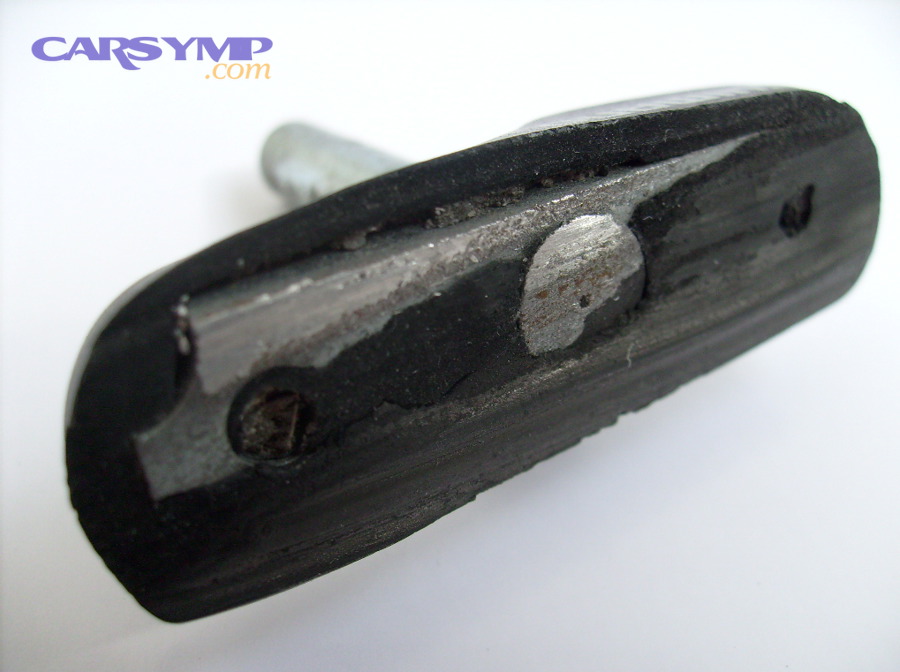
Squeal is often low-risk when it happens lightly at low speed, disappears with firmer braking, and the car stops straight with consistent pedal feel.
To clarify, low-risk squeal still has a cause—you just may not need urgent parts replacement to solve it.
Common low-risk causes include moisture on the rotor, light surface rust after rain, mild pad glazing, or pad/rotor “transfer film” that hasn’t stabilized yet. You may also hear more noise with certain pad compounds that prioritize bite or low dust over quiet operation. In these cases, a proper bedding procedure, cleaning, and correct lubrication of contact points can reduce noise significantly.
Red flags that should move the squeal into “check now” territory
Squeal becomes a priority when it comes with grinding, pulsation, steering pull, a soft pedal, burning smell, or visible scoring because those symptoms can mean real wear, overheating, or component failure.
Next, treat any noise that changes suddenly—or appears with a warning light—as a reason to inspect sooner.
Grinding can indicate the pad friction material is gone and metal is contacting the rotor. Pulsation may suggest rotor thickness variation or uneven transfer film, which can worsen with heat. Pulling can indicate a sticking caliper or uneven pad contact. A burning smell after normal stops can hint at a seized slide pin or piston that keeps a pad dragging, which can overheat and damage rotors, pads, and wheel bearings.
How to decide if you should drive or park it
If you only have a squeal with normal braking and no other symptoms, you can usually drive to diagnose it; if you have grinding, major vibration, smoke, or a warning light, reduce driving and inspect immediately.
After that, you’ll understand the physics behind squeal, which makes the “annoying vs risky” decision much clearer.
A safe rule: noise alone is information, but noise plus performance change is a problem. If the sound is new and you’re unsure, a quick wheel-off inspection at a shop is often inexpensive compared with the cost of ruining rotors by continuing to drive on worn pads.
What friction and vibration mechanics create squeal in the first place?
Brake squeal is a vibration problem: friction excites a high-frequency oscillation, and the brake assembly amplifies it like a speaker when damping and hardware fit aren’t sufficient.
To understand it better, break the system into three parts: the friction interface, the structure, and the damping.
The friction interface: film, dust, moisture, and temperature
The pad doesn’t always rub bare metal; it often interacts with a thin transfer layer, dust, or moisture film that can change friction suddenly and trigger squeal.
Next, focus on what low speed changes: lower heat, lower clamp force, and more sensitivity to surface films.
At gentle braking, the pad may not “burnish” the rotor surface evenly, so local patches can have different friction properties. Moisture can create a thin boundary layer that makes friction less stable, especially during the first few stops. Fine brake dust can also act like an abrasive powder, changing how the pad grabs and releases. These micro-changes can feed vibration rather than smoothing it out.
The structure: pads, caliper, bracket, and rotor as a resonant system
Any brake component can resonate—pad backing plate, caliper body, bracket, or rotor—so squeal appears when friction energy lines up with a component’s natural frequency.
In addition, small differences in hardware stiffness and fit can explain why one side squeals and the other doesn’t.
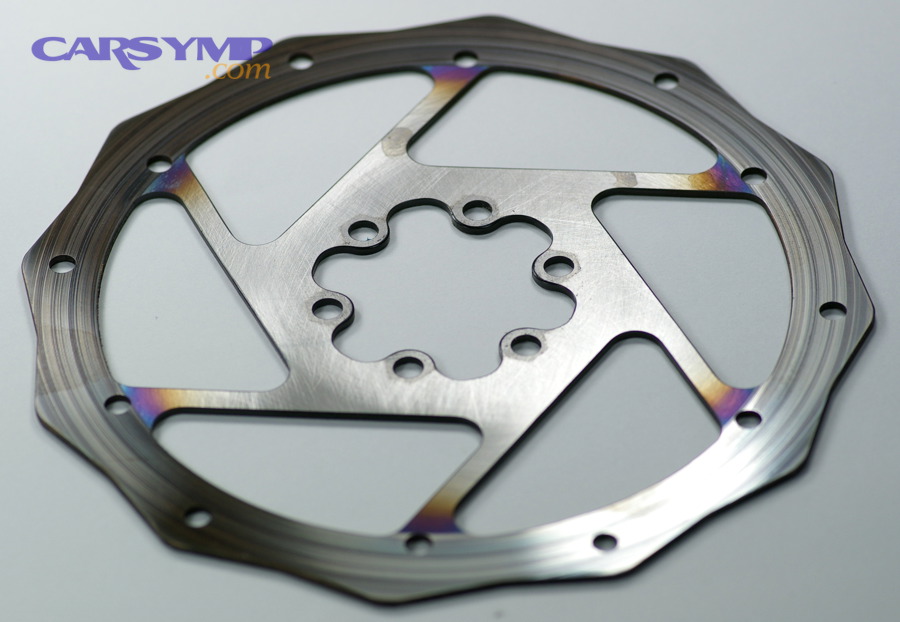
Even if the pads are identical, one caliper may have slightly looser abutment clips, more corrosion under the clips, or a slide pin that doesn’t move freely. Those small differences reduce damping and allow vibration to grow. Rotors can also “ring” more if they have certain shapes, ventilation designs, or if the pad contacts near an edge where the rotor is more flexible.
The damping: why shims, grease, and clips matter so much
Damping reduces vibration by absorbing energy, so missing shims, dry contact points, or weak anti-rattle clips can turn small friction oscillations into loud squeal.
After that, you’ll see how pad material and rotor condition influence squeal at low speed more than most drivers expect.
Damping isn’t about “making things slippery everywhere.” It’s about controlling micro-movement where metal touches metal (pad ears to abutment clips, backing plate to caliper piston interface, and caliper sliding surfaces). When these points are dry, corroded, or incorrectly assembled, they act like tiny springs that oscillate, which is exactly what squeal needs to become loud.
Which pad materials and rotor surfaces are most likely to squeal at parking-lot speeds?
Some pad compounds and rotor surface conditions squeal more at low speed because they produce higher friction variability and less inherent damping, especially when lightly loaded.
To make this practical, group pad materials by how they trade quietness, bite, dust, and longevity.
Common pad compounds and their noise tendencies
In general, aggressive or high-bite compounds can squeal more at low speed, while comfort-oriented compounds often prioritize damping and quieter behavior.
Next, remember that “best” depends on your driving and what your car was tuned for from the factory.
Rotor surface texture: smooth, glazed, grooved, or rusty
Low-speed squeal is more likely when rotors are glazed, unevenly filmed, lightly rusted, or grooved because the pad contact becomes inconsistent and vibration-friendly.
In addition, rotor edges and rust ridges can create a chirp right at the end of a stop.
A freshly machined rotor has a crosshatch that helps pads bed in evenly. Over time, heat and light braking can polish the rotor and pad, creating glazing. Grooves from worn pads can introduce repeating edges the pad has to “climb,” adding excitation. After rain, a thin rust layer can act like a sandpaper film for the first few stops, sometimes producing squeal that disappears once the rust is wiped away.
Why “quiet” pads still squeal on some vehicles
Even quiet-oriented pads can squeal if the caliper hardware fit is off, the pad edges aren’t chamfered for the application, or the rotor surface has uneven transfer film.
After that, we’ll look at weather and moisture patterns, because low-speed squeal often has a strong “morning vs afternoon” personality.
Some vehicles are more sensitive due to caliper design, rotor size, and how the pads are supported. If the pad can rock slightly in the bracket, it can chatter and squeal during light braking. The fix might be as simple as cleaning rust under the abutment clips, using the correct hardware kit, and ensuring the pad ears slide smoothly without excessive clearance.
Why does squeal get worse in damp mornings, cold weather, or after washing the car?
Moisture and temperature swings change the friction film on the rotor, so low-speed squeal often spikes when rotors are wet, lightly rusted, or cold because friction becomes less stable under light braking.
To begin, notice that “first stop of the day” squeal is one of the most common and least mysterious patterns.
Condensation and light rust: the classic morning squeal
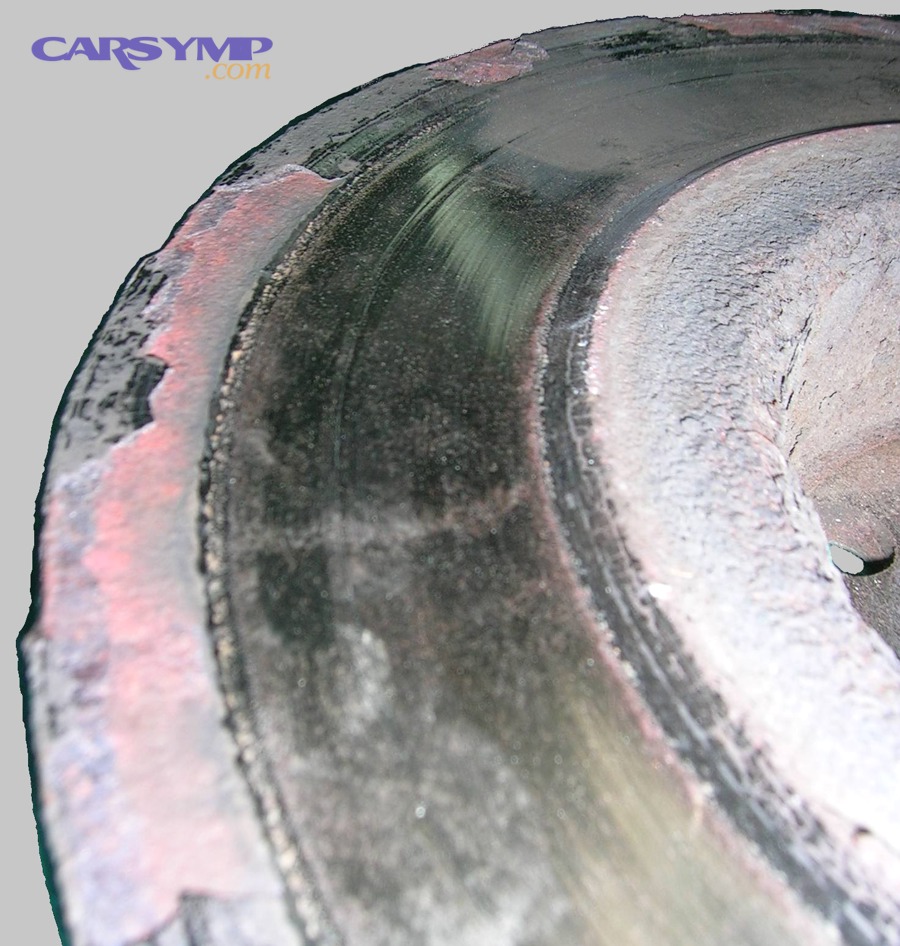
Morning squeal often comes from condensation or a thin rust film that the pads scrape off in the first few brake applications.
Next, you can test this by listening: does it fade after 2–5 normal stops?
Rotors are bare cast iron on most passenger cars, and they flash-rust easily after rain or washing. That rust layer is thin, but it changes friction and can create a rough, squeal-prone interface until it’s cleaned off. If the squeal fades quickly and doesn’t return until the next damp period, it’s usually a surface film issue rather than a hardware defect.
Cold compounds and “low-temperature bite” behavior
Some pad materials are noisier when cold because their friction characteristics are less stable at low temperature and light pressure.
In addition, the slower warm-up at low speed makes the cold-noise window longer in winter driving.
At higher speeds, braking events tend to generate more heat and stabilize the friction film faster. In cold weather, gentle urban braking may never fully warm the system, so the pad can remain in a noisier friction regime. This is especially noticeable with certain semi-metallic or performance-leaning pads, where the compound is designed for higher temperature operation.
After washing: why “clean” can still squeal
Washing can leave water, soap residue, or cleaner film on the rotor and pads, which can temporarily change friction and cause squeal until the surfaces dry and normalize.
After that, we’ll address a very common frustration: squeal that begins right after new parts are installed.
Wheel cleaners and detailing sprays can sometimes overspray onto brake components. Even mild residue can alter friction and promote squeal during the first few stops. If you suspect this, a few firm (safe) stops after everything is dry can help re-establish a normal transfer film, but you should avoid hard braking if you’re uncertain about contamination from oils or silicone-based products.
Why can squeal start right after a pad change?
Squeal after a pad change usually comes from incomplete bedding, mismatched hardware, lack of lubrication at correct contact points, or rotor surface issues that prevent a stable transfer film from forming under light braking.
To clarify, “new” doesn’t automatically mean “quiet”—new parts can be noisier until they mate correctly.
New pad bedding: why the first 200 miles matter
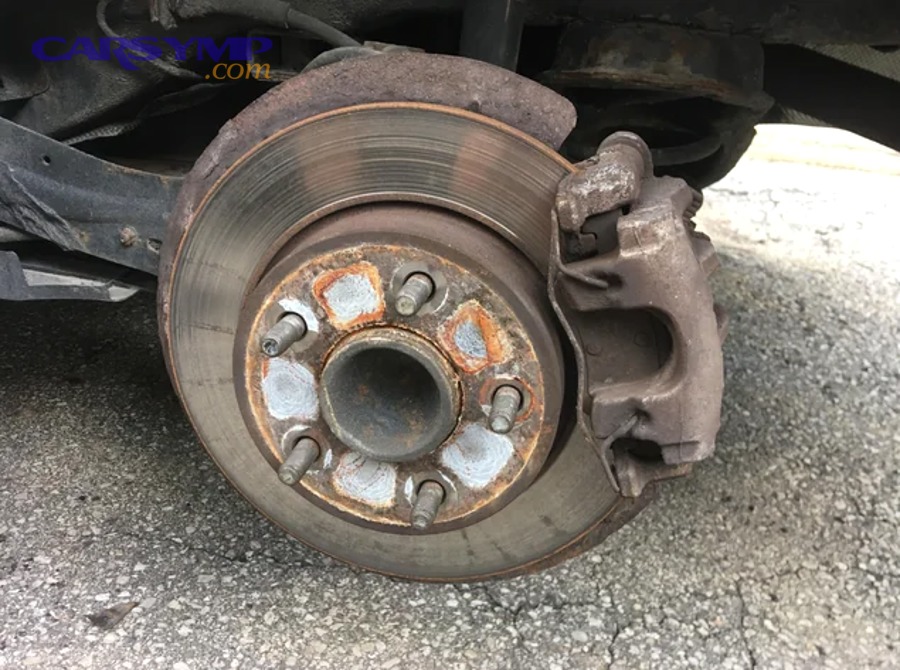
Bedding is the process of transferring an even friction film to the rotor, and without it, low-speed squeal is more likely because contact is uneven and friction fluctuates.
Next, understand that bedding is not a single hard stop—it’s a controlled series of moderate stops with cooldown.
Many drivers install pads and then drive gently for days, which can accidentally “polish” the pads without laying down an even transfer layer. That gentle driving can increase low-speed squeal because the pads never stabilize their film. Proper bedding varies by pad type, but the principle is consistent: controlled heat cycles help the pad and rotor develop consistent friction and reduce vibration tendencies.
Hardware fit: clips, shims, and the tiny clearances that create noise
Even with perfect pads and rotors, mismatched or reused hardware can let pads vibrate, so low-speed squeal can appear when abutment clips, shims, or anti-rattle springs are missing, weak, or corroded.
In addition, rust under clips can pinch the pad, causing stick-and-release motion that squeals.
Pad ears should slide smoothly in the bracket with minimal play. Too tight (rust jacking under clips) and the pad sticks, then releases abruptly. Too loose (wrong clips or worn bracket) and the pad can chatter. Both conditions can create squeal, especially during light braking. This is where many “quick pad slap” jobs fall short: the brakes work, but the noise control details were skipped.
Where people often misuse lubricants on brake jobs
Noise can worsen if lubricant is missing where metal contacts metal, or if lubricant is applied to friction surfaces where it doesn’t belong.
After that, you’ll learn a practical way to do a brake squeal diagnosis that doesn’t rely on guessing.
It’s common to see grease applied randomly, but brakes are picky: you want the right lubricant at the right interface (pad backing plate contact points, slide pins where applicable, and pad ears/abutment clip contact areas) while keeping friction surfaces clean. If grease contaminates pads or rotors, it can cause uneven friction and persistent squeal, and it may require cleaning or pad replacement depending on severity.
In many repair guides you’ll see the phrase Brake squeal after pad replacement causes used as a catch-all, but the most consistent root is simple: unstable friction plus a path for vibration to amplify.
How can you diagnose low-speed brake squeal at home before visiting a shop?
You can diagnose low-speed squeal by identifying the pattern, checking for simple surface issues, and inspecting visible hardware clues, then using a short test drive to confirm whether the noise responds to bedding or cleaning.
To start, separate “when it happens” from “what it sounds like,” because that combination usually points to the culprit.
Step 1: Capture the pattern like a technician would
The fastest diagnosis comes from patterns: first stop only, only in reverse, only light braking, only one wheel area, or only after rain.
Next, write it down for one day—this small effort saves time and prevents random part replacement.
Listen with the windows slightly open near a wall (sound reflects). Note whether the squeal changes with pedal pressure: if firmer braking makes it disappear, that often points to vibration control (hardware/damping) rather than severe wear. If it gets louder with more pressure or becomes a grind, that shifts suspicion toward wear indicators or metal contact.
Step 2: Do a safe visual check without removing the wheel
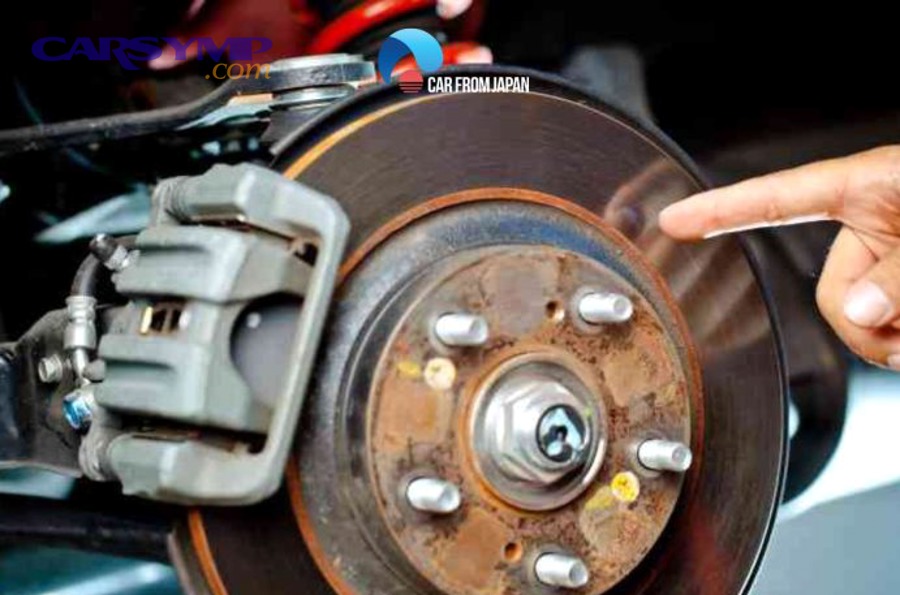
Through many wheels you can see pad thickness, rotor surface condition, and obvious rust ridges, which can quickly rule out “it’s just morning moisture” vs “this is worn out.”
In addition, look for uneven shiny bands on the rotor that suggest uneven contact or pad imprinting.
If you see deep grooves, heavy scoring, or the pad looks extremely thin, don’t rely on sound alone—schedule inspection. If the rotor looks mostly smooth but has a rusty ridge at the outer edge, a chirp at the final moment of stopping can be explained by the pad edge riding that ridge. If you see wet-looking streaks or oily residue on the rotor, suspect contamination from a leak or overspray.
Step 3: Use a short, controlled test to narrow the cause
A controlled test—light stops vs firm stops, forward vs reverse, and a few moderate bedding-style stops—can reveal whether squeal is film-related, hardware-related, or wear-related.
After that, use the checklist below to connect symptoms with likely causes and next actions.
This table contains a quick symptom-to-cause map to help you avoid guessing and to decide what to inspect first.
| What you notice | Most likely cause | Best next check |
|---|---|---|
| Squeal only on first 1–3 stops after rain | Moisture/rust film on rotor | Confirm it fades quickly; inspect rotor for light rust |
| Squeal mainly with very light pedal | Vibration control/hardware fit or glazing | Check pad edges, clips, and look for polished rotor surface |
| Squeal in reverse more than forward | Pad edge/hardware resonance direction change | Inspect pad chamfers, shims, and anti-rattle springs |
| Noise becomes grinding or rough scraping | Wear indicator or metal-to-metal contact | Check pad thickness ASAP; avoid extended driving |
| One wheel area is clearly louder | Sticking slide pin, uneven pad wear, or localized rotor issue | Compare rotor/pad appearance side to side; inspect slides |
If you want to go deeper, search for brake squeal diagnosis checklists that emphasize pattern + inspection rather than replacing parts first, because squeal is often an assembly and friction-film story.
What are the most effective fixes, and what mistakes make squeal come back?
The most effective fixes target vibration control and friction stability: clean and deglaze surfaces when appropriate, install correct hardware, lubricate correct contact points, and bed pads properly—while avoiding shortcuts that create contamination or poor fit.
To begin, treat squeal like a system problem: surface + hardware + motion + heat.
Fixes that work most often for low-speed squeal
Most low-speed squeal improves when pads move freely in the bracket, clips and shims are correct, friction surfaces are clean, and the pads are bedded to establish an even transfer film.
Next, prioritize the “no-cost” and “low-cost” steps before replacing major parts if wear is still acceptable.
Start with inspection and cleaning: remove rust under abutment clips, replace weak clips, and ensure pad ears slide smoothly without binding. If glazing is present, light deglazing and proper bedding can help. If the rotor has deep grooves or heavy scoring, resurfacing or replacement may be needed to restore a stable surface. When assembling, ensure slide pins (for floating calipers) are clean, correctly greased, and move freely, because uneven pad pressure can create noise and uneven wear.
Why hardware quality matters more than many people think
Hardware is the “anti-vibration scaffolding,” so missing or incorrect clips/shims can keep squeal alive even with new pads and rotors.
In addition, the same pad can be quiet with one clip kit and noisy with another because fit changes damping.
This is where the debate often shows up as Anti-squeal compound vs proper hardware: compounds can add damping at specific interfaces, but they can’t replace the correct springs, clips, and shims that control pad motion. If the pad is free to chatter, compound alone is rarely a permanent solution. The quietest brakes usually have the right mechanical retention plus the right damping layers, not one or the other.
Mistakes that make squeal return weeks later
Squeal often returns when pads are installed without cleaning bracket rust, when old clips are reused, when slide pins are dry or over-greased incorrectly, or when pads are never bedded and become glazed.
After that, the contextual border below will move from “common causes” to “rare but real” squeal sources that can fool even experienced DIYers.
Another mistake is ignoring runout or uneven torque on wheels, which can contribute to uneven rotor wear over time. Also, mixing pad types on the same axle or using unknown-quality friction material can cause inconsistent friction behavior. Finally, washing chemicals or aerosol products near brakes can introduce contamination that causes persistent noise and uneven friction.
Contextual Border: Up to this point, you’ve covered the most common low-speed squeal causes that come from friction film, pad material, surface condition, and everyday hardware fit. Next, you’ll explore rarer sources that mimic “normal squeal” but require a different fix approach.
What rare issues cause low-speed squeal when everything looks new?
Rare low-speed squeal can come from subtle contact points and tolerance stack-ups—like dust shield rub, backing plate contact, sticky slide pins, or uneven pad imprinting—where the brakes look fine but vibrate under light pressure.
To understand these, focus on hidden contact and motion: what’s touching, what’s stuck, and what’s resonating.
Glazed pads and rotor hot spots that “sing” only at light pressure
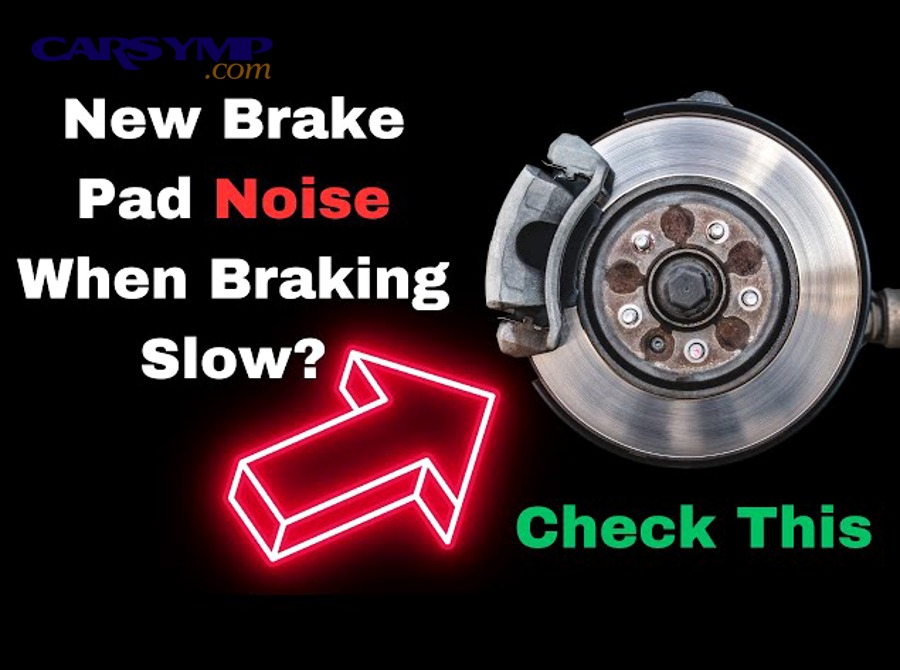
Glazing and localized hot spots can squeal at low speed because the pad alternates between higher and lower friction patches as it sweeps the rotor.
Next, look for mirror-like pad faces or shiny rotor bands that don’t match the rest of the surface.
This condition often happens after gentle driving with new pads, repeated light braking, or overheating followed by holding the brake pedal at a stop (which can imprint pad material). The fix may involve controlled bedding, deglazing, or replacing pads if the friction surface is compromised. In some cases, the rotor surface may need correction if thickness variation or hot spotting is severe.
Loose or missing shims, clips, and “stack-up” issues
Small differences in shim thickness, clip tension, or pad ear fit can create a resonance path, especially if one side has more play than the other.
In addition, pad movement that you can’t see with the wheel on can still be the loudest noise source.
If the pad can rock slightly, it can chatter under light braking and squeal, but it may clamp down quietly under firm braking—making it easy to misdiagnose. Replace questionable hardware, confirm correct part numbers, and ensure the pad ears are clean and properly supported. Avoid grinding pad ears “to fit” unless you know exactly what clearance you’re targeting, because too much clearance can increase vibration.
Sticking slide pins or piston retraction problems
A sticking slide pin or poor piston retraction can keep one pad lightly dragging, which heats and polishes surfaces in a way that promotes low-speed squeal.
Next, compare pad wear inner vs outer and left vs right for asymmetry that suggests uneven motion.
On floating calipers, slide pins must move freely so both pads share load evenly. If one pin is seized or binding, the pads can wear unevenly and create a squeal that comes and goes. On some vehicles, a slightly sticky piston seal or corrosion can reduce retraction, causing constant light contact that encourages glazing and noise.
Backing plate contact, dust shield rub, and “non-brake” squeal impostors
Sometimes the squeal isn’t from pad-to-rotor friction at all—dust shields, backing plates, or small stones can rub the rotor and create a high-pitched noise at low speed.
After that, a careful inspection for shiny rub marks and small trapped debris can solve what looks like a complex brake problem.
Dust shields can bend during tire rotation or road impacts and lightly touch the rotor. A tiny pebble can lodge between shield and rotor and squeal intermittently. Even a worn wheel bearing can change rotor alignment enough to create light rub under certain loads. These cases are “rare” compared with moisture or hardware issues, but they’re real—and they’re often the quickest to fix once spotted.