


Dust and debris causing squeal fixes are usually fast, practical, and cheap—because the “noise” is often a contamination problem, not a parts-failure problem. When grit, brake dust, or tiny pebbles sit between pad and rotor, the friction pair can vibrate like a speaker cone, creating that sharp squeal you hear at low speeds or the first stop of the day.
Beyond the annoyance, the real goal is control: identify where contamination is sitting, remove it without damaging friction surfaces, and restore stable pad-to-rotor contact. This guide walks you from quick checks to deeper cleaning, with a clear stop-point when the sound is no longer “dirt-related” and needs inspection.
We’ll also cover why some vehicles and pad compounds dust more than others, which areas must stay dry, and what to lubricate (and what never to touch). You’ll get step-by-step methods that reduce repeat squeal—especially for city driving, parking garages, and dusty roads.
To connect everything into a reliable workflow, afterward we’ll add advanced micro-checks for rare contamination sources and a short FAQ (including terms many people search for). To begin, let’s pin down what dust and debris are actually doing at the contact patch.
What makes brakes squeal when dust and debris build up?
Yes—contamination can cause squeal because it disrupts smooth friction, triggers micro-slip, and excites vibration in the pad, caliper, and rotor as a coupled system. Dust and debris causing squeal fixes work best when the friction surfaces are intact and the noise is contamination-driven rather than wear-driven.
To start, think of squeal as a vibration problem that needs a stable friction “film” to stay quiet; next we’ll map the common contamination paths.
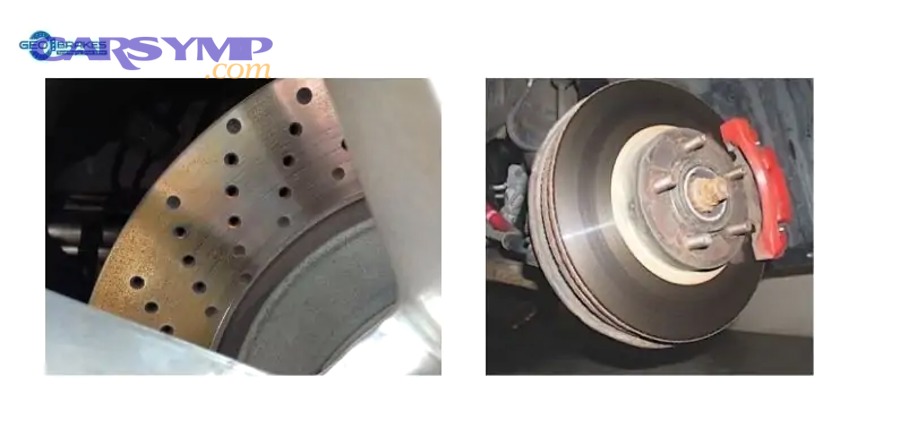
Three common contamination mechanisms explain most squeal:
- Embedded particles: grit or metal flakes embed into the pad face, creating a hard spot that scrapes and sings.
- Glazing or hot-spot film: dust mixed with heat can form a smooth, shiny layer that slips and squeals.
- Hardware friction: dust dries out contact points (abutments, clips), so the pad can’t retract smoothly and vibrates.
Because disc brakes are open to the environment, contamination can come from road dust, construction grit, sand, rust scale, or even the pad’s own dust. It’s also why the same car can be quiet in rain (water temporarily changes friction) but squeal again once dry.
Which “dust types” are most likely to squeal?
Most squeal-prone dust is either abrasive grit (sand/road dirt), metallic dust (from pad/rotor wear), or corrosive residue (salt + rust scale). Next, we’ll learn how to recognize each one quickly without guessing.
Why does squeal show up at low speed or the first stop?
Low-speed squeal happens because vibration isn’t masked by road noise and because light brake pressure can hover in the “stick-slip” zone. Next, we’ll turn that clue into a quick diagnostic pattern.
At gentle pedal pressure, pads may not clamp hard enough to stabilize the friction pair. Add dust patches and the contact becomes uneven, making squeal more likely. First stop squeal is also common when overnight moisture creates a thin rust film that mixes with dust—then flakes off as noisy particles.
How can you confirm the squeal is contamination, not worn parts?
Yes—you can usually confirm contamination by checking when the squeal happens, whether braking feel is normal, and whether cleaning changes the sound. Next, we’ll run a short “decision tree” that protects you from missing a real safety issue.
Start with a safe road test: slow from 25 mph to 5 mph with light pressure, then repeat with firm pressure. Contamination squeal often changes dramatically with pressure; severe wear squeal often stays harsh or becomes grinding.

- Contamination-likely signs: squeal comes and goes; no vibration; stopping power feels normal; noise may disappear after rain or after a wash.
- Wear/defect-likely signs: grinding, pulsation, pulling, pedal change, burning smell, or a squeal that suddenly becomes constant.
- Location clue: one corner squeals more (front-left, rear-right) and changes with steering angle—often debris near a dust shield or rotor edge.
A 60-second “parking lot” check you can do safely
Yes—listen, look, and sniff: a rhythmic chirp with wheel rotation often points to debris; a constant squeal under any braking often points to pad wear or hardware issues. Next, we’ll translate that into action steps.
- Listen: does squeal occur only while braking, or also when rolling? Rolling noise can be a pebble rubbing the rotor shield.
- Look: any fresh shiny line on the rotor edge or dust shield? That can be contact from a bent shield or trapped grit.
- Sniff: strong burnt odor after mild braking suggests dragging pads or stuck hardware—cleaning is only part of the fix.
What quick cleaning steps can stop squeal without removing the caliper?
Yes—quick cleaning can reduce squeal by flushing loose dust, knocking debris out of the shield area, and restoring more uniform friction. Next, we’ll use a “least invasive first” approach that avoids creating new problems.
Safety first: work on a cool brake assembly, use eye protection, and never inhale brake dust. Avoid compressed air unless you have proper containment—brake dust should not be blown into the air.
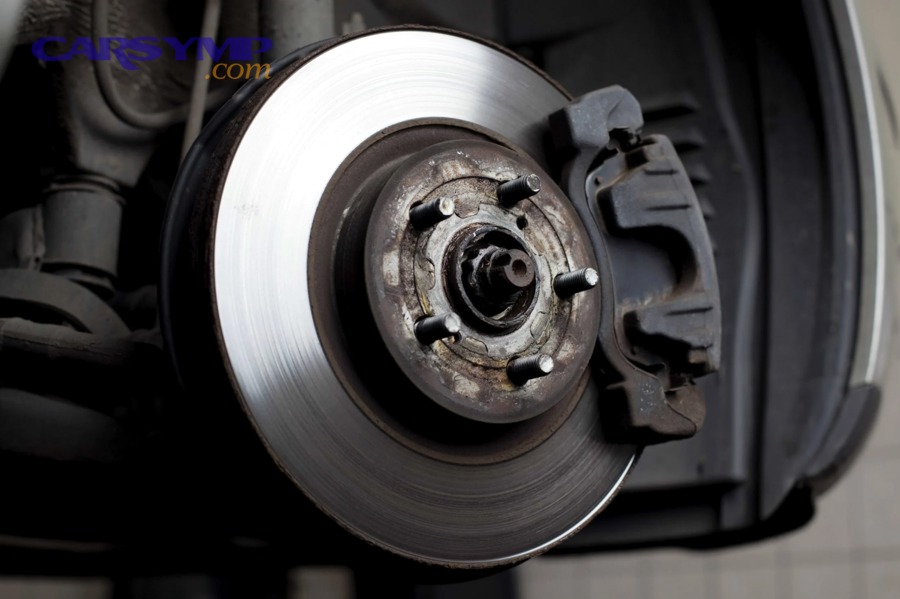
- Rinse method: with the wheel on, gently rinse the rotor/caliper area with low-pressure water to remove loose dust (avoid soaking hot brakes).
- Shield tap method: lightly tap the dust shield area (not the rotor) to dislodge small stones; rotate the wheel by hand if safely lifted.
- Controlled braking clean-off: do 6–8 medium stops from ~30 mph to ~10 mph, allowing cooling between; this can scrub light contamination.
These steps won’t remove embedded grit, but they can solve the most common “parking garage squeal” caused by loose dust and tiny debris sitting at the pad edge. If the noise improves but returns, it’s a strong clue that debris is still accumulating in a specific place, which we’ll address with deeper cleaning next.
When a gentle wash helps—and when it makes things worse
Yes—washing helps when dust is loose and the hardware is healthy; it hurts when it drives grit into clips, freezes moisture in cold weather, or you wash immediately after hard braking. Next, we’ll upgrade to a controlled chemical clean when needed.
If you wash a hot rotor, thermal shock can warp thin rotors or create uneven friction film. Also, water can carry fine grit into abutment areas where pads slide. If you must rinse, wait until the brakes are cool and use low pressure, focusing on flushing outward rather than forcing debris inward.
How do you deep-clean pads, rotors, and hardware safely?
Yes—deep cleaning works by removing embedded particles, cleaning pad-to-hardware contact points, and restoring a stable friction interface. Next, we’ll follow a clean, repeatable sequence that prevents “clean today, squeal tomorrow.”
Basic tool list: jack and stands, lug wrench, nitrile gloves, a soft wire brush or nylon brush, clean rags, and a brake-safe cleaner. Use products designed for brakes; avoid oily sprays on friction surfaces.

Step-by-step deep clean (one corner at a time):
- Lift safely: secure the vehicle, remove the wheel, and keep the assembly cool.
- Inspect first: note pad thickness, rotor scoring, and any uneven wear patterns—these clues guide cleaning vs repair.
- Remove the caliper (if needed): support it so the hose isn’t strained; do not let it hang.
- Clean the bracket “shelves”: scrub the abutment areas where pads slide; remove rust scale and packed dust.
- Clean and replace clips if damaged: bent, rusty, or weak clips can let pads vibrate.
- Decontaminate pad faces: if lightly embedded, scuff with fine sandpaper (lightly) and rinse with brake cleaner; if heavily contaminated or glazed, replacement may be smarter.
- Clean rotor faces: wipe with brake cleaner and a clean rag; remove any oily fingerprints.
- Reassemble and torque: tighten fasteners to spec and perform a gentle bedding-in drive.
How to remove embedded grit without ruining the pad
Yes—light embedding can be reduced by controlled scuffing and cleaning, but deep embedding or chunking means the pad is compromised and should be replaced. Next, we’ll set simple “replace vs clean” thresholds.
- Cleanable: minor shiny specks, light glazing, even thickness, no cracks, no chunks missing.
- Replace: deep grooves, crumbling edges, heat cracks, severe glazing that returns immediately, or pads near minimum thickness.
Avoid aggressive grinding. You only want to refresh the top layer and remove contaminants, not change pad geometry. If you scuff, keep the pad face flat and uniform, and clean thoroughly afterward.
How to clear debris trapped near the dust shield and rotor edge
Yes—most trapped debris is cleared by creating clearance and flushing outward, not by forcing tools between shield and rotor. Next, we’ll outline a safe method that avoids bending the shield into contact.
Look for shiny scrape marks on the shield. If the shield is bent inward, gently reshape it to restore clearance. Then flush the gap with brake cleaner directed outward. If a small stone is lodged, rotate the rotor and use a plastic trim tool to nudge it free—never pry hard against the rotor face.
Which surfaces must stay dry, and which can be lubricated?
Yes—keeping the friction pair dry while lubricating only the correct hardware contact points is essential: oil on pads/rotors causes noise, glazing, and reduced braking; correct lubrication prevents vibration and sticking. Next, we’ll list the “never lube” and “always lube (lightly)” zones.

- Never lube: pad friction material, rotor braking surfaces, inside of the rotor hat where it mates to the wheel (unless specified), and any area that can sling lubricant onto the rotor.
- Lightly lube (brake-safe): pad ears where they touch clips, caliper slide pins (if applicable), and specific shim contact points—using a high-temp brake lubricant.
- Clean, not greasy: abutment shelves should be rust-free and smooth; use minimal lubricant only if recommended for your hardware style.
Anti-squeal compound vs correct hardware
Yes—compound can reduce vibration, but correct shims, clips, and pad fit are the foundation. Next, we’ll show how to decide whether paste is appropriate or just masking a problem.
If pads are tight in the bracket (or clips are missing/weak), paste won’t stop chatter for long. Use compound only on approved backing-plate contact points, never on the friction face. If the pad backing plate is bare steel and your design expects a shim, missing shims can directly increase squeal.
How can you prevent dust and debris from returning and squealing again?
Yes—prevention is possible by controlling accumulation (wash habits), reducing dust generation (pad choice), and keeping hardware movement smooth (clean sliding points). Next, we’ll link driving environment to repeat squeal patterns.

- After dusty routes: do a gentle rinse once brakes are cool, focusing on flushing outward.
- Parking garages and city stops: periodic medium stops help keep the friction film even; avoid constant feathering.
- Hardware maintenance: when you rotate tires, visually inspect for clip rust, torn boots, and uneven pad movement.
- Wheel design: open-spoke wheels ingest more grit; consider more frequent cleaning if your environment is dusty.
Dust accumulation is often seasonal and location-driven. Construction zones, gravel driveways, and coastal salt air can turn a “one-time squeal” into a recurring issue if the bracket shelves and clips aren’t cleaned during pad service.
Driving habits that reduce repeat squeal
Yes—avoid light dragging, avoid holding the brakes after a hard stop, and use occasional firm, controlled stops to stabilize the friction film. Next, we’ll connect this to pad glazing and hot spots.
Constant light pressure can keep pads hovering on the edge of stick-slip. After a hard stop, holding the pedal can imprint pad material unevenly, creating a squeal-prone film. Instead, if safe, roll slightly or release pressure once stopped (as conditions allow), letting the rotor cool evenly.
What pad compounds tend to create more dust, and how do you choose quieter options?
Yes—pad compound influences dust quantity and particle hardness, which can change squeal probability: semi-metallic pads often dust more and can be noisier; ceramic pads often dust finer and can be quieter; organic pads are typically quiet but may wear faster. Next, we’ll translate compound choice into a practical decision.

- Ceramic: often quieter and lower visible dust; good for commuting; can feel less “bitey” when cold on some vehicles.
- Semi-metallic: strong bite and heat tolerance; can create more abrasive dust and noise; common for heavier vehicles.
- Organic/NAO: generally quiet; can dust differently and may fade sooner under high heat.
If your main problem is recurring dust and debris noise in normal driving, a quality low-dust pad plus clean hardware is usually the “quietest” long-term combination. But pad choice alone won’t fix debris trapped in clips, shield gaps, or rusty abutments.
How bedding-in affects dust-related squeal
Yes—proper bedding helps build an even transfer layer that stabilizes friction and reduces squeal; poor bedding can create uneven film that grabs and squeals. Next, we’ll outline a conservative bedding routine for street cars.
After service or deep cleaning, do 6–10 moderate stops from ~35 mph to ~10 mph with cooling time between. Avoid panic stops unless necessary. The goal is even film, not maximum heat. If squeal appears only after bedding, recheck for oily contamination or pads not sliding freely.
When is squeal a warning sign that cleaning will not fix?
Yes—sometimes squeal signals mechanical or safety issues: extreme pad wear, missing hardware, seized slides, rotor damage, or metal-to-metal contact. Next, we’ll list “stop now” cues so you don’t treat a real problem like a dirt problem.

- Grinding or growling: likely metal contact or severe debris scoring—inspect immediately.
- Pedal pulsation or steering shake: rotor thickness variation, runout, or suspension issues—cleaning alone won’t cure it.
- Pulling to one side: caliper or hose issue—needs diagnosis.
- Burning smell, smoke, or heat at one wheel: dragging brake—hardware or hydraulic issue.
- Persistent squeal after full clean + hardware service: wrong pads, missing shims, warped components, or caliper problems.
Debris-caused squeal is usually intermittent and sensitive to conditions (wet/dry, temperature, light pressure). Constant, worsening noise is a different category. Treat that as a diagnostic case, not a cleaning case.
How to tell “pebble squeal” from “wear indicator squeal”
Yes—pebble squeal often changes with wheel rotation even when not braking; wear indicator squeal usually happens during braking and can become constant as pads thin. Next, we’ll show where to look.
If you hear noise while coasting and it changes when you steer slightly, check the dust shield gap and rotor edge for stones. If the noise is mainly under braking and pad thickness is low, the wear indicator tab can be contacting the rotor—replacement is the fix, not cleaning.
What tools and products work best for debris-related squeal?
Yes—simple, brake-safe tools work best: a nylon brush, a small wire brush, brake cleaner, clean rags, and correct lubricant for hardware contact points. Next, we’ll match each tool to the contamination it removes.

- Nylon brush: removes dust without gouging; good for caliper exterior and light buildup.
- Small wire brush: removes rust scale on bracket shelves and clip seats (use carefully).
- Brake cleaner: dissolves grime and lifts dust; aim it away from rubber boots when possible and follow product instructions.
- High-temp brake lube: for slide pins and specific hardware contact points; use minimal amounts.
- Torque wrench: ensures correct wheel lug torque, reducing vibration-related noise triggers.
A quick “DIY squeal troubleshooting checklist” for debris cases
Yes—use a checklist to avoid skipping the real cause: confirm the noise condition, inspect pad movement, clean the bracket shelves, check shield clearance, and test after reassembly. Next, we’ll apply this checklist to the cost decision (DIY vs shop).
- Noise only while braking? Note speed and pressure.
- Wheel-off inspection: rotor grooves, pad thickness, clip condition.
- Clean bracket shelves + clip seats until pads slide freely.
- Confirm slide pins move smoothly (if applicable).
- Check dust shield clearance all around the rotor.
- Reassemble, torque lugs evenly, perform conservative bedding.
How much does a shop fix cost compared with DIY?
Yes—shops can fix debris-related squeal quickly if it’s simple cleaning, but costs rise if hardware, pads, or rotors need replacement. Next, we’ll break down what you’re actually paying for: labor time, materials, and risk control.
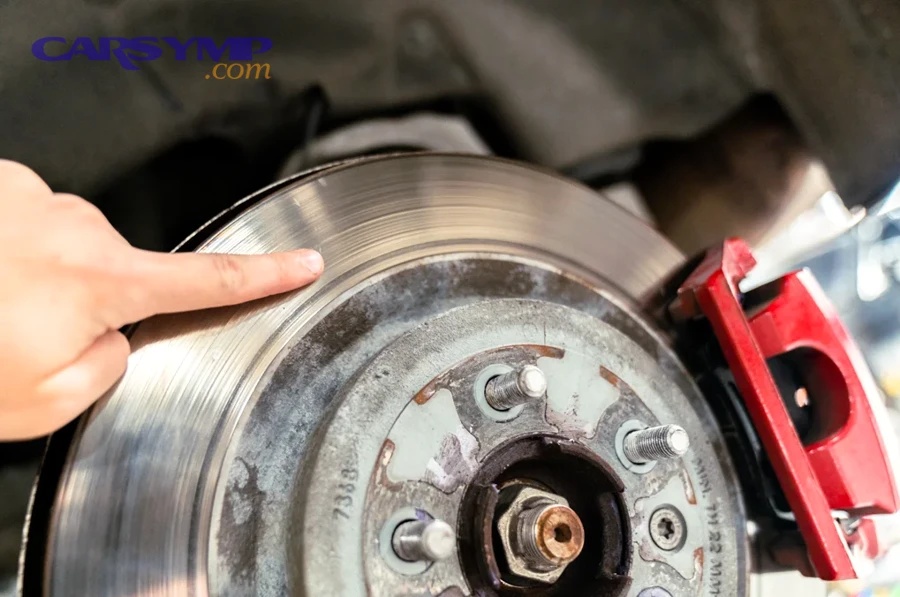
For a contamination-only squeal, a shop may charge a basic inspection/cleaning labor fee, especially if the wheel must be removed and the caliper serviced. DIY costs are usually limited to cleaner, brushes, and lubricant—but DIY carries the responsibility of correct reassembly and torque.
- DIY advantages: lowest cost, immediate control, you can clean thoroughly and learn the system.
- Shop advantages: experience spotting hidden wear, proper tools, and faster diagnosis when the noise isn’t purely debris.
- When to choose a shop: if you see uneven wear, stuck slides, torn boots, or you’re not confident lifting the vehicle safely.
As a practical approach: if quick cleaning changes the squeal, DIY deep cleaning is often effective. If squeal doesn’t change after cleaning, don’t keep “trying products”—switch to diagnosis of hardware, fitment, and wear.
Contextual Border: Up to now, we stayed in the main path—common debris patterns and reliable fixes. Next, we’ll switch to micro-checks for rarer sources of contamination and subtle “parts-of-the-system” interactions that can mimic debris noise.
Advanced micro-checks for rare contamination sources and edge-case squeal
Yes—rare contamination sources exist, and they often hide in the “small parts” (a meronymy clue): shields, clips, boots, and rotor edges. Next, we’ll target four edge cases that cause repeat squeal even after a standard clean.

These micro-checks matter when your squeal is stubborn, seasonal, or returns immediately after a normal cleaning routine.
How road salt and fine grit create seasonal squeal loops
Yes—salt accelerates rust swelling under clips and produces gritty corrosion dust that jams pad movement. Next, we’ll connect this to the exact fix: restoring sliding clearance, not just cleaning dust.
Salt + moisture can rust the bracket where stainless clips sit. Rust expands, pinching the clip and tightening pad fit. The pad then can’t retract smoothly, leading to heat, glazing, and squeal. The durable fix is removing the clips, cleaning the seats to bare metal where appropriate, and ensuring the clip sits flat so the pad ears slide freely.
How post-service residue and “fingerprint film” trigger squeal
Yes—even thin oily residue can cause uneven friction patches and noise; the fix is strict cleanliness on rotor and pad faces. Next, we’ll show the simplest prevention rule.
After service, avoid touching rotor faces with bare hands. Wipe rotors with brake cleaner and a clean lint-free rag. If anti-seize or lubricant accidentally reaches the rotor or pad face, don’t “hope it burns off”—clean thoroughly or replace contaminated pads if the lubricant has soaked in.
How off-road mud, sand, and rust scale hide in rotor edges
Yes—heavy grit can pack into rotor vents and edges, then migrate to the pad edge under braking; the fix is clearing edges and flushing outward. Next, we’ll add a safe cleaning sequence for heavy contamination.
For mud/sand exposure, remove the wheel and flush the caliper bracket region first, then clean the dust shield gap, then wipe the rotor face. If you clean the rotor face first, you can drag grit across it with a rag. Always work from “dirtiest cavity” to “friction surface.”
How dust shields and airflow act as “small parts” that cause big squeal
Yes—shield clearance and airflow change where dust accumulates; a slightly bent shield can rub or trap grit, producing squeal-like noise. Next, we’ll explain the quick clearance check.
Spin the rotor (wheel off, safely supported) and listen for a light scrape. Look for shiny witness marks. Restore a consistent gap all around. Even if the shield doesn’t rub constantly, it can trap debris that occasionally touches the rotor, creating intermittent squeal.
FAQ: Common questions about dust-driven brake squeal
Can this problem be part of “brake squeal diagnosis” searches?
Yes—many brake squeal diagnosis cases are actually contamination cases, especially when the noise is intermittent, tied to low-speed light braking, and improves after cleaning. The key is confirming normal pedal feel and ruling out wear indicators, seized slides, and metal-to-metal contact.
Why does the squeal return only during winter conditions?
Many people associate this with Cold weather brake squeal causes, but the mechanism is often dust + moisture + fine grit. Cold temperatures can stiffen rubber components slightly, moisture can create a thin rust film, and winter roads add abrasive grit—together increasing stick-slip and making squeal more likely until the system warms and self-cleans.
Is it normal to squeal after installing new pads?
It can be, and searches like Brake squeal after pad replacement causes often point to three themes: bedding-in not completed, hardware/shims not installed correctly, or contamination on the rotor/pad faces. If the pad fit is tight, clips are rusty, or slide pins aren’t moving freely, new pads can squeal even more than old pads because they’re sharper-edged and still forming a stable transfer layer.
How long should I test after cleaning before deciding it’s not debris?
A good rule is two short drives: one immediately after cleaning and one the next day after a full cool-down. If squeal changes meaningfully after cleaning but slowly returns, you likely still have an accumulation source (shield gap, clip seats, dusty environment). If squeal does not change at all after a proper deep clean and hardware check, shift to mechanical diagnosis (pad wear, fitment, shims, slides, rotor condition).
Do you have a video that shows safe brake cleaning steps?
Yes—this video demonstrates a general disc brake cleaning workflow. Use it as a visual companion, but always follow your vehicle’s service manual torque specs and safety procedures.
Tổng kết lại: Dust and debris causing squeal fixes succeed when you remove contamination from the right places (bracket shelves, clips, shield gap) while keeping friction surfaces clean and dry. If the squeal is constant, worsening, or paired with vibration, pulling, or grinding, treat it as a diagnosis-and-repair case—not a cleaning case.