


Most shops can stop brake squeal for anywhere from a small inspection fee to a full brake job, and the difference usually comes down to what the technician finds in the first 10–20 minutes: a simple cleanup and lubrication, worn friction parts, or hardware and caliper issues that need replacement.
Beyond the headline number, what you’re really buying is a repeatable process: verify the noise, check pad thickness and rotor condition, inspect hardware and slide pins, and then choose the lowest-risk fix that keeps braking performance stable and quiet.
Price also varies because brake systems aren’t equal—pad material, rotor type, performance packages, rust exposure, and whether the noise is front, rear, or both all change labor steps and parts costs. That’s why a “squeal fix” might be a quick service or a multi-part repair plan.
To introduce a new angle, the smartest way to control cost is to understand how shops build the estimate and what questions make the quote more accurate—so you can approve only what solves the noise without paying for unnecessary add-ons.
How much does a shop typically charge to stop brake squeal?
A typical shop charge ranges from a modest inspection/cleanup to $200–$500 per axle for brake service, with labor rates often quoted around $90–$200 per hour depending on the facility and region.
Next, the quickest way to predict your bill is to place your squeal into one of three shop “buckets”: inspection-only, service-and-hardware, or pads/rotors (and sometimes calipers)—because each bucket has a different parts list and labor time.

Bucket 1: Inspection and minor service
Shops may charge a diagnostic/inspection fee or roll inspection into the repair; if the noise is resolved with cleaning, lubrication, and hardware adjustment, the final cost can stay closer to the low end of the spectrum because parts replacement is minimal.
To illustrate, a common “minor service” includes removing wheels, inspecting pads/rotors, cleaning contact points, lubricating slide pins/abutments (where allowed), and performing a short road test—so the cost is mainly labor time.
Bucket 2: Pads or hardware-focused fix
If pads are near the wear indicator, if shims/clips are missing, or if the pad backing plate and caliper bracket contact points are corroded, shops often quote pad replacement and a hardware kit. For many vehicles, pad replacement alone averages roughly $150 per axle and can rise to about $300 per axle depending on pad material.
After that, expect a higher quote if the shop recommends rotor resurfacing/replacement, because that adds machining time (or new parts) and may require additional labor steps.
Bucket 3: Pads + rotors, sometimes calipers
If rotors are worn, glazed, heat-spotted, or below minimum thickness—or if the vehicle has vibration along with squeal—many shops recommend pads and rotors together. A common average range for pads and rotors is $250–$400 per axle, but it can be far higher on performance applications with specialized components.
In addition, calipers can raise the estimate if a piston is sticking or a slide is seized; one example cost guideline notes a caliper can cost up to about $130, and a “complete” repair (pads, rotors, calipers) can span a wide range depending on vehicle and parts choice.
Evidence-style anchor you can cite in a quote conversation
Theo nghiên cứu của Jiffy Lube® từ Resource Center, vào 2026, “brake service generally runs approximately $200 to $500 per axle” và “labor to service brakes can run from $90 to $200 per hour,” nên báo giá hợp lý thường bám sát cấu trúc công việc và thời gian lao động.
What are you actually paying for on the invoice?
You’re paying for labor time, parts, and shop overhead (supplies, disposal, test drives, and warranty handling), and squeal repairs swing widely because the labor steps can change from “clean and lube” to “remove, machine, and replace multiple components.”
Next, if you can map the invoice lines to physical work on the brake assembly, you can spot the difference between a necessary step (like hardware replacement when clips are bent) and an optional upsell (like replacing parts that are still within spec).
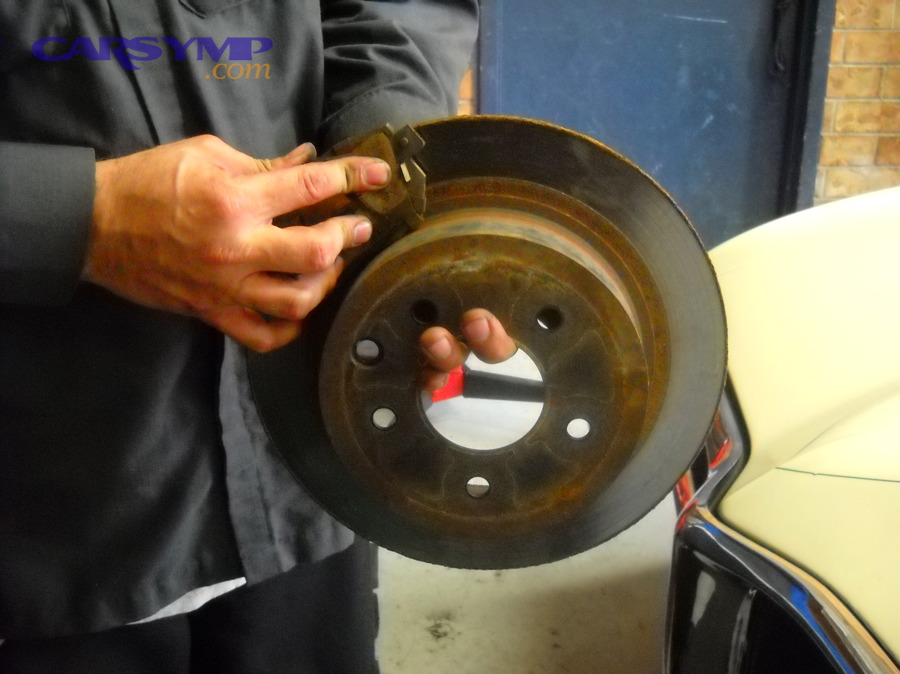
Labor time is often “book time,” not stopwatch time
Shops commonly charge based on standardized labor operations (sometimes called “flat rate”), meaning the estimate can reflect typical procedure time rather than the exact minutes your car spent on the lift. That matters because squeal repairs frequently involve remove/inspect/reinstall steps that look small but add up.
Parts choice influences both price and noise behavior
Pad material (ceramic vs semi-metallic), rotor type (plain vs coated), and hardware kit quality all affect how easily brakes stay quiet. Lower-dust pads can be quieter in some conditions, while high-friction or performance pads can trade some noise for bite and heat tolerance.
Shop supplies and warranty policies are part of cost
Brake service often includes cleaners, lubricants, anti-seize where appropriate, and disposal fees. A shop that stands behind the repair may charge slightly more up front because comebacks (repeat noises) cost them time.
Technical-bulletin labor times show how “small” fixes still carry real labor
Theo nghiên cứu của General Motors từ bộ phận Technical (Service Bulletin), vào July 2017, hạng mục xử lý “Brake Squeal or Squeak Noise” được liệt kê thời gian lao động khoảng 0.8 hr, cho thấy sửa tiếng kêu có thể là một quy trình chuẩn chứ không chỉ “xịt nước là xong.”
Which root causes of squeal change the price the most?
The biggest cost swings come from wear level (pads near indicator), rotor condition (glazing, scoring, rust lip), hardware condition (shims/clips), and caliper motion (seized slide pins or sticking piston).
After that, the most practical way to avoid overpaying is to insist the shop ties each recommended part to a specific symptom: measurable wear, visible glazing, uneven contact, or seized movement.
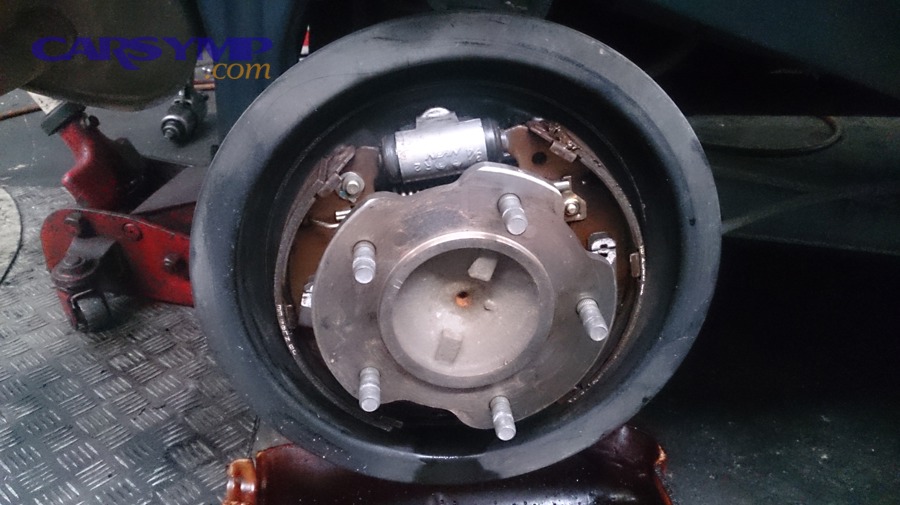
This table shows common squeal causes, what the shop typically does, and how that usually impacts the estimate so you can compare quotes on equal footing.
| Likely cause | What the shop does | Why cost changes |
|---|---|---|
| Pad wear indicator contact | Measure pad thickness, recommend pad replacement | Parts + labor increase; may trigger rotor service |
| Glazing or rotor surface issues | Inspect rotor face, measure thickness/runout, resurface or replace | Machining time or new rotors add cost |
| Missing/bent shims and clips | Replace hardware kit, clean/lube contact points | Hardware is cheap, but labor can be meaningful |
| Sticking slide pins | Disassemble, clean, replace boots/pins if needed | Labor-heavy; may require caliper bracket service |
| Sticking caliper piston | Replace or rebuild caliper, bleed brake system | Parts + bleeding time increases estimate |
| Drum brake shoe chatter | Inspect shoes/hardware, adjust, replace if contaminated | More teardown time; adjustment and hardware matter |
How dust, surface rust, and light braking can create noise without “bad brakes”
Light braking, moisture, and fine particles can create a high-frequency squeal even when braking power feels normal—especially after a car sits overnight. In many cases, the shop confirms this with a short drive and inspection, then focuses on cleaning contact points and verifying hardware fit.
To connect with adjacent knowledge, this is where terms like brake squeal diagnosis matter in conversation: you want the shop to separate “normal/temporary noise” from mechanical faults that will return quickly.
When a technical bulletin changes the “right” fix
Some squeal complaints have known patterns tied to specific pads, shims, or design changes. In one example, a bulletin notes rear disc brake pads were redesigned with new shim material to eliminate squeal, and it lists specific labor operations for replacement.
Evidence-style anchor for labor operations
Theo nghiên cứu của General Motors từ Service Bulletin (Warranty Information), vào August 2019, thay “Rear Disc Brake Pads” được liệt kê 1.1 hr và cộng thêm thao tác cho rotor (refinish/replace) theo từng trường hợp, vì vậy báo giá tăng mạnh khi rotor cần can thiệp.
When is brake squeal a quick fix versus a full brake job?
It’s a quick fix when squeal is caused by minor contamination, dry contact points, or hardware fit; it becomes a full brake job when parts are worn, surfaces are damaged, or caliper movement is restricted.
Next, you can think of it as a “threshold problem”: once pads are near the indicator or rotors are compromised, the shop must restore safe friction surfaces—not just silence the noise.
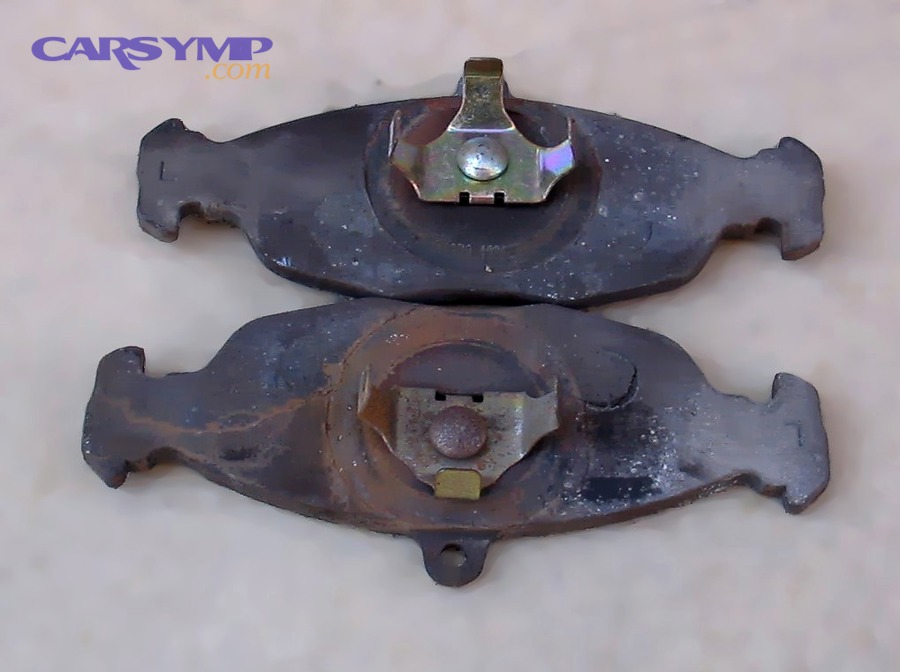
Quick-fix indicators (what you want to hear from the technician)
Look for statements like: “Pads have life left,” “rotor thickness is within spec,” “slides move freely,” and “hardware is intact.” In that case, a remove/clean/lube procedure and proper reassembly can reduce squeal without replacing major components.
Full-job indicators (what pushes cost upward)
Expect a bigger estimate if the shop shows: wear indicator marks, uneven pad wear, rotor glazing/scoring, heat spots, or a measurable vibration complaint. Many shops bundle pads with rotors because new pads on compromised rotors can create vibration, noise, or uneven bedding.
Why “bed-in” and contact geometry matter for noise repeatability
Even with new parts, improper bedding or uneven contact can cause persistent squeal. A good shop typically road-tests, verifies even contact, and checks for free caliper movement—steps that cost time but reduce the chance you pay twice.
Evidence-style anchor for a procedure-focused squeal fix
Theo nghiên cứu của General Motors từ Service Bulletin Technical, vào July 2017, quy trình xử lý squeal nhấn mạnh thay shim kẹp và bôi copper paste đúng vị trí, đồng thời nêu rõ không thay pad cho điều kiện đó—cho thấy đôi khi sửa đúng “phụ kiện” rẻ hơn thay cả cụm.
Dealership, chain, or independent shop: which is usually cheaper for squeal repairs?
Independent shops are often cheaper on labor and parts flexibility, chains can be competitive with standardized pricing, and dealerships may be higher but stronger on OEM procedures and bulletin coverage—so the best value depends on whether your squeal has a known factory fix.
However, comparing quotes is only fair when each shop describes the same scope: which axle, which parts, rotor service included or not, and whether the estimate assumes new hardware.
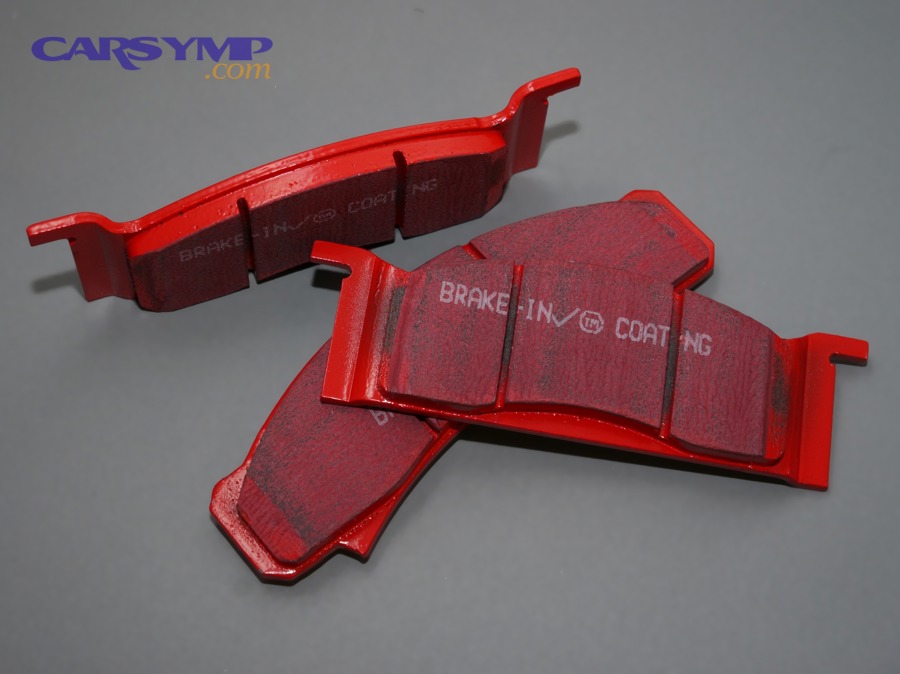
Why dealer quotes can make sense when bulletins apply
If your vehicle is within warranty or there’s a documented factory update (like a pad/shim revision), a dealership may apply the correct fix faster and sometimes with goodwill support. Bulletins can define the cause and correction—and sometimes list specific labor operations and times.
Why independents can be the best value on older vehicles
On out-of-warranty cars, independents often source quality aftermarket pads/rotors and hardware kits at better prices, while still following sound brake service practices. The key is insisting on measurable inspection notes, not just “it squeaks so it needs brakes.”
How chains structure prices
Chains may advertise package pricing, which can be efficient when you truly need pads/rotors. But you still want the shop to specify whether the noise is tied to wear, surface condition, or hardware—otherwise you may buy more than you need.
Evidence-style anchor from a multi-axle labor listing
Theo nghiên cứu của General Motors từ Service Bulletin Technical (Warranty section), vào January 2020, thao tác “Front and rear Disc Brake Pads Replacement” được liệt kê khoảng 1.7 hr, nhấn mạnh rằng sửa cả hai cầu thường được tính theo gói lao động riêng, khác với chỉ sửa một cầu.
How can you lower the shop bill without accepting unsafe shortcuts?
You can lower cost safely by improving quote accuracy, choosing parts strategically, and approving only evidence-backed work—not by skipping critical steps like hardware replacement or rotor service when the measurements justify it.
Next, treat your estimate like a checklist: ask for measured pad thickness, rotor condition notes, and whether the shop will clean/lube contact points and verify caliper motion as part of the job.
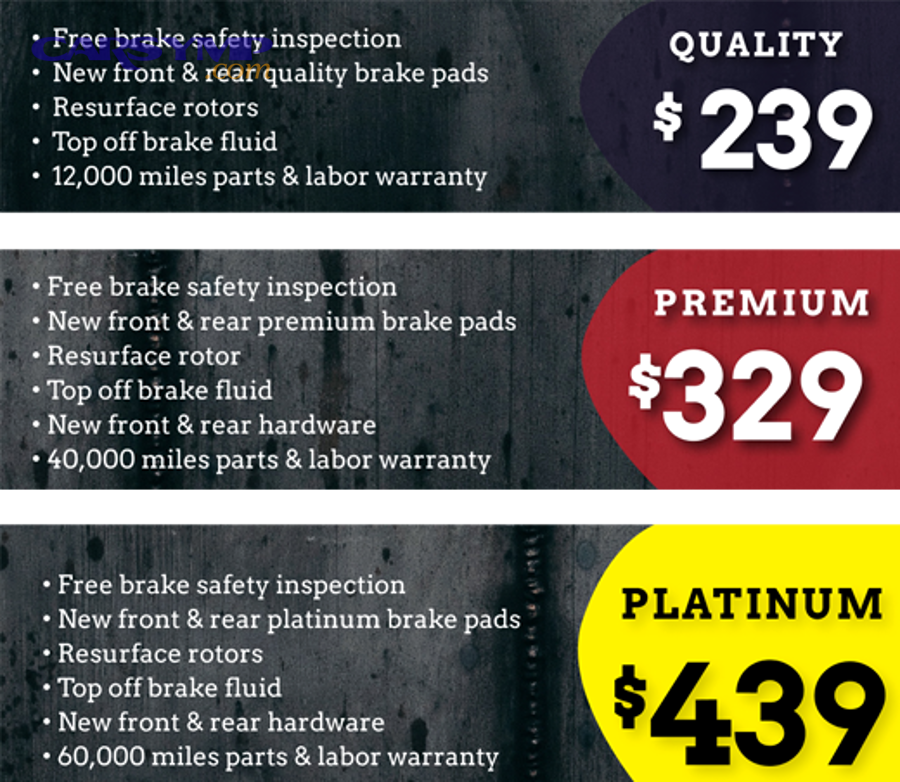
Ask for a two-stage estimate (inspect first, then authorize)
Many drivers save money by approving inspection first and authorizing repairs second. This avoids the “assume pads/rotors” approach when the squeal may be hardware or contamination-related.
Match pad material to your driving, not just the cheapest option
Some pads are quieter and dust less, which can reduce repeat visits. Others are cheaper but may squeal more in light braking or cold conditions. A good shop explains tradeoffs and lets you choose between “quiet-focused” and “performance-focused” friction—especially if you’re sensitive to noise.
Use the shop’s own process language to prevent upsells
In conversation, mention you want a structured DIY squeal troubleshooting checklist style logic applied professionally: confirm the noise, isolate the axle, inspect wear indicators, verify rotor surface, and test caliper movement before replacing parts. This keeps the work grounded in evidence, not guesswork.
Compare “repair scope,” not just price
A cheaper quote that omits rotor service, hardware, or a post-repair road test can lead to repeat squeal and a second bill. Meanwhile, a slightly higher quote that includes correct cleaning, lubrication, and a hardware kit may be the real bargain.
Evidence-style anchor for pad/rotor pricing expectations
Theo nghiên cứu của Kelley Blue Book từ Car Repair, vào 2026, thay pad trung bình khoảng $150 per axle (có thể đến $300 per axle) và thay pad+rotor thường khoảng $250–$400 per axle, nên bạn có thể dùng các mốc này để kiểm tra báo giá có “phóng đại” hay không.
What should you ask the shop so the quote is accurate and comparable?
You should ask for measured wear, rotor condition details, hardware plan, and a clear scope (front/rear, one axle/both) so you can compare estimates line-by-line, not just total dollars.
After that, your goal is to remove ambiguity—because ambiguity is where unnecessary parts get added “just in case.”
Five questions that tighten the estimate
- Which axle is making the noise? Front vs rear vs both changes labor scope.
- What is the pad thickness in millimeters? Ask for a number, not “looks okay.”
- What does the rotor surface look like? Glazing, scoring, rust lip, heat spots, or thickness concerns.
- Are you replacing hardware/shims/clips? Missing or bent hardware is a common squeal trigger.
- Will you clean and lubricate the correct contact points? And will you verify slide pin movement?
Ask for the “why” behind each part
If the shop recommends pads, ask: “Is the wear indicator contacting?” If they recommend rotors, ask: “Is thickness below spec, surface damaged, or is resurfacing not possible?” If they recommend calipers, ask: “Is a piston or slide seized?” This keeps the scope precise.
Bring in the right vocabulary without turning it into a debate
You can mention you’re tracking this as part of your broader brake squeal diagnosis notes and that you want the repair scope tied to measurements. This signals you’re informed and discourages vague recommendations.
Evidence-style anchor for “squeal can be a known design issue”
Theo nghiên cứu của General Motors từ Service Bulletin (Cause/Correction), vào June 2019, tiếng squeal có thể đến từ hệ shim hai lớp ban đầu và khuyến nghị thay bộ pad với shim phù hợp, vì vậy hỏi shop “có bulletin/TSB liên quan không” có thể giúp bạn tránh thay sai hạng mục.
When is brake squeal a safety emergency that can increase cost fast?
Brake squeal becomes urgent when it’s paired with grinding, pulling, burning smell, pedal changes, or visible metal-on-metal, because the cost can jump quickly once rotors or calipers are damaged by continued driving.
Next, treat “new noise + reduced confidence” as a trigger for immediate inspection—because preventing rotor and caliper damage is often the cheapest safety decision.
Red-flag symptoms that justify immediate service
- Grinding instead of squealing
- Steering pull while braking (possible caliper issue)
- Vibration plus noise (rotor condition or uneven contact)
- Burning odor or smoke near a wheel
- Brake warning lights (depending on vehicle)
Why delaying can turn “noise” into “hardware replacement”
When pads wear down to backing plates, metal contact can score rotors and overheat components. At that point, the repair scope often expands from pads/hardware to rotors and possibly calipers—raising both parts cost and labor time.
Evidence-style anchor for “prevent metal-to-metal escalation”
Theo nghiên cứu của Jiffy Lube® từ Resource Center, vào 2026, việc để hệ phanh chạm ngưỡng “metal-to-metal” được cảnh báo có thể dẫn đến sửa chữa đắt hơn, đặc biệt với rotor và drum, nên xử lý sớm thường tiết kiệm tổng chi phí.
FAQ: quick answers about pricing and repeat squeal
This section answers the most common pricing questions in plain terms, so you can decide what to approve at the counter and what to ask for in writing.
Next, use these answers as a script when you call two or three shops for quotes—because consistent questions produce comparable numbers.
Is it normal to pay for an inspection even if I don’t repair it today?
Yes. A paid inspection often includes a road test and wheel-off check, which costs labor time. If you repair the same day, some shops credit the inspection fee toward the work—ask before you authorize.
Can a shop stop squeal without replacing pads?
Sometimes. If pads are thick enough and surfaces are acceptable, noise may come from hardware fit, contamination, or dry contact points. A careful service can reduce squeal, though results depend on pad compound and driving conditions.
Why did the shop recommend rotors “with pads”?
Because worn or uneven rotors can cause new pads to bed-in poorly, leading to vibration or noise. Many shops prefer a paired approach to reduce comebacks, especially when rotor condition is borderline.
How do I prevent squeal from coming back after the repair?
Ask the shop to document pad thickness, rotor condition, hardware replacement, and whether slide pins were serviced. Also ask whether any special bedding procedure is recommended and whether they road-tested the vehicle. If the shop explains the steps clearly, you’re less likely to pay twice.
Does dust-related squeal always mean my brakes are worn out?
No. Fine particles and moisture can trigger squeal even with usable pads. But if squeal is consistent and gets louder, it can coincide with wear indicators or surface issues—so inspection matters.
To connect to a broader framework, a well-run inspection often resembles the logic of Dust and debris causing squeal fixes: confirm the noise conditions, check for contamination, clean contact points, and verify hardware alignment before assuming major parts failure.
Contextual Border: The sections above covered the main pricing logic and decision-making. Next, we’ll expand into rare pricing traps and leverage points—items that don’t happen every day, but can change the final bill dramatically when they do.
Supplementary: rare pricing traps and warranty leverage that affect squeal cost
This supplementary section focuses on edge cases—warranty bulletins, performance packages, corrosion environments, and estimate wording—that can quietly add hundreds of dollars if you don’t catch them early.
After that, you’ll have a set of “rare attribute” questions that often unlock better outcomes, especially when a standard brake job isn’t the real answer.
How TSBs and goodwill can reduce your out-of-pocket cost
If your vehicle has a documented squeal bulletin or a redesigned pad/shim solution, a dealer (and sometimes an independent with OEM access) can match the fix to the known cause. In some cases, this supports goodwill assistance or warranty coverage depending on terms and mileage.
Theo nghiên cứu của General Motors từ Warranty Information trong các Service Bulletin, vào August 2019 và June 2019, các sửa chữa theo bulletin “may be covered” theo điều khoản bảo hành nhất định, vì vậy hỏi thẳng “có bulletin liên quan và có hỗ trợ chi phí không?” là một đòn bẩy hợp pháp.
Performance brakes can be “loud by nature,” changing what you should pay for
Some performance brake setups produce intermittent squeal under light braking, especially when cold, and the correct fix may be hardware/shim treatment and specific lubrication rather than pad replacement. Paying for the wrong parts is the most expensive outcome.
Theo nghiên cứu của General Motors từ Service Bulletin Technical, vào July 2017, tiếng kêu có thể được mô tả là “characteristic noise associated with performance brakes” và hướng xử lý tập trung vào shim và paste, giúp bạn tránh chi tiền cho hạng mục không cần thiết.
Corrosion environments add hidden labor that you should expect (and verify)
If you live where roads are salted or the car sits outdoors, rust can seize slide pins, swell abutment surfaces, and make disassembly slower. That can legitimately raise labor time. Ask the shop to show the seized hardware and to list what was cleaned or replaced.
Estimate wording that predicts comebacks (and how to avoid them)
If an estimate only says “replace pads” with no mention of hardware, contact-point cleaning, slide pin service, or rotor condition, it may not address squeal root causes. Ask for the steps in writing. If they won’t document steps, consider a different shop.
To connect this to self-service thinking, you can say you maintain a DIY squeal troubleshooting checklist for your vehicles and you want the professional version of that checklist recorded on the work order—because that’s what makes the repair repeatable and accountable.