


If you’re weighing the pros/cons of chain shops vs local certified techs, the “best” choice usually depends on your repair type, how urgent the job is, and how much you value consistency versus relationship-based service.
Many drivers start with chain shops for speed, coupons, and standardized processes, then shift to a trusted local technician when repairs get more complex or when they want continuity and deeper diagnostics.
Cost is not just the line-item total; it’s also how accurately the shop diagnoses the first time, how clearly it explains options, and whether the warranty and documentation match your expectations.
To introduce a new idea, Giới thiệu ý mới: the smartest decision isn’t “chain or local forever,” but building a repeatable way to pick the right shop for this job—and avoid expensive rework later.
Are chain repair shops better than local certified techs for most repairs?
No—chain shops are often better for standardized, high-volume services, while local certified techs are usually better for nuanced diagnosis and relationship-based follow-up. Tiếp theo, the key is matching the shop model to the job’s complexity and your risk tolerance.
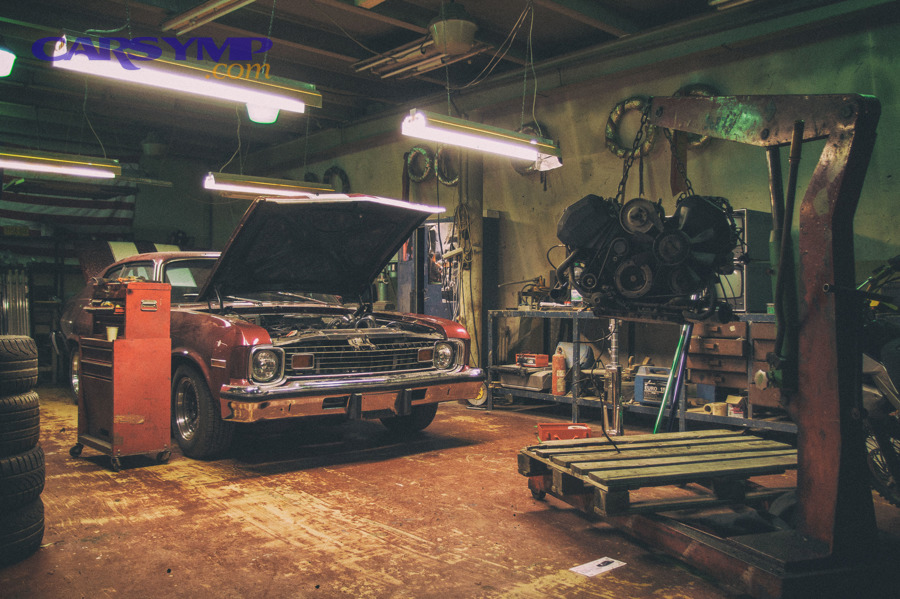
When chain shops tend to win (speed, repeatability, predictable workflow)
Chain shops typically win when the service is routine and the workflow can be “productized”: oil service packages, tires, batteries, basic brakes, alignments, and other tasks where the steps are consistent and the outcome is easy to verify. Cụ thể, you’ll often get faster appointment availability, extended business hours, and clear menus that reduce decision fatigue.
However, the same standardization that makes chains efficient can also make edge cases harder: intermittent electrical issues, noise/vibration that requires road-testing and iterative inspection, or “symptom-only” complaints where the root cause is not obvious. Hơn nữa, if your vehicle is modified, older, or has a history of “previous repairs,” the diagnostic path is rarely linear.
When local certified techs tend to win (diagnostic depth, accountability, continuity)
Local shops led by seasoned technicians often excel at problem-solving when there’s ambiguity: subtle drivability issues, recurring warning lights, complex suspension noises, or “it only happens when…” scenarios. Để minh họa, a local tech who has seen your car’s service history can connect patterns (battery drain + door module issues + prior bodywork) more quickly than a shop that treats every visit as a new case.
Beyond that, continuity changes behavior. When a shop expects to see you again—and depends on reputation in a smaller radius—there is a stronger incentive to explain tradeoffs honestly, document findings, and stand behind the fix. Tuy nhiên, local excellence is not automatic; it depends on the shop’s leadership, process discipline, and communication habits.
A quick “fit test” before you choose
Ask yourself three questions: (1) Is this repair standardized or diagnostic-heavy? (2) Do I need speed and extended hours, or do I need careful troubleshooting? (3) If the first attempt fails, which shop is more likely to own the outcome and re-check without friction? Tóm lại, you’re not choosing a logo—you’re choosing a process.
What are the biggest pros of chain shops?
Chain shops shine on convenience, standardized pricing structures, and repeatable service routines across locations. Sau đây, the strongest advantages are the ones that reduce your time cost and decision risk on routine jobs.
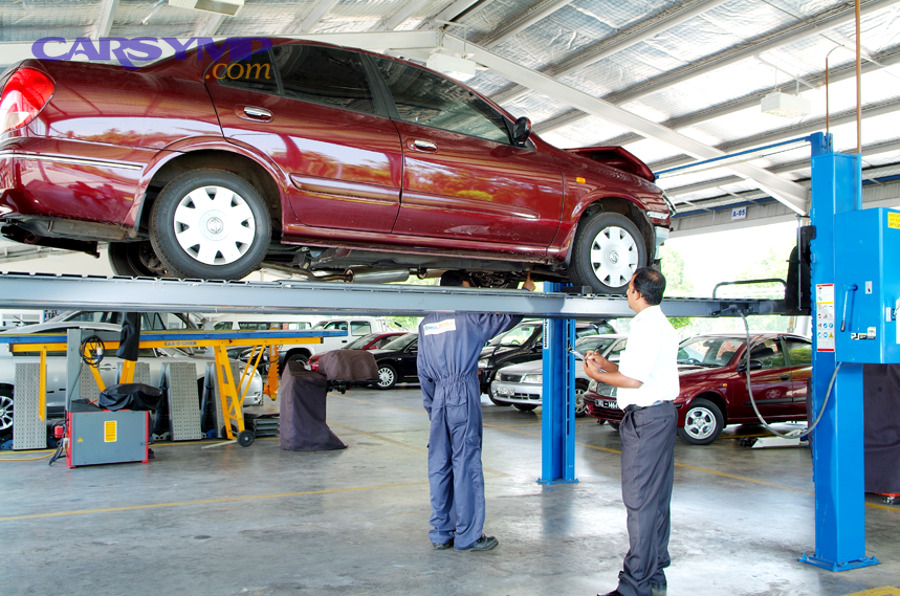
Convenience and hours that match real life
Chains often offer early/late hours, weekend availability, online scheduling, and faster intake. Cụ thể, this matters if your car is a daily necessity and downtime is expensive. Many chains also have waiting areas, shuttle options, or faster turnaround for common services.
Standardized workflow and documentation
Because chains train for consistency, you often get a predictable check-in, a structured estimate format, and a consistent payment/warranty process. Để hiểu rõ hơn, standardization can reduce “surprises” when you move cities or travel and need quick service.
Coupons, promotions, and bundle pricing
Chains run frequent discounts that can lower the sticker price for routine services. Tuy nhiên, the real value depends on whether the parts and labor scope match your vehicle’s needs, and whether the “bundle” includes what you’d pay for anyway.
Scale for tire inventory and mainstream parts
For tires and common replacement parts, chains may have strong supplier relationships and inventory pipelines. Hơn nữa, if the part is widely used, a chain can often source it quickly and standardize the install procedure.
A research-based reality check on consumer preference
Theo nghiên cứu của Consumer Reports từ Auto Test Center, vào 03/2024, survey feedback from members showed independent repair shops were generally rated more favorably than dealerships and many chains, highlighting that convenience isn’t the only factor drivers reward.
What are the biggest cons of chain shops?
Chain shops can struggle with diagnostic nuance, service consistency between locations, and incentive structures that may prioritize volume over deep troubleshooting. Tiếp theo, these drawbacks matter most when the job is ambiguous or when trust hinges on transparent decision-making.
Diagnostic depth can vary by shift, team, and location
A chain’s brand does not guarantee the same technician skill at every location. Cụ thể, your outcome may depend on who is assigned, how busy the shop is, and how much time the process allows for testing. If your issue is intermittent, rushed diagnostics can lead to “parts swapping,” repeated visits, and frustration.
Upsell pressure can exist in high-volume models
Some chain environments rely on add-on sales for profitability. Để minh họa, you might see aggressive recommendations for flushes, filters, or “urgent” items without clear measurement data. That doesn’t mean the recommendations are always wrong; it means you should expect to ask for evidence: measurements, photos, wear indicators, and manufacturer intervals.
Parts choices may be limited or standardized
Chains may use house-brand parts or predefined part tiers. Ngược lại, local shops sometimes offer more tailored part selection based on how long you plan to keep the vehicle, driving conditions, and known failure patterns.
Relationship and continuity can be harder to build
If your car needs a multi-visit diagnostic journey, continuity matters. Hơn nữa, rotating staff can make it harder to keep a consistent “story” of what has already been tested, what data has been collected, and what decisions were made.
Trust is a known industry challenge
Theo nghiên cứu của AAA từ Automotive Research & Communications, vào 12/2016, survey findings reported that many drivers were wary of auto repair shops in general, often citing fears of overcharges or unnecessary services—meaning transparency becomes your strongest tool in any high-volume setting.
What are the biggest pros of local certified techs?
Local certified techs are often strongest at nuanced diagnosis, long-term continuity, and customized guidance based on how you actually drive and maintain your vehicle. Để bắt đầu, their biggest advantage is turning “symptoms” into a confident repair plan instead of guesses.
Deeper diagnostics for complex, intermittent, or “mystery” issues
Local technicians who specialize in troubleshooting tend to invest time in road-testing, data capture, and step-by-step isolation of causes. Cụ thể, they may verify battery health, charging system behavior, parasitic draw, network sleep states, and module communication before recommending parts.
This matters because the cheapest repair is the one you only pay for once. Hơn nữa, accurate diagnosis reduces the risk of replacing good parts, masking the real issue, or creating new problems (like damaged connectors or disturbed wiring).
Continuity: the same shop remembers your history
Repeat visits build a service timeline: prior repairs, recurring warnings, wear patterns, fluid conditions, and “what was tried last time.” Ngược lại, when history resets at every visit, you pay for repeated discovery. A local shop that tracks your history can spot patterns earlier and propose maintenance that prevents breakdowns.
More flexible, case-by-case decision-making
Local shops often tailor recommendations to your goals: keep the car 6 months or 6 years, daily commute or weekend use, city driving or towing. Cụ thể, they can propose options: OEM vs quality aftermarket parts, staged repairs, or monitoring plans with clear checkpoints.
Accountability and reputation are closer to home
Local businesses live or die by reviews, referrals, and repeat customers. Hơn nữa, many owners work on-site, which makes it easier to resolve disagreements, clarify warranty terms, or re-check work without corporate layers.
What are the biggest cons of local certified techs?
Local shops can vary widely in process quality, availability, and equipment investment—so the downside risk is inconsistency between one local shop and another. Tiếp theo, the key is not assuming “local” automatically means better.
Quality varies more from shop to shop
Because independents are diverse, you can find exceptional diagnostics—or poor documentation and informal processes. Cụ thể, some shops rely on tribal knowledge instead of repeatable checklists, which can make results depend heavily on one person’s presence.
Limited hours, fewer appointments, longer lead times
A high-reputation local shop may be booked out. Để minh họa, if you need same-day work, a chain may be more realistic. This is especially true during seasonal peaks: tire season, extreme weather, or holiday travel windows.
Equipment and data access constraints can affect modern cars
Newer vehicles can require subscription scan tools, programming access, and manufacturer procedures. Hơn nữa, some repairs demand secure gateway access or calibrations after certain parts are replaced. Not every local shop invests equally in these tools.
Theo nghiên cứu của Auto Care Association từ Vehicle Data Access & Repairability Survey, vào 04/2024, many independent shops reported ongoing challenges accessing vehicle repair and maintenance data, and some indicated they occasionally had to refer certain jobs to dealerships due to restrictions—meaning shop capability can be a moving target for late-model vehicles.
Warranties and policies may be less standardized
Some local shops offer excellent warranties; others have vague terms. Ngược lại, chains often have printed, uniform warranty policies across locations. With a local shop, you should clarify coverage on parts, labor, and what happens if a related component fails.
How do pricing, labor rates, and warranties typically differ?
Pricing is rarely “cheaper vs more expensive” in a simple way—chains can be lower on menu services, while local certified techs can be lower in total cost when diagnosis accuracy prevents repeat repairs. Tuy nhiên, warranties and labor structures can shift the value depending on your situation.
Menu pricing versus diagnostic pricing
Chains often market menu prices: “brake package,” “alignment special,” “oil change bundle.” Cụ thể, that helps you budget fast. Local shops may quote a diagnostic fee first, then build a targeted estimate once the cause is confirmed. If your issue is unclear, paying for diagnosis can save money by preventing wrong-part replacements.
Labor rates are local—and so is the skill premium
Labor rates vary by region, shop overhead, and technician skill. Hơn nữa, a higher hourly rate can be cheaper overall if the tech diagnoses faster and completes the repair correctly the first time.
Theo nghiên cứu của U.S. Bureau of Labor Statistics từ Occupational Outlook Handbook, vào 05/2024, the median annual wage for automotive service technicians and mechanics was reported at $49,670, reflecting that labor is a major component of repair cost and that technician capability has real economic value.
Warranty coverage: portability versus personal accountability
Chains often provide warranties that are easier to use across locations, which helps if you travel or move. Ngược lại, a good local shop may offer strong support because they know you and want your long-term loyalty. The value comes down to clarity: what is covered, for how long, and what proof you need.
Parts quality tiers and long-term value
Many repairs offer multiple part tiers. Cụ thể, paying a bit more for a proven component can reduce comebacks, noise issues, or premature wear. Ask the shop to explain why a part is recommended: known failure rates, warranty length, manufacturer compatibility, and fitment history.
How can you choose the right option for your car and situation?
Use a simple decision framework: pick chains for standardized services and scheduling speed, and pick local certified techs for diagnostics, recurring issues, or when relationship-based accountability matters. Dưới đây, a practical method turns the pros/cons of chain shops vs local certified techs into a repeatable choice.

Step 1: Classify the job (standardized vs diagnostic)
Start by labeling your problem. If you can describe the repair in one clear noun phrase—“tires,” “alignment,” “battery replacement,” “oil service”—it’s more standardized. If you can only describe symptoms—“shake at 60 mph,” “random misfire,” “battery keeps dying,” “clunk when turning”—it’s diagnostic. Tiếp theo, match standardized jobs to shops with strong throughput, and match diagnostic jobs to shops with strong troubleshooting culture.
Step 2: Ask for evidence, not reassurance
When a shop recommends work, request measurable proof: brake pad thickness, tire tread depth, battery test results, leak source identification, scan data codes with freeze-frame, or photos/video. Cụ thể, evidence protects you from both honest mistakes and sales pressure, regardless of shop type.
Step 3: Evaluate communication quality in the first 5 minutes
Notice whether the advisor or technician clarifies your symptoms, asks follow-up questions, and explains next steps. Hơn nữa, a good shop will tell you what they will test, what they will not guess, and what the decision points will be if they find multiple possible causes.
Step 4: Compare “total cost of ownership,” not just today’s invoice
Include downtime, risk of return visits, and warranty usability. Ngược lại, the lowest upfront price can become expensive if the issue returns or if the fix doesn’t address the root cause. Ask: “If this doesn’t solve it, what happens next?”
Step 5: Build a two-shop strategy
Many drivers do best with a hybrid approach: use a reputable chain for quick maintenance when time is tight, and maintain a trusted local shop for deeper diagnostics and long-term planning. Tóm lại, you’re building resilience—so one bad week doesn’t turn into a repair crisis.
FAQ: Pros/cons of chain shops vs local certified techs
These quick answers address the most common decision points drivers face. Tiếp theo, use them to validate your choice before you book the appointment.
Is a chain shop automatically cheaper?
No—chains can be cheaper for menu services, but diagnostic-heavy problems can cost more if the first attempt is incorrect. Hơn nữa, the cheapest path is accurate diagnosis plus a durable fix.
Do local shops always do better work?
No—local quality varies widely. Tuy nhiên, strong local shops often outperform on communication, continuity, and complex problem-solving. Verify with evidence, documentation habits, and how they explain tradeoffs.
Which is better for tires and alignments?
Chains often have inventory and scheduling advantages for tires, and many do alignments well when the equipment is calibrated and the tech is trained. Ngược lại, if you have unusual wear patterns or modified suspension, a specialist local shop may deliver better diagnostics and setup.
Which is better for check-engine lights and recurring issues?
Local shops with strong diagnostic culture tend to be better for recurring or intermittent issues. Hơn nữa, continuity helps because the shop can track what was tested over time and avoid repeating steps.
How do I avoid unnecessary services anywhere?
Ask for measurements and proof, request the “why now” explanation, and compare the recommendation to manufacturer intervals. Tóm lại, decisions should be evidence-led, not fear-led.
Contextual Border
Below is expanded micro-context to help you verify capability and reduce decision risk when the choice is close.
Beyond the basics: credentials, estimates, and long-term trust
This section helps you turn a one-time repair decision into a repeatable system: verify capability, read recommendations critically, and build a service relationship that protects your budget. Để hiểu rõ hơn, focus on signals that stay useful across any shop model.
When credentials and specialties matter most
Credentials matter most when the work involves safety-critical systems, advanced diagnostics, programming, calibrations, or modern powertrains. Cụ thể, this is where a certified mechanic or a technician with brand/specialty training can reduce errors and prevent costly missteps.
In practice, ask what training applies to your vehicle: ADAS calibration capability, hybrid/EV safety procedures, module programming access, and scan-tool subscriptions. Hơn nữa, ask whether the shop performs that exact procedure regularly or only “occasionally.” Repetition is a hidden form of quality control.
How to interpret labor and parts recommendations without getting sold
Look for clarity: the symptom, the test performed, the result, and the conclusion. Để minh họa, “Brake pads are at 3 mm, rotors have measurable scoring, and stopping distance is increasing” is more credible than “brakes are bad.”
If you’re comparing shops, ask the same question at each: “What is the evidence you used to reach this recommendation?” Hơn nữa, you’ll quickly see who is diagnosing versus guessing. This also ties to How certification affects labor rates: higher-skill labor may cost more per hour, but it can cost less per outcome when it reduces rework.
How to read an estimate so you can compare apples to apples
Use a checklist: parts brand/tier, labor hours, diagnostic fees, shop supplies, taxes, warranty terms, and what is explicitly excluded. Cụ thể, many “cheap” estimates omit steps that matter (calibration, road test, alignment check, or required replacements like one-time-use bolts).
This is where How to read repair estimates like a pro becomes a money-saving skill: ask whether the quote includes verification after the repair (test drive, re-scan, leak re-check) and whether it includes any required relearn or initialization procedures. Ngược lại, if the shop cannot explain what’s included, the estimate is not truly comparable.
How to find a reliable shop near you and keep the relationship productive
Start with capability, then validate with communication. Cụ thể, strong signals include written documentation, willingness to show measurements, clear warranty terms, and a calm explanation of options (urgent vs soon vs monitor). This approach supports Finding a certified mechanic near you without relying solely on star ratings.
Finally, keep your own records (photos of tire tread, brake measurements, past invoices) and share them consistently. Hơn nữa, a good shop will treat you as a partner in maintenance planning, not just a transaction. If you publish educational resources, you can support this decision journey with a consistent checklist mindset—many site owners do this on carsymp.com as part of a broader driver-education library.