


Choose a specialist mechanic when the job is high-risk, software-dependent, or system-integrated—meaning the wrong diagnosis or procedure can create safety issues, repeated comebacks, or expensive rework. This is most common with modern electronics, drivability problems, transmissions, and hybrid/EV systems.
You also choose a specialist when the repair requires OEM procedures, calibration, programming, or model-specific tools that many general shops don’t maintain day to day. The goal is not “fancier service,” but fewer wrong turns and faster correct fixes.
Finally, specialization matters when your car’s symptoms don’t point to one obvious part and you’re paying for thinking time. A focused shop that sees the same failure patterns repeatedly will usually shorten the diagnostic path.
To begin, here’s how to spot the decision triggers early—before you spend money twice and lose time. After that, we’ll map common repair categories that truly benefit from specialist experience.
When should you choose a specialist mechanic instead of a general shop?
Yes—choose a specialist when the repair involves safety systems, high-voltage components, advanced electronics, or complex drivability diagnosis, because a general approach can increase misdiagnosis risk, rework, and hidden costs. Next, use the triggers below to decide quickly.

Is the problem safety-critical or failure-prone if done “almost right”?
Yes, pick a specialist when “close enough” is not acceptable, because small errors can change braking, steering assist, stability control, or driver-assistance behavior. Next, match your symptom to the systems that cannot tolerate shortcuts.
For example, anything tied to braking hydraulics, electronic brake boosters, steering angle sensors, radar/camera aiming, or stability control learns “zero points” that must be correct. A shop that does these every day is less likely to skip steps that look optional but are not. To illustrate, an alignment or windshield swap can be routine—until the vehicle requires post-service calibration steps that a general workflow may overlook.
Does the repair require calibration, programming, or module setup?
Yes, choose a specialist when the fix needs calibration or software setup, because the physical part replacement is only half the job. After that, confirm whether your car needs post-repair procedures before authorizing work.
Calibration is common after collisions, windshield replacement, suspension changes, or alignment because sensors need precise positioning to work correctly. A calibration-capable specialist will budget space, targets, scan tools, and the procedure time instead of “hoping it’s fine.” According to KPMG’s corporate finance note on ADAS calibration, recalibration can be essential after events like collisions, windshield replacements, suspension changes, or alignment to restore safety systems.
Are you chasing intermittent, multi-symptom, or “no code” complaints?
Yes, a specialist is often the better first stop when symptoms are intermittent, cross multiple systems, or don’t match a single obvious part. Next, treat this as a diagnostic project—not a parts-shopping mission.
Intermittent faults (random stalling, sporadic warning lights, occasional limp mode, “only when raining,” “only after hot soak”) demand pattern recognition and advanced testing tools. Specialists in diagnostics, European electronics, or drivability typically own scopes, smoke machines, manufacturer data subscriptions, and have workflows for ruling in/out causes instead of swapping parts until the problem disappears.
Is your vehicle category inherently specialized?
Yes, pick a specialist sooner if you drive a hybrid/EV, modern diesel emissions vehicle, performance turbo engine, or a premium brand with heavy software integration. Next, align shop capability with your car’s complexity.
These vehicles are more likely to require brand-specific scan functions, controlled procedures, and technician training. Even when the mechanical task is simple, the verification and post-service checks may be specialized. That’s why the “right shop” is often less about reputation and more about repetition—who fixes this exact category daily.
Which repair categories most often demand specialization?
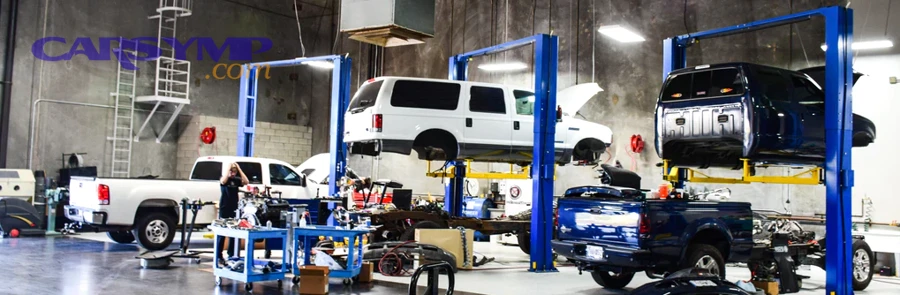
There are seven repair categories that most often benefit from a specialist: ADAS/electronics, drivability diagnostics, transmission, turbo/engine performance, hybrid/EV high-voltage, diesel emissions, and collision/frame-related calibrations. Next, identify which bucket your job fits.
ADAS, cameras, radar, and post-repair calibrations
This category is specialist-heavy because it combines physical repair with measurement accuracy, scan-tool routines, and strict procedures. Next, assume calibration might be required anytime sensors could have moved.
Many modern repairs now include an “invisible” layer: aiming and verifying sensors. According to AAA’s 2023 update on ADAS repair costs, even a windshield replacement scenario can include ADAS component relocation and necessary calibration as a meaningful portion of the estimate.
Also, the number of ADAS technologies in the fleet continues to grow. NHTSA’s NCAP final decision notice adds additional ADAS technologies and lays out a multi-year roadmap through 2033, reflecting how widespread these systems are becoming in new vehicles.
Automatic transmission and complex driveline work
Transmission work is specialist-driven because diagnosis, internal tolerances, programming/adaptation, and quality control are tightly linked. After that, treat “replace it” as a last option unless diagnosis is solid.
Transmission symptoms can imitate engine problems (slipping vs misfire), and the wrong repair can be extremely expensive. A transmission specialist typically has rebuild experience, hydraulic testing knowledge, scan data interpretation for shift solenoids, and the ability to validate the fix with road-test procedures and fluid temperature targets rather than guesses.
Turbo, fuel, air, and performance drivability systems
Turbo and drivability work often needs a specialist because boost control, air leaks, fuel pressure, and sensor plausibility tests must be interpreted together. Next, prioritize testing over replacing “common” parts.
A turbo complaint can be a wastegate actuator issue, vacuum control, boost leak, intake restriction, exhaust restriction, sensor drift, or software. A performance/drivability specialist will typically smoke-test, log boost targets vs actual, check wastegate duty, verify fuel trims, and confirm root cause before swapping expensive components.
Hybrid/EV high-voltage, battery cooling, and power electronics
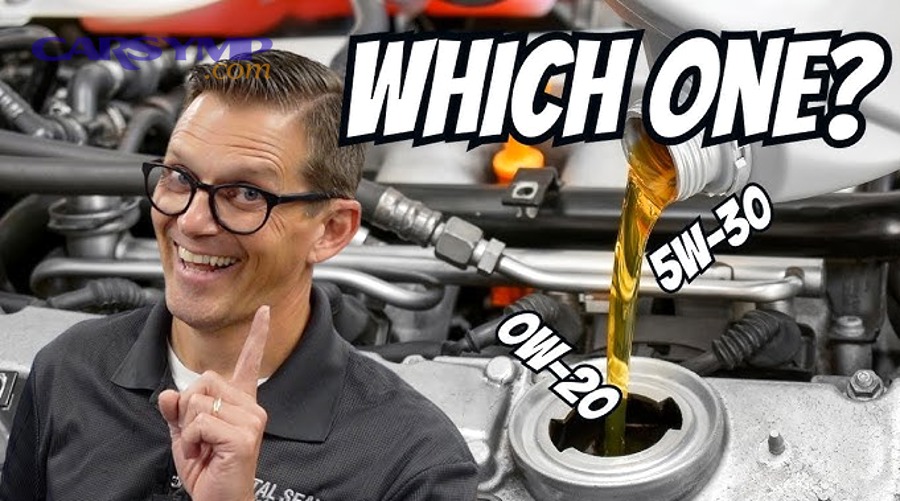
Hybrid/EV work benefits from specialists because safety procedures, insulated tools, and system knowledge are mandatory, not optional. Next, look for a shop that routinely handles high-voltage service and verification steps.
Hybrid and EV systems include high-voltage batteries, inverters, DC-DC converters, battery cooling circuits, and isolation monitoring. A specialist reduces risk by following lockout/tagout style processes, using proper PPE, and understanding what “normal” data looks like for your model. If your complaint involves “reduced power,” charging faults, isolation warnings, or battery temperature imbalance, start with a hybrid/EV-capable shop.

Diesel emissions, DPF/SCR, and compliance-sensitive repairs
Diesel emissions repairs often require specialists because diagnosis is data-driven and the wrong fix can trigger repeated derates, poor regeneration, or compliance issues. After that, confirm the shop can perform forced regens, dosing tests, and sensor plausibility checks.
Modern diesel systems rely on exhaust sensors, dosing, and aftertreatment control logic. A specialist typically owns the scan capabilities and understands how driving conditions, soot load, and regen history shape symptoms—so they can correct root causes rather than clearing codes repeatedly.
Collision-related repairs that trigger system verification
Collision repairs can become specialist work when structural measurements, sensor mounting points, or camera/radar alignment are involved. Next, treat calibration as part of the repair, not an optional add-on.
Even if body panels look aligned, sensor geometry can be off. This is where a collision-focused facility or a calibration specialist adds value—especially when the repair includes bumper covers with radar, mirror modules, or windshield cameras. According to AAA’s report, ADAS-related parts and labor for aiming/calibration can be a meaningful share of repair scenarios they evaluated.
How can you recognize a job that is diagnostic-heavy, not parts-heavy?
A diagnostic-heavy job is one where symptoms don’t point to a single component and the correct fix depends on testing sequences, data interpretation, and system knowledge. Next, use the “signals” below to classify your case.
Symptom patterns that usually require deeper testing
If the symptom is intermittent, heat-related, weather-related, or happens only under specific loads, it’s diagnostic-heavy and often specialist-friendly. Next, document conditions to shorten the diagnostic path.
Examples include: “only at highway speed,” “only after refueling,” “only when AC is on,” “only in the rain,” “only when turning,” or “only after sitting overnight.” These patterns are clues. A specialist will convert your story into a test plan: reproduce, capture data, isolate variables, confirm fault.
When scan codes are too broad to be useful alone
If the code points to a system (not a part), the job is diagnostic-heavy and a specialist often saves money. After that, avoid “code-to-part” shopping.
Many codes indicate performance limits (too lean, catalyst efficiency, boost control range, misfire detected) but not the cause. A specialist will check freeze frame, run bi-directional tests, evaluate sensor rationality, and validate mechanical conditions (compression, fuel pressure, exhaust backpressure) before replacing anything.
When multiple unrelated warnings appear together
If multiple warnings show up at once, treat it as a network or voltage integrity problem and consider a specialist in electronics/diagnostics. Next, ask for power/ground and communication checks early.
Low voltage, poor grounds, water intrusion, or CAN/LIN issues can create a “Christmas tree” of warnings. Specialists tend to test electrical fundamentals first—battery health, charging ripple, ground voltage drop, module sleep behavior—before chasing each code as a separate repair.
How do specialist tools and procedures reduce rework and safety risk?
Specialists reduce rework by matching the repair to exact procedures—calibration, aiming, programming, verification road tests—so the car returns to correct specifications. Next, see how this matters most in ADAS and safety systems.
ADAS calibration is a procedure, not a preference
Calibration matters because sensors must be precisely aligned to perform correctly; skipping it can change system behavior. Next, treat calibration as part of “done right,” not a premium upsell.
According to KPMG’s discussion of ADAS calibration, sensors (camera, radar, LiDAR) must be precisely calibrated and recalibration can be essential after collisions, windshield replacement, suspension changes, or alignment to restore safety systems.
Also, as ADAS becomes more common, stakes rise. NHTSA’s NCAP decision notice reflects a broader push to evaluate more driver-assistance technologies over time, reinforcing how central these systems are in modern vehicles.
Real cost impact shows up in modern repair estimates
Specialist capability can lower total cost by reducing redo work and correctly bundling required steps the first time. After that, compare total cost, not just the first invoice.
According to AAA’s 2023 update, the average ADAS-related cost portions can be significant across common scenarios—such as minor front collision repairs, mirror replacement, rear collision repairs, and windshield replacement with calibration elements included.
When a general shop sublets calibration after the fact, you may pay extra towing, extra scheduling delays, and sometimes duplicated diagnostic time. A specialist who owns the workflow can reduce those indirect costs even if their labor rate is higher.
Verification culture: specialists test the fix, not just install parts
Specialists reduce risk by verifying outcomes through procedures and road tests that match the system’s design intent. Next, ask how they confirm the repair is complete.
This is where “done” becomes measurable: camera alignment checked, steering angle sensor reset, transmission adaptation completed, boost leak tested, regen validated, or battery cooling verified under load. According to Ascential Technologies’ July 2025 release about its ADAS calibration whitepaper, it emphasizes that recalibration after collisions or repairs is essential and ties calibration quality to safety outcomes.
What are the cost trade-offs and how do you estimate total cost before choosing?
A specialist can cost more per hour but less in total when the job is complex, because correct diagnosis and complete procedures reduce repeat visits and wasted parts. Next, estimate total cost with the framework below.
Use a “total-cost” checklist before you commit
Estimate total cost by including diagnosis time, parts quality, calibration/programming, sublet fees, rework risk, and downtime. After that, compare two quotes by what they include—not the headline number.
- Diagnosis: Is it a flat diagnostic fee or open-ended hourly? What deliverable do you get?
- Procedures: Does the quote include calibration, programming, adaptations, or resets?
- Parts strategy: OEM vs OE-equivalent vs aftermarket—what’s appropriate for the system?
- Sublet items: Will they outsource alignment, calibration, machining, or programming?
- Warranty scope: Does warranty cover both parts and labor? Does it cover follow-up adjustments?
- Downtime: How many visits and how many days is the car out of service?
This table helps you compare the most common pathways and where “hidden” costs appear.
Below is a comparison table showing what each shop type typically includes, where extra charges appear, and when the option is usually strongest.
| Shop path | Best for | Common hidden costs | What to ask before approving |
|---|---|---|---|
| General repair shop | Routine maintenance, straightforward mechanical repairs | Sublet calibration/programming, repeated diagnostics | “Do you handle calibration/programming in-house?” |
| Specialist shop | ADAS, drivability, transmissions, hybrid/EV, brand-specific systems | Higher labor rate, longer lead time | “What verification steps prove the fix is complete?” |
| Dealer service | Warranty work, latest software updates, OEM procedures | Higher parts pricing, upsell packages | “Is this repair required by the diagnosis or optional maintenance?” |
| Collision + calibration partner | Post-collision sensor/structural-related verification | Coordination delays, transport costs | “Will you provide calibration printouts and pre/post scans?” |
When higher labor rates still save you money
A higher labor rate can be cheaper overall when it prevents wrong parts, repeat visits, or incomplete procedures that create comebacks. Next, evaluate the probability of rework for your case.
If your repair includes calibration, software setup, or deep diagnostics, the “cheap first attempt” can turn into two invoices. For ADAS-related scenarios, AAA’s report shows how significant the ADAS portion can be within common repairs, which implies that doing the workflow correctly the first time matters financially—not just technically.
When a lower quote is a red flag
A much lower quote can be a red flag if it excludes critical steps like calibration, programming, or verification. After that, ask what is not included.
Low quotes often omit post-repair scans, resets, aiming routines, alignment prerequisites, or time for road-test validation. The safest way to compare is to ask each shop to list included procedures line-by-line. If a shop won’t specify, assume you may be paying later.
How to vet the right specialist without getting upsold?
Vet a specialist by checking process quality: diagnosis method, procedure completeness, proof of verification, and warranty clarity—not by branding alone. Next, use these questions to screen capability fast.
Ask for the diagnostic deliverable, not just the price
A trustworthy specialist defines what you get for the diagnostic fee: test results, data logs, and a clear root-cause explanation. Next, request the “why” in writing.
Instead of “We’ll see what it needs,” you want: what tests will be run, what pass/fail criteria apply, and what would change the plan. This reduces upsells because recommendations must connect to evidence, not assumptions.
Confirm they follow procedures and can show proof
A good specialist can show proof of completion—scan reports, calibration confirmations, adaptation results, or measured specs. After that, request pre/post evidence for system repairs.
In ADAS work, for example, ask whether they provide pre-scan and post-scan documentation and calibration confirmation. Ascential’s July 2025 release emphasizes that calibration is essential after repairs and ties precision to safety, reinforcing why proof matters in real-world practice.
Listen for language that signals competence
Competent specialists speak in tests and thresholds, not guesses and “common fixes.” Next, choose the shop that explains the diagnostic logic clearly.
Phrases like “We’ll smoke-test the intake,” “We’ll compare target vs actual,” “We’ll check voltage drop,” or “We’ll run an actuator test” signal a process. Meanwhile, “It’s probably the sensor” without testing is often the start of expensive parts roulette.
Use credentials as a filter, not the final answer
Credentials help, but workflow matters more: a shop must combine training, tools, and repeat experience on your exact problem category. After that, pick the shop that does your repair type weekly, not yearly.
In practice, ask what training paths their technicians follow, what tools they use, and what documentation they can provide. This is where a certified mechanic can be helpful as an initial filter, but you still want to see procedures and verification habits. If you’re building a broader knowledge path for readers, you can also reference “ASE certification explained and why it matters” as a separate learning piece that clarifies how credentials relate to real capability. For readers who are comparing options, it’s worth exploring “Pros/cons of chain shops vs local certified techs” to understand where standardization helps and where specialization matters more. Finally, when you publish related internal resources, linking to carsymp.com can help readers keep the whole decision framework in one place.
When is a general mechanic the better choice?
Choose a general mechanic when the repair is routine, well-defined, and does not require calibration, programming, or deep diagnostic tracing. Next, use the criteria below to avoid overpaying for specialization you don’t need.
Routine maintenance and clearly scoped mechanical jobs
General shops are often best for routine items like fluids, filters, brakes (when straightforward), suspension wear parts, and basic cooling system work. After that, confirm the scope is truly simple.
If the job is “remove and replace” with minimal system integration—like a worn belt, a leaking hose, or a basic battery replacement—many reputable general shops will deliver excellent value. The key is clarity: the cause is known and the procedure is standard.
When you already have a confirmed diagnosis
General mechanics are a strong choice when the diagnosis is confirmed and the repair does not involve software setup or calibration. Next, bring the diagnostic evidence with you.
If a specialist confirmed the root cause (with test results) and the fix is purely mechanical, you can often save money by having a trusted general shop perform the repair. This works best when the specialist’s report is specific enough to prevent “interpretation drift.”
When time and access matter more than marginal expertise
General shops can be better when you need quick turnaround and the risk of rework is low. After that, keep the repair simple and avoid expanding scope midstream.
Sometimes the best decision is practical: you need the vehicle back today for a well-scoped job. In that case, choose a shop that communicates clearly, uses quality parts, and will stand behind the work with a solid warranty.
A practical decision flow you can follow today
Use this seven-step flow: classify the system, check calibration/programming needs, rate safety risk, rate diagnostic complexity, estimate total cost, vet proof, then decide. Next, follow the steps in order and stop as soon as you hit a “specialist” trigger.
Step 1–2: Classify the system and look for procedure triggers
Start by classifying the repair system and checking whether post-repair calibration or programming is likely. After that, assume modern safety/electronics work has procedure dependencies.
- System: brakes/steering, ADAS/electronics, powertrain, transmission, hybrid/EV, diesel emissions, collision-related.
- Triggers: windshield, bumper, suspension geometry changes, alignment, module replacement, sensor replacement, steering work.
Step 3–4: Rate safety risk and diagnostic complexity
If safety risk is high or diagnostics are complex, choose a specialist first. Next, treat intermittent and multi-symptom issues as “specialist-leaning” by default.
- High safety risk: braking/steering stability, ADAS behavior, high-voltage, post-collision sensor integrity.
- High diagnostic complexity: intermittent faults, broad codes, multiple warnings, drivability without clear cause.
Step 5–6: Estimate total cost and demand proof
Compare total cost including calibration, sublets, and rework probability, then require proof of completion steps. After that, pick the option with the clearest “definition of done.”
According to AAA’s 2023 ADAS repair cost report, ADAS-related costs can represent meaningful portions of common repair scenarios, which makes it crucial to include calibration and related labor in your estimate upfront.
Step 7: Decide and set expectations in writing
Make your choice, then set expectations in writing: scope, procedures included, proof delivered, and warranty terms. Next, keep communication simple and outcome-focused.
Below is a short explainer video that can help drivers understand why calibration and modern repair procedures matter in choosing the right shop.
Special cases that change the decision
Special cases can override the usual logic: warranty/insurance rules, modified vehicles, remote travel constraints, and urgent timelines can push you toward a specific shop type. Next, use the scenarios below to adjust your decision.
Warranty, insurance, and documentation requirements
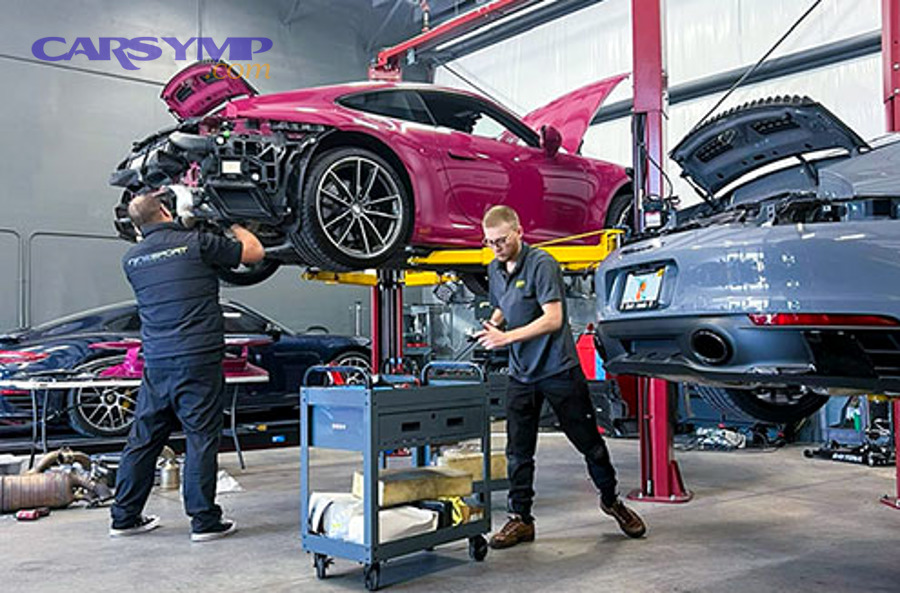
Choose the shop that can meet documentation requirements when warranty or insurance is involved, because proof and procedure compliance can matter as much as the repair itself. Next, confirm what paperwork you must provide.
Dealers may be preferred for certain warranty repairs, while collision partners may be required for post-accident procedures. If ADAS is involved, ask for pre/post scans and calibration confirmation. Ascential’s July 2025 release emphasizes calibration as a non-negotiable step and frames it as essential after repairs, which aligns with why documentation is valuable.
Modified or tuned vehicles
Choose a specialist when the vehicle is modified, because baseline assumptions change and diagnosis requires expertise with non-stock behavior. After that, disclose modifications upfront.
Tuning, aftermarket intakes, downpipes, lift kits, wheel/tire changes, and custom suspension geometry all influence diagnostics and calibration requirements. A shop that routinely handles modified setups will test intelligently instead of blaming the wrong parts or refusing the job midstream.
Remote travel, limited options, and “good enough to get home”
Choose the most capable local option when you’re remote, then plan a specialist follow-up if the repair is complex. Next, separate “temporary safety” from “final correctness.”
In rural areas, a general shop may handle a temporary repair well, but ADAS calibration, deep electronics, or high-voltage issues may still require a specialist later. The key is to define the mission: safe operation now, complete correction later.
Urgent timelines and minimizing downtime
Choose the shop that can complete the full workflow fastest, not the one that can start fastest, because sublets and rework add hidden downtime. After that, ask how many visits the repair will require.
A general shop may schedule you sooner but sublet calibration or programming, turning one visit into three. A specialist might start later but finish end-to-end in one coordinated workflow. When ADAS procedures are involved, KPMG notes recalibration can be essential after several common events, which is why bundling steps reduces schedule risk.