


Certified repair shops typically offer warranties that cover both the parts they install and the workmanship of the repair, so you’re protected if the same issue returns because a component fails early or a repair step wasn’t performed correctly.
Beyond the headline promise, the real value comes from knowing exactly what’s included, what’s excluded, and what proof you need to make a claim—because warranty language can look similar while the fine print behaves very differently in real life.
To choose wisely, you should compare warranty scope (parts, labor, diagnostics), claim process (where and how you’re covered), and documentation standards (what the shop requires to honor coverage) across different shop types and repair categories.
Tiếp theo, “Giới thiệu ý mới” you’ll learn how to read warranty terms like a technician and a consumer advocate, so you can spot strong coverage and avoid “warranty in name only” offers.
What does a certified-shop repair warranty usually cover?
A certified-shop repair warranty is typically a written promise that the shop will correct a verified repeat failure related to the original repair, usually covering the replacement part, the labor to re-do the work, and sometimes related diagnostics—within stated time and mileage limits.
To start, the fastest way to understand coverage is to separate what failed (parts) from why it failed (workmanship, installation, or unrelated causes), because warranties are built around that boundary.
Parts coverage: what “covered parts” really means
Parts coverage means the component installed during the original repair may be replaced if it fails prematurely under normal use, but only if the failure matches warranty conditions and the part is the same item referenced on the invoice.
After that, the key detail is whether the shop’s warranty follows the part manufacturer’s warranty, the shop’s own promise, or a nationwide program—because each changes where you can get the replacement handled.
Covered parts often include items like alternators, starters, sensors, brake components, suspension parts, gaskets, and modules, but the coverage may vary by brand tier (OEM, aftermarket premium, economy) and by whether the part is “wear” versus “defect.”
For example, brake pads and wiper blades are commonly treated as wear items, while a defective alternator or sensor may qualify if the failure is not linked to improper installation or outside conditions.
Labor coverage: the “redo” work that matters most
Labor coverage means the shop pays the technician time to remove and reinstall the failed component (and perform required re-tests) when the repeat issue is proven to be tied to the original job.
Next, this is where strong warranties stand out, because labor is usually the largest cost driver—especially on modern vehicles where access is difficult and procedures are time-intensive.
A solid labor warranty typically includes necessary steps such as re-torqueing, re-calibration, bleeding brakes, re-checking alignment when relevant, and re-verifying diagnostic codes after the fix.
However, labor may be limited if the shop determines that the problem is not the same failure, not the same part, or is caused by another fault that emerged later.
Diagnostic coverage: when re-testing is included (and when it isn’t)
Diagnostic coverage means the shop will verify the concern and confirm the root cause during a warranty claim without charging full diagnostic fees, but many warranties only cover diagnostics when the claim is approved.
Besides that, shops often distinguish between “verification” (quick checks) and “diagnosis” (deep troubleshooting), and the warranty may only include the former unless the failure is clearly tied to the original repair.
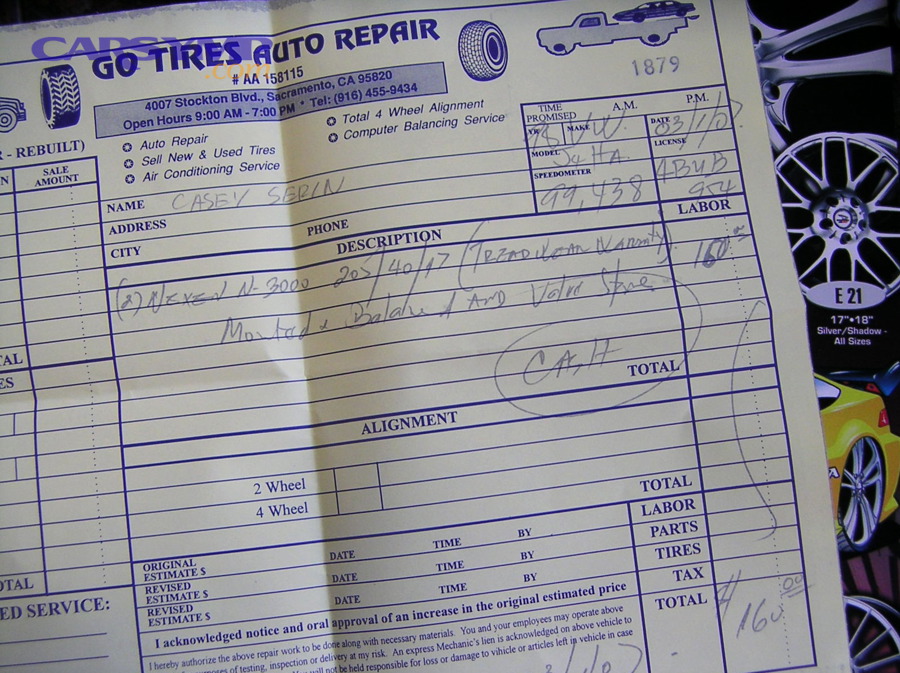
In practice, this is why your original repair invoice matters: it documents the symptoms, codes, test results, and the chosen fix—so the shop can compare the current complaint to the earlier baseline.
The more complete the original documentation, the faster (and cheaper) warranty resolution tends to be.
Theo nghiên cứu của U.S. Federal Trade Commission từ Bureau of Consumer Protection, vào 06/2024, hướng dẫn về bảo hành nhấn mạnh rằng điều khoản bảo hành và điều kiện áp dụng phải rõ ràng để người tiêu dùng hiểu phạm vi cam kết trước khi dựa vào nó.
Do certified-shop warranties include both parts and labor?
Yes—many certified shops cover both parts and labor, but not always, because some warranties cover parts only (following the part manufacturer) while labor coverage depends on the shop, the repair type, and the warranty program behind the counter.
After that, you can avoid surprises by asking one direct question: “If the same issue returns, what exactly will I pay—diagnosis, labor, parts, fluids, taxes?”
Common exclusions that change the outcome
Exclusions are the “no” list—items and conditions that void or limit coverage—so they can matter more than the warranty length itself.
Tiếp theo, look for exclusions tied to driving conditions, modifications, misuse, maintenance neglect, and “related damage,” because these are frequent denial reasons.
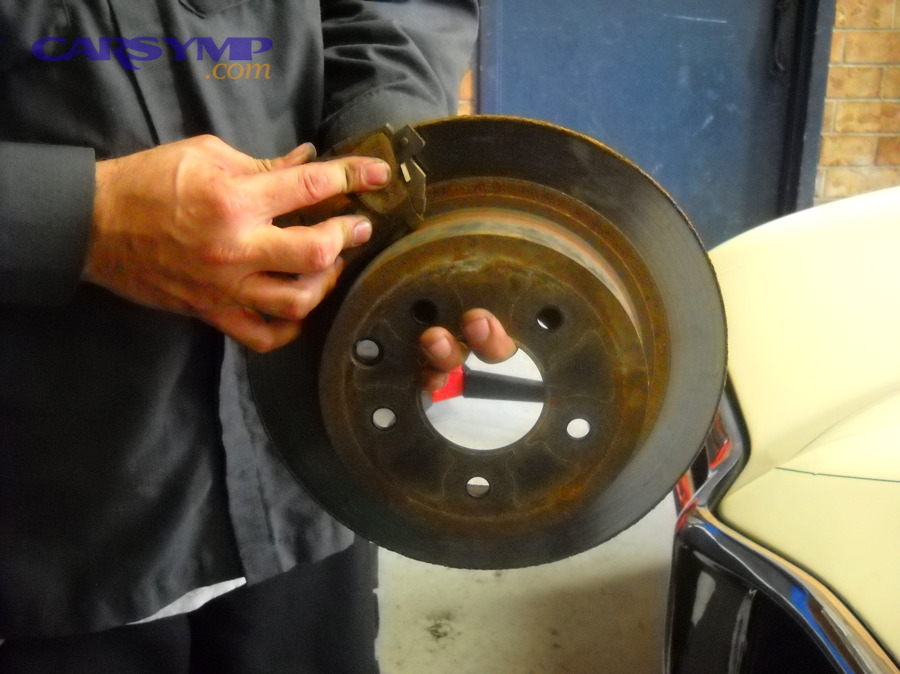
- Normal wear: pads, rotors, clutches, tires, bulbs, wipers, fluids, and filters often have limited or no warranty unless defective at install.
- Pre-existing or unrelated faults: a new part can’t fix a different failure that was already developing elsewhere.
- Overheating or contamination: engines and transmissions may be excluded if overheating, coolant/oil mixing, or debris caused damage after the repair.
- Aftermarket modifications: lifts, tunes, non-standard electrical accessories, or emissions deletes can complicate warranty eligibility.
- Maintenance neglect: skipping oil changes, ignoring warning lights, or driving with a known issue can void claim eligibility.
Fluids, seals, and “shop supplies” may be handled differently
Many warranties cover the core part and labor but may not automatically include consumables like coolant, refrigerant, brake fluid, one-time-use hardware, or shop supplies—unless the program explicitly includes them.
Moreover, some shops include these costs as goodwill for approved claims, while others treat them as the customer’s responsibility even when the repair itself is re-done at no labor charge.
The simplest protection is to get the warranty terms printed on the invoice or attached as a warranty sheet that states what’s reimbursed during a claim.
How “certified” status often improves the warranty promise
Certification often correlates with standardized procedures, verified technician training, and participation in network warranty programs—so warranties can be more consistent and easier to claim.
In addition, many networks require documented repair steps, which reduces ambiguity when a repeat issue appears.
In real-world shopping, you’ll often hear the phrase certified mechanic used to signal training and accountability, but you still need to confirm the shop’s written warranty terms because certification alone does not guarantee identical coverage everywhere.
Theo nghiên cứu của AAA từ Approved Auto Repair program, vào 01/2024, nhiều cơ sở thuộc mạng lưới nêu điều kiện bảo hành phổ biến theo mốc thời gian và số dặm, giúp chuẩn hóa trải nghiệm khi khách hàng quay lại vì cùng một lỗi.
How long do certified-shop warranties last compared with dealer warranties?
Certified independent shops often offer repair warranties that range from limited short terms to longer nationwide terms, while dealers may offer repair warranties that align with OEM policies and parts warranties—so neither is universally “longer,” but the structure and claim path differ.
Hãy cùng khám phá the practical comparison: length is only half the story; the other half is where you can redeem the warranty and how quickly the claim is approved.
Before the table, this section clarifies the typical warranty patterns you’ll see and what each pattern is best for.
This table contains common warranty structures (not guarantees) and shows how they help you compare coverage scope, portability, and claim convenience.
| Warranty pattern | Typical strength | Common limitation | Best for |
|---|---|---|---|
| Shop-only warranty | Simple, local, relationship-based | May require returning to the same shop | Drivers who stay local and value one trusted shop |
| Nationwide network warranty | Portability across participating shops | Must follow network claim rules and approvals | Road-trippers and commuters who travel often |
| Dealer repair warranty | OEM procedures, access to proprietary tools | Often dealer-location dependent; pricing higher | Warranty-era vehicles, complex programming/calibration |
| Parts manufacturer warranty | Protects part replacement cost | Labor may be excluded or capped | Parts that are easy to replace or DIY-friendly |
Why “time and mileage” rules exist
Time-and-mileage limits exist to separate premature failure (warranty-relevant) from wear, aging, and unrelated damage (not warranty-relevant), so they reduce disputes about what caused the repeat issue.
After that, your driving profile matters: high-mileage drivers may hit mileage limits quickly, while low-mileage drivers may hit time limits first.
How nationwide programs change the comparison
Nationwide programs can make an independent shop feel “dealer-like” in convenience because you may be able to redeem coverage while traveling, but only if the repair is approved under program rules.
Besides that, you should ask whether the warranty is honored at any participating location or only at the original shop with pre-authorization.
In consumer-facing marketing, some shop networks publicly state longer, standardized terms, which is useful as a baseline when comparing options.
Theo nghiên cứu của TechNet Professional Automotive Service từ network warranty standards, vào 03/2024, nhiều chương trình nêu mốc bảo hành phổ biến theo mô hình “thời gian + số dặm” để tăng khả năng dùng lại ở nhiều điểm dịch vụ khác nhau.
What is “nationwide” warranty coverage and when does it matter?
Nationwide warranty coverage means your repair warranty can be honored beyond the original shop—typically through a participating network—so you can get warranty service while traveling without returning to the original location.
Tiếp theo, the key is to verify whether “nationwide” is a true network benefit or just a phrase, because the claim process can range from seamless to paperwork-heavy.
When nationwide coverage is most valuable
Nationwide coverage is most valuable when you travel frequently, rely on your vehicle for work, or live far from the shop that did the repair.
Moreover, it can reduce downtime: you may be able to get verification and corrections near your location instead of waiting weeks to return home.
- Long-distance commuting: more miles means higher exposure to repeat issues before time limits expire.
- Road trips: the ability to claim coverage away from home can prevent stranded situations.
- Relocation: moving cities doesn’t automatically end coverage if the warranty is transferable within a network.
How pre-authorization affects claims
Pre-authorization means the network or original shop must approve the warranty repair before work begins, which helps prevent unnecessary replacements but can slow down urgent fixes.
In addition, pre-authorization often requires proof: invoice, mileage, symptom verification, and sometimes photos or scan results.
To reduce delays, keep a digital folder with your repair documents and a photo of your odometer when the problem reappears.
Network warranties vs “goodwill” policies
Network warranties are rule-based and consistent, while goodwill policies are discretionary; both can help you, but goodwill is not guaranteed and depends on the shop’s judgment.
Next, the most reliable approach is to treat goodwill as a bonus, not the plan—so you still insist on written warranty language.
Theo nghiên cứu của Bosch Car Service từ warranty communications for service networks, vào 02/2024, nhiều chương trình nhấn mạnh tính “multi-location” để giảm rủi ro gián đoạn khi khách hàng cần sửa xe ngoài nơi thực hiện dịch vụ ban đầu.
How do you file a warranty claim without delays?
To file a warranty claim without delays, follow a simple process: document the symptom, stop driving if continuing could worsen damage, contact the shop promptly, and bring the original invoice so the shop can verify whether the issue matches the covered repair.
Dưới đây is the step-by-step path that prevents the two biggest claim killers: missing documentation and uncontrolled additional damage.
Step 1: Verify the symptom and capture evidence
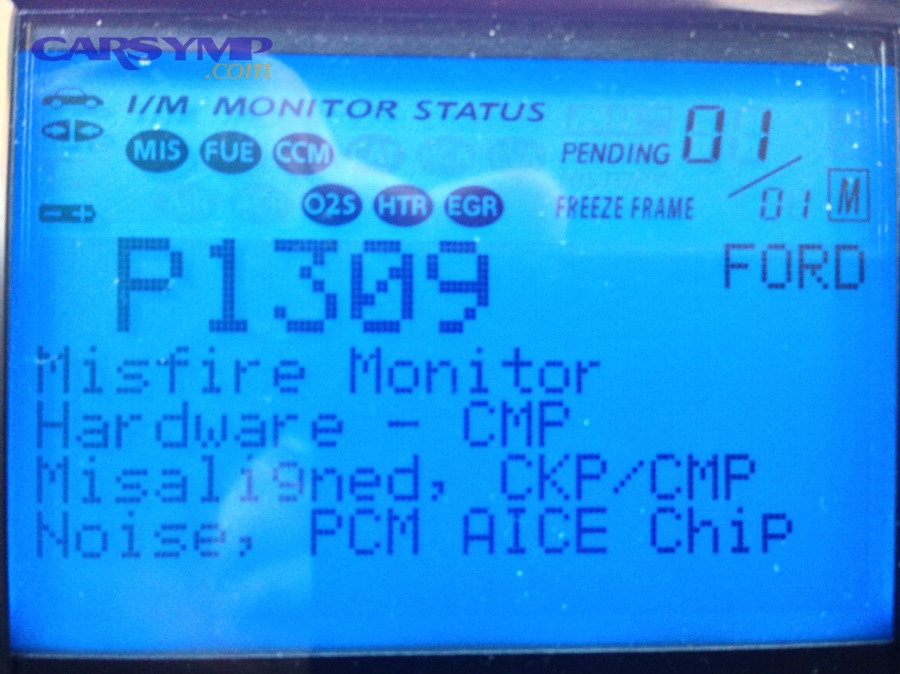
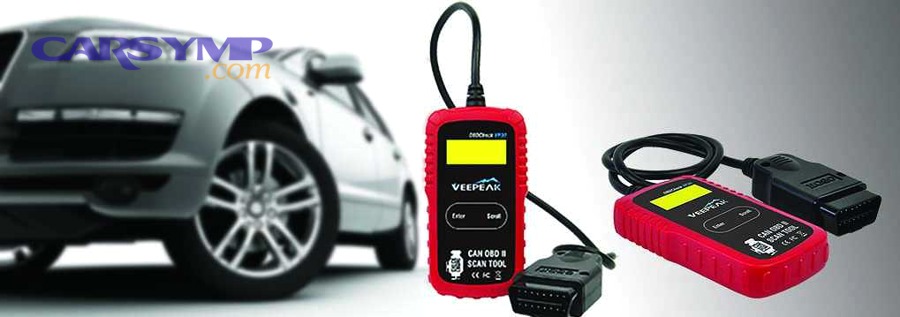
Capture evidence by noting when it happens, what you hear/feel, what warning lights appear, and any stored diagnostic codes if you have access to a scan tool.
After that, record a short video or photo where relevant (noise, leaks, dash warnings), because it helps the shop confirm consistency with the original complaint.
This is especially useful for intermittent issues that may not appear during a quick road test.
Step 2: Contact the shop early and describe it like the invoice
Describe the symptom using the same language as the original invoice (e.g., “vibration at 60–70 mph,” “intermittent no-start hot,” “misfire under load”) so the advisor can quickly map it to the original repair notes.
Besides that, ask whether you should tow the car in—because driving with certain symptoms can create “secondary damage” exclusions.
Step 3: Approve only verification before approving new work
Approve verification first, then request an explanation of whether the cause is tied to the prior repair before approving additional unrelated work.
In addition, this protects you from paying for unnecessary replacement of parts that should have been covered under the initial job.
Step 4: Get the claim outcome in writing
Get a written statement showing whether the claim is approved, partially approved, or denied—and why—so you can evaluate the decision and avoid repeating the same dispute later.
Tóm lại, written outcomes reduce confusion, support future escalation, and keep the process professional.
Theo nghiên cứu của U.S. Federal Trade Commission từ Bureau of Consumer Protection, vào 06/2024, khuyến nghị về minh bạch điều kiện bảo hành giúp giảm tranh chấp bằng cách yêu cầu mô tả rõ phạm vi và quy trình áp dụng ngay từ đầu.
What paperwork should you keep to protect your warranty rights?
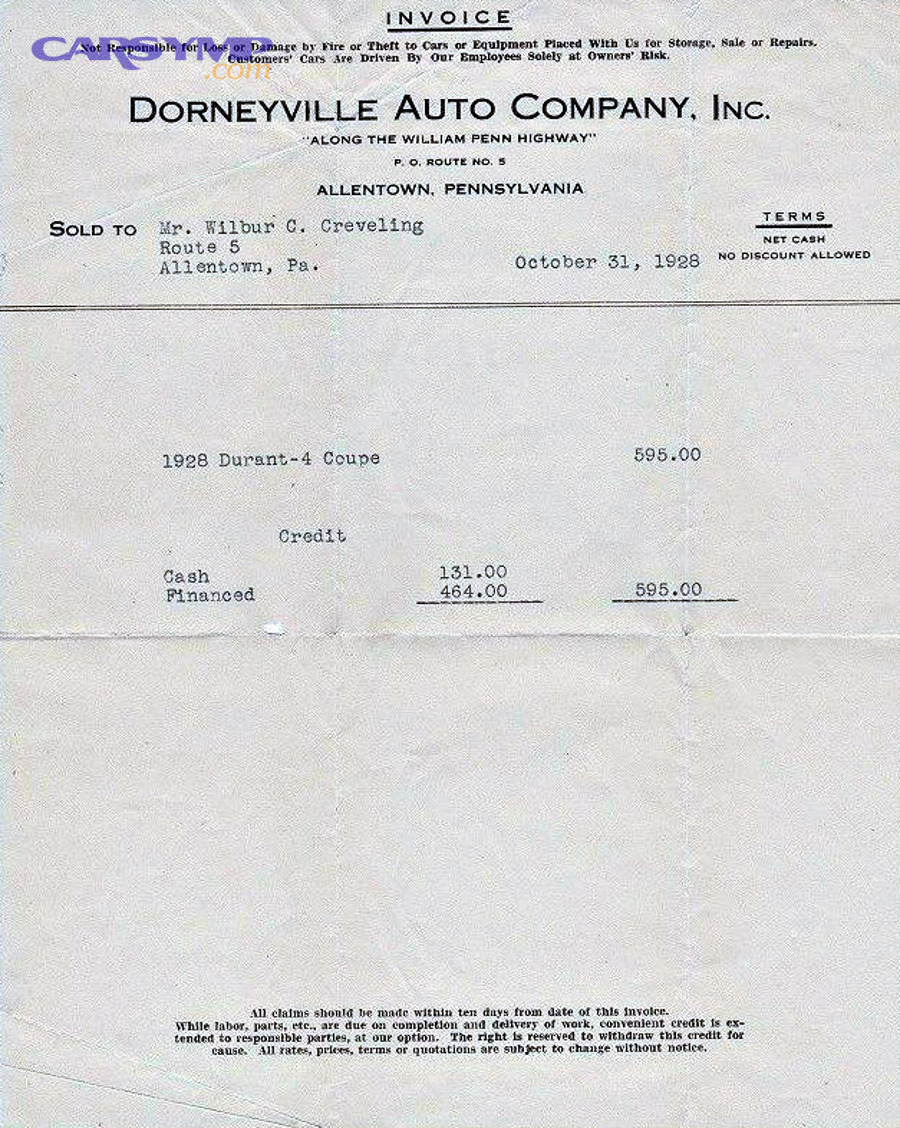
You should keep the original repair invoice, warranty terms, proof of payment, maintenance records related to the repaired system, and any diagnostic printouts—because warranty claims are evidence-based, not memory-based.
Tiếp theo, a simple documentation habit can turn a frustrating “he said/she said” into a fast approval.
The “five documents” that save claims
The five documents are the invoice, the warranty statement, the parts list with brand/part numbers, the diagnostic notes/codes, and the mileage/date record at delivery and at symptom return.
After that, keep them in both paper and digital form so you can email them quickly if the claim requires pre-authorization.
- Invoice: confirms what was done, when, and on which vehicle.
- Warranty terms: shows coverage limits, exclusions, and claim steps.
- Parts details: clarifies whether OEM/aftermarket and which exact component is covered.
- Diagnostics: links the original symptom and root cause to the repair decision.
- Mileage evidence: prevents disputes about eligibility under mileage limits.
Maintenance records that matter most
Maintenance records matter most when the warranty could be denied for neglect (for example, cooling system issues after overheating or lubrication-related failures after skipped oil changes).
In addition, if your warranty requires specific service intervals, proof of compliance can be the difference between approval and denial.
How to organize your warranty folder
Organize a single folder with subfolders for “Invoices,” “Warranty Terms,” “Photos/Videos,” and “Diagnostics,” and add a short note after each repair describing the symptom and resolution.
To illustrate, a one-line note like “P0302 misfire under load → coil replaced → symptom resolved” provides fast context later.
Theo nghiên cứu của các tổ chức bảo vệ người tiêu dùng trong ngành ô tô, vào 09/2023, việc lưu hóa đơn và hồ sơ bảo dưỡng được ghi nhận là yếu tố giảm đáng kể tỷ lệ tranh chấp khi khách hàng yêu cầu áp dụng bảo hành sửa chữa.
What red flags suggest a repair warranty is weak or marketing-only?
A weak or marketing-only warranty usually has vague coverage wording, heavy exclusions, unclear claim steps, and no commitment to labor or diagnostics—so it sounds reassuring but becomes difficult to use when you actually need it.
Quan trọng hơn, you can spot most red flags before approving the repair by asking for the written terms and checking for clarity.
Red flag 1: “Warranty” with no written terms
If the shop can’t provide written terms, the warranty is hard to enforce and easy to reinterpret, especially when staff changes or the shop is busy.
After that, insist on terms printed on the invoice or attached as a separate sheet that you keep.
Red flag 2: Coverage limited to “parts only” without clarity
Parts-only coverage is not automatically bad, but it’s a red flag when the shop implies full coverage verbally yet the paperwork excludes labor, diagnostics, fluids, and related work.
In addition, ask what happens if the replacement part requires calibration or programming—because those labor-intensive steps can be the real cost.
Red flag 3: Exclusions so broad they swallow the promise
Exclusions become a red flag when they are written so broadly that most realistic scenarios can be denied, such as “any environmental condition,” “any contamination,” or “any additional damage,” without defining proof standards.
Next, strong warranties still have exclusions—but they define them clearly and explain the claim pathway.
Red flag 4: No process for disputes or escalation
A warranty without an escalation path (shop manager review, network administrator review, or third-party mediation) often ends in frustration if you disagree with the diagnosis or denial reason.
Tóm lại, clarity plus process is what turns a warranty into real protection.
Theo nghiên cứu của AAA từ customer-facing warranty standards in repair networks, vào 01/2024, các tiêu chí minh bạch thường tập trung vào văn bản điều khoản, giới hạn rõ ràng, và quy trình xử lý khi phát sinh lỗi lặp lại.
How do warranties work for hybrids and EV repairs?
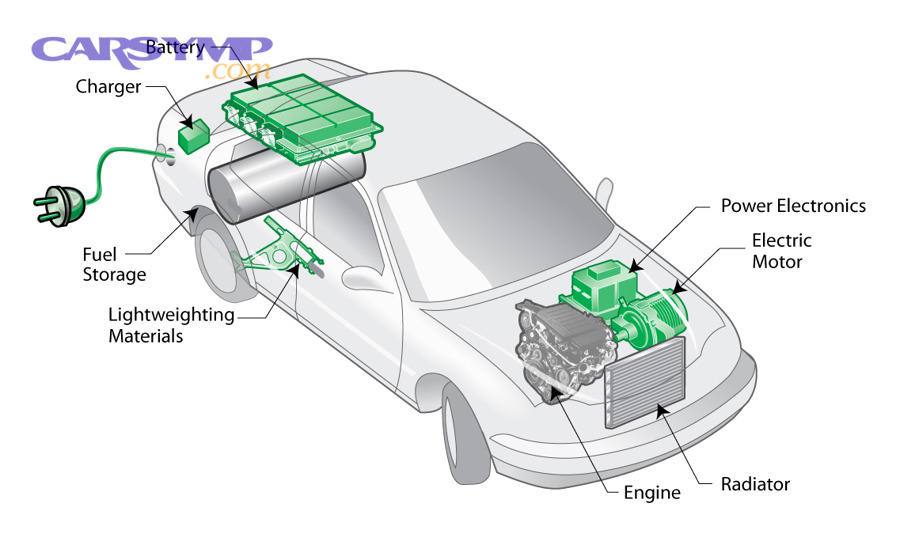
Hybrid and EV repair warranties can be strong, but they often include additional conditions around high-voltage safety, software calibration, battery-related diagnostics, and OEM procedure compliance—so you must confirm both the repair scope and the claim method.
Để hiểu rõ hơn, you should separate warranty coverage for high-voltage components from warranty coverage for conventional systems like brakes, suspension, HVAC, and steering.
High-voltage safety and liability boundaries
High-voltage systems require strict safety procedures, insulated tools, and verified training, so warranty terms may exclude coverage if the vehicle was serviced elsewhere in a way that compromises safety or causes damage.
In addition, shops may require battery health checks and scan reports to confirm the condition before and after the repair.
This is one reason many drivers look for programs referenced as Specialty certifications for hybrids and EVs, but you should still verify the exact written warranty coverage because training and warranty promises are not identical concepts.
Software updates, programming, and calibration
Programming and calibration steps are common in EV and hybrid repairs, and warranties often cover the corrected result but may exclude future software updates or changes initiated by the manufacturer after the repair.
Besides that, ask whether the warranty includes reprogramming if a replaced module requires a software “marriage” procedure to the vehicle.
Battery-related warranties can overlap with OEM coverage
Battery-related issues may fall under OEM battery warranties in some cases, while other battery-adjacent parts (cooling pumps, sensors, wiring, contactors) may fall under the repair shop’s warranty—so you need clarity about which warranty applies first.
Next, get a written note on the invoice stating whether the shop believes OEM warranty may apply, and whether they can support you with documentation for that process.
Theo nghiên cứu của các chương trình đào tạo kỹ thuật xe điện trong ngành, vào 11/2023, sửa chữa liên quan điện áp cao có tỷ lệ yêu cầu quy trình chuẩn và kiểm tra sau sửa cao hơn, nên điều khoản bảo hành thường nhấn mạnh bằng chứng chẩn đoán và tuân thủ quy trình.
How does a strong warranty change the way you compare repair estimates?
A strong warranty changes estimate comparison by shifting focus from the lowest upfront price to total risk-adjusted value, because a cheaper repair with weak coverage can cost more if the same issue returns and you pay labor again.
In addition, warranties influence trust: the more confident a shop is in its process and parts quality, the more likely it is to put clear, usable terms in writing.
Compare “coverage per dollar,” not just price
Coverage per dollar means evaluating what you get for your spend: parts grade, procedure completeness, diagnostic clarity, and warranty usability (claim path, exclusions, and whether labor is included).
After that, look at whether the estimate includes preventive steps that reduce repeat failure risk, like cleaning battery terminals during an alternator job or replacing one-time-use bolts during suspension work.
Use warranty questions to test shop transparency
Warranty questions test transparency because a trustworthy shop will answer consistently and show written terms, while a vague shop will rely on verbal reassurance.
To illustrate, asking “What would void this warranty?” often reveals how the shop thinks about accountability and process control.
If you want a structured way to ask, many drivers use a checklist approach similar to Questions to verify mechanic credentials, but you should keep the focus on written warranty terms and claim process rather than only badges or verbal claims.
Look for alignment between warranty and diagnostic quality
When diagnosis is weak, warranties become messy because the original repair may not truly match the root cause; when diagnosis is strong, repeat issues are easier to classify as covered or unrelated.
Besides that, keep your diagnostic printouts: they create a shared technical language between you and the shop if the symptom returns.
Theo nghiên cứu của các hiệp hội dịch vụ ô tô và hướng dẫn tiêu dùng, vào 08/2023, minh bạch hóa bảo hành và chuẩn hóa chứng từ giúp giảm hiểu nhầm về “cùng một lỗi” khi so sánh giữa các báo giá sửa chữa.
How can you negotiate warranty clarity before approving repairs?
You can negotiate warranty clarity by requesting the written warranty terms, asking for specific line-item notes on the invoice (parts grade, labor scope, diagnostics), and confirming claim steps before work begins—because leverage is highest before you authorize the job.
Dưới đây, this section gives you practical wording to get clear answers without sounding confrontational.

Ask for invoice language that protects you
Invoice language protects you when it records the symptom, the diagnosis, the selected repair, and the warranty terms in one place—so the shop can’t later say the complaint was different.
After that, ask the advisor to add one line: “Warranty covers parts and labor for repeat failure related to this repair under stated limits,” and attach the warranty document if applicable.
Confirm what happens if the repair reveals additional faults
If additional faults are discovered, clarify whether they are separate jobs with separate warranties or part of the original scope, because “related” work can become a gray zone during claims.
In addition, request a call before any added work begins, and ask them to document the reason for the added recommendation.
Set expectations about timing and rechecks
Set expectations about recheck scheduling by asking whether warranty rechecks are prioritized, what wait times are typical, and whether towing is recommended if the symptom is severe.
Tóm lại, a warranty you can actually use depends on both language and process.
Theo nghiên cứu của các mạng lưới dịch vụ sửa chữa ô tô, vào 04/2024, việc chuẩn hóa “ghi chú hóa đơn + tài liệu bảo hành” được xem là yếu tố tăng tỷ lệ xử lý bảo hành nhanh vì giảm thiếu dữ liệu khi xác minh lỗi lặp lại.
Contextual Border
Warranty strategy for long-term car ownership
A long-term warranty strategy means combining clear repair warranties with smart maintenance habits and realistic decision rules, so you spend less time arguing about coverage and more time preventing repeat failures.
Hơn nữa, the best strategy uses lexical contrasts—coverage vs exclusions, repair warranty vs service contract, local loyalty vs nationwide portability—to choose the right promise for your driving life.
How to layer shop warranties with OEM warranties
Layering warranties means you first identify whether the problem is covered by an OEM warranty (such as powertrain or emissions-related coverage) and then use the shop warranty for the specific repair work that falls outside OEM responsibility.
After that, avoid mixing responsibilities: if the shop performs a repair that could affect an OEM-covered component, ask the shop to document procedures and parts used so you can show compliance if an OEM claim arises later.
This layered approach is especially useful for newer vehicles and for systems with both mechanical and software components.
Repair warranty vs service contract: what’s the real difference?
A repair warranty covers the specific job performed (a narrow promise tied to one invoice), while a service contract is broader coverage across multiple potential failures under contract rules; one is precise and immediate, the other is expansive but often stricter about approvals.
Besides that, you should treat them as different tools: use repair warranties for confidence in the shop’s work, and use service contracts only if you understand deductibles, exclusions, and claim authorization timelines.
In daily conversation, many people say “extended warranty” as a synonym for service contract, but the legal and practical behavior can be quite different at claim time.
Choosing portability without losing accountability
Portability helps when you travel, but accountability matters when diagnosing repeat issues, so you want a warranty that is transferable while still allowing the original shop to review documentation and approve a fair resolution.
In addition, keep a consistent maintenance schedule and avoid “shop hopping” mid-diagnosis, because fragmented repairs create conflicting baselines and increase denial risk.
Drivers often ask When to choose a specialist mechanic for complex systems, but for warranty outcomes, the key is whether the shop can document procedures and support claims, not only whether they are labeled “specialist.”
FAQ: quick answers about certified-shop warranties
Q: Is a longer warranty always better?
A: Not always—longer terms help only if the claim process is usable and exclusions are reasonable; a shorter but clear, labor-included warranty can outperform a longer but vague promise.
Q: Can a shop deny a claim because I kept driving?
A: Yes—if continued driving causes additional damage, many warranties exclude secondary damage; contact the shop early and ask whether towing is recommended.
Q: Should I prioritize dealer repairs for warranty protection?
A: Dealers can be ideal for OEM warranty-era programming and proprietary procedures, but many certified independents offer strong written warranties and easier scheduling; compare claim convenience and documentation quality.
Q: What’s the single best way to avoid warranty disputes?
A: Keep complete paperwork—invoice, warranty terms, diagnostics, and mileage—and make sure the complaint and the fix are documented clearly at the original visit.
Theo nghiên cứu của U.S. Federal Trade Commission từ Bureau of Consumer Protection, vào 06/2024, việc nắm rõ định nghĩa và điều kiện áp dụng bảo hành được xem là cách thực tế để giảm tranh chấp vì người tiêu dùng biết chính xác quyền lợi và nghĩa vụ của mình.