


Modern vehicles rely heavily on electronic controls, and the climate control panel plays a central role in managing comfort inside the cabin. Climate control panel failure symptoms often appear subtly at first, but they can quickly escalate into full HVAC system damage if ignored. Identifying these symptoms early allows car owners to distinguish between control-related faults and mechanical HVAC problems before repairs become costly.
Beyond simple comfort issues, a failing climate control panel can disrupt heating, air conditioning, airflow direction, and even defrost functions. These malfunctions can compromise driving safety and accelerate wear on other HVAC components. Understanding what the climate control panel does and how it fails is therefore essential for accurate troubleshooting.
Another key concern for drivers is misdiagnosis. Climate control panel failure symptoms frequently overlap with blower motor issues, blend door actuator problems, or HVAC sensor faults. Without a clear diagnostic framework, repairs may target the wrong component and leave the real issue unresolved.
Introduce a new idea: to avoid unnecessary repairs and system damage, the sections below explain how to identify climate control panel failures, recognize their symptoms, compare them with other HVAC problems, and understand when these issues become serious.
What Is a Climate Control Panel in a Car?
A climate control panel is the electronic or mechanical interface that allows drivers to regulate cabin temperature, airflow, and ventilation modes by sending commands to the vehicle’s HVAC system.
To better understand climate control panel failure symptoms, it helps to first clarify how this component functions and why it is so critical.
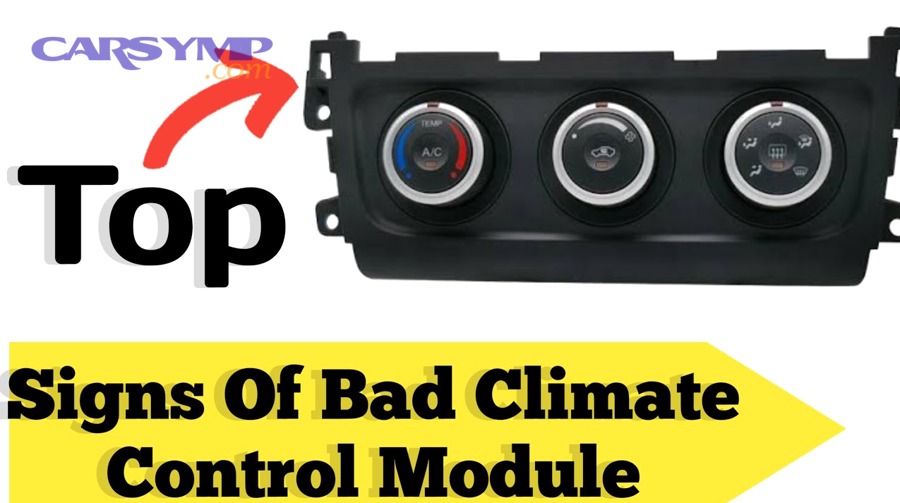
Specifically, the climate control panel acts as the command center between the driver and HVAC components such as the blower motor, blend doors, air conditioning compressor, and heater core. When a driver selects a temperature or fan speed, the panel converts that input into electrical signals. These signals instruct actuators, sensors, and control modules to adjust airflow and temperature accordingly.
In manual systems, this process relies more on physical switches and cables, while automatic climate control systems use digital interfaces and electronic control modules. In both cases, the panel’s primary function remains the same: ensuring accurate communication between user input and HVAC output. When the panel fails, commands may not be transmitted correctly, leading to inconsistent or incorrect climate behavior.
According to a study by the University of Michigan Transportation Research Institute from the Department of Mechanical Engineering in 2019, electronic control interfaces account for a growing percentage of HVAC-related faults in modern vehicles due to increased system complexity.
What Are the Common Symptoms of Climate Control Panel Failure?
There are several common climate control panel failure symptoms, including unresponsive controls, incorrect temperature output, and display malfunctions, all of which indicate communication breakdowns between the panel and HVAC components.
To explore this issue further, it is useful to group symptoms by how they appear to the driver.
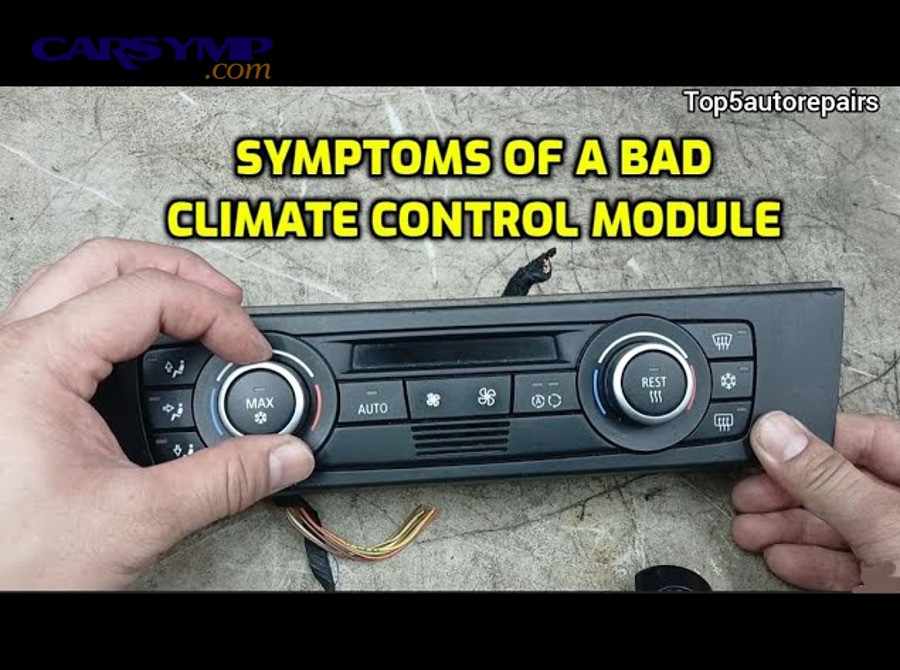
These symptoms typically fall into control input problems and visual feedback problems. Control input issues affect how the system responds to commands, while visual feedback issues affect what the driver sees on the panel itself. Recognizing these patterns simplifies climate control diagnosis and helps narrow down the fault source.
What Button and Knob Malfunctions Indicate Climate Control Panel Failure?
Button and knob malfunctions are among the earliest indicators of climate control panel failure because they directly affect user input.
To illustrate this further, consider how physical interaction with the panel translates into system commands.
Common button- and knob-related symptoms include:
- Buttons that do not respond when pressed
- Fan speed controls that work intermittently
- Mode selectors stuck on defrost, vent, or floor
- Knobs that turn freely without changing settings
These issues occur when internal contacts wear out, circuits degrade, or the panel’s control board develops faults. In digital panels, tactile buttons may still “click” but fail to send signals, misleading drivers into thinking the HVAC system itself is defective.
As these symptoms progress, the system may default to a single airflow mode or fan speed, reducing cabin comfort and impairing defrost performance. This is often when drivers begin seeking professional climate control diagnosis.
What Display Problems Signal a Failing Climate Control Panel?
Display problems indicate that the climate control panel is failing to process or present system information correctly.
In addition, visual symptoms often accompany deeper electronic faults.
Typical display-related symptoms include:
- Blank or flickering screens
- Incorrect temperature readings
- Missing icons or unreadable segments
- Display resets while driving
These problems suggest voltage irregularities, failing backlights, or internal processor issues within the panel. In automatic climate control systems, incorrect display data can cause the system to regulate temperature inaccurately, even if sensors and actuators are still functional.
According to a 2020 report from the Society of Automotive Engineers (SAE), display and interface failures account for a significant portion of driver-reported HVAC complaints in vehicles equipped with digital climate control systems.
Can Climate Control Panel Failure Affect Heating and Air Conditioning Performance?
Yes, climate control panel failure can directly affect heating and air conditioning performance because the panel controls how HVAC components receive and execute commands.
To understand why this happens, it is important to examine how command signals influence temperature regulation.
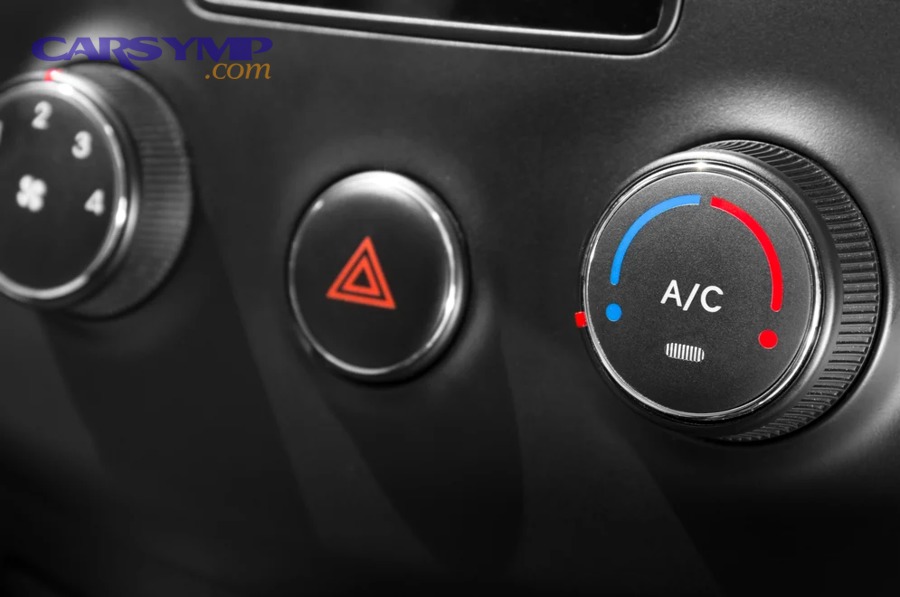
When the panel sends incorrect or incomplete signals, the HVAC system may misinterpret temperature requests. This can result in cold air blowing when heat is selected, warm air during air conditioning operation, or airflow that does not match the selected mode. These issues often mimic mechanical failures, making accurate diagnosis challenging.
Furthermore, inconsistent commands can cause HVAC components to cycle unnecessarily, increasing wear on actuators and compressors. Over time, this accelerates system degradation and raises repair costs.
How Does a Bad Climate Control Panel Cause Incorrect Temperature Output?
A bad climate control panel causes incorrect temperature output by sending flawed signals to blend door actuators and HVAC control modules.
More specifically, the panel may misread user input or fail to interpret sensor feedback correctly.
In automatic systems, the panel relies on data from cabin temperature sensors, sunload sensors, and ambient temperature sensors. If the panel’s processing circuitry is compromised, it may ignore or misinterpret this data, leading to persistent temperature imbalance. For example, the system may continue heating even after the target temperature is reached.
This issue is often confused with HVAC sensor issues, but the key difference lies in consistency. Sensor failures usually produce error codes, while panel failures often cause erratic behavior without clear fault indicators. Scan tool tests for HVAC modules can help distinguish between these scenarios by revealing whether commands are being sent correctly.
According to research conducted by the Technical University of Munich’s Automotive Systems Department in 2018, signal interpretation errors in control interfaces significantly increase temperature regulation variance in dual-zone climate systems.
How Can You Tell Climate Control Panel Failure Apart From Other HVAC Problems?
Climate control panel failure differs from other HVAC problems in that it disrupts command input rather than mechanical execution.
To better understand this distinction, comparing panel-related faults with component-level failures is essential.
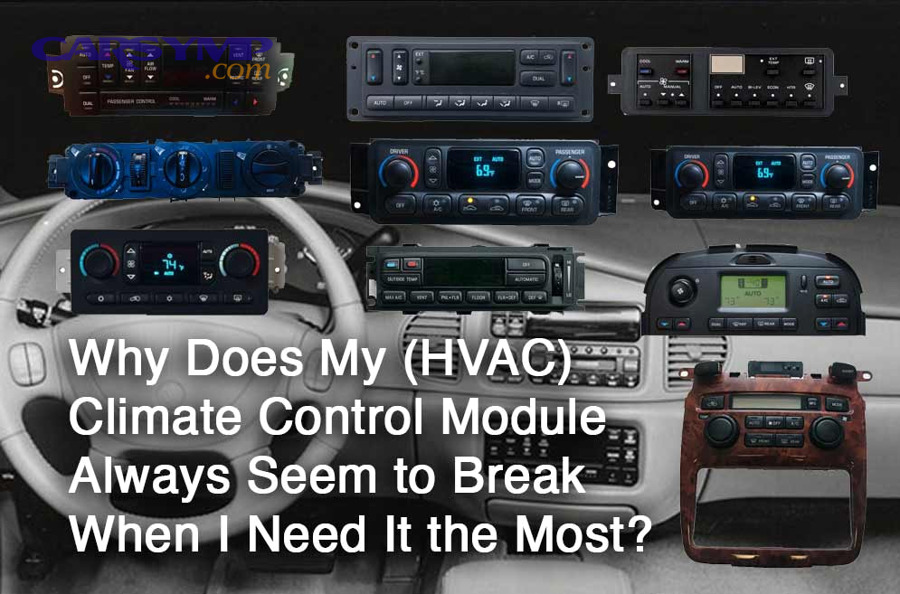
Mechanical HVAC problems typically involve actuators, blower motors, or refrigerant flow. These issues usually present as complete loss of function, such as no airflow at any setting or constant hot air. In contrast, panel failures produce inconsistent or illogical behavior, such as settings changing without input.
By focusing on how symptoms appear and change, drivers and technicians can identify whether the control interface or the HVAC hardware is at fault.
Is the Climate Control Panel or the HVAC Component Actually Failing?
The climate control panel is likely failing if multiple HVAC functions behave inconsistently despite components testing within specifications.
However, HVAC components are more likely at fault if a single function fails consistently.
For example, a failed blower motor will result in no airflow at any setting, while a failing panel may allow airflow only at certain fan speeds. Similarly, a stuck blend door actuator usually affects one temperature zone, whereas panel faults often affect all zones simultaneously.
Using professional diagnostic tools, such as Scan tool tests for HVAC modules, helps confirm whether commands are being generated and received properly. This step is critical in preventing unnecessary part replacement and ensuring accurate repairs.
According to a 2021 study by Bosch Automotive Training Solutions, nearly 30% of HVAC-related misdiagnoses stem from overlooking control interface faults.
When Should Climate Control Panel Symptoms Be Considered Serious?
Climate control panel symptoms should be considered serious when they persist, worsen, or interfere with defrosting and temperature regulation.
To put this into context, early symptoms often seem minor but can escalate quickly.
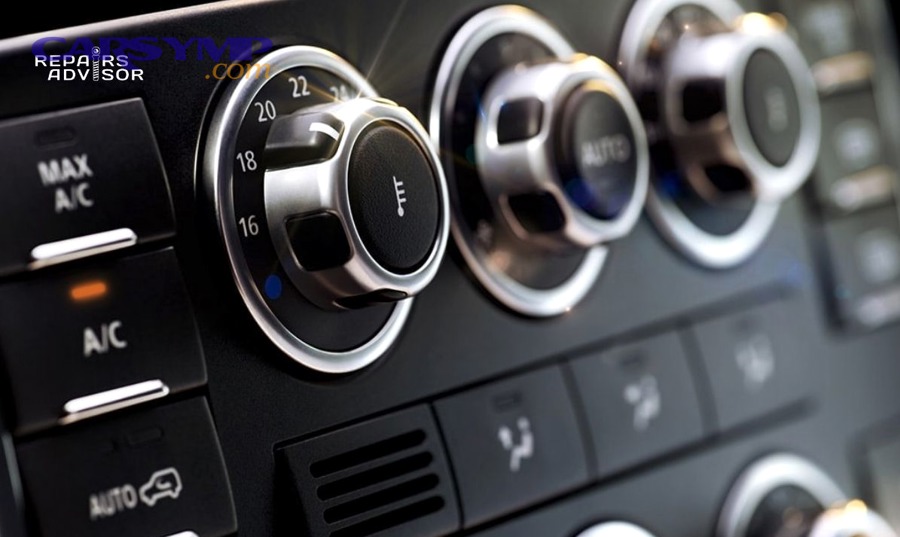
Intermittent button failures or display glitches may not initially affect driving, but they indicate underlying electronic degradation. As the panel’s condition worsens, critical functions such as windshield defrost may stop working reliably, creating safety hazards in cold or humid conditions.
Moreover, prolonged panel malfunction can strain HVAC components by forcing them to operate under incorrect parameters. This increases the risk of actuator burnout, compressor damage, and control module faults.
According to data from the National Highway Traffic Safety Administration (NHTSA) published in 2020, reduced defrost performance is a contributing factor in cold-weather visibility-related incidents, underscoring the importance of addressing climate control issues promptly.
What Factors Influence Climate Control Panel Failure in Different Vehicles?
Several factors influence climate control panel failure, including system design, electronic complexity, and environmental exposure.
To expand on this topic, it is helpful to examine how different vehicle configurations affect failure patterns.
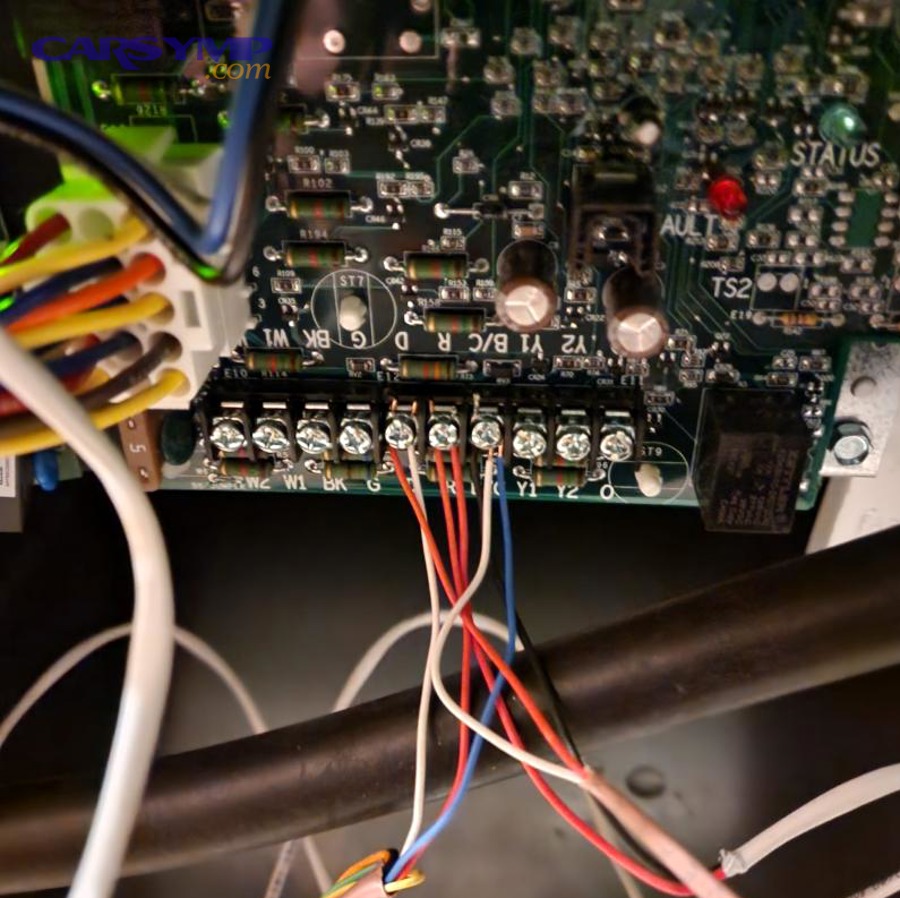
Vehicle age, climate conditions, and usage frequency all play a role. Cars exposed to extreme heat or humidity experience faster degradation of circuit boards and connectors. Additionally, vehicles with advanced automatic climate control systems face higher failure rates due to increased electronic integration.
Understanding these factors helps drivers anticipate potential issues and adopt preventive maintenance strategies.
Do Digital Climate Control Panels Fail Differently Than Manual Ones?
Yes, digital climate control panels fail differently than manual panels because they rely on software, processors, and electronic communication networks.
Manual panels typically fail due to worn switches or cables, while digital panels experience circuit board and software-related issues.
Digital systems may exhibit intermittent failures, frozen displays, or unresponsive touch controls. Manual systems, by contrast, usually fail gradually and predictably. This difference affects diagnostic approaches and repair costs.
Can Climate Control Panel Failure Be Intermittent or Temperature-Dependent?
Yes, climate control panel failure can be intermittent or temperature-dependent due to thermal expansion and contraction of electronic components.
For example, solder joints may lose contact when hot and reconnect when cool, causing sporadic functionality.
These failures are particularly difficult to diagnose because they may not appear during standard inspections. Long-term monitoring and repeated climate control diagnosis are often required to confirm the issue.
Can a Faulty Climate Control Panel Cause Damage to Other HVAC Components?
Yes, a faulty climate control panel can cause damage to other HVAC components by sending incorrect or excessive commands.
For instance, actuators may cycle continuously, and compressors may engage unnecessarily, increasing mechanical stress.
Over time, this misuse accelerates component wear and raises repair costs. Early panel replacement can therefore prevent more extensive HVAC system damage.
Why Do Climate Control Panel Symptoms Sometimes Mimic Other HVAC Failures?
Climate control panel symptoms mimic other HVAC failures because both affect the same output functions, such as airflow and temperature.
However, the root cause differs: panel failures disrupt control logic, while mechanical failures disrupt physical operation.
Recognizing this distinction helps avoid misdiagnosis and ensures that repairs address the true source of the problem. In short, understanding climate control panel behavior is essential for accurate HVAC troubleshooting and long-term vehicle reliability.