


Air distribution stuck in an HVAC system means airflow cannot change direction as intended, and the most effective way to resolve it is by diagnosing airflow control components, identifying the root cause, and applying the correct fix before secondary damage occurs. Homeowners usually encounter this issue when air blows from only one location—often defrost only, floor only, or ceiling only—regardless of settings.
Beyond understanding what the problem is, homeowners also need to recognize clear symptoms that indicate air distribution is stuck, because these symptoms often look similar to general airflow or temperature problems. Uneven room temperatures, constant airflow from a single vent, or controls that appear to work but change nothing are all warning signs.
Once symptoms appear, the next concern becomes what causes air distribution to get stuck in the first place. Mechanical damper failures, actuator motor issues, HVAC sensor issues, or even control panel malfunctions can all interrupt airflow routing. Knowing the difference between these causes helps avoid unnecessary repairs.
Introduce a new idea: before jumping to repairs, homeowners should understand how to diagnose and fix air distribution issues step by step, and where the boundary lies between safe DIY checks and situations that require professional HVAC service.
What Does “Air Distribution Stuck” Mean in an HVAC System?
Air distribution stuck means the HVAC system’s airflow direction is locked in one position because internal airflow control components cannot move or respond to commands.
To better understand this issue, it helps to break down how air distribution normally works and what fails when it becomes stuck.
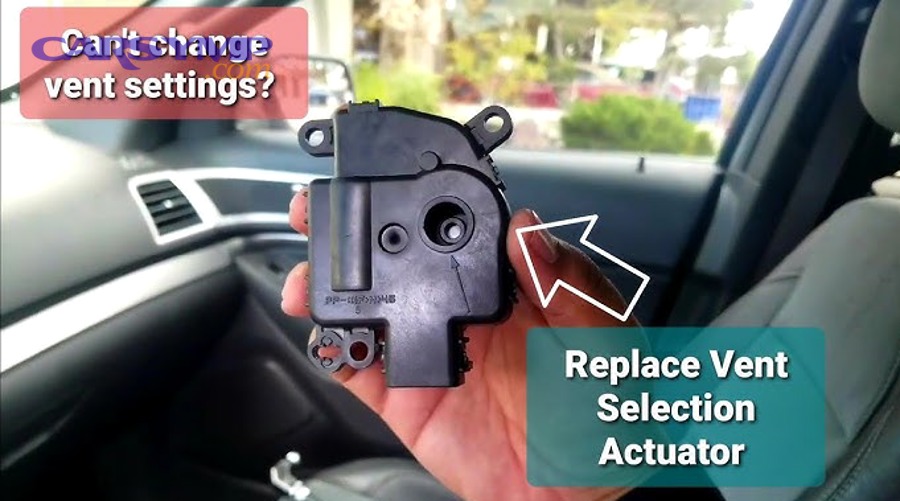
In a properly functioning HVAC system, conditioned air travels through ductwork and is redirected by dampers toward floor vents, ceiling vents, or defrost outlets depending on settings. When air distribution is stuck, that redirection process stops working.
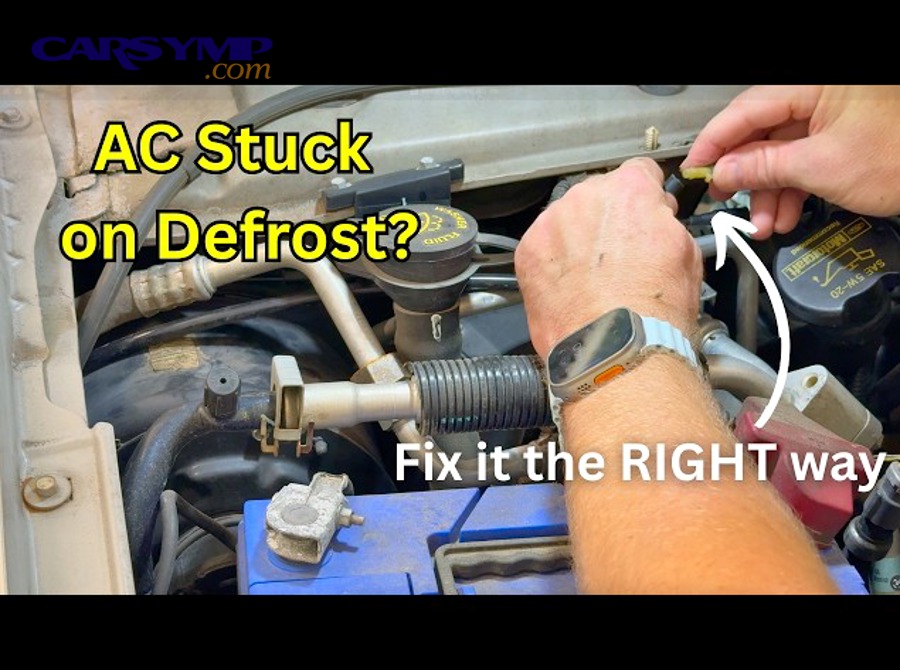
This condition does not mean the HVAC system stops heating or cooling entirely. Instead, it continues operating but delivers air to the wrong place. For example, a system stuck on defrost only will blow warm air toward the windshield area (or upper vents) even when the thermostat requests floor or mixed airflow.
The core components involved include:
- Air distribution dampers
- Actuator motors
- Control signals from the thermostat or climate control panel
- Mechanical linkages inside the HVAC housing
When any of these fail, airflow routing becomes fixed, not adaptive.
What Are the Symptoms of Air Distribution Being Stuck?
There are four main symptoms of air distribution stuck: airflow from only one direction, uneven room temperatures, unresponsive control settings, and airflow that does not match selected modes.
Because these symptoms overlap with other HVAC problems, identifying patterns is essential.
Is Air Only Coming From One Vent or Direction?
Yes, air distribution stuck almost always causes air to come from only one vent or direction for three key reasons: jammed dampers, failed actuators, or broken control signals.
Specifically, airflow may remain locked to floor vents, ceiling vents, or defrost only, regardless of control changes.
For example, when the system is stuck in defrost mode:
- Air exits only upper vents
- Floor vents remain inactive
- Mode changes produce no physical airflow change
This happens because the internal damper cannot rotate to redirect air. Even though the system receives commands, the mechanical movement never occurs.
As a result, heating efficiency drops, comfort decreases, and humidity control becomes less effective—especially in winter.
Can Uneven Room Temperatures Indicate a Stuck Air Distribution?
Yes, uneven room temperatures strongly indicate air distribution stuck because airflow fails to reach certain areas while oversupplying others.
In most homes, proper air distribution balances airflow across zones. When it fails:
- Rooms closer to active vents become too warm or cold
- Distant rooms remain uncomfortable
- Thermostat readings become misleading
This imbalance often leads homeowners to over-adjust the thermostat, increasing energy use without solving the root problem. Over time, this stress can shorten system lifespan.
What Causes Air Distribution to Get Stuck?
There are four main causes of air distribution stuck: mechanical damper obstruction, actuator motor failure, control system errors, and sensor-related miscommunication.
Understanding these causes helps narrow down the repair path quickly.
Can a Stuck Damper or Actuator Cause Air Distribution Failure?
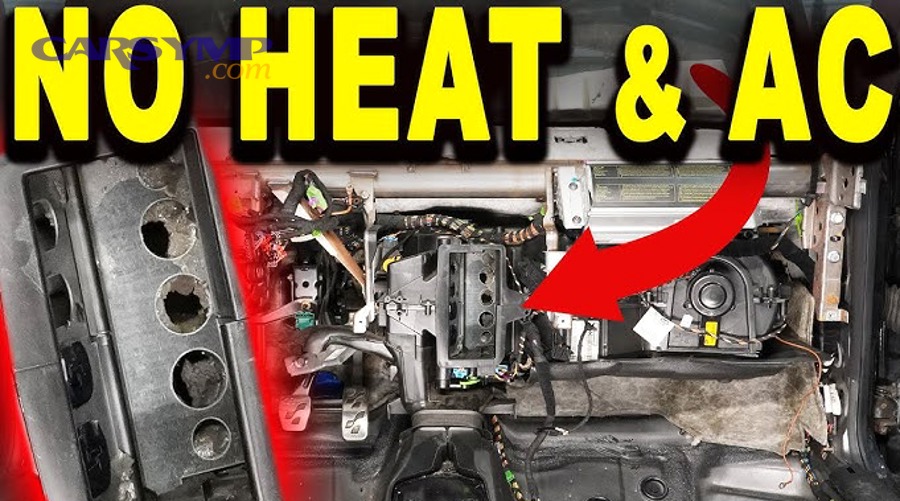
Yes, stuck dampers or failed actuators are the most common causes of air distribution failure for three reasons: mechanical wear, debris buildup, and motor burnout.
Dampers are physical flaps inside the HVAC housing that redirect airflow. Actuators are small motors that move them.
Common failure scenarios include:
- Dust or insulation blocking damper movement
- Plastic gears inside actuators stripping over time
- Motors losing torque and stalling mid-position
When this happens, airflow locks into the last successful position and remains there indefinitely.
Can HVAC Control Settings or Thermostats Cause the Issue?
Yes, incorrect control settings or thermostat-related faults can cause air distribution issues by sending incomplete or conflicting signals.
This is especially common in systems with zoning or smart thermostats.
Problems may include:
- Misconfigured zoning priorities
- Software glitches in smart thermostats
- Climate control panel failure symptoms such as blank displays or delayed response
In these cases, climate control diagnosis focuses on verifying whether commands reach the actuator at all. If signals never arrive, the damper cannot move—even if it is mechanically sound.
How Can You Diagnose Air Distribution Stuck at Home?
You can diagnose air distribution stuck at home by observing airflow behavior, listening for actuator movement, and testing control responses—without special tools.
Before calling a technician, homeowners can safely perform several checks.

Can You Diagnose Air Distribution Issues Without Special Tools?
Yes, basic diagnosis is possible without tools by using three practical methods: airflow observation, sound detection, and control testing.
Start by switching airflow modes on the thermostat and noting whether airflow location changes.
Key observations include:
- No change in vent airflow after mode change
- Clicking sounds without airflow movement
- Delayed or absent response from the system
These signs point toward damper or actuator problems rather than general airflow restrictions.
Should You Turn Off the HVAC System Before Troubleshooting?
Yes, you should turn off the HVAC system before troubleshooting to prevent injury, avoid electrical damage, and protect moving components.
Powering down ensures actuators do not attempt movement while inspected and prevents accidental short circuits when checking control panels.
Safety should always come first, especially when panels must be removed for visual inspection.
How Do You Fix Air Distribution Stuck in an HVAC System?
You fix air distribution stuck by resetting controls, clearing obstructions, repairing or replacing actuators, or correcting control system faults, depending on the cause.
The correct fix depends entirely on accurate diagnosis.
Can You Fix a Stuck Air Distribution Problem Yourself?
Yes, some air distribution problems can be fixed DIY if the issue involves minor obstructions or control resets.
Common homeowner-level fixes include:
- Power cycling the HVAC system
- Resetting smart thermostats
- Removing visible debris from vents or accessible dampers
However, internal actuator replacement usually exceeds DIY scope due to system complexity.
When Should You Call an HVAC Professional?
You should call an HVAC professional when airflow remains stuck after resets, when actuators fail to respond, or when HVAC sensor issues are suspected.
Professional repair becomes essential when:
- Electrical testing is required
- Control boards malfunction
- Zoning systems fail
At this stage, technicians also provide insight into Common fixes and typical costs, helping homeowners decide between repair and replacement.
According to a study by the U.S. Department of Energy, in 2022, correcting airflow control issues improved HVAC efficiency by up to 20% in residential systems.
How Does Air Distribution Stuck Differ Across HVAC Systems and Use Cases?
Air distribution stuck differs by system type, usage pattern, and control complexity, especially in zoned, automotive, or seasonally inactive systems.
Understanding these differences prevents misdiagnosis.
Is Air Distribution Stuck Different in Zoned HVAC Systems?
Yes, zoned systems experience partial airflow failures where only certain zones lose airflow direction control.
This happens because each zone uses independent dampers, increasing failure points but improving flexibility.
How Is Air Distribution Stuck Different in Automotive HVAC Systems?
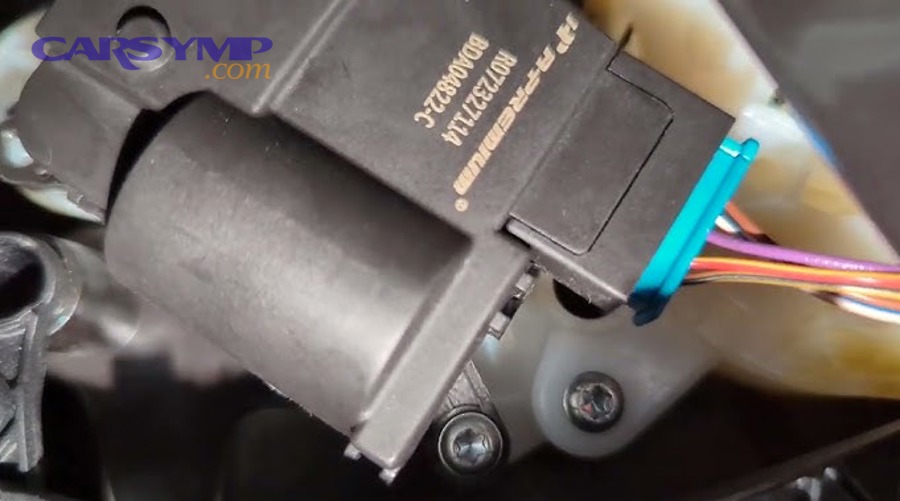
In automotive systems, air distribution stuck often involves flap motors inside compact housings and presents as defrost only airflow.
Diagnosis focuses heavily on climate control panels and electronic modules rather than ductwork.
Can Seasonal Changes Cause Air Distribution Components to Seize?
Yes, seasonal inactivity can cause dampers to seize due to temperature expansion, dust accumulation, or lack of movement.
This is common when systems switch from cooling to heating after long idle periods.
What Is the Difference Between Air Distribution Stuck and Low Airflow Problems?
Air distribution stuck affects air direction, while low airflow problems affect air volume.
A system can blow strong air in the wrong place—or weak air everywhere—making this distinction critical for accurate repairs.
To sum up, diagnosing air distribution stuck correctly saves time, reduces costs, and restores comfort far faster than guessing or replacing unrelated components.