


Modern vehicle HVAC systems rely heavily on electronic control, which means accurate diagnosis depends on understanding scan tool tests for climate control modules. These tests reveal how the HVAC module interprets sensor data, controls actuators, and reports faults, allowing technicians to identify problems efficiently rather than relying on guesswork.
Beyond simply reading fault codes, HVAC scan tool tests explain why a climate control system behaves incorrectly. By analyzing live data, actuator responses, and internal self-tests, technicians can determine whether an issue originates from a sensor, wiring, actuator, or the HVAC control module itself.
In addition, scan tool testing plays a critical role in professional climate control diagnosis, especially as systems become more integrated with vehicle networks. Understanding these tests helps technicians reduce comebacks, avoid unnecessary part replacements, and communicate findings clearly to customers.
Introduce a new idea: before diving into advanced or manufacturer-specific diagnostics, it is essential to clearly understand what HVAC scan tool tests are, how they work, and how their results should be interpreted in real-world repair scenarios.
What Are HVAC Scan Tool Tests for Climate Control Modules?
HVAC scan tool tests for climate control modules are electronic diagnostic procedures that use a scan tool to communicate with the HVAC control unit, retrieve data, perform system checks, and identify faults affecting heating, ventilation, and air conditioning performance.
To better understand their importance, it helps to look at how the climate control module functions and how scan tools interact with it.
What Does a Climate Control Module Do in an HVAC System?
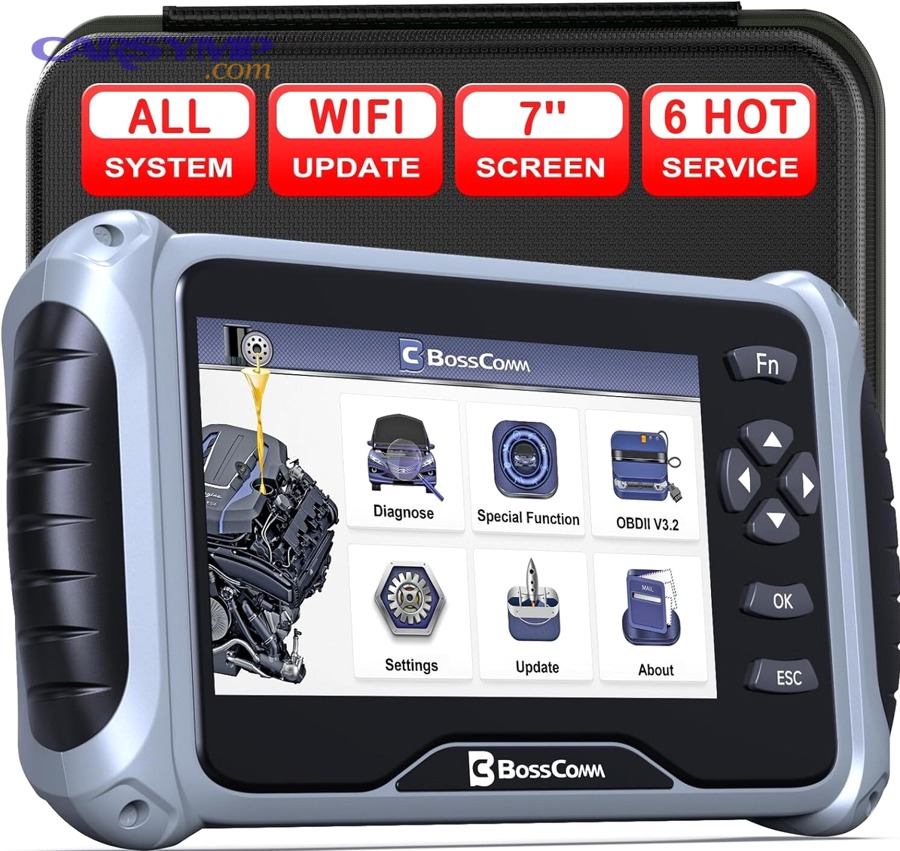
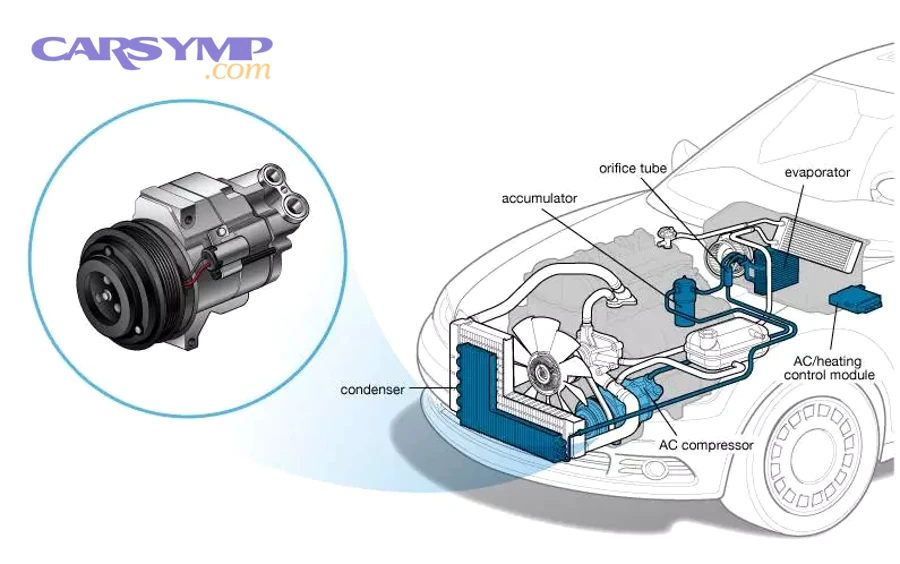
The climate control module is the central controller that manages cabin temperature, airflow direction, and blower speed by processing sensor inputs and commanding actuators throughout the HVAC system.
Specifically, it receives information from temperature sensors, pressure sensors, and user inputs on the climate control panel, then calculates how to adjust blend doors, mode doors, and the blower motor. As a result, any incorrect input or internal logic error can directly lead to poor cooling, weak heating, or airflow issues.
From a diagnostic perspective, this centralized role explains why scan tool tests are so valuable. When technicians understand how the module makes decisions, they can interpret scan data more accurately and avoid misdiagnosing symptoms as mechanical failures.
How Do Scan Tools Communicate With HVAC Modules?
Scan tools communicate with HVAC modules through the vehicle’s diagnostic network, typically using CAN or LIN communication protocols.
More specifically, the scan tool sends requests to the HVAC module, which responds with live data, stored diagnostic trouble codes, and confirmation of commanded actions. This two-way communication allows technicians not only to observe system behavior but also to actively test components through bi-directional controls.
This capability forms the foundation for systematic HVAC diagnostics rather than trial-and-error repairs.
What Types of Scan Tool Tests Are Used for HVAC Modules?
There are three main types of HVAC scan tool tests: actuator tests, sensor data monitoring, and diagnostic trouble code analysis, each classified by the type of system behavior they evaluate.
To illustrate their value, each category focuses on a different aspect of HVAC operation and failure detection.
What Actuator Tests Can Be Performed on HVAC Modules?
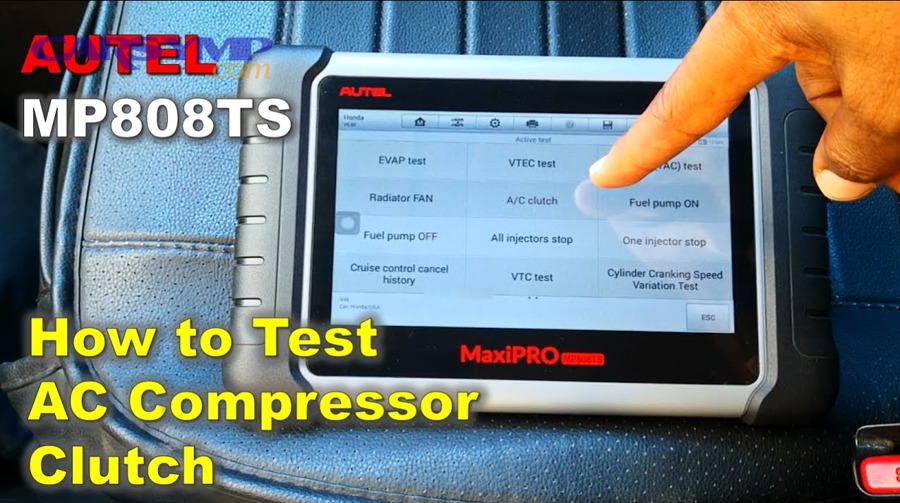
Actuator tests command HVAC components to move or operate on demand, allowing technicians to verify physical response without relying on driver input.
In practice, these tests include:
- Blend door movement to control temperature mixing
- Mode door positioning for airflow direction
- Blower motor speed changes
- A/C compressor clutch activation (where supported)
By commanding these actions directly, technicians can confirm whether an actuator responds correctly or if the fault lies in the actuator motor, linkage, or wiring. This approach prevents unnecessary module replacement when the issue is mechanical.
What Sensor Data Is Checked During HVAC Scan Tool Testing?
HVAC scan tools also display live sensor data, which reflects real-time system conditions used by the climate control module to make decisions.
Common data points include cabin temperature, ambient temperature, evaporator temperature, and refrigerant pressure signals. By comparing these values against expected ranges, technicians can identify sensor drift, open circuits, or implausible readings that disrupt system logic.
This step is especially important because inaccurate sensor data often causes symptoms that mimic actuator or refrigerant faults.
How Do Technicians Interpret HVAC Scan Tool Test Results?
Technicians interpret HVAC scan tool test results by correlating live data, actuator responses, and fault codes to determine whether a problem is electrical, mechanical, or software-related.
However, correct interpretation requires understanding both what the scan tool shows and what it does not show.
What Do HVAC Diagnostic Trouble Codes Reveal About Module Faults?
HVAC diagnostic trouble codes (DTCs) indicate abnormal conditions detected by the climate control module during operation or self-testing.
Typically, these codes fall into categories such as sensor circuit faults, actuator performance errors, or communication issues. While a DTC points technicians toward the affected circuit or function, it does not automatically confirm the failed part.
Therefore, technicians must use DTCs as directional clues rather than final answers, combining them with actuator tests and live data analysis.
When Do Scan Tool Results Indicate Module Failure vs Component Failure?
Scan tool results indicate module failure when multiple unrelated outputs behave incorrectly despite correct inputs and verified wiring integrity.
For example, if sensor data is accurate and actuators test correctly when commanded externally, yet the HVAC system still behaves unpredictably, the internal logic of the climate control module may be compromised.
On the other hand, consistent actuator non-response or implausible sensor readings usually point to component-level failures. Understanding this distinction helps technicians explain repair decisions and discuss Common fixes and typical costs with vehicle owners more confidently.
Are HVAC Scan Tool Tests Enough for Accurate Diagnosis?
Yes, HVAC scan tool tests are enough for accurate diagnosis when combined with system knowledge, visual inspection, and basic electrical testing, because they reveal internal module logic, component response, and fault history.
Nevertheless, relying solely on scan data without verification can lead to incomplete diagnoses.
When Should HVAC Scan Tool Testing Be Combined With Physical Inspection?
HVAC scan tool testing should be combined with physical inspection when symptoms persist despite normal scan data or when codes indicate circuit-related faults.
In these cases, technicians must inspect wiring, connectors, vacuum lines (if applicable), and mechanical linkages. This step is particularly important when addressing Climate control panel failure symptoms, as user interface issues can mimic deeper system faults.
According to a study by the University of Michigan Transportation Research Institute from the Department of Mechanical Engineering in 2021, combining scan tool diagnostics with physical inspection reduced misdiagnosis rates in electronic vehicle systems by over 30%.
How Do Advanced and Manufacturer-Specific HVAC Scan Tool Tests Differ?
Advanced and manufacturer-specific HVAC scan tool tests differ from generic tests by providing deeper access to proprietary functions, calibration routines, and network-level diagnostics tailored to specific vehicle platforms.
As a result, these tests expand diagnostic capability beyond basic fault detection.
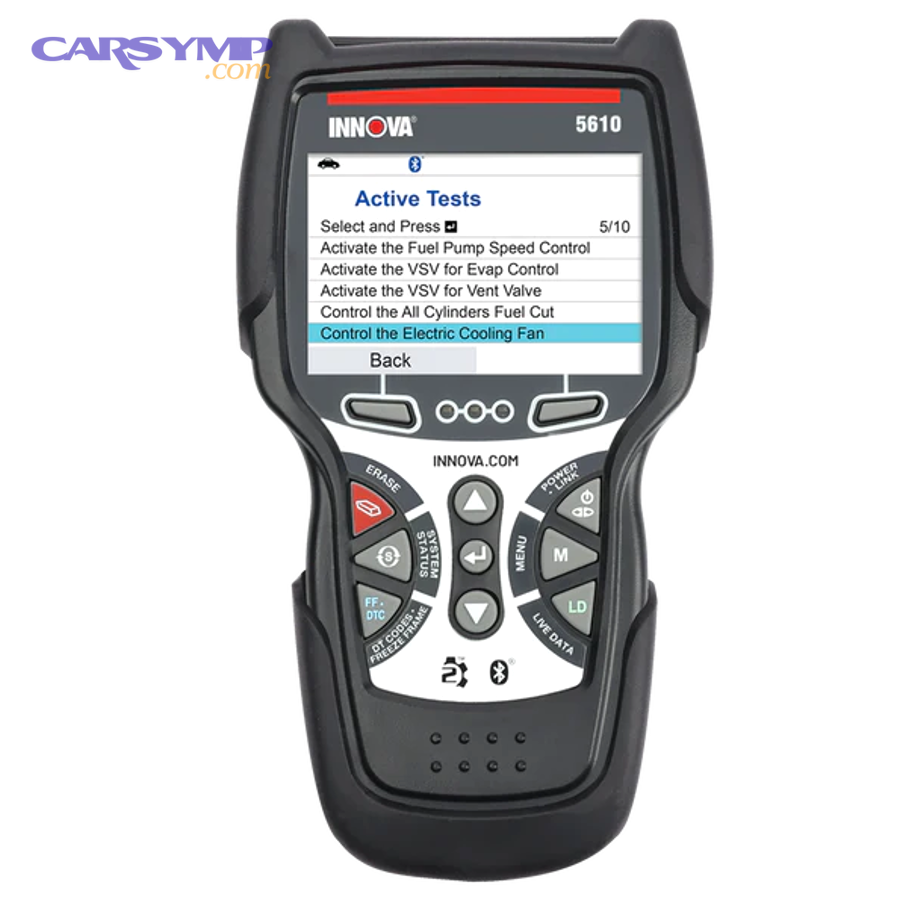
How Do OEM HVAC Scan Tool Tests Differ From Generic Scan Tool Functions?
OEM HVAC scan tool tests offer deeper system access, including software version data, internal self-tests, and guided diagnostic routines unavailable on generic tools.
This level of access allows technicians to pinpoint issues faster, especially in vehicles with advanced climate control logic such as automatic dual-zone systems.
What Are Bi-Directional Controls in HVAC Module Diagnostics?
Bi-directional controls allow technicians to command HVAC components directly from the scan tool and observe system response in real time.
This feature is essential for confirming actuator operation, verifying wiring integrity, and distinguishing control logic failures from mechanical faults.
What Is HVAC Actuator Calibration and Relearn After Module Replacement?
HVAC actuator calibration is a relearn procedure that synchronizes actuator positions with module memory after component or module replacement.
Without proper calibration, blend doors and mode doors may move incorrectly, causing temperature imbalance or airflow errors even when new parts are installed.
Can HVAC Scan Tool Tests Identify Network Communication Issues?
HVAC scan tool tests can identify network communication issues by detecting lost messages, invalid data frames, or module offline status on CAN or LIN networks.
These rare but critical faults often affect multiple systems simultaneously, making scan-based network diagnostics essential for accurate root-cause identification.
According to research published by SAE International in 2020, network-related diagnostic errors accounted for nearly 15% of unresolved HVAC electronic faults in late-model vehicles.
In short, HVAC scan tool tests for climate control modules form the backbone of modern HVAC diagnostics. When technicians understand how these tests work, how to interpret their results, and when to expand beyond scan data, they achieve faster, more accurate repairs and deliver higher-quality service.