


If your engine is shaking, stumbling, or flashing a check-engine light, the fastest way to stop guessing is to diagnose the misfire by system: ignition (spark plugs/ignition coils) vs fuel (fuel injectors). That split tells you what to test first, what to swap, and what not to replace “just in case.”
Next, you’ll use a short decision path—symptoms, OBD-II data, and a couple of safe quick checks—to decide whether the most likely culprit is the spark plug, the ignition coil, or the injector on the misfiring cylinder (or whether the misfire is random/multiple).
Then, you’ll run targeted tests for each part: reading plugs and gap/heat-range clues, coil swap testing and basic electrical checks, and injector checks that separate clogging from electrical failure—so you only replace what failed.
Introduce a new idea: misfire troubleshooting is also risk management—because driving on an active misfire can overheat and damage the catalytic converter, so your first steps should be both diagnostic and protective. ([publications.lib.chalmers.se](https://publications.lib.chalmers.se/records/fulltext/147791.pdf))
What does “spark plug vs coil vs injector diagnosis” mean in real-world misfires?
“Spark plug vs coil vs injector diagnosis” is a comparison-based engine misfire diagnosis method that sorts a misfire into ignition (plug/coil) or fuel (injector) by checking which system fails to deliver what combustion needs—spark at the right time or fuel in the right amount. )
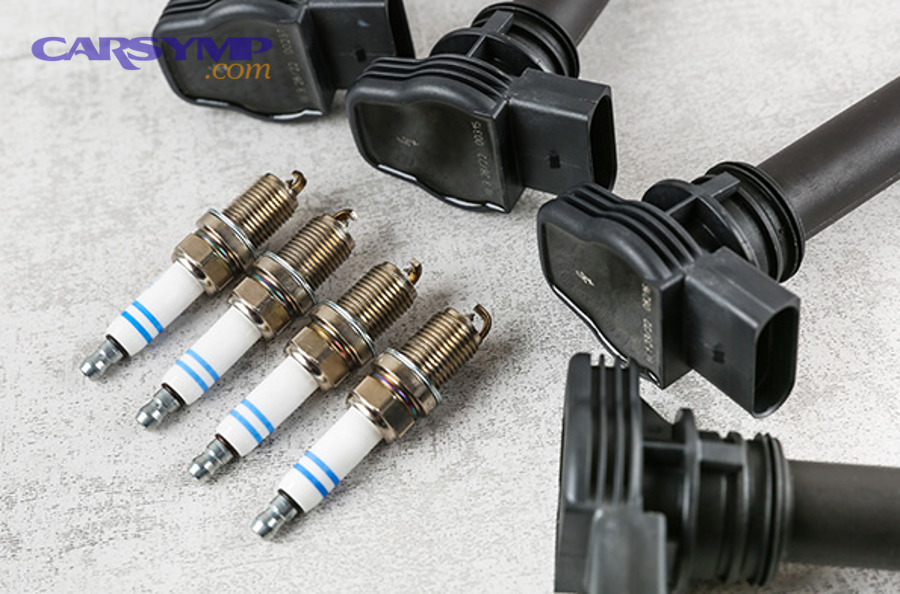
To better understand why that comparison matters, start by mapping what each part actually controls in the same cylinder—and how its failure looks when you test logically instead of swapping random parts.
What’s the difference between an ignition misfire and a fuel misfire?
An ignition misfire usually wins the “no burn” category (weak/absent spark), while a fuel misfire is best described as “wrong burn” (too little fuel, too much fuel, or poor spray/atomization), and mechanical issues are a third bucket that can mimic both. )
However, the practical difference shows up in patterns:
- Ignition-side (spark plug / ignition coil): Often worse under load, during acceleration, or in damp conditions; may leave a plug with abnormal wear or deposits; may “move” when you swap coils or plugs between cylinders.
- Fuel-side (injector): Can be worse at idle (poor atomization) or under load (flow shortage), may show fuel trim corrections, may “move” when you swap injectors between cylinders (where feasible). )
- Mechanical: Compression/leak-down issues do not move with parts swaps and often produce consistent cylinder weakness regardless of ignition/fuel changes.
The key is that ignition faults are frequently “transferable” with a swap test, while injector clogging and mechanical faults tend to be “stuck” to the cylinder unless you physically move the injector or confirm with a balance-style test.
Which OBD-II codes and data point toward plug/coil vs injector?
There are 3 core OBD-II directions for misfires—random/multiple, single-cylinder, and supporting fuel/air clues—based on how the engine computer detects crankshaft speed variation and combustion irregularity. ([ngk.com](https://www.ngk.com/diagnosing-a-cylinder-misfire?))
Then, use this grouping to aim your next test:
- P0300: Random/multiple-cylinder misfire (often points to broad causes: vacuum leak, fuel pressure, sensor issues, multiple coils/plugs, or mechanical timing).
- P0301–P0308 (or higher cylinder counts): Specific cylinder misfire .
- Fuel trims (STFT/LTFT): Big positive trims suggest “lean correction” (unmetered air, low fuel delivery), while big negative trims suggest “rich correction” (leaking injector, too much fuel, contaminated MAF reporting, etc.).
- Misfire counters by cylinder (Mode $06 on many vehicles): Lets you see which cylinder is accumulating misfires even before a code sets, and whether misfires spike at idle vs load.
Use codes to pick the cylinder; use live data to pick the system; then confirm with targeted tests instead of guesswork.
Which component is most likely: spark plugs, ignition coils, or fuel injectors?
Spark plugs win for “wear-and-tear misfires,” ignition coils are best for “intermittent spark failures under load,” and fuel injectors are optimal suspects when trims, cylinder balance, or rich/lean clues point to a delivery problem—especially when swaps don’t move the misfire. )
Next, you’ll narrow the probability with symptoms and quick checks—because replacing the “most likely” part without confirming is how misfire repairs get expensive fast.
What symptoms suggest spark plug issues vs ignition coil issues?
Spark plug problems are best indicated by consistent misfire that tracks with plug wear/deposits, while ignition coil issues are more likely when the misfire is intermittent, load-sensitive, or “moves” after you swap coils—especially on coil-on-plug engines. )
Specifically, watch for these comparison signals (and treat them as “clues,” not verdicts):
Here’s a quick context table showing common misfire symptoms and what they tend to point toward:
| Misfire symptom | More consistent with | Why it suggests that |
|---|---|---|
| Worse under hard acceleration / uphill load | Ignition coil or plug gap/weak spark | Higher cylinder pressures need stronger spark; weak ignition breaks down first under load |
| Rough idle that improves off-idle | Injector spray/flow issue or vacuum leak | Idle requires stable atomization and airflow control; small deviations show up most at idle |
| Misfire appears after rain / washing engine bay | Coil boot moisture / ignition leakage | Moisture increases leakage paths and weakens spark delivery |
| Fuel smell, black smoke, negative fuel trims | Leaking injector / rich condition | Extra fuel can flood a cylinder and foul the plug, triggering misfire |
| Misfire stays on same cylinder after swapping coil and plug | Injector or mechanical (compression) issue | If ignition parts don’t change the result, the cause is often fuel delivery or cylinder sealing |
The table is meant to steer your next test—not replace it. The fastest “proof” step for ignition vs fuel is still the swap test plus scan data.
What symptoms suggest injector issues vs ignition issues?
Injector issues win when the misfire pairs with fuel-trim extremes, cylinder-specific rich/lean clues, or a misfire that does not respond to ignition parts changes—while ignition issues are best suspected when the misfire responds to plug/coil swaps or worsens with load and moisture. )
More specifically, injectors tend to show one of two stories:
- Clogged/flow-limited injector: Lean miss, hesitation, higher trims (ECU adding fuel), misfire under load when that cylinder can’t get enough fuel.
- Leaking/dribbling injector: Rich miss, fuel smell, plug wetness/fouling, possible hard-start after hot soak, and negative trims (ECU pulling fuel).
Ignition can still create rich/lean-looking effects (because oxygen passes into the exhaust on a misfire), so don’t stop at trims alone—confirm with targeted injector tests.
What quick checks narrow it down in 10 minutes?
Use a 3-step quick-check method—scan for cylinder-specific misfires, do a visual/connector inspection, then perform a swap test (coil or plug) to see if the misfire follows—so you can isolate plug vs coil vs injector without deep disassembly. )
Then, run these “Misfire symptoms and quick checks” in order:
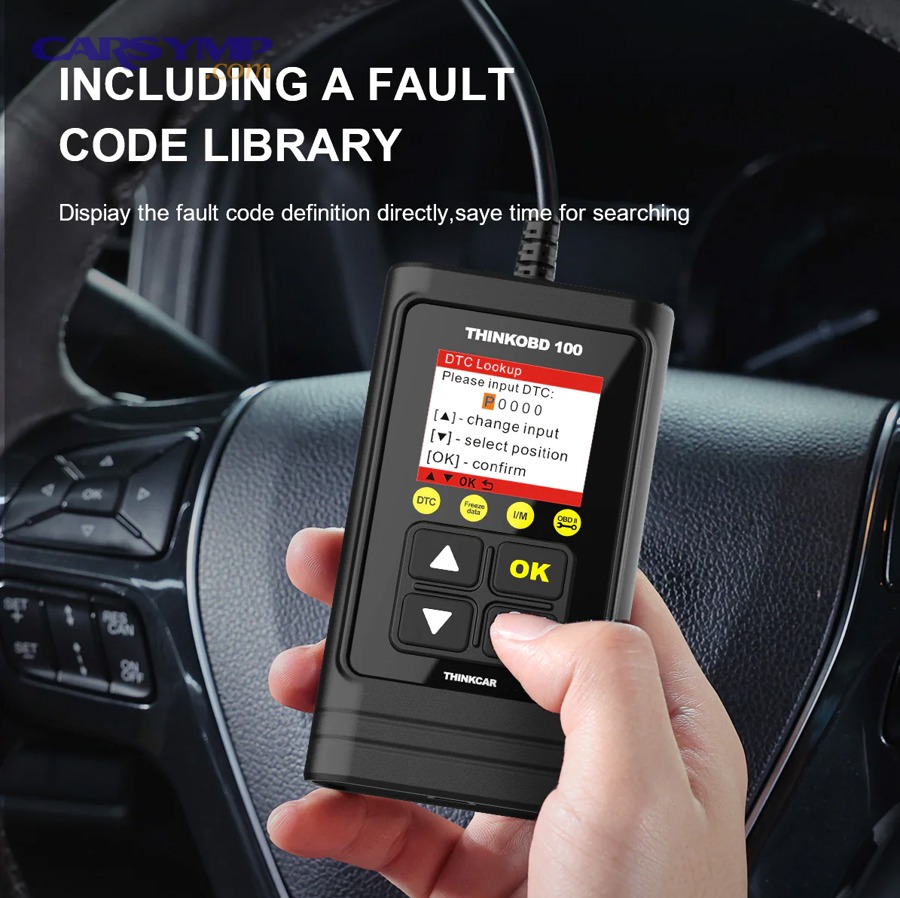
- Scan first: Identify the cylinder (P030X), check freeze frame (RPM/load), and read misfire counters if available.
- Look and touch: Check coil connector seating, harness rub-through, oil in plug wells, cracked coil boots, and obvious vacuum hose disconnections.
- Swap intelligently: Move the coil from cylinder X to a neighboring cylinder, clear codes, and re-check misfire counters. If the misfire moves, the coil is likely. If it stays, swap the plug (if accessible). If it still stays, move toward injector/mechanical testing.
How do you diagnose spark plug problems that cause misfires?
Diagnose spark plug misfires by inspecting the plug from the misfiring cylinder for wear/deposits, verifying correct gap and heat range, and confirming the misfire changes when you replace or swap that plug—because spark plugs are the combustion “endpoint” that records what happened in the cylinder.
Next, you’ll read the plug like evidence, not like a generic “replace it” part—because plug condition often tells you whether the root cause is ignition, fuel, or oil/coolant contamination.

How do you read spark plugs for misfire clues?
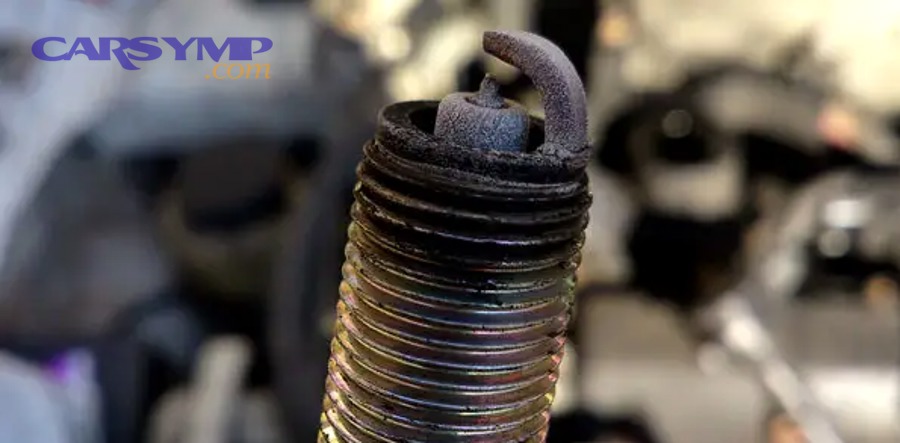
You read spark plugs for misfire clues by comparing electrode wear, insulator color, deposits, and wetness across cylinders—because the “bad” cylinder usually looks different when the misfire is plug-driven rather than downstream (coil/injector) or mechanical.
Then, follow a consistent read pattern:
- Start with a baseline: Pull the plug from the misfiring cylinder and one “known good” cylinder for comparison.
- Check wetness: Wet with fuel suggests no ignition or over-fueling; oily suggests oil control issues; sweet-smelling coolant or steam-cleaned porcelain can suggest coolant intrusion (rare but important).
- Check deposits: Heavy carbon can indicate rich running, short trips, weak spark, or oil burning; ash deposits can indicate oil additives and consumption patterns.
- Check electrode shape: Rounded edges and enlarged gap increase the voltage demand and can create misfire under load even if the coil is healthy.
If you find a plug that is heavily fuel-fouled, treat it as both a symptom and a clue: it can be the cause (worn plug) or the victim (coil/injector issue that created fouling). The swap test and gap verification tell you which.
What plug gaps, heat range, and fouling patterns matter most?
There are 3 main spark-plug factors that matter most for misfires—gap, heat range, and fouling pattern—because they determine how much voltage is required, how well deposits burn off, and whether the plug can fire consistently across temperature and load.
More specifically:
- Gap: A larger-than-spec gap raises the voltage requirement. Under load, cylinder pressure rises and the spark needs even more voltage to jump, so the plug can misfire first even before a coil fails.
- Heat range: Too “cold” can foul on short trips; too “hot” can overheat and contribute to pre-ignition risk. Heat range is not a performance tweak for daily drivers—match OEM spec unless you have a defined reason.
- Fouling patterns: Carbon (dry black), fuel (wet), oil (wet/ashy), and overheating signs (blistering, white insulator) all change the likelihood that the plug is the primary cause vs the downstream indicator.
When you’re comparing spark plug vs coil vs injector, gap and electrode wear are the most “plug-specific” indicators—because injectors and coils don’t physically widen a gap over time.
When should you replace plugs vs clean them?
Yes—replace spark plugs rather than cleaning them in most misfire cases because (1) worn electrodes and widened gaps don’t reverse, (2) cracked insulators and damaged seals are safety risks, and (3) modern plugs are engineered as replaceable wear items, not serviceable electrodes.
However, there are limited cases where cleaning is reasonable as a diagnostic step:
- Diagnostic-only cleaning: If a plug is lightly carboned from repeated short trips, cleaning and re-gapping can confirm whether deposits were triggering the miss—while you still plan a proper replacement interval.
- Do not “clean away” a clue: If you suspect oil burning, coolant intrusion, or injector leakage, take photos and compare cylinders before you clean anything.
A practical rule: if the plug is due by mileage/age or shows clear wear, replace it. If the plug is new and fouled, treat fouling as a symptom and hunt the upstream cause.
How do you diagnose ignition coil problems that cause misfires?
Diagnose ignition coil misfires by verifying the misfire follows the coil in a swap test, checking coil boots and connectors for leakage or damage, and confirming spark delivery indirectly through scan data and repeatable load-based symptoms—because coils fail intermittently more often than they fail “all at once.” )
Then, you’ll move from “likely” to “proven” with two kinds of tests: the fast mechanical swap, and the slower electrical/scan-data confirmation when a swap is hard to perform.
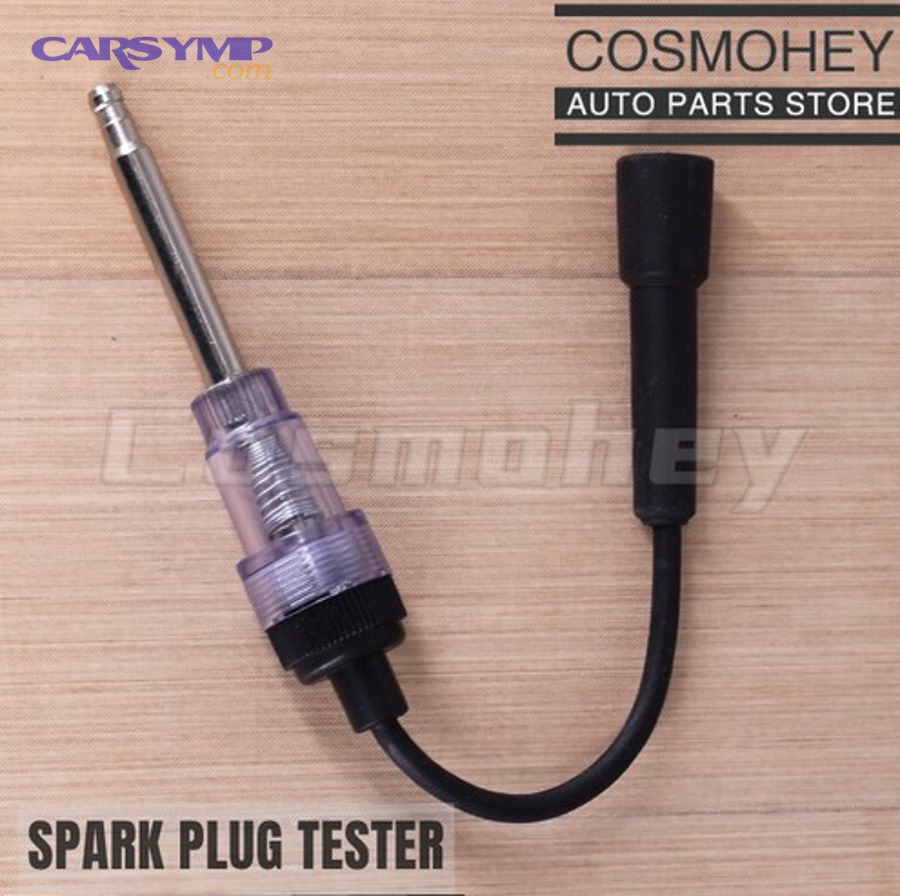
How do you test an ignition coil with swap tests and basic tools?
Test an ignition coil by swapping it to another cylinder and verifying the misfire code/misfire counter follows, then backing it up with a connector/boot inspection and (when safe) basic power/ground checks—so you confirm the coil is the variable that changes the outcome. )
Next, follow this practical checklist:
- Confirm the cylinder: Identify P030X or the highest misfire counter cylinder.
- Swap the coil: Move coil from cylinder X to Y (same bank if space is tight).
- Reset and retest: Clear codes (or log misfire counters before/after) and reproduce the condition (idle or short drive).
- Interpret: If the misfire moves to cylinder Y, the coil is strongly implicated. If it stays at X, the coil is less likely and you shift toward plug, injector, or mechanical.
Also inspect the coil boot and plug well: oil in the well (from a valve cover gasket leak) can cause spark leakage and repeated coil issues even if the coil itself is new.
What scan-tool and oscilloscope patterns indicate coil failure?
There are 3 main scan-data patterns that commonly indicate coil-related misfire—misfire counts that spike under load, ignition-timing corrections/roughness events at the same time, and cylinder-specific misfires that move with coil swaps—while oscilloscope tests can show abnormal coil firing behavior when you have advanced tools. ([ngk.com](https://www.ngk.com/diagnosing-a-cylinder-misfire?))
More specifically (scan-tool level):
- Load-triggered misfire spikes: Misfire counters jump during acceleration, hill climb, or higher RPM sweep—classic weak spark behavior.
- Intermittent cylinder dropout: The same cylinder misfires in bursts rather than continuously, especially when heat-soaked.
- Swap confirmation: The misfire follows the coil (the most persuasive “pattern” for DIY diagnostics).
If you do have scope access, technicians often evaluate primary/secondary ignition patterns to see if the coil saturates correctly and whether the spark line is abnormal. For most DIYers, the swap test plus plug inspection gets you the same answer faster.
What causes repeat coil failures?
Repeat coil failures are most often caused by (1) oil or moisture contamination in the plug well, (2) excessive plug gap that forces the coil to work harder, and (3) heat/vibration or wiring issues that stress the coil and connector—so “replacing the coil” works only briefly until the root cause is fixed.
In addition, watch for these repeat-offenders:
- Valve cover gasket leaks: Oil in plug wells degrades boots and creates leakage paths.
- Wrong plugs or wrong gap: A too-wide gap raises the required voltage and can accelerate coil breakdown.
- Poor electrical supply: Corroded grounds, broken connector locks, or harness rub-through can create coil misfires that look like “bad coils.”
If you’re on your second coil on the same cylinder, stop and verify plug spec/gap and check for oil intrusion before installing another part.
How do you diagnose fuel injector problems that cause misfires?
Diagnose fuel injector misfires by separating flow problems (clogging/spray) from electrical problems (dead/weak solenoid) using fuel trims, cylinder-balance style checks, injector sound/command tests, and—when possible—verifying whether the misfire follows the injector if you move it.
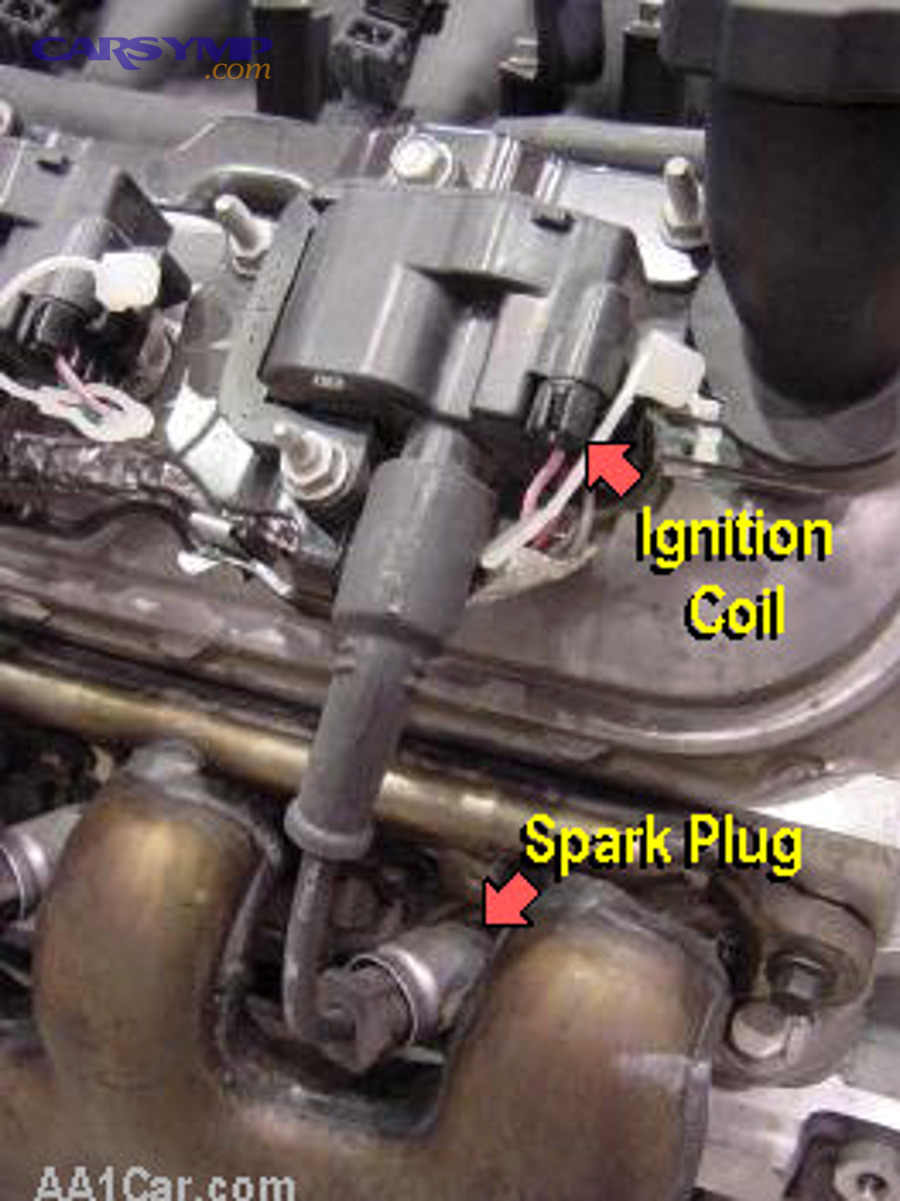
Then, you’ll confirm the injector is truly responsible—because ignition misfires can trick oxygen sensors and fuel trims, making a coil problem look like a fueling problem unless you test carefully.
How do you confirm an injector is clogged vs electrically dead?
A clogged injector is best confirmed by “it’s being commanded but not delivering enough fuel,” while an electrically dead injector is best confirmed by “it’s not actuating at all,” and you separate them by combining sound/command checks with data (trims/misfire behavior) rather than relying on smell or guesswork.
More specifically:
- Clogged/flow-limited: Injector clicks normally, wiring looks intact, but the cylinder runs lean under load and the misfire may improve slightly with higher RPM (more fuel pressure/time effects) or worsen when demand rises.
- Electrically dead/weak: No consistent clicking, cylinder stays dead at idle and load, and the misfire may be immediate and persistent (especially with P030X repeating quickly).
A mechanic’s stethoscope (or even a long screwdriver used carefully as a listening tool) can help you compare injector clicking between cylinders, but treat it as a clue—not a final verdict—because a clicking injector can still be clogged.
How do you do a balance test or cylinder contribution test?
Do a cylinder contribution approach by comparing how the engine responds when you disable one cylinder at a time (via scan tool on supported vehicles) or by evaluating misfire counters and RPM stability changes—so you identify the cylinder that contributes the least and target that injector for deeper testing.
Then, apply it in a DIY-safe way:
- If your scan tool supports injector/cylinder cut-out tests: Use the guided function and record RPM drop per cylinder; a weak cylinder shows a smaller RPM drop.
- If you don’t have cut-out control: Use Mode $06 misfire data and compare idle vs 2500 RPM; injector flow issues often show a different pattern than ignition leakage issues.
- If you can move injectors (port injection is often easier than direct injection): Swap injector X to Y, then re-check whether the misfire follows—this is the injector equivalent of coil swapping.
If your vehicle is direct-injection, injector removal can be more complex and may require new seals and careful torque procedures, so prioritize non-invasive confirmation first.
When is injector cleaning worth it vs replacement?
Injector cleaning is best for mild clogging or uneven spray patterns, while replacement is optimal when the injector is electrically faulty, leaking, or severely restricted—because cleaning can’t fix a failing solenoid coil or a mechanically damaged pintle/seat.
To illustrate a practical decision rule:
- Try cleaning when: The injector is clicking, trims suggest lean delivery on that cylinder, and the misfire is mild/intermittent, especially if the vehicle has long storage time or poor fuel history.
- Replace when: There’s confirmed leakage (rich fouling), electrical faults, repeated misfire after cleaning, or an injector that fails a commanded/contribution test consistently.
Also remember: a leaking injector can foul a perfectly good plug and make an ignition repair look like it “didn’t work,” so if you see repeated fuel-wet plugs on the same cylinder, treat injector leakage as a priority hypothesis.
Can you drive with a misfire while diagnosing—and what should you do first?
No—you should not keep driving with an active misfire because (1) unburned fuel can overheat and damage the catalytic converter, (2) the engine can run dangerously rough and lose power unpredictably, and (3) continued misfire can foul plugs and dilute oil, making the root problem harder to diagnose. ([publications.lib.chalmers.se](https://publications.lib.chalmers.se/records/fulltext/147791.pdf))
Next, the goal is to stabilize the situation (protect the catalyst and engine) while you collect the minimum data needed to choose plug vs coil vs injector tests.
Can you drive with a misfire safely?
No—“Can you drive with a misfire safely” is almost always answered “no” because (1) a severe misfire can trigger sudden power loss, (2) misfires can overheat the catalytic converter with unburned fuel, and (3) the longer you drive, the more you risk turning a simple ignition/fuel fix into an emissions-system repair. ([publications.lib.chalmers.se](https://publications.lib.chalmers.se/records/fulltext/147791.pdf))
However, there’s a realistic nuance: if the misfire is extremely mild, the check-engine light is not flashing, and you’re only moving the car a short distance to a safe place, you may choose a minimal drive—but you should avoid load (no hard acceleration), keep RPM low, and stop if the misfire worsens.
If the check-engine light is flashing, treat it as an urgent “stop driving” warning, because many vehicles flash the MIL when misfire levels can damage the catalytic converter.
What’s the fastest safe triage sequence before you keep driving?
Use a fast 5-step triage—scan, identify cylinder, reduce load, do a visual ignition check, then run a swap test if accessible—so you can protect the engine and still collect the key evidence needed for plug/coil/injector diagnosis.
Then, follow this order:
- Scan immediately: Capture codes and freeze frame (don’t clear yet).
- Check severity: If the MIL flashes or the engine shakes violently, shut down and tow if needed.
- Quick visual ignition check: Look for a loose coil connector, torn boot, oil in plug well, or obvious arcing marks.
- Swap the easiest part first: On many engines, coils are easiest to swap; do that before deep injector work.
- Only clear codes after you record data: Clearing too early erases clues you may need if the misfire becomes intermittent.
This sequence keeps your diagnostic path short: if the misfire follows the coil, you’re done; if it doesn’t, you’ve already gathered the data you need to move toward plugs, injectors, and compression.
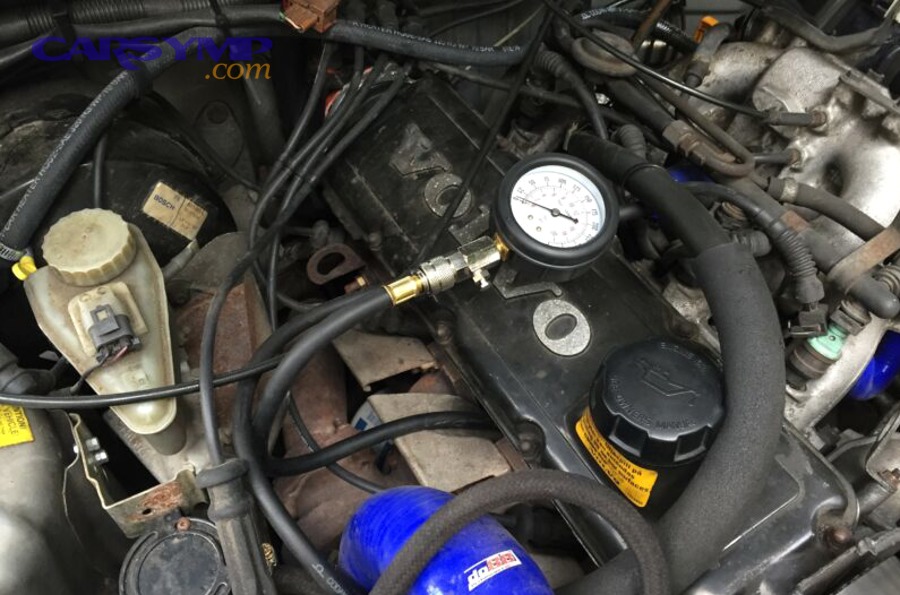
Compression test basics for misfires: when to do it
Compression test basics for misfires are simple: run a compression test when a cylinder-specific misfire does not move with plug/coil swaps and injector checks, because poor compression (valves, rings, head gasket) can cause a “perfect spark and fuel” cylinder to misfire anyway. )
Next, apply a basic decision rule that prevents wasted parts:
- Do compression testing earlier if: The misfire is constant on one cylinder, there’s a known overheating event, there’s coolant loss, the engine has low power overall, or you suspect mechanical noise.
- Do compression testing after ignition/fuel swaps if: The misfire is intermittent and you have strong evidence pointing to plug/coil/injector first.
A straightforward compression test compares cylinders; you’re looking for one cylinder that is significantly lower than the rest, or a pattern that suggests a broader mechanical issue. If compression is low, a leak-down test can pinpoint whether the loss is through valves, rings, or the cooling system.
How do you prevent catalytic converter damage during diagnosis?
Prevent catalytic converter damage during diagnosis by minimizing run time on a confirmed misfire, avoiding load and high RPM, fixing the highest-probability ignition issue first, and stopping immediately if the misfire worsens—because unburned fuel and oxygen can push catalyst temperatures into damaging ranges. ([publications.lib.chalmers.se](https://publications.lib.chalmers.se/records/fulltext/147791.pdf))
More importantly, anchor your risk decisions with real thresholds and outcomes:
According to a study by Chalmers University of Technology from the Department of Applied Mechanics, in 2011, significant increases in HC and CO emissions were observed at a 2% misfire rate, and continuous operation temperatures above about 900–1000°C can cause irreversible catalytic converter damage. ([publications.lib.chalmers.se](https://publications.lib.chalmers.se/records/fulltext/147791.pdf))
In practice, that means:
- Don’t “warm it up and see” for long periods if it’s misfiring—short tests only.
- Prioritize easy ignition fixes first (replace obviously worn plugs, swap suspect coils) because they’re fast and often solve the most common causes.
- If you must drive a short distance, go gently, keep RPM low, and stop if the MIL flashes or power drops.
Contextual Border: At this point, you’ve fully answered the core “spark plug vs coil vs injector diagnosis” intent with a direct test path. Next, you’ll expand into issues that mimic these misfires—so you don’t misdiagnose a vacuum leak, compression loss, or wiring fault as a bad plug/coil/injector.
What other issues can mimic plug/coil/injector misfires—and how do you rule them out?
There are 4 main categories that mimic plug/coil/injector misfires—air leaks, mechanical compression problems, sensor/fuel-pressure control faults, and wiring/ECU issues—and you rule them out by testing what stays “with the cylinder” versus what affects multiple cylinders and fuel trims together.
Besides protecting you from buying the wrong part, these checks explain why some misfires come back right after a “successful” ignition repair: the ignition part was a victim, not the cause.
What vacuum leaks and intake issues look like a misfire?
Vacuum leaks look like misfires when unmetered air makes the mixture too lean to burn consistently—often creating rough idle, high positive fuel trims, and random/multiple misfire codes rather than a single-cylinder misfire.
To rule them out quickly:
- Look for trim patterns: Large positive trims at idle that improve with RPM often point to vacuum leaks.
- Listen and inspect: Split PCV hoses, loose intake boots, and brake booster hose issues are common.
- Confirm with a smoke test (best) or careful spray test (caution): Professional smoke testing is the cleanest confirmation; avoid unsafe flammable sprays near hot engines.
What mechanical problems (compression/leak-down) mimic ignition/fuel faults?
Mechanical problems mimic ignition/fuel faults when the cylinder cannot seal or breathe properly—low compression, burned valves, worn rings, or head gasket issues can cause persistent cylinder misfires that don’t respond to plugs, coils, or injectors.
To rule them out:
- Compression test: Compare cylinders; one low cylinder is a major red flag.
- Wet test (advanced DIY): A small oil addition that raises compression can suggest ring sealing issues (use caution and correct procedure).
- Leak-down test (best pinpoint): Identifies where the air escapes (intake valve, exhaust valve, crankcase, cooling system).
If your “spark plug vs coil vs injector diagnosis” keeps failing to move the misfire, mechanical testing stops the parts cannon.
What sensor/fuel-pressure problems can trigger misfire codes?
Sensor and fuel-pressure problems can trigger misfire codes by pushing the entire engine lean or rich—MAF contamination, failing oxygen sensors, weak fuel pumps, clogged filters, or failing pressure regulators can create misfire-like combustion instability across multiple cylinders.
To rule them out:
- Check system-wide clues: Multiple cylinders misfiring, trims extreme across the board, and drivability issues that aren’t cylinder-specific.
- Verify fuel pressure (when possible): Low pressure under load points to pump/supply issues that can mimic injector faults.
- Use sanity checks: Compare MAF readings to expected ranges for engine size (rule-of-thumb checks) and confirm sensor connectors/grounds.
What wiring/grounds/ECU issues should you check last?
Wiring/grounds/ECU issues should be checked last because they’re less common than plugs/coils/injectors—but they can perfectly imitate any of them when a connector pin backs out, a ground corrodes, or a harness chafes and intermittently opens a circuit.
To rule them out efficiently:
- Do a targeted wiggle test: With the engine idling (and safely secured), gently move the harness near the suspect coil/injector connector to see if misfire counters spike.
- Inspect the obvious failure points: Near heat sources, sharp brackets, and tight bends.
- Look for “pattern consistency”: If the misfire happens only over bumps or only when hot, wiring/grounds move up the suspect list.
Once wiring is confirmed solid, your diagnosis becomes clean: if ignition swaps don’t move it and fuel checks don’t explain it, you’re often looking at mechanical causes or less common control issues.