


Replacing an engine mount at home can be safe when you control three big risks: the vehicle falling, the engine shifting, and nearby parts getting stretched or crushed. The checklist in this guide focuses on rated support equipment, correct load placement, and a step-by-step sequence that keeps the powertrain stable.
To keep that safety promise, you’ll also learn how to support the engine correctly—including where DIYers go wrong with jacks and wood blocks, and how to avoid stressing hoses, wiring, exhaust joints, and brackets while you lift only as much as needed.
Next, you’ll see the most common damage-and-injury mistakes (like chasing bolt alignment while the engine is “floating,” or tightening mounts while the engine is twisted) and how a simple order of operations prevents them.
Introduce a new idea: once you’re safe and the mount is installed, the final part of the checklist is confirming you’re safe to start the engine and drive—without ignoring clues like abnormal vibration or Clunking on acceleration diagnosis that can signal misalignment or a second failing mount.
Is DIY engine (motor) mount replacement safe for home mechanics?
Yes—DIY engine mount replacement can be safe for home mechanics if you (1) support the vehicle with rated stands on solid ground, (2) support the engine with a stable method that prevents roll/shift, and (3) follow a checklist that protects lines, hands, and fasteners.
Then, to keep your “safe” decision honest, you need to confirm you have the minimum setup and the right stop-signs before you ever loosen a mount bolt.
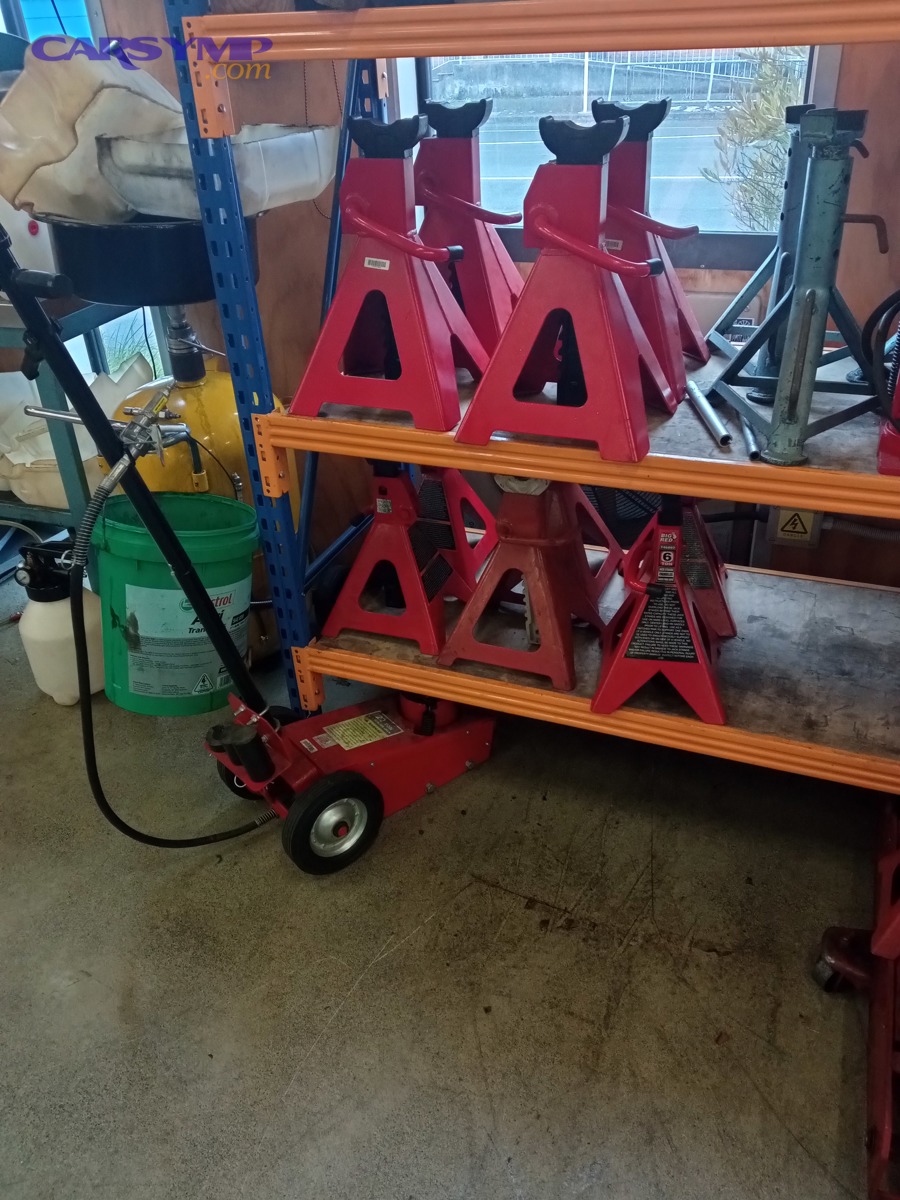
Do you have the minimum safety setup to start (stands, chocks, jack rating, PPE)?
Yes, you have the minimum safety setup when you can check off at least three essentials: (1) redundant support (jack + stands, not jack alone), (2) anti-roll control (wheel chocks + parking brake + in-gear/park), and (3) hands-and-eyes protection (PPE + safe tool access).
Specifically, this is the “minimum viable safety kit” that prevents most DIY disaster scenarios:
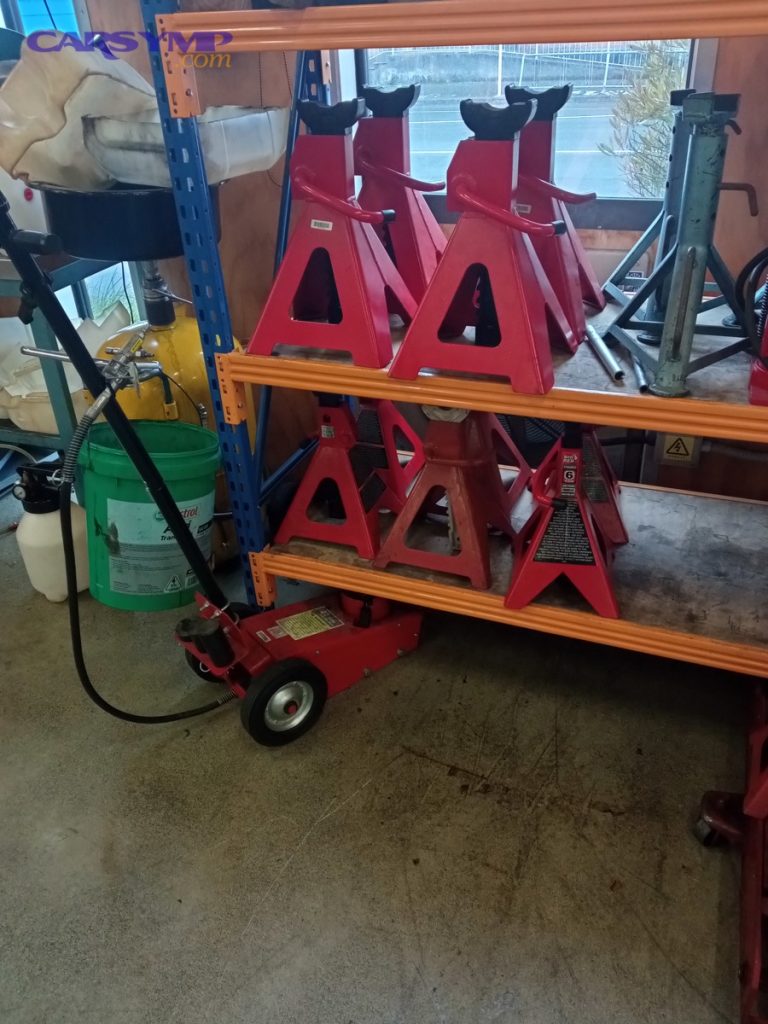
- Jack stands (rated and tall enough): The vehicle must rest on stands, not on hydraulic pressure.
- Wheel chocks: Chock the opposite end of the car from the lift (and ideally both sides of at least one wheel).
- A floor jack (rated) used only to lift: Lift with the jack, support with stands.
- A stable engine support method: Support bar (best) or a floor jack with a wide wood block and careful placement (acceptable with caution).
- PPE: Safety glasses, gloves that still allow dexterity, and closed-toe shoes.
- A torque wrench: Engine mount fasteners are not “guess tight.” Over- or under-torque can cause failure, noise, or bolt damage.
Before you start, confirm your work surface is flat, hard, and stable (concrete is best). Soft asphalt can deform under stand feet, especially in heat.
To make this practical, here’s what the checklist table covers and how to use it: it maps each safety tool to the risk it prevents, so you can prioritize what matters most if you’re missing something.
| Safety item | Prevents this failure | Why it matters during engine mount replacement |
|---|---|---|
| Jack stands | Vehicle collapse | A hydraulic jack can lose pressure; stands provide rigid support |
| Wheel chocks | Vehicle roll | Engine mount work can shift weight; small rolls can unload stands |
| Engine support bar / support method | Engine drop/tilt | Removing a mount removes a structural support point |
| Torque wrench | Loose/overstressed fasteners | Mount bolts often see high load cycles and vibration |
| PPE | Eye/hand injuries | Rust flakes, metal chips, and pinch points are common |
Should you stop and use a shop if you see these red flags (seized bolts, cracked subframe points, limited access)?
Yes, you should stop and use a shop if you see (1) unsafe support points (rusted/cracked pinch welds, damaged subframe pads), (2) high-risk fasteners (rounded/seized bolts that require heat/cutting near fuel/lines), or (3) access constraints that force you under a precariously supported engine.
More importantly, these red flags tend to cascade: when you can’t support safely or access bolts cleanly, you start improvising—stacking wood, lifting too high, pulling on hoses, or forcing alignment. That’s when injury and damage happen.
Stop and reassess if you notice:
- Cracked or heavily rusted jacking points / subframe edges
- Mount bracket bolts hidden behind exhaust, steering, or suspension parts you’re not equipped to remove safely
- A mount failure that’s causing major driveline movement (engine lifting significantly under throttle)
- You can’t keep the engine stable with your available support method
If your goal is to understand scope, not just fear it, this is also the right time to estimate Engine mount replacement labor time. Many vehicles can be 1–3 hours per mount in a shop depending on access, but labor can rise sharply if a subframe shift or additional component removal is required. Use that as a decision metric: if the job is trending toward “major disassembly,” safety and time usually favor professional equipment.
According to a study by the University of Iowa from the Iowa FACE Program, in 1999, investigators documented two mechanics killed when a tow truck slipped from a jack stand—showing how quickly a small support failure becomes fatal when people are under a raised vehicle. (face.public-health.uiowa.edu)
What safety hazards can injure you or damage the car during mount replacement?
Safety hazards during engine mount replacement are crush-and-pinch risks plus secondary damage risks that come from the powertrain shifting, the car moving on stands, or hoses/wires/exhaust parts being stressed while you lift and align.
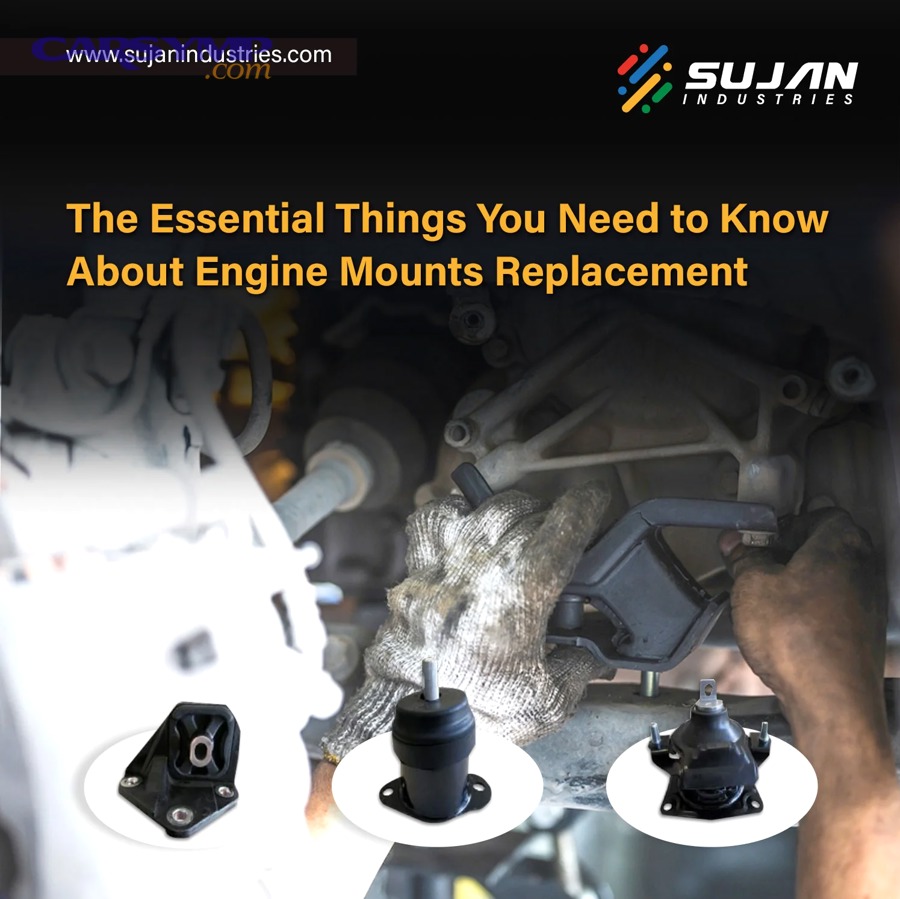
To better understand why the checklist is strict, break hazards into two buckets: hazards that harm you (crush, pinch, burns) and hazards that harm the car (oil pan damage, torn mounts, broken brackets, stretched lines).
What are the most dangerous pinch/crush points when supporting the engine?
The most dangerous pinch/crush points are the spaces where the engine, mount brackets, and subframe converge—because load shifts there are sudden and your hands naturally want to “steady” things during alignment.
For example, these are the locations where DIYers most often get trapped:
- Between the mount and bracket: When the engine settles, the gap closes fast.
- Between the jack saddle/wood block and engine contact surface: Slips can shear fingers.
- Between the engine and radiator support / fan shroud area: A small tilt can crush plastic, hoses, and hands.
- Between the subframe and body: If a mount bolt binds and you pry, the engine can pop and re-seat.
Rules that prevent injury:
- Keep your hands outside any “closing gap.” Use a pry bar from a safe angle, not fingers.
- Never rely on “I’ll catch it.” If it can fall, it will fall faster than your reaction.
- Lower and raise the engine in tiny increments, then pause and inspect.
Why can supporting the engine incorrectly damage the oil pan, mounts, or accessories?
Incorrect engine support damages parts because it concentrates load where the engine was never meant to carry it—especially if the jack contacts thin castings, edges, or covers instead of strong load paths.
Meanwhile, damage often happens in three predictable ways:
- Point-loading the oil pan
- A small jack pad pressing into aluminum can crack it.
- A wood block that’s too small can act like a wedge.
- Over-lifting the engine
- Hoses and wiring harnesses become the “strap” that limits travel.
- Exhaust flex joints and brackets can tear or bend.
- Supporting at the wrong angle
- The engine twists. The mount no longer lines up.
- DIYers force bolts in, cross-threading or preloading the mount.
If you’re unsure where strong support points are, consult vehicle-specific service information. The point is not to overcomplicate: the point is to avoid using fragile parts as structural supports.
What is the complete safety checklist before you remove a mount?
There are 6 main parts of a pre-removal safety checklist: workspace setup, vehicle immobilization, vehicle support, engine support planning, peripheral protection, and fastener strategy.
Next, treat this like aviation preflight: most “bad days” start before the first bolt turns.
What should you check on the vehicle before lifting (surface, chocks, parking brake, jacking points)?
There are 5 pre-lift checks based on stability and redundancy: surface, immobilization, lift points, stand placement, and shake-test verification.
To begin, do them in this order:
- Surface: Flat, hard, non-sloped ground. Avoid gravel and soft asphalt.
- Immobilization: Parking brake on; transmission in Park or in gear; chock wheels.
- Lift points: Identify correct jacking points and stand points (subframe pads or specified pinch weld locations).
- Stand placement: Set stands to equal height; ensure feet are fully planted.
- Shake test: Once the vehicle is on stands, push firmly at multiple points. If it rocks, reset.
Practical rule: if you wouldn’t be comfortable bumping the bumper with your hip, don’t crawl under it.
What should you inspect around the mount (hoses, wiring, exhaust, heat shields) before loosening bolts?
There are 4 major “peripheral zones” to inspect: cooling hoses, wiring harnesses/grounds, exhaust components, and adjacent brackets/shields.
Besides, this is where the phrase How to inspect mounts visually belongs: don’t just glance at the mount—look at what the mount’s movement has been stressing.
Use a slow, methodical scan:
- Hoses: Look for swelling, cracking, shiny rub marks, or stretched routing.
- Wiring and grounds: Check for tightness, brittle insulation, or clips pulled out of place.
- Exhaust: Inspect flex joints, hangers, and heat shields that could bind when the engine shifts.
- Mount itself: Cracks in rubber, separation from the metal shell, leaking fluid (hydraulic mounts), or shiny metal-on-metal witness marks.
This quick visual inspection helps you predict the “surprise” failures: a harness that’s already tight will become a harness that snaps when you lift even 10 mm.
How do you support the engine safely while a mount is removed?
You support the engine safely by using a stable support method that carries the engine’s weight without allowing roll or sudden drop, while lifting only enough to unload the mount and maintain clearance around hoses and brackets.
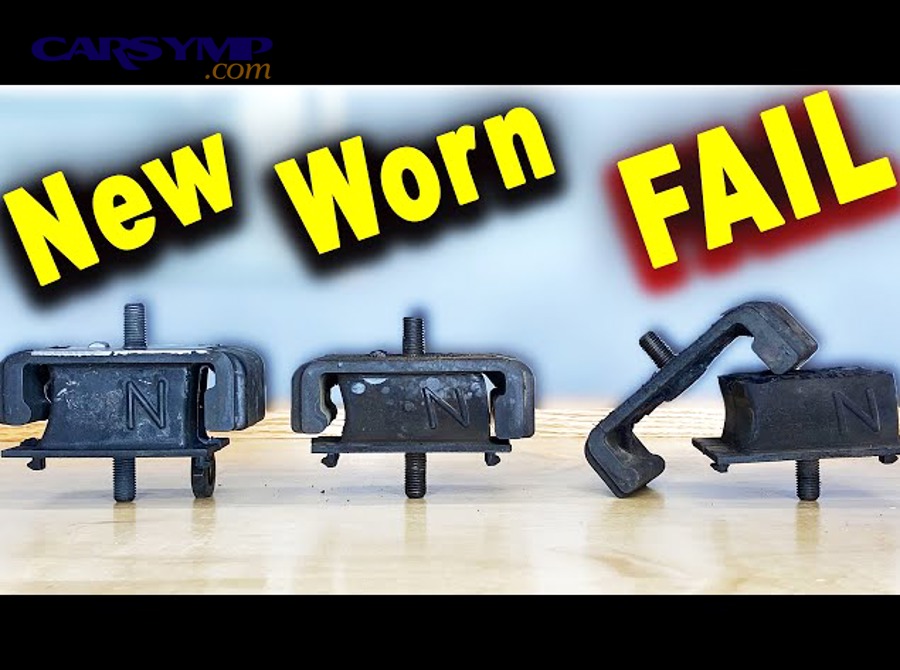
Then, you choose the support method based on stability and access—not just what you own.
Which is safer: an engine support bar or a floor jack under the engine?
An engine support bar wins in stability and access, a floor jack is best for short controlled lifts, and an engine hoist is optimal when you must suspend or reposition the engine significantly.
However, most DIY engine mount replacement jobs are about unloading and holding—not fully lifting—so stability matters more than lifting capacity.
- Engine support bar (best for most DIY):
- Loads the engine from above.
- Keeps the underside open for bolts and mount removal.
- Reduces the chance of oil pan point-loading.
- Floor jack under the engine (acceptable with caution):
- Must be paired with a wide, stable wood block.
- Can drift or roll as the engine shifts.
- Access can be limited because the jack occupies space.
- Engine hoist (situational):
- Great if you must lift higher or remove additional components.
- Requires space and careful rigging.
If you choose a floor jack, treat it as a positioning tool, not a “set it and forget it” support. Verify stability repeatedly.
Where should you place the jack/wood block to reduce slip and oil pan damage risk?
Place the jack and wood block on a strong, flat load path that spreads force and cannot slip, and avoid thin edges, drain plug zones, and uneven cast features that act like ramps.
To illustrate, follow these principles:
- Use a wide wood block (not a small puck) to distribute load.
- Ensure the block contacts a broad, flat surface.
- Keep the jack saddle centered so lifting does not “walk” sideways.
- Avoid contact points near:
- Oil pan edges and corners
- Drain plug bosses
- Plastic covers
- Protruding ribs that could crack
If you’re uncertain about the oil pan’s strength (especially cast aluminum pans), the safer default is an engine support bar.
What are the safest step-by-step actions during removal and installation?
The safest removal-and-installation method is a controlled 7-step sequence: secure the vehicle, support the engine, relieve load, loosen fasteners, remove the mount, align gently, and torque in a stable neutral position.
Let’s explore the sequence in the two places DIYers lose control: fastener order and “how much lift is too much.”
In what order should you loosen and remove mount fasteners to prevent engine shift?
There are 5 key order rules based on preventing shift: plan, preload support, loosen before removing, keep a secondary constraint, and remove last-fasteners only when stable.
Specifically:
- Plan the bolt paths first
- Identify which bolts are accessible and which need extensions/swivels.
- Preload the engine support
- Apply light support until the mount just unloads (you’ll feel tension change).
- Loosen all mount fasteners before fully removing any
- This prevents binding and sudden tilt.
- Keep at least one “constraint” engaged when possible
- For example, keep a through-bolt partially threaded until you’re ready to lift slightly.
- Remove the mount only when the engine is stable
- If the engine can roll, your support method isn’t correct yet.
This order reduces the temptation to pry aggressively while the engine is unsupported—one of the fastest routes to injury.
How much should you lift the engine, and how do you avoid stressing hoses and wiring?
Lift the engine only as much as needed to remove load from the mount and clear the studs/bolts—usually small increments—while pausing to check hose, wiring, and exhaust slack after every movement.
More specifically, think in millimeters, not inches:
- Lift a little.
- Stop.
- Inspect the four peripheral zones (hoses, wiring, exhaust, brackets).
- Lift again only if the mount still binds.
If something becomes tight, do not “push through.” You either need to re-route or unclip a harness, loosen a bracket, or change the support angle.
This is also where many “mystery noises” begin: if you strain a bracket or heat shield during lifting, you can create new rattles that feel like mount failure after the repair.
What torque and fastening practices prevent failures after the repair?
Torque and fastening practices prevent failures by keeping the mount seated, aligned, and evenly loaded, using correct torque specs, clean threads, proper tightening order, and a final check after the engine settles into its natural position.
In addition, good fastening is how you avoid the “fixed one mount but created vibration” scenario.
Should you reuse mount bolts and nuts, or replace them?
Yes, you can reuse mount bolts and nuts if (1) the threads are clean and undamaged, (2) the hardware shows no stretching, corrosion, or rounding, and (3) your vehicle does not specify one-time-use fasteners for those positions.
Especially, reuse becomes risky when bolts are:
- Visibly necked down or stretched
- Rusted to the point that threads are pitted
- Rounded or previously over-torqued
- Coated in threadlocker you can’t clean properly
If you can’t confidently evaluate bolt condition, replacement is the safer path. Hardware is cheap; failures are not.
What is the safest tightening sequence to keep the mount aligned and reduce premature wear?
The safest tightening sequence is to hand-start all bolts, snug evenly to seat the mount, settle the engine to neutral, and then torque to spec in stages, so you don’t lock the mount in a twisted or preloaded position.
To better understand what “neutral” means: the engine should sit where it naturally rests with all mounts sharing load, not pulled sideways by a jack.
A practical tightening flow:
- Hand-start every bolt to prevent cross-threading.
- Snug in a balanced pattern (do not fully tighten one side first).
- Lower or relax engine support slightly to let the mount take load.
- Torque in stages (example: 50% then 100% of spec).
- Recheck after settling (and after a short test drive if recommended).
If bolt holes don’t line up easily, alignment is wrong. Do not force bolts with power tools; correct the engine position first.
What checks confirm you’re safe to start the engine and drive?
There are 7 post-repair checks that confirm you’re safe to start and drive: tool clearance, mount seating, fastener verification, line/harness slack, exhaust clearance, controlled start test, and cautious road test with stop-sign symptoms.
Thus, this is the “close the loop” step that prevents your first startup from becoming a surprise.
What should you inspect with the car still on stands before lowering?
There are 5 things to inspect before lowering the car: mount seating, bolt engagement, interference clearance, support removal path, and leak/tear checks.
Specifically:
- Mount seating: The mount sits flush and square—no cocked angle.
- Bolt engagement: All bolts are started and torqued; no missing hardware.
- Clearance: Nothing rubs—fan shroud, hoses, heat shields, exhaust.
- Support removal path: You can remove the jack/support bar without snagging anything.
- Leaks/tears: Check hydraulic mounts for leaks; check oil pan area if you used a jack.
Also consider a quick sanity check: if you replaced one mount, scan the others. Many vehicles have multiple mounts, and a single new stiff mount can make a weak old mount more noticeable.
What symptoms during the first start/test drive mean “stop immediately”?
There are 6 stop-immediately symptoms: violent vibration, hard clunking, metal-on-metal contact, new fluid leaks, burning smells, and steering/exhaust binding sensations.
In short, you’re listening for errors that suggest misalignment or a second issue:
- Violent vibration at idle that wasn’t present before: mount may be preloaded or seated wrong.
- Hard clunk on throttle tip-in: could be loose hardware or another failed mount—this is where clunking on acceleration diagnosis becomes important.
- Metal scraping or popping: exhaust contact or bracket interference.
- Leak spots under the engine: oil pan or hydraulic mount leak.
- Burning smell: hose against hot exhaust or heat shield displacement.
- Steering feels tight: something is binding after engine position changed.
Do a short, gentle drive first. Recheck fasteners and clearances afterward—especially if the mount required significant alignment effort.
According to a study by Thompson Rivers University from the Safety & Risk Services program, in 2014, their jack-stand procedure warns against working near pinch points without proper lock-out and stable blocking—reinforcing why controlled movement and redundant support are mandatory. (tru.ca)
What special cases change the safest approach for engine (motor) mount replacement?
There are 4 special-case categories that change the safest approach: mount design (hydraulic vs solid), layout (FWD vs RWD), chassis involvement (subframe/crossmember), and rare failure mechanics (preload, bolt stretch, oil pan material).
Next, treat these as modifiers—your core checklist stays the same, but your risk points shift.
How does the procedure differ for hydraulic mounts vs solid mounts (and why does that matter for safety)?
Hydraulic mounts win at vibration isolation, solid mounts are best for durability and simplicity, and performance mounts are optimal for reduced engine movement at the cost of higher NVH, so your safety focus changes with what the mount is designed to do.
However, the practical safety differences are:
- Hydraulic mounts: can leak; may have orientation requirements; can collapse unevenly when unloaded.
- Solid rubber mounts: simpler to handle; still sensitive to preload and alignment.
- Stiffer aftermarket mounts: reduce movement but can transmit vibration; misalignment becomes more obvious.
If a hydraulic mount is leaking, treat surrounding surfaces as potentially slippery and ensure your support method is extra stable.
What changes for FWD transverse vs RWD longitudinal layouts when supporting the engine?
FWD transverse layouts win for compact packaging but are harder for access, RWD longitudinal layouts are best for straightforward access, and AWD layouts are optimal for traction but add clearance constraints—so the “safe support plan” must match your layout.
Meanwhile, common differences include:
- FWD transverse: torque mounts (“dogbones”) and side mounts often share load; removing one can cause a noticeable tilt.
- RWD longitudinal: mounts may be easier to see, but exhaust and crossmember routing can still complicate access.
- AWD: extra drivetrain components can reduce workspace and increase the chance of contacting boots, shafts, or heat shields.
The safest move is to map which mount controls which direction of movement before you remove anything.
When do you need to loosen the subframe/crossmember, and what safety steps prevent alignment issues?
Yes, you may need to loosen the subframe or crossmember when (1) mount bolts cannot clear due to bracket geometry, (2) the mount is trapped by a crossmember, and (3) your vehicle’s design uses the subframe as the mount’s alignment reference.
More importantly, subframe work raises the stakes because alignment changes can affect steering geometry and clearance. Safety steps that reduce risk:
- Mark subframe position before loosening (paint marks).
- Support the subframe with a jack and lower it in controlled increments.
- Keep bolts partially threaded until the subframe is supported and stable.
- Torque subframe fasteners to specification in the proper sequence.
If you are not equipped to handle subframe alignment safely, that’s a strong “shop” indicator.
What rare mistakes cause repeat failures (preload, bolt stretch, oil pan material risks), and how do you avoid them?
There are 4 rare-but-costly mistakes that cause repeat failures: tightening under preload, reusing stretched hardware, cracking an aluminum pan from point-loading, and misclocking bushings/orientation features.
To sum up, avoid them with these habits:
- Avoid preload tightening
- Set the engine to neutral before final torque.
- Treat suspect bolts as replaceable
- If bolts fought you out, inspect them hard before reinstall.
- Respect oil pan materials
- Cast aluminum pans are less forgiving of point loads; use wider distribution or a support bar.
- Match orientation and indexing
- Some mounts have directional design; incorrect orientation can create stress and noise.
According to a study by Michigan State University from its MIFACE (Michigan Fatality Assessment and Control Evaluation) program, in a published fatality investigation, improper support and blocking practices contributed to under-vehicle crushing risk—reinforcing that stable, redundant support is the foundation of safe DIY work. (stacks.cdc.gov)