


A clunk (or thud) when you step on the gas is usually a load-shift problem: torque suddenly moves an engine, transmission, axle, or suspension component until it hits a limit—then you hear the impact. A good clunking on acceleration diagnosis focuses on what shifts under load and where the impact is happening.
Next, the fastest way to get the right fix is to separate “powertrain movement” from “driveline slack” and “suspension knock.” You’ll use a few simple observations—forward vs reverse, straight vs turning, first tip-in vs steady acceleration—to narrow the likely culprit before you buy parts.
Then, you’ll learn how to localize the sound in about 10 minutes using safe, low-effort checks, including How to inspect mounts visually and quick driveline and suspension “play tests,” so you don’t confuse similar Car Symptoms like a loose heat shield or worn sway bar link.
Introduce a new idea: once you can describe the clunk precisely (when it happens, where it feels like it comes from, and what changes it), the rest becomes a decision tree—each test rules out an entire category of causes and points you to the next best check.
What does a “clunk” or “thud” on acceleration mean—and why does it happen under load?
A “clunk” on acceleration is a load-transition impact caused by torque moving a component (engine/transmission, axle, driveshaft, or suspension) until it contacts a stop, takes up slack, or shifts in a worn bushing.
To better understand why it’s so repeatable, think of acceleration as a moment when the drivetrain “twists” in its mounts and joints. Specifically, the instant you go from coasting to power, free play becomes motion, and motion becomes a hard stop if something is loose or torn.
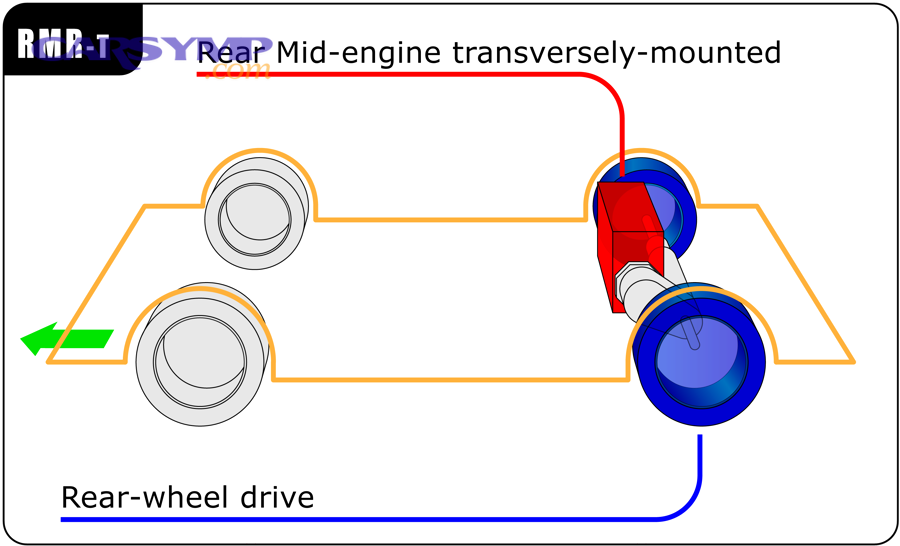
Here’s what “under load” usually implies in plain terms:
- Torque reaction: The engine/transmission tries to rotate in the opposite direction of the wheels. If mounts are weak, the powertrain shifts more than designed.
- Backlash take-up: Gears (transmission, differential) and splines (axles/driveshaft) have normal clearance. Excess clearance becomes a clunk.
- Bushing deflection: Control arm bushings, subframe bushings, and trailing arm bushings compress and release as load changes.
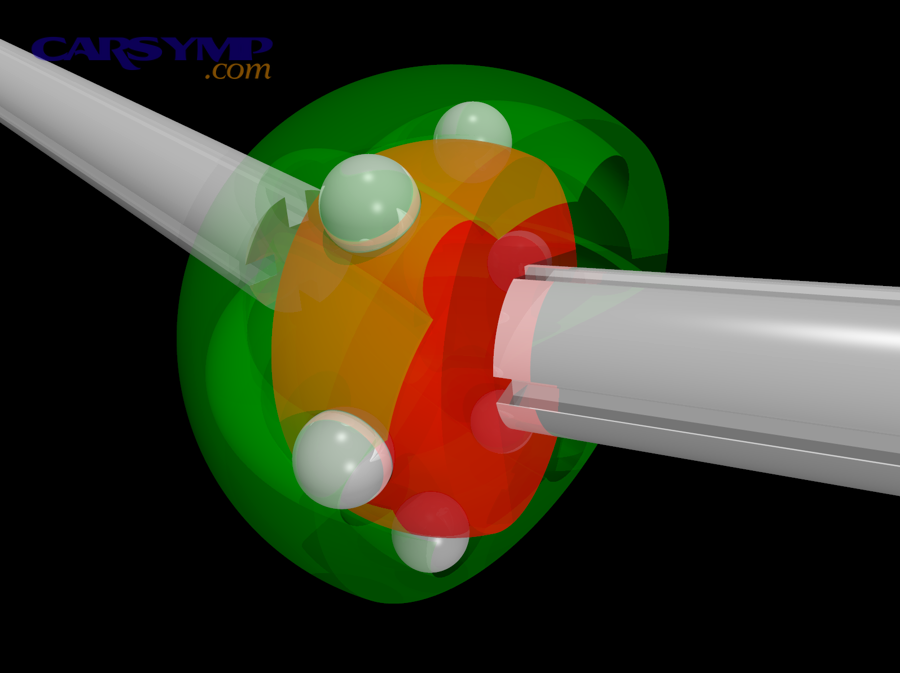
- Joint articulation: CV joints and U-joints change angles as the suspension moves; wear shows up when torque is applied.
If you only remember one diagnostic rule, use this: a clunk that’s strongest on the first tip-in of the throttle is usually “slack being taken up,” not a continuous rubbing or bearing noise. That single detail helps you separate a clunk from hums, whines, or grinding.
Is it safe to keep driving with a clunk on acceleration?
No—driving with a clunk on acceleration is not “safe,” because it often indicates a loose or failing component, and the risk increases quickly as wear accelerates. The three big reasons are: (1) fast wear escalation, (2) loss of control risk, and (3) collateral damage to nearby parts.
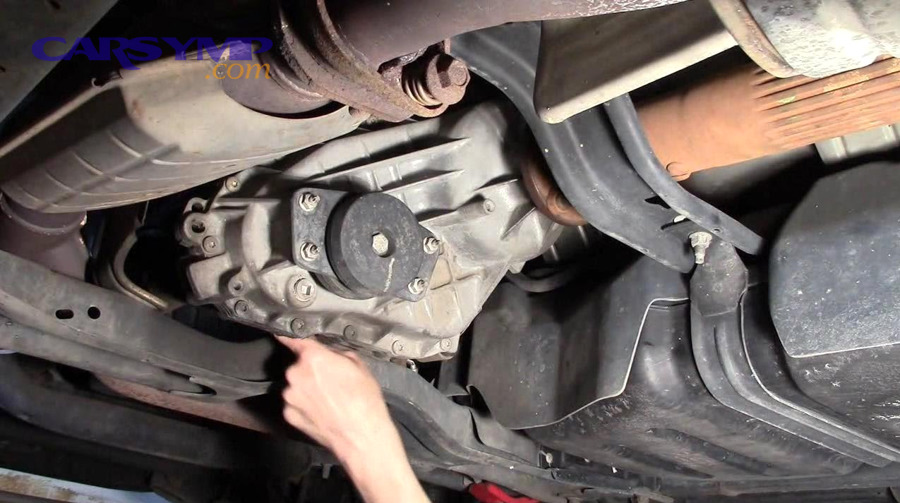
In short, a clunk is your car telling you something is moving farther than it should. Thus, even if the car still drives “fine,” the underlying issue can jump from annoying to dangerous when a mount tears fully or a joint develops excessive play.
Here’s how to judge urgency with practical thresholds:
- Stop driving now (tow / immediate repair) if:
- The clunk is paired with steering pull, sudden wandering, or a “rear steer” feeling.
- You feel a bang when shifting from Drive to Reverse (or vice versa) plus obvious drivetrain lurch.
- You see a torn CV boot with grease flung everywhere and the noise increases when turning.
- The car has violent shudder on acceleration or the engine visibly lifts.
- Drive only to a shop (short, gentle) if:
- The clunk is consistent but mild, and you can reproduce it with small throttle changes.
- The sound is isolated to bumps and acceleration changes (often bushings), but steering feels normal.
- Monitor briefly (days, not months) if:
- You find a simple cause (loose exhaust bracket, loose sway bar link) and confirm it’s fixed after tightening.
If you suspect mounts: avoid hard launches and aggressive shifting. A failing mount can let the engine rock enough to strain hoses, wiring, exhaust flex joints, and even axles.
What are the most common causes of a clunk/thud on acceleration? (Quick shortlist)
There are 5 main types of causes behind a clunk/thud on acceleration—based on where torque or load is absorbed: (1) mounts, (2) axles/joints, (3) driveline/differential lash, (4) suspension bushings/ball joints, and (5) loose hardware/exhaust.
More specifically, this grouping matters because each category produces a slightly different “signature” in timing and feel.
1) Engine and transmission mounts (powertrain movement)
- Clunk is strongest when shifting Drive ↔ Reverse or first tip-in from a stop.
- You may feel a “thump” through the floor or firewall.
- Often worsens with A/C on, uphill starts, or when the engine loads hard.
2) CV axles / CV joints (front-wheel drive or AWD front)
- Clunk or knock on acceleration that can change when turning.
- Torn boots and grease spray are common clues.
- Inner CV wear often feels like a knock/shudder under load.
3) Driveshaft / U-joints / center support (rear-wheel drive or AWD rear)
- Clunk when taking off, sometimes a chirp/squeak at low speed.
- Slack in the shaft or joint can “snap” into place as torque reverses.
4) Differential / driveline backlash (lash take-up)
- A single clunk when transitioning on/off throttle.
- More noticeable at low speeds or when rocking between Drive and Reverse.
5) Suspension/steering wear or loose fasteners (load shift)
- Control arm bushings, subframe bushings, ball joints, sway bar links.
- Also: loose lug nuts (rare but critical), loose caliper bracket bolts, loose subframe bolts.
If you’re tempted to guess: don’t. This is where DIY money gets wasted—people buy axles for a mount problem or replace mounts when the real issue is a control arm bushing.
How do you pinpoint where the clunk is coming from in 10 minutes? (DIY localization)
Use a 4-step localization method—(1) reproduce consistently, (2) identify the load transition, (3) compare forward vs reverse, and (4) isolate front vs rear—so you can narrow the source to one corner of the car or one system.
Then, once you’ve got consistency, each mini-test becomes a filter that removes half the possibilities.
Step 1: Reproduce it safely
- Flat, empty lot, windows down, radio off.
- Gentle throttle from a roll (5–10 mph) is safer than hard launches.
Step 2: Note the trigger
- First throttle tip-in only → slack take-up (mounts, backlash, joints).
- Every time the suspension compresses (even without throttle change) → bushings/links.
- Only while turning → outer CV, steering/suspension.
Step 3: Forward vs reverse check
- If the clunk is much louder in Reverse take-off, suspect mounts or a specific bushing orientation (some bushings load differently in reverse).
- If it’s similar both ways, suspect backlash or joints.
Step 4: Brake-torque “lift” observation (automatic only; use caution)
- With the car stopped, foot hard on brake, gently apply throttle just enough to load the engine.
- Watch for excessive engine movement (have a helper observe from the side at a safe distance, hood open only if safe and clear of belts/fans).
- Big jump = mount problem likely.
Step 5: Quick under-hood and under-car scan
- Look for shiny “witness marks” where parts have been contacting.
- Check for missing bolts, torn rubber, or fresh metal-to-metal rub.
If you can get the clunk to happen with the car stationary (brake-torque), that points strongly toward mounts or a torque reaction component—not wheel bearings or rotating driveline parts.
Engine mount vs transmission mount: how can you tell if mounts are the culprit?
Engine and transmission mounts are the most common “torque reaction” culprits because they are designed to allow controlled movement—and when the rubber or hydraulic damping fails, that movement turns into a clunk.
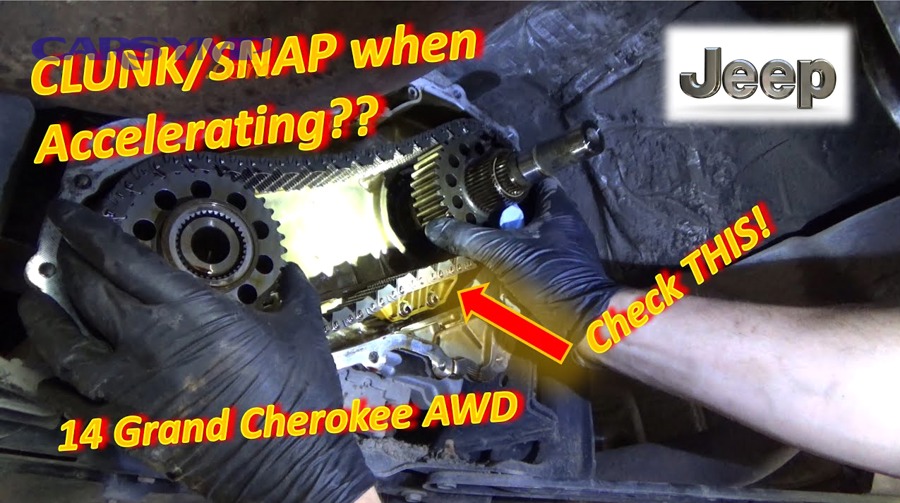
However, the best diagnosis comes from combining feel + visual evidence + a controlled load test, because mounts can look “okay” until they’re loaded.
First, use the symptom signature
Mount-related clunks usually match these patterns:
- Clunk when shifting D ↔ R (especially with a noticeable lurch)
- Clunk on first throttle tip-in from a stop or from coasting
- Engine movement you can see (rocking/lifting) when power is applied
- Vibration changes at idle (not always), depending on mount design
Then, do a mount-focused inspection (the fast way)
This is where How to inspect mounts visually matters:
- Look for cracked rubber, collapsed rubber, or separation between rubber and metal.
- Check for leaking fluid from hydraulic mounts (they can seep or burst).
- Look for shiny contact marks near the mount brackets or subframe.
- Confirm mount fasteners are present and tight (missing bolts can mimic a failed mount).
Hydraulic vs solid mounts differences (why it changes the symptoms)
- Hydraulic mounts use fluid chambers to damp vibration and torque movement; when they leak, you can get a sudden increase in movement and thump.
- Solid rubber mounts typically fail by cracking/separating; they may clunk under load but won’t “leak.”
A University thesis from University of Toledo (Department of Mechanical, Industrial and Manufacturing Engineering) describes hydraulic mounts as using fluid damping to reduce transmitted vibration compared with purely elastomeric designs, which helps explain why a failed hydraulic mount can feel like a sudden jump in harshness under load.
Finally, connect diagnosis to repair reality
If mounts test bad, the fix often becomes engine mount replacement (and sometimes transmission mount replacement too). Plan the job realistically:
- Engine mount replacement labor time varies by vehicle layout, access, and whether the subframe must be supported or lowered.
- If one mount is clearly failed, inspect the others—many vehicles share load across multiple mounts, so one failure can stress the rest.
A practical “mounts are guilty” checklist
If you answer “yes” to 3 or more, treat mounts as top suspect:
- Clunk is strongest during D↔R shift or on initial throttle tip-in
- Engine visibly rocks more than expected
- Mount shows cracks, collapse, or fluid leakage
- Clunk reduces when you feather the throttle (less torque reaction)
- You find witness marks where something contacted under load
CV axle vs wheel/hub play: how do you diagnose a front-end clunk on acceleration?
CV axle wear wins when the clunk changes with torque and steering angle, while wheel/hub play wins when the clunk shows up with wheel movement and looseness regardless of throttle.
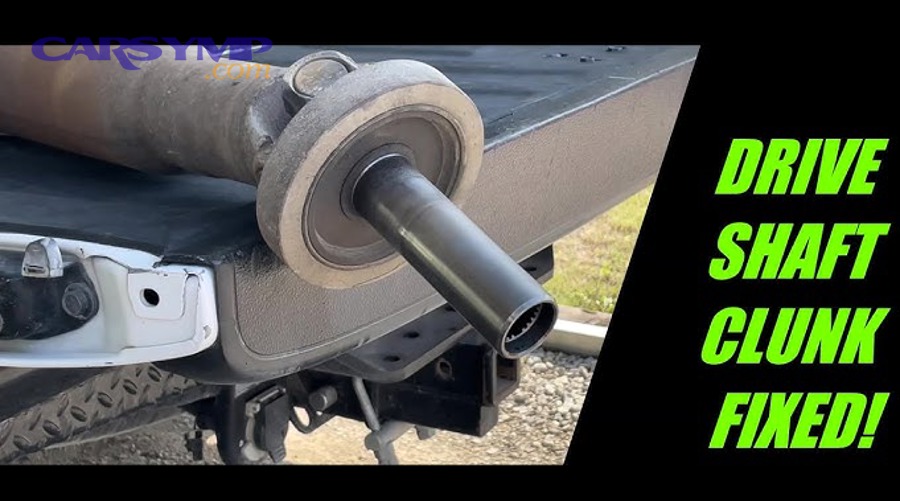
Meanwhile, the most common DIY mistake is confusing “front-end clunk” (suspension/hub) with “front driveline clunk” (inner CV or axle splines).
Start with the “turning” clue
- Outer CV joint issues often get louder or more rhythmic while turning under power.
- Inner CV joint issues often show as a knock/clunk or shudder on acceleration, sometimes straight-line.
Check the CV boot and grease pattern
- Torn boot + grease flung around the wheel well strongly supports CV wear.
- No torn boot doesn’t eliminate CV wear, but it lowers probability.
Do the axle play checks (quick and meaningful)
Safely raised front end (jack stands), transmission in Park (or in gear for manual), parking brake set:
- Grab the axle near the inner joint and feel for excessive radial play or a “click.”
- Rotate the axle back and forth: some play is normal, but loud clacks are not.
Wheel/hub play check (separates bearing/ball joint issues)
- Grab the wheel at 12 and 6 o’clock: play can indicate bearing or ball joint (varies by suspension design).
- Grab at 3 and 9 o’clock: play can indicate tie rod end or steering looseness.
- If wheel play is present without throttle influence, suspect hub/bearing or suspension joints more than CV.
A simple comparison table (what it contains)
The table below compares “when it happens” and “what you see” so you can quickly separate CV problems from hub/suspension play.
| Clue | More like CV axle/joint | More like wheel/hub or suspension play |
|---|---|---|
| Noise changes while turning under power | Yes (especially outer CV) | Sometimes, but less torque-dependent |
| Torn boot / grease spray | Common | Not typical |
| Clunk strongest on throttle tip-in | Common (inner CV/splines) | Possible, but often bumps/steering inputs trigger it |
| Wheel has measurable looseness by hand | Not typical | Common indicator |
| Vibration/shudder under load | Possible (inner CV) | Possible (bushings/ball joints), usually with other steering symptoms |
If your tests point toward CV: don’t ignore it. A failing joint can worsen quickly once contamination starts.
U-joint/driveshaft vs differential lash: how do you diagnose a rear clunk on acceleration?
U-joints/driveshaft issues usually create a clunk plus a “mechanical slack” feel, while differential lash creates a single clunk during torque reversal without the same looseness in the shaft joints.
However, both can sound similar from the driver’s seat—so you diagnose by checking for play at specific points.
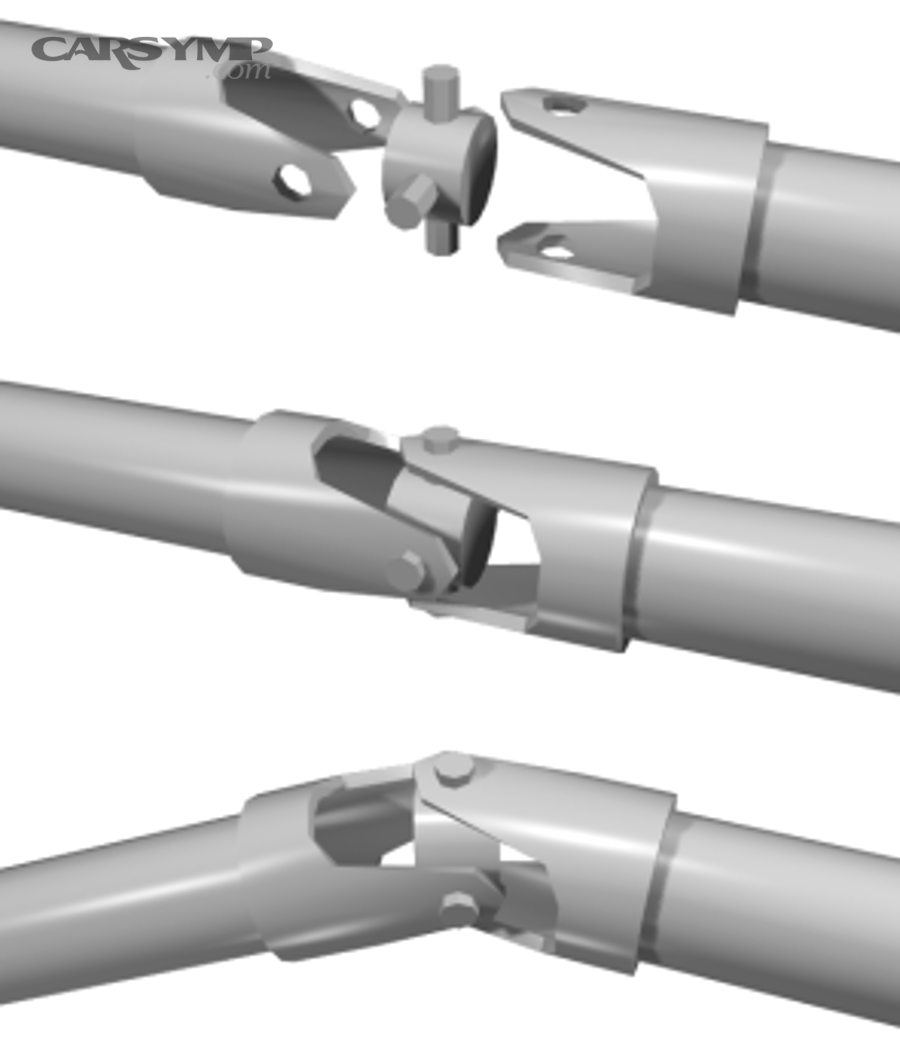
Driveshaft / U-joint signature
- Clunk on takeoff, sometimes a squeak at low speed.
- Vibration that changes with speed (not only with throttle tip-in).
- Play you can feel when twisting the shaft by hand (vehicle safely supported).
Differential lash signature
- Single clunk when transitioning from coast to power, or power to coast.
- Often louder at low speed, especially in stop-and-go.
- Not always accompanied by vibration.
Hands-on checks (safe, basic)
With the vehicle safely supported (or with a helper rocking the vehicle gently):
- Twist test: rotate driveshaft back and forth by hand. Excess play at the U-joint or slip yoke suggests wear.
- Visual check: look for rust powder at bearing caps (can indicate movement), missing clips, or looseness.
- Mount check: inspect differential mounts and bushings—mount movement can mimic diff lash.
Don’t forget the “mount” angle
Rear clunks can come from differential mount bushings or subframe bushings, which allow the entire assembly to shift under load. That can sound like driveline lash even when the gears are fine.
Suspension/steering causes that mimic a driveline clunk
There are 6 common suspension/steering issues that can mimic a driveline clunk—based on load shift and bushing movement: control arm bushings, ball joints, sway bar links, subframe bushings, strut mounts, and loose brake hardware.
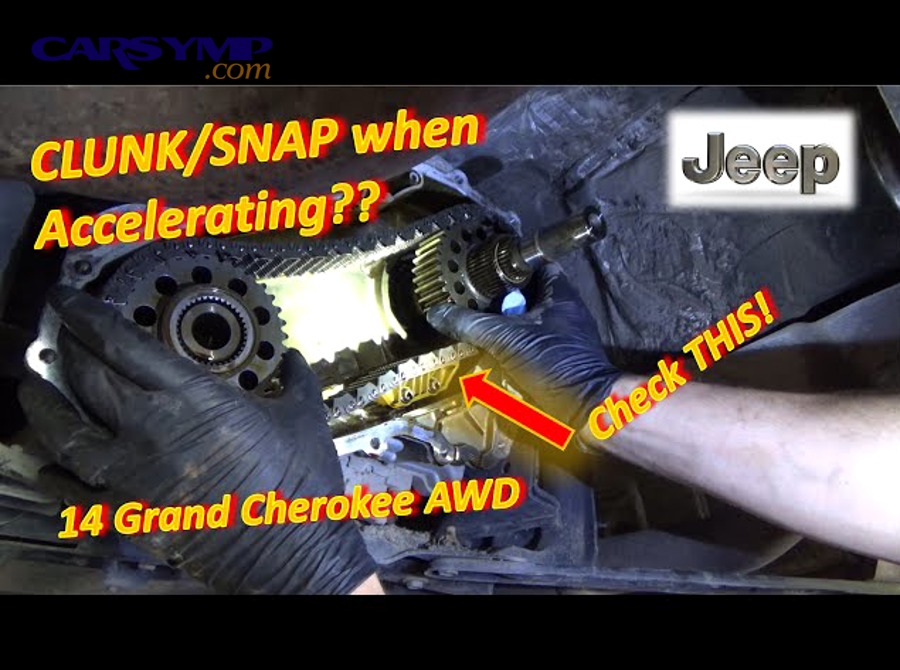
More importantly, these causes often show up as “clunk on acceleration” because acceleration transfers weight and changes suspension angles—so worn parts shift and knock.
1) Control arm bushings
- Clunk on takeoff or braking transitions.
- Often paired with vague steering or tire wear.
2) Ball joints
- Can clunk over bumps and during load changes.
- Often worsens with steering input or uneven surfaces.
3) Sway bar links/bushings
- More bump-related, but can be confused with acceleration clunks on rough roads.
4) Subframe bushings or loose subframe bolts
- Feels like the whole front end shifts.
- Clunk can happen on acceleration and braking.
5) Strut mounts (top mounts)
- Clunk when steering or going over driveway entrances.
- Can masquerade as a drivetrain knock.
6) Brake hardware (caliper bracket bolts)
- A loose bracket can clunk with wheel rotation changes and load changes.
How to rule them out quickly
- If the clunk happens without any throttle change over bumps, prioritize suspension.
- If the clunk is highly throttle-dependent and especially tied to D↔R transitions, prioritize drivetrain/mounts.
- If you can reproduce the sound by pushing/pulling the wheel or rocking the car, prioritize suspension joints/bushings.
Your “most likely cause” decision tree: match symptoms to the next check
Use this 6-branch decision process—symptom → most likely system → next check—so you avoid guessing and confirm the cause with the smallest effort.
Then, once you pick a branch, you commit to one or two confirming tests before buying parts.
Decision Tree (quick rules)
- Clunk strongest when shifting D↔R → mounts or driveline slack
→ Next check: brake-torque observation + mount visual inspection - Clunk changes when turning under power → CV joint (outer) or steering/suspension
→ Next check: inspect CV boots + listen on full-lock circles - Clunk only on first tip-in, straight line → inner CV, axle splines, diff lash, mounts
→ Next check: axle play check + driveshaft twist test (RWD) + mount inspection - Clunk happens with bumps more than throttle → sway bar, control arm, strut mount
→ Next check: pry-bar bushing check + link looseness check - Rear clunk + vibration with speed → U-joint/shaft support
→ Next check: U-joint play + center support bearing inspection - Metallic knock + loose steering feel → ball joint/tie rod/subframe
→ Next check: wheel play at 12/6 and 3/9 + fastener inspection
A “symptom-to-next-check” table (what it contains)
The table below maps common Car Symptoms to the next most informative inspection step—so you do the check that eliminates the most possibilities first.
| What you feel/hear | Most likely system | Next best check |
|---|---|---|
| Big thump when shifting Drive ↔ Reverse | Mounts / torque reaction | Brake-torque observation + mount inspection |
| Knock when turning and accelerating | Outer CV / steering joints | CV boot check + slow circles on full lock |
| Clunk on throttle tip-in, straight line | Inner CV / lash / mounts | Axle rotation/play check + mount visual |
| Clunk on bumps regardless of throttle | Suspension links/bushings | Sway link + control arm bushing inspection |
| Rear clunk + speed-related vibration | Driveshaft/U-joints | Driveshaft twist + U-joint play check |
A study by Michigan State University (A.H. Case Center for Computer-Aided Design, within Mechanical Engineering) reported in 1985 that shifting a system’s natural frequencies away from undesirable excitation ranges can reduce transmitted forces—one reason mount condition and stiffness changes can dramatically alter “thump” behavior under load.
Contextual Border: At this point, you can diagnose most clunks by confirming the system (mounts vs joints vs suspension). Next, we’ll expand into less-common causes and the “when to stop DIY” line.
What less-common causes can create an acceleration clunk—and when should you involve a shop?
There are 4 less-common but real acceleration-clunk causes—based on unusual contact or internal play: (1) exhaust contact under torque, (2) loose powertrain/subframe hardware, (3) internal transmission/transfer case issues, and (4) damaged differential mounts or internal driveline damage.
Besides being rarer, these often require better access, better tools, or more experience to confirm safely.
1) Exhaust contact under torque
- Exhaust can hit a crossmember or heat shield when the engine rocks.
- Look for fresh shiny spots or broken hangers.
- This can perfectly mimic a “mount clunk,” so always check clearance.
2) Loose hardware that only moves under load
- Subframe bolts, engine cradle bolts, transmission crossmember bolts.
- A slightly loose fastener can “pop” once per load transition.
3) Transmission/transfer case mount bracket or internal play
- A worn mount bracket or bushing can shift under torque.
- Internal issues often come with other symptoms: delayed engagement, harsh shifts, fluid issues.
4) Differential mount failure or internal driveline damage
- Diff mount bushings tearing can create dramatic clunks.
- Severe backlash or damaged gear teeth can create repeatable clunks—usually with additional noises.
When to involve a shop (clear triggers)
- You can’t safely lift/support the vehicle to check play.
- You find metal-on-metal contact marks but can’t identify the moving component.
- The clunk is paired with steering instability, braking pull, or visible suspension looseness.
- You suspect internal transmission/differential issues (fluid contamination, engagement problems).
A final practical note on repairs
If your diagnosis points to mounts, treat the fix as a complete plan—not just a part swap. Confirm access, supporting method, and alignment of fasteners before starting engine mount replacement, and budget realistic Engine mount replacement labor time based on your vehicle layout and corrosion level. If the vehicle uses hydraulic mounts, remember the Hydraulic vs solid mounts differences can change how failure presents—leaks and damping loss can create a “sudden” thud that wasn’t there a month ago.