


STEP 1 — Title & outline analysis (for SEO alignment)
Main keyword (focus): Safe actions when engine stalls on road
Predicate (main action): Stay safe / Take emergency actions
Relations Lexical used: Antonym (“Avoid Panic” vs. “Smart Steps”) to reflect urgency and the correct safety response.
Search intent type from outline: Primarily How-to, supported by Definition and Boolean questions (Yes/No decisions like hazards, restarting, staying in car vs. exiting).
Outline intent breakdown:
– Primary intent (Title): What to do immediately to stay safe when the engine stalls on the road.
– Secondary intent 1: Understand what a stall means and what changes in vehicle control to expect.
– Secondary intent 2: Use a step-by-step checklist that works on highways, city streets, and at night.
– Secondary intent 3: Know who to call, what to avoid, and how to handle tricky scenarios (no shoulder, hills, curves).
When your engine stalls on the road, the safest action is to stay calm, make yourself visible, keep steering control, and move out of traffic if you can—because seconds matter more than diagnosing the cause.
Next, you’ll use hazards, controlled braking, and a simple lane-to-shoulder plan to reduce risk while other drivers are still reacting.
Then, you’ll follow a repeatable, step-by-step checklist that covers steering getting heavier, the brake pedal changing feel, and what to do if you can’t reach a shoulder.
Introduce a new idea: once you’re stopped safely, the focus shifts from “survive the moment” to “prevent a second crash,” including who to call, where to wait, and what not to do.
What does it mean when an engine stalls on the road?
An engine stall on the road means the engine stops running unexpectedly, reducing propulsion and sometimes reducing assist systems (like power steering or brake assist), which can make the car harder—but not impossible—to control.
To better understand why this matters, focus first on what changes immediately in the driver’s seat, then act on the safest priorities: visibility, control, and location.
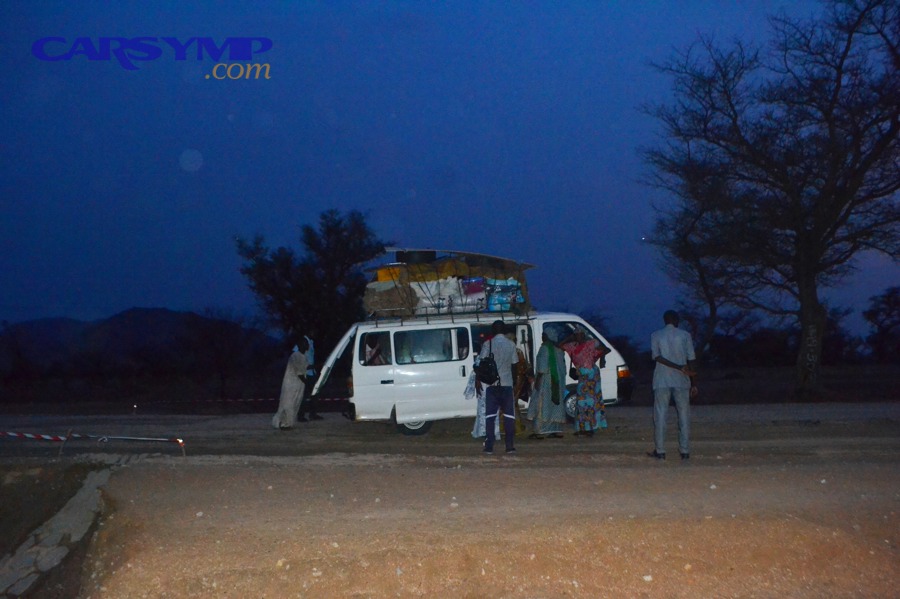
A stall is not the same thing as a minor hesitation or a rough idle. A stall is a full loss of engine power: the tach drops toward zero, the accelerator no longer responds, and the vehicle begins to coast. If this happens while you’re moving, your job is not to “fix” the car in motion—it is to stabilize the vehicle and avoid becoming an obstacle in live traffic.
Here’s what you may notice right away:
- Throttle stops working: pressing the gas won’t maintain speed.
- Warning lights may appear: battery, oil, check engine, or multiple lights can illuminate when the engine dies.
- Steering may feel heavier: especially if you have hydraulic power steering (electric power steering may behave differently).
- Brakes still work, but the feel can change: you can still stop the car, but brake assist may reduce after one or two presses if the engine stays off.
- Your priorities shift: you are now a “moving hazard” that needs to become a “controlled stop” in the safest place available.
Roadside safety researchers consistently warn that disabled or stopped vehicles create risk for follow-on collisions. According to a study by Tennessee State University from the Department of Civil and Environmental Engineering, in 2014, researchers analyzing secondary crashes highlighted that a notable share of crashes occur as secondary events influenced by earlier incidents, reinforcing why quick, safe clearing and visibility matter. (rosap.ntl.bts.gov)
Should you turn on hazard lights immediately when the engine stalls while driving?
Yes—turn on hazard lights immediately when the engine stalls while driving, because hazards (1) signal abnormal conditions, (2) buy you reaction time from drivers behind, and (3) reduce the chance of a rear-end impact while you steer and brake to safety.
Next, once hazards are on, your goal is to “communicate + control + clear” in that order.
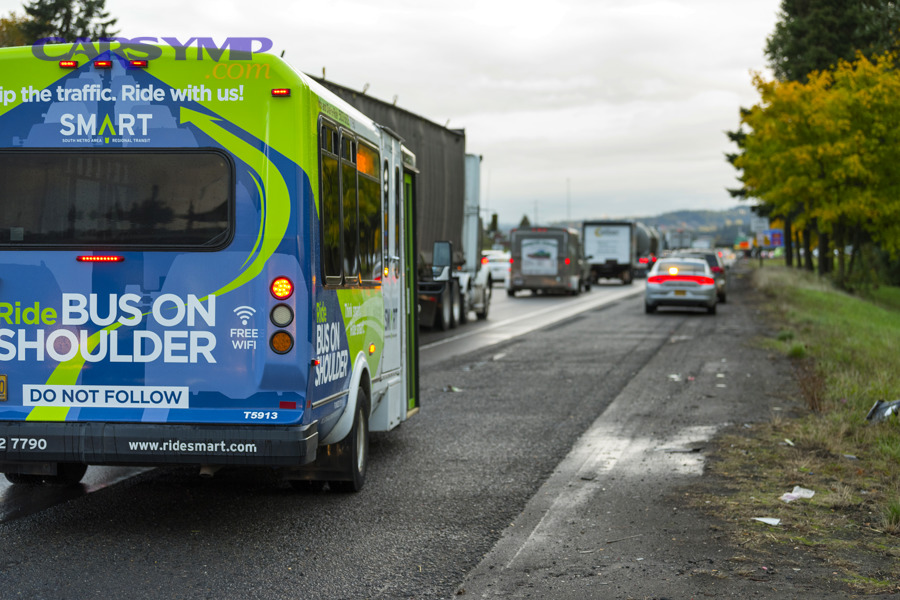
Reason 1: Hazards communicate “I’m not moving normally.”
Drivers behind you interpret hazard flashers as a cue to slow down, change lanes, or increase following distance. Even if they don’t know why you’re slowing, they are more likely to react correctly when the signal is clear.
Reason 2: Hazards support your lane-change plan.
If you must cross a lane to reach the shoulder or a safer spot, hazards reduce ambiguity. Combine hazards with a turn signal once you’ve chosen your direction.
Reason 3: Hazards reduce surprise in low-visibility conditions.
At night, in rain, or in glare, hazards increase conspicuity. Pair them with headlights (if they’re not already on) so you’re visible from both front and rear.
Practical rule: Hazards first, then your hands and eyes do the rest. If the engine stall happens in fast traffic, do not waste time “testing” the ignition before you have hazards on and a plan to get out of the travel lane.
What is the safest step-by-step checklist to follow when the engine stalls on the road?
The safest checklist is: Hazards on → steer smoothly to the safest reachable edge → brake early and steadily → stop in a protected location → call for help and stay visible, which reduces crash risk while you regain control.
Then, follow the checklist in the same order every time, so you don’t improvise under stress.
What should you do if power steering suddenly feels heavy?
If power steering feels heavy after an engine stall, keep both hands on the wheel, look where you want the car to go, and steer earlier with steady pressure, because the vehicle remains steerable but requires more effort.
Specifically, aim for smooth inputs—sharp jerks can destabilize the vehicle or cause overcorrection.
Do this in order:
- Grip and posture: hands at 9-and-3, elbows slightly bent for leverage.
- Look far ahead: your eyes guide your steering; staring at the hood makes corrections late.
- Steer early, not hard: begin moving toward the rightmost safe area as soon as you confirm a gap.
- Avoid sudden lane cuts: a stall often happens mid-traffic; abrupt steering creates conflict with other cars.
If your vehicle has electric power steering, assist may persist briefly, but you should still act as if steering will get heavier—because you don’t want to discover assist loss mid-lane-change.
What should you do if the brake pedal becomes hard or braking feels different?
If braking feel changes after a stall, press the brake earlier and more firmly, maintain steady pressure, and give yourself extra stopping distance, because brake assist may reduce when engine vacuum or assist systems stop replenishing.
More specifically, the brakes still function, but you may need more pedal effort, and repeated pumping can waste remaining assist.
Do this in order:
- Start braking sooner than normal: create time for a controlled stop.
- Use one firm, steady press: avoid rapid pumping unless the pedal is truly unresponsive.
- Prioritize straight-line braking: brake while the wheel is straight whenever possible, then steer.
- Keep scanning mirrors: if a vehicle behind is closing fast, you may need to move farther right or aim for a safer refuge.
Mini checklist (1 sentence): Hazards → steady brake → steady steer → safest edge → stop fully out of traffic.
To reinforce why the “get visible and get clear” sequence matters, a Kentucky Transportation Center research report associated with the University of Kentucky emphasizes how roadway and shoulder-related conditions influence crash patterns and risk, supporting the principle that reducing exposure time in live traffic is crucial. (uknowledge.uky.edu)
Should you try restarting the engine while the car is still moving?
Yes—but only if it’s safe and only after you’ve stabilized control, because restarting can restore power assist and reduce the danger of being stranded in a live lane; the three reasons are (1) it may restore propulsion, (2) it may restore steering/brake assist, and (3) it may let you reach a safer stopping spot.
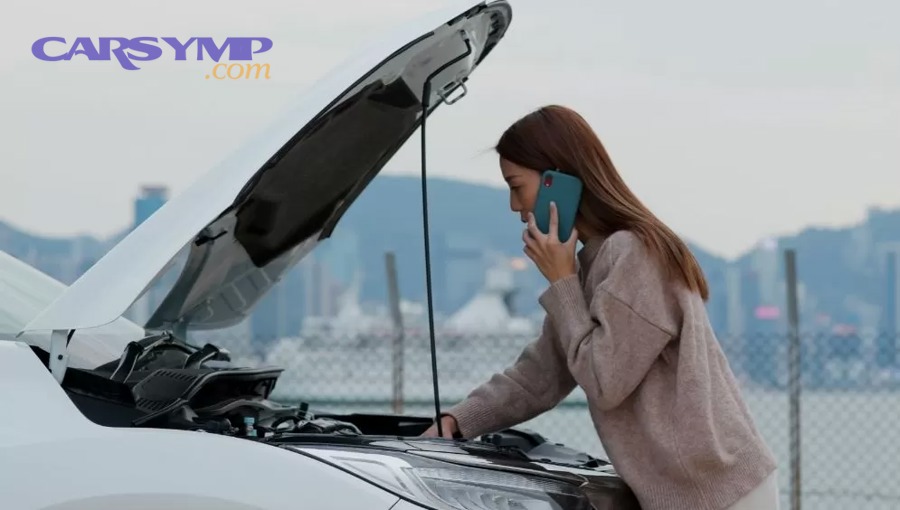
However, you should treat restarting as a secondary task—control and positioning come first.
What should you do in an automatic transmission vehicle?
In an automatic, you should shift to Neutral (N) and try a restart while coasting, because Neutral reduces drivetrain load and can make restarting easier.
Then, if the engine restarts:
- Keep hazards on.
- Signal and move to the safest edge anyway.
- Do not accelerate hard—use gentle throttle to reach a safe pull-off.
If the engine does not restart quickly:
- Stop attempting repeated long cranks.
- Focus on steering/braking to a safe stop.
- Call for help once you’re secure.
What should you do in a manual transmission vehicle?
In a manual, you should press the clutch fully, shift to Neutral, and try restarting, because the clutch disconnects the engine from the wheels and reduces load.
Then, if you’re trained and conditions are safe, a controlled clutch restart (or bump-start on older vehicles) may be possible—but it is not the priority in traffic.
Safety-first rule: If restarting competes with steering, braking, or scanning, don’t restart yet. Your safest outcome is a controlled stop away from moving traffic, not a “perfect save” in the lane.
Where should you stop if the engine stalls: shoulder, ramp, or median?
You should stop in the safest reachable location that minimizes exposure to moving traffic, and in most cases that means the right shoulder or an exit ramp, while the median is typically a last resort unless it’s the only protected area.
Next, choose your stopping spot using three criteria: visibility, separation, and space.
Here is what each option usually means:
- Right shoulder (best common choice):
- Pros: predictable, most drivers expect stopped vehicles there, often more space
- Cons: still dangerous on high-speed roads; limited room on narrow shoulders
- Exit ramp / off-ramp (often better than shoulder if reachable safely):
- Pros: reduces speed differential; may offer wider shoulder or safer stopping zones
- Cons: requires lane changes; not always reachable
- Median (last resort in many environments):
- Pros: may be the only place to avoid blocking lanes
- Cons: lower visibility to some drivers; risk from cross-traffic or barrier proximity
Table context: The table below summarizes how to decide based on visibility and traffic exposure.
| Option | Best when | Main risk | Quick rule |
|---|---|---|---|
| Right shoulder | You can reach it without abrupt moves | High-speed traffic close to you | Get fully out of the lane |
| Exit ramp | You’re already near an exit and can drift over safely | Late lane changes | Choose it early, not late |
| Median | No right refuge exists and you must clear lanes | Visibility and barrier danger | Only if it’s safer than blocking lanes |
What should you do if there is no shoulder?
If there is no shoulder, slow smoothly with hazards on and aim for the nearest safe refuge (a wide area, driveway, parking lot entrance, emergency pull-off, or the next exit), because stopping in a live lane creates a high-risk obstacle.
Then:
- Keep the car as far right as possible without hitting curbs or barriers.
- Avoid stopping on blind corners or at the crest of a hill.
- If you must stop in a lane, treat it as an emergency and call for help immediately.
What should you do if you stall on a hill, curve, or at night?
If you stall on a hill, curve, or at night, prioritize visibility and line-of-sight, because other drivers have less time to react.
More specifically:
- Move to a spot where approaching drivers can see you from far away.
- Turn wheels away from traffic if you’re on a slope and can’t fully clear.
- Use reflective gear if available (triangle, vest) when it is safe to exit.
Researchers studying secondary crashes emphasize that risk increases when vehicles remain exposed near traffic flow. According to a study by Tennessee State University from the Department of Civil and Environmental Engineering, in 2014, the analysis of secondary crashes underscores how earlier incidents can cascade into additional collisions, strengthening the case for minimizing time in vulnerable roadside positions. (rosap.ntl.bts.gov)
After you stop, should you stay in the car or get out?
Yes—in many cases you should stay in the car with your seatbelt on if you can stop fully off the travel lane and you’re protected, because (1) the vehicle provides a physical barrier, (2) you reduce the chance of being struck as a pedestrian, and (3) you stay visible and contained while waiting for help.
However, there are clear exceptions where exiting is safer, so your decision must match the environment.
General rule:
- Stay in the car when you are off the lane, visible, and not at immediate risk of impact.
- Exit the car only when remaining inside exposes you to greater danger (for example, the vehicle is in a live lane, on a narrow shoulder with vehicles passing inches away, or there’s smoke/fire risk).
When is it safer to exit the vehicle and move to a protected area?
It’s safer to exit and move to protection when your vehicle is not adequately separated from fast traffic or when conditions create an immediate hazard (fire, smoke, fuel smell, or a high likelihood of being struck).
Then, if you exit:
- Choose the passenger-side exit if that keeps you away from traffic.
- Move behind a guardrail if present and safe to reach.
- Keep children and passengers together and away from the roadway.
In short: Don’t automatically get out. Don’t automatically stay in. Decide based on the risk of a vehicle striking your car versus the risk of being outside near moving traffic.
Who should you call first: roadside assistance, police, or a tow?
You should call emergency services first (911 or local equivalent) if you are blocking traffic, stranded in a dangerous position, or at risk of being hit; otherwise call roadside assistance or a tow provider once you’re safely off the road.
Next, use a simple “danger test” to decide.
Call police/emergency first when:
- You cannot fully get out of the travel lane
- You are on a narrow shoulder with fast traffic
- There is an injury, smoke, or fire risk
- Visibility is poor and you fear a collision
Call roadside assistance/tow first when:
- You are fully off the road and protected
- The car is stable and you can wait safely
- You need a battery jump, fuel, tire help, or tow
What information should you share on the call?
You should share location + situation + hazards, because responders need to find you and reduce secondary risk fast.
Use this checklist:
- Exact location: highway name, direction, nearest exit/mile marker
- Vehicle description: color, make/model, and plate if asked
- Situation: “engine stall,” “no power,” “in shoulder,” “in lane,” etc.
- Safety risks: kids in car, smoke, blocked lane, low visibility
- Request: traffic control, tow, or roadside service
If you have access to connected-car data or an OBD tool later, you can also note the value of Scan data to capture stall events, because freeze-frame codes and sensor readings can help diagnose the cause after you’re safe—without guessing in traffic.
What should you avoid doing when the engine stalls on the road?
You should avoid actions that increase exposure time, reduce visibility, or create unpredictable movements, because those behaviors raise the risk of a second collision more than they improve the odds of a quick fix.
Besides, avoiding the wrong moves is often the easiest way to stay safe.
Avoid these common mistakes:
- Do not stop in a live lane “to think.” Keep rolling under control toward the safest edge.
- Do not turn off lights at night (keep headlights on; hazards on).
- Do not jump out and stand by the driver door facing traffic.
- Do not attempt repairs in active traffic (pushing a car, checking under hood) unless you are in a protected area.
- Do not accept help that puts you in danger (e.g., a stranger asks you to stand in the lane to steer while they push).
- Do not repeatedly crank the engine until the battery dies if you still need hazard lights and visibility.
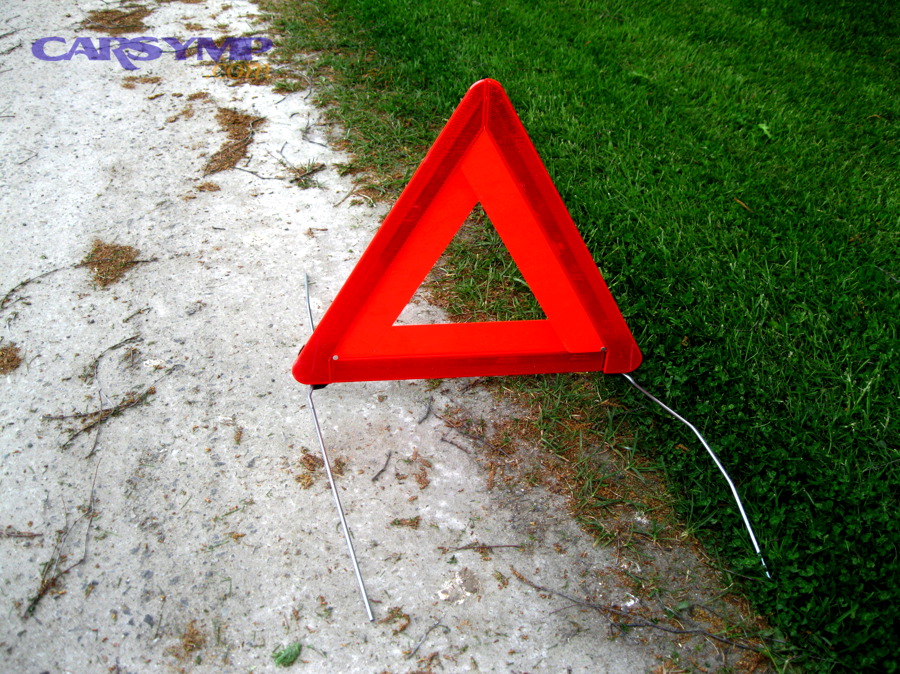
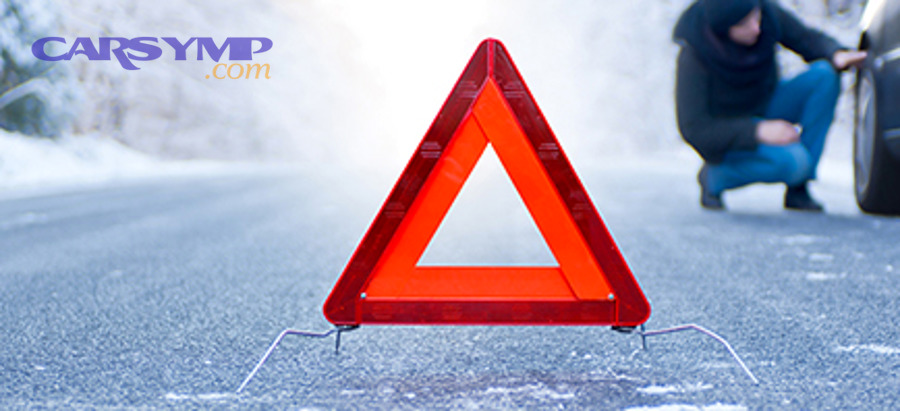
If you must place a warning triangle, do it only when conditions allow safe walking away from traffic—and only if you can maintain awareness of approaching vehicles.
What are the most common stall scenarios and how do you prevent them from recurring?
The most common stall scenarios include fuel delivery issues, ignition/sensor faults, airflow problems, and electrical/charging failures, and preventing recurring stalls means confirming the root cause with diagnostics instead of guessing.

Then, once the immediate safety risk is handled, you can shift into “prevent it next time” mode.
What is a practical stalling while driving causes checklist?
There are 4 main types of stalling causes: Fuel, Spark/Ignition, Air, and Signals/Electrical, based on which system fails to keep combustion stable.
Use this Stalling while driving causes checklist as a starting point:
- Fuel: low pressure, clogged filter, failing pump, contaminated fuel
- Ignition: coils, plugs, crank/cam sensor signals dropping out
- Air: throttle body deposits, vacuum leaks, EGR stuck open
- Electrical: weak battery, alternator failure, bad grounds, relay issues
A key takeaway: a stall that happens only when hot, only at idle, or only when turning can point to different systems—but you should confirm with data.
What “repair cost for common stall causes” should drivers plan for?
Repair cost varies widely by vehicle and labor rates, but costs often cluster by system:
- Simple maintenance fixes (lower cost): throttle body cleaning, vacuum hose repair, minor sensor replacement
- Mid-range fixes: fuel pump module replacement, alternator replacement, ignition system repairs
- Higher-cost paths: intermittent wiring faults, module faults, repeated no-start diagnostics
Plan for diagnostics first, because replacing parts by guesswork is often more expensive than paying for proper testing once.
How can scan data help you diagnose a stall after you’re safe?
Scan tools help because they record trouble codes and sometimes freeze-frame data—this is the practical value of Scan data to capture stall events.
After the incident (when you’re safe):
- Pull codes (even if the check engine light turns off later).
- Save freeze-frame data (RPM, speed, temperature, load).
- Note the context: turning, braking, rain, bumps, hot restart.
What video can quickly reinforce safe roadside actions?
AAA safety guidance aligns with the “visibility + move to safety + call for help” approach for breakdown situations. (youtube.com)
Evidence (if any)
– Secondary crash risk and the importance of minimizing exposure are supported by academic work analyzing secondary crashes and incident cascades. (rosap.ntl.bts.gov)
– Crash-risk and roadside/shoulder-related safety considerations are reinforced by research work associated with the Kentucky Transportation Center at the University of Kentucky. (uknowledge.uky.edu)