


Recurring engine stalls are usually preventable when you treat them like a pattern problem—not a single “bad part” problem—so this guide gives you a practical checklist that targets the most common repeat-stall triggers (air, fuel, spark, sensors, and electrical power) in the right order.
Next, you’ll learn how to recognize the most frequent root causes behind repeat stalls by matching symptoms to systems, so you can prioritize the few checks that stop the problem fastest instead of guessing.
Then, you’ll get a safety-first playbook for what to do in the moment when the engine shuts down, plus what to inspect right after a restart so the same stall doesn’t surprise you again.
Introduce a new idea: once you’ve fixed the primary cause, you’ll also see how to validate the repair and prevent the stall from returning—especially when the original failure was intermittent or heat-related.
Can you stop recurring engine stalls without replacing major parts?
Yes—most recurring engine stalls can be stopped without replacing major parts because many stalls come from (1) maintenance and airflow buildup, (2) weak electrical supply/connection issues, and (3) misdiagnosis of the true system causing the shutdown.
To better understand how to stop the repeat cycle, start by separating “unsafe to drive” situations from “diagnose-and-drive-carefully” situations, then use the checklist in the next sections to eliminate the highest-probability causes first.
Is it safe to keep driving if the engine stalls intermittently?
No—driving with intermittent stalling is not safe when the stall happens at speed, removes power steering/brake assist, or occurs without warning, because it increases crash risk, can strand you in dangerous locations, and can worsen secondary damage from repeated misfires.
More specifically, “safe enough to limp” only applies when all of these are true: the stall happens only at idle, you can predict the trigger, the engine restarts immediately, and no critical warning lights appear (oil pressure, charging system, overheating). If any one of those is false, treat the situation as tow-worthy.
Use this quick risk triage:
- Tow now (high risk):
- Stall happens while moving, merging, or turning across traffic
- Loss of steering assist and hard brake pedal during the event
- Smoke, fuel smell, burning smell, or overheating
- Oil pressure warning or loud mechanical noise
- No restart, or restart only after long cool-down
- Drive only to diagnose (moderate risk):
- Stall only at idle or at a stop
- Restarts right away
- Clear trigger (A/C on, cold start, after refuel) you can reproduce safely
- No signs of overheating and no oil pressure warning
- Likely drivability (lower risk but still urgent):
- Stumble/near-stall but not full shutdown
- Consistent idle instability you can stabilize with slight throttle
Do recurring stalls usually get worse if ignored?
Yes—recurring stalls usually get worse if ignored because intermittent failures tend to spread (heat and vibration amplify them), the engine computer can adapt around the problem until it can’t, and repeated stall events often create new symptoms that muddy diagnosis.
Especially with electrical connections, sensors, and marginal fuel delivery, a “once a week” shutdown often becomes a “once a day” shutdown as:
- Heat increases resistance in weak connectors and components
- Vibration opens tiny cracks in wiring or sensor internals
- Deposit buildup grows on throttle plates and idle air passages
- Fuel restriction worsens as the filter or pump ages
The real trap is that ignoring the first few stalls encourages “parts roulette,” which wastes time and can still leave you with the original fault.
What does “recurring engine stall (engine shutdown)” mean in diagnosis terms?
Recurring engine stall (engine shutdown) is an unplanned engine stop caused by a momentary loss of combustion, airflow control, fuel delivery, ignition, or electrical power—usually triggered by heat, load changes, idle transitions, or intermittent sensor signals.
In addition, accurate diagnosis starts by defining what you experienced (stall vs misfire vs no-start), because each category points you to a different “most likely” system and a different test strategy.
What’s the difference between stalling at idle and stalling at speed?
Stalling at idle is usually driven by airflow control or vacuum imbalance, while stalling at speed more often points to fuel delivery, ignition breakdown, electrical power loss, or a critical sensor signal drop—so the same “stall” symptom has very different causes depending on when it happens.
However, the key is to respect the Stall at idle vs stall at speed differences without overcomplicating them:
- Idle stall clues (often airflow/idle control):
- RPM drops slowly, then dies
- Happens when you come to a stop, shift into gear, or turn on A/C
- Surges, hunts, or dips at idle
- Improves if you hold a little throttle
- Speed stall clues (often power/signal/fuel/ignition):
- Sudden cut like a switch
- Dash may flicker, gauges drop, or tach goes to zero instantly
- Happens on bumps, turns, acceleration, or sustained highway heat
- May restart immediately—or may require a cool-down if heat-soaked
A simple way to remember it: idle stalls are often “air control can’t catch it,” while speed stalls are often “the engine lost what it needs to run right now.”
What symptoms should you write down to catch the pattern?
You should write down a short set of repeatable details—time, temperature, speed, RPM, fuel level, load changes, and restart behavior—because stalling patterns are often more diagnostic than the fault code itself.
To illustrate, use this “stall event log” for the next 3–5 occurrences (or one carefully reproduced occurrence):
- When it happens: cold start, hot restart, after a long drive, after refueling
- Where it happens: idle, low speed, highway, braking to a stop, turning
- What changed right before: A/C on, steering turn, gear change, bump/pothole, rain
- Dash behavior: check engine light, battery light, oil pressure light, tach drop
- Restart behavior: immediate restart, long crank, needs throttle, won’t restart until cool
These notes will feed directly into the “system grouping” section below and prevent you from replacing good parts.
What is the prevention checklist that stops most repeat stalls?
The prevention checklist is a prioritized set of maintenance and verification steps that stabilizes airflow, restores reliable spark and fuel delivery, and confirms healthy electrical power—so your engine can survive idle transitions, heat soak, and load changes without shutting down.
Next, follow the checklist in order, because skipping ahead often leads to replacing components before confirming basics like voltage stability, intake leaks, and throttle deposits.
Which maintenance items prevent stalls most often?
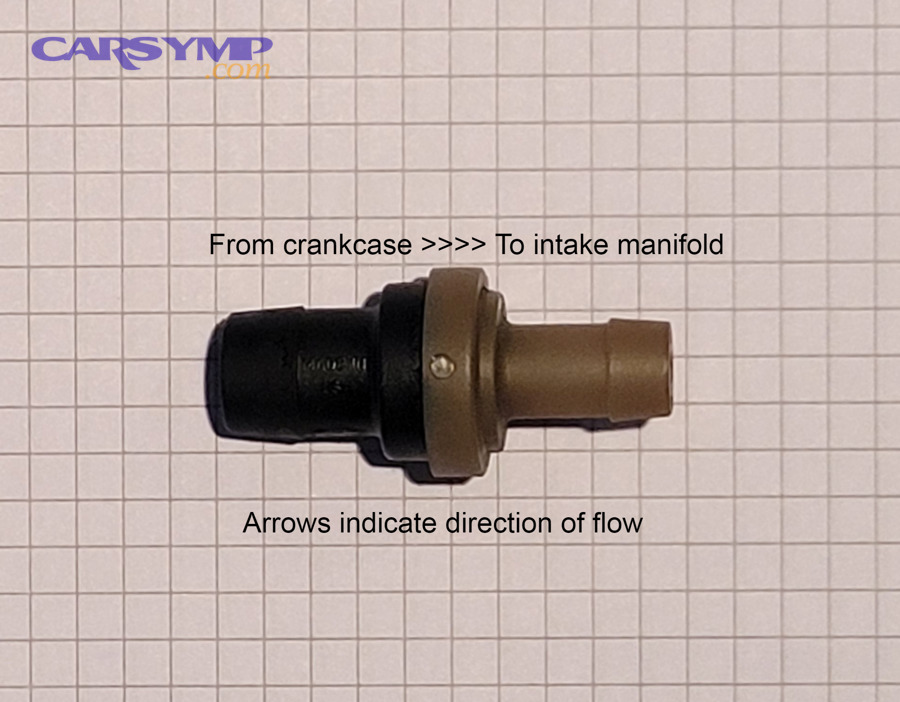
There are 7 maintenance items that prevent stalls most often: air filter, spark plugs, ignition coils inspection, throttle body cleaning (as appropriate), PCV system check, vacuum hose inspection, and battery/terminal service—because these directly affect the minimum conditions needed to keep an engine running.
Specifically, use this maintenance-first sequence:
- Battery terminals and grounds
- Clean corrosion, tighten connections, inspect ground straps
- Air filter and intake ducting
- Replace clogged filter; check for cracks between MAF and throttle body
- Spark plugs
- Verify correct type and gap; replace if worn or oil-fouled
- Ignition coils inspection
- Look for cracks, oil intrusion, or repeated misfire history
- PCV valve and hoses
- Check for stuck-open PCV or collapsed hoses creating vacuum imbalance
- Vacuum lines and brake booster hose
- Find soft, split, or disconnected lines that create unmetered air
- Fuel filter (if serviceable)
- Replace on schedule; don’t assume “lifetime” means “forever”
If you do only one thing first, do battery terminals/grounds—low voltage and poor connections can mimic almost any stalling cause.
Should you clean the throttle body / idle air path to prevent stalling?
Yes—throttle body and idle air path cleaning can prevent recurring stalls because it restores stable airflow at low throttle angles, reduces sticking that causes RPM dips, and improves idle control response during load changes like A/C or steering.
Moreover, do it the right way:
- When it helps most:
- Idle drops when coming to a stop
- RPM hunts or oscillates
- Sticky throttle feel or delayed idle recovery
- How to do it safely (general approach):
- Inspect intake boot and clamps first (cracks can mimic throttle issues)
- Use a throttle-body safe cleaner and a soft cloth
- Avoid forcing electronic throttle plates aggressively
- After cleaning, allow idle to relearn (some vehicles need a specific procedure)
If your vehicle is drive-by-wire, the safest rule is: clean gently, then let the ECU relearn idle, and don’t chase perfection with aggressive scraping.
How do you prevent stalling caused by weak electrical power?
You prevent stalling caused by weak electrical power by ensuring stable voltage under load, eliminating high-resistance connections, and confirming the charging system can support the vehicle once running.
More importantly, weak power often shows up as “random” behavior: flickering dash, multiple unrelated codes, or stalls that appear during high electrical demand.
Use this quick prevention routine:
- Terminal/ground prevention
- Remove, clean, and re-tighten battery terminals
- Inspect the main engine ground strap and chassis grounds
- Voltage sanity check
- Engine off: battery should not be extremely low (a weak battery can still crank)
- Engine running: alternator should maintain charging voltage under normal load
- Load check
- Turn on headlights, rear defrost, blower motor; watch for major dimming or stumble
- Connection check
- Wiggle-test battery cables and main fuse box connections (gently)
A stable electrical foundation prevents false sensor readings and keeps the ECU and fuel pump operating consistently.
Which system is most likely causing your recurring stall?
There are 5 main systems that most likely cause recurring engine stalls—fuel delivery, air/vacuum control, ignition, sensor inputs, and electrical power—based on when the stall occurs, how the restart behaves, and whether the event feels gradual or like a sudden cutoff.
To better understand the “why,” use this section as your Fuel pump vs ignition vs sensor stall diagnosis map: it helps you choose the next test based on symptoms instead of guessing.
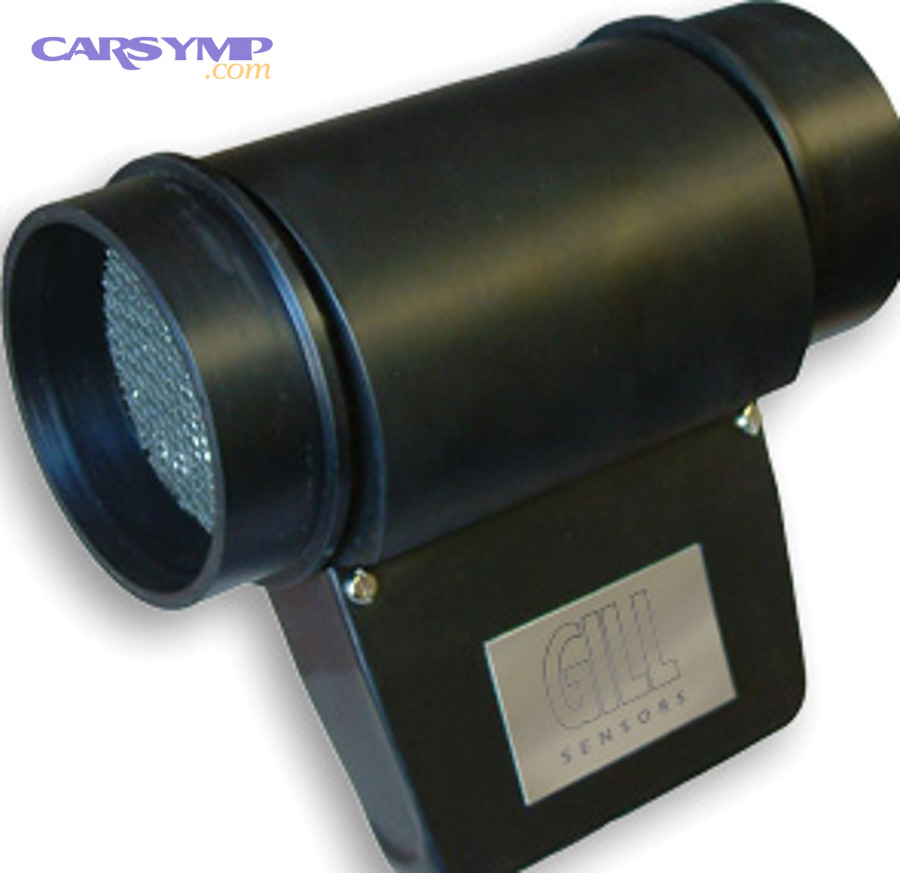
Before the sub-sections, here’s a symptom-to-system table. This table groups common stall patterns and the most likely systems they point to, so you can choose your next check quickly.
| Stall Pattern | Most Likely System(s) | Why It Points There | Best Next Check |
|---|---|---|---|
| Dies at stops / idle dips | Airflow/idle control, vacuum leaks | Idle airflow can’t stabilize | Throttle body + vacuum leak inspection |
| Sudden cut at speed | Electrical power, crank/cam signal, ignition | ECU loses timing or power | Check charging/grounds + scan RPM signal |
| Stalls after refueling | EVAP purge system | Extra vapor/fuel mix disrupts idle | Check purge valve behavior |
| Hot restart stall/no-start | Crank/cam sensor heat issue, fuel pressure bleed-down | Heat changes component output | Reproduce hot; scan + fuel pressure testing |
| Stalls with A/C or steering | Idle control response | Load change pulls RPM down | Idle relearn + throttle/air path cleaning |
What are the top fuel-related causes of recurring stalls?
There are 5 top fuel-related causes of recurring stalls: weak fuel pump output, failing pump relay or power supply, restricted filter (if serviceable), contaminated fuel, and injector delivery problems—based on whether the stall happens under load, on acceleration, or after sustained driving.
Specifically, fuel-related stalls often show up as:
- Loss of power before stall (engine feels starved)
- Worse under load (uphill, acceleration, towing)
- Improves briefly after key cycling (pump primes again)
- More likely with low fuel level (pump overheats more easily)
Practical checks that don’t require guesswork:
- Listen for a consistent fuel pump prime when key is turned on
- Watch long-term fuel trims (a lean trend can hint at restriction)
- If you can, do a fuel pressure test under load and after heat soak
Fuel problems are common, but they’re also commonly misdiagnosed—because ignition and sensor faults can feel identical without data.
What are the top air and vacuum-related causes of recurring stalls?
There are 5 top air and vacuum-related causes of recurring stalls: vacuum leaks, PCV system faults, intake duct cracks, dirty throttle body/idle passages, and brake booster leaks—based on whether the stall happens during idle transitions and whether RPM dips progressively.
For example, unmetered air (vacuum leaks) makes the ECU chase an unstable mixture, which can cause a stall when idle control reaches its limit.
High-payoff inspections:
- Check the intake duct between MAF and throttle for cracks
- Inspect small vacuum lines for splits and loose fittings
- Pinch-test or inspect PCV hoses (collapsed hoses can behave like restrictions)
- Listen for a hiss near the intake manifold
A small vacuum leak can create a big stall—especially when A/C engages, steering loads the engine, or you coast to a stop.
What are the top ignition-related causes of recurring stalls?
There are 4 top ignition-related causes of recurring stalls: worn spark plugs, weak coils, moisture intrusion in ignition components, and intermittent ignition power supply issues—based on misfire behavior, roughness before stall, and whether the stall is worse under load.
More specifically, ignition issues often present as:
- Misfire under acceleration
- Rough idle that can’t stabilize
- Check engine light flashing (severe misfire on some vehicles)
If the engine feels like it’s “dropping cylinders” before it dies, don’t treat it as a pure fuel issue—confirm ignition health first, because misfires can cascade into stalls.
Which sensor failures can cause “random” stalling?
There are 6 sensor-related failures that can cause “random” stalling: crankshaft position sensor, camshaft position sensor, MAF/MAP sensor errors, throttle position sensor issues, engine coolant temperature sensor faults, and oxygen sensor feedback problems—based on whether the ECU loses timing reference or miscalculates fueling.
Especially important: Crank/cam sensor intermittent failure signs often include sudden shutdown with an immediate tach drop, unpredictable restart behavior, and episodes that are more frequent when hot.
Sensor-related stalls can look like a fuel cut, but the key clue is this: if the ECU loses a timing reference (crank/cam), it may stop fueling/sparking to protect the engine.
How do you confirm the root cause before buying parts?
A confirm-first approach uses 6 steps—capture codes and freeze-frame, reproduce the stall safely, check power and grounds, compare fuel trims, verify RPM/timing signals, and test the suspected system—so you can stop recurring stalls without wasting money on guess parts.
Then, work from “most universal” to “most specific,” because one loose ground can create misleading sensor codes that send you in the wrong direction.

What OBD-II codes and freeze-frame clues matter most for stalling?
There are 4 code-and-data groups that matter most for stalling: misfire codes, lean/rich mixture codes, sensor reference codes, and voltage/communication-related codes—because they tell you whether the stall came from combustion instability, incorrect fueling, lost timing reference, or power disruption.
Specifically, the “freeze-frame” snapshot is valuable because it shows conditions at failure:
- Engine temperature (cold vs hot)
- RPM and vehicle speed
- Load (idle vs acceleration)
- Fuel trim state (lean correction vs rich correction)
Use the freeze-frame to answer one critical question: Did the ECU think the engine was running normally right before it died, or was it already fighting instability?
How can you use fuel trims to spot vacuum leaks vs fuel supply problems?
Vacuum leaks usually create lean trims that are worse at idle, fuel supply problems create lean trims across loads, and sensor bias can create trims that don’t match reality—so trim patterns help you choose the right system to test next.
However, keep it simple:
- Lean at idle, improves with RPM: often vacuum leak or airflow measurement error
- Lean everywhere, worse under load: often fuel delivery restriction or weak pump
- Rich swings or erratic trims: can be sensor feedback issues or misfires confusing O2 data
Fuel trims are not a verdict by themselves, but they prevent blind parts swapping by narrowing the “most likely” list.
What quick tests can you do with basic tools at home?
There are 6 quick home tests: intake and vacuum visual inspection, battery terminal and ground inspection, charging voltage sanity check, connector wiggle test, throttle body inspection, and controlled reproduction of the stall—because these can confirm or eliminate common causes in minutes.
To illustrate, here’s a safe, DIY-friendly mini workflow:
- Visual + touch checks (5–10 minutes)
- Look for cracked intake boots, loose clamps, disconnected hoses
- Check battery terminals for looseness and corrosion
- Wiggle test (2 minutes)
- With engine idling, gently move suspected harness connectors
- If RPM changes or it dies, you found a direction (don’t yank—be gentle)
- Load test behavior (2 minutes)
- Turn on A/C, headlights, blower; observe RPM stability
- Reproduce carefully
- If it stalls when braking to a stop, reproduce in a safe empty lot
If you can reproduce the stall on demand, you’ve already won half the diagnostic battle.
Evidence: According to a study by Virginia Tech Transportation Institute with authors affiliated through the Department of Statistics at Virginia Polytechnic Institute and State University, in 2014, sending/receiving texts while driving was associated with a 3.87 odds ratio for a crash or near-crash among novice drivers, reinforcing why your first priority during any shutdown event is safe vehicle control over “in-the-moment” troubleshooting. (pmc.ncbi.nlm.nih.gov)
What should you do immediately when the engine stalls to prevent a repeat event?
Use a safety-first shutdown response with 7 steps—signal, stabilize, shift to neutral, coast to safety, restart only when stable, note the conditions, and check for warning lights—so you reduce risk and gather the clues needed to stop the next stall.
Next, treat every event as two problems: (1) protect yourself and other drivers, and (2) collect just enough information to prevent recurrence without creating new hazards.
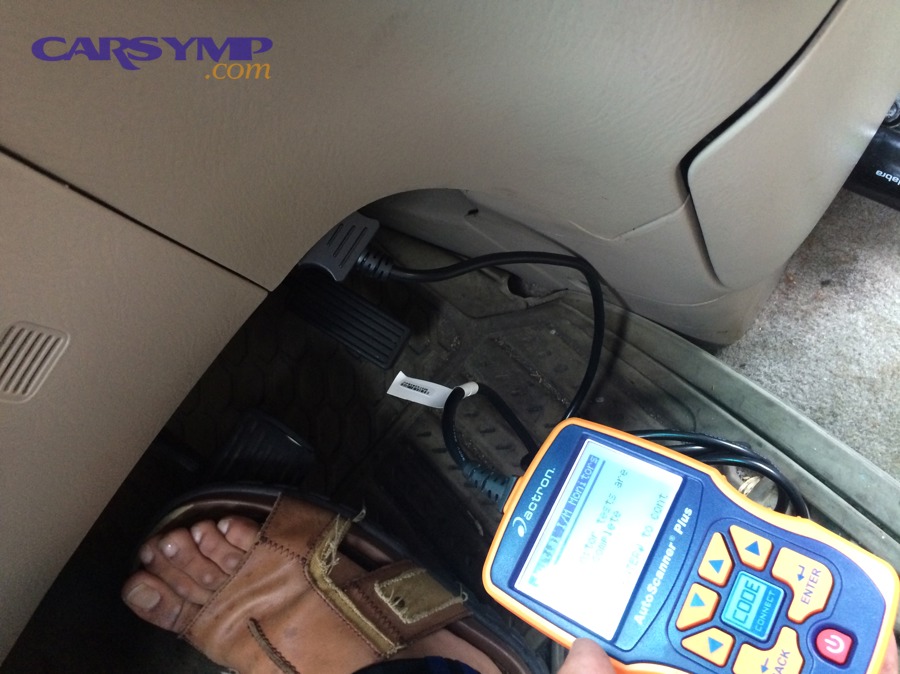
What are the safest steps if the engine stalls while driving?
The safest response when the engine stalls while driving is to maintain control first, because steering and braking assist may drop, and small mistakes during the surprise can create the real danger.
Specifically, follow this order:
- Hazard lights on immediately
- Keep both hands on the wheel and steer smoothly
- Shift to neutral (or clutch in) to prevent drivetrain drag
- Coast to the shoulder or a safe area
- Brake earlier than usual because assist may be reduced
- Restart only when you’re stable and straight
- After restart, do not re-enter fast traffic until you trust stability
This is where the phrase engine stalls while driving matters: you are not diagnosing first—you are controlling first.
When should you stop troubleshooting and call a mechanic or tow?
Yes—you should stop troubleshooting and call a mechanic or tow if the stall happens at speed, the engine won’t restart reliably, warning lights indicate critical risk, or you detect smoke/fuel/burning smells, because those conditions signal immediate safety hazards and potential engine damage.
Moreover, “tow” is the correct call when:
- The stall is sudden and repeatable at speed
- The vehicle dies and loses electrical power
- The vehicle restarts but stalls again within minutes
- You see oil pressure or overheating warnings
A safe tow is cheaper than a crash—and often cheaper than compounding damage from repeated forced restarts.
How can you prevent recurring stalls after the repair so it doesn’t come back?
A post-repair prevention routine combines verification, monitoring, and maintenance—so you confirm the fix, catch early regression, and prevent new airflow, fuel, ignition, or electrical weaknesses from recreating the same shutdown conditions.
In addition, the goal after repair is not just “no stalls today,” but “no stalls across the original trigger conditions,” including heat soak, idle transitions, and electrical loads.
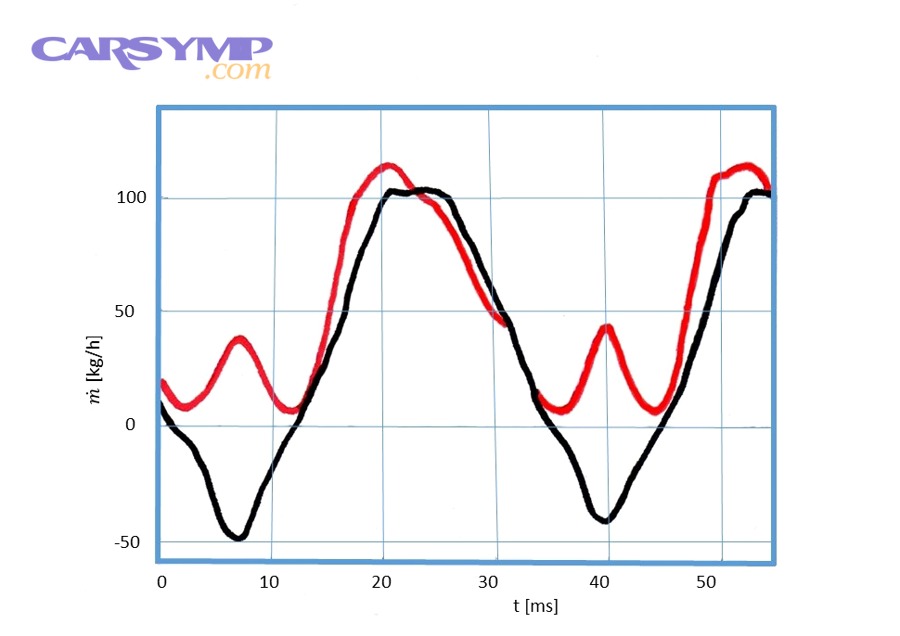
What post-repair checks confirm the stalling issue is actually solved?
There are 5 checks that confirm the stalling issue is solved: repeat the original trigger test, verify stable idle under load, confirm no pending codes, confirm stable fuel trims, and confirm stable charging voltage—because these validate the system that originally failed under real-world conditions.
To better understand why this matters, consider what “false confidence” looks like: the car runs fine in the driveway, then dies after a hot drive or a long idle at a stoplight.
Use this post-fix validation plan:
- Recreate the original trigger
- Same route, same heat conditions, same A/C use if relevant
- Idle load test
- A/C on, steering turn, headlights and blower on
- Scan check
- Look for pending codes and abnormal trims
- Voltage behavior
- Confirm the charging system supports electrical loads consistently
- Restart behavior
- Hot restart, short-trip restart, and after-idle restart
If you can’t reproduce the original stall anymore, and the supporting metrics look stable, your fix is far more likely to hold.
What habits reduce stalling recurrence in daily driving?
There are 6 habits that reduce recurrence: don’t ignore warning lights, avoid running near-empty fuel, address small misfires early, keep intake maintenance on schedule, prevent battery corrosion, and log any “almost-stall” moments—because most repeat stalls return gradually before the next full shutdown.
Especially helpful habits include:
- Fuel habits: avoid chronic low fuel (pumps run hotter and wear faster)
- Warm-up habits: don’t demand heavy load immediately after a cold start
- Early action: treat minor rough idle as an early warning, not “normal aging”
- Maintenance rhythm: simple inspections every few months prevent surprise failures
A recurring stall is rarely “random”—it’s usually “untracked.”
What uncommon issues can cause recurring engine stalls even after basic fixes?
There are 4 uncommon issues that can cause recurring engine stalls even after the basics are addressed: EVAP purge valve faults, torque converter clutch problems, heat-soak crank/cam sensor failures, and intermittent wiring/ground drops—based on trigger patterns like refueling, stopping behavior, heat, and vibration.
At this point, you’ve covered the primary prevention checklist and the most common root causes; the items below explain stubborn cases where “everything checks out” until a specific condition makes the engine shut down again.

Can an EVAP purge valve cause stalling after refueling?
Yes—an EVAP purge valve can cause stalling after refueling because a purge valve stuck open can flood the intake with fuel vapor at idle, destabilizing the mixture and causing an idle drop that turns into a shutdown.
More specifically, look for this pattern:
- Stalls within minutes after filling the tank
- Rough idle immediately after refueling
- Starts fine, then dies when you come to a stop
If you see that pattern, don’t chase fuel pumps first—test purge behavior and confirm whether the stall is tied to refueling events.
How can torque converter clutch problems mimic a manual-transmission stall?
Torque converter clutch problems mimic a manual-transmission stall because a clutch that fails to release can “lock” the drivetrain during stops, dragging RPM down until the engine dies—so it feels like you stopped without pressing the clutch in a manual.
However, the difference is in the trigger:
- TCC-related stall often occurs as you slow to a stop
- You may feel shudder or dragging
- The stall can disappear at highway speed and reappear at stops
If your stall is tightly tied to stopping behavior, especially in an automatic, include TCC behavior in your diagnostic plan.
What are the signs of heat-soak crank/cam sensor failure that comes and goes?
Heat-soak crank/cam sensor failure shows up as sudden shutdown when hot, tachometer drop to zero, inconsistent restart until cooling, and stall events that cluster after long drives—so the sensor looks “fine” when tested cold but fails under temperature stress.
More importantly, these Crank/cam sensor intermittent failure signs are often intermittent enough to evade basic code scans, which is why capturing data during the event (RPM signal, sync loss, or related codes) is so valuable.
Evidence: According to a 2011 master’s thesis by Chalmers University of Technology from the Department of Applied Mechanics (Division of Combustion), misfire detection performance can become difficult to maintain at high speeds without false alarms—highlighting why intermittent events require capturing the right signals under the conditions that trigger them, not only at idle in the driveway. (publications.lib.chalmers.se)
How do intermittent grounds or wiring faults create “random” stall events?
Intermittent grounds or wiring faults create “random” stall events by briefly interrupting power or sensor reference signals, which can reset modules, cut fuel pump power, or cause the ECU to lose timing reference—leading to a sudden shutdown that disappears when the connection re-makes.
To illustrate, wiring-related stalls often correlate with:
- Bumps, potholes, or turning
- Wet weather or high humidity
- Multiple unrelated codes appearing together
- Dash flicker or momentary electrical reset symptoms
If your stall feels like a switch flipping off—and it correlates with vibration—prioritize grounds, power feeds, and harness routing before replacing more sensors.
Evidence (if any)
- Virginia Tech Transportation Institute / Virginia Polytechnic Institute and State University (Department of Statistics affiliation) evidence on crash/near-crash odds ratios from secondary tasks supports a safety-first approach during any shutdown event. (pmc.ncbi.nlm.nih.gov)
- Chalmers University of Technology (Department of Applied Mechanics, Division of Combustion) thesis material supports the need to capture correct signals under real trigger conditions when diagnosing intermittent drivability events. (publications.lib.chalmers.se)