Diagnose & Fix Engine Stalls While Driving (Car Shuts Off) for Everyday Drivers: Causes, Safety Steps & Prevention
If your engine stalls while driving, you can usually diagnose the root cause by matching the stall pattern (speed, temperature, load) with the most likely system failure (fuel, ignition, sensors, electrical) and confirming it with basic checks or scan data.
Next, you’ll learn the safest, step-by-step response when the car shuts off in motion so you can protect yourself, your passengers, and other drivers while you regain control and get to a safe place.
In addition, you’ll see how to judge urgency—when it may be safe to limp to a shop versus when you should stop immediately and call for assistance because the risk is too high.
Introduce a new idea: below, we’ll connect symptoms → causes → diagnosis → fixes in one continuous “hook chain,” so each answer leads naturally into the next decision you need to make.
What does it mean when an engine stalls while driving (and is it the same as “car shuts off”)?
An engine stall while driving is a sudden loss of combustion that drops RPM to zero and stops propulsion, and it is often the same experience drivers describe as “the car shuts off,” even though the electrical system may stay on.
More specifically, the key is understanding what actually “dies” in the moment: the engine stops producing power, while the car may still roll due to momentum. That difference matters because your steering and braking effort can change immediately when the engine stops.
When people say “stall,” they often picture a manual transmission mistake at low speed. But stalling while driving also happens at 40–70 mph, during turns, or right after you lift off the throttle. “Shut off” can also mean the engine was deliberately cut by a module (for example, a security/immobilizer event), but to the driver it feels the same: the engine power is gone.
Here’s the practical definition you can use:
- Stall = engine stops running unexpectedly.
- Shut off = engine stops running unexpectedly or by command (rare), but the symptom is still “engine off while moving.”
What are the most common signs right before a stall happens?
There are 6 common pre-stall signs: hesitation, sputtering, surging, rough running/misfire, dashboard warnings, and power loss that worsens under load.
To illustrate, pre-stall symptoms usually come in patterns:
- Hesitation on acceleration → often fuel delivery or ignition breakdown under load.
- Surging idle then die → often air control or vacuum leak behavior.
- Misfire then stall → often ignition coil/plug issues or sensor input error.
- Stall after a bump → often electrical connection/ground/relay intermittency.
- Stall when braking/turning → can point to fuel pickup/pressure issues or idle control compensation limits.
A useful mindset: a stall is rarely “random.” The car is telling you when it fails—your job is to notice the pattern.
Is a stall while driving always dangerous?
No, a stall while driving is not always dangerous, but it becomes dangerous fast because (1) power steering assist can drop, (2) brake boost can reduce after a couple presses, and (3) you may lose the ability to accelerate out of a hazard.
However, the risk isn’t identical in every situation. A stall on an empty side street at 15 mph is fundamentally different from a stall in the left lane at 65 mph. Treat every stall as a safety event until you prove it’s isolated and controlled.
According to a study by University of Leeds from the Institute for Transport Studies, in 2005, driver performance worsened significantly when steering assistance failed during turning scenarios, highlighting how sudden loss of assistance can quickly create control problems.
What should you do immediately if your engine stalls while you’re moving?
You should prioritize control and visibility by following 5 actions: signal, hazards, steer to a safe place, brake smoothly, and attempt a restart only after you’re stable and positioned safely.
Then, the key is to keep your decisions simple under stress: your first win is getting out of the traffic stream. Your second win is making yourself predictable to others.
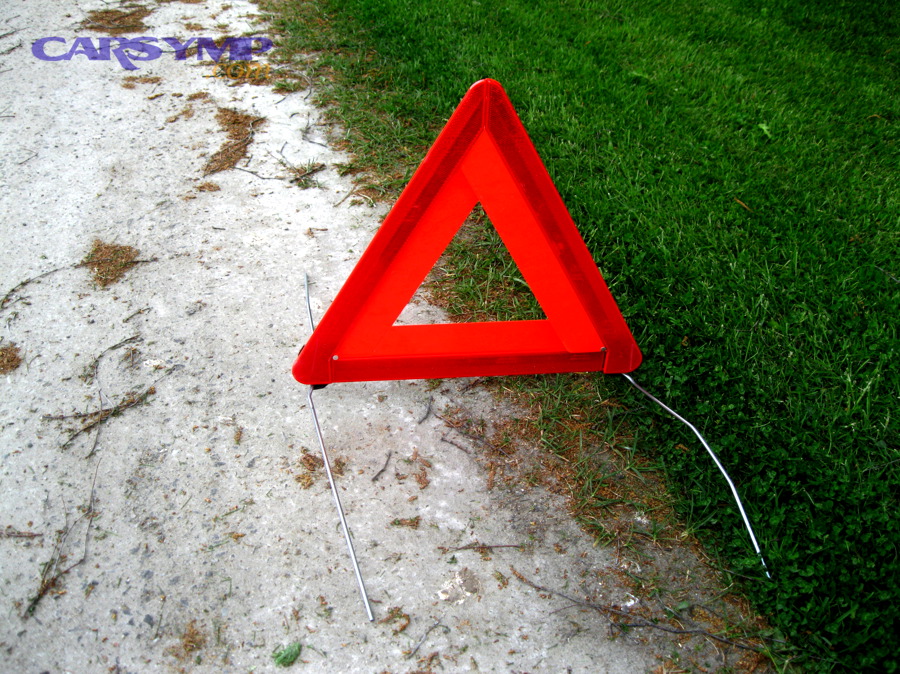
Use this “Safe actions when engine stalls on road” checklist:
- Grip the wheel firmly (steering may feel heavier).
- Turn on hazard lights to alert traffic.
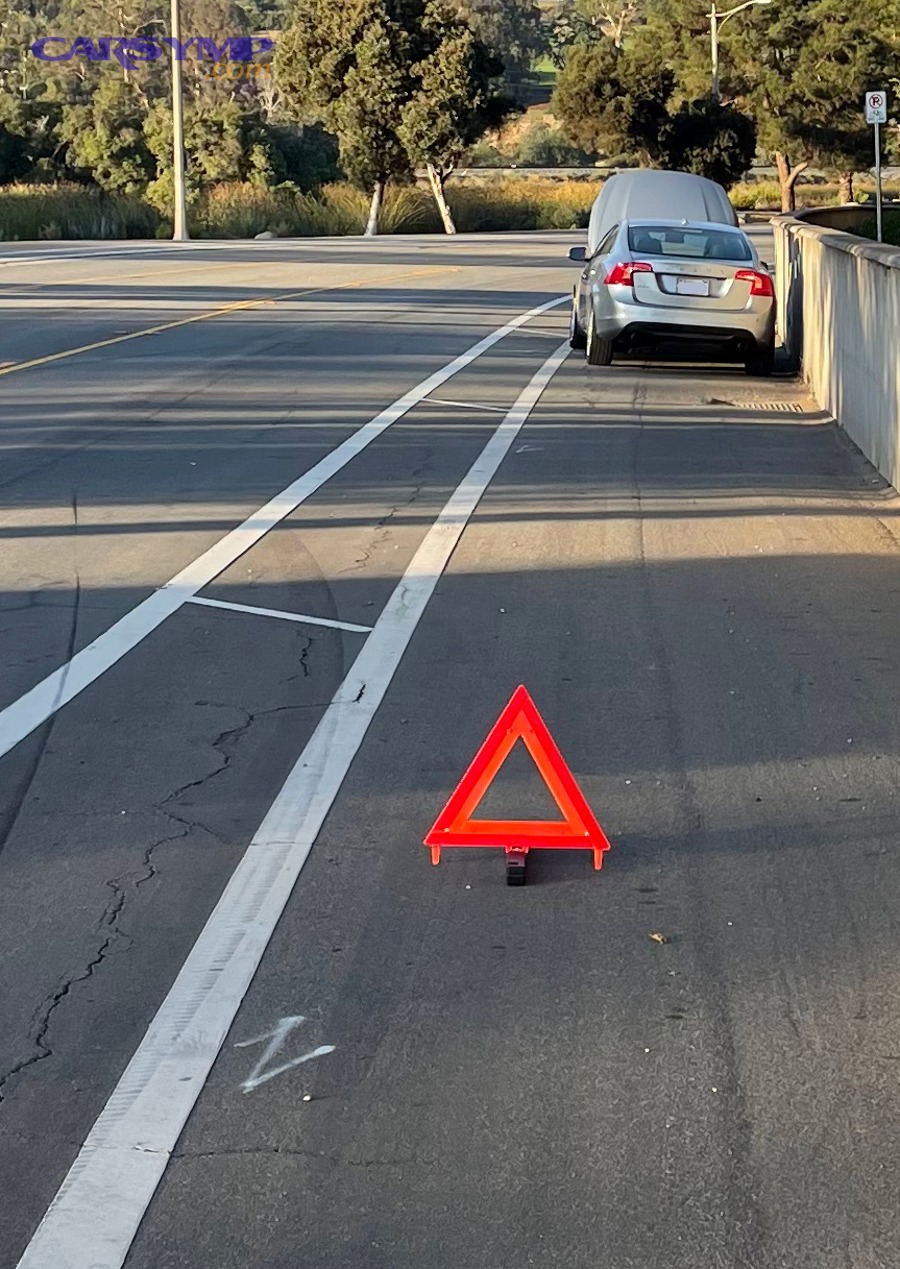
- Coast toward the shoulder or a safe turnout—aim for a spot with room and sightlines.
- Brake early and gently; avoid sudden moves that invite a rear-end impact.
- Shift to Neutral if the engine is dragging or you need smoother rolling control (automatic or manual).
- Stop fully, then assess (warning lights, smoke, unusual smells, leaks, noises).
- Restart once if conditions are safe; repeated attempts can worsen risk or damage if a mechanical failure is present.
If you’re on a highway, treat the shoulder as a temporary refuge, not a “work zone.” Stay visible, stay belted, and keep your next step focused on getting help.
Can you safely restart the car while rolling?
Yes, you can often restart while rolling if you can do it without distracting yourself from steering and braking, because (1) a rolling restart may restore power steering/charging sooner, (2) it can reduce time exposed in traffic, and (3) it may confirm whether the stall is intermittent or persistent.
However, do not force this in heavy traffic, on sharp curves, or if the car is unstable. If you try it:
- Keep both hands ready on the wheel.
- Shift to Neutral (many automatics restart more smoothly this way).
- Turn the key/press start briefly; if it doesn’t catch quickly, stop trying and focus on stopping safely.
When should you stop trying to restart and call for help?
Yes—you should stop trying and call for help if any of these are true: (1) you see smoke or smell burning fuel/oil, (2) the oil pressure or temperature warning indicates a serious condition, or (3) the engine repeatedly stalls immediately after starting.
A few “hard stop” triggers:
- Loud knocking/metallic clatter after restart attempts
- Flashing check engine light
- Overheating warning
- Fuel smell that’s strong and persistent
- The engine cranks but doesn’t catch and you suspect a car won’t start situation has developed
Safety-first logic: once you’re not confident the engine is healthy enough to run, repeated restarts can turn a manageable repair into a major failure.
What are the most likely causes of engine stalling while driving?
There are 5 main types of stalling causes—fuel delivery, ignition/spark, air intake/control, sensor/ECU inputs, and electrical power/ground—based on which system stops combustion or stops the ECU from sustaining it.

More importantly, you want to avoid guessing. Use a “Stalling while driving causes checklist” that starts with what fails most often and what you can verify fastest. Think of it as Fuel pump vs ignition vs sensor stall diagnosis—but anchored in evidence (symptoms + tests), not part swapping.
Here’s a high-level map:
- Fuel problems tend to worsen with load and sustained speed.
- Ignition problems often show as misfire/roughness before dying.
- Air control problems often show as unstable idle, stall at stops, or stall after throttle changes.
- Sensors can cause sudden cutouts, especially when hot.
- Electrical issues can look like “everything went weird at once” (lights flicker, dash resets, intermittent power).
Which fuel system problems most often cause stalling at speed?
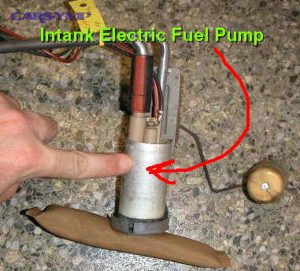
There are 4 common fuel-related stall causes: weak fuel pump, restricted fuel filter (if serviceable), failing fuel pressure regulator, and injector delivery problems, based on whether fuel pressure and volume stay stable under load.
Specifically, fuel issues often show one of these patterns:
- Stall after long cruise: pump heats up and can’t maintain pressure.
- Stall on hard acceleration: demand spikes, pressure drops, engine leans out and dies.
- Stall then restart after a few minutes: heat soak recovery (classic intermittent pump behavior).
- Hesitation + surging before stall: pressure fluctuates.
Practical checks (without overcomplicating it):
- Listen for pump prime at key-on (not definitive, but a clue).
- If you have tools, measure fuel pressure and watch it during a load event.
- Note whether the stall happens near empty tank (pickup and slosh can matter in edge cases).
Which ignition and air-intake issues commonly cause sudden stalls?
There are 5 frequent ignition/air causes: worn plugs, weak coils, dirty throttle body, idle control compensation limits, and vacuum leaks, based on whether spark strength and airflow control remain stable through throttle transitions.
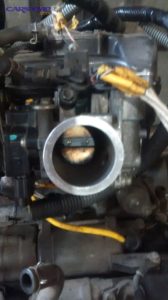
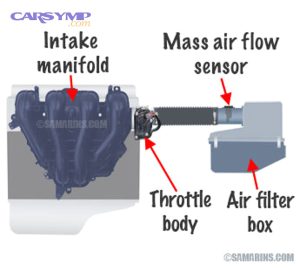
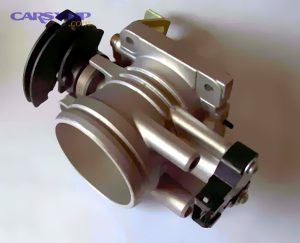
This is where “Throttle body and idle control issues” show up most clearly:
- The engine may run fine at speed but die as you come to a stop.
- The RPM may drop too low after you lift off the throttle.
- The car may stall when you switch AC on (extra load) if the idle strategy can’t catch it.
Also, don’t ignore Vacuum leak and EGR-related stalling:
- Vacuum leaks add unmetered air → lean condition → unstable idle → stall.
- An EGR valve stuck open (where applicable) acts like an internal vacuum leak → rough idle and stalls, especially at low speeds.
Which electrical and sensor failures can cut the engine instantly?
There are 5 common electrical/sensor cutout causes: crank sensor failure, cam sensor failure, bad grounds/terminals, main relay/ECU power interruption, and charging system faults, based on whether the ECU loses engine position signal or loses stable voltage.
This is where the phrase Crank/cam sensor intermittent failure signs matters, because these sensors can fail only when hot:
- Sudden stall, often with no sputtering
- Tach needle drops instantly
- Restart may work after a cool-down
- You might get a code—or you might not, depending on how quickly it fails and recovers
Electrical cutouts also show as:
- Random dash resets
- Headlights flicker with the stall
- Multiple unrelated warning lights at once
What mechanical or drivetrain issues can mimic stalling?
There are 4 less-common but real “stall mimics”: torque converter clutch staying engaged, severe overheating protection, timing/compression problems, and exhaust restriction, based on whether the engine is forced to a stop or can’t breathe/run under load.
The most “stall-like” drivetrain issue is when the torque converter clutch (TCC) fails to release at low speed. The car can feel like a manual transmission that stops without pressing the clutch: it shudders, drags, and dies as you brake to a stop.
Mechanical causes are less likely than fuel/spark/sensors, but you should keep them in mind if the stall comes with loud noises, overheating, or repeatable “always at the same moment” behavior.
How do you diagnose why the engine stalls while driving (without guesswork)?
You diagnose stalling without guesswork by following a 4-step method—capture the pattern, scan for codes and freeze-frame, test the likely system, and confirm with a repeatable trigger—so you stop replacing parts blindly.
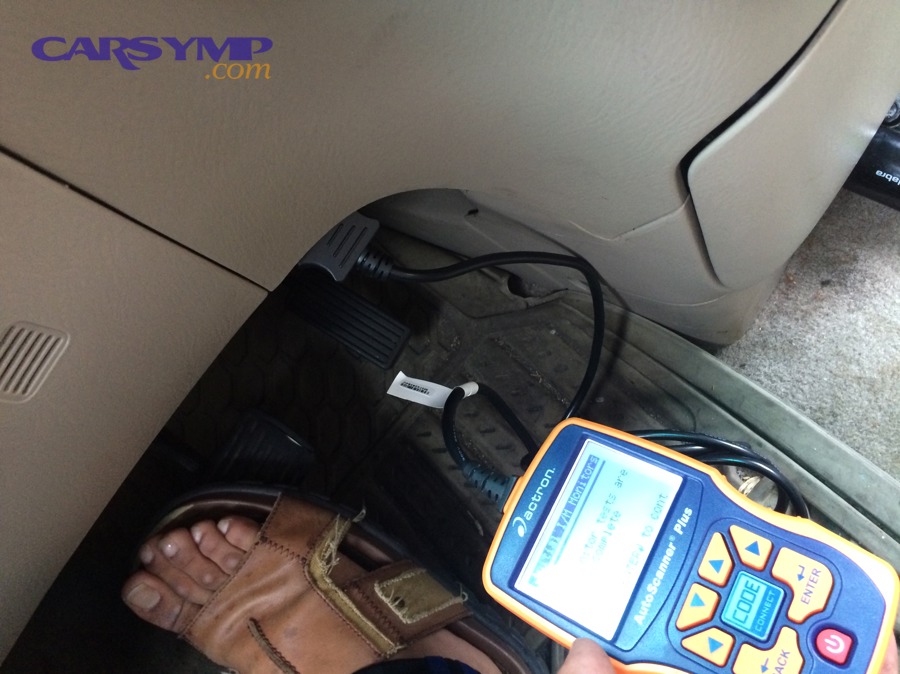
Next, treat this as a data problem. The more intermittent the stall, the more you want “snapshots” of what the car was doing right before it died. That’s why Scan data to capture stall events is so powerful compared to guessing.
Here’s the workflow that actually holds up:
- Write down the stall context: speed, RPM, temperature, fuel level, AC on/off, turning/braking, wet/dry weather.
- Scan for codes: even if the light is off, check pending/history codes.
- Pull freeze-frame (if a code stored): note RPM, load, coolant temp, fuel trims, vehicle speed.
- Pick the most likely system and test it (fuel pressure, voltage drop, sensor signal, intake leaks).
- Confirm: the fix should eliminate the stall in the same conditions that caused it.
What patterns (speed, temperature, turning, braking) narrow the cause fastest?
There are 6 high-value patterns—stall at idle, stall at speed, hot-only stall, cold-only stall, stall during turns/braking, and stall under load—based on when the engine control strategy is most stressed.
Use these quick interpretations:
- Hot-only stall → sensors (crank/cam), fuel pump heat soak, vapor-related issues.
- Stall at idle → air control, vacuum leaks, EGR stuck open, dirty throttle body.
- Stall at speed → fuel delivery, electrical cutout, engine position sensor dropout.
- Stall during turns/braking → idle compensation limits, slosh-related fuel pickup edge cases, wiring movement.
- Stall under load → fuel pressure drop, ignition breakdown, severe restriction.
This is also where “Stall at idle vs stall at speed differences” becomes practical: the same symptom (engine off) can come from totally different failures depending on when it happens.
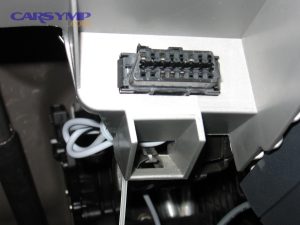
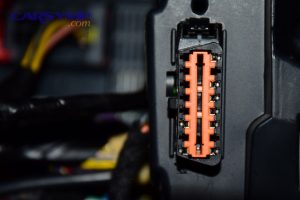
Do you need an OBD2 scan tool when the check engine light is off?
Yes, you still need an OBD2 scan tool when the light is off because (1) many stalls log pending/history codes without turning the light on, (2) freeze-frame or snapshot data can still exist, and (3) live data helps you catch sensor dropouts and voltage problems.
However, don’t limit yourself to “read codes.” Codes are only hints. The real value is live data:
- RPM signal stability (crank signal dropouts often show here)
- Fuel trims (vacuum leaks show as positive trims at idle)
- Coolant temperature and intake air readings (sanity check sensors)
- Charging voltage (alternator/regulator issues)
Which at-home checks are highest ROI before going to a shop?
There are 7 high-ROI checks—battery terminals, grounds, air intake/vacuum hoses, throttle body condition, air filter, fuel cap/EVAP clues, and charging voltage—based on cost, speed, and how often they solve intermittent stalls.
Start with what you can verify visually and physically:
- Tighten and clean battery terminals (a loose terminal can mimic major failures).
- Inspect grounds for corrosion or looseness.
- Look for cracked vacuum lines and disconnected hoses.
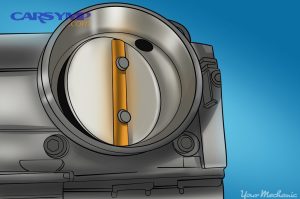
- Check for sticky throttle plate buildup.
- Confirm charging voltage is stable (rough check with a multimeter).
If the car has become a car won’t start case after stalling, prioritize:
- Battery/terminals first
- Then scan for crank/cam codes
- Then check for spark/fuel presence (or have a shop do it safely)
What should a mechanic test to confirm the root cause?
A mechanic should confirm the root cause by testing fuel pressure/volume, electrical voltage drop, sensor signals, and intake leaks, because those tests prove whether the engine is losing fuel, losing spark timing input, or losing stable ECU power.
To better understand what “real diagnosis” looks like, here are the tests that separate a true fix from a guess:
- Fuel pressure while driving or under load (not just at idle)
- Scope pattern for crank/cam sensors (captures intermittent dropouts)
- Voltage drop test across grounds and power feeds
- Smoke test for vacuum leaks
- Throttle body adaptation/learning checks on drive-by-wire systems
According to a study by University of Leeds from the Institute for Transport Studies, in 2005, simulator data collection at frame-rate allowed researchers to compare normal versus failed steering conditions across 40 drivers, reinforcing why capturing time-stamped data improves diagnosis and response planning.
Can you keep driving if the engine stalls while driving?
No, you should not keep driving after an engine stalls while driving unless (1) the stall is clearly isolated and does not repeat, (2) there are no critical warning lights or symptoms, and (3) you can reproduce safe operation without hesitation, misfire, or power loss.
However, the safest approach is a decision tree, not optimism. A stall is a “trust break”: the car has proven it can quit unexpectedly, and that’s a serious risk in traffic.
Use this simple rule:
- One stall with a clear, harmless explanation (e.g., driver error in a manual) may be recoverable.
- Any unexplained stall should be treated as “do not drive until diagnosed,” especially if it happens at speed.
Which warning lights or symptoms mean “do not drive”?
There are 7 “do not drive” triggers: oil pressure warning, overheating, flashing check engine light, smoke, strong fuel smell, loud mechanical noise, and repeat stalling, based on immediate risk of damage or collision.
Here’s why they matter:
- Oil pressure: seconds matter; running can destroy the engine.
- Overheating: continued operation can warp components and cause severe failure.
- Flashing CEL: active misfire can overheat the catalytic converter.
- Smoke or fuel smell: fire risk.
- Repeat stalling: collision risk.
If you’re unsure, don’t “test it in traffic.” If you must move the vehicle, do it in the safest possible conditions (short distance, low speed, minimal traffic) or tow it.
What is the difference between stalling at idle vs stalling at highway speeds?
Stalling at idle is most commonly linked to air control, vacuum leaks, and idle strategy limits, while stalling at highway speeds more often points to fuel delivery, electrical cutouts, or sensor signal loss, because the engine is under sustained demand and the control system relies heavily on stable inputs.
This difference matters because it changes your diagnostic order:
- Idle stall → inspect intake leaks, throttle body, EGR behavior, idle compensation.
- Highway stall → verify fuel pressure stability, charging voltage, crank/cam signal continuity.
That’s the practical meaning behind “Stall at idle vs stall at speed differences”: it’s not trivia—it’s your fastest path to a correct fix.
What fixes solve engine stalling while driving (and which are myths)?
Fuel system fixes win for load-related stalls, ignition fixes win for misfire-linked stalls, and sensor/electrical fixes win for sudden cutouts—while “miracle additives” are rarely a reliable solution for true stalling problems.
Next, map fixes to proven causes so you don’t waste money. A good repair feels boring: it’s targeted, confirmed, and repeatable.
Which fixes are common DIY repairs—and when are they worth trying?
There are 6 common DIY-level fixes worth trying—battery/ground service, spark plugs, coil replacement (when indicated), throttle body cleaning, vacuum hose repair, and filter maintenance—based on low risk, moderate cost, and frequent real-world success.
Here’s when each makes sense:
- Battery terminals/grounds: do this early when stalls feel like an electrical cutout.
- Plugs: do this when maintenance is overdue and misfire signs exist.
- Coils: replace when scan data supports it (misfire codes, consistent cylinder behavior).
- Throttle body cleaning: do this when idle is unstable or stalls happen as you come to a stop.
- Vacuum leaks: repair when trims suggest lean at idle and you see cracked hoses.
- Filters: replace where applicable and overdue.
To keep it actionable, here’s a quick table explaining what a “targeted DIY fix” looks like. (This table lists common symptoms, the likely cause category, and a safe first action.)
| Symptom pattern | Likely cause category | Safe first action |
|---|---|---|
| Instant stall, dash glitches | Electrical/ground | Clean/tighten terminals, inspect grounds |
| Rough running then stall | Ignition/air | Scan for misfire, inspect plugs/coils, intake |
| Stall after long drive | Fuel delivery | Avoid hard driving; schedule fuel pressure test |
| Stall at stoplights | Air control/vacuum/EGR | Inspect hoses, clean throttle body, check for codes |
Now add cost awareness so your plan matches your budget and urgency.
Repair cost for common stall causes
Costs vary by vehicle and location, but many stalling repairs fall into predictable ranges when you separate parts from labor. Use this as planning guidance, not a quote:
| Common confirmed cause | Typical repair approach | Relative cost level |
|---|---|---|
| Loose/corroded battery terminals | Clean/replace terminals, tighten grounds | Low |
| Spark plugs overdue | Replace plugs (and sometimes boots) | Low–Medium |
| Ignition coil failure | Replace affected coil(s) | Medium |
| Dirty throttle body | Clean + relearn/adaptation if needed | Low–Medium |
| Crank/cam sensor intermittent | Replace sensor + confirm signal | Medium |
| Weak fuel pump | Replace pump + verify pressure/volume | Medium–High |
The goal is to avoid spending “medium–high” money until you’ve proven the system is the problem.
Do fuel additives or “quick fixes” stop stalling reliably?
No, additives and “quick fixes” do not reliably stop true stalling because (1) they cannot repair failing electrical parts, (2) they rarely restore a weak pump or sensor signal, and (3) they can delay proper diagnosis until the stall becomes more dangerous.
However, additives may have limited value in narrow cases:
- Mild fuel contamination or injector deposits (usually drivability issues, not hard stalls)
- Preventive maintenance when no active fault exists
If the car is already stalling, treat additives as optional and secondary to real diagnostics.
How can you prevent future engine stalls once it’s fixed?
You prevent future stalls by maintaining the systems that most often trigger repeat failures—electrical health, airflow control, ignition maintenance, and fuel delivery stability—and by monitoring early warning signs before they become shutdown events.

More importantly, Preventing recurring stalling issues is about closing the loop: the stall happened, you fixed the cause, and now you protect the “weak links” that commonly fail next.
Which maintenance items reduce stalling risk the most?
There are 6 maintenance priorities that reduce stalling risk: battery/charging checks, spark plug intervals, intake cleaning, vacuum hose inspection, fuel quality/filters, and cooling system health, based on frequency and consequence of failure.
A practical prevention routine looks like this:
- Every oil change: quick inspection of terminals, obvious hose cracks, coolant level, odd smells.
- At plug interval: replace plugs on schedule; inspect coils/boots.
- Seasonally: check charging voltage and belt condition (where applicable).
- If you drive short trips: consider intake/throttle cleanliness and carbon-related drivability trends (vehicle-dependent).
If you’ve already experienced a stall, “prevention” also means eliminating the conditions that created the event:
- Avoid driving long distances before confirmation tests are complete.
- Don’t ignore intermittent warnings just because the car “seems fine today.”
What early signs should you watch for before stalling returns?
There are 7 early signs that often appear before stalling returns: long cranking, intermittent stumbling, idle hunting, new misfire feel, random warning lights, fuel economy drop, and repeatable hot-start weirdness, based on how failures progress.
Watch especially for signs aligned with your confirmed root cause:
- If the fix was electrical: watch for flicker, random resets, and voltage irregularities.
- If the fix was air control: watch for rough idle after decel and inconsistent idle speed.
- If the fix was fuel: watch for load-related hesitation and “dies after cruising” behavior.
- If the fix was crank/cam: watch for hot-only dropouts and sudden tach loss.
A simple habit that helps: record conditions anytime the car stumbles. The best diagnosis is often a pattern you can describe clearly.
What are the less common reasons your car shuts off while driving ?
There are 4 less common shutdown causes—immobilizer intervention, torque converter clutch lock, EVAP purge/vent faults, and ECU power/ground integrity issues—and they differ from typical stalls because they often look “instant,” repeat under specific triggers, and may not show classic sputtering signs.

Now you’re past the contextual border: you already have the primary diagnosis and safety framework. This final section expands micro semantics into edge cases that become relevant when the “usual suspects” don’t fit.
Could the anti-theft/immobilizer be causing the engine to shut off?
Yes, an immobilizer or security system can cause a shut-off if (1) the system intermittently fails key authentication, (2) there is a communication glitch between modules, and (3) the event happens without drivability buildup—often with a security indicator pattern.
Clues that push you toward this path:
- The engine stops suddenly with no misfire/hesitation.
- A security/key light appears or behaves strangely.
- Restart behavior depends on key position, fob proximity, or waiting a short time.
If you suspect this, you’ll typically need a scan tool capable of reading body/security module data, not just basic engine codes.
Is a torque converter clutch (TCC) problem the reason it stalls when stopping?
Yes, a torque converter clutch issue can cause stalling when stopping because (1) the converter stays “locked” too long, (2) the engine is forced to drag down as you brake, and (3) the symptom mimics a manual car stopping without clutch disengagement.
How it usually feels:
- The car drives, but as you slow down it shudders and dies.
- Restart is normal, but the stall repeats at stops.
This tends to be most obvious in “stall at stop” complaints rather than “stall at speed.” If the stall happens mostly when braking to a stop, include TCC behavior in your diagnostic plan.
Can EVAP purge valve or tank venting issues cause stalling after you’ve been driving awhile?
Yes, EVAP purge/venting issues can contribute to stalling because (1) a purge valve stuck open can create an overly rich/lean condition at the wrong time, (2) tank venting problems can distort fuel delivery conditions, and (3) symptoms can intensify after heat soak and extended driving.
Common hints:
- Rough idle after refueling
- Hot restart difficulty
- Fuel smell or unusual pressure release when opening the cap (use caution)
This is a classic “edge case” when basic fuel/ignition checks look normal but the stall appears after a long drive.
How can you tell a “stall” from a total electrical power cut or ECU power/ground issue?
A normal stall usually keeps the dash powered and behaves like the engine simply stopped, while a total electrical cut shows (1) dash resets or flickers, (2) accessories lose power, and (3) the event correlates with bumps, moisture, or load changes.
Use quick observations:
- Dash stays normal → more likely engine control/sensor/fuel.
- Dash goes dark or reboots → more likely power/ground/relay.
- Multiple unrelated warnings at once → often voltage or communication instability.
If your stall feels like a “power cut,” prioritize terminal/ground integrity and relay/fuse-box inspection early.
Note for readers who want more symptom libraries: if you’re building a broader diagnosis flow that connects stalling with other driveability issues, you can cross-reference symptom clusters on carsymp.com to keep terminology consistent while you narrow patterns.