


Engine stalling is expensive only when you guess wrong: the same symptom can come from a $20 cracked hose or a $1,000+ fuel delivery repair. This guide helps you estimate repair cost for common stall causes by matching stall patterns to the most likely systems—and the typical price ranges.
Next, you’ll see which failures cause engine stalls while driving versus stalls at idle, because that split changes both diagnosis time and parts that shops test first. Then, you’ll get realistic cost ranges for the most common culprits (fuel, sensors, air leaks, idle control, charging), including what makes a quote “normal” versus inflated.
In addition, you’ll learn how to build a cost estimate before you approve work: what data to collect, how to interpret OBD codes without over-trusting them, and when paying for diagnosis saves money.
Introduce a new idea: the fastest way to control cost is to treat stalling like a systems problem (fuel + air + spark + power supply + control signals), not a single “bad part” hunt.
Title analysis (Step 1.1)
Main keyword focus: repair cost for common stall causes
Predicate (main action): estimate
Relations lexical used: Meronymy (stall causes as “parts of” the stalling problem: fuel pump, crank/cam sensors, vacuum leaks, throttle body/idle control, alternator)
Outline intent type (Step 1.2)
Primarily Grouping + How-to (group causes and estimate costs), with Definition and Comparison inside
Intent breakdown (Step 1.3)
Primary intent: estimate repair cost ranges by stall cause
Secondary intent 1: understand what stalling means and why cause matters
Secondary intent 2: identify common causes and failure patterns
Secondary intent 3: avoid misdiagnosis and quote inflation
What does “engine stalling” mean, and why does the cause matter for repair cost?
Engine stalling is an unplanned engine shutdown caused by the engine losing the conditions it needs to keep running—air, fuel, spark, compression timing, or stable electrical power—and the cause matters because each system has a very different test path and price ceiling.
To reconnect this to cost control, the key is that “stalling” is a symptom umbrella: one shop might quote a throttle body, another might quote a fuel pump, and both can sound plausible unless you match the symptom to the system.
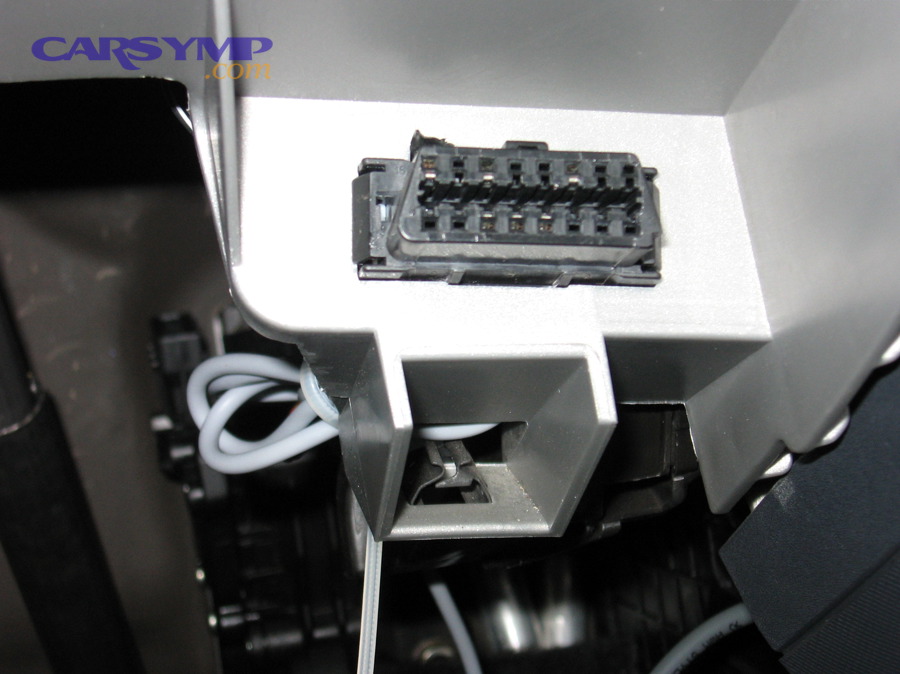
What’s the difference between a stall at idle and a stall while driving?
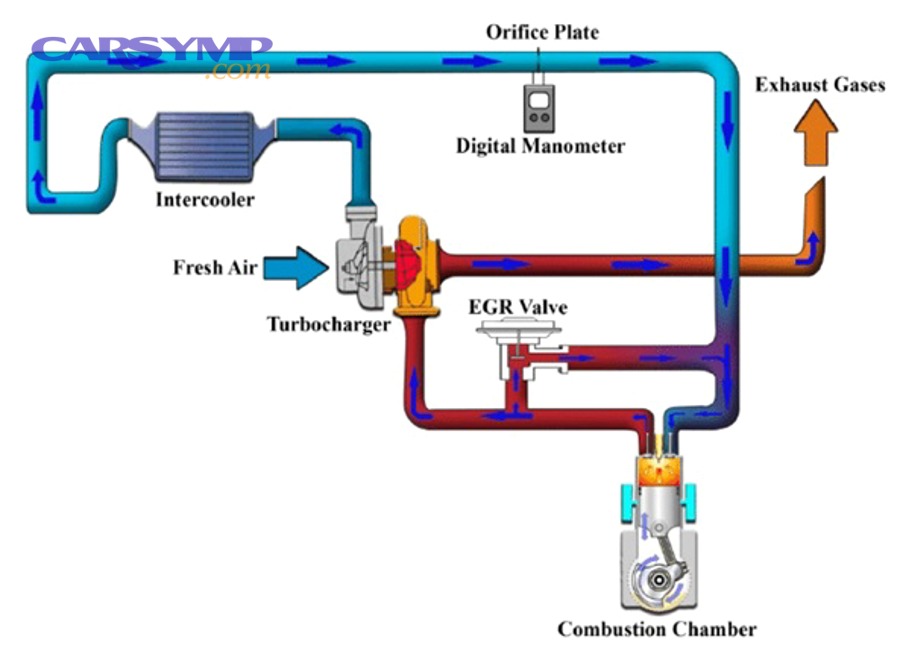
A stall at idle usually points toward airflow and idle control problems (dirty throttle body, idle air control strategy, vacuum leak, EGR stuck open) because the engine is operating on the smallest air and fuel margins.
However, a stall while driving tends to implicate fuel delivery under load, intermittent sensor signals, or charging voltage instability, because those faults often appear when demand rises or when heat/vibration peaks.
Practical cost takeaway: idle-related stalls often start with cleaning, smoke testing, and targeted leak checks; “while driving” stalls often require fuel pressure testing, waveform checks, and road testing—more labor time before the part is even chosen.
Why can the same “stall” trigger very different repair paths?
Because modern engine control depends on sensor data and commanded actuators, the engine can shut off for multiple reasons that look identical from the driver seat:
- Fuel pressure drops for a fraction of a second
- Crank/cam signal glitches (the ECU “loses” engine speed reference)
- Unmetered air enters (lean spike)
- EGR opens when it shouldn’t (combustion stability collapses)
- Voltage drops and control modules reset
That’s why accurate pre-approval estimating isn’t “pick the most common part,” but “pick the most plausible system based on the stall context.”
Which stalling causes are most common, and how do they usually fail?
There are 5 main types of common stalling causes—fuel delivery, position sensors (crank/cam), unmetered air/vacuum leaks & EGR flow issues, throttle body/idle control, and charging/voltage problems—based on which requirement for combustion gets interrupted.
To keep this actionable, you’ll use failure “signatures” to narrow the likely category before you talk money.
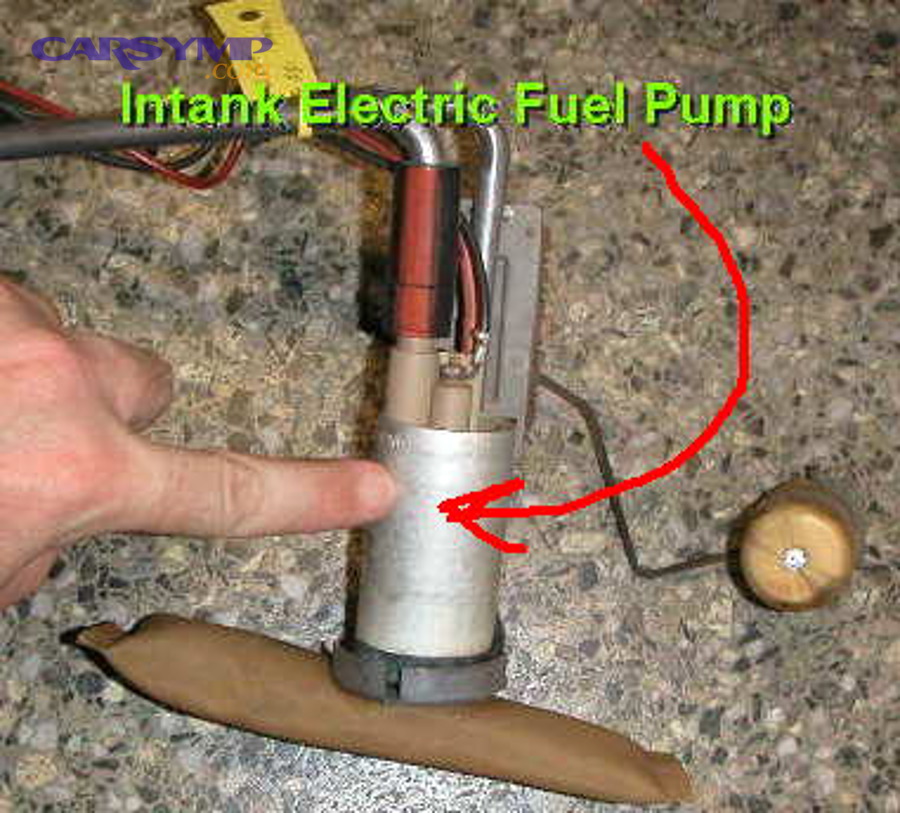
Fuel delivery problems: pressure drop, volume loss, or electrical feed issues
Fuel-related stalls often show up as:
- Stalls under acceleration or climbing
- Long crank or hard restart after stall
- Lean codes or random misfire codes without a clear ignition cause
- “Runs for a bit, then dies” patterns (pump overheating or weak)
Fuel delivery failure can be the pump, the module, wiring, relay, filter (where serviceable), or regulator depending on vehicle design.
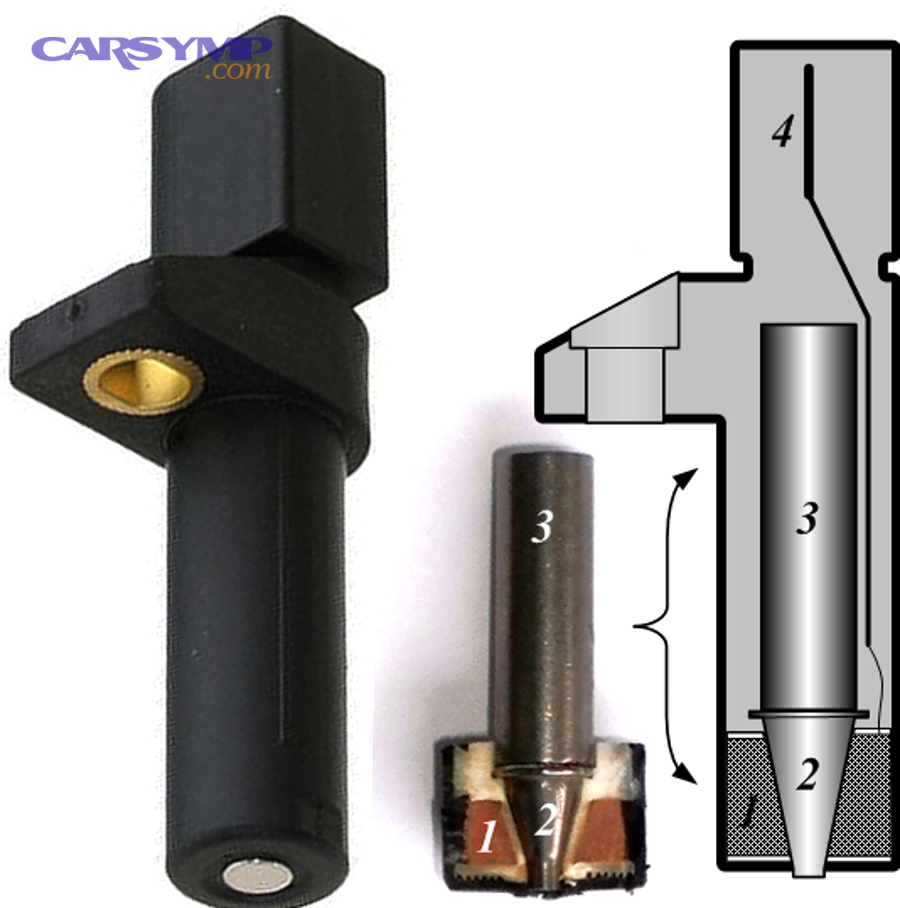
Crank/cam sensor intermittent failures: signal dropout when hot or vibrating
Sensor-related stalls often look like:
- Sudden shutoff like someone turned the key off
- Tach drops instantly
- Restarts after a cool-down, then repeats
- No consistent “rough running” beforehand
These are classic “intermittent signal” failures—especially when heat soak changes resistance or a harness opens briefly.
Vacuum leak and EGR-related stalling: unstable mixture at idle or decel
Vacuum leak and EGR-related stalling often presents as:
- Rough idle that occasionally dies at stops
- Stalling on deceleration (coming off throttle)
- Idle trims/lean codes (depending on leak size and ECU strategy)
- Hissing sounds or inconsistent idle speed
Vacuum leaks can be as simple as a cracked hose or as complex as intake gasket leaks that require significant labor. EGR stuck open effectively becomes an “internal vacuum leak” by diluting intake charge at the wrong time.
Throttle body and idle control issues: dirty plate, electronic throttle faults, adaptation problems
Throttle body and idle control issues show up as:
- Idle hunts (up/down), then stalls
- Stalls right after starting or when shifting into gear
- Reduced power messages (on some vehicles)
- Needs throttle input to stay running
Sometimes a cleaning + relearn solves it; sometimes the electronic throttle actuator or position sensor fails and replacement is required.
Charging/voltage instability: alternator output drops and modules reset
Charging issues can mimic fuel/sensor problems because the ECU and fuel pump need stable voltage. A weak alternator or broken belt can cause:
- Battery/charging light or flickering dash
- Weird electrical behavior before stall
- Stall plus no-crank or weak restart after
AutoZone notes the alternator is a common reason for a vehicle to shut down once the battery is no longer being charged. (autozone.com)
What is the typical repair cost range for the most common stall causes?
Typical repair costs cluster into predictable bands: $100–$300 for basic leak/hoses/sensors on accessible engines, $400–$800 for common actuator and emissions-flow repairs, and $750–$1,500+ for fuel delivery or high-labor access jobs—based on parts price + access time + diagnostic complexity.
To connect this to decision-making, treat the ranges as planning numbers: your vehicle, region, and access can move you within (or beyond) the band, but the band tells you whether a quote is “in family” or suspicious.
Before the table, here’s what it contains: the table groups the most common stalling systems and shows typical total repair ranges you’ll see quoted (parts + labor), so you can sanity-check estimates before approving work.
| Stall Cause Category | What Usually Gets Repaired | Typical Total Cost Range (USD) |
|---|---|---|
| Vacuum leak (simple hose) | Replace cracked hose/PCV line, clamps | $100–$300 |
| Vacuum leak (hard-to-find) | Smoke test + gasket/boot repair | $300–$1,500 |
| Crankshaft position sensor | Sensor + labor | ~$220–$331 |
| Camshaft position sensor | Diagnosis + sensor | ~$200–$400 |
| Throttle body (replace) | Throttle body assembly | ~$622–$772 |
| EGR valve (replace) | EGR valve + labor | ~$444–$597 |
| Alternator (replace) | Alternator + belt check | ~$757–$1,032 |
| Fuel pump (module) | Pump/module + labor | ~$1,247–$1,506 |
These bands are supported by common estimator and repair references: vacuum leak repairs can span widely depending on cause and detection method, while throttle body, EGR, alternator, and fuel pump replacements tend to land in more consistent brackets. (autozone.com)
Fuel delivery problems: what you’re paying for and why it gets expensive fast
Fuel pump/module replacements often cost more for two reasons:
- The part can be expensive (especially complete modules).
- Access can be labor-heavy (dropping a tank, removing rear seat access panels, or dealing with rusted fasteners).
RepairPal’s estimator places fuel pump replacement in the ~$1,247–$1,506 range on average. (reddit.com)
Cost-control notes:
- If a shop didn’t measure fuel pressure/volume or current draw, ask what test supported the pump conclusion.
- Ask if the quote includes a new seal, lock ring, and fuel line clips (common “small parts” add-ons).
Crank/cam sensor intermittent failures: usually moderate cost, but diagnosis can add time
If the sensor is accessible, parts are often reasonable and labor is moderate. RepairPal lists crankshaft position sensor replacement around ~$220–$331. (repairpal.com)
CarTalk notes cam sensor diagnosis + replacement commonly lands in the ~$200–$400 range at a local shop.
Cost-control notes:
- Intermittent faults sometimes require road testing and signal verification. If the quote is mostly “labor,” ask what signals were captured.
- Some engines have multiple cam sensors; confirm whether the quote is for one sensor or a set.
Vacuum leak and EGR-related stalling: the range is huge because the “leak” can be cheap or buried
Vacuum leaks swing wildly. AutoZone notes you might spend anywhere from ~$100 to $1,500 depending on what’s leaking and whether smoke testing is needed. (autozone.com)
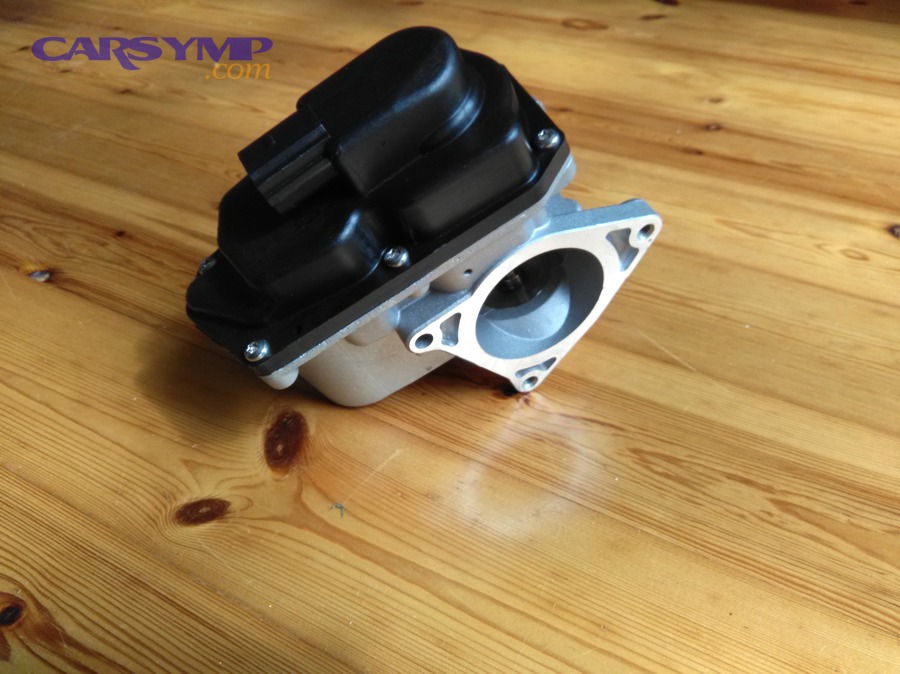
EGR repairs are more predictable when the valve is the confirmed failure; RepairPal lists EGR valve replacement around ~$444–$597 on average. (repairpal.com)
Cost-control notes:
- “Leak found” should come with where it was found (photo, smoke escaping point, measured fuel trims).
- For EGR, confirm whether the issue is the valve itself, a clogged passage, or a control solenoid—repairs differ.
Throttle body and idle control issues: cleaning can be cheap, replacement is not
Replacement can be significant: RepairPal estimates throttle body replacement around ~$622–$772. (repairpal.com)
Some guides note many replacements fall roughly in the $500–$650 band, but vehicle design can push it higher. (synchrony.com)
Cost-control notes:
- Ask whether cleaning + idle relearn was tried (if appropriate for your vehicle).
- If replacement is recommended, ask whether the throttle body includes the actuator and sensors or is a separate component.
Charging system issues: alternator prices are often “mid-high,” and diagnosis matters
RepairPal estimates alternator replacement around ~$757–$1,032. (repairpal.com)
Cost-control notes:
- Confirm charging voltage was tested (and belt condition checked).
- Electrical stalls can be intermittent; ask if the shop load-tested the charging system and verified ripple/voltage stability.
Can you estimate stall repair cost without a shop diagnosis?
Yes—you can estimate a stalling repair cost within a useful range by collecting 3 inputs (stall context, basic scan data, and a short list of likely systems) and then pricing the top 1–3 repair paths, which helps you spot unrealistic quotes early.
To make that practical, you’ll build a “pre-diagnosis estimate” that doesn’t pretend to be exact, but prevents blind approvals.
What information do you need to estimate cost realistically?
Capture these in your notes app before you call a shop:
- When it stalls: idle, decel, accelerating, cruising, bumps, rain
- Temperature: cold start, fully hot, after 20–30 minutes driving
- Restart behavior: immediate restart, long crank, only after cool-down
- Dash behavior: lights flicker? gauges reset? warning lights?
- Fuel level pattern: happens more at low tank? (some pumps overheat more easily)
- Recent work: battery, alternator, throttle cleaning, intake work
Then convert those into likely buckets:
- Idle/decel stall → air leak/EGR/throttle/idle strategy
- Load-related stall → fuel delivery / ignition / sensors
- Electrical oddities → alternator/ground/battery connections
That mapping is what lets you attach a cost band.
How to use OBD2 codes wisely without over-trusting them
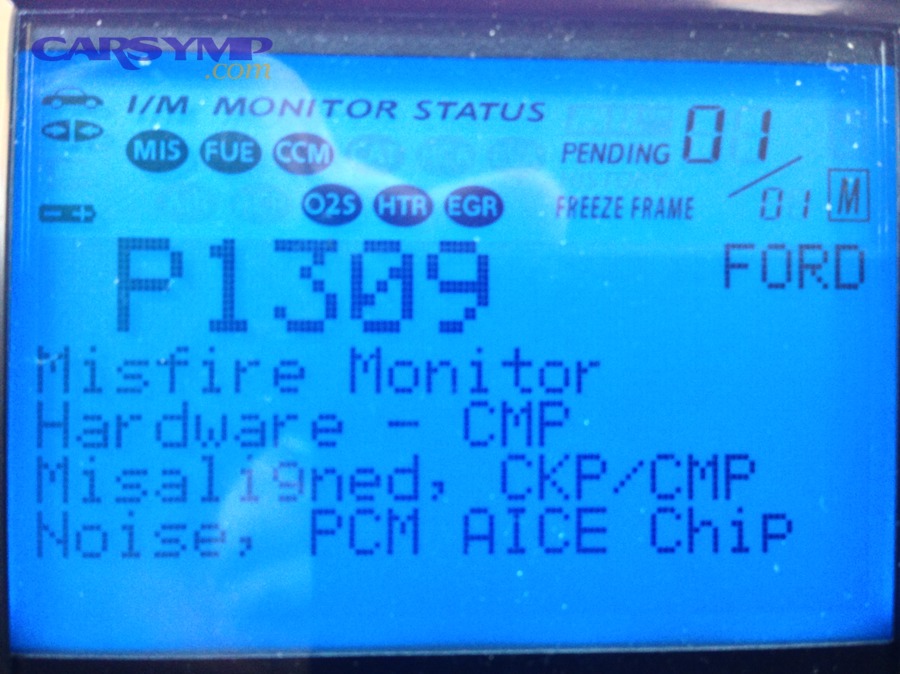
Codes are clues, not verdicts. A lean code might be a vacuum leak, low fuel pressure, MAF issues, or exhaust leak upstream. A misfire code can be ignition, injector, compression, or even air leak.
The cost risk is replacing the “named part” from a code without verifying the mechanism. An Ohio State University paper on automotive diagnostics notes industry studies showing false positives (e.g., expensive ECU replacements) can be very high—cited as up to 80% in an example context—illustrating why confirmation matters before swapping big parts. (pangea.stanford.edu)
Practical way to reduce code-led overpayment:
- Ask for supporting measurements: fuel trims, fuel pressure, charging voltage, sensor signal integrity.
- Treat a code as “which system to test first,” not “which part to buy first.”
When a tow or diagnostic fee is worth it financially
Paying for diagnosis is worth it when:
- The likely repairs span multiple price tiers (e.g., $150 vacuum hose vs $1,500 fuel pump).
- The symptom is intermittent and needs reproduction.
- You suspect a wiring/voltage issue (parts-swapping gets expensive fast).
Even if the diagnostic fee is $100–$200, it can be the cheapest way to avoid a $600–$1,000 wrong part.
What makes stalling repair quotes vary so much?
Stalling quotes vary because the same symptom can require different test time, and labor/time drivers (access, region, parts choice, and “while we’re in there” add-ons) can change total cost by hundreds—even when the repaired component is similar.
To connect this to quote evaluation, you’ll look for which variability driver is present in your estimate.
Vehicle design and access: the hidden multiplier
Two cars can have the same failing sensor, but:
- One sensor is top-mounted and reachable in 15 minutes
- Another is behind the engine or integrated into a housing
Fuel pumps are the classic example: access panel vs tank drop can swing labor dramatically.
OEM vs aftermarket parts: price and failure risk trade-offs
OEM parts can cost more but may reduce comebacks on sensitive systems (some throttle bodies and sensors). Aftermarket can be fine, but quality variance is real—especially for electronics.
Cost strategy: if labor is high, consider higher-confidence parts because you don’t want to pay labor twice.
Labor rate and region: your ZIP code matters
A $150/hr shop versus a $220/hr shop changes totals quickly on diagnostic-heavy problems. Quotes also differ by shop type (dealer vs independent) and warranty coverage.
Related repairs and cascading damage: “stalling” rarely lives alone
A stall root cause can create second-order issues:
- Repeated stalls can foul plugs (rich restarts)
- Vacuum leaks can overwork idle strategy and trigger additional codes
- Charging issues can weaken the battery and create no-start after the stall
Ask which items are required versus “recommended maintenance.”
How can you avoid paying for the wrong stalling repair?
Yes—you can avoid paying for the wrong stalling repair by (1) requiring a test-backed diagnosis, (2) verifying the failure matches the stall pattern, and (3) documenting the event so the shop isn’t guessing.
To keep this tied to results, the goal isn’t to “challenge the mechanic,” it’s to make sure your money buys the fix that actually stops the stall.
Steps to prevent misdiagnosis before you approve repairs
Use this 7-step filter:
- Ask: “What tests confirm this part failed?”
- Ask for the numbers: fuel pressure, trims, voltage, or scope/waveform notes
- Ask what was ruled out (e.g., “Did you smoke test for leaks?”)
- Confirm the stall pattern matches the failure (idle vs load vs hot)
- Request a written estimate with parts + labor separated
- Ask about return policy/warranty on the part and labor
- If the repair is expensive, ask what a second plausible cause is—and how they distinguished between them
This is especially important when the proposed repair is a high-ticket item like fuel delivery or throttle body replacement.
What to ask the shop so the quote becomes measurable
Good questions that force clarity:
- “If we replace this and it still stalls, what happens next—and what’s covered?”
- “Did you reproduce the stall, or is this based on codes only?”
- “Can you show me freeze frame data or fuel trim readings?”
- “Is this a confirmed leak location, or still a suspicion?”
How to test-drive safely and capture evidence
Intermittent stalls are where documentation saves money. Use Scan data to capture stall events by logging RPM, fuel trims, throttle position, and voltage with a basic scan tool app, then matching the timestamp to when the stall happened.
If your engine stalls while driving, prioritize safety: signal, move to the shoulder, avoid restarting in traffic, and call for help if needed. Evidence can also reduce labor time because the shop can target the right system faster.
Warranty and comeback protection: don’t leave without it
For expensive repairs, ask for:
- Parts warranty duration
- Labor warranty duration
- What constitutes a “comeback” (same symptom, same code, same failure mode)
This is the simplest guardrail against paying twice for the same unresolved stall complaint.
How can you prevent recurring stalling issues after the repair?
You can prevent recurring stalls by addressing the root cause and stabilizing the supporting systems—air sealing, clean airflow control, consistent voltage, and periodic scan checks—so the next minor issue doesn’t recreate the same symptom.
To connect prevention to cost, the cheapest “stall repair” is the one you don’t have to repeat.
Preventing recurring stalling issues with a simple maintenance checklist
Focus on the systems most likely to re-trigger stalling:
- Air leaks: replace brittle vacuum lines, confirm clamps and boots seat correctly
- Airflow control: clean throttle body if your vehicle’s maintenance schedule supports it, and perform the correct relearn procedure
- Electrical stability: check battery terminals, grounds, and charging voltage periodically (especially after alternator/battery work)
- Fuel delivery health: avoid running the tank consistently near empty (reduces pump cooling margin on many designs)
When to re-scan after a stalling repair
Re-scan:
- After 2–3 normal drive cycles
- If you feel even a hint of hesitation returning
- Before a long trip (quick check = cheap insurance)
If codes return, treat them as early-warning signals, not “wait until it stalls again.”
A quick “red flag” list that means you should stop driving and diagnose immediately
- Repeated stalls in traffic
- Electrical flicker + stall (possible charging failure)
- Loss of power steering/brake assist behavior during stall events
- Strong fuel smell or signs of leaking fuel
If any of these appear, prioritize safety first, then diagnosis.
Evidence (selected)
According to a study by The Ohio State University from the Department of Mechanical Engineering and Center for Automotive Research, in 2009, industry studies cited in their automotive diagnostics overview reported false positives (example: ECU replacement decisions) reaching as high as 80% in the referenced context, underscoring why test-confirmed diagnosis matters before expensive part replacement. (pangea.stanford.edu)