


Most EVAP leaks can be found at home by following a repeatable checklist that moves from “free and obvious” to “measured and confirmed,” so you don’t waste time guessing. This DIY EVAP troubleshooting checklist focuses on the same leak paths that trigger common codes (like small/large leak faults), and it tells you exactly what to inspect, test, and rule out in order.
You’ll also learn what counts as an EVAP leak symptom (and what doesn’t), how the EVAP monitor actually runs, and why fuel level, temperature, and drive cycles can make the same car “pass” one day and “fail” the next.
Then you’ll get a step-by-step workflow—starting with the gas cap and hoses, moving through purge/vent valve testing, and finishing with scan data (including Mode $06 on many vehicles) so you can confirm you fixed the correct failure.
Introduce a new idea: once you understand how EVAP is tested and what “readiness” really means, you can fix the leak and verify it properly—so the check engine light stays off and the car is ready for emissions.
What Is the EVAP System, and Why Does It Trigger Leak Codes?
The EVAP system is an emissions-control network that stores and burns fuel vapors instead of letting them vent to the air, and it triggers leak codes when it can’t seal and hold pressure/vacuum during self-tests.
Next, because those self-tests are picky about conditions, you’ll diagnose faster if you understand the parts, the test logic, and what each code usually implies.
What parts make up the EVAP system?
At a high level, the EVAP system has one job: capture vapors from the fuel tank and route them into the engine to be burned—but only when conditions are safe and commanded.
Core components you’ll see on most modern vehicles:
- Fuel tank + filler neck: where vapors originate and where sealing begins.
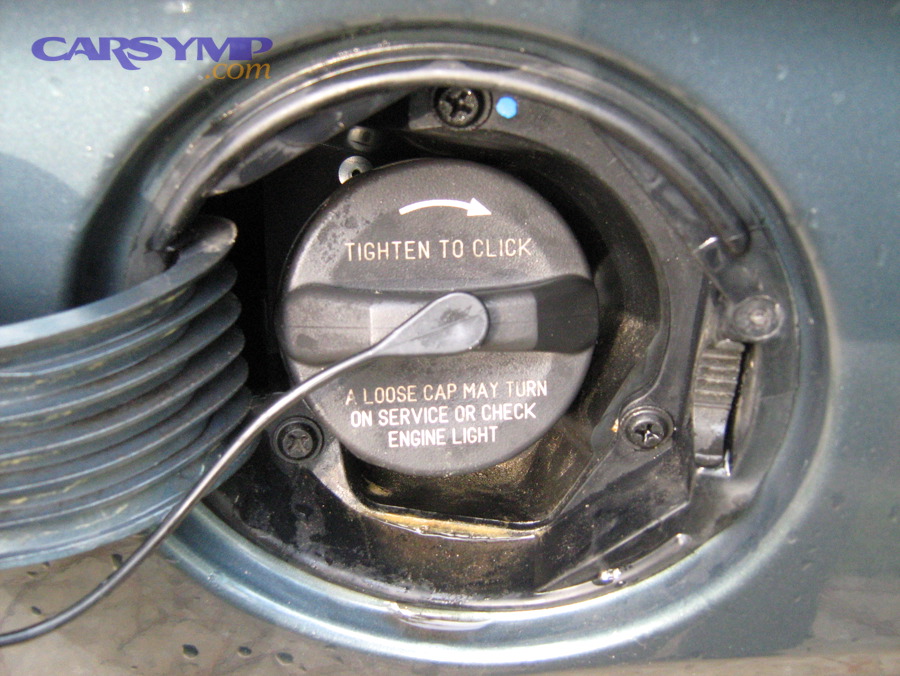
- Fuel cap or capless sealing system: the simplest—and most commonly mishandled—seal point.
- EVAP lines/hoses: vapor lines between tank, canister, purge valve, and vent valve.
- Charcoal canister (activated carbon canister): stores vapors so they don’t escape.
- Purge valve (purge solenoid): meters stored vapors into the intake manifold when the engine can burn them.
- Vent valve (canister vent valve / close valve): lets fresh air in during purge, and closes during leak tests.
- EVAP pressure sensor (FTP sensor) on many vehicles: reports tank pressure/vacuum changes for diagnostics.
- Vent filter (common on many platforms): prevents dust/water ingestion—often overlooked and sometimes the root cause of repeated faults.
A simple way to think about it is Meronymy (part–whole): the EVAP system “whole” is only as good as its seals (gas cap/capless), valves (purge/vent), container (canister), and plumbing (hoses).
How does the PCM test EVAP leaks?
Most OBD-II vehicles run an EVAP integrity test by doing three things:
- Sealing the system (usually by closing the vent valve).
- Creating a small pressure or vacuum change (via purge flow, a pump, or a combination).
- Watching how well it holds that change (using an FTP sensor or inferred behavior).
Different manufacturers vary, but the diagnostic concept is consistent:
- If the system can’t build the expected vacuum/pressure, the PCM assumes a large leak or a valve stuck open.
- If it builds but decays too quickly, the PCM suspects a small leak or a marginal seal.
- If the PCM sees flow when it shouldn’t (or no flow when it should), it may set purge/vent performance codes.
That’s why “just replace the gas cap” sometimes works—and sometimes doesn’t: the PCM isn’t testing your cap in isolation; it’s testing the entire sealed vapor path.
Which EVAP DTCs match small vs large leaks?
Here’s a quick decoding table. It doesn’t replace a factory manual, but it helps you choose the right first test instead of throwing parts.
This table summarizes common EVAP code families and what they typically mean in leak-size terms.
| Code family (examples vary by make) | Typical meaning | What it often points to first |
|---|---|---|
| “Large leak / gross leak” (e.g., P0455-type) | Can’t seal or can’t build test vacuum/pressure | Loose/missing cap, capless seal issue, disconnected hose, vent valve stuck open |
| “Small leak” (e.g., P0442-type) | Seals but decays | Cap seal, tiny hose crack, canister vent filter restriction causing false behavior, tank seal, marginal vent valve |
| “Very small leak” / “0.020 leak” (platform-specific) | Extremely minor decay | Cap seal age, microscopic hose splits, filler neck rust, hairline canister cracks |
| Purge/vent flow performance (platform-specific) | Flow out of spec | Purge valve leaking when closed, vent valve sticking, restricted canister/vent filter |
Gas cap issues and proper testing matter here: “small leak” codes are commonly caused by marginal sealing that visually looks fine but fails under pressure/vacuum.
According to a study by University of Michigan from the School of Public Health, in 2005, measurements on in-use vehicles found that fuel-cap hydrocarbon emissions were present across vehicles, with average emissions of 2.0 mg/hour (median 0.5 mg/hour) and a skewed distribution where a small number of vehicles had much higher values.
Can You Diagnose EVAP Leaks Yourself Without Special Tools?
Yes—on many vehicles you can diagnose EVAP leaks yourself using a checklist approach because most failures are caused by a few repeat offenders (cap/seals, cracked hoses, stuck purge/vent valves), and you can confirm them with basic tests.
Then, the key is knowing what you can validate with simple tools and when a professional smoke test becomes the smarter move.
Is it safe to DIY EVAP diagnosis?
Yes, if you follow three safety rules:
- No open flames or sparks around the fuel filler area, EVAP lines, or canister. Vapors can ignite.
- Support the vehicle properly if you need to inspect lines near the tank (jack stands, wheel chocks).
- Don’t pressurize the fuel tank with high pressure. EVAP testing is typically done at very low pressure. High pressure can damage seals or create leaks that don’t exist under normal EVAP conditions.
DIY diagnosis is mostly visual inspection, low-risk valve checks, and scan-tool verification. You’re not opening the fuel system like you would for a fuel pump.
What tools do you actually need?
You can do a lot with a surprisingly short list:
- Good light + small inspection mirror: to see filler neck seals, hose routing, and canister cracks.
- Basic hand tools: hose clamps, trim fasteners, underbody shields.
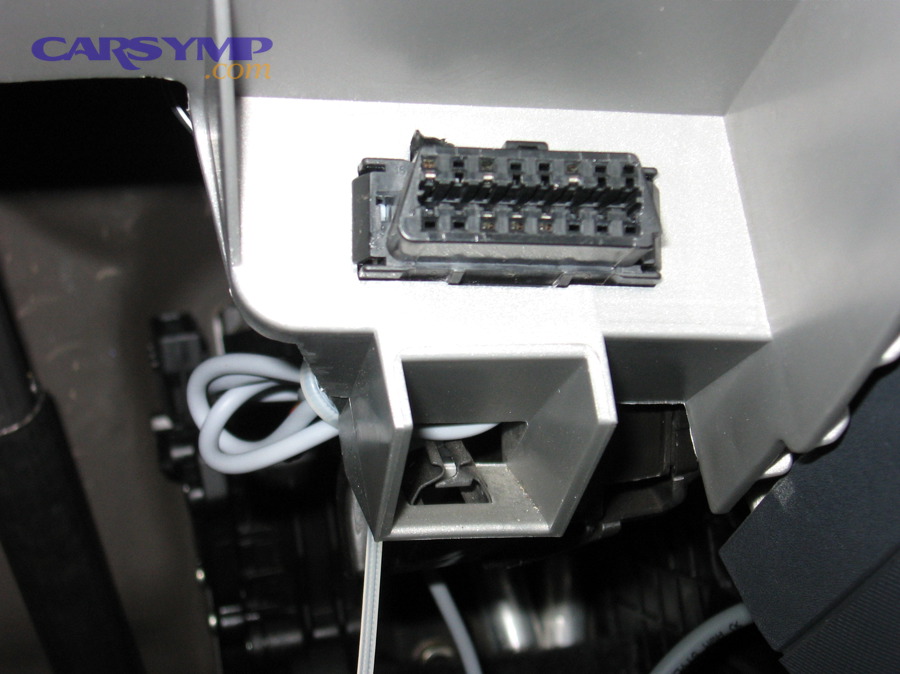
- OBD-II scan tool (basic is fine; better if it shows EVAP data PIDs and readiness).
- Multimeter (for solenoid resistance checks and power/ground verification).
- Hand vacuum pump (helpful for testing purge/vent valves on some designs).
- Soapy water spray bottle (for accessible joints if you can safely apply low-pressure air).
If you’re serious, a scan tool that can show Mode $06 and run EVAP functional tests (where supported) speeds things up—but it’s not mandatory for the first half of this checklist.
When does DIY stop making sense?
DIY stops making sense when:
- The leak is intermittent (only fails in certain temperatures or fuel levels).
- The suspect area is hard to access (tank seam, top of tank, rollover valve).
- The vehicle needs bi-directional controls to command vent/purge for reliable testing.
- You’ve done the easy checks and still can’t confirm the failure.
At that point, a targeted smoke test (done correctly, at low pressure) can be cheaper than buying two or three “maybe” parts.
What Is a Step-by-Step DIY EVAP Troubleshooting Checklist?
A step-by-step DIY EVAP troubleshooting checklist is a sequence of checks that starts with the most common external seal failures and ends with confirmed valve and leak verification, so you can identify the exact leak path without guessing.
Below, you’ll follow the same logic professional diagnosis uses—just scaled to home tools and practical access.
How do you start with the easiest checks (gas cap, hoses, fuel door)?
Start with what fails most and costs least:
- Read the code + freeze frame (if available). Note fuel level, ambient temp, and when it set.
- Inspect the cap or capless seal:
- Cap type: look for torn/dry O-ring, cracked plastic, stripped ratchet mechanism.
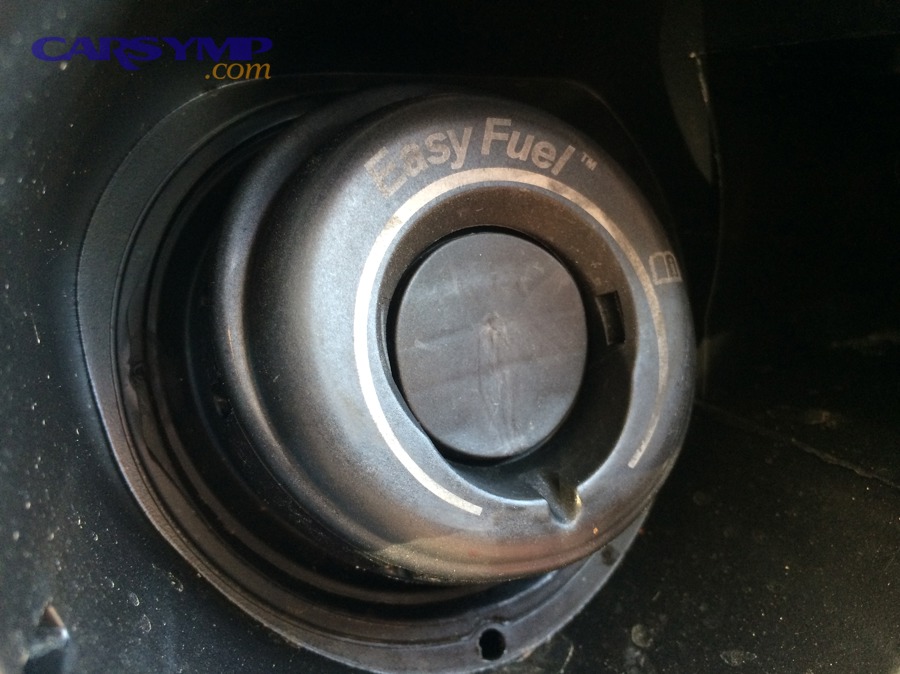
- Capless: inspect the sealing flap for debris; confirm the flap closes smoothly.
- Tighten cap until it clicks (if applicable), then recheck in a few drive cycles.
- Inspect the filler neck and surround:
- Rust pitting where the seal seats can create small leaks.
- Look for dents or deformation near the sealing surface.
- Inspect visible EVAP hoses:
- Focus on hose ends, quick-connect fittings, and areas near heat.
- Look for shine/softness (fuel vapor exposure), cracking, or oil saturation.
- Check the canister area and vent filter:
- Look for impact damage, cracks, missing clips, or dangling hoses.
- A clogged vent filter can cause test behavior that mimics a leak.
Pro tip: When you’re diagnosing small leak codes, don’t stop at “cap looks fine.” The cap can look perfect and still fail under vacuum/pressure due to a hardened seal.
How do you test purge and vent valves with basic tools?
This is where you avoid the classic misdiagnosis: a purge valve that leaks when closed can imitate a leak anywhere.
Purge valve quick checks (common approach):
- With engine off, remove the purge valve line (where accessible) and check for fuel vapor smell at the intake side—strong persistent vapor can suggest the valve leaks.
- With a hand vacuum pump (if the design allows): apply vacuum to the canister side and see if it holds when the valve is unpowered. If it bleeds down quickly, it may not be sealing.
- Electrical check: measure coil resistance and verify it’s not open/shorted (spec varies by vehicle).
Vent valve checks:
- The vent valve should allow airflow when open and seal when commanded closed (or powered, depending on design).
- If you can access it, you can often check whether the valve physically seals by applying gentle vacuum/pressure on the canister side while toggling power (again, design-dependent).
If you only do one “valve sanity test,” make it this: verify the purge valve is not passing flow when it’s supposed to be closed. A leaking purge valve can prevent the EVAP system from holding vacuum and can also cause hard starts after refueling on some vehicles.
How do you use scan data or mode $06 to narrow the leak?
Scan data helps you stop guessing because you can see whether the system is attempting a test and what it reports.
What to look for (names vary by make):
- EVAP pressure/FTP sensor: does it change when purge is commanded?
- Purge command or purge duty cycle: is the PCM trying to pull vacuum?
- Vent command: does it close during a test?
- Readiness/monitor status: is the EVAP monitor running or continuously “not ready”?
Mode $06 (where supported) can show test results and thresholds for certain monitors. If you see a test that consistently fails by a small margin, you’re often dealing with a marginal seal (cap, filler neck, small hose crack) rather than a hose completely off.
How do you do a low-budget smoke test (or alternative) at home?
If you don’t have a professional smoke machine, you still have options—but the goal is the same: introduce visible “tracer” and watch where it escapes.
Option A (best DIY): rent/borrow a real smoke machine
- Many tool rental programs or friends/shops can provide one.
- Keep pressure very low and avoid forcing smoke into the tank with high PSI.
Option B (DIY alternative checks when smoke isn’t available):
- Re-check every quick-connect and hose end by gently moving it while listening for tiny leaks (some leaks only open with movement).
- Use scan data to see if the system can build vacuum; if it can build but decays slowly, focus on seals and small cracks.
- If you can safely isolate sections (by temporarily capping lines), you can narrow the leak to the front (purge side) or rear (tank/canister side).
This is also where EVAP system repair becomes practical: once you see the leak point (split hose, cracked canister nipple, vent valve housing leak), the fix is obvious and durable.
According to a study by The University of Tokyo from the Department of Environment Systems (Graduate School of Frontier Sciences), in 2020, measured “puff loss” (evaporative emissions when the fuel cap is removed for refueling after real-world driving) reached more than 4 grams in the tested vehicle under certain conditions, showing how sensitive evaporative emissions can be to temperature and tank conditions.
How Do You Confirm the Fix After EVAP System Repair and Avoid Repeat Failures?
You confirm the fix by ensuring the EVAP leak is sealed, the DTC doesn’t return after the EVAP monitor runs, and readiness completes without pending faults—then you prevent repeats by addressing the underlying cause (seal wear, stuck valves, clogged vent filtration).
Then, instead of trusting the absence of a light, you’ll verify with codes, monitor status, and the same conditions that originally triggered the failure.
After repair: clearing codes and monitor readiness
After you complete an EVAP system repair, do this in order:
- Clear codes with your scan tool (or let the PCM clear after enough confirmed passes—clearing is faster for verification).
- Check for pending codes after a short drive. A pending EVAP code often reappears before the MIL turns on.
- Watch EVAP readiness:
- EVAP readiness won’t usually set immediately.
- Many vehicles require specific conditions (often fuel level not full or empty, stable ambient temps, steady cruising, and a cool-down period).
If you skip readiness verification, you can “feel fixed” for a week and still fail inspection because the monitor never ran.
How to pass emissions with EVAP fixed
How to pass emissions with EVAP fixed is mostly about readiness strategy, not tricks:
- Confirm the check engine light is off and no pending EVAP codes exist.
- Verify the EVAP monitor status for your state’s rules (some allow one monitor “not ready,” others are stricter).
- Aim for a fuel level that commonly enables EVAP tests (many vehicles prefer mid-range fuel level).
- Drive a mixed cycle (city + steady cruise) and include at least one cold start over the next day or two.
If your scan tool shows readiness, you’re not guessing—you’re confirming.
What maintenance prevents recurring EVAP leaks?
Prevent repeats by eliminating the reasons EVAP parts fail:
- Cap habits: tighten until it clicks; replace a cap with a hardened seal.
- Keep the filler area clean (especially on capless systems). Debris is a seal killer.
- Protect the canister and vent area:
- Avoid deep water and mud when possible; vent filters clog.
- If your vehicle has a known vent filter location near the rear wheel, inspect it periodically.
- Don’t top off the tank repeatedly:
- Overfilling can saturate the charcoal canister with liquid fuel, shortening its life.
- Inspect hoses annually if the car lives in heat extremes or sees road salt.
A correct fix plus small preventive habits is how you keep the EVAP monitor happy long-term.
When Is an EVAP Smoke Test Worth It, and How Does It Compare to Other Methods?
An EVAP smoke test is worth it when the leak is too small, too intermittent, or too hidden for visual checks and basic valve tests, because smoke makes the exact leak point visible and prevents unnecessary part swapping.
However, you’ll get the best result only if you compare methods and choose the one that matches your failure type.

Smoke test vs pressure/vacuum decay
- Smoke test (visual location): best when you need the “where.”
- Vacuum/pressure decay (numeric confirmation): best when you need the “does it hold.”
- Scan-data-based EVAP test (OBD logic): best when you want to confirm the PCM sees a pass under real conditions.
In practice, professionals combine them: they use decay/flow to confirm there’s a leak and smoke to locate it.
Professional smoke machines vs DIY
Professional machines typically offer:
- Stable low pressure output
- Flow indication
- Regulated smoke production
DIY approaches can work, but the risk is false outcomes:
- Too much pressure can force smoke out of places that don’t leak under normal EVAP conditions.
- Poor sealing at your test hookup point can look like a “leak” that’s just your adapter.
If you’re stuck after the basic checklist, a single correctly performed smoke test can be cheaper than replacing a purge valve, vent valve, and gas cap “just in case.”
Here’s one clear demonstration video you can follow for smoke testing technique:
What common mistakes create false leaks?
Avoid these common errors:
- Testing with the vent valve open (smoke exits normally and looks like a leak).
- Not sealing the purge path (smoke flows into the intake and out the engine).
- Over-pressurizing the system.
- Ignoring the vent filter (a restriction can change test behavior and cause repeated EVAP codes even after you “fixed” a small leak).
- Skipping confirmation: you fix a visible crack but never verify readiness, so the car still fails inspection.
The goal isn’t just “no smoke seen”—it’s “system seals, monitor runs, code stays gone.”
What Are the Less-Obvious EVAP Leak Scenarios Most Checklists Miss?
There are four less-obvious EVAP leak scenarios that many DIY checklists miss: condition-dependent leaks (fuel level/temperature), capless filler quirks, tank/rollover valve leaks, and canister saturation or vent restriction—each of which can pass basic checks but fail readiness later.
Besides, these edge cases explain why the same vehicle can behave inconsistently across seasons.
Temperature/fuel level edge cases
EVAP tests are condition-dependent. If your code sets:
- only after overnight cool-down,
- only in hot afternoons,
- or only at certain fuel levels,
then your leak may be marginal—opening only when materials expand/contract or when vapor pressure changes.
A practical DIY response is to log fuel level and ambient temperature when the code sets, then reproduce those conditions before declaring victory.
Capless fuel filler quirks
Capless systems fail differently than capped systems:
- Debris on the sealing flap can create a “small leak” that comes and goes.
- A worn internal seal can leak even though the exterior looks clean.
- Some capless designs benefit from periodic cleaning and correct refueling technique (insert nozzle fully, don’t angle it).
If you keep seeing EVAP codes on a capless vehicle, inspect the filler seal like it’s a “gas cap you can’t see.”
Rollover valve or tank seam leaks
Some leaks are physically hard to spot:
- Top-of-tank hoses
- Rollover valve seals
- Tank seam seepage
These often require either a lift, careful access, or a smoke test to locate—especially if the leak is small.
Charcoal canister saturation and vent filter clogging
A saturated canister or restricted vent path can create confusing symptoms:
- Repeated EVAP codes even after replacing a cap or valve
- Occasional fueling difficulty (in some cases)
- EVAP monitor that won’t complete reliably
If the vehicle has been overfilled often (topping off), or it’s seen a lot of dust/mud, inspect the canister and vent filtration more seriously than most DIY guides suggest.