


Fuel system additives can work—but only when the chemistry matches the problem, the dosage is realistic, and the driver’s symptoms are actually fuel-related. This guide breaks down which products reliably help (and why), and which ones mainly lighten your wallet.
Next, you’ll learn how to match additive type to the job: cleaning deposits, stabilizing fuel, raising octane, improving lubrication, or addressing moisture. That way you can stop “guess-dosing” and start making targeted choices.
Then, we’ll connect additive claims to real-world outcomes like drivability, emissions, and maintenance costs—so you know what to expect and what to ignore.
Introduce a new idea: the fastest way to waste money is treating a mechanical or ignition problem with a bottle—so we’ll also cover safe use, red-flag symptoms, and when professional service is the smarter move.
Do fuel system additives actually work for everyday drivers?
Yes—fuel system additives can work for everyday drivers because they (1) dissolve or prevent certain deposits, (2) stabilize fuel during storage, and (3) correct specific fuel-property gaps like octane or lubricity when the need is real.
To begin, the key is separating effective chemistry from generic marketing, because “better performance” on a label is not a diagnosis.
Are most “performance” claims from additives noticeable in daily driving?
Most drivers notice a change only when the additive targets a real, active limitation—like injector tip deposits causing poor spray or stale fuel causing hard starts—while “healthy” engines often show little or no seat-of-the-pants difference.
Specifically, the most common “noticeable” scenarios involve:
- Cold starts after storage: a stabilizer helps keep fuel from degrading during sitting.
- Light-to-moderate injector deposits: detergent-based cleaners can restore spray quality over time.
- Borderline knock on regular fuel: an octane booster may help if the engine truly needs more octane.
A big reason perception varies is that modern ECUs adapt. If your engine wasn’t fuel-limited, the computer may already be delivering optimal timing and fueling.
What problems do additives not fix (even if the bottle implies they will)?
Additives generally won’t fix worn ignition coils, failing plugs, vacuum leaks, compression loss, broken sensors, or major mechanical wear—because those aren’t fuel-chemistry problems.
Next, keep this rule of thumb: if the symptom is sharp, sudden, or severe, treat it like a diagnostic issue first, not a “pour-and-pray” situation.
One example that repeatedly misleads owners is Misfire and rough idle linked to injectors—it can happen, but misfires are also commonly caused by ignition and air issues, so you must confirm fuel involvement before expecting a chemical fix. (researchgate.net)
What are the main types of fuel system additives and what does each one do?
There are 6 main types of fuel system additives—detergent cleaners, octane boosters, fuel stabilizers, water management additives, lubrication/corrosion inhibitors, and “combustion improvers”—grouped by what property they change or protect.
Then, once you know the type, you can judge whether the claim makes sense for your engine and driving pattern.
What does a detergent “fuel injector cleaner” actually do?
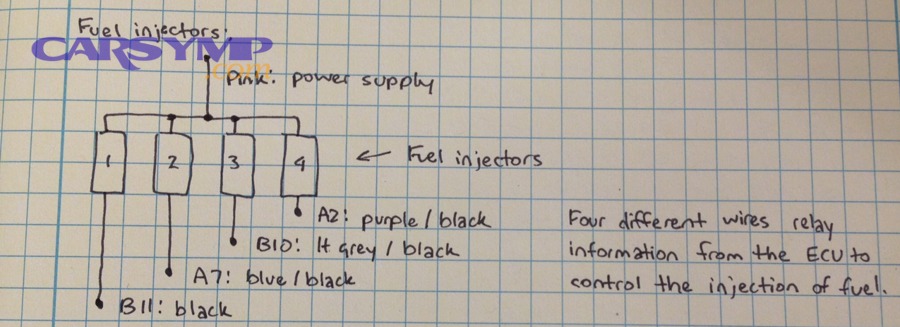
A detergent cleaner is designed to reduce deposit formation and/or remove existing soft-to-moderate deposits in areas fuel contacts—especially injector tips and, in some systems, intake port surfaces.
More specifically, this is where fuel injector cleaning via additives can be legitimate: the detergent can help restore spray pattern and flow consistency if deposits are the limiting factor.
In direct-injection gasoline engines, injector deposits can reduce fuel flow and distort spray, which can degrade combustion quality and emissions. (researchgate.net)

What do octane boosters, stabilizers, and “water removers” do?
They do different jobs, and mixing them up is where people waste money:
- Octane boosters: raise knock resistance so the ECU can avoid pulling timing (helpful only if knock-limited).
- Stabilizers: slow fuel oxidation and volatility loss during storage, improving startability and reducing stale-fuel issues.
- Water management additives: in gasoline, many are alcohol-based and mainly help disperse small amounts of moisture; in diesel, some focus on water separation and corrosion control.
A practical takeaway: if you drive daily and buy good fuel, stabilizer use is usually unnecessary—save it for seasonal storage, generators, and infrequently used vehicles.
Which fuel system additives work best—and what evidence should you look for?
Detergent-based cleaners with a proven deposit-control function tend to be the most consistently useful, while the “best” choice depends on whether you’re dealing with deposits, storage, or knock.
Next, you should look for evidence that matches your engine type—especially whether the additive can reach the surfaces where your deposits exist.
Which additive types are most supported for deposit control?
For deposit control, the strongest logic is: a known detergent chemistry + correct treat rate + enough fuel-throughput time. In real terms, that usually means a quality detergent cleaner used as directed over one or more tanks.
Research on direct-injection spark-ignition engines shows injector deposits can reduce flow rate and alter spray characteristics, and that fuel detergents are an effective mitigation approach when chemistry and dosage are optimized. (researchgate.net)
Evidence sentence: According to a study by University of Birmingham from the School of Mechanical Engineering, in 2017, injector deposits were shown to reduce injector fuel flow rates and change spray characteristics, and the authors describe fuel detergent as an effective method for controlling injector deposit formation when properly optimized. (researchgate.net)
How do you tell if an additive is addressing the right deposit problem?
Start by matching the deposit location to what fuel touches:
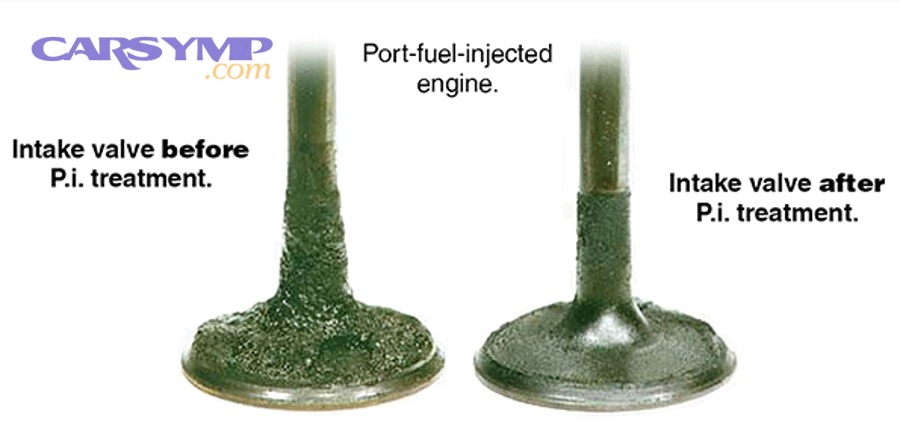
- Port fuel injection (PFI): fuel washes intake ports and injector tips—detergent cleaners can help keep these areas cleaner.
- Gasoline direct injection (GDI): fuel does not wash intake valves the same way, so intake valve carbon is often not solved by typical “in-tank” cleaners alone.
This is why some drivers swear a bottle “fixed” their issue while others see nothing: they may be treating different deposit locations.
If you suspect severe injector restriction or spray distortion, professional cleaning may outperform any in-tank product—especially when the deposits are baked-on or the injector has mechanical wear. That’s where On-car cleaning vs ultrasonic bench cleaning becomes the real comparison: on-car chemical cleaning can help mild fouling, while bench testing/ultrasonic cleaning can measure flow balance and verify the result.
Evidence sentence: According to a study by Poznan University of Technology from the Faculty of Civil and Transport Engineering, in 2022, a test of GDI injector contamination found that adding a deposit control additive alongside butanol achieved the best restoration of injector patency among the cases evaluated. (researchgate.net)
Which fuel system additives are usually a waste of money—and why?
Most “one-bottle fixes everything” additives are a waste of money because they (1) target problems you don’t have, (2) use weak concentrations that can’t deliver the promised effect, or (3) advertise benefits that the ECU or fuel already provides.
However, the bigger issue is misapplication: the wrong additive used for the wrong symptom will always look “ineffective.”
Why “miracle MPG” and “power gain” bottles usually disappoint
They disappoint because modern engines already run close to optimal when healthy, and small chemical changes rarely beat the ECU’s closed-loop control in daily conditions.
More specifically, if a product claims big MPG gains without a specific mechanism (deposit removal, friction reduction with validated chemistry, correcting octane deficiency), treat it as marketing first.
A more reliable mental model is: additives can restore lost performance (from deposits or stale fuel) more often than they can create new performance in a healthy system.
Which popular additive categories often don’t match the problem drivers are trying to solve?
Common mismatches include:
- Using octane booster for hesitation: hesitation is often airflow/ignition/boost control, not octane.
- Using “water remover” for misfire: misfire is commonly ignition-related; water in fuel is not the default assumption.
- Using injector cleaner for heavy mechanical injector wear: chemistry can’t fix a worn pintle/needle, damaged seals, or electrical faults.
This is also where people miss the moment When injector replacement is better than cleaning—for example, if an injector fails electrical tests, leaks mechanically, can’t hold pressure, or remains badly imbalanced after verified cleaning, replacement is the safer long-term decision.
How should you use fuel system additives safely and correctly?
Use fuel system additives safely by following 3 steps—pick the correct additive type, dose it exactly as the label specifies, and verify results with symptoms or data (idle quality, trims, misfire counts) rather than feelings.

To better understand safe use, remember that “more” is not “better”—over-treating can create side effects without improving cleaning.
What’s the right way to dose and time an additive?
Dose by the tank volume the product is designed for, then drive enough for the chemistry to work through the system.
Specifically:
- Add the product before fueling (so it mixes well).
- Use the recommended tank size (don’t guess).
- Plan a normal drive cycle afterward; short idling sessions rarely reflect real results.
If you’re using a cleaner to address drivability issues, it’s reasonable to evaluate over one to two tanks, not ten minutes.
What safety and compatibility checks should you do first?
Before adding anything:
- Confirm the product is compatible with your fuel type (gasoline vs diesel) and emissions equipment.
- Avoid stacking multiple additives unless the manufacturer explicitly supports it.
- If you have an existing fault code, diagnose the root cause first.
If you’re chasing a drivability issue like stumble, rough idle, or repeated misfire counts, a quick scan tool check often saves you from treating the wrong system.
Are additives needed if you use quality gasoline and follow maintenance?
No—if you consistently use quality fuel and keep up with maintenance, you usually don’t need routine fuel system additives because modern fuels already contain detergents and your engine management compensates well when components are healthy.
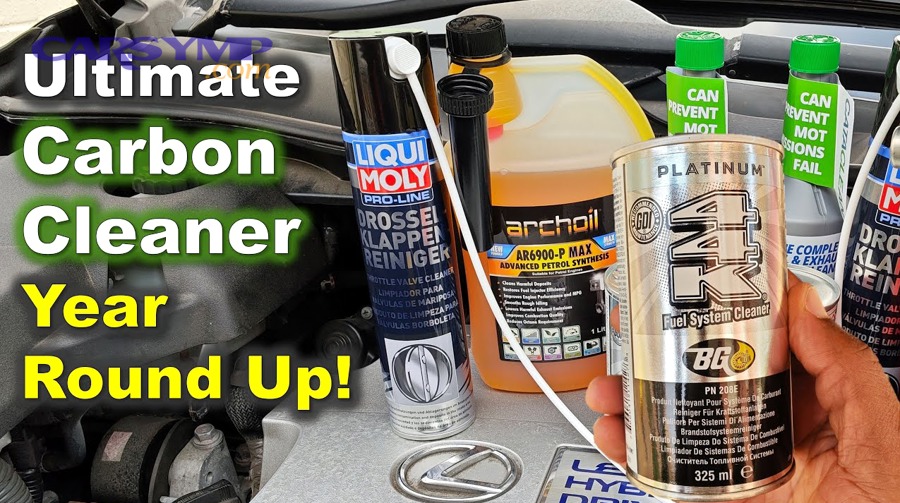
In addition, additives become more relevant when driving patterns, storage, or engine design increase deposit risk.
What role does “quality fuel” play in keeping injectors clean?
Quality fuel with adequate detergency helps reduce deposit formation over time, which lowers the chance you’ll need corrective cleaning later. (americanchemistry.com)
More importantly, it shifts your strategy from “clean-up” to “keep-clean,” which tends to be cheaper and more predictable.
When does maintenance matter more than any additive?
Maintenance matters more when symptoms come from wear or neglected service:
- Old plugs/coils causing misfire
- Dirty air filter affecting load calculation
- Vacuum/boost leaks
- PCV issues increasing oil vapor and deposits
In these cases, additive spending is usually better redirected toward diagnosis and service that actually fixes the cause.
Is a fuel system additive worth it: cost vs value for everyday drivers?
A fuel system additive is worth it when it prevents or reverses a specific, plausible problem at a lower cost than service—while being unlikely to cause harm at the correct dose.
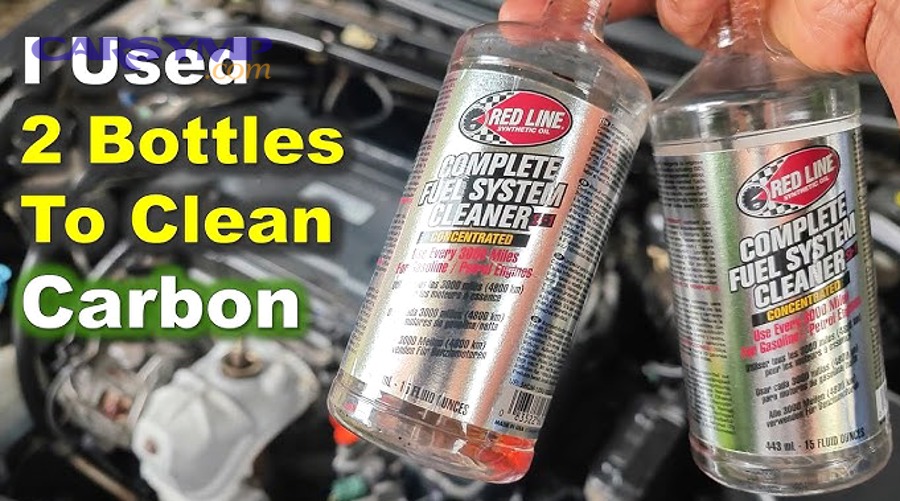
Next, it helps to compare “bottle economics” to common shop paths so you can choose intentionally.
What’s the typical cost range—and what are you really paying for?
You’re paying for the active chemistry and its treat rate. The cheapest bottles often have vague ingredients and weaker dosing, while higher-quality cleaners tend to emphasize deposit control performance and proper usage instructions.
Here’s a simple way to think about value: a $10–$25 bottle that restores drivability once can be a win, but repeatedly buying bottles to mask a mechanical fault is a long-term loss.
How does additive cost compare to professional cleaning or parts replacement?
The best comparison is to place options side by side—especially when drivability symptoms are persistent.
The table below compares common approaches by what they can realistically solve and when they make sense:
| Option | Best for | What it can’t do well | Typical decision trigger |
|---|---|---|---|
| In-tank detergent cleaner | Mild-to-moderate injector fouling; keep-clean | Fix mechanical/electrical injector faults | Early symptoms, no hard faults |
| On-car pressurized cleaning | Moderate fouling; faster chemical contact | Verify individual injector balance precisely | Persistent roughness with fuel suspicion |
| Bench test + ultrasonic cleaning | Verifying flow balance; stubborn deposits | Fix worn components or failed solenoids | Repeat symptoms; need measured proof |
| Injector replacement | Leaks, electrical failure, severe imbalance | Anything—this is the “hard fix” | Failed tests, leakage, or no improvement after verified cleaning |
This is where it becomes practical to repeat: When injector replacement is better than cleaning is not about preference—it’s about failing objective checks like leakage, electrical integrity, or repeat imbalance after proper service.
What niche factors can change whether a fuel additive helps or harms?
Fuel additives help or harm depending on niche factors like engine injection design, deposit location, emissions equipment sensitivity, and operating pattern (short trips vs highway, long storage vs daily driving).
Especially, these micro-conditions explain why the same bottle “works” for one driver and “does nothing” for another.
How do GDI vs PFI engines change what “works”?
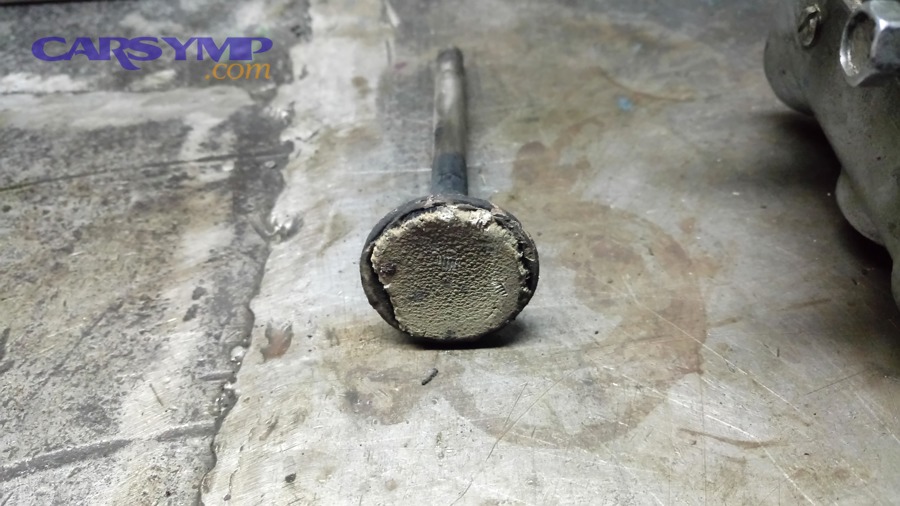
GDI engines often suffer intake valve deposits that in-tank cleaners may not reach effectively, while PFI engines can benefit more predictably from keep-clean detergents because fuel contacts intake ports and valve backs more directly. (researchgate.net)
Next, if your issue looks like airflow restriction from valve deposits (hard cold starts, rough idle, loss of power), the fix may be mechanical cleaning rather than an in-tank additive.
What driving patterns make additives more relevant?
Additives become more relevant when patterns increase deposit formation or fuel degradation risk:
- Frequent short trips (engine runs colder; more incomplete burn residues)
- Long storage intervals (fuel aging)
- Cheap fuel with lower deposit control performance (varies by region and supply chain)
In these cases, strategic use (not constant use) is the best approach.
How do ethanol blends, storage, and moisture change the decision?
Ethanol blends can absorb moisture over time, and storage conditions can accelerate fuel degradation—making stabilizers and correct storage practices matter more than “cleaners.”
More specifically, if the vehicle sits for months, a stabilizer used before storage is more logical than a cleaner used after problems appear.
What symptoms should trigger diagnosis instead of “trying another bottle”?
Stop dosing and diagnose when you see:
- Check engine light with repeat misfire codes
- Fuel smell, potential injector leak, or hard starting that’s worsening
- Severe hesitation under load
- No change after a correctly used cleaner and a full tank cycle
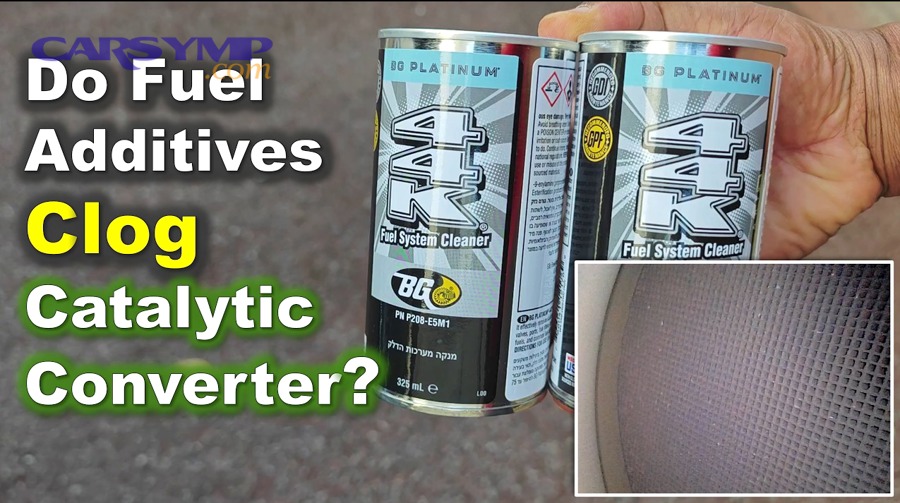
In these situations, treating the wrong root cause can delay the real fix and sometimes increase risk (for example, continued misfires can damage catalytic components).
Evidence (selected sources)
- University of Birmingham research overview on injector deposits, spray changes, and detergent mitigation. (researchgate.net)
- Poznan University of Technology study on deposit control additive effects and injector patency restoration in GDI testing. (researchgate.net)
- Review discussing higher additive treat rates and deposit control context (industry overview). (americanchemistry.com)