


If your engine is misfiring, idling rough, or drinking more fuel than usual, injector service is not always the right “first fix.” The most intent-matching answer to when injector replacement is better than cleaning is this: replace injectors when the problem is electrical, mechanically damaged, leaking, or unchanged after verified cleaning and testing—because those failures don’t reliably respond to cleaning.
Next, the fastest way to avoid wasting money is to separate “deposit-related” performance loss from “component failure.” Deposits can sometimes be reduced, but a weak coil, internal wear, or a distorted spray pattern can keep symptoms coming back even after multiple attempts.
Then, you’ll make better decisions by using simple diagnostic signals (misfire pattern, fuel trims, balance testing, resistance checks) to confirm whether the injector is still a valid part—or simply a recurring risk.
Introduce a new idea: instead of guessing, you can use the same decision logic technicians use—symptoms → tests → clean-or-replace threshold—and apply it to your car in one structured flow.
Quick answer: replace or clean?
Replace vs clean depends on whether the injector’s problem is deposits or failure—cleaning fits light-to-moderate deposits, while replacement fits electrical/mechanical faults, leakage, or no improvement after testing. Next, to avoid repeating the same repair twice, use clear “yes/no” thresholds before spending on any service.
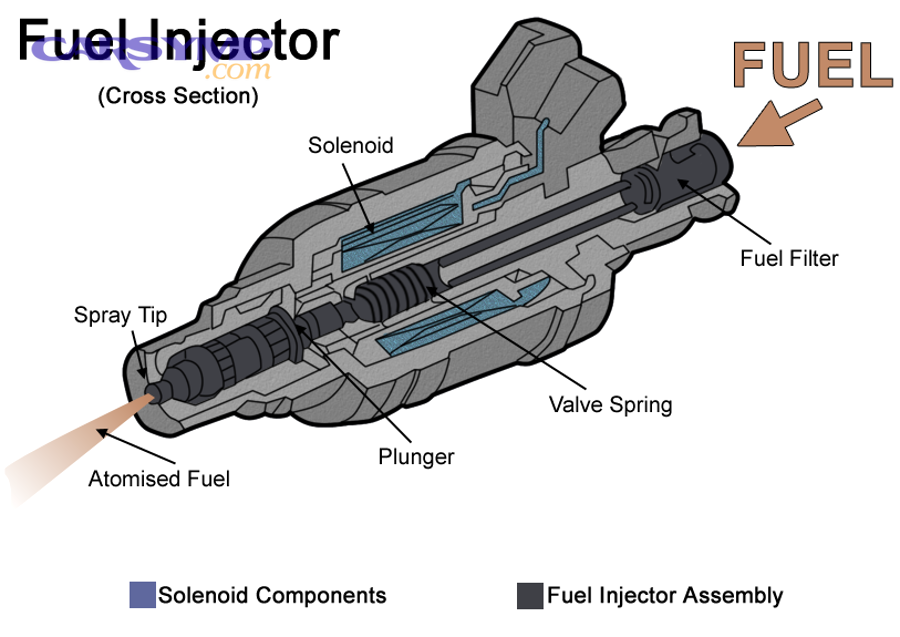
Short summary of the decision criteria
Most injectors fall into one of these buckets:
- Clean (or service) is favored when:
- Symptoms are mild and intermittent (slight rough idle, modest MPG drop)
- No hard electrical fault is present
- Fuel trims suggest a correctable fueling imbalance
- You can verify improvement after service (trim normalization, smoother idle, fewer misfires)
- Replace is favored when:
- The injector fails resistance/continuity or shows intermittent open/short behavior
- The injector leaks (drip/leakdown issue) or causes rich misfires
- Spray pattern is distorted beyond recovery (especially on certain direct-injection designs)
- Symptoms persist after verified fuel injector cleaning + flow/balance validation
One-sentence recommendation for busy readers
If you can’t confirm the injector is electrically healthy and sealing correctly, or if performance doesn’t improve after verified service, choose replacement to restore reliability and stop the problem from looping.
How fuel injectors work (brief)
Fuel injectors are electronically controlled valves that meter fuel in precise pulses, and their spray pattern matters because mixture quality drives power, emissions, and smooth combustion. To better understand when cleaning helps—and when it can’t—connect injector function to failure type.
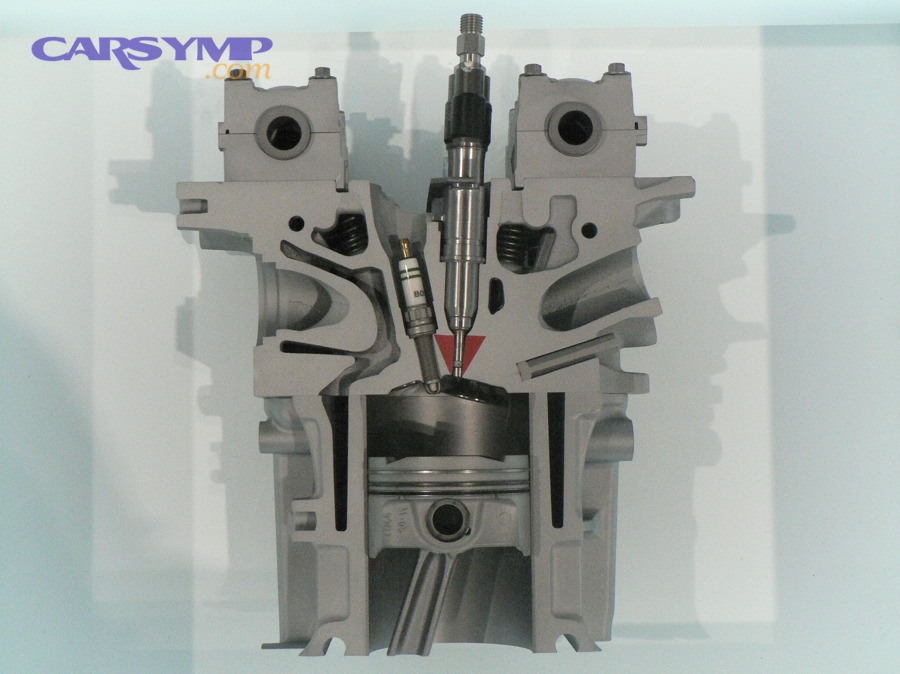
Basic function and why spray pattern matters
An injector’s job is not just “to pass fuel.” It must:
- Deliver the right quantity at the right time
- Atomize into droplets and distribute fuel with a stable cone and plume shape
- Maintain consistent sealing when closed
When spray breaks down (uneven plumes, dribble, heavy droplets), you can get:
- Uneven combustion between cylinders
- Wall wetting (fuel hits surfaces instead of mixing with air)
- Higher misfire risk, poor cold starts, and rising emissions
Research on spray behavior shows injector spray characteristics can dominate mixture formation quality in direct-injection setups, meaning “it sprays” isn’t the same as “it sprays correctly.” (egr.msu.edu)
Common failure modes (electrical, mechanical, deposits)
Injectors typically fail in three broad ways:
- Deposits (varnish/carbon/gum): restrict flow, distort spray, stick moving parts
- Electrical faults: coil opens/shorts, poor connector contact, driver circuit issues
- Mechanical issues: wear, sticking pintle/needle, cracked body, internal leakage, failed seals
Cleaning primarily targets (1)—not reliably (2) or (3).
Common injector problems that lead to poor performance
Most injector-related driveability issues come from deposits that restrict flow, electrical faults that disrupt opening, or leakage that ruins mixture control—each produces a different symptom pattern. Next, match your symptoms to the likely failure mode before choosing a fix.
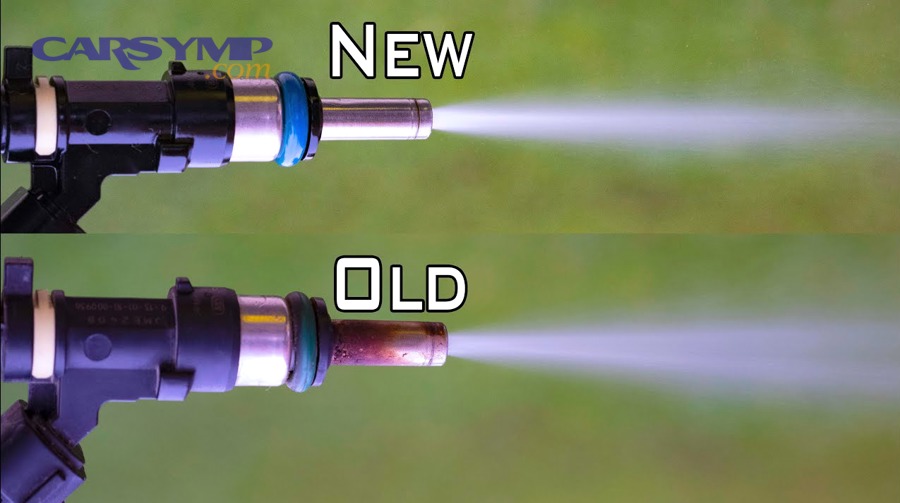
Clogging / carbon and varnish deposits
Deposits build from fuel chemistry, heat soak, short trips, and extended service intervals. Typical effects:
- Reduced effective flow
- Poor atomization (bigger droplets)
- Uneven cylinder-to-cylinder fueling
In modern gasoline direct injection (GDI), injectors operate in harsher conditions inside the combustion chamber, which can accelerate deposit-related spray changes. (pure-oai.bham.ac.uk)
Electrical faults / open/shorted coils
Electrical problems can be:
- Hard failures: open circuit, dead injector
- Intermittent failures: heat-related opens, vibration-related contact loss
- Resistance drift: injector may “work” but not consistently at load
These rarely respond to fuel injector cleaning because the fault is in the winding/connector/driver.
Mechanical damage (stuck pintles, leaking seals)
Mechanical faults include:
- Needle/pintle sticking from wear or debris
- Internal scoring that prevents stable sealing
- O-ring/seal failure causing external fuel smell or pressure issues
- Leakdown that creates rich running and misfires
If an injector leaks when closed, “cleaning” might temporarily change behavior, but it often doesn’t restore proper sealing long-term.
Symptoms: misfires, rough idle, poor economy, check engine light
Common injector-linked symptoms include:
- Rough idle (especially cold)
- Misfire codes (often cylinder-specific)
- Hesitation on tip-in acceleration
- Fuel trims skewed (lean if restricted, rich if leaking)
- Fuel smell, black soot, or spark plug fouling on one cylinder
The key is consistency: one-cylinder repeatability often points toward a single injector (or plug/coil/compression issue), while multi-cylinder patterns can indicate fuel quality, pressure regulation, or sensor issues.
When cleaning is usually sufficient
Cleaning is usually sufficient when the injector is electrically healthy, not leaking, and symptoms are consistent with mild-to-moderate deposit restriction rather than mechanical failure. Then, your goal is to choose the right service type and verify the result with measurements—not just “feel.”
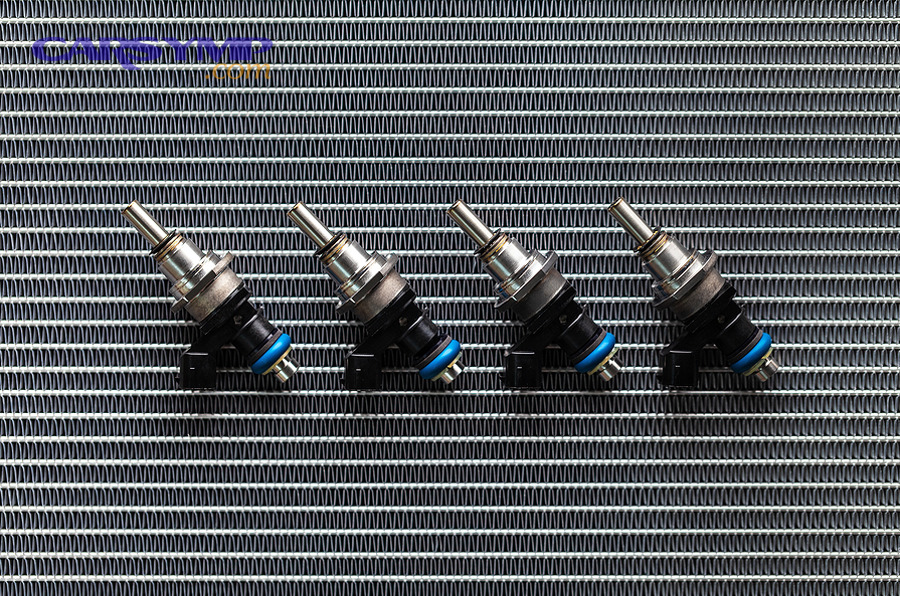
Symptoms that typically respond to cleaning
Cleaning is more likely to help when you see:
- Slight roughness at idle that improves warm
- Small MPG drop without strong misfire counts
- Mild lean trims that improve with better fuel and driving conditions
- No evidence of injector leakdown (no rich smell, no wet plug, no pressure drop tied to one cylinder)
If you have a hard misfire at idle on one cylinder that returns immediately after a short drive, cleaning is less likely to be the durable fix.
Types of cleaning (on-car fuel system cleaning, off-car ultrasonic/bench cleaning)
This is where Fuel injector cleaning methods compared becomes practical:
- On-car pressurized rail cleaning: solvent runs through the rail while the engine runs (quick, mixed results depending on deposit type)
- Off-car ultrasonic + backflush + bench test: injector is removed, cleaned, flow-checked, and pattern verified (best for measurable results)
- Targeted service with new seals and filters (if applicable): increases the chance the injector performs like a matched set
If you want the highest confidence, off-car service with flow/pattern validation is closer to a “controlled process” than a “hope it helps” attempt.
Pros and limits of chemical cleaners and “fuel additive” approaches
Fuel system additives: what works and what doesn’t comes down to expectations:
- Additives can help prevent deposit growth and sometimes reduce light varnish.
- They are less reliable for:
- Heavy GDI tip deposits
- Injectors with distorted spray from wear
- Any electrical/mechanical fault
- If an injector is already leaking or has an internal fault, additives won’t “repair” the component.
Use additives as maintenance—not as a substitute for diagnosis.
When replacement is the better option
Replacement is the better option when cleaning can’t restore correct electrical operation, sealing, or stable spray/flow—and especially when symptoms persist after verified service. However, “replace” should still be evidence-based, not purely mileage-based.
Persistent symptoms after professional cleaning
If a shop performed verified service (cleaning + flow/pattern validation) and you still have:
- Same cylinder misfire counts
- Same fuel trim imbalance
- Same hesitation under load
…replacement becomes the rational next move because you’ve already tested the “recoverable deposit” hypothesis.
Internal/mechanical damage not fixable by cleaning
Replace when there is:
- Physical damage to the tip/nozzle
- Needle wear that prevents stable metering
- Internal scoring leading to inconsistent opening/closing
Cleaning can remove deposits, but it can’t restore worn precision surfaces.
Electrical failures (coil resistance out of spec, intermittent open)
If resistance is out of specification, or the injector fails under heat/vibration, replacement is typically the best path because:
- Coil windings don’t “clean back to health”
- Intermittent faults are time-consuming to chase and recur
- A replacement injector often includes warranty coverage
Severe leakage or spray-pattern destruction
Leakage is a replacement trigger because it causes:
- Overfueling on one cylinder
- Plug fouling and catalytic converter stress
- Oil dilution risk over time
Spray-pattern destruction matters because mixture formation depends on plume geometry, not just total flow. Spray research shows injector pattern selection can strongly affect mixture formation outcomes in DI systems. (egr.msu.edu)
High-mileage, corroded, or non-serviceable injectors
Some injectors are:
- Prone to corrosion at the connector or body
- Difficult to remove without damage
- Not cost-effective to service relative to new/reman options
In those cases, replacement can be the “least total cost” solution even if deposits started the issue.
How technicians diagnose injector problems
Technicians diagnose injector problems by checking fuel delivery, confirming electrical control, and measuring cylinder-to-cylinder contribution using balance/flow testing. Moreover, the best diagnostics don’t rely on one signal—they stack multiple checks to avoid false conclusions.
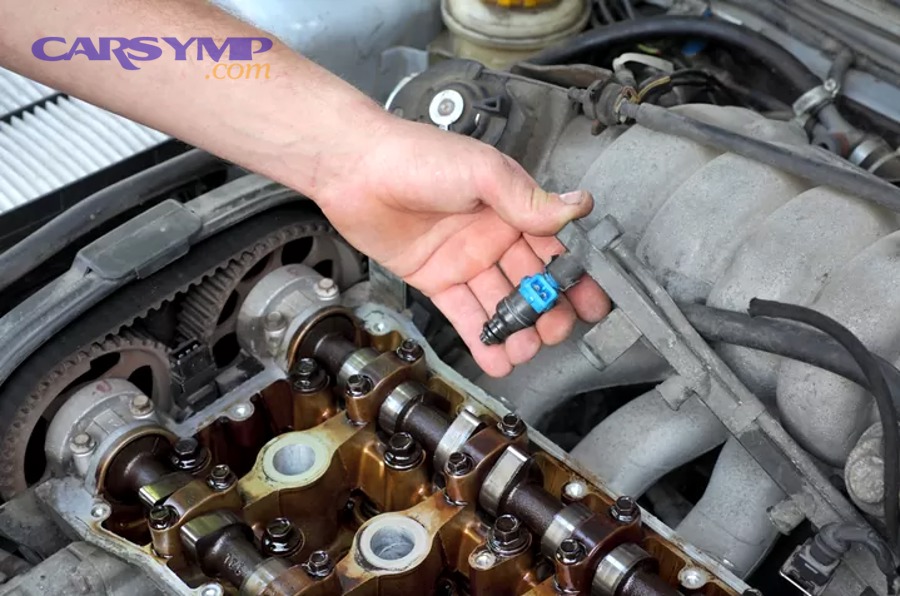
Visual inspection and fuel pressure checks
Baseline checks often include:
- Fuel pressure at idle/load (low pressure side)
- For GDI, commanded vs actual pressure (high pressure side via scan data)
- Fuel leaks at rail, seals, and lines
- Injector connector condition (corrosion, broken locks)
A pressure problem can mimic injector restriction across multiple cylinders.
Resistance (ohms) testing and electrical checks
Common steps:
- Measure injector coil resistance and compare across cylinders
- Check for connector tension/fitment
- Verify injector control pulses (noid light or scope)
A cylinder with a coil that’s out of family compared to others is a strong replacement candidate.
Flow/balance testing and ultrasonic bench tests
A balance test looks for:
- Relative fueling contribution differences cylinder-to-cylinder
- Flow drop or weak injector response
Bench testing can evaluate:
- Flow rate consistency
- Leakdown (sealed closed)
- Spray/pattern quality
This is the closest method to “prove” whether cleaning succeeded.
Oscilloscope and injector pulse checks
A scope can reveal:
- Driver issues
- Current ramp patterns (injector opening behavior)
- Intermittent electrical faults that static resistance checks miss
This is particularly valuable when symptoms appear only hot or under load.
When shops recommend replacement vs rebuild
Shops lean toward replacement when:
- Diagnostics show a non-recoverable fault (leakdown, electrical)
- Service history suggests recurring deposit issues
- The labor to remove/replace is high and repeating the job is costly
They lean toward service/cleaning when:
- Multiple injectors show mild imbalance
- The injector set can be flow-matched after bench cleaning
- The vehicle has no leakdown and no electrical anomalies
Cost comparison: cleaning vs replacement
Cleaning usually costs less upfront, but replacement can be cheaper long-term if it prevents repeat labor, repeat diagnostics, and repeated drivability issues. Next, compare total cost, not just the invoice line item.
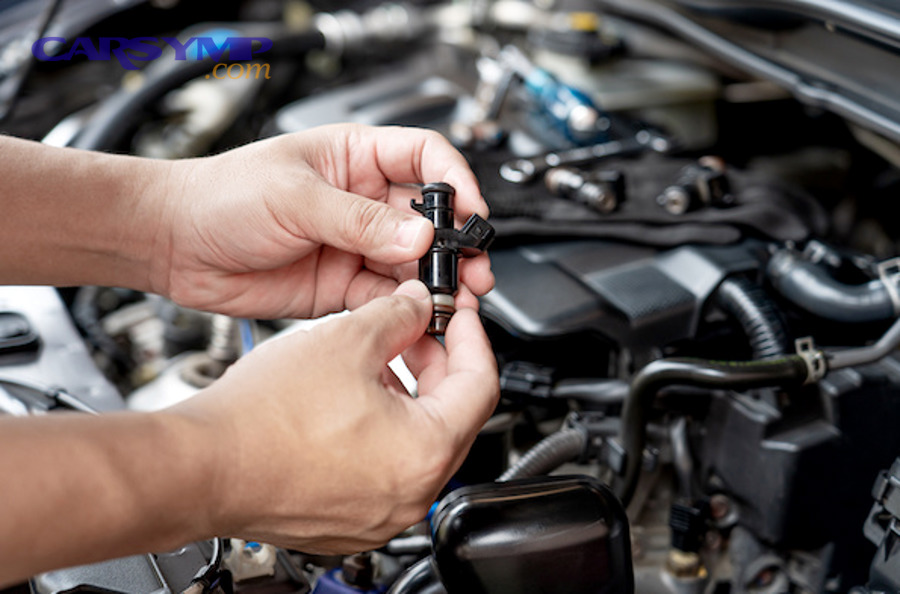
Typical price ranges (cleaning: shop service vs DIY; replacement: per-injector and labor)
Costs vary widely by engine access and injector type, but the structure is consistent:
- Service/cleaning
- DIY approaches: lowest cost, lowest certainty
- Professional on-car service: moderate cost, moderate certainty
- Off-car ultrasonic + bench testing: higher cost, highest certainty for “cleaning”
- Replacement
- Cost per injector (new/reman) + seals
- Labor (often significant on some engines)
- Potential additional steps (coding/adaptation on certain systems)
Factors that change cost (engine layout, access, number of injectors, OEM vs aftermarket)
Your total cost rises when:
- Injectors are buried under intake manifolds or high-pressure hardware
- Access requires significant teardown
- You replace the entire set for matching
- You choose OEM vs remanufactured vs aftermarket
When replacement may be more cost-effective long-term
Replacement is often more cost-effective when:
- Labor is high and repeating it is expensive
- An injector is clearly faulty (electrical/leakdown)
- A vehicle has repeat deposit issues and a history of recurrence
A useful mindset: if you have to pay for the same labor twice, the “cheaper” option becomes expensive.
Risks, benefits, and warranties
Replacement improves reliability and often comes with warranty coverage, while cleaning reduces cost and preserves original parts but may not eliminate recurrence or hidden faults. On the other hand, you should plan for system-specific requirements before replacing.
Benefits of replacement (reliability, warranty, restored performance)
Replacement can deliver:
- Stable metering and smoother combustion
- Reduced misfires and improved drivability
- Warranty protection (especially with OEM or reputable reman)
It’s also the strongest move when a single injector repeatedly causes a cylinder-specific issue.
Risks and downsides (cost, possible need for calibration or coding)
Potential downsides include:
- Higher upfront cost
- Risk of low-quality injectors if sourcing is poor
- On some systems, injectors may require calibration data entry or relearn procedures
Warranty considerations (remanufactured vs new)
- New OEM: typically best consistency and warranty confidence
- Remanufactured: can be good if the rebuilder flow-matches and tests; warranty varies
- Aftermarket: quality range is broad; verify reputation and testing claims
DIY vs professional service
DIY is reasonable for basic checks and minor service steps, but professional diagnosis is safer when you need flow testing, leakdown confirmation, or high-pressure system work. Especially with GDI hardware, the boundary is safety and measurement capability.
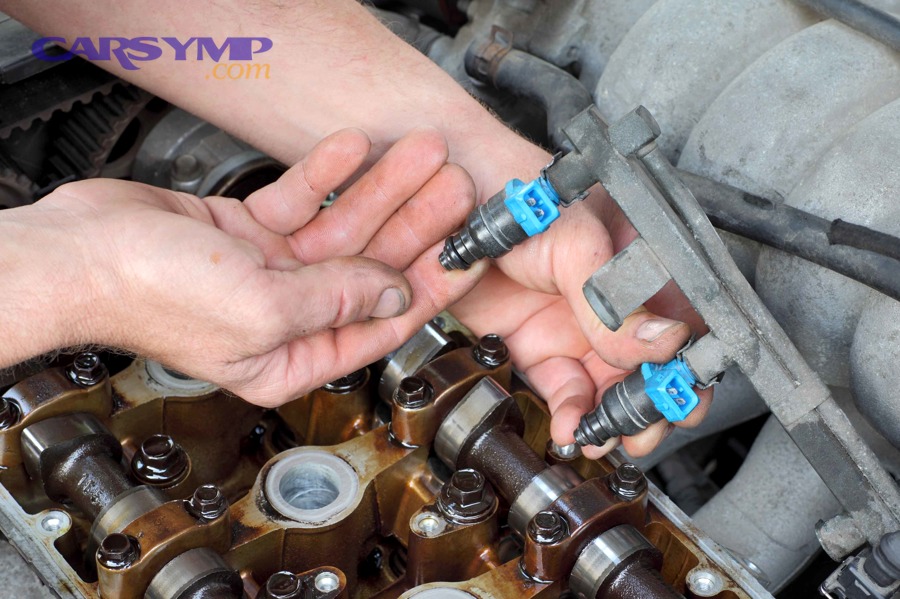
What a competent DIYer can do (simple cleaning, inspecting seals)
DIY-friendly steps include:
- Checking for cylinder-specific misfire patterns with a scan tool
- Inspecting connectors and harness routing
- Replacing external seals/O-rings when appropriate (with correct procedure)
- Using controlled methods for light service (without making unsafe assumptions)
When you should bring it to a pro (bench cleaning, flow testing, electrical faults, bank balance)
Bring in a pro when:
- Misfires persist after basic checks
- You suspect leakdown or spray distortion
- You need bench flow-matching
- The engine uses high-pressure DI components you’re not equipped to handle
Safety and disposal notes (fuel handling)
Fuel systems carry:
- Fire risk
- Pressure hazards (especially in DI)
- Environmental disposal rules for solvents and fuel-contaminated parts
If you’re unsure, defer to professional handling.
Choosing injectors and parts
Choosing injectors is about matching flow, electrical characteristics, and fitment—not just buying the cheapest part that “fits the engine.” Then, support the injector with the small parts that prevent leaks and repeat issues.
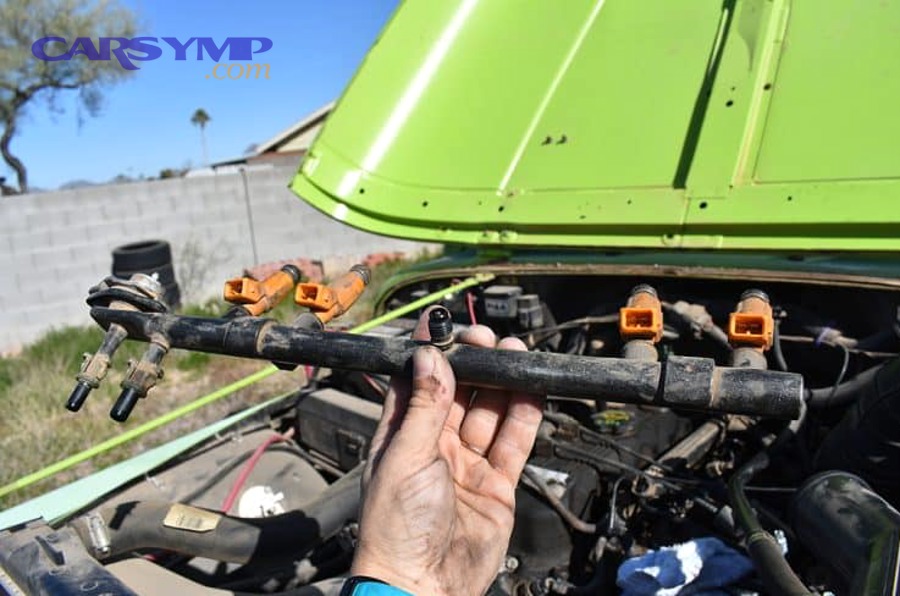
OEM vs aftermarket vs remanufactured: pros/cons
- OEM: best match and consistency, typically higher price
- Reman: potentially strong value if flow-tested and matched
- Aftermarket: wide quality range—verify testing and reputation
Matching injectors (flow rates, impedance, connectors)
Matching matters because uneven injectors create uneven cylinders. Confirm:
- Correct connector type
- Correct impedance (electrical spec)
- Correct application for your fuel system and ECU strategy
Supporting parts often replaced at same time (seals, O-rings, fuel rail components)
Common “while you’re in there” items:
- Injector seals/O-rings
- Rail seals
- Any cracked or brittle fuel lines/clips (system-dependent)
Small parts prevent vacuum leaks, fuel leaks, and post-repair drivability headaches.
What to expect during a replacement service
A proper replacement service flows from diagnosis to removal, installation, and post-install verification—because the goal is not just replacing parts but restoring correct fueling behavior. Next, understand the workflow so you can evaluate the quality of the job.
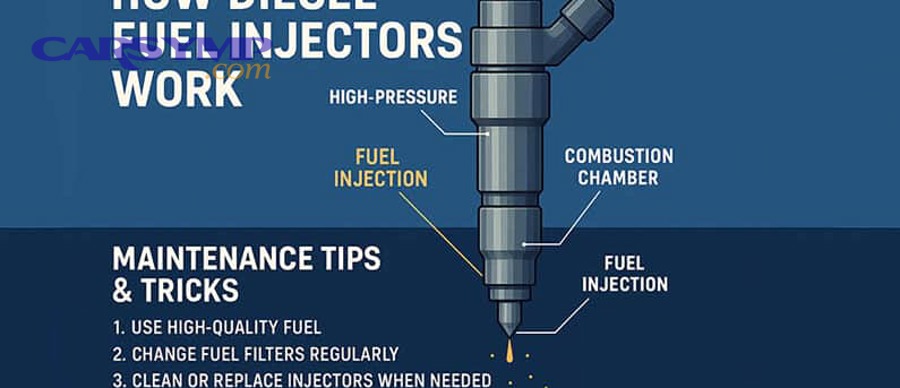
Typical shop workflow (diagnosis → removal → bench testing → install → post-install checks)
A good shop often:
- Confirms symptom pattern and scan data
- Tests electrical control and fueling contribution
- Removes injectors as needed
- Installs replacement(s) with new seals
- Checks for leaks and verifies trims/misfires
Post-replacement steps (fuel trims reset, test drive, learning procedures)
Post steps can include:
- Clearing codes and verifying readiness monitors
- Confirming trims stabilize
- Test-driving under the condition that produced symptoms
- Completing any relearn/coding steps if required by the system
Frequently asked questions
Yes, many injector questions have “it depends” answers—but you can still make safe decisions by focusing on matching, measurement, and failure mode. In addition, the following FAQs remove common sources of repeat repairs.
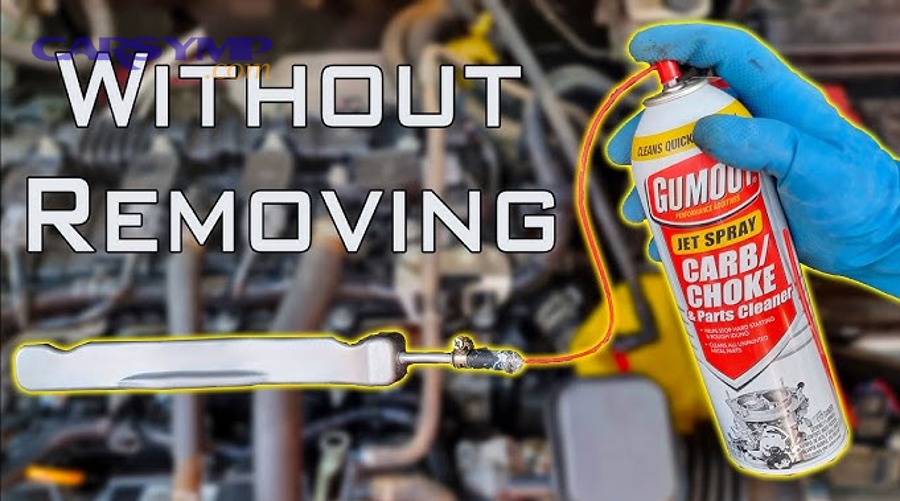
Can I mix old and new injectors?
You can sometimes mix, but it’s better to:
- Replace in matched sets when the system is sensitive to flow variation
- At minimum, avoid mixing injectors with unknown flow differences on the same bank
How long do remanufactured injectors last?
They can last a long time if the rebuilder:
- Tests leakdown, flow, and spray quality
- Replaces wear components
- Provides meaningful warranty coverage
Are fuel system cleaners harmful?
Some are safe when used correctly, but risks increase when:
- Overused repeatedly in short intervals
- Used as a substitute for fixing a real mechanical leak
- Used in systems with known sensitivity or when misapplied
Use them with realistic expectations: maintenance, not magic.
Conclusion & recommended next steps
The simplest rule is: clean when the injector is healthy and deposit-related; replace when it’s leaking, electrically faulty, mechanically worn, or unchanged after verified testing. Thus, you can reduce guesswork by following one consistent checklist.
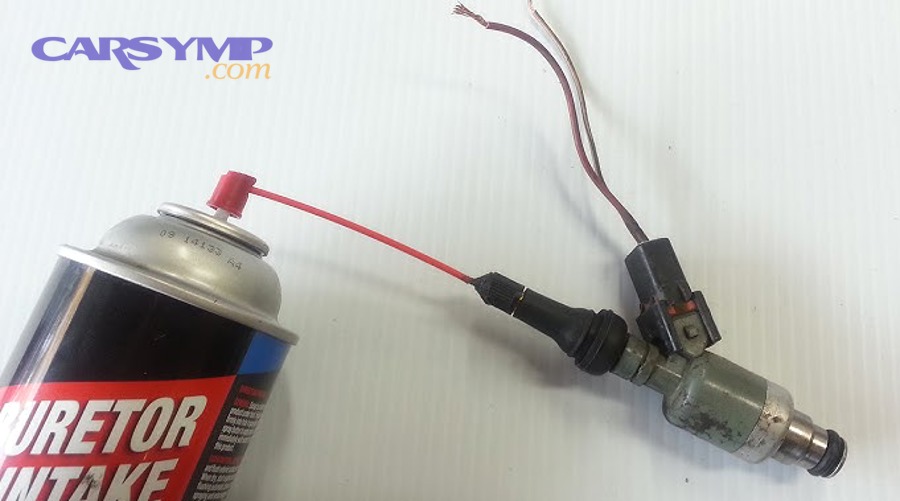
Quick checklist for readers (symptoms → tests → clean vs replace)
Use this sequence:
- Confirm symptom pattern (one cylinder or many?)
- Check trims + misfire counters
- Verify electrical health (resistance, connector integrity)
- Confirm leakdown or rich/lean behavior signs
- If deposits are likely, choose the right service and verify improvement
- If faults persist or tests fail → replace
When to seek a diagnostic shop
Seek professional diagnosis when:
- You suspect leakdown, spray distortion, or high-pressure DI issues
- You can’t validate results with scan data or balance testing
- The labor is high and you want to avoid repeating the job
Evidence: According to a study by University of Birmingham from the Department of Mechanical Engineering, in 2017, injector deposits were associated with measurable injector flow-rate reduction (reported as a 2–8% reduction after deposit accumulation testing) and increased unburnt hydrocarbon and particulate matter emissions, showing how deposit-related spray changes can meaningfully affect outcomes. (pure-oai.bham.ac.uk)