


Keeping your fuel injectors healthy mostly comes down to one controllable lever: fuel quality habits that prevent deposits and contamination. If you consistently buy clean, detergent-rich fuel, avoid contamination triggers, and maintain filtration, you reduce injector clogging risk and keep spray patterns stable for smoother performance.
Next, you’ll learn how to spot early warning signs—because injector issues often show up as drivability symptoms long before a hard failure. Recognizing the pattern early helps you choose the lightest, safest fix instead of guessing.
Then, we’ll compare the safest options for fuel injector cleaning—from “do nothing” to pour-in cleaners to professional services—so you can match the method to the severity without wasting money or taking unnecessary risks.
Introduce a new idea: modern engines (especially direct injection and diesel) can be more sensitive to deposits and fuel handling than older designs, so the best injector-care routine changes depending on your engine type and how you drive.
What does “fuel injector health” mean, and why does fuel quality matter?
Fuel injector health is the injector’s ability to deliver the right amount of fuel as a fine, consistent spray, cycle after cycle, without restriction or distortion from deposits—because even small changes in flow and spray shape can trigger rough running and efficiency loss. (pure-oai.bham.ac.uk)
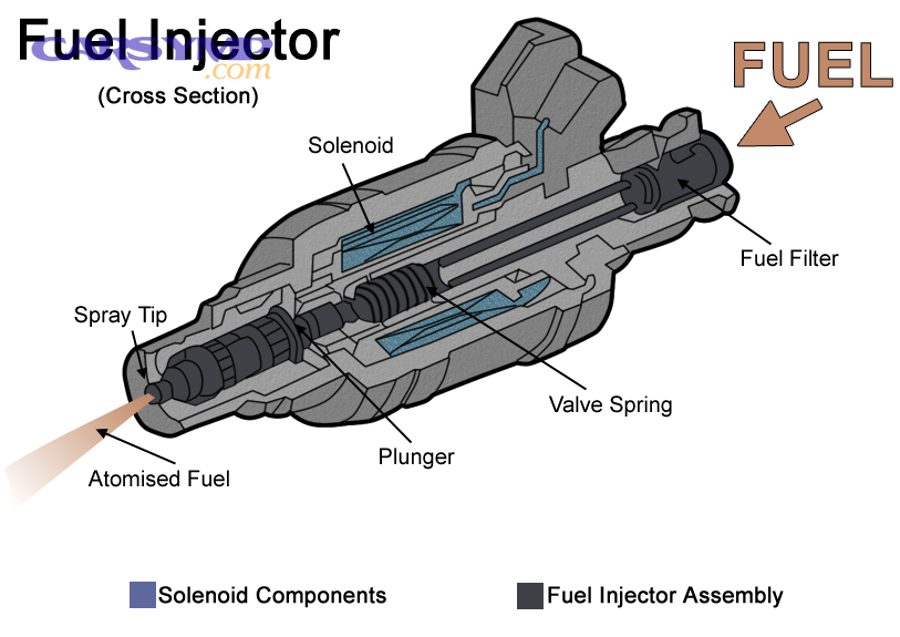
To better understand why this matters, focus on what injectors must do correctly: meter fuel precisely, atomize it into droplets, and place that fuel where the engine expects it. When fuel quality slips—because of weak detergency, higher deposit precursors, or contamination—injector tips and nozzles can accumulate deposits that alter fuel flow and distort spray. The result can be subtle at first (slight hesitation, noisier idle) and then progressively worse (misfires, hard starts, higher emissions). (pure-oai.bham.ac.uk)
What are injectors actually doing in modern engines (port vs direct injection)?
Injectors are high-speed valves that open for milliseconds to meter fuel, but the key difference is where they spray: port fuel injectors spray into the intake port, while direct injectors spray into the combustion chamber at much higher pressure. That location change is a big deal because direct injectors experience harsher heat and pressure conditions, which can accelerate deposit formation and make spray quality more critical. (pure-oai.bham.ac.uk)
Specifically, port injection has more time for fuel to mix with air before combustion, and the injector environment is generally cooler. Direct injection (often called GDI) places the injector tip closer to combustion heat and pressure swings, so deposits can develop in ways that more directly affect combustion stability. That’s one reason why modern fuel standards and detergent strategies increasingly emphasize injector cleanliness.
How do deposits form from poor fuel or poor habits?
Deposits form when unstable fuel components oxidize or thermally break down, creating precursors that condense and stick to hot surfaces—especially around injector tips and nozzles where temperatures are high and fuel repeatedly wets the same areas. (pure-oai.bham.ac.uk)
More specifically, two common pathways show up in injector-deposit research: lower-temperature oxidation processes and higher-temperature “coking” or pyrolysis processes. These deposits can reduce flow and change spray characteristics, and severe cases can contribute to drivability issues and misfire. (pure-oai.bham.ac.uk)
According to a study by University of Birmingham from the School of Mechanical Engineering, in 2015, injector deposits were shown to reduce injector fuel flow rates and change spray characteristics, with severe deposit issues linked to drivability problems and misfire. (pure-oai.bham.ac.uk)
Which fuel-quality choices best protect injectors long-term?
There are 4 main fuel-quality choices that best protect injectors long-term—detergent-rich gasoline, reputable high-turnover stations, the correct fuel grade, and avoiding questionable “cheap fuel” scenarios—because each choice reduces deposit formation or contamination risk at the source. (toptiergas.com)
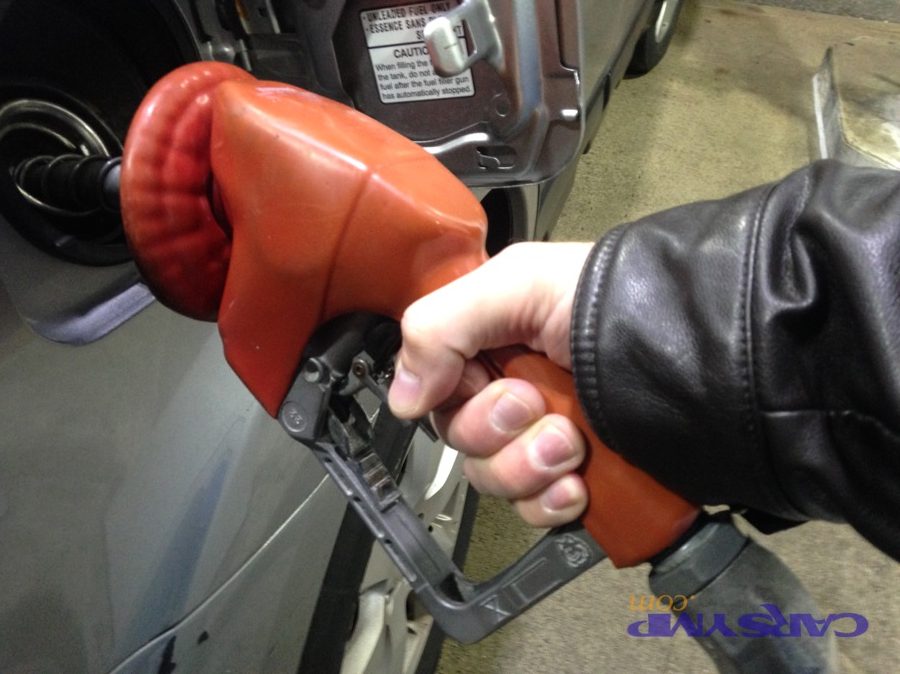
To begin, it helps to separate fuel price from fuel quality signals. Not all “premium” fuel is better for injector health, and not all “discount” fuel is harmful. The goal is to choose fuel that consistently meets strong deposit-control requirements and comes from a station that minimizes water and sediment problems.
What are the top fuel-quality signals you can verify at the pump or station?
The most reliable fuel-quality signals are station turnover, credible branding/standards, and basic cleanliness cues—because fuel that sits longer is more likely to pick up water and sediment, while consistent standards reduce deposit risk.
For example, use this quick checklist:
- High turnover: busy stations near commuter routes tend to cycle fuel more quickly.
- Clear pump area: fewer signs of neglected equipment (leaks, damaged nozzles, broken caps).
- Receipts and labeling: consistent labeling and maintenance signage suggests better operational discipline.
- Avoid refueling during active fuel delivery: tanker drop can stir up sediment in underground tanks (not always a disaster, but it adds risk if you’re chasing injector cleanliness).
More importantly, if you have access to recognized detergent fuel programs, that’s a strong proxy for deposit-control performance.
Is “premium fuel” better for injector health than regular fuel?
Premium fuel wins in knock resistance (octane), regular fuel is best for cost efficiency when it meets your engine’s requirements, and detergent-focused fuels are optimal for deposit control—because octane and detergency are not the same thing. (toptiergas.com)
However, many drivers mistakenly treat “premium” as automatically “cleaner.” In reality:
- Octane helps prevent knock in engines that need it.
- Detergents help keep injectors, valves, and combustion areas cleaner over time.
So the correct approach is:
- Use the octane your owner’s manual requires (or recommends).
- Prioritize fuel with stronger deposit-control standards when possible.
If your engine doesn’t require premium, paying for octane alone usually won’t produce injector-health benefits—unless that fuel also comes with better detergent performance.
Does using higher-detergent fuel reduce injector deposits over time?
Yes—higher-detergent fuel can reduce injector and intake-system deposits over time, for at least three reasons: it helps keep deposit precursors suspended, it reduces deposit accumulation rates, and modern detergent standards include performance testing aimed at injector cleanliness. (toptiergas.com)
Meanwhile, it’s important to stay realistic: detergents help most when they are used consistently, not as a one-time “reset button.” If you’ve already accumulated heavy deposits, a detergent fuel may slow things down and gradually improve performance, but it may not reverse severe issues quickly.
According to the TOP TIER Approved Gasoline Deposit Control Performance Standard (Revision G, January 2025), the program’s requirements are designed to minimize carbon deposits on fuel injectors and include a specific GDI fuel injector cleanliness performance standard. (toptiergas.com)
What maintenance habits prevent injector problems (detergents, filters, and contamination control)?
There are 5 core maintenance habits that prevent injector problems—consistent detergent fuel use, timely fuel-filter service, water/contamination control, smart driving patterns, and cautious additive use—because they prevent both deposits and starvation conditions that stress the injection system. (pure-oai.bham.ac.uk)
Then, to turn those habits into something you can actually follow, it helps to organize them by frequency. The goal is not to “do more,” but to do the few things that matter consistently.
Here’s a simple routine table (monthly vs yearly) to make injector health practical:
| Frequency | What to do | Why it helps injector health |
|---|---|---|
| Every fill-up | Choose reputable, high-turnover stations; use correct fuel grade | Reduces contamination risk and avoids poor combustion behavior |
| Monthly | Pay attention to idle quality, throttle response, MPG trend | Catches early deposit symptoms before they become severe |
| Every oil-change interval | Review any engine codes; don’t ignore minor misfires | Small misfires can become deposit accelerators if the root cause persists |
| Per manufacturer schedule | Replace fuel filter (or sooner in “severe service”) | Protects injectors from fine particulates and restriction issues |
What is the “injector health routine” drivers should follow monthly vs yearly?
A strong injector health routine is a repeatable checklist of fueling choices + basic monitoring + scheduled filtration, because injectors fail gradually in many cases and trends are easier to catch than single events.
Specifically, monthly:
- Notice changes in cold starts, idle smoothness, light-throttle hesitation, and MPG drift.
- Keep refueling consistent (same high-turnover station brand when possible).
- Avoid repeatedly running the tank extremely low (which can increase the chance of pulling sediment/water in some scenarios).
Yearly (or per your manual):
- Follow the fuel filter schedule where applicable.
- If you have recurring mild symptoms, plan a targeted approach (scan codes + inspect fuel trims) before buying cleaners.
This approach prevents “random maintenance,” where drivers spend money without solving the underlying cause.
How do fuel filters protect injectors, and when should they be replaced?
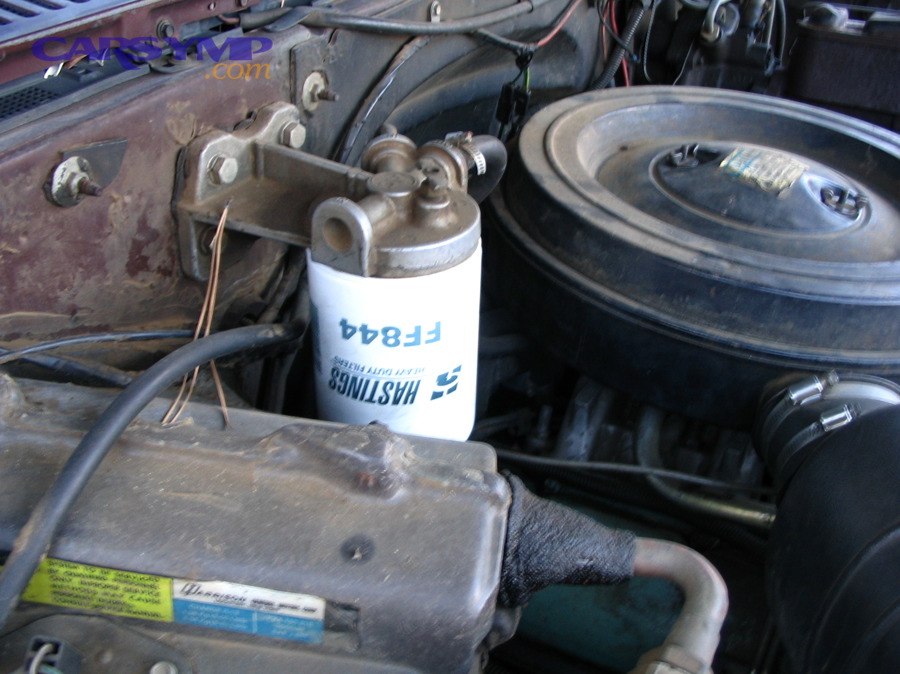
Fuel filters are contamination barriers that trap particulates and sometimes water, protecting injectors from abrasive wear and clogging—because injector passages and spray holes are small and sensitive to even fine debris.
In addition, filter restriction can reduce fuel delivery under load, which may mimic injector trouble. That’s why the best rule is:
- Replace the filter on schedule, and
- Replace it earlier if you drive in severe conditions (dusty environments, questionable fuel supply, frequent short trips with storage).
If your vehicle uses an in-tank “lifetime” filter setup, your focus shifts toward fuel quality and tank contamination prevention, since the system is less serviceable.
Can short trips and long idling increase injector deposits even with good fuel?
Yes—short trips and long idling can increase deposit risk even with good fuel for at least three reasons: the engine spends more time cold, combustion is less complete, and repeated heat-soak cycles encourage deposit precursors to stick and bake onto hot injector surfaces. (pure-oai.bham.ac.uk)
Especially, if your driving is mostly stop-and-go:
- Add an occasional longer drive where the engine reaches stable operating temperature.
- Avoid unnecessary prolonged idling.
- Keep up with maintenance items that affect combustion quality (air filter, spark plugs, PCV system), because incomplete combustion and oil vapor can contribute to deposit-related symptoms.
This is how you keep “clean fuel” from being undermined by “deposit-friendly” operating conditions.
What are the safest injector cleaning options: do-nothing, pour-in cleaner, DIY, or professional service?
Do-nothing wins in safety for normal engines with no symptoms, pour-in cleaner is best for mild deposit suspicion, DIY methods are optimal for experienced hands with proper tools, and professional service wins in diagnostic certainty and severe cases—because the “right” option depends on symptom severity and risk tolerance. (pure-oai.bham.ac.uk)

Next, treat injector cleaning like a decision tree—not a ritual. You’re trying to answer one question: Are deposits likely, and if so, how severe? That decision determines whether a gentle approach is enough or whether you need testing.
Pour-in fuel system cleaner vs professional injector cleaning: what’s the difference?
Pour-in cleaner wins in convenience, professional service is best for measured results, and “no cleaning” is optimal for engines running normally—because pour-in products rely on gradual chemical cleaning, while professional services can include pressurized cleaning and diagnostics.
Specifically:
- Pour-in cleaner: Works through the fuel system while you drive; best for mild issues or preventive use when compatible with the vehicle.
- Professional service: Often includes a more direct cleaning method and may pair it with diagnostics; better when symptoms are persistent or you suspect a mechanical fault.
If your goal is certainty, professional testing (flow balance, pattern checks where applicable) provides more confidence than guessing.
Is it safe to use injector cleaner regularly?
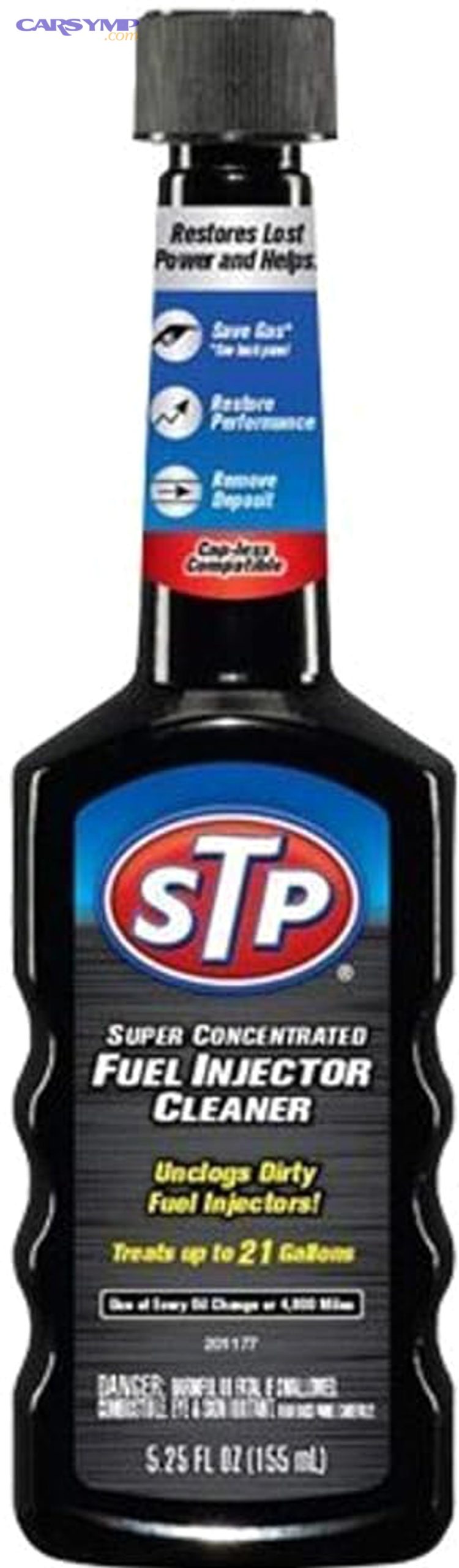
Yes, injector cleaner is generally safe when you follow manufacturer guidance and don’t overdo dosage, for at least three reasons: proper detergents are designed for fuel-system compatibility, correct dosing avoids over-concentration risks, and many deposit-control programs rely on detergent chemistry as a core strategy. (toptiergas.com)
However, the safety depends on discipline:
- Don’t mix multiple “cleaners” at once.
- Don’t exceed recommended treat rates.
- If your manual warns against certain additives, respect that—especially for newer direct-injection systems.
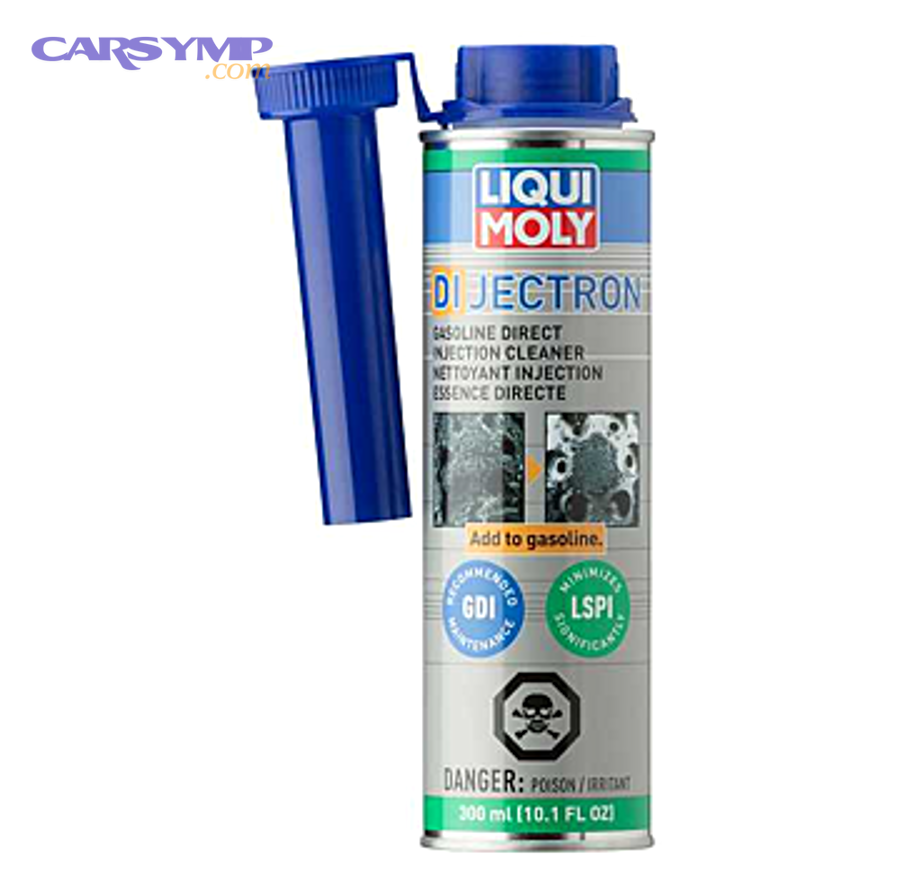
Also, remember that “safe” doesn’t mean “necessary.” If you already use strong detergent fuel consistently, you may not need frequent additive use.
DIY cleaning vs shop diagnostics: when is DIY a bad idea?
DIY wins in cost control for simple maintenance, shop diagnostics are best for persistent drivability issues, and “pause and test first” is optimal for check-engine lights and recurring misfires—because injector symptoms overlap with other systems.
This is where many drivers lose money: they assume the injector is the cause, buy products, and ignore the real issue (ignition, vacuum leak, fuel pressure, sensor faults). If you have any of these, DIY cleaning is usually a bad first step:
- Active misfire codes or flashing check engine light
- Repeated stalling, strong fuel smell, or hard starts that are worsening
- Noticeable power loss under load (could be fuel pressure/filter/pump)
This is also where you should think in terms of an Injector cleaning cost estimate: mild cases might justify a low-cost cleaner, while recurring symptoms justify diagnostics before you pay for services that may not address the root problem. For a general reference point, one consumer auto-repair source reports fuel injection service pricing commonly around $150–$200, with higher bundled pricing when combined with related cleanings. (cartalk.com)
What symptoms indicate injector health is declining—and what should you check first?
There are 7 common symptoms that suggest injector health is declining—rough idle, hesitation, misfires, hard starts, MPG drop, fuel odor, and a check engine light—based on how deposits and flow disruption alter combustion and air-fuel control. (pure-oai.bham.ac.uk)
Besides, the key is not just recognizing symptoms—it’s checking the highest-probability causes first so you don’t misdiagnose and waste time. The phrase “Misfire and rough idle linked to injectors” is common for a reason, but injectors are only one of several frequent culprits.
What are the most common “dirty injector” symptoms vs similar issues (spark, air, fuel pressure)?
Dirty injectors often show up as rough idle, stumble on tip-in, or a cylinder-specific misfire, while spark/air/fuel-pressure issues can create similar sensations—but the pattern differs.
Use this quick triage:
- Rough idle + hesitation + gradual MPG decline: deposits are plausible.
- Sudden misfire after rain/maintenance: ignition or connector issues are more likely.
- Power loss under load + whining pump sound: fuel pressure or filter restriction may be the driver.
- High idle + whistling + lean codes: vacuum leak or air metering issues may dominate.
The main point: injector deposits tend to create progressive symptoms, not instant catastrophic changes—unless contamination is severe.
What diagnostic steps confirm injector-related issues (codes, trims, balance tests)?
Injector-related issues are confirmed by evidence that a specific cylinder is under-fueling or spraying poorly, using a combination of scan data, fuel trims, and targeted tests.
To illustrate a practical sequence:
- Scan for codes: identify misfire codes (P030X), fuel-trim-related codes, or injector circuit codes.
- Check fuel trims: a consistent lean condition may suggest under-fueling, though it can also be air leaks.
- Cylinder contribution/balance testing (shop-level or advanced DIY): helps isolate whether one cylinder is weak due to injector flow differences.
- Rule out basics: spark plugs, coils, air leaks, and fuel pressure.
This approach prevents the “clean-first, diagnose-later” trap.
Should you keep driving if you suspect injector problems?
No—you should not keep driving with suspected injector problems when symptoms are severe or worsening, for at least three reasons: misfires can overheat the catalytic converter, lean running can increase engine stress, and intermittent fueling can create unpredictable drivability. (pure-oai.bham.ac.uk)
In addition, “mild” symptoms might be safe for short trips to a shop, but certain signs mean stop and address it:
- Flashing check engine light (often active misfire)
- Strong fuel smell or visible leaks
- Stalling in traffic or loss of power that could create a safety hazard
A safe rule: if you’re unsure whether you’re causing damage, diagnose before you drive far.
How does injector care change for GDI engines, diesel trucks, and ethanol/biodiesel blends?
Port injection is best for lower injector heat exposure, GDI is best for efficiency and power but is more deposit-sensitive, and diesel is optimal for torque and economy but demands stricter contamination control—because injector design, operating pressure, and fuel properties change what “clean fuel” means in practice. (pure-oai.bham.ac.uk)
Below, the goal is not to overwhelm you with edge cases. It’s to highlight the few differences that change outcomes so you can adjust your routine intelligently.
Port injection vs GDI: which is more deposit-prone and why?
GDI is generally more deposit-prone at the injector tip because the injector operates in hotter, harsher conditions and spray quality is more sensitive to small deposit changes, while port injectors typically live in a cooler intake environment. (pure-oai.bham.ac.uk)
More specifically, the University of Birmingham review explains that injector deposits can reduce flow and alter spray characteristics, and that deposit control strategies (including detergents) are central to mitigation. (pure-oai.bham.ac.uk)
Diesel injector protection checklist: water separation, lubricity, and contamination control
Diesel injector protection relies on water control, filtration discipline, and consistent fuel sourcing, because modern diesel injection systems operate at high pressure and are sensitive to contamination.
Use this checklist:
- Buy diesel from high-turnover stations
- Drain water separators if your vehicle has them (per manufacturer guidance)
- Replace fuel filters on schedule (and treat “severe service” seriously)
- Avoid questionable storage containers and dirty transfer equipment
If you drive a diesel for work, contamination control often matters more than “cleaner additives,” because water and particulates can be a fast path to expensive problems.
Can old fuel or high-ethanol conditions create injector problems during storage?
Yes—old fuel and certain ethanol-storage conditions can create injector problems for at least three reasons: fuel can oxidize and form gums, water contamination risk increases with poor storage, and deposit precursors can concentrate when fuel sits for long periods. (pure-oai.bham.ac.uk)
Then, the practical fix is prevention:
- Keep storage periods in mind (especially seasonal vehicles)
- Use fresh fuel before storage where possible
- Follow manufacturer-approved stabilizer guidance if long storage is unavoidable
This matters because “clean injectors” can still suffer if the fuel itself degrades in storage.
What fuel-handling practices do fleets use to keep injectors healthy (and can drivers copy them)?
Fleets keep injectors healthy by standardizing fuel sources, enforcing filtration schedules, and treating contamination prevention as policy, and yes—drivers can copy the most important parts by being consistent.
Specifically, copy these fleet habits:
- Pick 1–2 trusted, high-turnover stations and stick to them.
- Treat fuel filter service as non-negotiable.
- Don’t ignore early symptoms—test before you spend.
According to a study by University of Birmingham from the School of Mechanical Engineering, in 2015, fuel detergent was described as one of the most effective methods for controlling injector deposit formation when chemistry and dosage are optimized—supporting the “consistent detergent strategy” that many fleets implicitly follow through standard fuel programs. (pure-oai.bham.ac.uk)