


Yes—you can sometimes drive with a weak fuel pump, but you should only do it briefly because a weak pump can trigger loss of power, stalling, or a no-start at the worst possible moment. The safest intent behind “Drive or Stop?” is simple: decide whether you’re okay to limp to help or you need to stop and tow.
Next, you’ll want to recognize the most reliable fuel pump symptoms—especially the pattern-based ones (hard start, hesitation under load, hot-weather stalling) that point to fuel delivery instead of ignition or sensors. That’s where quick, practical diagnosis saves time and prevents repeat breakdowns.
Then, you need to understand the real risks of “just pushing through it,” because a weak fuel pump isn’t only about inconvenience—it can create dangerous driving events like sudden stall while merging or turning, and in some cases it can contribute to misfire conditions that stress the exhaust system.
Introduce a new idea: once you know whether to drive or stop, the rest of this guide shows you how to confirm the cause using simple checks, explains Fuel pressure test basics, and ends with a clear action plan you can use immediately.
Can you drive with a weak fuel pump? (Yes/No)
Yes, you can sometimes drive with a weak fuel pump, but only briefly because it can lose fuel pressure under load, stall without warning, and turn a small drivability issue into a roadside no-start.
More importantly, the “can” is less useful than the “should,” so let’s connect the decision to safety and symptom severity.
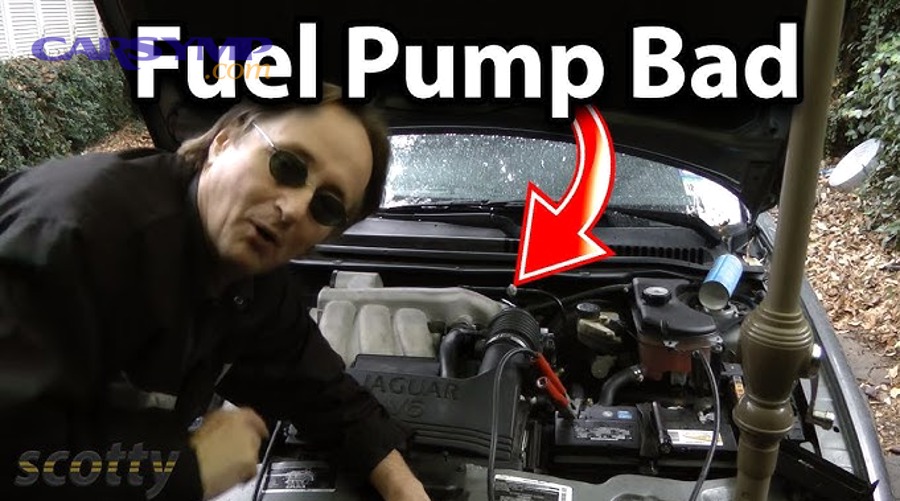
A weak fuel pump usually means the pump can still move fuel at idle or light throttle, but it fails when demand rises—like accelerating uphill, merging, or running the A/C. That mismatch is why people describe it as “it drives fine… until it doesn’t.” If you’re trying to decide right now, use a simple rule: if it’s stalling or losing power in traffic scenarios, stop driving. If it’s only mild hesitation and you can avoid high-demand driving, you may be able to limp to a shop.
Is it ever safe to “limp” to a shop with a weak fuel pump? (Yes/No)
Yes—limping can be acceptable when you have mild symptoms, a short route, and a low-risk driving environment, because you’re reducing load and limiting the chances of fuel starvation under demand.
Then, the key is to define “limp” in concrete terms so you don’t accidentally push the pump into failure.
A safe “limp strategy” is about lowering fuel demand:
- Keep RPM and throttle light (no hard acceleration, no passing).
- Avoid hills, highways, and left-turn-heavy routes where power loss is high-risk.
- Turn off extra loads if possible (A/C, heated seats) to reduce overall strain.
- Stay near pull-off options (surface streets with shoulders/parking lots).
- Don’t shut the engine off unnecessarily if restarts are unpredictable.
If you want a quick decision aid, here’s what the table contains: a risk-based “drive vs tow” checklist that matches symptom severity to a safer next step.
| Situation you’re in | What it suggests | Safer choice |
|---|---|---|
| Mild hesitation only, no stalling, short distance, low traffic | Borderline pump or early restriction | Drive carefully to shop |
| Noticeable power loss under acceleration or uphill | Pump can’t maintain flow under load | Tow if highway/hills required |
| Stalled once but restarted easily | Failure may be progressing | Tow if repeat stall risk |
| Repeated stalling / won’t restart reliably | Near-total failure likely | Tow |
| Smell of fuel / leaks present | Fuel system hazard beyond pump strength | Stop and tow |
According to a study by the U.S. National Highway Traffic Safety Administration (NHTSA) from its recalls/defects documentation, in 2025, fuel pump failure can result in an engine stall while driving, increasing the risk of a crash. (static.nhtsa.gov)
Should you stop driving immediately if the engine is stalling or losing power? (Yes/No)
Yes, you should stop driving immediately if you’re experiencing stalling, sudden power loss, or repeated near-stalls, because these symptoms can escalate without warning and create dangerous situations in intersections and merges.
Besides, when a weak pump crosses the line into “stalling,” you’re no longer managing inconvenience—you’re managing safety risk.
Use this “stop now” list as a hard boundary:
- Stall at idle or while slowing down (lights, stop signs).
- Loss of power mid-merge, mid-turn, or mid-pass (high hazard).
- Engine surging + bucking like it’s starving for fuel.
- Check engine light flashing (often indicates active misfire).
- No-start after a hot soak (short stop, then won’t restart).
If any of these are true, treat it as a tow situation. The cost of towing is often lower than the cost of a crash—or even repeated “diagnose-by-breakdown” attempts.
What does a “weak fuel pump” mean (and what does it do)?
A weak fuel pump is a fuel delivery component that can’t maintain the required pressure and flow consistently—especially under load—so the engine receives too little fuel during demand spikes, causing hesitation, misfire-like behavior, or stalling.
To better understand why it feels so inconsistent, it helps to separate “pressure” from “volume.”
Most modern engines need stable fuel pressure at the rail so injectors can deliver the right amount of fuel. A pump can be “weak” because of wear, overheating, contamination, a clogged strainer, or even reduced electrical supply. That weakness usually shows up first under stress: higher RPM, steep grades, heat, heavy loads, or rapid throttle changes.
How does low fuel pressure vs low fuel volume show up while driving?
Low fuel pressure usually shows up as immediate hesitation and lean behavior under throttle, while low fuel volume often appears as sustained power loss at higher speeds or long pulls, because the system can’t keep up over time.
Specifically, the difference matters because it changes how symptoms behave.
Low pressure patterns (often sharp and immediate):
- Hesitation when you tap the gas
- Surging at steady cruise
- Random stumbles when load changes
- Hard start after sitting (pressure bleed-down or slow prime)
Low volume patterns (often gradual and load-dependent):
- Power fades during long acceleration ramps
- Feels worse on highways, uphill, or when loaded
- May run “okay” in town but struggles at speed
This is why drivers report “it’s fine until I need power.” The pump may still deliver enough fuel for idle and light cruise, but it can’t meet peak demand.
Why can symptoms be intermittent at first?
Symptoms are often intermittent early because fuel demand changes minute to minute, and heat or electrical conditions can temporarily push a borderline pump over the edge.
Next, here’s what creates the “sometimes good, sometimes awful” pattern.
Common reasons the problem comes and goes:
- Heat sensitivity: hot weather and hot fuel reduce margin, increasing vapor/flow problems in weak systems.
- Fuel level: low fuel can reduce pump cooling (many in-tank pumps rely on fuel for cooling).
- Electrical variability: a weak relay, corroded ground, or voltage drop may only show up under load.
- Debris movement: contamination can shift and partially block the strainer intermittently.
- Driving conditions: uphill + A/C + passengers is a very different demand than flat road cruising.
If you’re doing a Hard start and stalling fuel delivery diagnosis, the biggest clue is repeatability: when exactly does it act up (hot, uphill, half tank, after a quick stop)? Those conditions tell you more than a single symptom does.
What are the symptoms of a weak fuel pump?
There are 4 main groups of weak fuel pump symptoms—starting issues, idle/low-speed instability, acceleration/load problems, and late-stage stall/no-start—based on when fuel demand exceeds what the pump can deliver.
Then, once you group the symptoms, diagnosis becomes faster and less guessy.
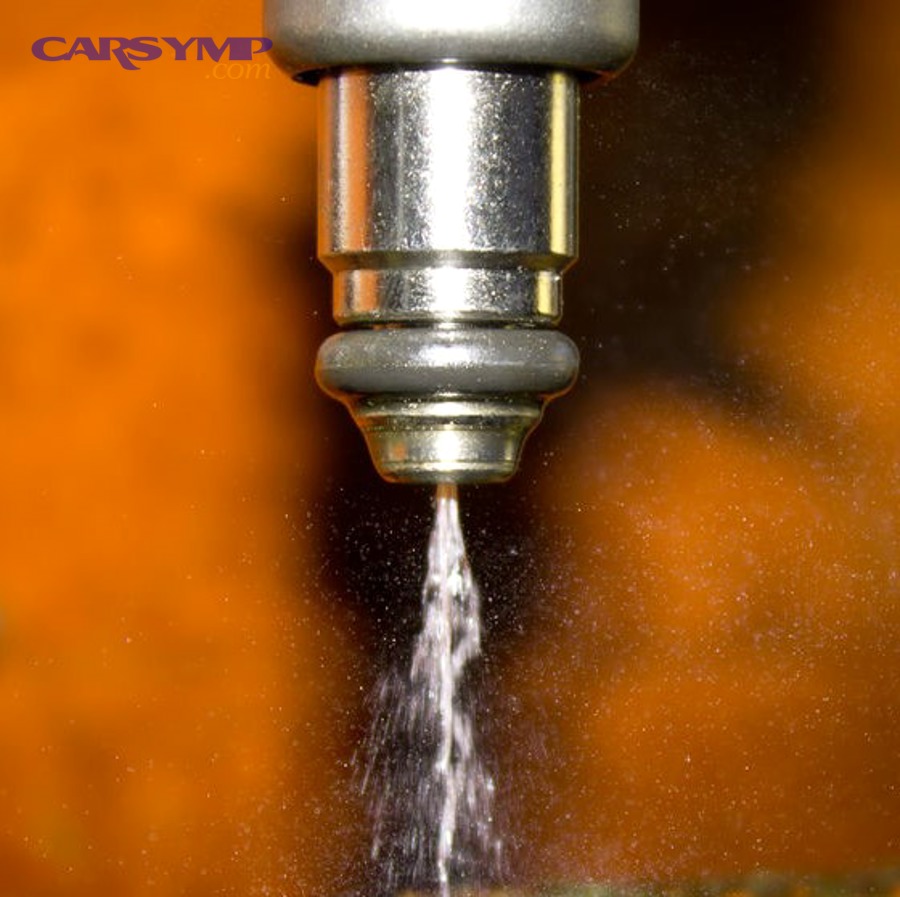
(If the image above doesn’t load due to site changes, any engine-bay diagnostic photo can serve the same illustrative purpose.)
Which symptoms usually happen first (early warning signs)?
Early signs usually appear as subtle hesitation, longer cranking, and occasional surging, because a weakening pump loses reserve capacity before it fails completely.
For example, many people notice issues only during “demand spikes,” not during calm driving.
Early-stage symptoms often include:
- Long crank / hard start (especially after sitting overnight)
- Momentary hesitation when accelerating from a stop
- Surging at steady speed (fuel delivery oscillating)
- Whining from the tank area (not always present, but common)
- Reduced power under load (uphill, passing, heavy cargo)
If you’re tracking “Car Symp” patterns (a quick shorthand some drivers use for “car symptom patterns”), note whether the symptom appears at high load vs idle—that separation is diagnostic gold.
What symptoms mean you’re close to total failure?
Late-stage symptoms include repeated stalling, severe power loss under light throttle, and unpredictable no-start events, because the pump can no longer sustain pressure and may seize or overheat.
Moreover, these are the symptoms that turn a “maybe later” fix into a “today” problem.
Watch for these “near-failure” markers:
- Stalls while driving, especially when slowing down or turning
- Bogging even with gentle throttle
- Won’t rev past a certain RPM without sputtering
- Hot restart failure (short stop, then crank/no start)
- Repeated start-stall cycles (starts, runs briefly, dies)
According to a study by the U.S. National Highway Traffic Safety Administration (NHTSA) from its safety recall reports, in 2025, fuel pump failure may cause the vehicle to stall during operation, increasing the risk of a crash and serious injury. (static.nhtsa.gov)
What are the risks of continuing to drive with a weak fuel pump?
The risks are serious because a weak fuel pump can cause sudden loss of power, stalling in traffic, and progressive no-start—plus it can contribute to misfire conditions that stress the exhaust aftertreatment system.
However, the most immediate risk isn’t “engine damage”—it’s the moment your car stops responding when you need it most.
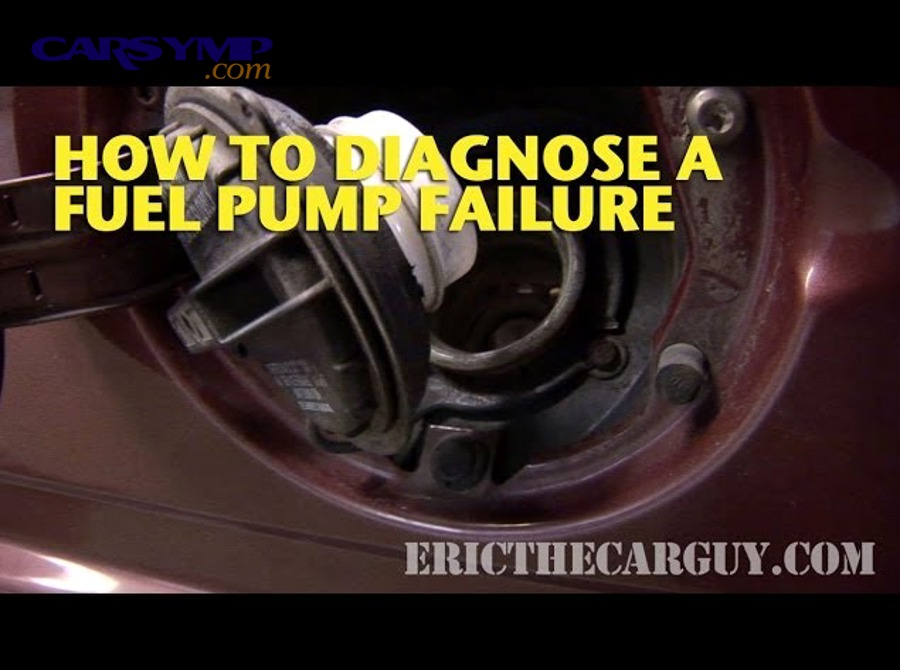
(Any safe-driving scenario image can illustrate this section.)
From a risk standpoint, think in three buckets:
- Safety risk: stall or power loss during merges/turns.
- Reliability risk: being stranded, repeat no-start, towing anyway.
- Secondary system stress: lean operation and misfire-like events (varies by situation).
Can a weak fuel pump cause stalling at highway speeds or intersections? (Yes/No)
Yes, a weak fuel pump can cause stalling at speed or in intersections because fuel demand can spike suddenly and the pump may fail to maintain pressure, cutting combustion and shutting the engine down.
More specifically, load changes—like tipping into the throttle to merge—can be enough to trigger the stall.
High-risk moments include:
- Merging onto a highway
- Turning left across traffic
- Accelerating uphill
- Stop-and-go traffic when the engine is heat soaked
- Passing at speed
This is why “I’ll just drive gently” sometimes fails: even gentle drivers need sudden power occasionally, and weak fuel delivery doesn’t negotiate.
According to a study by the U.S. National Highway Traffic Safety Administration (NHTSA) from its 2025 recall documentation, in 2025, fuel pump failure can result in an engine stall while driving, increasing the risk of a crash. (static.nhtsa.gov)
Can driving with a weak fuel pump damage the engine or catalytic converter? (Yes/No)
Sometimes, yes—driving with a weak fuel pump can contribute to damaging conditions because inconsistent fueling can trigger lean misfire or unburned fuel events that raise exhaust temperatures, stressing the catalytic converter.
In addition, the risk increases when misfires are frequent or severe.
Here’s the practical reality:
- Most drivers will hit safety/reliability failure first (stall/no-start) before catastrophic engine damage.
- But repeated misfires can overheat the catalyst over time—especially if the engine is running poorly for extended periods.
According to a study by Chalmers University of Technology from its Department of (graduate engineering research via published thesis work), in 2011, catalytic-converter-damaging misfire monitoring thresholds were discussed in relation to temperature increase under misfire conditions. (publications.lib.chalmers.se)
How do you know it’s the fuel pump and not something else?
A weak fuel pump is most likely when symptoms worsen under load and heat, while other causes (filter restriction, regulator faults, injector issues, or electrical supply problems) tend to show different patterns—so the best answer is a comparison across symptom triggers and test results.
Next, use these comparisons to avoid replacing the pump when the real issue is upstream or electrical.
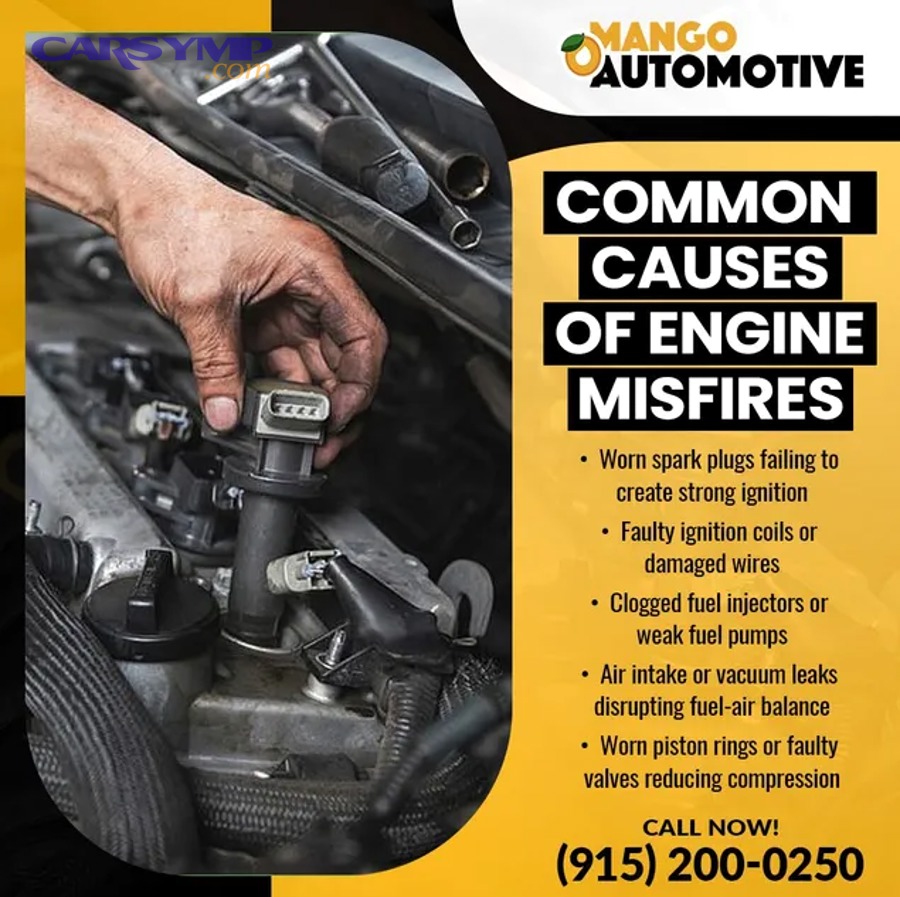
The fastest way to avoid misdiagnosis is to ask: “What condition triggers the symptom?” Load-triggered issues lean toward fuel delivery capacity. Cylinder-specific issues lean toward ignition/injectors. Random cut-outs can be electrical.
Weak fuel pump vs clogged fuel filter: what’s the difference?
A weak fuel pump fails to maintain delivery because the pump itself can’t keep up, while a clogged fuel filter restricts flow like a pinched straw—both cause power loss, but filters often show more consistent restriction across conditions.
Specifically, the clue is how the symptom scales with time and demand.
Typical differences:
- Clogged filter: tends to cause progressive loss of power, especially at sustained higher speeds; may improve slightly at idle.
- Weak pump: can feel more “electrical” or intermittent; may worsen with heat, low fuel, and sudden throttle.
Also, many modern vehicles don’t have a simple, serviceable inline filter; the “filter” may be part of the pump module/strainer in the tank, which changes what “filter replacement” even means in your specific car.
Weak fuel pump vs bad fuel pressure regulator vs injectors: how do symptoms differ?
Weak fuel pump problems are usually demand-based across all cylinders, a bad regulator changes pressure behavior system-wide but often with clearer pressure patterns, and injector issues frequently present as cylinder-specific misfires or roughness.
Meanwhile, your scan data (if available) can support what your seat-of-the-pants already feels.
Quick pattern guide:
- Pump: loss of power under load, hot restart issues, global lean tendency.
- Regulator (if applicable): pressure too high/low at predictable times; may cause rich/lean swings.
- Injectors: misfire on specific cylinder(s), rough idle, localized issues; may not be strictly load-triggered.
If you’re not scanning the car, you can still use a real-world clue: pump issues often feel like the engine is “running out of gas” even when the tank isn’t empty.
Weak fuel pump vs electrical issue (relay/ground): how can it mimic failure?
Electrical supply problems can mimic a weak fuel pump because low voltage to the pump reduces pump speed, which reduces fuel pressure and flow—creating the same hesitation, stalling, and no-start symptoms.
To begin, check the simplest “power path” pieces before condemning the pump.
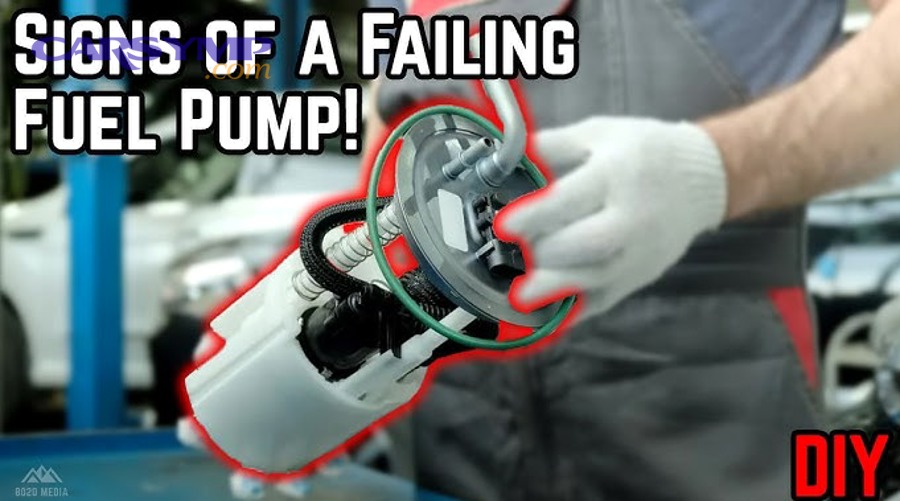
Common electrical mimics:
- Weak or failing fuel pump relay
- Corroded ground strap or connector near the tank
- Voltage drop in wiring (heat and load can worsen it)
- Fuse/terminal issues that intermittently cut power
This is where a No-start fuel pump checklist is useful: confirm fuel level, listen for pump prime, verify relay/fuse, and only then move to pressure tests. If the pump “sometimes primes, sometimes doesn’t,” electrical supply is back on the suspect list.
What should you do right now if you suspect a weak fuel pump?
The best approach is a 6-step plan: reduce risk, capture symptom patterns, do quick no-tools checks, run a safe fuel pressure test if you can, avoid repeated risky driving, and get a targeted diagnosis—so you fix the actual cause instead of guessing.
Then, the goal becomes simple: reach certainty fast, not “hope it holds.”
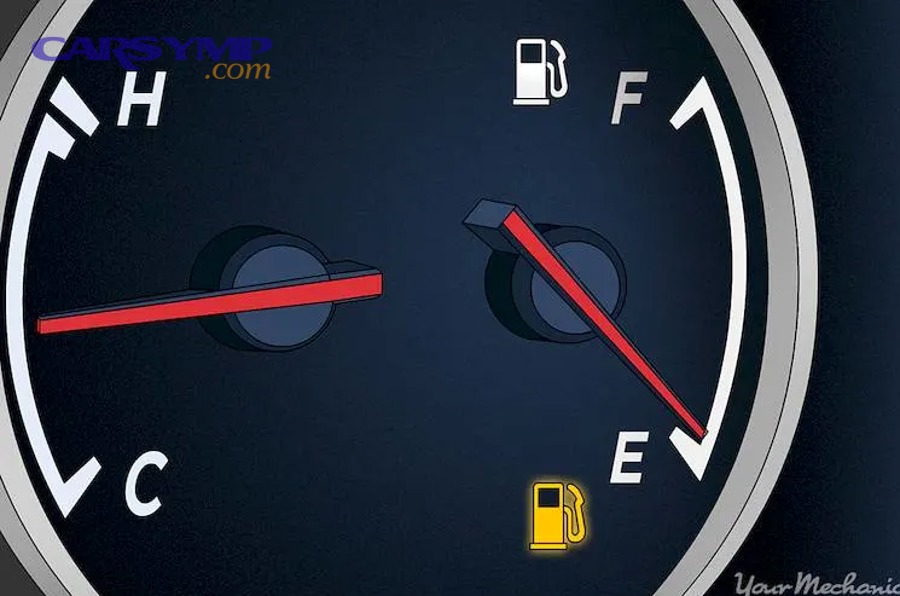
If you’re in a driveway or parking lot right now, do this in order:
- Safety first: don’t test on a hot engine if fuel may spray; work ventilated.
- Record the pattern: hot/cold, fuel level, load, time since start.
- Quick checks: listen for pump prime; check for obvious leaks; check engine light behavior.
- Fuel pressure test basics: verify pressure at the rail/test port if your vehicle supports it.
- Decision point: if it stalls or won’t restart reliably, stop driving and tow.
- Shop-ready notes: bring the symptom pattern and any test results.
What are the safest next steps to get it diagnosed quickly?
The safest next steps are to document conditions, request a fuel pressure/volume test under load, and ask for an electrical voltage-drop check at the pump, because those tests separate “weak pump” from “weak power supply” quickly.
More specifically, you want targeted testing—not generic parts swapping.
What to tell the shop (this speeds everything up):
- “Symptoms happen under load (uphill / highway merge).”
- “Hard start occurs after sitting / after hot soak.”
- “Fuel level was low / symptoms worse in heat.”
- “Any stalling events happened at X speed / turns / braking.”
If you did your own pressure test, bring that data too. A clear “pressure drops when revving” observation helps a technician move directly to confirmation tests.
According to a study by O’Reilly Auto Parts’ how-to publication team (consumer automotive maintenance education), in 2025, a standard fuel pressure test involves locating the Schrader valve on the fuel rail and connecting a gauge to measure fuel pressure against specification.
When is towing the better choice than driving? (Yes/No)
Yes, towing is the better choice when you have stalling, repeat no-start, highway-only routes, or severe power loss, because the risk of being stranded—or losing power in traffic—outweighs the benefit of “making it there.”
In short, tow when the car can’t be trusted to respond.
Tow if any of these are true:
- You already had one dangerous power-loss moment (merge/turn).
- The engine stalled more than once in a short period.
- It won’t restart reliably after a stall.
- You must take high-speed roads or steep grades.
- The car is in a place where a stall would be high-consequence (bridges, tunnels, fast intersections).
What else can cause “weak fuel pump” symptoms ?
Several issues can create “weak fuel pump” symptoms—fuel system design differences, electronic pump control faults, low-fuel/heat effects, and voltage drop—so diagnosis changes depending on whether your vehicle is returnless, return-style, direct injection, or module-controlled.
Besides, this is the section that prevents you from replacing a good pump.
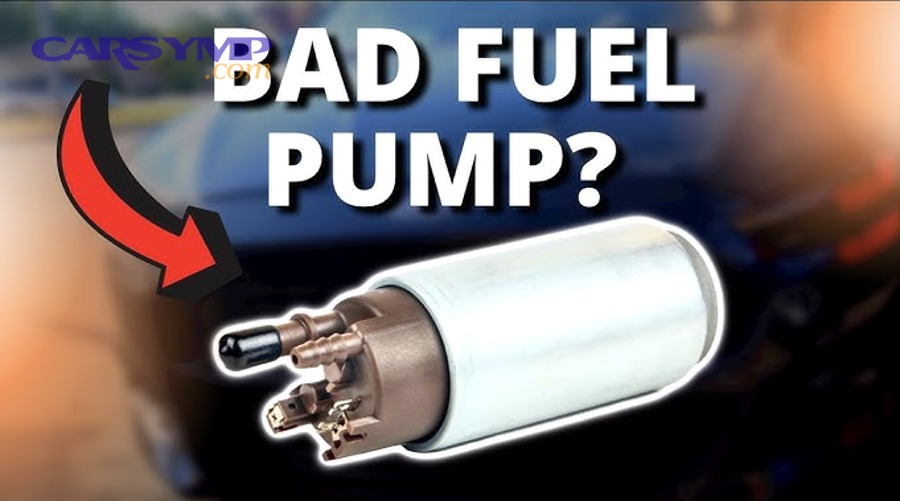
This is where micro-details matter. Two vehicles can show the same symptom (hesitation under load) for different root reasons because the control system and plumbing are different.
How do returnless vs return-style fuel systems change symptoms and testing?
Returnless systems often show more control-module and sensor-influenced behavior, while return-style systems can show more regulator/return-line effects, so the same “weak” feeling may require different test points and interpretations.
To illustrate, returnless setups commonly regulate pressure in-tank or via module control, while return systems circulate fuel back to the tank.
Practical implications:
- Returnless: pressure may be commanded and monitored; control faults can mimic pump weakness.
- Return-style: a regulator or return restriction can create abnormal pressure patterns.
Either way, the fix still depends on measured reality: pressure/flow under the conditions that trigger the symptom.
Can a fuel pump control module (or driver) cause the same symptoms as a weak pump?
Yes, a fuel pump control module or driver can cause the same symptoms because it can under-power or intermittently cut power to the pump, reducing speed and fuel delivery even when the pump itself is mechanically fine.
More importantly, module issues often look “intermittent,” which is exactly why they get mistaken for pump wear.
Clues that point toward control/electrical causes:
- Symptoms correlate with heat soak or electrical load.
- Starts fine sometimes, then randomly no-starts.
- Symptoms appear after hitting bumps or during wet weather (connector sensitivity).
Can low fuel level, heat, or contamination make a borderline pump act worse? (Yes/No)
Yes—low fuel, heat, and contamination can make a borderline pump act much worse because in-tank pumps use fuel for cooling and lubrication, and debris/vapor issues reduce effective flow when conditions get harsh.
Next, consider this if your symptoms spike in summer or when the tank is near empty.
Common amplifiers:
- Low fuel: less cooling → higher pump temperature → lower efficiency.
- Hot weather: higher volatility → vapor issues become more likely in marginal systems.
- Contamination: strainer restriction and internal friction rise over time.
This aligns with real-world recall language that notes failures may be more likely under low fuel and hot conditions in some defect scenarios. (reuters.com)
What’s the “rare but real” electrical cause—voltage drop at the pump?
Voltage drop at the pump is a rare-but-real cause because the pump may receive less voltage under load due to resistance in wiring, grounds, or connectors, leading to slow pump speed and low pressure even though the pump passes a simple “it runs” test.
Finally, if everything else seems plausible but inconsistent, this is the check that stops repeat comebacks.
A technician typically confirms voltage drop by measuring:
- Battery voltage
- Voltage at the pump connector under load
- Ground integrity (resistance and load testing)
If you hear “the pump is running” but pressure still collapses, voltage drop is one of the cleanest explanations.
Evidence (summary)
According to a study by the U.S. National Highway Traffic Safety Administration (NHTSA) from its safety recall documentation, in 2025, fuel pump failure can result in an engine stall while driving, increasing the risk of a crash. (static.nhtsa.gov)
According to a study by Chalmers University of Technology from its engineering research publications, in 2011, catalytic-converter-damaging misfire monitoring is tied to temperature increase under misfire conditions. (publications.lib.chalmers.se)
According to a study by O’Reilly Auto Parts’ educational how-to publication team, in 2025, a basic fuel pressure test involves locating the Schrader valve on the fuel rail and connecting a gauge to measure fuel pressure against specification.