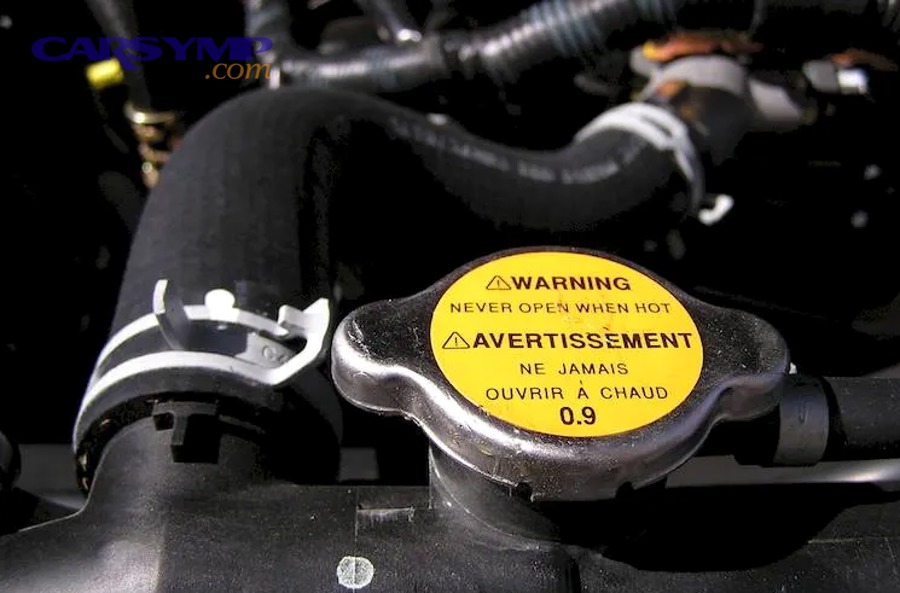
If you suspect a coolant hose leak, the fastest way to protect your engine is to identify the symptoms and inspect the hoses and clamps in a safe, repeatable order. You’re looking for a pattern: coolant loss + heat/pressure changes + visible evidence on hoses, connections, or nearby parts.
Next, you’ll learn how to read hose-specific failure signs—like cracks, bulges, spongy rubber, or crusty dried coolant—so you can decide whether the issue is clamp-related or whether you’re already at the point where hose replacement is the smartest move.
In addition, you’ll see how the “hose leak” symptoms can overlap with other cooling-system problems. That matters because a wrong guess can waste time and let overheating continue, which is exactly what you’re trying to avoid.
Introduce a new idea: once you know what to look for and how to confirm it, you can take simple actions that reduce risk immediately and build habits for Preventing hose failures long term.
What are the most common coolant hose leak symptoms you can spot right away?
There are 6 common coolant hose leak symptoms—coolant puddles, sweet odor, visible residue, low coolant level, steam/overheating, and heater performance changes—because a hose leak reduces coolant volume and system pressure while leaving clues where coolant escapes.
Then, because symptoms can appear differently depending on engine temperature and pressure, the goal is to connect what you notice (smell, puddle, gauge behavior) to what you can verify (wetness, staining, hose condition).
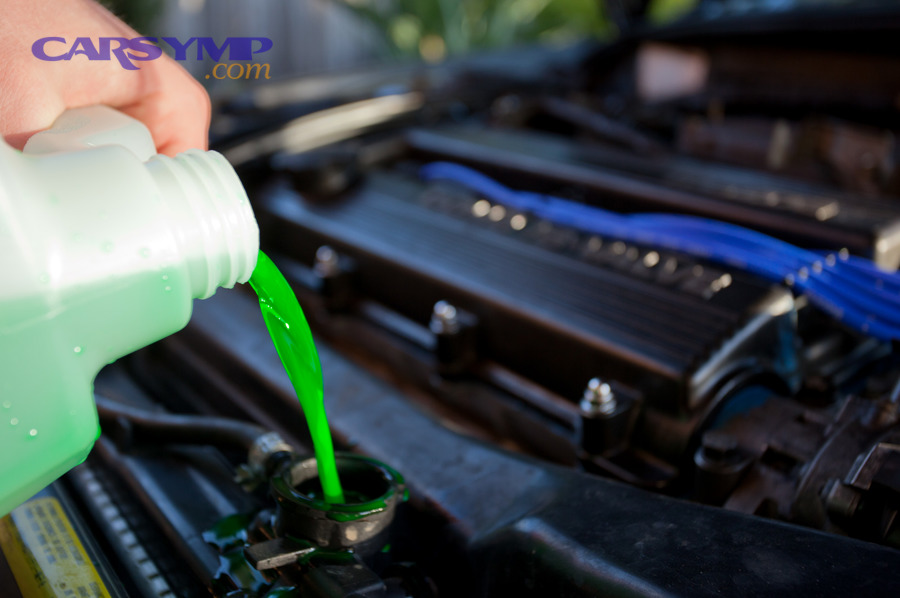
Which visible signs point to a hose leak (wet spots, spray marks, crusty residue)?
A hose leak usually leaves visible evidence that clusters around rubber hoses, hose ends, and connections—because coolant tends to seep at weak points or spray from pinholes under pressure.
Look for these high-signal visual clues:
- Wet or shiny hose surface: A healthy coolant hose is typically dry and matte. A leaking hose often looks damp, reflective, or freshly rinsed compared to surrounding dusty parts.
- Crusty residue (“chalky” or “crystalline”): When coolant dries, it can leave a light-colored crust. This is especially common at hose ends near clamps, where tiny seeps dry over time.
- Spray pattern or splatter dots: A pinhole leak can atomize coolant into a fine mist that lands on nearby pulleys, fans, shrouds, or the underside of the hood.
- Drip trail or “gravity path”: Coolant runs down and collects on lower hoses, brackets, or the bottom of the radiator support before it hits the ground.
- Staining around hose ends: Seepage often starts where the hose meets a fitting—especially if the clamp is loose, mispositioned, or the hose end has hardened.
Where to look first (fastest wins):
- Upper radiator hose ends (hot, pressurized, high movement)
- Lower radiator hose ends (cooler but often hard to see)
- Heater hoses at the firewall (tight spaces, heat cycles)
- Plastic fittings and junctions (aging plastic cracks)
- Overflow/expansion tank hose connections (small clamps, small hoses)
To make the inspection more reliable, wipe a suspicious area with a paper towel, then recheck after a short warm-up. Fresh wetness returning in the same spot is a strong confirmation signal.
What does leaking coolant smell and look like compared with water or oil?
Leaking coolant typically has a sweet smell and leaves colored or chalky residue, while water tends to evaporate without residue and oil feels slick and leaves dark staining—because coolant contains glycols and additives, not just water.
How coolant usually presents:
- Smell: Sweet, syrup-like, sometimes “chemical-sweet.” It can be faint outdoors but stronger in a closed garage.
- Color: Depends on brand and vehicle, so don’t rely on color alone. Coolant can be green, orange, pink, blue, yellow, or even nearly clear.
- Texture: Not as oily as engine oil, but not as “pure” as water. It can feel slightly slippery between fingers (use gloves).
- Residue: After drying, it often leaves a crusty film or chalky deposits.
How to avoid common mix-ups:
- A/C condensation: Usually clear water dripping near the firewall area under the car; no sweet smell; no residue.
- Windshield washer fluid: Often blue and smells like cleaner; usually found near washer reservoir lines.
- Engine oil: Brown/black; slick and greasy; stains linger and spread.
If you’re unsure, the simplest practical check is to track where the fluid originates (hose area vs bottom of engine vs under dash) and whether it leaves a residue after drying.
Can a small hose leak cause overheating or weak cabin heat?
Yes—a small coolant hose leak can cause overheating or weak cabin heat because (1) coolant level drops, (2) air enters the system and reduces circulation, and (3) the heater core can’t receive steady hot coolant flow, especially during idle.
Moreover, “small leak” describes the size of the opening—not the risk. Small leaks can become big leaks when pressure rises, the hose expands, or the weak spot tears.
What typically happens in real driving:
- Early stage: Coolant level slowly drops; you may only notice top-offs become more frequent.
- Mid stage: Cabin heat becomes inconsistent at idle or low speed (air pockets disrupt heater-core flow).
- Late stage: Temperature gauge climbs during traffic or uphill; you may see steam or smell coolant more strongly.
If the temperature gauge rises above normal, treat it as a time-sensitive warning. Overheating can cause expensive damage quickly, even if the leak “looked small.”
How do you inspect coolant hoses and clamps safely at home?
A safe home inspection is a two-phase check—cold engine first, then warm engine observation—because a cold check finds obvious damage without burn risk, while a warm check reveals pressure-related leaks that hide when cold.
Below, the goal is to be methodical: you’re not just “looking around,” you’re confirming evidence and narrowing the leak location.
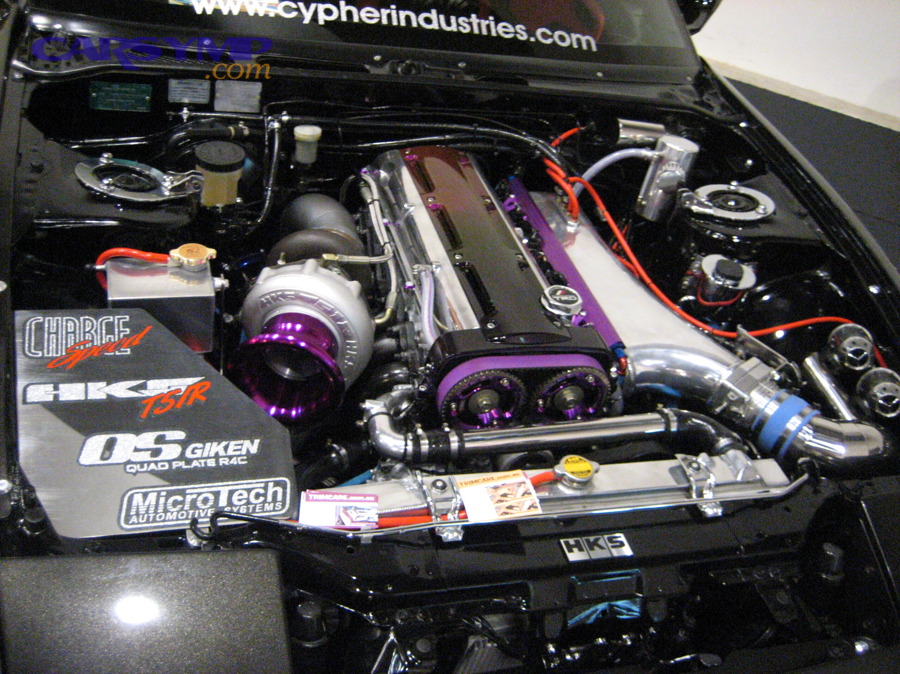
What is a quick “cold engine” inspection checklist for hoses and clamps?
A cold-engine checklist works because you can safely touch hoses and fittings without burns, and you can find cracks, loose clamps, and dried residue that point to a leak’s history.
Cold-engine checklist (10–15 minutes):
- Park safely and let the engine cool fully. If you just drove, wait until hoses are cool to the touch.
- Check coolant level in the reservoir. If it’s below the “MIN” line, you likely have a loss somewhere.
- Use a flashlight and scan hose runs. Follow each coolant hose with your eyes from end to end.
- Inspect hose ends near clamps. Look for wetness, crust, or staining.
- Check the clamp position. The clamp should sit behind the raised bead on a fitting (when applicable) and not be crooked.
- Feel the hose surface (gloves on). You’re checking texture and integrity, not squeezing aggressively:
- brittle or cracking outer rubber
- soft or “mushy” sections
- bulges or ballooning
- Check for rubbing/chafing. Look where a hose contacts a bracket, edge, belt guard, or intake tubing.
- Inspect small-diameter hoses. Tiny hoses can leak at connections and are easy to overlook.
- Look below for drip evidence. Use cardboard under the car overnight to see where fluid lands.
- Recheck after wiping. If you find a suspicious spot, wipe it dry and note the exact location.
Important safety rule: Never remove a radiator cap on a hot engine. Hot systems are pressurized, and the release can spray scalding coolant.
What “warm engine” checks can reveal leaks that don’t show when cold?
Warm-engine checks reveal leaks that only appear under operating pressure because coolant expands and the system pressurizes, which can open tiny cracks or imperfect seals.
More specifically, you’re watching for fresh wetness returning where you wiped earlier, or for spray/mist near a weak point.
Warm-engine observation checklist (hands-off style):
- Start the engine and let it idle while you observe from a safe distance.
- Watch the temperature gauge: you want it to reach normal, not climb beyond.
- Use a flashlight to look for:
- seepage at hose ends
- new droplets forming
- misting or fine spray
- drips falling onto lower components
- Listen for hissing near hoses (a clue of pressure release).
- Turn the cabin heater on high and see if heat is stable (instability can suggest air in the system).
Avoid hazards during warm checks:
- Stay clear of the radiator fan (it can turn on suddenly).
- Keep hands away from belts and pulleys.
- Don’t lean over the engine; observe from the side when possible.
If you see steam, the safest next step is to shut the engine off and let it cool before continuing.
What do cracks, bulges, soft spots, and collapsed hoses mean?
Cracks, bulges, soft spots, and collapsed hoses are four classic hose failure signs because rubber ages with heat cycles and chemicals, reinforcement layers weaken, and suction/pressure forces deform weak sections.
Interpretation guide (what each sign usually means):
- Cracks (especially near ends): The hose rubber has aged/hardened; the seal surface may no longer conform to the fitting. Cracks can also indicate ozone/heat damage.
- Bulges or ballooning: Internal reinforcement may be failing. Bulges are a “replace soon” signal because pressurized coolant can turn a bulge into a rupture.
- Soft/spongy spots: The hose may be degrading internally or absorbing oil contamination. Soft spots often worsen under pressure and can leak intermittently.
- Collapsed hose (often lower radiator hose): This can occur when suction pulls a weak hose inward, sometimes tied to a missing internal spring or hose structure breakdown.
Practical decision rule: If you can see or feel structural change (bulge, soft section, cracking), tightening a clamp is not the fix. That’s when hose replacement becomes the reliable solution.
Where exactly should you check for coolant hose leaks in the engine bay?
You should check coolant hose leaks in three zones—hose runs, hose ends, and connection hardware—because most leaks occur where rubber meets metal/plastic or where vibration and heat concentrate stress.
Next, use a “trace the loop” approach: start at the radiator and follow the coolant path through the engine and back, checking each branch.
Which hoses are most likely to leak (upper/lower radiator, heater, bypass, overflow lines)?
There are 4 main hose groups most likely to leak—upper radiator hose, lower radiator hose, heater hoses, and small bypass/overflow lines—based on heat exposure, pressure cycling, routing complexity, and age.
1) Upper radiator hose
- Runs from engine to radiator (or radiator to engine, depending on layout).
- Sees high heat and pressure.
- Common issues: end cracks, clamp seep, bulges, pinhole sprays.
2) Lower radiator hose
- Often harder to see and reach.
- Can collapse under suction if weakened.
- Common issues: seep at ends, abrasion, internal structure failure.
3) Heater hoses
- Run to the firewall and heater core.
- Tight bends and crowded routing increase rubbing risk.
- Common issues: seep at firewall connections, aged rubber near clamps.
4) Bypass/overflow/small coolant lines
- Small diameter, often overlooked.
- Common issues: brittle lines, loose small clamps, plastic T-connectors cracking.
A good way to avoid missing a small line is to follow hoses by “destination”: radiator → engine → firewall → reservoir → back to radiator.
Which connection points fail most often (clamps, quick-connects, fittings, O-rings)?
Connection points fail because they combine heat, vibration, and mechanical stress, and because sealing depends on both hose condition and clamp/fitting integrity.
Common connection failures:
- Loose clamps: Vibration and thermal cycling can loosen clamps over time.
- Mispositioned clamps: If a clamp isn’t over the sealing area (or sits on a taper), seepage is more likely.
- Over-tightened worm clamps: Over-tightening can cut into rubber or distort plastic fittings, creating new leak paths.
- Quick-connect fittings (where used): Internal O-rings can age and leak; plastic housings can crack.
- Plastic junctions and elbows: Heat makes plastic brittle over time; cracks can be hairline and intermittent.
What “good” looks like at a hose end:
- Hose end sits fully seated against the stop/bead.
- Clamp sits straight and evenly compresses the hose.
- No wet ring, no crust line, no staining.
If the hose end is hardened or oval-shaped from age, even a new clamp may not restore a long-lasting seal.
What routing problems cause hidden leaks (chafing, rubbing, kinks, heat shields missing)?
Routing problems cause hidden leaks because hoses can wear through where they rub, weaken where they kink, and degrade faster near extreme heat if shields or clips are missing.
High-risk routing patterns:
- Chafing against brackets or edges: A hose can develop a thin spot that becomes a pinhole leak under pressure.
- Contact with moving parts: Even brief contact with a belt guard or pulley area can damage the hose quickly.
- Sharp bends/kinks: Kinks stress reinforcement layers and can cause cracks or restricted flow.
- Heat exposure near exhaust components: Missing shields or rerouted hoses can bake rubber and accelerate cracking.
- Improvised routing after prior repairs: A hose installed with a twist or misaligned path can fail earlier.
Quick check: If you can’t slide a finger between the hose and a sharp edge, the hose likely needs repositioning or protection (loom, clip, or reroute).
Is it a hose leak or something else in the cooling system?
A hose leak is most consistent with wetness or residue on hoses and at hose ends, while radiator, water pump, thermostat housing, and heater core leaks each have distinct location clues—so the best diagnosis is a comparison of evidence patterns, not a guess.
In addition, narrowing “hose vs not-hose” helps you avoid replacing a good hose when the real issue is a cracked plastic fitting or a leaking pump.
How do hose leaks compare with radiator leaks in symptoms and location clues?
Hose leaks usually show on rubber and at clamps, while radiator leaks typically appear at seams, end tanks, drain points, or the radiator core area—so location is the primary differentiator.
Hose leak clues:
- Wet ring or crust at hose ends
- Damp hose length or spray pattern from a pinhole
- Evidence concentrated around clamps and fittings
Radiator leak clues:
- Wetness on radiator fins or core face
- Drips from radiator corners or end tank seams
- Coolant collecting at the bottom of the radiator frame
- Persistent wetness near the radiator drain area
If you find coolant on the radiator but also on the upper hose, focus first on where coolant appears highest up—gravity and airflow often spread it downward and outward.
How do hose leaks compare with water pump leaks (weep hole, belt area, squeal)?
Hose leaks tend to sit on hose surfaces and ends, while water pump leaks often leave coolant traces near the front of the engine, behind pulleys, or below the pump area—sometimes with noise or belt contamination.
Water pump leak pattern:
- Coolant near the pump housing or running down the front of the engine
- Dampness or crust behind the pulley area
- Coolant thrown outward by pulley rotation (fan-like splatter)
- Occasionally a bearing noise (whine/grind), though not always
How to separate it from a hose leak:
- If the hose ends are dry but coolant appears around the pump area, suspect the pump or nearby gasket.
- If the pump area is dry but a hose end is wet, suspect the hose/clamp first.
Because airflow can move coolant around, rechecking after wiping is a powerful confirmation step.
How do hose leaks compare with thermostat housing or heater-core leaks?
Hose leaks usually stay in the engine bay, thermostat housing leaks cluster around the housing/gasket area, and heater-core leaks often show up inside the cabin—so the “where” tells you which component to prioritize.
Thermostat housing leak clues:
- Wetness around the thermostat housing or nearby sensors
- Seepage around a gasket line
- Coolant tracks that originate from a fixed housing area, not a flexible hose
Heater core leak clues:
- Sweet smell inside the cabin
- Fogging on windows when the heater runs
- Damp carpet (often passenger side)
- Coolant level drops without obvious engine-bay wetness
A key point: heater hoses and the heater core are connected, so check hoses at the firewall carefully before assuming the heater core is at fault.
What should you do if you find a coolant hose leak?
If you find a coolant hose leak, the safest plan is to control overheating risk immediately, confirm whether the hose is structurally compromised, and choose the right fix—tighten/replace a clamp only when the hose is healthy, but prioritize hose replacement when the hose shows aging or deformation.
Especially when leaks are active, the wrong “temporary fix” can hide the leak while the hose continues to fail. The right action is the one that prevents temperature spikes.
Is it safe to drive with a coolant hose leak?
No—it is not safe to drive with a coolant hose leak if you see overheating, steam, rapid coolant loss, or warning lights, because (1) overheating can damage the engine quickly, (2) leaks can worsen suddenly under pressure, and (3) low coolant can introduce air pockets that destabilize cooling.
However, a very small seep may allow a short, cautious move only if all conditions stay stable.
“Do not drive” conditions (tow is smarter):
- Temperature gauge rising above normal
- Steam from the engine bay
- Coolant pouring or dripping steadily
- Low coolant warning returning immediately after topping up
- Heater suddenly blowing cold while gauge rises (possible air pocket and low flow)
If you must move the vehicle a short distance (risk-managed):
- Top up coolant (or water in an emergency) only when the system is cool.
- Keep the heater on hot (it can pull some heat from the engine).
- Drive gently, avoid traffic, and stop immediately if temperature rises.
A safe driver mindset here is simple: you’re protecting the engine, not “getting home at all costs.”
Should you tighten the clamp or replace the hose?
Tightening the clamp is only a good idea when the hose is structurally healthy, while hose replacement is the correct fix when the hose shows cracks, bulges, soft spots, or deformation—because clamps can stop seepage, but they cannot restore degraded rubber or broken reinforcement.
When tightening the clamp can work:
- Leak is clearly at the hose end
- Hose rubber at the end is still firm and smooth (not cracked)
- Clamp is visibly loose or mispositioned
- Fitting surface looks intact (no cracks in plastic)
When hose replacement is the better decision:
- Any bulge, ballooning, or soft section
- Cracking near the ends or along the hose
- Hose feels brittle or excessively soft
- Hose has chafed thin from rubbing
- Leak returns after clamp adjustment
Clamp note (important for DIY):
Over-tightening a worm-gear clamp can damage hoses or crack plastic fittings. If you’re tightening, do it gradually and stop once snug—then recheck after a warm-up cycle.
A practical workflow is: confirm leak point → evaluate hose condition → decide clamp adjustment vs hose replacement.
What are safe temporary steps to prevent engine damage until repair?
Safe temporary steps focus on preventing overheating and reducing leak progression, because the immediate danger is temperature rise, not the puddle itself.
Temporary steps that reduce risk (not permanent repairs):
- Let the engine cool fully. Never add coolant to a hot, pressurized system.
- Top up the coolant level. Use the correct coolant mix if available; if not, use water to reach a safe level for short-term protection.
- Clean and dry the suspect area. This helps you confirm whether the leak continues.
- Recheck clamps and hose seating. Only adjust if the hose is healthy and the clamp is clearly the issue.
- Monitor temperature continuously. If temperature rises, stop immediately.
Avoid these risky “quick fixes”:
- Pour-in sealers as a first move (can complicate later repairs)
- Tape wraps on pressurized hot hoses (often fail when pressure rises)
- Driving “until it overheats” to confirm the problem (that test can cost an engine)
Once you get to a safe stopping point, schedule a proper repair. If you’re doing the repair yourself, plan the aftercare too—Bleeding cooling system after hose replacement is not optional if air enters the system.
How can you confirm a slow coolant hose leak and prevent it from coming back?
You can confirm a slow coolant hose leak by using pressure-based confirmation and clean-surface rechecks, and you prevent recurrence by addressing hose age, routing stress, and coolant maintenance—because slow leaks often hide until pressure, heat, or time reveals them.
Next, this is where you move from “I think it’s leaking” to “I can prove where it leaks,” and then you lock in habits for Preventing hose failures.
What does a cooling-system pressure test tell you about a slow leak?
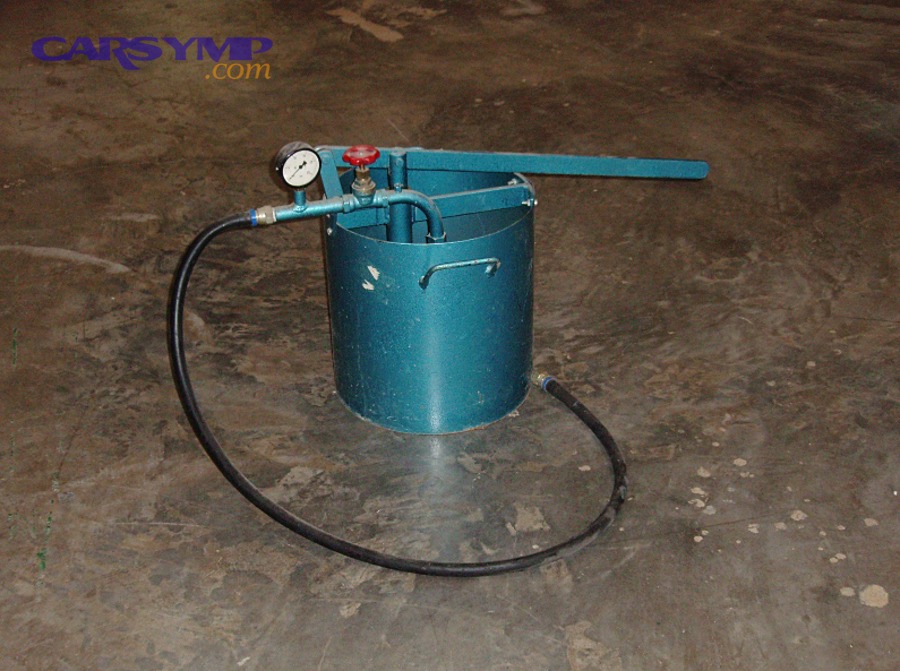
A pressure test tells you whether the cooling system holds pressure and helps force a slow leak to reveal itself, because pressurizing the system can produce seepage at weak points even when the engine is cool.
What a pressure test helps you learn:
- Holds pressure steady: Leak is less likely external (though not impossible) and may be intermittent or temperature-dependent.
- Pressure drops slowly: Common with small external seeps at hose ends, fittings, or pinholes.
- Pressure drops quickly: Indicates a more significant leak that should be visible with careful inspection.
How DIY owners typically use this insight:
- Clean the suspected areas first.
- Apply pressure (or have a shop do it).
- Look for fresh wetness returning at a specific hose end or seam.
Even without special tools, you can simulate a “lighter version” of this by wiping, warming to operating temp, then checking for new wetness at the exact point you dried.
When should you use UV dye to find a leak you can’t see?
Yes—you should use UV dye when the coolant loss is real but the leak location stays hidden, because dye can reveal trace seepage paths that evaporate or spread before you can spot them.
Best situations for UV dye:
- Leak occurs only after driving, not during idle
- Evidence appears as a smell, not a puddle
- Leak seems to vanish as it hits hot surfaces and evaporates
- Multiple possible sources are close together (hose ends, fittings, housing)
How to get a clean result:
- Clean old residue first so the dye shows new paths.
- Use the proper light and glasses for the dye you chose.
- Focus on hose ends, junctions, and places where airflow could spray coolant.
UV dye doesn’t replace inspection—it enhances it by making the trail visible.
What maintenance habits reduce hose failures (coolant intervals, clamp checks, routing fixes)?
There are 4 habit groups that reduce hose failures—coolant care, inspection rhythm, routing protection, and quality installation—based on the main forces that damage hoses: heat cycles, chemical breakdown, vibration, and abrasion.
1) Coolant care
- Maintain the correct coolant mix and level.
- Replace coolant on the schedule recommended for your vehicle.
- Avoid mixing coolant types unless your manufacturer confirms compatibility.
2) Inspection rhythm
- Do a quick visual check every oil change.
- Squeeze-check hoses when the engine is cold (firm, not brittle; resilient, not mushy).
- Look for early crust at hose ends before it becomes a drip.
3) Routing protection
- Ensure hoses are clipped away from sharp edges and moving parts.
- Restore missing heat shields or protective sleeves when present.
- Correct any “after repair” misrouting that creates tension or rubbing.
4) Quality installation (when repairing)
- Replace old clamps when needed, especially if corroded or deformed.
- Seat hoses fully on fittings.
- Avoid over-tightening clamps on plastic fittings.
If you do hose replacement, treat it as a system reset: confirm routing, confirm clamp placement, and plan to recheck after a few heat cycles.
What can look like a hose leak but isn’t (condensation, washer fluid, A/C drain)?
Not every drip is coolant, and confusing “not coolant” fluids with a hose leak is common, because multiple systems drip clear or colored fluid in similar areas.
Common false alarms :
- A/C drain water: Clear water; drips under the passenger-side area; more noticeable in humid weather; no sweet smell; no residue.
- Washer fluid: Often blue; smells like cleaner; located near washer reservoir and lines.
- Plain water from rain/road splash: No residue; random pattern; usually disappears quickly.
- Power steering or oil leaks: Oily feel; dark staining; lingering slickness.
A practical confirmation method is “smell + residue + source.” Coolant tends to leave a trace after drying, and it tends to originate from cooling system components—especially hose ends and fittings.
Evidence (if any)
No single universal study covers all vehicles and hose designs in a way that applies cleanly to every DIY scenario. The most reliable approach for this topic is evidence-by-inspection: visible residue patterns, repeatable wipe-and-recheck confirmation, and pressure-dependent leak behavior observed on the specific vehicle.