


A realistic hose replacement cost estimate for most car owners is a parts-and-labor total that changes with the hose type, vehicle access, and what the shop must do to restore a sealed, air-free cooling system. In other words, your “estimate” is really a bundle: the hose, clamps or fittings, coolant handling, and the labor steps needed to prevent leaks and overheating.
Next, because the radiator hose and heater hose live in different parts of the cooling circuit, the estimate isn’t one-size-fits-all—radiator hoses can be straightforward, while heater hoses can be buried, routed behind the engine, or connected with special quick-connect fittings that increase labor and parts costs.
Besides, the smartest way to shop the repair isn’t just comparing the bottom line. It’s comparing what’s included—coolant type, clamp replacement, pressure testing, and whether the quote accounts for bleeding the system properly so you don’t leave air pockets that cause temperature spikes and repeat visits.
Introduce a new idea: once you understand what’s inside a good estimate, you can use the same checklist to get accurate quotes, decide whether to DIY, and avoid the most common “cheap quote → expensive surprise” traps.
What does a hose replacement cost estimate include for radiator and heater hoses?
A hose replacement cost estimate is a bundled price for replacing a cooling-system hose and restoring leak-free coolant flow, typically including parts (hose/clamps/coolant) and labor (drain, swap, refill, bleed, and verify).
To better understand what you’re paying for, start by separating the quote into parts and process—because most surprises happen when one of those is missing from the estimate.
What parts are typically included in a radiator/heater hose replacement quote?
Most quotes include the hose itself, but a complete estimate usually includes several small items that determine whether the repair stays dry after heat-cycling.
Common parts line items (and why they matter):
- Replacement hose (radiator or heater hose): Could be molded (vehicle-specific) or a more universal option, and that choice affects both price and fit.
- Clamps: Many leaks after a repair come from reused clamps that lost tension. Spring clamps (constant-tension style) and worm gear clamps behave differently as the hose expands and contracts.
- Coolant/top-off: Shops often drain enough coolant to avoid spills, then refill and top off. If the coolant is old or contaminated, the quote may recommend a full exchange.
- Seals or O-rings (if quick-connect fittings are used): Some heater hose assemblies seal with O-rings; if those aren’t replaced, seepage can return.
- Shop supplies/environmental fees: Some shops include a small charge for rags, cleaners, disposal, and handling.
What to look for in the parts section: A good estimate names the hose location (upper radiator hose, lower radiator hose, heater inlet/outlet hose) and indicates whether clamps and coolant are included, not implied.
What labor tasks are included in the estimate, and why do hours vary by vehicle?
Labor typically covers making the system safe to open, replacing the hose without damaging fittings, then restoring correct coolant fill and circulation—and labor hours vary mostly because access varies.
Typical labor steps in a professional hose replacement:
- Confirm the source of the leak (visual inspection, sometimes pressure test).
- Relieve pressure and drain coolant to a safe level (so the hose can be removed cleanly).
- Remove shields/intake components that block access (varies widely).
- Remove hose and clamps without cracking plastic necks or fittings.
- Clean sealing surfaces (corrosion or residue can prevent a tight seal).
- Install hose and clamps correctly (clocking, clamp placement, proper tension).
- Refill with the correct coolant and bleed air from the system.
- Verify operation: warm-up cycle, check for leaks, confirm cabin heat, confirm stable temperature.
Why hours vary: The same “hose replacement” can mean a 20-minute top hose swap on one vehicle—or a multi-hour job on another where heater hoses are routed behind the engine or under the intake.
Evidence (cost structure): RepairPal lists the average Radiator Hose Replacement total, with labor and parts broken out, which is a reminder that the estimate is fundamentally “parts + hours,” not just “a hose.” (repairpal.com)
How much does radiator hose replacement usually cost for car owners?
Radiator hose replacement usually costs hundreds of dollars when priced as a complete repair (parts + labor + coolant handling), because the job includes system access, fluid work, and leak verification—not just the rubber hose.
Specifically, the quickest way to interpret the price range is to map your situation to the three biggest cost drivers: hose position (upper/lower), access difficulty, and what else must be removed or refilled.
Is it cheaper to replace only the failed radiator hose, or both upper and lower hoses?
Replacing only the failed hose is cheaper today, but replacing both can be smarter overall if the hoses are the same age and condition.
Only the failed hose is usually best when:
- The other hose is clearly newer (recent service history).
- The other hose feels firm (not spongy), shows no cracking, and isn’t oil-soaked.
- The failure was caused by a localized issue (a rubbed-through spot, clamp damage).
Replacing upper + lower hoses is usually best when:
- The hoses are original or unknown age and the vehicle has higher mileage.
- Both hoses show heat aging: swelling, soft spots, cracking, glazing, or hardening near ends.
- You want to minimize repeat labor: if the vehicle is already drained and warmed up, the incremental labor can be smaller than doing the job twice.
A practical way to decide is to treat hoses like tires: if one is clearly failing due to age, the “other side” often isn’t far behind.
Which radiator hose factors raise or lower the price the most?
There are five main price factors for radiator hose replacement: hose design, access, clamp type, coolant requirements, and collateral work.
- Molded vs universal hose: Molded hoses fit precisely; universal hoses can be cheaper but may require trimming and careful routing to avoid kinks.
- Access difficulty: Tight engine bays, turbo plumbing, and covers increase labor.
- Clamp type and condition: Spring clamps require special pliers; seized clamps can add time. Replacing clamps can prevent comebacks.
- Coolant type and fill method: Some vehicles require specific coolant types; improper coolant can accelerate corrosion or degrade rubber.
- Related repairs discovered during inspection: A cracked radiator neck, failing thermostat housing, or brittle plastic connector can turn “hose only” into “hose + connector assembly.”
Evidence (pricing range): RepairPal lists an average Radiator Hose Replacement cost range (with labor and parts estimates) (repairpal.com) and Kelley Blue Book lists a similar average range for radiator hose replacement costs. (kbb.com)
How much does heater hose replacement usually cost, and why can it differ from radiator hoses?
Heater hose replacement usually costs as much as or more than radiator hose work because heater hoses often run to the firewall, use special fittings, and can be harder to reach—so labor and parts assemblies can be higher.
More importantly, the heater circuit is where “small leaks” can still create big problems: it’s easy for coolant to seep without leaving a puddle, and air introduced during the repair can reduce cabin heat.
Does replacing heater hoses typically take more labor than radiator hoses?
Heater hoses often take more labor because of access and routing, but not always.
When heater hoses take more labor:
- The hoses run behind the engine or under intake components.
- Firewall connections use quick-connect fittings that are cramped or brittle.
- The vehicle requires removal of covers, air boxes, or brackets to reach clamps.
When heater hose labor is similar to radiator hose labor:
- The heater hoses are clearly visible at the front of the engine.
- Clamps are accessible and fittings are not seized.
- The vehicle has simple routing and no buried connectors.
In practice, “heater hose” can mean either a short external hose near the engine—or a complex molded assembly with connectors. That’s why good estimates specify heater inlet vs outlet and whether a connector assembly is included.
Which symptoms suggest heater hose replacement vs other heater problems?
There are six common symptom clusters that point toward heater hose issues instead of a different heater problem:
- Coolant smell near the firewall or vents: A heater hose seep can vaporize coolant odor.
- Visible wetness near hose ends or firewall connections: Even a small bead of coolant can indicate a failing seal.
- Coolant level dropping with no obvious puddle: Heater circuit leaks can evaporate on hot engine parts.
- Cabin heat fluctuates or goes lukewarm after service: This can indicate air in the heater core after the system was opened.
- Temperature swings under load: Air pockets can move and cause inconsistent cooling.
- Hose feels swollen/soft near clamp areas: Heat and chemical exposure degrade rubber at the ends.
If symptoms are “no heat” but coolant level is stable, a clogged heater core or blend door issue may be more likely—another reason an estimate should include at least basic diagnosis.
Evidence (heater hose cost structure): RepairPal lists a national average range for Heater Hose Replacement and breaks out labor vs parts, reinforcing that heater hose estimates are frequently driven by labor and assembly parts—not the rubber alone. (repairpal.com)
What variables most affect a hose replacement cost estimate?
There are six main variables that most affect a hose replacement cost estimate: hose location, vehicle packaging, parts choice, shop rate, coolant requirements, and the need for verification/testing.
Next, if you want a quote you can actually compare across shops, focus on variables that change the work, not just the price.
How do vehicle make/model and engine layout change the estimate?
Vehicle make/model and engine layout change the estimate because they change access time and risk of collateral damage.
- Tight engine bays (or transverse engines packed under a cowl) can make a simple clamp unreachable without moving parts.
- Turbocharged engines often add plumbing and heat shields that increase disassembly time.
- Plastic housings and radiator necks can become brittle with age; shops may add time to remove hoses carefully to avoid cracking a fitting that would escalate the repair.
- Heater hose routing varies widely; some vehicles use quick-connect couplers that add parts costs.
A good estimate treats labor hours as “access + replacement + verification,” not “hose swap.”
How do shop type and location affect labor rates and the final quote?
Shop type and location affect estimates because labor rates and minimum charges differ:
- Dealerships often have higher labor rates and may use OEM parts by default.
- Independent shops can be more flexible on parts choices and pricing.
- Mobile mechanics may save towing time but can vary in diagnostic tools and warranty policies.
- Metro areas usually have higher labor rates than rural areas.
Even if two shops both quote “two hours,” the actual bill can differ substantially once the shop rate and fees are applied.
How can you get an accurate hose replacement estimate before you book service?
You can get an accurate hose replacement estimate by sharing the right vehicle details and requesting an itemized quote that states what’s included (hose, clamps, coolant, bleeding, and verification).
Then, use a consistent checklist so every quote answers the same questions—because that’s how you avoid comparing apples to oranges.
What information should you provide to get a reliable estimate fast?
Provide seven specific details to get a reliable estimate quickly:
- Year, make, model, engine (engine option matters).
- Which hose you suspect (upper radiator, lower radiator, heater inlet, heater outlet).
- Symptoms (coolant smell, visible leak, overheating, no heat).
- Where you see coolant (front of engine, under radiator, near firewall).
- Any recent cooling system work (thermostat, radiator, water pump).
- Coolant type history if known (or whether it’s mixed/unknown).
- Photos of the hose area when safe—especially if the leak is visible.
This information reduces diagnostic uncertainty, which helps shops quote more accurately and reduces “estimate creep” after teardown.
What questions should you ask to avoid hidden costs in the quote?
Ask these questions so the quote is complete:
- Does the price include coolant (top-off or full refill) and disposal?
- Are clamps included, and will you replace spring clamps or reuse them?
- Will you pressure test after the repair to verify no leaks?
- Does the estimate include bleeding the system and confirming cabin heat?
- Is the quote for one hose or a hose assembly with fittings?
- What warranty applies to parts and labor?
- Are taxes and shop fees included or estimated separately?
If a shop can’t answer these clearly, you’re not getting an estimate—you’re getting a starting number.
Is it safe to drive with a leaking radiator or heater hose until the appointment?
No, it’s generally not safe to drive with a leaking radiator or heater hose because coolant loss can cause overheating, overheating can cause engine damage, and a hose can fail suddenly after heat and pressure cycles—even if the leak looks small now.
However, the real decision depends on how fast the coolant is dropping and whether the engine temperature remains stable, so let’s anchor the choice to clear, observable signs.
Should you stop driving immediately if the temperature gauge rises or steam appears?
Yes, you should stop driving immediately if the temperature gauge rises, a temperature warning appears, or you see steam because these signs indicate the cooling system is no longer controlling heat and continued driving risks severe engine damage.
More specifically, do three things:
- Pull over safely and turn off the engine.
- Do not open a hot cooling system cap—pressure can cause burns.
- Arrange a tow if the leak is active or the engine overheated.
Even one severe overheating event can warp components or compromise head gasket sealing—repairs that dwarf the cost of hose replacement.
Can a small seep be monitored short-term, and what checks reduce risk?
Yes, sometimes a very small seep can be monitored short-term if the temperature stays normal and coolant loss is minimal, but you should only do this if you can monitor it closely and accept the risk of sudden failure.
If you must move the vehicle briefly:
- Check coolant level only when the engine is cold.
- Carry the correct coolant (or distilled water for an emergency top-off when appropriate).
- Watch the temperature gauge continuously.
- Avoid heavy load: hills, towing, high-speed driving, and long idling.
If you’re uncertain, treat it as unsafe and tow—because the cost of a tow is often less than the cost of overheating damage.
DIY vs professional hose replacement: which option is cheaper and smarter for most car owners?
DIY wins on upfront cost, professional service wins on risk control and verification, and the smartest option depends on hose accessibility, your ability to bleed the system correctly, and your tolerance for repeat work.
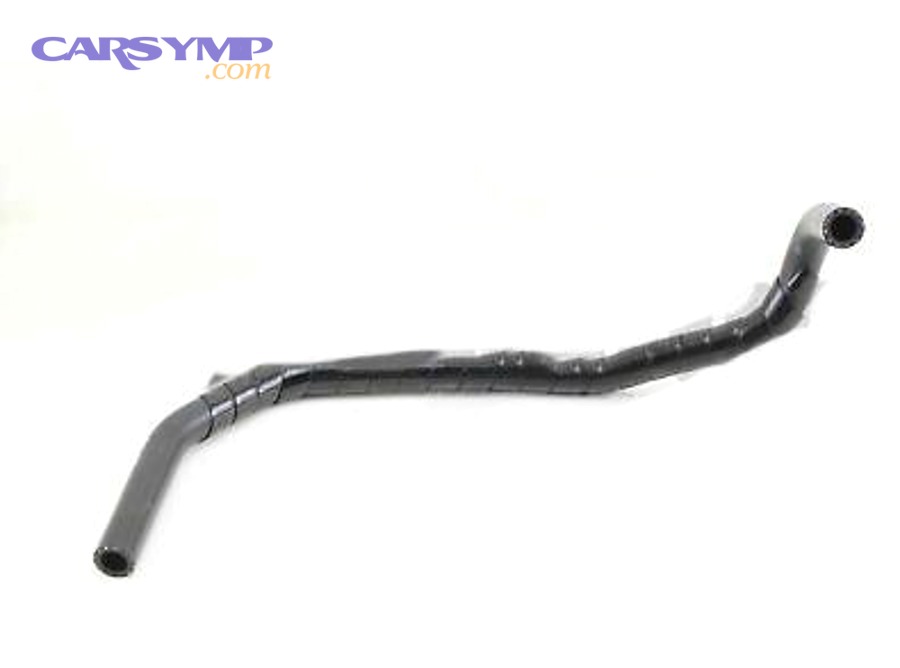
Meanwhile, the most overlooked factor in a DIY job is not the hose—it’s what comes after: Bleeding cooling system after hose replacement so you don’t trap air that causes overheating or no-heat complaints.
When is DIY hose replacement a good idea—and when is it not?
DIY hose replacement is a good idea when the hose is easy to access, the fittings are metal and sturdy, and the refill/bleed process is straightforward for your vehicle.
DIY is usually a good idea when:
- It’s an upper radiator hose with open access.
- You can reach both ends and clamps without removing major components.
- You have the correct coolant and a clean way to catch and refill it.
- You can follow a proven bleeding method for your engine design.
DIY is usually not a good idea when:
- Heater hoses are buried at the firewall or under the intake.
- You see brittle plastic fittings or quick-connect couplers.
- The vehicle has a known tricky bleed procedure (bleeder screws, special funnels, vacuum fill recommended).
- Overheating has already occurred (you want professional verification).
If you’re doing DIY, treat it like a system repair, not a part swap.
What hidden DIY costs can erase the savings?
There are seven common hidden DIY costs that can turn a “cheap hose” into an expensive weekend:
- Coolant purchase and disposal: You may need more coolant than expected.
- Clamps and tools: Clamp pliers, spill-proof funnel, or vacuum fill tools.
- Broken fittings: Old plastic necks can crack during removal.
- Repeat work: A small leak at a clamp can force a redo.
- Air pocket problems: Overheating or no heat from trapped air.
- Time cost: Access and cleanup often take longer than tutorials suggest.
- Incorrect hose material: Buying a hose that doesn’t match temperature/pressure demands.
This is where How to choose correct hose material matters. Most daily drivers use quality EPDM-style rubber hoses from reputable brands; performance or high-heat applications may use silicone hoses, but clamp choice and fitment become even more important.
Evidence (coolant performance + corrosion): According to a study by Kırıkkale University from the Faculty of Engineering and Architecture, Mechanical Engineering, in 2021, varying water–ethylene glycol mixture ratios measurably affected radiator heat-transfer performance in an experimental setup, highlighting why correct coolant selection and maintenance influence cooling effectiveness after a hose replacement. (dergipark.org.tr)
What “extras” can change your hose replacement quote (and when are they worth it)?
“Extras” can change your hose replacement quote because they either reduce future failure risk (new clamps, correct coolant, pressure test) or bundle overlapping labor (coolant service, thermostat work), and they’re worth it when they prevent repeat labor or overheating.
Especially when hoses fail due to age, the best financial move is often to prevent the next failure while the system is already drained and accessible—this is the heart of Preventing hose failures in real-world maintenance.
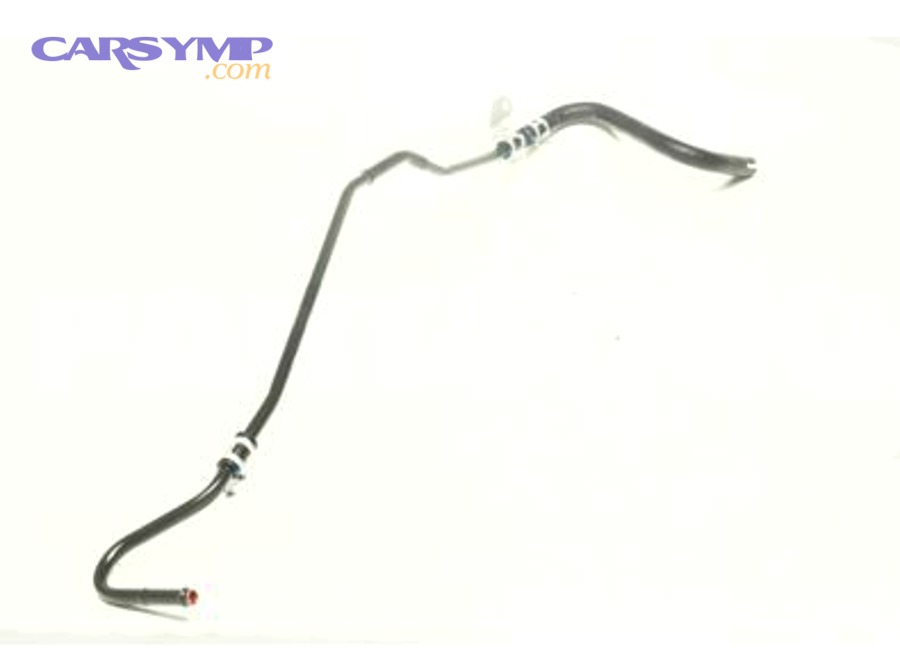
- OEM vs aftermarket hose choice: OEM can offer perfect fit; high-quality aftermarket can offer better value. The “right” choice depends on fitment complexity and availability.
- Clamp replacement: Spring clamps maintain tension through heat cycles; worm gear clamps are adjustable but can be over-tightened and may require re-tightening.
- Coolant flush vs top-off: A top-off is cheaper; a full exchange may be recommended if coolant is old, contaminated, or mixed. Kelley Blue Book notes coolant flush pricing averages as a maintenance item, which is why it can appear as an add-on when the system is opened. (kbb.com)
- Pressure test / dye test: Worth it when leaks are hard to pinpoint or when you want proof the system seals before you leave the shop.
- Bundled thermostat or housing work: Worth it when the same labor overlaps (e.g., hoses connect near the thermostat housing).
- Bleeding and verification policy: A shop that warms the engine, confirms stable temperature, and checks cabin heat may charge slightly more—but it reduces comeback risk.
Evidence (corrosion and inhibitors): According to a study by Worcester Polytechnic Institute from a mechanical/materials engineering affiliation, in 2019, testing in water–ethylene glycol mixtures showed corrosion behavior changes with inhibitors and thermal conditions, supporting the idea that coolant quality and correct service steps help protect cooling system metals over time. (researchgate.net)
Evidence (if any)
- RepairPal: Radiator hose replacement average cost range (labor + parts breakdown). (repairpal.com)
- Kelley Blue Book: Radiator hose replacement average cost range. (kbb.com)
- RepairPal: Heater hose replacement average cost range (labor + parts breakdown). (repairpal.com)
- Kırıkkale University (Mechanical Engineering): Experimental study on coolant mixture ratios and radiator heat-transfer performance. (dergipark.org.tr)
- Worcester Polytechnic Institute (engineering affiliation): Study on corrosion behavior in water–ethylene glycol mixture with inhibitors and thermal effects. (researchgate.net)