


A cooling fan relay replacement is one of the fastest, most targeted fixes when your radiator fan won’t turn on (or won’t turn off), and it often prevents repeat overheating repair visits caused by misdiagnosis. If the relay is the weak link, replacing it restores the fan’s on/off control so the engine can hold a stable temperature in traffic, at idle, and after a hot shutdown.
Next, the clearest way to match the fix to the fault is to recognize Car Symptoms that point to relay failure—like overheating only at idle, a fan that never runs, or a fan that runs forever and drains the battery. These clues help you avoid swapping the wrong part and wasting time.
Then, accurate relay diagnosis is a simple electrical process: confirm the fan command, check power and ground at the right points, and use a basic multimeter test (plus the “swap test” when a matching relay exists). This is the difference between guessing and doing a reliable repair.
Introduce a new idea: once you can identify, test, and replace the relay safely, you can also reduce repeat overheating by checking the rest of the fan circuit and adopting habits that focus on Preventing overheating after repair—so the same failure doesn’t come back under summer loads or stop-and-go heat.
What does a radiator (cooling) fan relay do, and why does it fail?
A radiator (cooling) fan relay is an electrically controlled switch that lets a low-current signal from the ECU or temperature switch activate the high-current radiator fan circuit, and it fails mainly from heat, contact wear, or electrical overload that damages the internal contacts and coil.
To better understand why relay failure causes overheating, it helps to picture the relay as the “gatekeeper” between your engine’s cooling command and the fan motor’s heavy electrical demand.
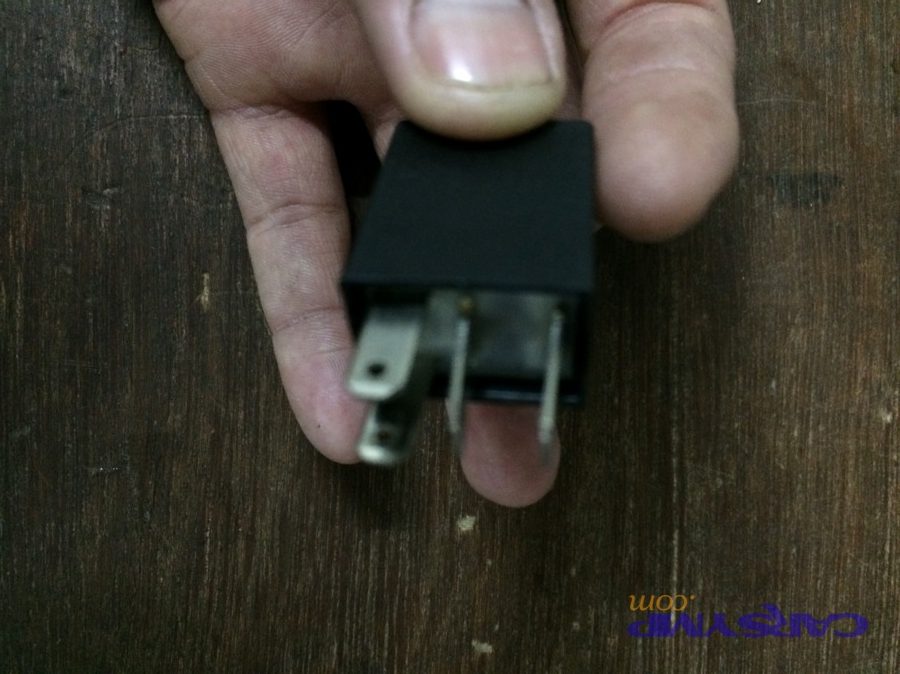
What is the relay’s job in the cooling fan circuit?
The relay’s job is to carry fan-motor current without forcing the ECU (or a dashboard switch) to carry that same load. In most modern vehicles:
- The ECU decides when the fan should run based on coolant temperature sensors, A/C pressure, vehicle speed, and engine load.
- The ECU energizes the relay coil (low current).
- The relay closes its internal contacts (high current path).
- Battery power flows to the fan motor through the contacts and wiring sized for the load.
This design is why the relay is a meronym (a “part of”) the larger cooling fan system: the fan can be perfectly healthy, but if the relay can’t close, the fan never receives power.
Why do cooling fan relays fail?
Cooling fan relays fail for a few repeatable reasons:
- Heat soak and engine-bay temperature cycling
Relays sit in hot zones (underhood fuse box, near radiator support, or by the fan shroud). Heat cycling expands and contracts materials, stressing solder joints and weakening internal spring tension that keeps contacts aligned. - Contact arcing from high current
Fan motors draw more current at startup than while running. Each on/off event can create a tiny arc inside the relay. Over time, contacts pit, resistivity rises, and the relay either fails “open” (fan never runs) or “sticky” (fan keeps running). - Overcurrent from a failing fan motor or wiring resistance
If the fan motor bearings drag, the motor draws higher current. If connectors corrode, resistance increases and heat builds. Both conditions can overheat the relay and shorten its life. - Moisture intrusion and corrosion
Some fuse/relay boxes are better sealed than others. Moisture corrodes terminals, leading to hot spots and intermittent operation.
A common real-world failure mode is a relay sticking ON, which can keep the fan running long after shutdown and eventually drain the battery. (aa1car.com)
What symptoms tell you the cooling fan relay may be bad?
Yes—cooling fan relay failure can be strongly suspected when you see overheating behavior paired with fan-control issues, and the top three reasons are: (1) the fan runs at the wrong time (never or always), (2) the engine overheats mainly at idle/traffic, and (3) the problem changes when you swap a matching relay.
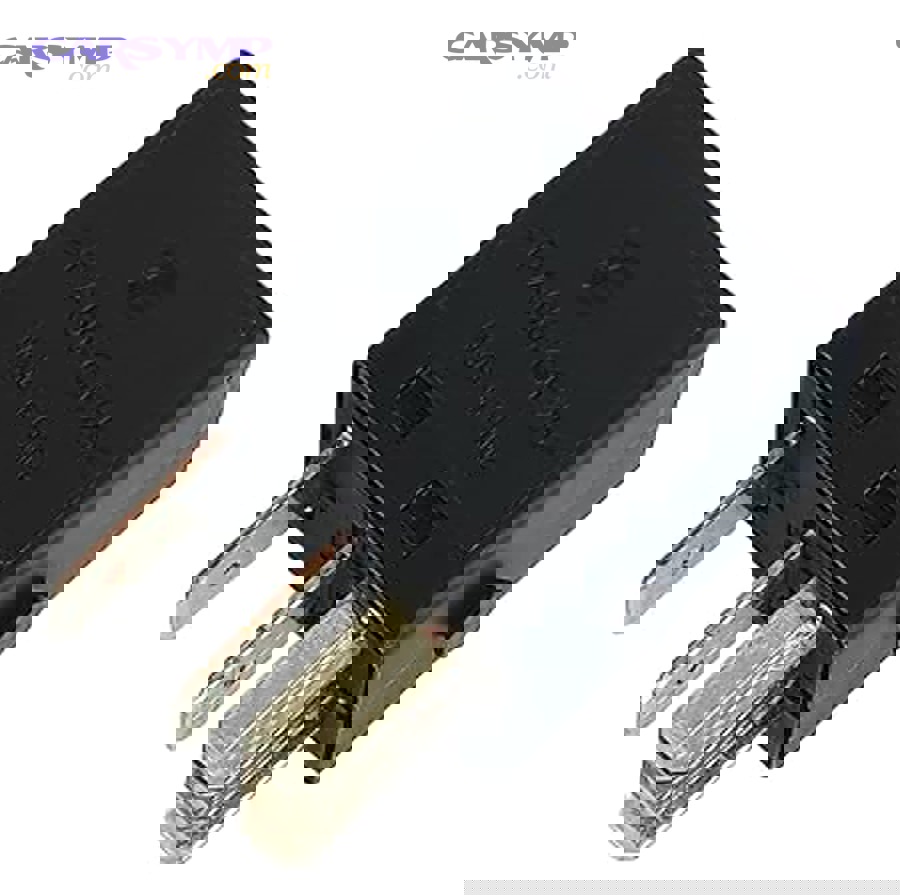
More specifically, the fastest route to the correct fix is to map symptoms to what the relay can and cannot do.
What are the most common “bad relay” symptoms?
There are 6 main symptom patterns of a failing cooling fan relay: fan never runs, fan runs constantly, intermittent fan operation, overheating in traffic only, A/C performance drops at idle, and battery drain after shutdown.
- Fan never turns on (even when hot)
- Temperature climbs while idling or sitting in traffic.
- The fan stays silent even when the coolant gauge is high or the A/C is on.
- You may notice coolant smell or see the gauge spike quickly after a stop.
- Fan runs constantly (or runs too long after shutdown)
- Fan keeps running long after key-off.
- Battery may be weak the next morning due to parasitic draw. (aa1car.com)
- Intermittent fan operation
- The fan sometimes works, sometimes doesn’t.
- Overheating is unpredictable, often worse in heat or after a long drive.
- Overheating mainly at idle, but OK at speed
- At highway speed, airflow cools the radiator naturally.
- At low speed, the fan is the main airflow source; if the relay doesn’t close, airflow collapses and temperature rises.
- A/C warm at idle, cooler when moving
- The condenser needs airflow; fan failure makes high-side pressures climb and vent temps rise at idle.
- Relay-related burning smell, melted fuse/relay socket (rare but telling)
- This often points to high resistance or overheating in the socket—sometimes caused by a weak terminal grip or corrosion.
What symptoms are less likely to be a relay?
If you’re dealing with chronic overheating that happens at all speeds—idle, city, and highway—your relay is less likely to be the main culprit. That pattern often points to coolant flow restrictions, coolant loss, or combustion gas intrusion (which can lead to Head gasket repair when overheating persists). In other words: a relay is about fan control, not total cooling-system capacity.
How do you diagnose a radiator fan relay step-by-step at home?
A reliable radiator fan relay diagnosis uses 6 steps—verify overheating conditions, confirm fan command conditions, check fuse and power feed, test relay control (coil), test relay output to the fan, and confirm the fan motor with direct power—so you can isolate the relay from the rest of the cooling fan circuit.
Next, follow the steps in order so you don’t accidentally “prove” the wrong part is bad.

What tools and safety steps do you need before testing?
Tools
- Digital multimeter (voltage + resistance)
- Needle-nose pliers (relay puller helps)
- Test light (optional but helpful)
- Basic hand tools to open fuse box covers
- Wiring diagram or fuse-box legend (owner’s manual)
Safety
- Keep hands and leads away from the fan blades—fans can start unexpectedly.
- Avoid probing connectors with oversized tools that spread terminals.
- If you jump power to the fan, use an in-line fuse on the jumper lead.
How do you do a quick “swap test” safely?
If your fuse/relay box uses identical relays (same part number and pin layout), the fastest test is to swap:
- Identify another identical relay for a non-critical circuit (horn relay is a common candidate—varies by car).
- Swap the relays.
- Recreate the condition that should trigger the fan (engine warm + A/C on).
- If the fan now works (or the “always on” issue stops), you’ve strongly confirmed the relay.
This is not perfect—because circuits aren’t always identical in load behavior—but it’s a high-signal test when the relays truly match.
How do you test the relay with a multimeter (bench test)?
Most automotive relays have:
- Coil terminals (often 85 and 86)
- Switch terminals (often 30 and 87; sometimes 87a for 5-pin relays)
Bench test basics:
- Coil resistance test (Ohms):
- Measure between the coil pins.
- An open circuit indicates a dead coil; an unusually low reading can indicate a shorted coil.
- Contact continuity test (Ohms):
- With no power applied, 30–87 should typically be open (no continuity).
- Apply 12V across the coil (use a fused jumper).
- You should hear/feel a click, and 30–87 should now show continuity.
If the relay clicks but still won’t carry current reliably, it may have burned contacts that pass continuity at low current but fail under load—another reason the swap test and in-vehicle voltage-drop checks matter.
How do you tell if the problem is the relay or the fan motor?
A strong in-vehicle method is to separate command from load:
- If the relay output has voltage but the fan doesn’t spin: suspect fan motor, fan ground, or connector damage.
- If the relay never outputs voltage even when commanded: suspect relay or its control side.
- If the fuse blows repeatedly: suspect shorted wiring or a failing fan motor drawing excessive current. AutoZone notes that a blown fuse that blows again points to excessive draw or a short. (autozone.com)
For final confirmation, you can power the fan motor directly with jumper wires to a 12V source—if it doesn’t spin, the motor is likely failed. (autozone.com)
Evidence: According to a 2024 study affiliated with Iran University of Science and Technology’s Automotive Science and Engineering research community, using a more effective fan strategy (including a 2-speed fan configuration) reduced radiator coolant outlet temperature by 6.1% in comparable test conditions—showing how strongly fan operation influences thermal control. (ijae.iust.ac.ir)
How do you locate the correct cooling fan relay in the fuse box?
You locate the correct cooling fan relay by using 3 identifiers—the fuse box legend/owner’s manual label, the relay part number/pin map, and the circuit position that matches “Cooling Fan / Radiator Fan / Fan Control”—then verifying you have the right one by matching the relay footprint and terminal layout.
Then, once you find the likely relay, you confirm it’s correct before pulling anything.
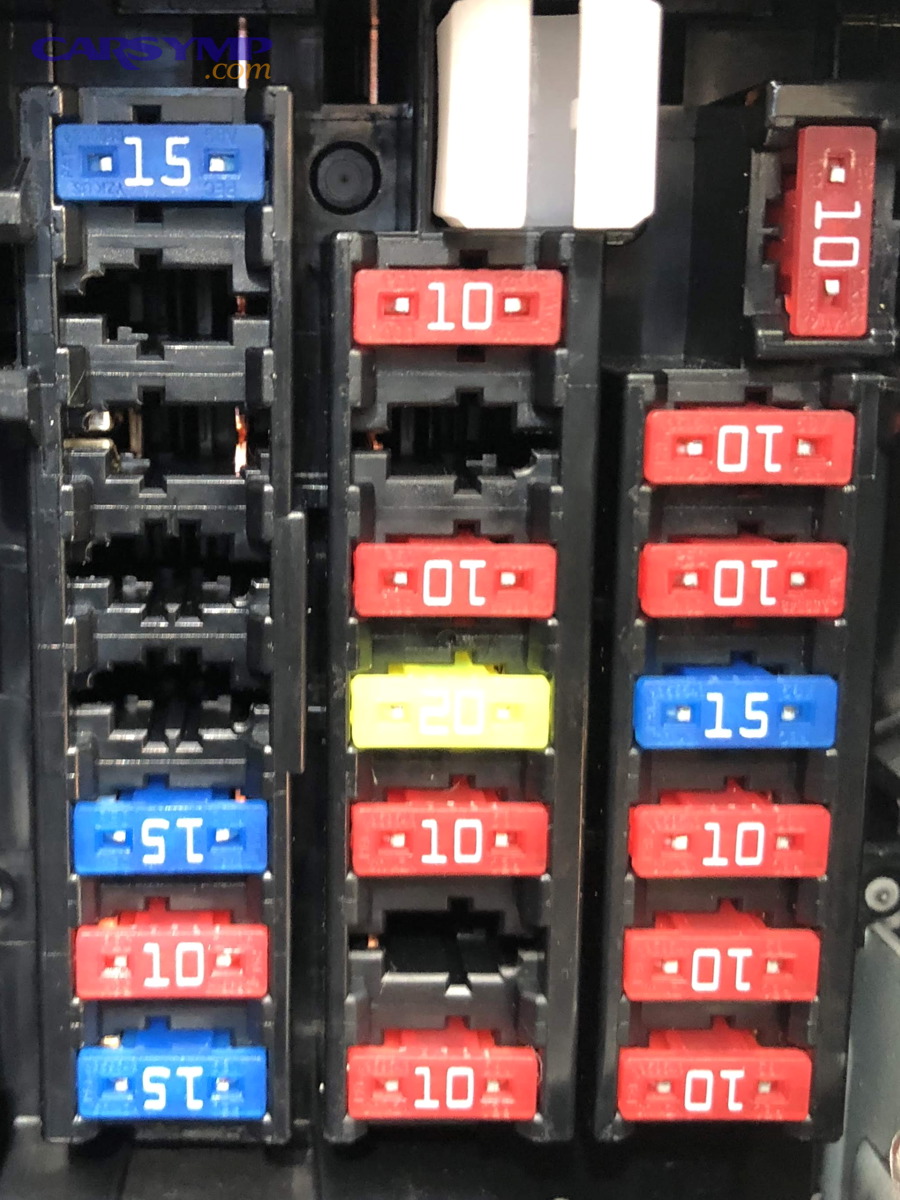
Where is the cooling fan relay usually located?
Common locations include:
- Underhood fuse/relay box near the battery or driver-side fender
- Radiator support relay bracket (some older vehicles)
- Under-dash fuse panel (less common for fan relays, but possible)
- Integrated fan control module (some vehicles replace relays with modules)
If your car has multiple fan speeds, you may have:
- Two relays (low/high)
- A resistor pack plus relay
- A module that PWM-controls the fan instead of traditional relays
How do you use the fuse box legend and diagram correctly?
- Open the fuse box cover and look for the printed legend.
- Find labels like:
- “RAD FAN,” “COOL FAN,” “FAN 1,” “FAN 2,” “A/C FAN,” or “COOLING FAN”
- Cross-check with the owner’s manual fuse/relay chart.
If the legend is missing or unclear:
- Use the owner’s manual PDF (manufacturer site)
- Look for embossed labels on the underside of the cover
- Confirm by part number and relay shape
How do you confirm you picked the correct relay before replacement?
Confirm with three checks:
- Footprint match: The relay must seat correctly with the same pin pattern.
- Part number match: Many relays share footprints but differ internally (current rating, diode/resistor protection).
- Circuit behavior match: When you recreate the fan command condition (A/C on, engine hot), the relay should click or show coil activation.
This is where “cooling fan repair and relay replacement” gets practical: the right relay replaced is a clean fix; the wrong relay replaced is wasted time.
How do you replace a radiator fan relay correctly and safely?
Radiator fan relay replacement is a safe DIY 5-step process—confirm the correct relay, disconnect power where needed, remove the old relay without damaging terminals, install the correct-rated replacement, and verify fan operation under real trigger conditions—so the fan control works reliably again.
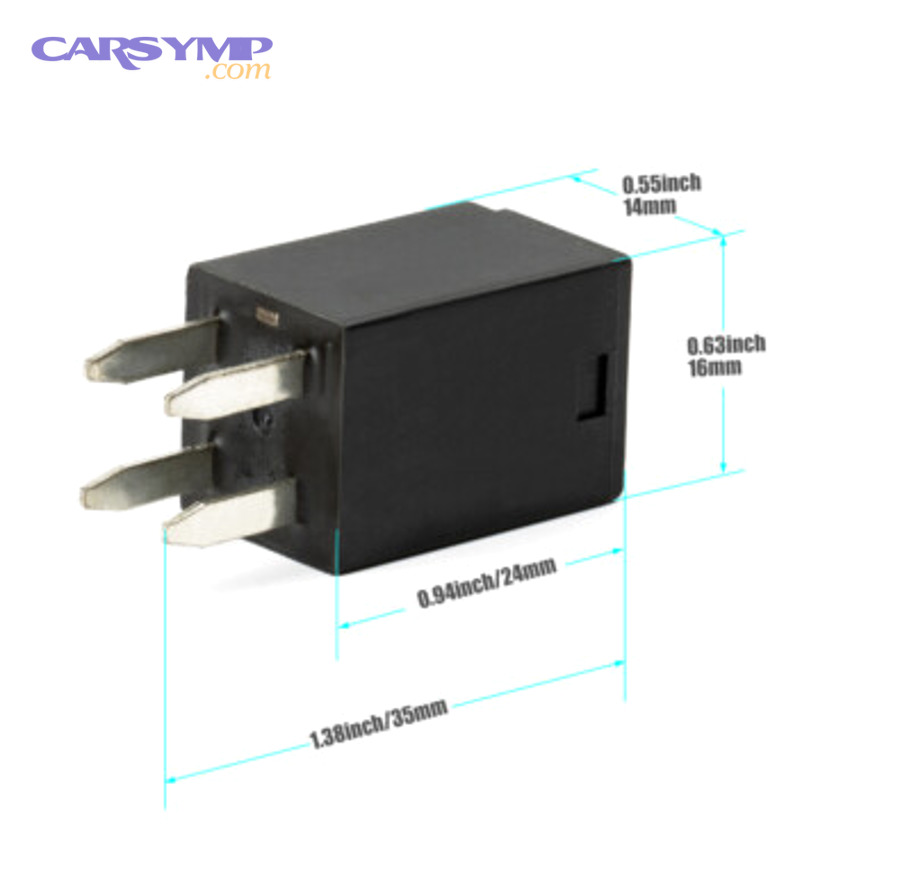
Next, treat the relay socket as part of the repair, because many “new relay still doesn’t work” cases are actually terminal-fit issues.
What prep steps prevent damage to the fuse box or wiring?
Before you pull the relay:
- Turn the ignition off and remove the key.
- If your vehicle is sensitive to battery disconnect (memory loss, anti-theft), you can keep the battery connected for removal—but do not probe live high-current terminals unless you know the circuit.
- Inspect the fuse box for water, corrosion, or melted plastic.
If you see heat damage, you may need a pigtail repair or fuse box terminal service—not just the relay.
How do you remove and install the relay the right way?
Removal
- Use a relay puller or needle-nose pliers.
- Pull straight up with gentle rocking.
- Don’t twist hard—twisting can loosen terminals in the socket.
Install
- Compare the new relay to the old one:
- Same part number or verified cross-reference
- Same pin layout
- Equal or higher current rating (never lower)
- Press the relay in firmly until fully seated.
- Reinstall the fuse box cover to keep moisture out.
How do you verify the repair under real conditions?
Verification matters because a fan can “seem fine” for five minutes and fail later.
Use this checklist:
- Start engine cold; confirm no immediate overheating.
- Turn A/C on; many cars command the fan quickly.
- Let engine reach operating temperature at idle.
- Watch for stable temperature and fan cycling.
- After shutdown, confirm the fan doesn’t run indefinitely (unless your vehicle normally runs briefly after hot shutdown).
If the issue persists, the relay may not have been the cause—or you may have a socket terminal that isn’t gripping.
Radiator fan relay vs fan motor vs fan control module: which one is more likely?
The radiator fan relay is more likely when the fan is intermittent or stuck on/off with otherwise normal fan hardware, the fan motor is more likely when voltage reaches the fan but it won’t spin (or it draws excessive current), and the fan control module is more likely when multiple fan behaviors fail and diagnostics show missing PWM or ECU control issues.
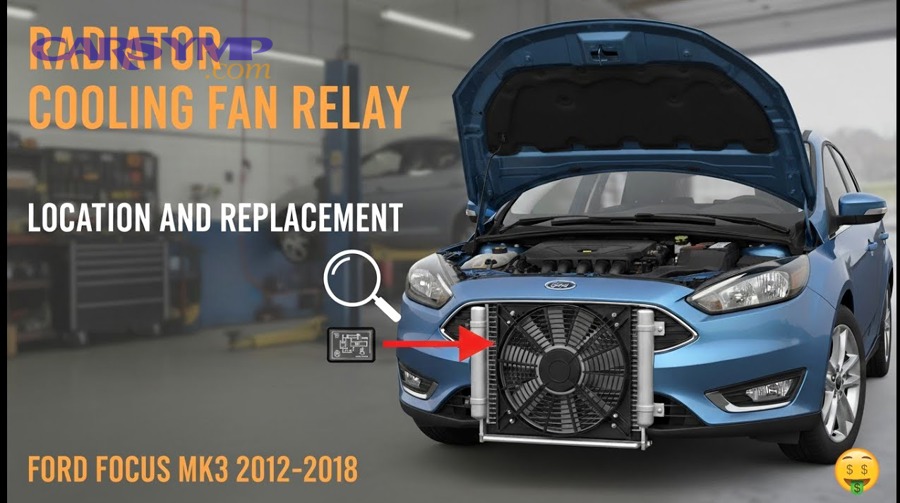
Meanwhile, a clean comparison helps you choose the next test instead of blindly replacing parts.
What’s the difference between a bad relay and a bad fan motor?
A practical rule:
- Relay problem = command doesn’t become power
- Motor problem = power doesn’t become rotation
If you have 12V at the fan connector and a good ground, but the fan doesn’t spin, the motor is the leading suspect. If you never get output voltage from the relay (even when commanded), the relay or its control side is suspect.
When should you suspect a fan control module instead of a relay?
Suspect a control module when:
- Your vehicle uses a “smart” fan system (variable speed, PWM control).
- You have repeated relay replacements that don’t change behavior.
- The fan behaves erratically across multiple speeds.
- A scan tool shows fan command but no fan response.
Some systems don’t use traditional relays in the same way; they use a module that regulates current and speed—so “relay replacement” becomes “module diagnosis.”
Quick comparison table
This table summarizes symptoms, tests, and the most likely failing component so you can decide what to test next.
| Component | Typical symptoms | Best confirmation test | What usually causes it |
|---|---|---|---|
| Cooling fan relay | Fan never runs or runs nonstop; intermittent fan; possible battery drain | Swap test with identical relay; coil/click test; output voltage check | Contact arcing, heat soak, terminal corrosion (aa1car.com) |
| Fan motor | Voltage present but fan won’t spin; slow/noisy fan; fuse blows | Direct 12V jump test; current draw measurement | Worn bearings, internal shorts, high startup draw (autozone.com) |
| Fan control module | Multiple speed issues; PWM/control faults; inconsistent operation across conditions | Scan tool command vs response; module power/ground integrity | Electronics heat stress, moisture intrusion, internal driver failure |
If you’re chasing ongoing overheating after replacing a relay, expand the diagnosis to coolant condition, thermostat operation, and radiator airflow—because repeated overheating can escalate into bigger repairs like Head gasket repair when overheating persists.
How much does cooling fan relay replacement cost, and what part should you buy?
Cooling fan relay replacement typically costs about $94–$112 on average (parts + labor), but DIY cost is often just the relay price if your fuse box is accessible and the socket is healthy. (repairpal.com)
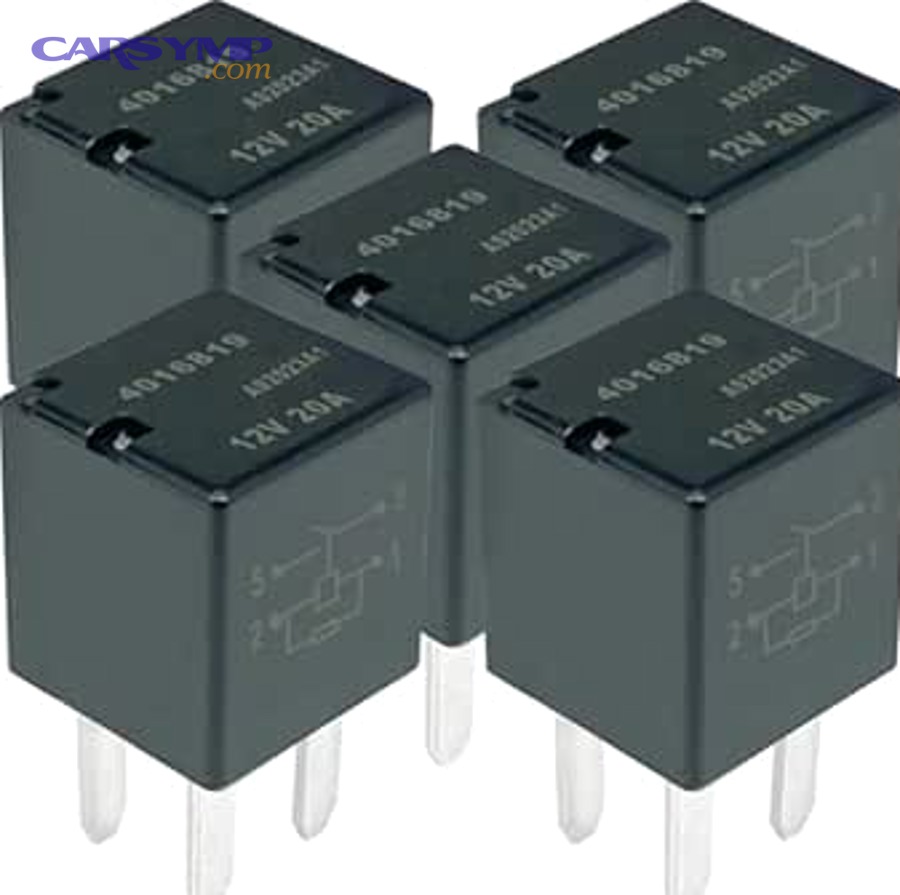
Especially if you’re comparing shop vs DIY, you’ll want to understand what you’re paying for and what “the right relay” actually means.
What is the typical cost at a shop vs DIY?
A realistic cost breakdown looks like this:
- DIY: usually the cost of the relay (plus a few basic tools if you don’t own them)
- Independent shop: labor time + parts markup + diagnostic fee (sometimes)
- Dealer: often higher labor rates and OEM parts pricing
RepairPal’s estimator lists an average total range and separates labor and parts, which is useful when you’re comparing quotes. (repairpal.com)
What relay should you buy (OEM vs aftermarket)?
Buy based on fit, rating, and circuit protection, not branding:
- Exact fit and pin layout
- Correct current rating
- Correct suppression type (if applicable)
- Some relays include a diode or resistor across the coil for voltage spike suppression.
- Using the wrong type can cause issues in ECU-controlled circuits.
OEM advantages
- Correct spec guaranteed
- Better match for heat and vibration environment
Quality aftermarket advantages
- Lower cost
- Easy availability
- Often perfectly adequate if the brand is reputable and the rating matches
Avoid ultra-cheap unknown relays for critical cooling circuits—because one failure can send you back into emergency overheating repair territory.
How long do overheating repairs take when the relay is the culprit?
For a relay-only fix, How long overheating repairs take is usually short:
- Diagnosis: 15–60 minutes depending on accessibility and tools
- Replacement: 5–20 minutes in many vehicles
- Verification: 10–20 minutes to confirm fan cycling and stable temperature
However, if the relay failed because the fan motor is drawing too much current, time increases because you’ll need to replace the motor and possibly repair the socket or wiring.
A single best-practice checklist for preventing repeat overheating
Preventing the next failure is part of completing the repair correctly. Use this checklist for Preventing overheating after repair:
- Confirm the fan turns on with A/C and at operating temperature.
- Inspect the fan connector for heat discoloration or looseness.
- Confirm fuses match correct amperage (never “upsize” a fuse).
- Check for debris blocking radiator/condenser airflow.
- Refill and bleed coolant correctly after any cooling system work.
- Monitor temperature behavior for several drive cycles, including traffic idling.
If your vehicle still overheats after a confirmed relay fix, widen the diagnosis to coolant leaks, thermostat operation, radiator restriction, and combustion gas intrusion—because persistent overheating is exactly how minor issues become major ones.