


An overheating repair can take anywhere from a couple of hours to a few days depending on what failed (thermostat, radiator, water pump, leak, fan control), whether parts are in stock, and how much diagnostic confirmation the shop needs before they can confidently close the job.
Next, you’ll see timeframes by repair type—including what’s actually happening during the clock (cool-down, inspection, disassembly, refill/bleed, road test) so you can plan for same-day pickup versus leaving the car overnight.
Then, you’ll get clear comparisons—thermostat vs radiator vs water pump—so you understand which repair is usually faster, which one tends to run long, and what “extra steps” often surprise owners after the first estimate.
Introduce a new idea: overheating is also a severity problem, not just a parts problem—so this guide will connect repair time to safety decisions (stop driving vs limp home) and show which symptoms tend to expand the timeline into deeper testing.
What does “how long overheating repairs take” actually mean in real shop time?
“How long overheating repairs take” means the total timeline from check-in to verified stable temperature, which usually includes diagnosis time, hands-on labor time, waiting time (cool-down/parts/shop queue), and verification time (bleed + road test + leak re-check).
To better understand why owners often hear two different numbers (“labor hours” vs “days at the shop”), you need to separate work time from elapsed time.
Is diagnosis included in the repair time estimate?
No—diagnosis is usually not included in the initial overheating repair estimate, and that’s for three practical reasons: the symptom has multiple causes, the shop needs testing time to confirm the failure, and the repair path can change after inspection reveals secondary damage.
Specifically, overheating is not a single-part problem. A shop often starts with quick, high-signal checks—coolant level, visible leaks, fan operation, cap condition, hose collapse, and temperature behavior—then moves to pressure testing and scan data when needed. This prevents “parts darts” (replacing parts without proof) that can waste both time and money.
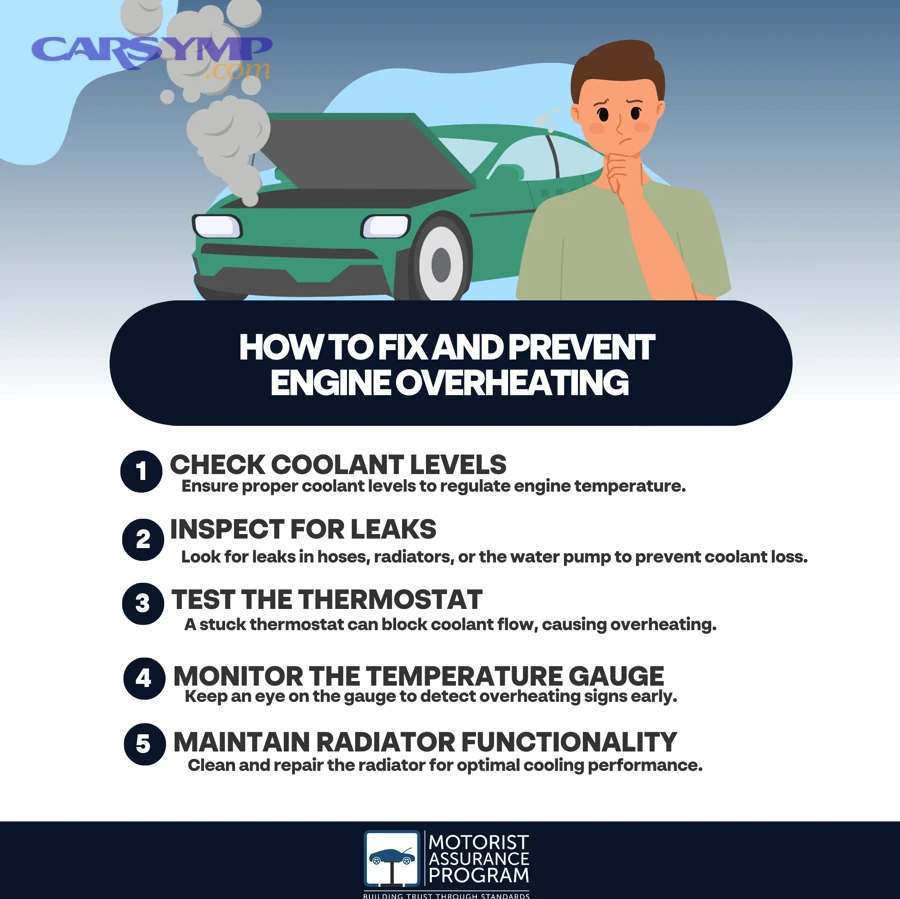
To keep your expectations grounded, ask for a line-item breakdown like:
- Cooling-down safety wait (often mandatory before opening the system)
- Diagnostic steps (pressure test, fan command test, thermostat behavior checks)
- Repair labor (replace part(s), refill coolant)
- Verification (bleed air, heat-cycle, road test, final leak inspection)
In other words, diagnosis is a time investment that protects the timeline—because the fastest “repair” is the one done right the first time.
What steps usually happen between “car is overheating” and “repair is done”?
Overheating repair typically follows a predictable sequence: cool down → confirm the symptom → find the cause → replace/repair → refill and bleed → verify temperature stability.
Then, the shop needs to confirm that the vehicle no longer overheats under real conditions—not just idling in the bay.
A realistic shop workflow looks like this:
- Check-in + symptom interview (when it overheats: idle, highway, A/C on, hills)
- Cooling-down period to avoid burns and pressure release hazards (many safety guides recommend waiting before opening the hood or cooling system)
- Visual inspection for leaks, belt condition, fan/shroud, coolant residue
- System tests (pressure test, cap check, fan command test, scan data)
- Estimate + authorization
- Repair (replace thermostat/radiator/water pump/hoses, etc.)
- Refill + bleed (air removal is critical for stable temps)
- Heat cycle + road test
- Re-check coolant level, leaks, fan cycling, temperature stability
This sequence is why the elapsed time can be “a day” even if labor time is “2.0 hours.”
What factors most commonly make overheating repairs take longer?
There are 6 main factors that stretch overheating repair timelines: (1) safety cool-down, (2) diagnostic uncertainty, (3) access difficulty, (4) seized hardware, (5) parts availability, and (6) verification/bleeding.
More specifically, the most common “time expanders” are:
- The engine must cool before safe inspection (burn and pressure risk)
- Multiple faults exist (a leak plus a weak cap; a thermostat plus trapped air)
- Hard access (tight engine bays, buried thermostat housings, timing cover pumps)
- Corrosion/seized fasteners (adds removal time; risks breakage)
- Parts delay (radiator variants, pump revisions, backorders)
- Bleeding complexity (air pockets can mimic “still overheating” if not purged)
If you want one takeaway: the repair is often straightforward, but the confirmation (no air, no leaks, normal fan control) is where time is either saved or lost.
How many hours does a thermostat replacement take when overheating is the symptom?
A thermostat replacement for an overheating repair typically takes 1–3 labor hours on many vehicles, but the total elapsed time depends on access, housing design, and how long bleeding and verification take once the system is refilled.
However, thermostat jobs are frequently underestimated because the thermostat is often paired with a plastic housing, sensor, or awkward hose routing that adds steps beyond “swap the part.”

Can a thermostat replacement be done same-day?
Yes—thermostat replacement can often be a same-day overheating repair, for three reasons: the part is commonly stocked, labor is usually moderate, and verification is relatively quick when the system bleeds cleanly.
Meanwhile, “same-day” is most realistic when:
- The car arrives early and is already cooled down
- The thermostat is accessible (top/front of engine)
- The housing bolts aren’t seized
- The shop can refill and bleed without repeat heat cycles
Even in a best-case scenario, shops still need enough warm-up time to see the thermostat open and confirm stable temperature. That verification step is what makes same-day possible—but also what can push a simple job into “pickup tomorrow” if air pockets persist.
What adds time to a thermostat job (housing, sensors, bleeding, coolant type)?
There are 5 main add-ons that turn a thermostat job into a longer overheating repair:
- Integrated thermostat housing
Many modern engines combine thermostat + housing + sensor ports. That means more disconnects, more sealing surfaces, and more opportunities for brittle fittings. - Sensors and connectors
Coolant temperature sensors and electronic connectors can require careful handling—especially if corrosion or heat damage is present. - Hard-to-reach placement
Some thermostats sit under the intake plumbing or behind accessories, adding removal and reassembly time. - Coolant refill/bleeding complexity
If the cooling system traps air, the car can run hot even after correct parts replacement. Bleeding becomes the real time driver. - Contamination or mixed coolant
If coolant is rusty, sludgy, or mixed incorrectly, the shop may recommend additional flush steps, which adds elapsed time.
When you hear a longer estimate, it’s often not “thermostat time”—it’s air management and verification time that protects the engine from repeat overheating.
Thermostat vs coolant leak fix: which one usually takes longer?
Thermostat wins in predictability, coolant leak fixes win in speed when the leak is obvious—but the faster option depends on where the leak is.
On the other hand, many Coolant leak repairs that stop overheating can be very quick:
- Tighten/replace a loose clamp
- Replace a split radiator hose
- Replace a small coolant bypass hose
But if the leak is hidden (heater core, water pump weep hole, radiator end tank hairline crack), the shop may spend more diagnostic time than the thermostat job would require.
A practical rule:
- Visible hose leak: often faster than thermostat
- Hidden leak: often slower than thermostat because confirmation takes time
How long does radiator repair or replacement take for overheating?
Radiator replacement for overheating repair typically takes 2–5 labor hours on many vehicles, but the overall timeline can extend if the job requires fan/shroud removal, seized fittings, transmission cooler line handling, or additional flushing.
To illustrate why radiators vary, remember that “radiator job” can mean either a simple swap or a deeper cooling-module service.

Is radiator replacement faster than cleaning/flush-based solutions?
Radiator replacement wins in reliability, cleaning/flush-based solutions win in time—when they’re appropriate.
However, cleaning is not always the correct path. If the radiator is physically compromised (leaking end tank, crushed fins, clogged core beyond recovery), replacement avoids repeat overheating and repeat labor.
A clear comparison:
- Cleaning/flush is best for dirty coolant, minor deposits, or maintenance correction
- Replacement is best for leaks, severe clogging, damaged fins, internal failure
If you want a fast timeline and a stable outcome, the deciding factor is whether the radiator has a structural problem (leak/damage) or a fluid problem (coolant condition).
What delays radiator jobs the most (fans, rusted fittings, trans cooler lines)?
There are 4 main delays that commonly stretch radiator overheating repair timelines:
- Fan and shroud assemblies
Many cars require removing a large fan/shroud module. That adds careful unplugging, clip removal, and clearance work. - Corroded hose necks and fittings
Old hoses can stick to radiator necks. Removing them without cracking plastic is slow, and broken fittings add time. - Transmission cooler line complexity
Some radiators integrate a transmission cooler. Handling those lines adds steps and leak risk. - Cooling stack tight packaging
The radiator may sit in a tight “stack” with the condenser and other components, increasing removal time.
This is where the phrase overheating repair becomes a systems job: a radiator replacement can trigger “while we’re here” discoveries—weak hoses, brittle clamps, damaged caps—that the shop will recommend fixing to prevent comebacks.
Does a radiator job always require a coolant flush and bleed cycle?
Yes—a radiator job always requires a refill and bleed cycle, and sometimes requires a full flush, for three reasons: you must restore correct coolant volume, remove trapped air, and verify flow/temperature stability.
More specifically:
- Refill + bleed is mandatory because opening the system introduces air.
- Flush is conditional—recommended when coolant is contaminated, mixed, or rusty.
Pressurized cooling systems work by raising the boiling point of coolant; losing pressure or trapping air reduces cooling stability and can trigger overheating again. Technical explanations commonly note that increased system pressure raises boiling point (often summarized as ~3°F per psi) (macsmobileairclimate.org), which is why cap condition and air removal matter to your post-repair timeline.
How long does a water pump replacement take when the engine overheats?
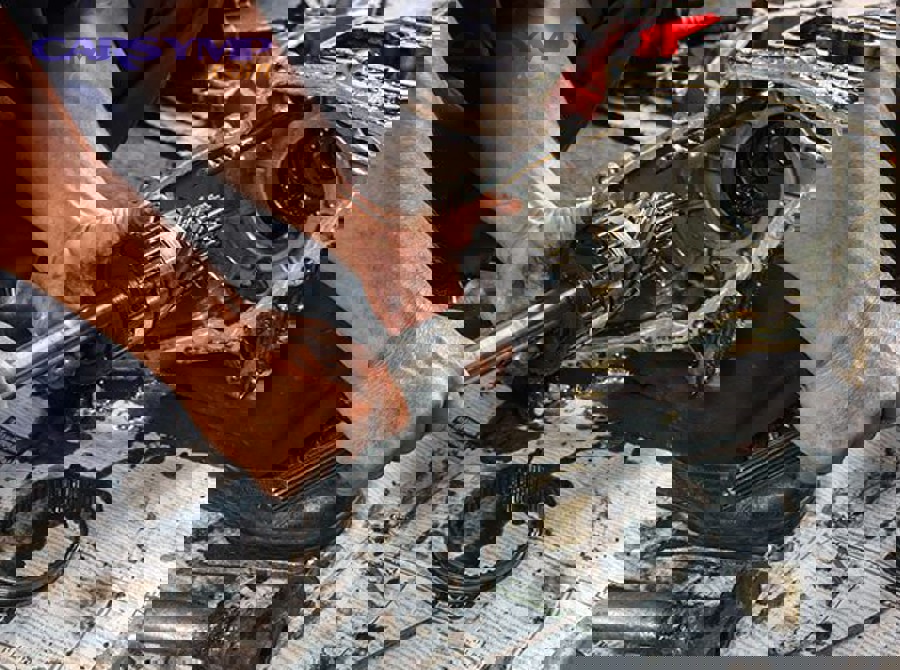
A water pump replacement for overheating repair typically takes 3–8+ labor hours because pump access varies widely—some pumps are easy belt-driven swaps, while others sit behind timing components and require substantial disassembly.
Next, you’ll see why water pump jobs are the ones most likely to turn into overnight repairs even when the part itself is inexpensive.
Is a water pump replacement a “same-day repair” in most cars?
Yes and no—some water pump replacements are same-day, but many are not, for three reasons: access is often complex, timing components may be involved, and verification requires careful leak checks under temperature and pressure.
A same-day pump job is most likely when:
- The pump is externally mounted and belt-driven
- The shop has the part on hand
- Bolts and fittings release cleanly
- No additional timing service is required
But when the pump is driven by or located behind timing components, the timeline expands because precision matters. A pump replacement done fast but incorrectly can cause catastrophic issues—so shops naturally allocate time for careful reassembly and verification.
What makes water pump repairs take longer (timing belt/chain access, seized bolts, alignment)?
There are 5 main reasons water pump overheating repair timelines run long:
- Timing belt/chain access
If the pump is behind timing covers, the job requires removing multiple layers of components. - “While you’re in there” replacements
Shops often recommend replacing related wear items (belt, tensioner, idlers, seals) because labor overlap is significant. - Seized bolts and gasket surfaces
Water pumps live in a corrosive environment. Cleaning mating surfaces correctly takes time. - Alignment and torque sequence
Improper torque can cause leaks that show up only after heat cycling. - Extended verification
Pumps can seep under pressure. Shops may want longer warm-up and re-check windows.
This is also where Cooling fan repair and relay replacement may enter the story: some cars “look like” they have a pump problem because they overheat at idle, but the true culprit is fan control. Separating those two saves time and prevents unnecessary parts replacement.
What timeframes should car owners expect from the shop: same-day, overnight, or multi-day?
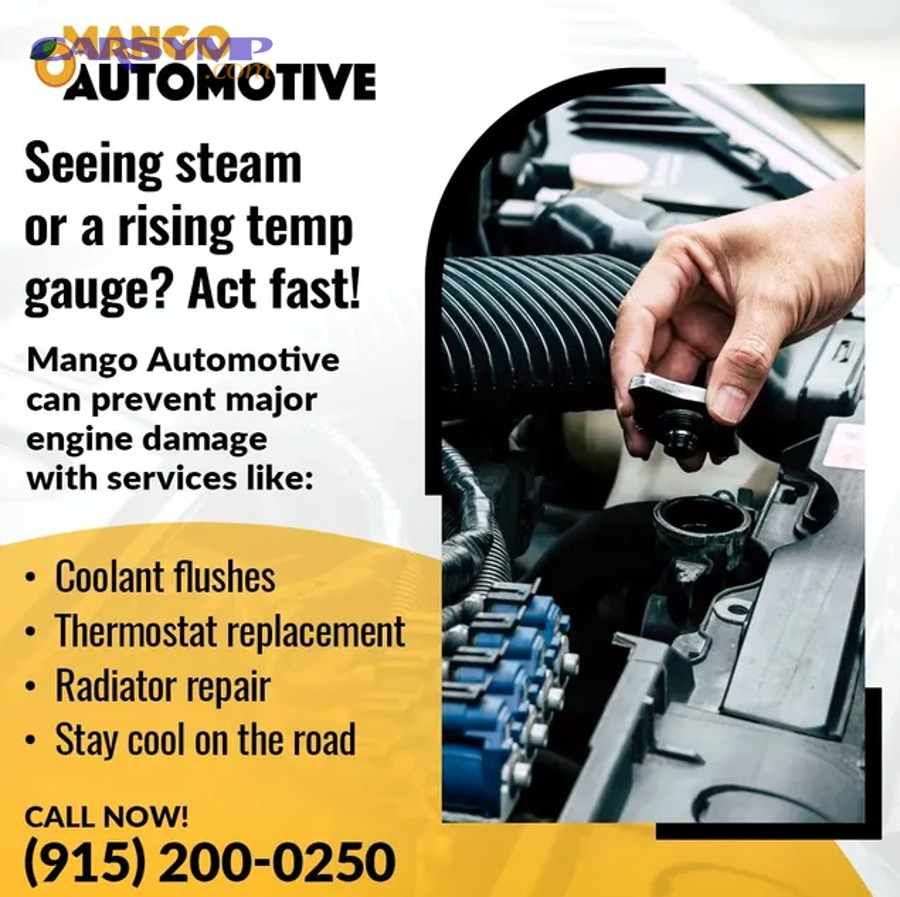
There are 3 main timeline buckets for overheating repair: same-day (simple + stocked parts), overnight (moderate complexity or queue time), and multi-day (parts delay or expanded diagnostics).
Below, you’ll see what each bucket usually includes so you can plan transport and avoid frustration.
To make this actionable, here’s a context table that explains what each timeline typically contains.
Table context: The table below groups common overheating repair situations by elapsed time (not labor time) so you can set realistic pickup expectations.
| Elapsed time bucket | What’s usually happening | Common examples |
|---|---|---|
| Same-day | Quick diagnosis + accessible repair + standard bleed + short verification | Thermostat swap, obvious hose leak, simple fan relay replacement |
| Overnight | Shop queue, cool-down safety wait, moderate disassembly, longer bleed/road test | Radiator replacement, water pump (easy access), multiple small leaks |
| Multi-day | Parts backorder, expanded diagnostics, repeat verification, secondary damage checks | Timing-driven pump, persistent overheating, suspected head gasket |
When is an overheating repair realistically same-day?
Yes—same-day overheating repair is realistic when three conditions line up: the root cause is confirmed quickly, the part is available, and post-repair verification is straightforward.
Then, the shop still needs enough time to heat-cycle the engine safely. Many consumer safety resources recommend pulling over, shutting down, and allowing cooling time before inspection (allstate.com), which matters because a car that arrives hot can’t always go straight onto the rack for immediate work.
Practical same-day scenarios often include:
- A clear coolant hose leak that’s easy to access
- A thermostat replacement with a simple housing
- Cooling fan repair and relay replacement when diagnostics confirm fan non-operation at idle
What repairs commonly become overnight or multi-day even if parts are simple?
There are 4 common reasons a “simple” overheating repair becomes overnight or multi-day:
- Shop scheduling and bay availability
Your car may be diagnosed today but repaired tomorrow due to workflow. - Cool-down safety wait
The engine may need time before pressure testing and safe disassembly. - Bleeding and repeat heat cycles
Trapped air can require repeat warm-up, cool-down, and top-off cycles. - Secondary issues discovered during repair
A new radiator reveals weak hoses; a new thermostat reveals a failing cap; a water pump job reveals a worn belt.
This is exactly why “Common overheating repairs and their costs” is a helpful concept for owners: cost and time often rise together when the job expands from a single component to a package of reliability fixes.
Does going to a dealer vs an independent shop change the timeline?
Dealer wins on model-specific procedures, independent shops often win on scheduling speed, and mobile services can be fastest for simple fixes—but the best timeline depends on parts availability and diagnostic complexity.
More importantly:
- Dealers may have direct access to OEM parts and technical bulletins, but appointments can be longer to secure.
- Independent shops may start diagnosis sooner and source quality aftermarket parts quickly.
- Mobile mechanics may handle certain repairs (like a thermostat or fan relay) on-site, but complex bleeding or deep disassembly can still require a shop environment.
If your overheating repair involves uncertain diagnosis—intermittent overheating, highway-only overheating, or repeat overheating after previous work—the shop’s ability to test thoroughly often matters more than the logo on the building.
How can you tell if you should stop driving and plan for a longer repair timeline?
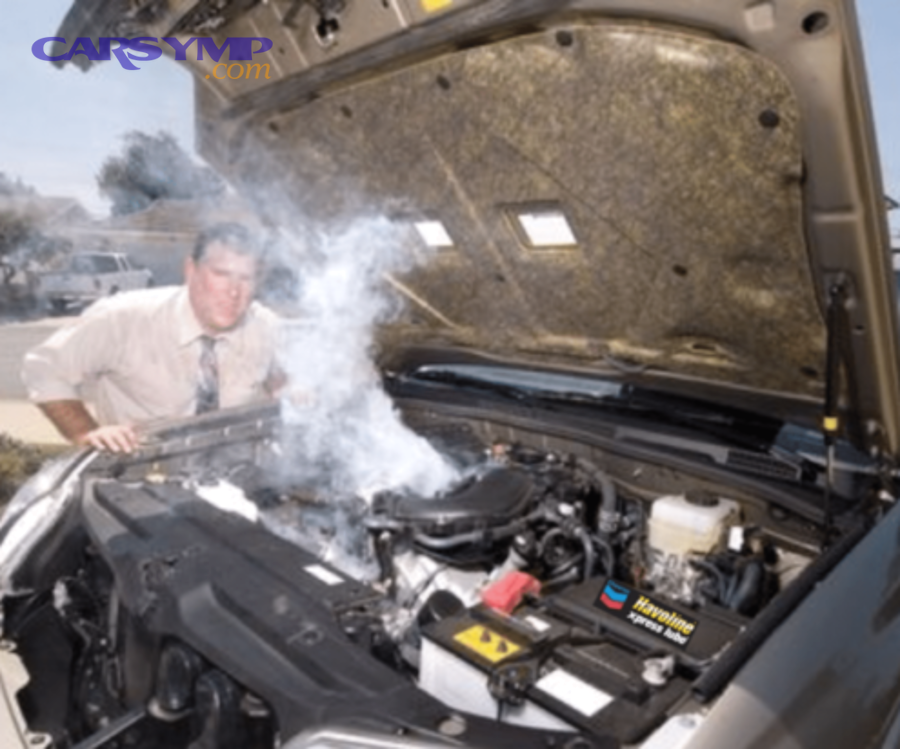
Yes—you should stop driving and expect a longer overheating repair timeline when three risk signals appear: the temperature gauge climbs rapidly, you see steam or smell coolant, and the cabin heater stops blowing hot air (coolant flow problem).
Next, connect the symptom to the timeline: severe overheating can trigger additional diagnostics because even one serious overheat can cause lasting engine damage, and insurers and safety guides frequently advise pulling over and shutting down. (allstate.com)
If the car overheated once, does that automatically mean a long repair?
No—one overheating event does not automatically mean a long overheating repair, for three reasons: some overheating causes are minor (low coolant), some are quickly repairable (hose leak), and some resolve with correct bleeding and verification.
However, the severity of that event is what changes the timeline. If the gauge briefly rose but you shut down quickly, you may be looking at a straightforward cooling-system repair. If the gauge pegged hot, steam poured out, or the engine ran hot for an extended period, the shop may add extra tests to check for damage.
In short, “one overheat” can be a short repair—or a longer diagnostic path—depending on how hot, how long, and how much coolant was lost.
What symptoms suggest the timeline could expand beyond cooling-system parts?
There are 6 main symptoms that often expand overheating repair timelines beyond the usual thermostat/radiator/water pump category:
- White smoke and sweet smell (possible coolant entering combustion)
- Milky oil or rising oil level (possible coolant contamination)
- Persistent overheating after a repair (air pocket, wrong part, secondary fault)
- Pressurized hoses when cold (abnormal combustion gases in system)
- Misfires and rough running after overheating (possible compression issues)
- Repeated coolant loss with no external leak (hard-to-find leak or internal loss)
This is where owners can be blindsided: the shop may start with cooling-system repairs, then add deeper diagnostics if the temperature still climbs. That diagnostic step protects the engine and prevents repeat overheating.
For technical context on heat stress, research on cylinder-head materials emphasizes that elevated temperatures can materially change deformation and fatigue behavior. According to a study by Chalmers University of Technology from the Department of Industrial and Materials Science, in 2020, tensile strength in tested A356–T7 alloy samples decreased substantially as temperature increased (reported as 211 MPa at room temperature vs 73 MPa at 300°C), underscoring how high temperatures can degrade material performance. (mdpi.com)
After repair, what verification steps prevent repeat overheating?
After an overheating repair, verification is not optional: the shop must confirm no leaks, stable fan operation, correct pressure behavior, and a fully bled cooling system under real temperature load.
Then, the most practical verification checklist includes:
- Pressure test after repair (finds small leaks before the customer does)
- Fan cycle confirmation (fans turn on at the right temps; relays respond)
- Thermostat opening confirmation (upper hose warms when thermostat opens)
- Bleed confirmation (no gurgling, stable heater output, stable temp)
- Road test + re-check (temperature stable in traffic and at speed)
That final road test is often what transforms a “labor-hour repair” into a “pickup tomorrow” job—because the shop is buying certainty, not just installing parts.
What uncommon scenarios can make overheating repairs take much longer than expected?
There are 4 main uncommon scenarios that can stretch an overheating repair from hours to days: (1) head gasket confirmation workflow, (2) trapped air/bleeding failures, (3) complex multi-loop cooling (hybrid/EV/turbo), and (4) coolant contamination requiring repeated flush and verification.
Below, the goal is micro-level clarity: why the job “grew,” what the shop is likely testing, and how those tests protect you from repeat overheating.
How does a head gasket confirmation process change the timeline compared to a simple cooling-system fix?
Simple cooling-system fix wins in speed, head gasket confirmation wins in certainty—and certainty takes time.
A shop may begin with a cooling-system repair (leak, thermostat, radiator), then confirm whether the overheating event caused internal damage. That confirmation process can include:
- Chemical block test (checks combustion gases in coolant)
- Compression or leak-down testing (checks cylinder sealing)
- Extended pressure holds (finds slow leaks or internal seepage)
- Post-repair monitoring (multiple heat cycles)
This timeline expansion is not “upselling” by default—it’s how a shop prevents the worst-case scenario: returning the car with stable temps today, only for it to overheat again tomorrow because an internal issue was missed.
Can trapped air or poor bleeding make it seem like the repair “didn’t work,” extending the job?
Yes—trapped air can make it seem like the overheating repair failed, for three reasons: air reduces coolant contact with hot surfaces, it disrupts sensor readings, and it creates intermittent temperature spikes that mimic component failure.
More specifically, air pockets can cause:
- Heater blows cold at idle
- Temperature swings quickly
- Overheating at idle but “fine” at speed
- Gurgling sounds after shutoff
That’s why bleeding time is not cosmetic. Many technicians emphasize that air in the cooling system is a frequent root cause of overheating behavior, particularly after any system opening. (ericthecarguy.com)
Do hybrid/EV or turbo cooling circuits create longer diagnostic paths?
Hybrid/EV and turbo setups can create longer diagnostic paths because they often have more coolant loops, additional pumps/valves, and more heat-soak behaviors than a simple single-loop system.
Then, what this means for your timeline:
- More components to test (electric pumps, valves, sensors)
- More potential failure points
- More complex bleeding/de-aeration requirements
- More verification steps to ensure each loop stabilizes
This is especially relevant after shutdown: engine-bay heat soak can raise temperatures even with the engine off, and research on soak conditions notes rapid heat accumulation and the importance of managing post-shutdown thermal behavior. (pmc.ncbi.nlm.nih.gov)
Can coolant contamination or stop-leak use force repeat flushes and longer verification?
Yes—coolant contamination or stop-leak can force repeat flushes and longer verification, for three reasons: it can restrict flow, foul radiator/heater-core passages, and create intermittent overheating that resists a single “one-and-done” repair.
Practically, contamination can lead to:
- Radiator core restriction (poor heat rejection)
- Heater core restriction (no cabin heat + overheating risk)
- Thermostat sticking from debris
- Sensor inaccuracies due to deposits
When a shop recommends multiple flush cycles or extended testing, they’re trying to restore stable heat transfer and prevent the system from re-clogging after fresh parts are installed.
Evidence (summary)
- Multiple automotive safety/maintenance guides recommend pulling over, shutting the engine down, and allowing cooling time before inspection; J.D. Power notes a minimum of ~30 minutes for an overheated engine to cool to a safer inspection state, and Firestone recommends 15–30 minutes before opening the hood.
- System pressure increases coolant boiling point; technical explanations commonly summarize the relationship as ~3°F per psi, which supports why caps, pressure integrity, and air removal influence overheating behavior and repair verification. (macsmobileairclimate.org)
- According to a study by Chalmers University of Technology from the Department of Industrial and Materials Science, in 2020, tested aluminum alloy samples relevant to cylinder-head applications showed markedly reduced strength at higher temperatures (reported 211 MPa at room temperature vs 73 MPa at 300°C), illustrating why severe overheating can expand repair timelines into deeper checks. (mdpi.com)