


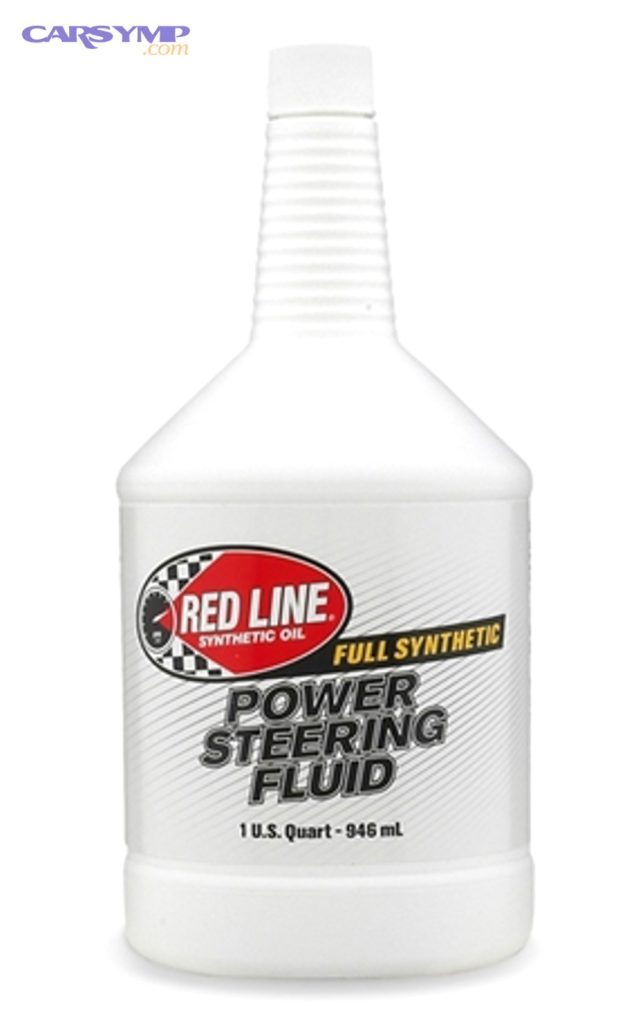
Choosing the right power steering fluid requires understanding three main types—Automatic Transmission Fluid (ATF), synthetic, and mineral-based—and matching them to your vehicle’s specific compatibility requirements based on make, model, and year. Using incompatible fluid can damage seals, destroy the power steering pump, and create costly repairs that easily exceed several hundred dollars.
Understanding which power steering fluid works with your vehicle starts with identifying what type your manufacturer specifies. Domestic vehicles from the 1970s through 1990s typically use ATF formulations like Dexron or Mercon, while European and Asian vehicles manufactured after 1990 generally require specialized synthetic fluids that meet specific industry standards. The difference matters because power steering systems have tight tolerances, and even minor fluid incompatibility can cause component swelling, inconsistent power assist, and premature system failure.
Compatibility extends beyond simply choosing between ATF and synthetic options. Vehicle manufacturers specify exact fluid formulations because different power steering systems require different viscosity levels, additive packages, and performance characteristics at various temperatures. German automakers like BMW, Mercedes-Benz, and Audi often require Pentosin formulations meeting DIN 51 524T3 standards, while Japanese manufacturers including Honda and Toyota have their own unique specifications that cannot be substituted without risking damage.
The consequences of using the wrong power steering fluid create both immediate and long-term problems that affect your vehicle’s performance and safety. Below, this guide explains each fluid type in detail, provides vehicle-specific compatibility information, and shows you exactly how to select the correct fluid for your steering system.
What Are the Different Types of Power Steering Fluid?
There are three main types of power steering fluid: Automatic Transmission Fluid (ATF), synthetic power steering fluid, and mineral-based power steering fluid, categorized by their chemical composition and intended application. Understanding these distinctions helps you avoid compatibility issues and system damage.
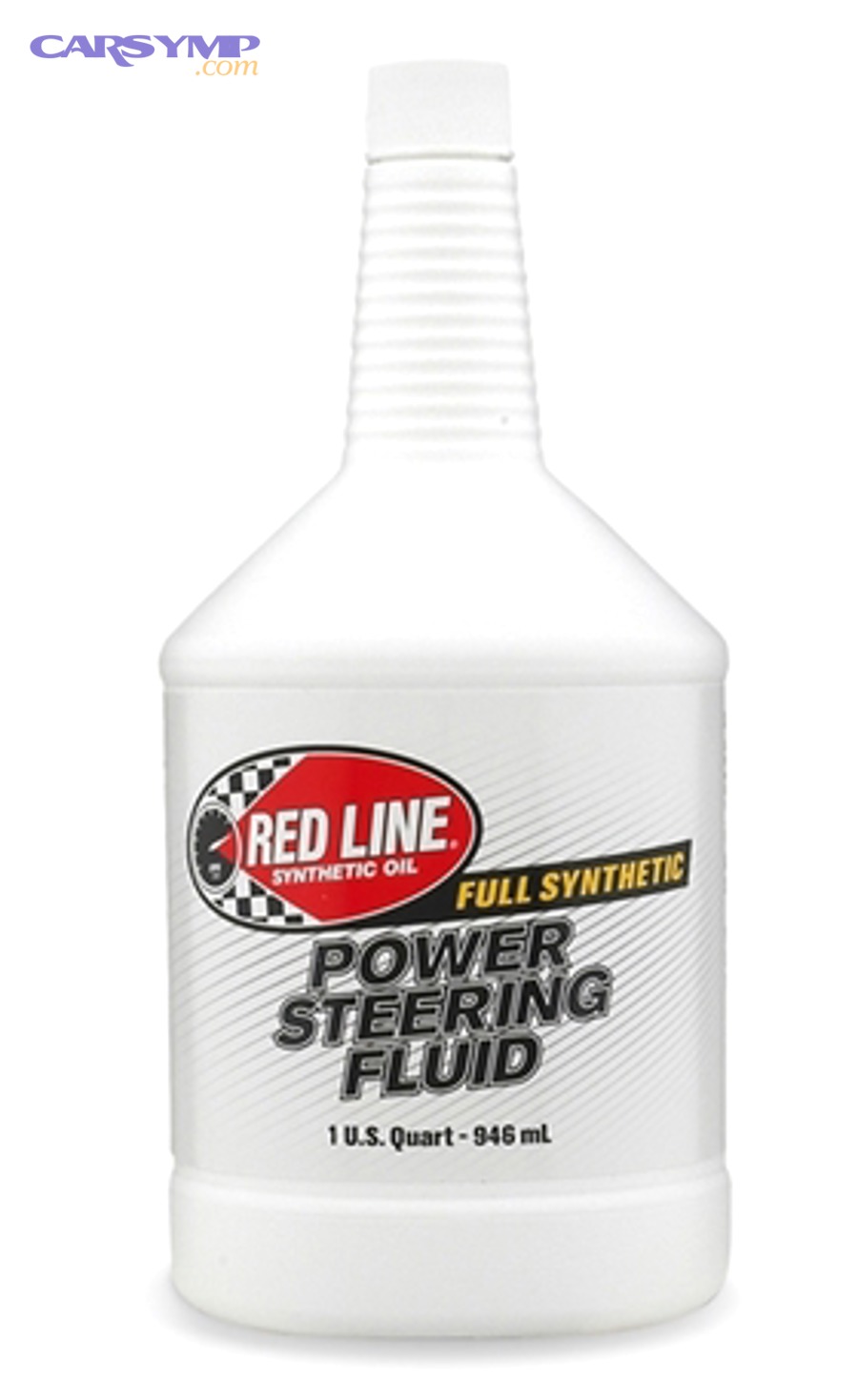
To better understand each type, let’s examine their composition, characteristics, and typical vehicle applications.
What Is Automatic Transmission Fluid (ATF) Power Steering Fluid?
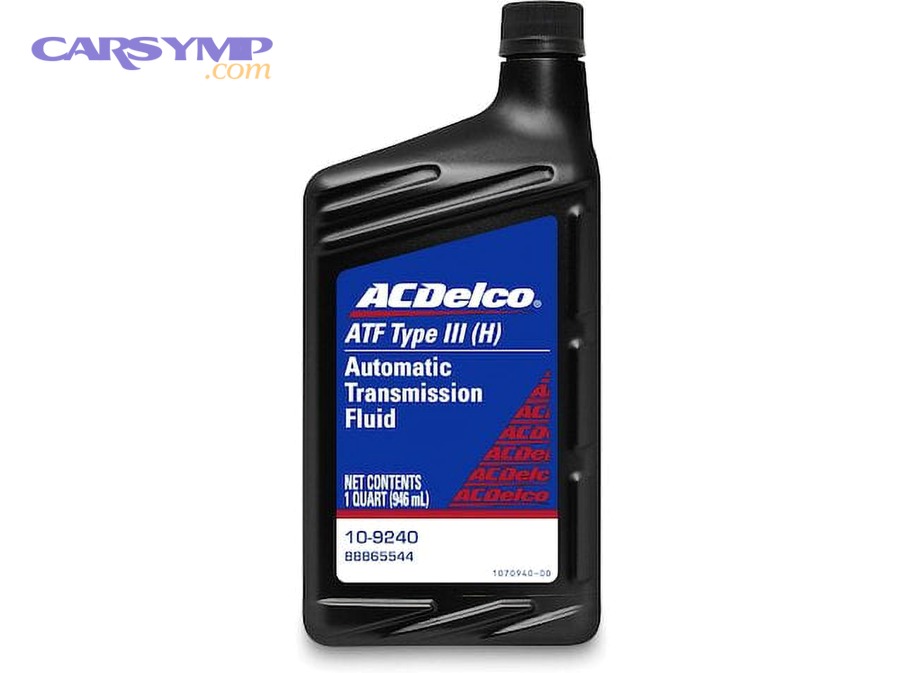
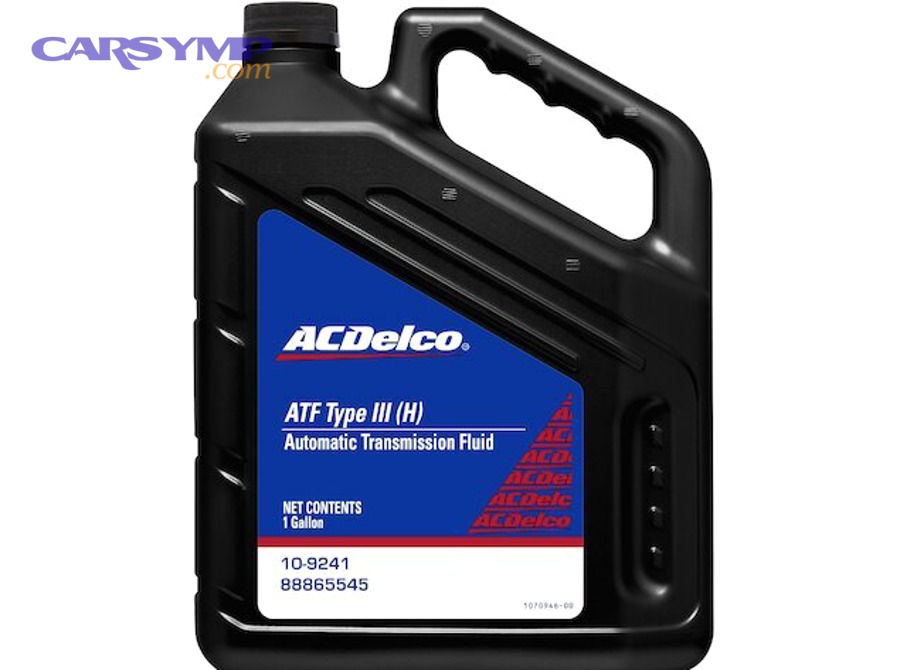
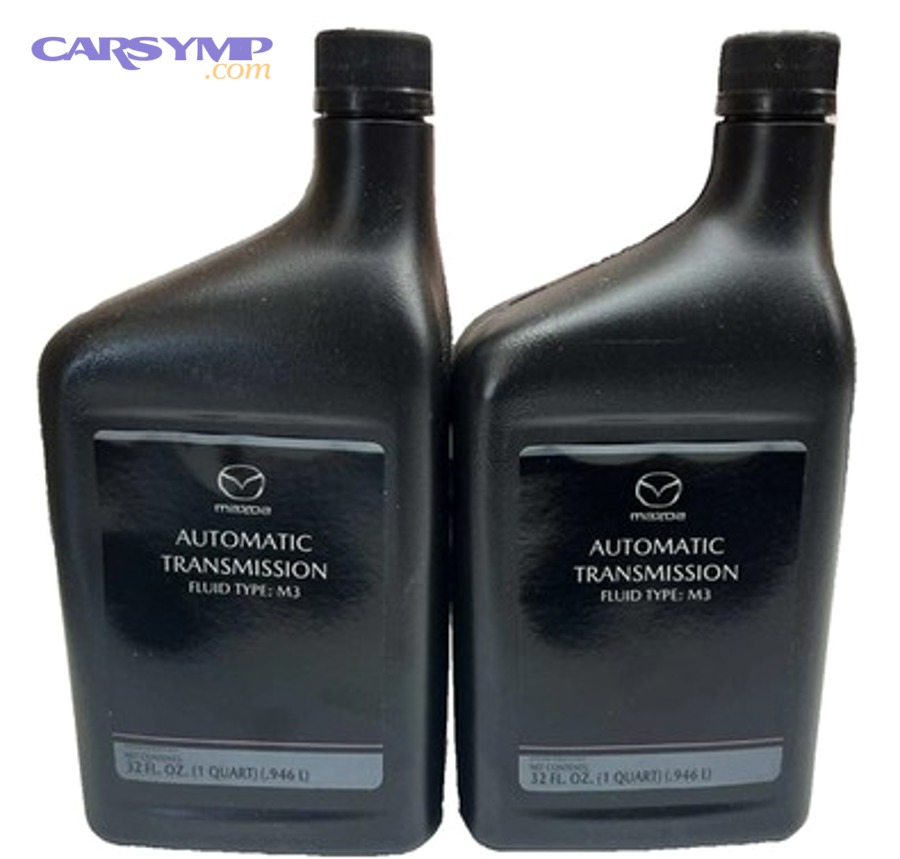
Automatic Transmission Fluid serves dual purposes in many vehicles, functioning as both transmission lubricant and power steering hydraulic fluid. This petroleum-based fluid contains friction modifiers, detergents, and anti-wear additives originally formulated for automatic transmissions but proven effective in hydraulic power steering systems.
Common ATF specifications include Dexron II, Dexron III, Mercon, Type F, and ATF+4, each representing different additive packages and performance standards. Dexron formulations were developed by General Motors and became industry standards adopted by multiple manufacturers, while Ford created Mercon specifications for their vehicles. Type F represents an older formulation with higher friction characteristics, and ATF+4 is Chrysler’s synthetic-blend specification introduced in the late 1990s.
Most domestic vehicles manufactured between 1970 and the mid-1990s use ATF in their power steering systems. Ford, General Motors, and Chrysler vehicles from this era typically specify these fluids on their reservoir caps, and United States-built Volkswagen models from 1984 through 1989 also accept ATF. The widespread use of ATF during this period reflected manufacturing simplicity—using one fluid type for multiple hydraulic systems reduced parts inventory and simplified maintenance procedures.
ATF provides adequate lubrication and hydraulic pressure for power steering pumps operating in moderate temperature ranges. The fluid maintains viscosity between 32°F and 212°F, protects against corrosion, and includes seal conditioners that prevent rubber components from hardening or cracking. However, ATF formulations lack the advanced thermal stability and low-temperature flow characteristics that modern synthetic fluids offer.
What Is Synthetic Power Steering Fluid?
Synthetic power steering fluid consists of laboratory-created base oils combined with specialized additive packages designed specifically for power steering system requirements. Unlike petroleum-based ATF, synthetic fluids are engineered at the molecular level to provide superior performance across extreme temperature ranges and extended service intervals.
The primary benefits of synthetic formulations include enhanced thermal stability that prevents breakdown at temperatures exceeding 250°F, improved cold-weather flow that maintains hydraulic pressure in sub-zero conditions, and advanced anti-wear properties that extend pump and rack longevity. Synthetic fluids also resist oxidation better than conventional fluids, meaning they maintain their chemical properties longer and accumulate fewer deposits inside the steering system.
Most vehicles manufactured after 2000 specify synthetic power steering fluids, particularly European and Japanese models. German automakers including BMW, Mercedes-Benz, Audi, Porsche, and Volkswagen require synthetic formulations that meet specific performance standards, while Japanese manufacturers like Honda, Toyota, Nissan, Mitsubishi, and Subaru have developed their own proprietary synthetic specifications. These manufacturers designed their power steering systems with tighter tolerances and higher operating pressures that demand the superior performance characteristics only synthetic fluids provide.
Synthetic power steering fluids often carry color coding for identification—many European fluids appear green or amber, while some Asian formulations are clear or light pink. The color itself doesn’t indicate compatibility; always verify specifications rather than matching colors. Some synthetic fluids meet multiple OEM requirements, offering broader compatibility, while others are formulated exclusively for specific manufacturer systems.
What Is Mineral-Based Power Steering Fluid?
Mineral-based power steering fluid represents petroleum-derived hydraulic oil formulated with additives for automotive power steering applications. These conventional fluids occupy a middle ground between ATF and fully synthetic options, offering better performance than standard ATF but without the advanced characteristics of synthetic formulations.
Mineral hydraulic fluids used in power steering systems contain anti-foam agents that prevent air entrainment, corrosion inhibitors that protect metal components, and viscosity stabilizers that maintain flow characteristics across temperature ranges. The base oil comes from refined crude petroleum, similar to engine oil, but with different additive packages optimized for hydraulic pressure transmission rather than engine lubrication.
Universal mineral-based power steering fluids typically work in applications specifying Dexron, Dexron III, Ford Mercon, or Type A ATF fluids. This makes them suitable for most American domestic vehicles from the 1970s through 1990s and provides a reliable option for older European models that don’t require synthetic formulations. However, mineral-based universal fluids are not recommended for systems requiring specialized synthetic fluids or manufacturer-specific formulations.
The limitation of mineral-based fluids becomes apparent in extreme operating conditions. They break down faster at high temperatures compared to synthetics, thicken more at low temperatures affecting pump performance, and don’t provide the same level of wear protection in high-pressure modern systems. For vehicles manufactured before synthetic fluids became standard, mineral-based options offer adequate performance at lower cost than synthetics while maintaining better quality than using incorrect ATF formulations.
How Do You Determine Which Power Steering Fluid Is Compatible with Your Vehicle?
Determining compatible power steering fluid for your vehicle involves three verification methods: checking the reservoir cap markings, consulting the owner’s manual specifications, and researching manufacturer requirements by make, model, and year. Using all three methods ensures accuracy and prevents costly mistakes.
Multiple verification sources provide confidence because reservoir caps sometimes fade or get replaced with generic caps, owner’s manuals occasionally get lost, and dealership information isn’t always immediately accessible. Let’s examine each identification method in detail.
How to Check Your Power Steering Reservoir Cap for Fluid Type?
The power steering reservoir cap typically displays the required fluid specification printed or embossed directly on the cap surface. Look for text stating specific requirements like “Use Dexron III ATF,” “Honda Power Steering Fluid Only,” or “CHF 11S,” which directly tells you what fluid type the system requires.
Locate your power steering reservoir by finding a cylindrical or rectangular plastic container mounted near the front of the engine bay, usually on the passenger side. The reservoir connects to the power steering pump via a short hose or sits directly atop the pump assembly. On some vehicles, a remote reservoir mounts on the inner fender well away from the pump to accommodate limited engine bay space.
Remove the cap carefully and examine both the top surface and the underside for markings. Some manufacturers stamp specifications on the cap’s top, while others print them on the threaded portion or underside. Clean any dirt or oil residue that might obscure the text. Common markings include ATF specifications (Dexron, Mercon), part numbers (like Pentosin CHF 202), or general descriptions like “Power Steering Fluid” with a specific viscosity grade.
If the cap shows no markings, displays generic text like “Power Steering” without specifications, or appears to be a replacement cap, don’t guess at the fluid type. Aftermarket or replacement caps often lack the original specification markings, making the cap alone an unreliable source. In these cases, proceed to checking your owner’s manual or researching manufacturer specifications directly.
How to Find Power Steering Fluid Specifications in Your Owner’s Manual?
Your vehicle’s owner’s manual contains definitive fluid specifications in the maintenance or specifications section, typically listed under “Fluids and Lubricants” or “Recommended Fluids.” This information provides the manufacturer’s official requirement and often includes acceptable alternative specifications.
Open your owner’s manual to the table of contents and look for sections titled “Maintenance,” “Specifications,” “Capacities and Specifications,” or “Recommended Fluids and Lubricants.” These sections usually appear in the back third of the manual. When you locate the fluids section, find the entry for “Power Steering Fluid” or “Power Steering System,” which lists the exact specification or part number.
The manual typically provides multiple pieces of information: the preferred fluid type or part number, acceptable alternative specifications if the primary choice is unavailable, and the system capacity in fluid ounces or liters. Some manuals also include cautionary notes about what fluids to avoid or warnings about mixing different fluid types.
If you don’t have a physical owner’s manual, most manufacturers provide free PDF downloads on their websites. Visit the manufacturer’s owner portal, enter your Vehicle Identification Number (VIN), and download the digital manual. Alternatively, third-party automotive information services like AllData or your dealership’s service department can provide the specification by VIN lookup.
For vehicles with electronic infotainment systems, some newer models include digital owner’s manual access through the vehicle’s screen. Navigate to the settings or information menu, select “Owner’s Manual” or “Vehicle Information,” and search for power steering fluid specifications within the digital interface.
What Power Steering Fluid Do Different Vehicle Makes Require?
Vehicle manufacturers specify power steering fluids based on their system designs, with requirements varying significantly between domestic, European, and Asian brands. Understanding these patterns helps narrow your fluid selection before confirming your specific model’s needs.
Domestic Vehicles (Ford, General Motors, Chrysler):
Ford vehicles manufactured from the 1970s through early 2000s typically specify Mercon or Mercon V automatic transmission fluid for power steering systems. Newer Ford models may require synthetic power steering fluid meeting Ford specification WSS-M2C938-A or similar modern standards. Ford’s transition to synthetic fluids began with their high-performance and luxury models before extending to mainstream vehicles.
General Motors vehicles from the same era use Dexron II, Dexron III, or Dexron VI ATF in their power steering systems. GM’s specification evolution reflects improved additive technology, with Dexron VI offering better thermal stability and longer service life. Cadillac and Corvette models sometimes require premium synthetic formulations for their performance-oriented steering systems.
Chrysler, Dodge, Jeep, and Ram vehicles commonly specify ATF+4 synthetic blend or Mopar Power Steering Fluid. The ATF+4 specification introduced in the late 1990s provides synthetic performance benefits while maintaining compatibility with older Chrysler products. Some heavy-duty trucks and performance models require Mopar-specific synthetic power steering fluids.
European Vehicles (BMW, Mercedes-Benz, Audi, Volkswagen, Volvo):
BMW vehicles typically require Pentosin CHF 11S synthetic power steering fluid, which meets specific viscosity and performance standards for BMW’s high-pressure steering systems. Some older BMW models use Dexron III, but most manufactured after 1990 need CHF 11S or equivalent synthetic meeting BMW specifications. Using incorrect fluid in newer BMWs causes pump noise, erratic steering assist, and premature component failure.
Mercedes-Benz specifies different fluids depending on the model and year, with many requiring Pentosin CHF 202 or MB 236.3 specification fluids. The ML-Class, E-Class, and S-Class models use synthetic formulations developed for their variable-assist power steering systems. Mercedes hydraulic systems operate at higher pressures than domestic vehicles, making synthetic fluid mandatory rather than optional.
Audi and Volkswagen products share fluid requirements across their model lines, with most specifying Pentosin CHF 202, CHF 11S, or G 004 000 M2 formulations. VW/Audi group vehicles use color-coded fluids—many appear green or amber—but color matching alone doesn’t ensure compatibility. Always verify the specific Pentosin or VW/Audi part number for your model year.
Volvo vehicles typically require synthetic power steering fluid meeting Volvo specification 30741424 or equivalent Pentosin formulations. Older Volvos from the 1980s and early 1990s may accept Dexron III, but later models demand synthetic fluids for proper operation.
Asian Vehicles (Honda, Toyota, Nissan, Subaru, Mitsubishi):
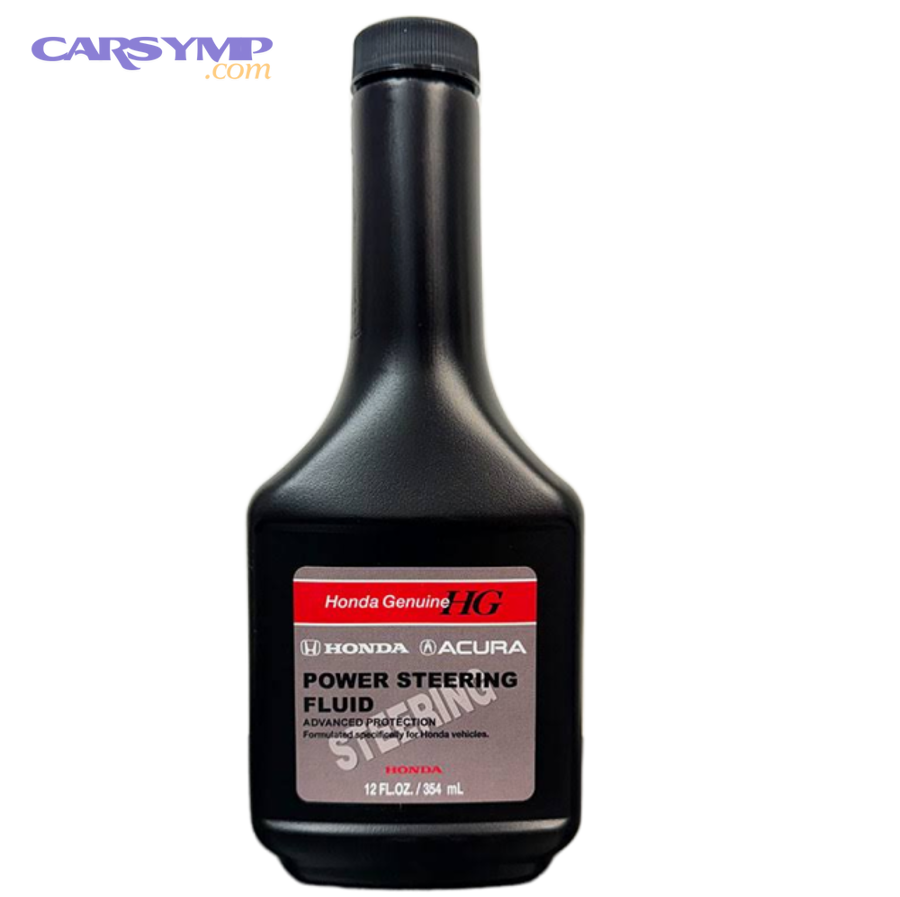
Honda manufactures its own power steering fluid formulation (Honda Genuine Power Steering Fluid) specifically for Honda and Acura vehicles. This fluid contains unique additives incompatible with universal fluids or ATF. Using non-Honda fluid in Honda vehicles causes seal deterioration, pump noise, and steering system damage. Honda fluid appears clear to light pink and must not be mixed with other types.
Toyota and Lexus vehicles specify either Toyota Genuine Power Steering Fluid or Dexron II/III depending on the model and year. Many Toyota products from the 1990s and 2000s accept Dexron III ATF, but newer models and some older imports require Toyota’s proprietary formulation. Lexus luxury models always require genuine Toyota fluid for optimal performance.
Nissan and Infiniti vehicles use Nissan PSF or Dexron III/VI depending on the specific model. Some Nissan trucks and SUVs accept Dexron, while many passenger cars require Nissan-specific synthetic fluid. The GT-R and other performance models demand premium synthetic formulations that meet strict viscosity requirements.
Subaru specifies either ATF or Subaru-specific power steering fluid depending on the model year. Many Subaru vehicles accept Dexron II or III, but some models with electric power steering assist or performance-oriented systems require Subaru Genuine Power Steering Fluid. WRX and STI models typically need specialized fluids due to their high-performance steering systems.
Mitsubishi vehicles generally use Mitsubishi Genuine Power Steering Fluid or compatible Dexron formulations. Evolution models and vehicles with active yaw control systems require Mitsubishi-specific fluids that integrate with electronic stability systems.
Are Different Types of Power Steering Fluid Compatible with Each Other?
No, different types of power steering fluid are generally not compatible with each other because mixing incompatible formulations creates chemical reactions that damage seals, degrade performance, and cause system failures. Compatibility depends on base oil chemistry, additive packages, and manufacturer specifications.
Understanding why fluids are incompatible helps prevent expensive mistakes. Let’s examine specific mixing scenarios and their consequences.
Can You Mix ATF with Synthetic Power Steering Fluid?
Mixing ATF with synthetic power steering fluid is not recommended because the different base oil chemistries and additive packages can react negatively, causing seal swelling, fluid degradation, and reduced lubrication properties. While small amounts might not cause immediate failure, deliberate mixing creates long-term problems.
ATF uses petroleum base oils with friction modifiers designed for transmission clutch packs, while synthetic power steering fluids use synthetic base oils with additives optimized specifically for steering system hydraulics. When these formulations combine, the friction modifiers in ATF can interfere with the synthetic fluid’s anti-wear additives, reducing protection for the power steering pump and rack components.
The incompatibility becomes particularly problematic in European and Asian vehicles requiring specific synthetic formulations. Adding even small amounts of ATF to systems designed for Pentosin CHF 11S or Honda Genuine Power Steering Fluid can cause rubber seals to swell or shrink beyond tolerance, creating leaks or binding. The chemical reaction between incompatible fluids can also create sludge deposits that clog passages and restrict fluid flow.
If you accidentally add ATF to a system requiring synthetic fluid, or vice versa, the recommended solution involves completely flushing the power steering system and refilling with the correct fluid. Small contamination—less than 10% of total system capacity—might be diluted by draining and refilling multiple times, but significant mixing requires professional flushing equipment to remove all contaminated fluid.
Some universal power steering fluids claim compatibility with both ATF and synthetic systems, but these should only be used when the manufacturer specifically approves universal fluid use. Even then, using the manufacturer-specified fluid always provides better long-term protection and performance.
Can You Use Transmission Fluid Instead of Power Steering Fluid?
You can use transmission fluid instead of power steering fluid only when your vehicle manufacturer specifically designates ATF as the correct power steering fluid, which applies to most American domestic vehicles from the 1970s through 1990s. Using ATF in systems requiring dedicated power steering fluid causes damage.
The confusion arises because many older vehicles actually specify ATF for their power steering systems—this is intentional compatibility, not substitution. When your reservoir cap states “Use Dexron III ATF” or your owner’s manual lists Mercon as the required power steering fluid, you’re using ATF as specified, not as a substitute.
However, using ATF in place of required synthetic or manufacturer-specific power steering fluid creates multiple problems. The viscosity differences between ATF and synthetic power steering fluid affect pump performance—ATF is thinner at operating temperature, providing less hydraulic pressure in systems designed for synthetic fluid’s higher viscosity. This results in reduced steering assist, increased pump noise, and faster pump wear.
The additive packages also differ significantly. Dedicated synthetic power steering fluids contain seal conditioners, anti-wear compounds, and anti-foam agents specifically balanced for steering system requirements. ATF’s additive package serves transmission needs—friction modification, thermal stability for higher operating temperatures, and protection for planetary gears and clutch packs. These transmission-oriented additives don’t provide optimal protection for power steering components.
Modern vehicles with electronic stability control, active steering systems, or variable-assist power steering require synthetic fluids with precise viscosity characteristics that ATF cannot match. Using ATF in these systems interferes with electronic sensor readings, creates inconsistent steering feel, and can trigger warning lights or fault codes.
The rule is simple: if your vehicle specifies ATF, use the correct ATF specification. If your vehicle specifies power steering fluid, synthetic fluid, or a manufacturer part number, never substitute ATF regardless of convenience or cost savings.
What Happens If You Use the Wrong Type of Power Steering Fluid?
Using the wrong type of power steering fluid causes seal deterioration, pump damage, and steering system failure through chemical incompatibility, viscosity mismatch, and inadequate lubrication. The severity depends on how incompatible the fluids are and how long the incorrect fluid remains in the system.
Immediate effects appear within days to weeks of using incorrect fluid. The most common early symptom is whining or groaning noise from the power steering pump, especially when turning at low speeds or while stationary. This noise indicates the pump is cavitating—struggling to move fluid that’s either too thick, too thin, or not lubricating properly. You may also notice increased steering effort, particularly during sharp turns or parking maneuvers, as hydraulic pressure decreases.
Seal damage represents the most common long-term consequence of fluid incompatibility. Power steering systems contain rubber O-rings, seals, and gaskets throughout the pump, rack, and hose connections. These rubber components are engineered to maintain specific dimensions when exposed to the correct fluid chemistry. Incorrect fluid causes seals to either swell beyond tolerance (creating binding and resistance) or shrink (creating leaks). A power steering fluid leak at the pump, rack, or hose connections often develops within months of using wrong fluid.
Chemical reactions between incompatible fluids create acidic compounds that corrode metal components and degrade rubber parts faster than normal. When you mix fluids with different base oil chemistries—such as adding petroleum-based ATF to a system containing synthetic fluid—the resulting chemical interaction can create sludge deposits. These deposits accumulate in narrow passages within the steering rack and pump, restricting flow and causing erratic steering assist.
Pump failure represents the most expensive consequence, with replacement costs ranging from $300 to $800 for parts and labor on most vehicles. Luxury and performance vehicles can exceed $1,500 for pump replacement. The power steering pump contains precision-machined vanes, bearings, and chambers with clearances measured in thousandths of an inch. Incorrect fluid viscosity or inadequate lubrication causes these components to wear rapidly, eventually leading to pump seizure or complete failure.
Rack damage also occurs with prolonged use of incorrect fluid. The steering rack contains precision seals and pistons that convert hydraulic pressure to mechanical movement. Seal deterioration inside the rack allows high-pressure fluid to bypass pistons, reducing steering assist effectiveness. Internal rack damage typically requires rack replacement, costing $500 to $1,200 or more depending on the vehicle.
Electronic stability control systems and active steering systems suffer additional problems when incorrect fluid affects hydraulic pressure consistency. Modern vehicles with these technologies rely on precise hydraulic pressure for computer-controlled steering adjustments. Viscosity variations from wrong fluid create inconsistent pressure that interferes with system operation, triggering warning lights and fault codes.
According to automotive service data from the Automotive Service Excellence (ASE), incorrect power steering fluid ranks among the top five preventable causes of power steering pump failure. The data shows that using wrong fluid reduces average pump lifespan by 60% compared to using manufacturer-specified fluid.
What Are the Key Compatibility Standards for Power Steering Fluid?
Key power steering fluid compatibility standards include DIN 51 524T3 and ISO 7308 for European vehicles, plus manufacturer-specific OEM requirements that define precise performance characteristics, viscosity grades, and chemical compositions. Understanding these standards helps identify equivalent fluids when original specifications are unavailable.
Standards provide objective benchmarks for fluid performance, ensuring compatibility even when using different brands. Let’s examine the most important standards and specifications.
What Are DIN 51 524T3 and ISO 7308 Standards?
DIN 51 524T3 and ISO 7308 represent European industry standards defining minimum performance requirements for hydraulic fluids used in automotive power steering systems, establishing criteria for viscosity, thermal stability, oxidation resistance, and anti-wear properties. Fluids meeting these standards ensure compatibility with European vehicle power steering systems.
The DIN 51 524T3 standard originates from Deutsches Institut für Normung (German Institute for Standardization) and specifies requirements for hydraulic fluids used in power steering applications. This standard defines viscosity grades, high-temperature stability requirements, low-temperature flow characteristics, and additive package minimums that fluids must meet for European vehicle compatibility. The “T3” designation indicates the specific category for thermally stable hydraulic fluids with enhanced additive packages.
ISO 7308 comes from the International Organization for Standardization and establishes parallel requirements for power steering fluids used globally, with particular emphasis on European and Asian markets. This standard focuses on viscosity at various temperatures, foaming resistance, corrosion protection, and seal compatibility. Fluids certified to ISO 7308 undergo testing to verify they won’t damage common rubber seal materials used in power steering systems.
European manufacturers including Audi, BMW, Mercedes-Benz, Porsche, Volkswagen, and Volvo design their power steering systems around fluids meeting these standards. The higher operating pressures and tighter tolerances in European steering systems demand synthetic fluids with superior thermal stability—petroleum-based universal fluids typically cannot meet DIN 51 524T3 or ISO 7308 requirements.
When shopping for power steering fluid for European vehicles, look for these standard certifications on the product label. Pentosin, Febi, and other European fluid manufacturers clearly mark which standards their products meet. A fluid labeled “DIN 51 524T3” or “ISO 7308” indicates it’s engineered for European vehicle requirements, though you should still verify it matches your specific manufacturer’s additional requirements.
Some high-quality synthetic power steering fluids exceed these baseline standards, offering better performance than the minimum requirements. Premium fluids often state “exceeds DIN 51 524T3” or “surpasses ISO 7308,” indicating enhanced protection and compatibility across wider temperature ranges.
What Are OEM-Specific Power Steering Fluid Requirements?
OEM-specific power steering fluid requirements are manufacturer-proprietary formulations engineered to exact specifications for particular power steering system designs, providing optimized performance, seal compatibility, and longevity that generic fluids cannot match. These requirements exist because manufacturers design steering systems with specific fluid characteristics in mind.
Original Equipment Manufacturers develop proprietary fluid specifications when their steering systems have unique requirements that standard fluids don’t address. Honda’s power steering fluid exemplifies this approach—Honda engineers designed their pump seals, rack seals, and hydraulic passages to work with specific seal conditioners and anti-wear additives found only in Honda Genuine Power Steering Fluid. Using alternatives voids Honda’s seal and pump warranties and creates predictable failure patterns.
BMW’s requirement for Pentosin CHF 11S illustrates how German manufacturers specify fluids for high-pressure variable-assist systems. BMW’s power steering pumps generate higher hydraulic pressure than domestic vehicles, and their variable-assist systems adjust pressure based on vehicle speed. This demands synthetic fluid that maintains consistent viscosity across wide temperature ranges while providing superior lubrication under high pressure. Pentosin CHF 11S meets BMW’s proprietary specification for these performance characteristics.
Mercedes-Benz uses different fluid specifications across their model lines based on steering system design. Some models require fluids meeting MB 236.3 specification for standard hydraulic systems, while others need specific Pentosin formulations for advanced active steering or speed-sensitive systems. The variation reflects different pump designs, rack configurations, and electronic integration levels across Mercedes product lines.
Toyota and Lexus specify Toyota Genuine Power Steering Fluid for most models to ensure compatibility with their seal materials and pump designs. While some older Toyota vehicles accept Dexron III, the manufacturer’s preference is always their proprietary formulation because it contains additives specifically chosen for Toyota rubber compounds and metal alloys.
The OEM part numbers provide the most reliable identification for these proprietary fluids. Rather than relying on generic descriptions, note the exact part number from your owner’s manual or reservoir cap. For example:
- Honda: 08206-9002 (Honda Genuine Power Steering Fluid)
- BMW: 82 14 1 467 704 (Pentosin CHF 11S)
- Mercedes-Benz: 000 989 88 03 (MB Power Steering Fluid)
- Toyota: 08886-01206 (Toyota Genuine Power Steering Fluid)
These part numbers allow you to cross-reference with aftermarket equivalents. Quality aftermarket fluid manufacturers like Pentosin, Royal Purple, and Valvoline produce fluids certified to meet specific OEM requirements. The bottle labels state which OEM specifications the fluid meets or exceeds, allowing you to select equivalent fluids with confidence when the original OEM-branded product isn’t available or is cost-prohibitive.
Never assume that “close enough” applies to OEM-specific requirements. The chemical differences between a fluid formulated for Honda systems versus one designed for GM systems may seem minor but lead to measurable performance degradation and component wear. Manufacturers spend millions developing these specifications based on extensive testing—following them protects your investment and maintains system integrity.
How Do You Choose the Right Power Steering Fluid for Your Vehicle?
Choosing the right power steering fluid requires verifying your manufacturer’s specification through the owner’s manual or reservoir cap, then selecting either OEM-branded fluid or certified equivalent that meets those exact requirements. This systematic approach prevents compatibility issues and ensures optimal steering system performance.
Making the safest selection involves understanding when to use manufacturer fluids versus alternatives. Let’s examine the decision factors.
Should You Choose Universal or Vehicle-Specific Power Steering Fluid?
You should choose vehicle-specific power steering fluid when your manufacturer requires proprietary formulations like Honda, BMW, or Mercedes fluids, and can choose universal fluid only when your vehicle explicitly accepts standard ATF specifications like Dexron or Mercon. Universal fluids work for older domestic vehicles but risk damage in modern systems.
Universal power steering fluids are formulated to meet common specifications including Dexron III, Mercon, and basic mineral hydraulic fluid requirements. These products work adequately in applications where manufacturers specify these standard ATF types or general power steering fluid without unique additives. Most American vehicles from the 1970s through early 2000s fall into this category, making universal fluids a cost-effective choice.
The advantage of universal fluid lies in convenience and availability. You can purchase one bottle that works across multiple vehicles in your household if they all require standard specifications. Universal fluids also cost less than OEM-branded products—typically $8-$12 per quart versus $15-$25 for manufacturer-specific fluids. Brands like Prestone, Lucas, and Valvoline Universal Power Steering Fluid perform reliably in compatible applications.
However, universal fluids have clear limitations. They cannot replicate the exact additive packages, viscosity grades, and seal conditioners in proprietary formulations. Using universal fluid in a Honda system designed for Honda-specific fluid leads to seal deterioration within 12-24 months. Similarly, adding universal fluid to a BMW requiring CHF 11S causes pump noise and reduced steering assist as the incorrect viscosity affects hydraulic pressure.
Vehicle-specific fluids ensure complete compatibility because they match the exact specification your manufacturer engineered the system around. Honda Genuine Power Steering Fluid contains the precise seal conditioners that prevent Honda’s rubber seals from hardening. Pentosin CHF 11S maintains the viscosity characteristics BMW requires for proper variable-assist operation. These fluids cost more but eliminate compatibility risk entirely.
The decision becomes clear when you consider the cost of repairs versus fluid cost. A $20 bottle of correct fluid prevents a $500-$1,200 steering system repair. Even if you change the fluid every 50,000 miles, the incremental cost of manufacturer-specific fluid over universal amounts to perhaps $30-$40 over the vehicle’s lifetime—trivial compared to potential repair costs.
For European vehicles, Japanese vehicles with proprietary requirements, and any vehicle manufactured after 2010, always choose vehicle-specific fluid meeting the exact OEM specification. For older American vehicles specifying standard ATF, universal fluid meeting that ATF specification provides adequate performance. When in doubt, choosing the more specific option always represents the safer decision.
What Is the Compatibility Chart for Power Steering Fluid by Vehicle Type?
The compatibility chart for power steering fluid organizes requirements by vehicle origin and manufacturing era, showing that domestic vehicles typically use ATF specifications, European vehicles require synthetic formulations meeting DIN/ISO standards, and Asian vehicles often need manufacturer-proprietary fluids. This chart provides quick-reference guidance for fluid selection.
Domestic Vehicles (American) Compatibility:
| Vehicle Make | Manufacturing Era | Required Fluid Type | Specific Standards |
|---|---|---|---|
| Ford | 1970-2000 | Mercon or Mercon V ATF | Ford spec M2C-138CJ |
| Ford | 2000-Present | Synthetic PSF | WSS-M2C938-A |
| General Motors | 1970-2005 | Dexron II/III ATF | GM spec varies |
| General Motors | 2005-Present | Dexron VI | GM part 89021184 |
| Chrysler/Dodge/Jeep | 1990-Present | ATF+4 or Mopar PSF | MS-9602 |
Domestic vehicles show clear evolution from standard ATF to advanced synthetic formulations. Older models offer the broadest compatibility with universal fluids, while newer models increasingly specify synthetic options for improved performance and longevity.
European Vehicles Compatibility:
| Vehicle Make | Manufacturing Era | Required Fluid Type | Specific Standards |
|---|---|---|---|
| BMW | 1990-Present | Pentosin CHF 11S | DIN 51 524T3 |
| Mercedes-Benz | 1990-Present | Pentosin CHF 202 or MB 236.3 | Varies by model |
| Audi/VW | 1990-Present | Pentosin CHF 202, G 004 000 M2 | DIN 51 524T3 |
| Volvo | 1990-Present | Synthetic PSF | Spec 30741424 |
| Porsche | 1990-Present | Pentosin CHF 11S or CHF 202 | Model specific |
European vehicles demonstrate the strictest requirements, with most requiring specific Pentosin formulations that meet DIN standards. Mixing these requirements or substituting ATF causes guaranteed problems in European systems due to higher operating pressures and tighter tolerances.
Asian Vehicles Compatibility:
| Vehicle Make | Manufacturing Era | Required Fluid Type | Specific Standards |
|---|---|---|---|
| Honda/Acura | 1990-Present | Honda Genuine PSF | Honda part 08206-9002 |
| Toyota/Lexus | 1990-2010 | Dexron II/III or Toyota PSF | Model specific |
| Toyota/Lexus | 2010-Present | Toyota Genuine PSF | Part 08886-01206 |
| Nissan/Infiniti | 1990-Present | Nissan PSF or Dexron III/VI | Model specific |
| Subaru | 1990-Present | Dexron III or Subaru PSF | Model specific |
| Mitsubishi | 1990-Present | Mitsubishi PSF or Dexron | Model specific |
Asian manufacturers show the most variation, with some accepting standard ATF while others demand proprietary formulations. Honda represents the strictest Asian requirement—never use anything except Honda fluid in Honda vehicles. Toyota and Nissan offer more flexibility with some models accepting Dexron.
Quick Selection Guide:
For fastest decision-making, follow this priority sequence:
- Check your reservoir cap for specific fluid requirement
- Verify in owner’s manual to confirm cap information
- Use the chart above to identify your vehicle category
- Select either OEM fluid or certified equivalent meeting exact specification
- Never choose universal fluid if your vehicle appears in the European or proprietary Asian categories
This compatibility information reflects general patterns, but individual models within each manufacturer may have exceptions. Always verify your specific vehicle’s requirement before purchasing fluid, as using information from the wrong model year can lead to incorrect fluid selection.
What Are the Best Practices for Maintaining Power Steering Fluid Compatibility?
Maintaining power steering fluid compatibility requires regular inspection, timely fluid changes, and using only the specified fluid type to prevent contamination and system damage. Following these practices extends steering system lifespan and prevents expensive repairs.
Proper maintenance goes beyond just adding fluid when levels drop. Let’s examine the essential practices for keeping your power steering system healthy.
How Often Should You Change Power Steering Fluid?
You should change power steering fluid every 50,000 to 100,000 miles or every five years, whichever comes first, though specific intervals vary by manufacturer and driving conditions. Regular fluid changes remove accumulated moisture, contaminants, and degraded additives that reduce system performance.
Most manufacturers don’t include power steering fluid in their routine maintenance schedules, leading many vehicle owners to never change it. However, power steering fluid degrades over time just like engine oil or transmission fluid. Heat cycles, moisture absorption, and mechanical wear create contaminants that accumulate in the fluid, gradually reducing its protective properties and hydraulic efficiency.
Severe driving conditions accelerate fluid degradation and warrant more frequent changes. If you frequently drive in extreme heat, tow heavy loads, or drive in dusty environments, consider changing power steering fluid every 30,000-40,000 miles. These conditions stress the power steering system, generating more heat and introducing more contaminants into the fluid.
Signs that indicate immediate fluid change needs include dark brown or black fluid color instead of the original red, amber, or clear appearance. Fresh power steering fluid is translucent and clean-looking, while degraded fluid appears opaque and dark. If you see particles, metal flakes, or sludge when checking the fluid, schedule a change immediately as these indicate severe contamination that can damage pump and rack components.
Foamy or aerated fluid appearing in the reservoir suggests air entering the system, often through worn seals or low fluid levels. While adding fluid temporarily addresses the level, the underlying cause needs diagnosis and the fluid should be changed during repair to remove any moisture introduced during the air leak.
Some manufacturers specify shorter intervals for vehicles with active steering systems, electronic stability control, or performance-oriented power steering. These advanced systems operate at higher pressures and tighter tolerances, making them more sensitive to fluid degradation. Check your specific model’s maintenance requirements as luxury and performance vehicles sometimes require fluid changes every 30,000-40,000 miles.
The fluid change process involves either draining and refilling or performing a complete flush. Simple drain-and-fill removes approximately 50-60% of the old fluid, while flushing equipment completely evacuates the system. For maximum contamination removal, professional flushing provides better results, though drain-and-fill repeated twice achieves similar cleanliness at lower cost.
How Do You Check Power Steering Fluid Condition and Level?
Check power steering fluid condition and level by locating the reservoir, ensuring the engine is cool, removing the cap or dipstick, and visually inspecting both the fluid level against MIN/MAX markings and the fluid’s color and clarity. This simple inspection takes five minutes and prevents system damage from low fluid or contamination.
Start by locating the power steering fluid reservoir under the hood. Look for a white, yellow, or black cylindrical or rectangular container with “Power Steering” or a steering wheel symbol on the cap. Most vehicles position the reservoir on the passenger side near the firewall or mounted on the power steering pump itself, which is typically belt-driven on one side of the engine.
Before checking, ensure the engine is completely cool to avoid burns from hot fluid or components. Some manufacturers specify checking with the engine cold, while others recommend running the engine briefly to warm the fluid. Consult your owner’s manual for the correct procedure, though cold checking works for all vehicles as a general rule.
Remove the reservoir cap carefully by twisting counterclockwise. Many caps have integrated dipsticks that show fluid level when removed, similar to an engine oil dipstick. The dipstick displays MIN and MAX lines, or COLD and HOT level markings. Some reservoirs use translucent plastic with external level markings visible without removing the cap.
Wipe the dipstick clean with a lint-free cloth, reinsert it fully into the reservoir, then remove it again to get an accurate level reading. The fluid should rest between the MIN and MAX marks. If the level sits at or below MIN, add the correct power steering fluid type until it reaches the MAX line. Never overfill as excess fluid expands when heated and can overflow or create excessive pressure.
While checking level, evaluate the fluid’s condition by observing its color and clarity. Fresh power steering fluid appears translucent in shades of red, amber, pink, or clear depending on the type. Dark brown or black coloration indicates oxidation and contamination requiring fluid change. Any cloudiness, particles, or metallic flakes signal serious contamination or component wear needing immediate attention.
Check for bubbles or foam in the fluid, which suggests air entering the system through a leak in the suction side, likely at pump seals or hoses. Aerated fluid reduces hydraulic pressure and causes pump cavitation noise. If you see consistent foaming, diagnose the air leak source and repair it promptly.
Smell the fluid by waving your hand over the open reservoir to direct vapors toward your nose—never smell directly from the container. Power steering fluid should have a mild petroleum or synthetic oil smell. Burnt odors indicate overheating from pump failure, severe use, or low fluid levels causing friction and heat buildup.
After inspection, replace the cap securely to prevent contamination from dirt and moisture. Loose caps allow debris to enter the system and moisture to contaminate the fluid, accelerating corrosion and degradation.
Perform this inspection monthly or before long trips. Regular checks catch small leaks before they cause pump damage from low fluid operation. The few minutes spent checking potentially saves hundreds of dollars in repair costs.
Can You Flush Power Steering System to Fix Incompatibility Issues?
Yes, you can flush the power steering system to fix incompatibility issues by completely removing contaminated or incorrect fluid and replacing it with the proper specification fluid. Flushing eliminates chemical incompatibility, removes sludge deposits, and restores proper system operation.
Flushing becomes necessary when you’ve added incorrect fluid, mixed incompatible types, or need to remove severely contaminated fluid. The process evacuates all fluid from the system including fluid trapped in the rack, hoses, and pump passages that simple draining cannot reach.
Professional flushing uses specialized equipment that connects to the power steering system and circulates fresh fluid while simultaneously extracting old fluid. This method ensures complete fluid exchange and can remove sludge deposits that accumulate from using incorrect fluid. Technicians typically use a power steering flush machine that forces new fluid through the system under pressure while vacuum-extracting old fluid from the return line.
DIY flushing requires more time but achieves similar results. The basic process involves:
- Disconnect the return hose from the power steering reservoir (the low-pressure hose bringing fluid back from the rack)
- Place the disconnected hose into a drain container
- Fill the reservoir with correct new fluid
- Start the engine briefly (3-5 seconds) to pump out old fluid through the disconnected return hose
- Stop the engine before the pump runs dry
- Refill the reservoir with new fluid
- Repeat steps 4-6 until clean, new-colored fluid flows from the return hose
- Reconnect the return hose
- Fill the reservoir to the proper level
- Start the engine and turn the steering wheel fully left and right several times to purge air
- Check level and top off as needed
This process typically requires 2-3 quarts of new fluid to completely flush the system, though some vehicles with larger systems may need more. The key is continuing the flush until the expelled fluid matches the color and clarity of the new fluid you’re adding, confirming old fluid is completely removed.
After flushing, monitor the system for leaks at all hose connections and the reservoir. The flushing process can reveal existing weak seals that were marginal before flushing. If leaks appear, repair them immediately and verify fluid level hasn’t dropped below minimum.
For severe contamination cases where sludge has formed from mixing incompatible fluids, consider using a power steering system cleaner before flushing. These chemical additives dissolve deposits and suspend contaminants, allowing them to be flushed out more effectively. Follow cleaner product instructions carefully, as some require specific dwell times before flushing.
The cost of professional power steering flushing ranges from $80 to $150 depending on your location and vehicle. While DIY flushing saves labor cost, professional flushing ensures complete fluid removal and may identify developing problems during the service. For vehicles that have operated on incorrect fluid for extended periods, professional flushing with inspection provides better long-term results.
According to data from the Automotive Maintenance and Repair Association, proper power steering fluid flushing after incompatibility issues can restore 95% of system performance and prevent up to 80% of subsequent pump failures that would otherwise occur from contaminated fluid.
What Are the Signs of Power Steering Fluid Incompatibility Problems?
Signs of power steering fluid incompatibility problems include whining or groaning pump noise, increased steering effort, visible leaks at seals and connections, erratic steering assist, and dashboard warning lights. These symptoms indicate chemical incompatibility is damaging system components.
Pump noise represents the earliest and most common symptom. A high-pitched whine that increases with engine speed or changes when turning the steering wheel indicates the pump is cavitating—struggling to move fluid that has incorrect viscosity or contains air from seal deterioration. Groaning noise specifically when turning the wheel at low speed or while stationary suggests the fluid isn’t providing adequate lubrication or hydraulic pressure.
Increased steering effort appears when incompatible fluid reduces hydraulic efficiency. You’ll notice the steering wheel requires more force to turn, particularly during parking maneuvers or low-speed turns. This happens because incorrect fluid viscosity reduces the pressure the pump can generate, diminishing power assist. Some drivers describe the steering as “heavy” or note that it feels like turning a vehicle without power steering.
Power steering fluid leak symptoms include visible fluid puddles under the front of your vehicle, fluid dripping from hoses or connections, and rapidly dropping fluid levels requiring frequent top-offs. Incompatible fluid causes seal deterioration at the pump input and output seals, rack end seals, and hose connection points. The leaked fluid typically appears red, amber, or clear depending on type, and leaves oily residue on components.
Differentiating between rack versus pump versus hose leak diagnosis involves visual inspection. Pump leaks appear at the pump body, particularly where the drive shaft enters the pump housing or at pressure line connections on the pump. Rack leaks show as fluid on the rack boots (rubber covers at each end of the rack) or dripping from the rack body near the center. Hose leaks appear as fluid seeping from connection points or cracks in the hose body, often where the hose flexes during steering.
Erratic steering assist manifests as inconsistent power assistance—sometimes the steering feels normal, other times it requires excessive effort. This symptom indicates that sludge deposits from incompatible fluid are partially blocking passages, creating variable flow restriction. The inconsistency often becomes more noticeable when the fluid is cold versus hot, as viscosity changes with temperature affect how well contaminated fluid flows.
Dashboard warning lights may illuminate on vehicles with electronic power steering systems or stability control. The power steering warning light (usually showing a steering wheel with an exclamation point) indicates the system detects abnormal conditions. Some vehicles trigger the check engine light or stability control warning when power steering pressure falls outside normal parameters due to fluid incompatibility.
Steering response problems include delayed reaction when you turn the wheel, vibration transmitted through the steering wheel, or steering that doesn’t return to center properly after turns. These issues develop as contaminated fluid reduces the rack’s ability to move smoothly and creates friction in the steering system.
Preventing future steering leaks after fixing incompatibility issues requires using only the correct fluid type, maintaining proper fluid levels, and addressing any leaks immediately before they allow air into the system. Regular inspection—monthly checks of fluid level and condition—catches problems early before they progress to component failure.
For vehicles showing multiple compatibility symptoms, address the issue immediately. Continuing to drive with incompatible fluid accelerates damage exponentially. The cost to flush the system and refill with correct fluid ($100-$200) pales compared to replacing a failed pump ($300-$800), damaged rack ($500-$1,200), or both simultaneously ($1,000-$2,000).
If you notice any of these Car Symptoms related to power steering fluid incompatibility, diagnose the cause quickly. Check what fluid is currently in your system, verify what should be in your system per your owner’s manual, and flush and refill with correct fluid if incompatibility is discovered. Early intervention prevents minor problems from becoming major failures.
Conclusion
Choosing compatible power steering fluid protects your steering system from expensive damage and ensures reliable operation. By identifying your vehicle’s specific requirements through the reservoir cap, owner’s manual, and manufacturer specifications, then selecting either OEM fluid or certified equivalents meeting those exact standards, you eliminate compatibility risk entirely. Remember that using incorrect fluid creates chemical reactions that deteriorate seals, damage pumps, and cause system failures costing hundreds to thousands of dollars in repairs—far exceeding the minimal cost difference between correct and incorrect fluid. Regular inspection and maintenance using the proper fluid type preserves your steering system’s performance and longevity for the life of your vehicle.