


Replacing power steering hoses is a manageable DIY repair that involves removing old, worn hoses from the power steering pump and rack, installing new hoses with fresh O-rings, and bleeding the system to remove air. This complete guide walks you through the entire process step-by-step, from identifying when your hoses need replacement to refilling and testing your power steering system. With the right tools and careful attention to detail, most vehicle owners can complete this repair in 1-2 hours and save significant money on labor costs.
Understanding what power steering hoses are and recognizing the signs of failure forms the foundation of a successful replacement. High-pressure hoses carry fluid from the pump to the steering rack at pressures up to 1,500 psi, while return hoses bring fluid back to the reservoir at much lower pressure. These hoses endure extreme temperatures, constant vibrations, and chemical exposure, which eventually causes them to crack, bulge, or leak.
Proper preparation makes the replacement process smoother and safer. You’ll need specific tools like line wrenches to avoid damaging fittings, jack stands for safe vehicle access, and replacement hoses that meet SAE standards for your vehicle. Having the right materials ready before you start prevents delays and ensures you can complete the job in one session.
Beyond the basic replacement procedure, knowing how to troubleshoot common problems and understanding cost considerations helps you make informed decisions. Below, we’ll explore each aspect of power steering hose replacement in detail, ensuring you have the knowledge to tackle this repair with confidence.
What Are Power Steering Hoses and Why Do They Need Replacement?
Power steering hoses are specialized hydraulic lines that transfer pressurized fluid between the power steering pump, steering rack, and reservoir to enable easy vehicle steering. To better understand these critical components, we need to examine the two distinct types of hoses and identify the warning signs that indicate replacement is necessary.
What Is the Difference Between High-Pressure and Return Hoses?
High-pressure power steering hoses handle up to 1,500 psi and feature multi-layered construction with up to five reinforcement layers, while return hoses operate at approximately 250 psi with simpler single or dual-layer designs. The high-pressure hose connects the power steering pump to the steering rack and must withstand extreme pressure fluctuations during steering maneuvers. These hoses typically feature threaded metal fittings or flare-nut connections at both ends, with inner layers made from fluid-resistant polymers and outer layers designed to protect against heat, abrasion, and chemicals.
Return hoses, also called low-pressure hoses, carry fluid from the steering rack back to the reservoir with minimal pressure. These hoses usually connect using spring clamps or constant-tension hose clamps rather than threaded fittings. The construction is less complex since the return line doesn’t face the same pressure demands as the high-pressure side. However, both types of hoses are equally important for system function, and professionals often recommend replacing both simultaneously since they typically age at similar rates.
The temperature range for both hose types spans from -40°F to 302°F according to SAE standards, demonstrating their ability to withstand extreme conditions. High-pressure hoses meeting SAE J2050 standards undergo rigorous testing at maximum working pressure, while return hoses follow SAE J189 or J188 specifications with testing up to 250 psi. Understanding these differences helps you select the correct replacement parts and recognize which hose is failing when problems occur.
How Do You Know When Your Steering Hoses Need Replacement?
Power steering hoses need replacement when you observe visible damage like cracks, bulges, leaks, or exposed wire mesh, or when you experience symptoms such as hard steering, whining noises, or persistent power steering fluid leaks on the ground. The most critical visual indicators include bulging sections along the hose length, which signal that internal layers have failed and complete rupture is imminent. Cracks in the outer rubber layer indicate the hose has lost flexibility and can no longer absorb pressure surges effectively.
Exposed wire mesh or braided reinforcement means the protective outer layers have worn away, leaving the hose vulnerable to chemical damage and accelerated deterioration. Any fluid seepage or wet spots around connections points to seal failure or hose degradation. Beyond visual inspection, you’ll notice performance symptoms when hoses begin failing. Hard or stiff steering, especially at low speeds, often indicates low fluid levels caused by a power steering fluid leak. A Whining noise and low fluid connection becomes obvious when the pump draws air instead of adequate fluid due to leaks.
Checking your power steering fluid color provides another diagnostic clue. Fresh fluid appears clear red or amber, while gray or black fluid indicates internal hose deterioration has released rubber particles into the system. This contamination damages the pump and steering rack if not addressed promptly. The fluid level dropping between checks, even without visible puddles, suggests a slow leak that requires investigation. According to industry data from automotive repair facilities, most power steering hose failures occur between 60,000 and 100,000 miles due to age-related rubber degradation, though environmental factors can accelerate this timeline significantly.
What Tools and Materials Do You Need to Replace Power Steering Hoses?
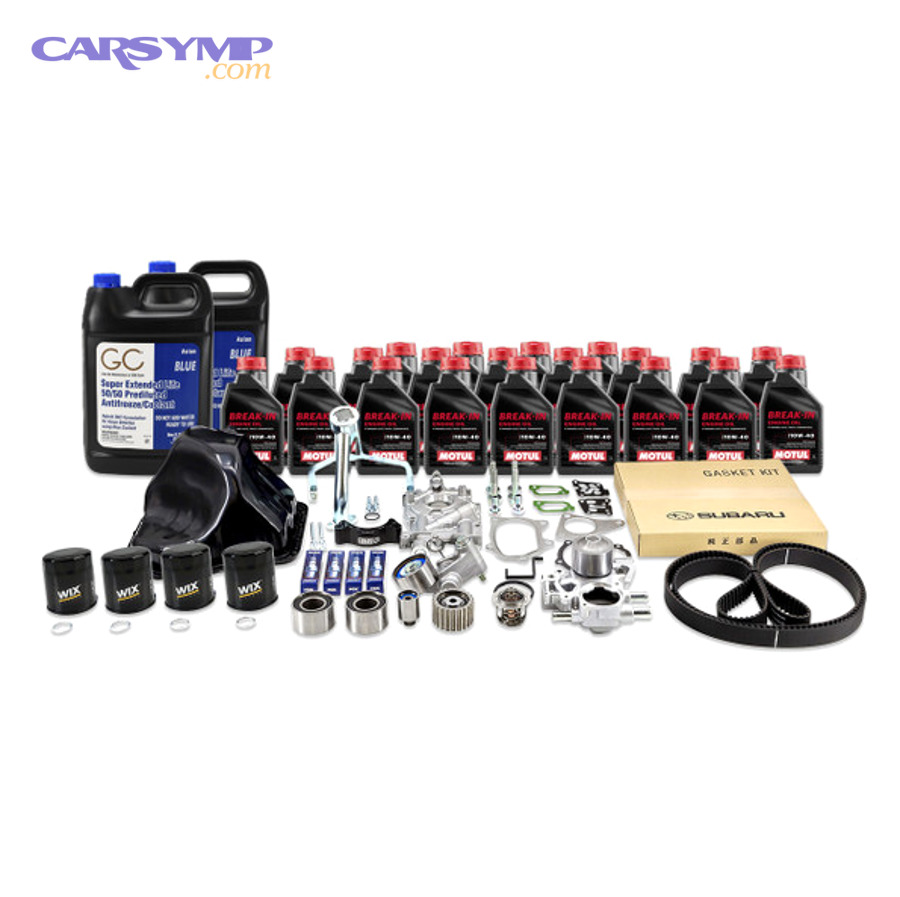
Replacing power steering hoses requires specific tools including line wrenches, jack stands, and drain pans, plus materials such as SAE-compliant replacement hoses, fresh O-rings, and power steering fluid. Gathering everything before starting prevents frustrating delays and ensures you can complete the repair safely and efficiently.
What Are the Correct Replacement Hose Specifications?
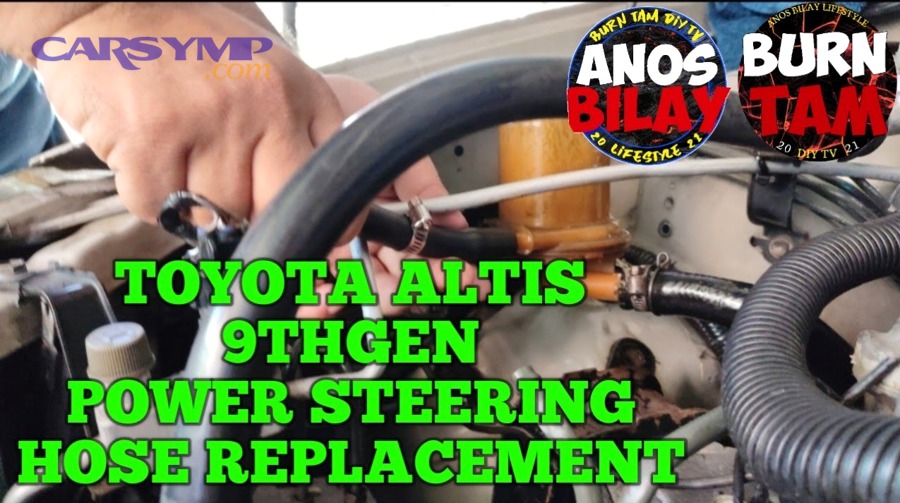
Replacement power steering hoses must meet SAE J2050 standards for high-pressure lines and SAE J189 or J188 standards for return lines to ensure proper performance and safety. The SAE J2050 specification requires high-pressure hoses to withstand temperatures ranging from -40°C to 150°C (-40°F to 302°F) and maintain integrity at 1,500 psi maximum working pressure. These standards ensure the hoses can handle the torture test conditions they’ll face under the hood, including pressure surges during sharp turns and temperature extremes from both the engine and weather conditions.
Low-pressure return hoses following SAE J189 or J188 specifications must endure the same temperature range but only need to maintain 250 psi pressure ratings. Despite the lower pressure requirements, using substandard return hoses can still cause system failures and fluid leaks. When selecting replacement hoses, you face a choice between OEM (original equipment manufacturer) parts and aftermarket options. OEM hoses guarantee exact fitment and typically use higher-quality materials, though they cost more. Aftermarket hoses from reputable manufacturers often meet or exceed SAE standards at lower prices, but require careful verification of part numbers and specifications.
Pay special attention to fitting types and hose end configurations. Some vehicles use Teflon O-rings at connection points rather than rubber O-rings, and mixing these components can cause leaks. The hose routing and length must match your specific vehicle year and model, as manufacturers sometimes change configurations mid-year. For example, some Nissan Xterra models built before and after July 1999 require different hose configurations due to changes in steering rack connections. Verifying your vehicle’s exact specifications prevents purchasing incompatible parts and ensures a successful installation.
How Do You Prepare Your Vehicle for Hose Replacement?
Preparing your vehicle for power steering hose replacement involves ensuring the engine is completely cold, positioning the vehicle securely on level ground with jack stands, and organizing your workspace to protect components from fluid contamination. The engine must be cold because power steering fluid is flammable, and contact with hot exhaust components or a hot engine block can cause fires. Waiting at least one to two hours after driving allows all components to cool to safe temperatures.
Vehicle positioning matters significantly for both safety and accessibility. Park on a level, stable surface and engage the parking brake. If you need to access hoses from underneath, chock the rear wheels before lifting the front end with a floor jack. Once elevated, support the vehicle on jack stands rated for your vehicle’s weight—never work under a vehicle supported only by a hydraulic jack. Having the front wheels off the ground not only provides access to steering rack connections but also makes the bleeding process easier later by allowing full steering wheel rotation without resistance.
Workspace preparation includes laying down cardboard or absorbent materials to catch drips, positioning adequate lighting to see connection points clearly, and having shop towels readily available to protect nearby components from power steering fluid spills. Power steering fluid can damage paint, rubber bushings, and electrical components, so immediate cleanup of spills prevents secondary damage. Organize your tools within easy reach and have your drain pan positioned before you begin loosening any connections. This preparation minimizes delays and reduces the risk of losing small parts like O-rings or clamps during the replacement process.
Essential tools for this job include:
- Line wrench set (18mm and 15/16″ are common sizes)
- Floor jack and jack stands (rated for your vehicle)
- Socket set with extensions (10mm, 14mm, 16mm common)
- Drain pan or container (at least 2-quart capacity)
- Screwdrivers (flathead and Phillips)
- Shop towels or rags
- Funnel for refilling fluid
- Optional: Torque wrench with crow-foot attachments
Required materials include:
- Replacement high-pressure hose (SAE J2050 compliant)
- Replacement return/low-pressure hose (SAE J189/J188 compliant)
- New O-rings and seals (verify Teflon vs. rubber for your application)
- Fresh power steering fluid (check owner’s manual for type)
- New hose clamps (if replacing return hose with clamp connections)
- Thread sealant or lubricant for O-rings
How Do You Remove the Old Power Steering Hoses?
Removing old power steering hoses involves draining the fluid from the system, disconnecting the hoses from both the pump and steering rack using proper line wrenches, and carefully extracting the hoses while noting their routing for proper reinstallation. The removal process requires patience and attention to detail to avoid damaging threaded fittings or surrounding components.
How Do You Drain the Power Steering Fluid Safely?
Draining power steering fluid safely requires removing the reservoir cap, disconnecting the return hose from either the reservoir or steering rack, and collecting all fluid in a suitable drain pan to prevent environmental contamination and shop floor hazards. Start by removing the power steering reservoir cap to release system pressure and allow air to enter as fluid drains. This prevents vacuum formation that would slow the draining process.
You have two primary options for draining the fluid. The cleaner method involves using a fluid transfer pump or turkey baster to siphon fluid directly from the reservoir, minimizing spills and mess. This approach works well for initial fluid removal but won’t drain the entire system. The more complete method disconnects the return hose from the reservoir or from the steering cooler if your vehicle has one. Position your drain pan directly under the disconnection point before loosening the clamp.
When disconnecting hoses for draining, use shop towels to protect nearby components like the alternator, starter, and electrical connectors from fluid contact. Power steering fluid can damage these components and create electrical issues if it seeps into connections. Allow gravity to drain as much fluid as possible, then rotate the steering wheel lock-to-lock several times with the engine off to pump remaining fluid from the steering rack and pump. This manual cycling pushes additional fluid through the system, though complete drainage isn’t necessary since you’ll flush the system later.
Proper fluid disposal matters for environmental protection. Power steering fluid is petroleum-based and classified as hazardous waste in many jurisdictions. Never pour it down drains or into the ground. Instead, collect all drained fluid in a sealed container and take it to an auto parts store, service station, or municipal hazardous waste facility that accepts used automotive fluids. Many auto parts retailers offer free fluid recycling services for customers.
How Do You Disconnect Hoses from the Pump and Steering Rack?
Disconnecting power steering hoses from the pump and rack requires using an 18mm line wrench on the hose fitting while holding the pump adapter steady with a 15/16-inch wrench to prevent damage to internal components. Line wrenches, also called flare-nut wrenches, provide better grip on the six-sided fittings than standard open-end wrenches while allowing the wrench to slip over the hose itself. This design prevents rounding off the fitting corners, which would make removal extremely difficult.
At the power steering pump connection, the high-pressure hose threads into an adapter that’s installed in the pump housing. If you turn just the hose fitting without holding the adapter, you risk loosening or damaging the adapter threads inside the pump. Position the 15/16-inch wrench on the pump adapter first, then use the 18mm line wrench on the hose fitting. Apply steady pressure rather than jerking movements to break the connection loose. Once loosened, the fitting should thread out by hand—if it doesn’t, the threads may be damaged or cross-threaded.
The steering rack connection presents different challenges depending on your vehicle. Some racks use threaded flare fittings similar to the pump, requiring 14mm and 16mm wrenches. Others use banjo bolt connections with copper crush washers. For vehicles with limited access to the rack connections, you may need to access them from the wheel well after removing the wheel and inner fender liner. Loosening the steering rack mounting bolts and sliding the rack forward slightly can provide additional clearance for tight fittings.
Bracket and clamp removal completes the disconnection process. Most vehicles use 10mm bolts or screws to secure metal or rubber-lined brackets that support the hoses along their routing path. Document or photograph the bracket locations and hose routing before removal, as proper reinstallation prevents hoses from contacting hot exhaust components or moving suspension parts. Return hoses typically use spring clamps or screw-type hose clamps at the reservoir and rack connections. Squeeze spring clamps with hose clamp pliers to release them, or loosen screw clamps with a flathead or Phillips screwdriver.
If fittings resist removal or feel like they’re stripping, stop and reassess. Penetrating oil applied 10-15 minutes before attempting removal can help break corrosion bonds on older fittings. Never force a fitting that won’t turn smoothly, as broken fittings can turn a simple hose replacement into a much more expensive repair requiring pump or rack replacement.
How Do You Install the New Power Steering Hoses?
Installing new power steering hoses involves routing them along the original path, hand-threading fittings to prevent cross-threading, tightening connections to proper torque specifications of 20-34 ft-lbs, and ensuring proper clearance from hot or moving components. The installation process reverses the removal steps but requires extra care to avoid common mistakes that cause leaks or premature failure.
How Do You Properly Route and Connect New Hoses?
Properly routing and connecting new power steering hoses starts with comparing them side-by-side with the old hoses to verify correct length and fitting orientation, installing fresh O-rings lubricated with power steering fluid, and hand-threading all fittings before using wrenches to prevent cross-threading damage. Lay the new and old hoses next to each other and verify that fitting types, hose lengths, and any bends or curves match exactly. This comparison prevents discovering fitment problems after you’ve already started installation.
Before installing new hoses, carefully inspect all O-rings and seals. If the replacement hoses came with rubber O-rings but your vehicle originally used Teflon O-rings, purchase the correct Teflon versions from a dealership or specialty parts supplier. Teflon O-rings provide better sealing at high pressures and temperatures. Install new O-rings on the hose fittings, then lubricate them lightly with fresh power steering fluid. This lubrication allows the O-rings to seat properly without twisting or tearing during installation.
Begin installation at the steering rack connection, as this typically presents the most difficult access. Feed the hose through the engine bay carefully, avoiding sharp edges and ensuring it doesn’t catch on any components. Position the fitting at the rack connection and start threading it by hand. The fitting should turn smoothly and easily for at least 3-4 full rotations by hand alone. If you feel resistance or binding immediately, stop and realign—you may be cross-threading the connection.
Once hand-tight, use your line wrenches to snug the connection. Torque specifications for steering hose connections typically range from 20-25 ft-lbs at the rack to 25-34 ft-lbs at the pump, though you should verify your specific vehicle’s requirements. In tight spaces where a torque wrench won’t fit, use a crow-foot adapter attachment. If you lack torque measurement tools, aim for “forearm tight”—firm pressure using only your forearm strength without putting your full body weight into it. Over-tightening can strip threads or damage seals, while under-tightening causes leaks.
Route the upper end of the hose to the power steering pump, again verifying that the hose follows the same path as the original without contacting sharp edges, exhaust components, or moving parts like the serpentine belt. Some hoses include pre-formed bends or curves that must orient correctly for proper fitment. Connect the pump end using the same hand-thread-first technique, then tighten with line wrenches while holding the pump adapter steady with a backup wrench.
How Do You Ensure Proper Hose Orientation and Clearance?
Ensuring proper hose orientation and clearance requires matching the original routing exactly, verifying at least 1-2 inches of clearance from exhaust manifolds and moving components, securing all factory brackets and clamps, and transferring any pressure sensors or hardware from old to new hoses. Hose routing isn’t arbitrary—engineers design specific paths to avoid heat damage, abrasion, and interference with other components during suspension travel or steering movement.
Check clearance at multiple points along the hose length. With the engine cold, verify that hoses don’t touch exhaust manifolds, catalytic converters, or exhaust pipes. These components reach extreme temperatures during operation and will quickly damage hose outer layers. Similarly, ensure hoses clear the serpentine belt, pulleys, and any moving suspension components. Turn the steering wheel fully lock-to-lock while watching the hoses to confirm they don’t stretch tight or contact other parts during full steering travel.
Reinstall all factory brackets and clamps at their original locations. These supports prevent hose movement and vibration that causes premature wear. Use the 10mm bolts you removed earlier to secure metal and rubber-lined brackets to the engine block or frame rails. Don’t over-tighten bracket bolts, as this can crack plastic or rubber isolators. The brackets should hold hoses firmly but not compress them.
Some high-pressure hoses include integrated pressure sensors or ports for pressure switches. If your replacement hose has a different port location than the original, you may need to address fitment issues. Transfer the pressure sensor from the old hose to the new one if possible, ensuring any O-rings at the sensor connection are new and properly sealed. In rare cases, the pressure sensor port on the new hose may interfere with surrounding components like the power steering pump pulley bracket. Verify sensor port clearance before finalizing the installation.
Return hose installation requires special attention to clamp types. Factory spring clamps or constant-tension clamps work better than standard screw-type worm-drive clamps because they maintain consistent pressure as the hose material compresses over time. If you must use screw clamps, don’t over-tighten them, as excessive clamping pressure on the softer return hose material can cause leaks as the rubber compresses. Position clamps so the screw mechanism doesn’t contact other components and so you can access them later if adjustment becomes necessary.
How Do You Fill and Bleed the Power Steering System?
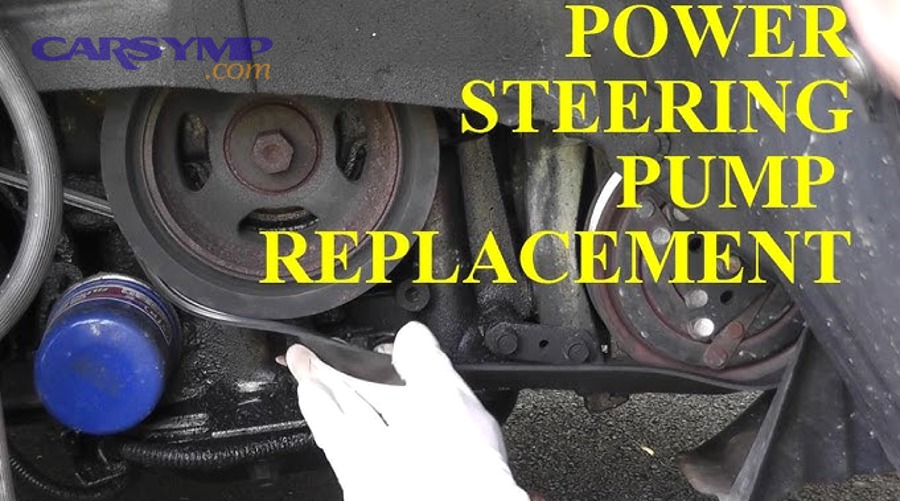
Filling and bleeding the power steering system involves refilling the reservoir with the correct fluid type, starting the engine, and turning the steering wheel fully lock-to-lock multiple times to purge air bubbles while monitoring fluid levels and checking for leaks. Proper bleeding is essential for smooth, quiet steering operation and prevents premature pump damage from cavitation.

What Is the Correct Procedure for Refilling Power Steering Fluid?
Refilling power steering fluid correctly requires identifying your vehicle’s specified fluid type from the owner’s manual, filling the reservoir to the “Full Cold” mark, and rechecking levels after bleeding to compensate for fluid that enters the system. Power steering fluid types vary significantly between manufacturers—some vehicles require automatic transmission fluid (ATF), while others need specific power steering fluid formulations. Using the wrong fluid can damage seals and cause system malfunctions.
Common fluid types include:
- Dexron/Mercon ATF: Used in many GM, Ford, and Chrysler vehicles
- Honda Power Steering Fluid: Specific formulation for Honda/Acura vehicles
- Toyota Power Steering Fluid: Required for Toyota/Lexus systems
- European Spec Fluids: Mercedes, BMW, and VW often require specific synthetic fluids
Check your owner’s manual or the reservoir cap for the correct specification. Never mix different fluid types, as this can cause seal swelling or deterioration. If you’re unsure what fluid is currently in your system, it’s safest to flush completely with the correct type rather than topping off with potentially incompatible fluid.
Locate the power steering fluid reservoir, typically mounted on or near the power steering pump with a dipstick cap. The dipstick usually shows two level marks: “Full Hot” for operating temperature and “Full Cold” for room temperature checks. With the engine cold after your hose replacement, fill to the “Full Cold” mark. Use a clean funnel to prevent contamination, and pour slowly to avoid creating foam or bubbles in the fluid.
Initial filling only fills the reservoir itself—the pump, hoses, and steering rack remain mostly empty. You’ll need to repeat the filling process several times during bleeding as fluid fills these components. Keep extra fluid on hand, as you’ll typically need 1-2 quarts for a complete system fill and bleed on most vehicles.
How Do You Bleed Air from the Power Steering System?
Bleeding air from the power steering system requires starting the engine, turning the steering wheel fully left and right at least 10-20 times, repeatedly checking and topping off fluid levels, and inspecting all connections for leaks until the system operates smoothly without noise or bubbles. Air trapped in the system creates several problems: whining or groaning noises during steering, inconsistent steering feel, and accelerated pump wear from cavitation.
Begin with the engine off and the steering wheel centered. Check the fluid level and top off if needed. Start the engine and let it idle—don’t rev the engine, as higher speeds can worsen air entrainment. Immediately check the fluid level, as the pump will begin drawing fluid from the reservoir. Top off as needed, but don’t overfill past the “Full Hot” mark.
With the engine running at idle, slowly turn the steering wheel fully to the left until it reaches the steering stop, hold for 2-3 seconds, then turn fully to the right and hold again. Repeat this lock-to-lock steering motion 10-20 times. Move the wheel slowly and smoothly rather than quickly jerking it, as rapid movements trap more air. Watch the reservoir during this process—you may see bubbles rising to the surface as air purges from the system.
Stop the engine periodically to check fluid levels and look for bubbles in the reservoir. If you see significant foam or bubbles, let the system sit for 5-10 minutes to allow air to rise and escape before continuing. Add fluid as needed to maintain proper levels. The fluid should appear clear and bubble-free when properly bled. Dark, foamy, or aerated fluid indicates air remains in the system or that contamination is present from old, degraded hoses.
Inspect all connection points—pump, rack, and hose connections—for leaks during and after bleeding. Any seepage indicates loose fittings or damaged O-rings that must be addressed immediately. Small leaks often become more apparent as pressure builds during steering maneuvers. Tighten any weeping connections, but don’t over-torque them in an attempt to stop leaks caused by damaged seals.
A properly bled system should:
- Maintain consistent fluid levels without dropping
- Operate quietly without whining, groaning, or squealing
- Provide smooth, consistent steering effort in both directions
- Show clear, bubble-free fluid in the reservoir
- Display no leaks at any connection points
If problems persist after thorough bleeding, you may have a damaged pump from previous low-fluid operation, air entering through a poorly sealed connection, or internal rack damage. The UV dye test for steering leaks can help identify slow leaks that aren’t immediately visible. Add UV dye to the power steering fluid, operate the vehicle for several days, then use a UV light to detect even tiny fluid seepage that appears as bright fluorescent traces.
According to automotive service data from major repair facilities, approximately 85% of power steering noise complaints after hose replacement stem from incomplete bleeding procedures, emphasizing the importance of patience during this process.
What Are Common Problems and Troubleshooting Tips for Power Steering Hose Replacement?
Common power steering hose replacement problems include persistent noise from incomplete bleeding, fitment issues with incorrect hoses, significant cost differences between DIY and professional service, and preventable failures from inadequate maintenance. Understanding these challenges helps you troubleshoot issues effectively and make informed decisions about your repair approach.
Why Is My Power Steering System Still Making Noise After Replacement?
Power steering noise after hose replacement typically results from air remaining in the system that wasn’t fully bled, contaminated fluid containing rubber particles from deteriorated old hoses, or pre-existing pump damage from previous low-fluid operation. The most common culprit is insufficient bleeding, particularly in systems with complex routing or remote fluid coolers that trap air pockets. Whining or groaning noises that vary with steering wheel position indicate air cavitation as the pump tries to compress air bubbles instead of liquid fluid.
To address noise from inadequate bleeding, repeat the bleeding procedure more thoroughly. Turn the steering wheel lock-to-lock at least 30-40 times instead of the initial 10-20, and allow longer settling periods between cycles for air to rise from the steering rack and hoses. Some vehicles with particularly stubborn air pockets benefit from raising the front end higher on jack stands, which allows air bubbles to migrate upward more easily. Cycle the steering while elevated, then lower the vehicle and repeat the process.
Contaminated fluid from internal hose deterioration creates a different problem. When old hoses fail internally, microscopic rubber particles circulate through the system and embed in the pump’s internal seals and vanes. Even after installing new hoses, this contamination continues generating noise and can cause rapid pump failure. If your power steering fluid appears gray, black, or contains visible particles, you need to flush the entire system multiple times with fresh fluid. Remove the return hose at the pump, direct it into a drain container, and have an assistant add new fluid to the reservoir while you run the engine briefly. This pushes contaminated fluid out completely.
Pre-existing pump damage manifests as noise that doesn’t improve regardless of bleeding or fluid changes. Pumps damaged from running dry due to previous leaks develop scored internal surfaces and worn vanes that create constant whining even with proper fluid levels. Testing involves comparing noise levels: if the sound remains consistent regardless of steering position or fluid level, the pump likely needs replacement. Power steering leak repair cost estimate for pump replacement ranges from $300-$600 for parts and labor, significantly more than hose replacement alone.
What Should I Do If the Hoses Don’t Fit Properly?
Hoses that don’t fit properly indicate incorrect part numbers, vehicle-specific routing variations not accounted for, or pressure sensor port compatibility issues that require different solutions depending on the specific problem. The first step is verifying that you have the correct hose for your exact vehicle year, make, model, and build date. Manufacturers often change hose configurations mid-model-year or between trim levels, creating situations where two seemingly identical vehicles require different parts.
Vehicle-specific routing variations cause particular frustration. For example, some Nissan Xterra models built before July 1999 used threaded flare fittings at the steering rack, while those built after July 1999 used different connection types, making hoses non-interchangeable despite fitting the same model year. Similarly, vehicles with different engine options or steering configurations within the same model year may need distinct hose routing. Check the build date plate on your vehicle and verify that your replacement hose specifically lists compatibility with that build period.
Pressure sensor port interference represents a more complex fitment issue. Some replacement hoses position the pressure sensor port slightly differently than the original, causing it to contact surrounding components like the power steering pump pulley bracket or engine accessories. If you encounter this problem, you have several options:
- Rotate the hose: Sometimes rotating the hose orientation at one or both connections provides clearance without affecting function
- Install the sensor first: Thread the pressure sensor into the hose port before final installation, then work the hose into position with the sensor already attached
- Source an alternative hose: Contact the manufacturer or try a different parts supplier for a hose with alternative port positioning
- Modify minor interferences: If interference is minimal, carefully repositioning or slightly bending nearby brackets may create needed clearance (never modify the hose itself)
Wrong hose specifications—particularly length discrepancies—usually mean returning the part for the correct version rather than attempting to make an incompatible hose work. Never stretch a short hose to make connections, as this creates constant tension that leads to rapid failure and potential sudden disconnection while driving.
How Much Does Professional Power Steering Hose Replacement Cost vs. DIY?
Professional power steering hose replacement costs between $200-$400 total ($75-$150 in parts plus $125-$250 in labor), while DIY replacement costs $40-$100 for parts and requires 1-2.5 hours of your time, representing potential savings of $150-$300. Labor rates vary significantly by geographic location and shop type, with dealerships typically charging $120-$180 per hour compared to independent shops at $80-$120 per hour.
The parts cost breakdown shows where DIY savings come from:
- High-pressure hose: $30-$80 (varies by vehicle and brand)
- Return hose: $10-$20
- O-rings/seals: $5-$10 (if not included with hoses)
- Power steering fluid: $8-$15 per quart (need 1-2 quarts)
- Miscellaneous supplies: $5-$10 (shop towels, clamps if needed)
Professional service includes advantages beyond just the labor: shops carry proper tools like line wrench sets and torque wrenches with crow-foot attachments, have experience identifying vehicle-specific quirks, and typically offer warranties on parts and labor. A mobile mechanic who comes to your location typically charges 20-30% more than shop rates but saves towing costs and provides convenience.
The time investment for DIY varies significantly based on experience and vehicle accessibility. Simple installations on vehicles with good hose access take 45-60 minutes for experienced DIYers, while first-timers should budget 2-3 hours for careful work. Vehicles requiring removal of other components for hose access—such as air intake components, battery, or coolant reservoirs—extend the job to 2-4 hours even for experienced mechanics.
Consider choosing professional service when:
- Your vehicle requires extensive component removal for hose access
- You lack proper tools, particularly line wrenches and jack stands
- The hoses are in difficult-to-reach locations requiring specialized access
- You have limited time or physical ability to work underneath the vehicle
- Your vehicle is still under warranty and you want documented service history
DIY makes more sense when:
- You have mechanical experience and proper tools
- Your vehicle offers good hose accessibility
- You want to save $150-$300 in labor costs
- You prefer learning and maintaining your own vehicle
- Multiple vehicles in your household may need similar repairs
According to data from RepairPal, the national average for power steering hose replacement labor is 1.1 hours, though this varies from 0.5 hours for simple applications to 2.5+ hours for complex installations requiring significant disassembly.
How Can You Prevent Future Power Steering Hose Failure?
Preventing future power steering hose failure requires monthly fluid level inspections, addressing environmental factors like extreme temperatures and road salt exposure, following mileage-based replacement schedules of 60,000-100,000 miles, and correcting underlying issues like worn motor mounts that allow hose contact with moving parts. Proactive maintenance extends hose life significantly and prevents the sudden steering failures that create safety hazards.
Monthly fluid inspection takes less than one minute but provides early warning of developing problems. Check the reservoir level with the engine cold—a gradually dropping level indicates a developing leak, while sudden drops suggest active failure. Examine the fluid color and clarity: fresh fluid appears clear red or amber, while contaminated fluid looks gray, black, or muddy. Any change from the normal color warrants investigation, as internal hose deterioration releases rubber particles that contaminate the entire system.
Environmental factors dramatically affect hose lifespan. Extreme heat accelerates rubber degradation through chemical breakdown, while extreme cold causes hoses to become brittle and prone to cracking. Vehicles operated in hot climates or those with hoses routed near exhaust components may need replacement at 60,000 miles rather than 100,000 miles. Road salt and chemical exposure from winter driving or industrial environments attack the outer protective layers, exposing inner reinforcement to corrosion. Vehicles in coastal areas face accelerated deterioration from salt air, while those in northern climates endure harsh de-icing chemicals.
Mileage-based replacement provides a proactive approach that prevents roadside failures. Industry data shows most power steering hoses begin deteriorating between 60,000-100,000 miles regardless of visible condition. Internal layer breakdown often occurs before external signs appear, meaning hoses that look acceptable externally may be shedding rubber particles internally. Consider replacing hoses at 70,000-80,000 miles as preventive maintenance, particularly if your vehicle operates in harsh conditions or if you plan to keep it long-term.
Addressing root causes prevents premature replacement failure. Inspect for:
- Worn motor mounts: Allow engine movement that causes hoses to rub against components
- Missing or broken brackets: Let hoses vibrate and contact sharp edges
- Exhaust system leaks: Direct hot gases onto nearby hoses, accelerating deterioration
- Improper previous repairs: Incorrect routing or over-tightened clamps create stress points
Visual inspection during routine maintenance catches problems early. Look for:
- Shiny or wet spots indicating seepage
- Cracks in the outer rubber layer
- Soft or spongy sections when squeezed
- Bulges or irregularities in hose diameter
- Fraying or exposed wire mesh reinforcement
- White residue or chalky appearance indicating UV damage
According to research from the Automotive Parts Association, vehicles that receive regular power steering fluid changes every 50,000 miles experience 40% fewer hose failures than those that never have fluid service, as fresh fluid contains detergents that prevent sludge buildup and maintain rubber seal integrity.
This complete guide provides everything needed to successfully replace power steering hoses as a DIY project. By understanding the components, gathering proper tools, following systematic removal and installation procedures, and thoroughly bleeding the system, you can complete this repair safely and save significant money compared to professional service. Regular inspections and preventive maintenance extend hose life and prevent the sudden failures that create safety hazards and expensive secondary damage to steering system components.