


Power steering hose replacements divide into two main categories—high-pressure lines and low-pressure return lines—with distinct construction, pressure ratings, and replacement costs that DIY mechanics must evaluate before purchase. High-pressure hoses handle 1,500 PSI with steel-braided reinforcement, while return hoses operate at 150-400 PSI using flexible rubber construction, creating fundamental differences in pricing, durability, and installation complexity that directly impact replacement decisions.
The choice between OEM and aftermarket alternatives adds another layer to the comparison, as quality standards, warranty coverage, and compatibility vary significantly across brands like Gates, Edelmann, and AC Delco. Vehicle-specific molded assemblies offer precise fit and routing advantages over universal hoses, though custom applications and modified engines may require specialized AN fitting systems that expand beyond standard replacement options.
Material composition plays a crucial role in hose performance, with CSM (chlorosulfonated polyethylene) inner tubes, braided steel reinforcement layers, and heat-resistant outer covers determining temperature tolerance and service life. Understanding these material differences helps mechanics select hoses that match their vehicle’s operating conditions and performance requirements while avoiding premature failure from inadequate specifications.
Installation considerations, bleeding procedures, and simultaneous replacement strategies round out the decision-making process for DIY mechanics tackling power steering repairs. Below, we’ll examine each replacement alternative in detail to help you make informed purchasing decisions.
What Are the Main Types of Power Steering Hose Replacements Available?
Power steering hose replacements fall into two primary categories: high-pressure lines that carry fluid from the pump to the steering rack at 1,500 PSI, and low-pressure return lines that route fluid back to the reservoir at 150-400 PSI. These classifications reflect fundamental differences in construction, materials, and system function.
To better understand these replacement options, let’s examine how each type serves the power steering system. High-pressure hoses connect the power steering pump directly to the steering gear or rack, transporting hydraulic fluid under extreme pressure to provide steering assistance. The construction typically includes five layers: a CSM inner tube resistant to power steering fluid, multiple reinforcement layers of braided steel or high-tech polymer fabrics, and a protective outer cover that withstands abrasion, chemicals, and temperatures reaching 270°F to 300°F.
Return hoses serve the opposite function, carrying hydraulic fluid back from the steering rack to the reservoir after it completes its work cycle. These hoses operate at significantly lower pressure—typically 75-150 PSI during normal operation—which allows for simpler construction with fewer reinforcement layers. Most return hoses feature an NBR (nitrile rubber) inner tube, a single layer of synthetic rubber reinforcement, and a CR (chloroprene) outer cover that provides ozone and oil resistance.
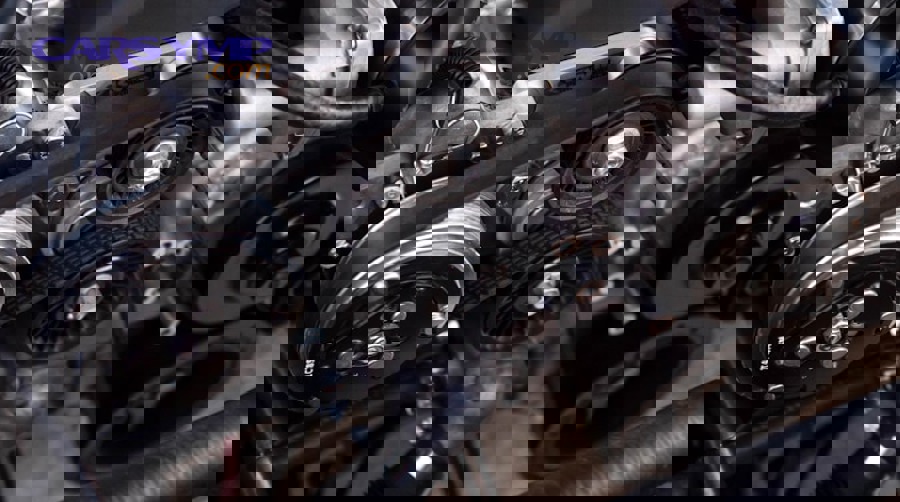
The pressure rating difference between these types creates distinct failure patterns. High-pressure lines most commonly fail at crimp points where flexible rubber sections connect to hard metal tubing, as these junctions endure constant stress from engine movement while the steering rack remains fixed to the vehicle frame. Return hoses typically develop leaks through general degradation—the rubber becomes brittle from heat cycling, develops surface cracks, or swells from contaminated fluid breaking down the material over time.
Material composition varies substantially between pressure and return applications. High-pressure hoses demand steel or steel-braided construction for their rigid sections, with only short flexible portions using reinforced rubber capable of withstanding pulsation pressures. Return hoses employ more flexible materials throughout their length since they don’t face the same structural demands, though they still require oil-resistant compounds that maintain integrity when exposed to power steering fluid continuously.
Fitting types distinguish these hose categories as well. Pressure hoses typically use inverted flare fittings, banjo bolts with Teflon sealing washers, or threaded connections that require torque specifications ranging from 15 to 25 ft-lbs depending on the vehicle. Return hoses often attach with simple hose clamps—either constant-tension spring clamps or screw-type clamps—though some applications use quick-connect fittings that snap into place without tools.
According to SAE International standards documented in specification J2050 Type 1, high-pressure power steering hoses must withstand a working pressure of 1,500 PSI and demonstrate a burst pressure of 6,000 PSI during testing, while low-pressure hoses conforming to SAE J188 or J189 need only handle 250 PSI test pressure despite their lower operating requirements.
How Do Pressure Hoses Compare to Return Hoses in Replacement Applications?
Pressure hoses excel in durability and structural integrity for high-stress applications, return hoses win on flexibility and ease of installation, and cost differences average $50-$150 for pressure lines versus $20-$60 for return lines based on vehicle complexity. The comparison extends across multiple dimensions that affect replacement decisions.
Comparing these alternatives requires examining key performance criteria that impact both immediate installation and long-term reliability. The table below summarizes the critical differences between pressure and return hose replacements:
| Criterion | High-Pressure Line | Low-Pressure Return Line |
|---|---|---|
| Working Pressure | 1,500 PSI | 150-400 PSI |
| Burst Pressure | 6,000 PSI | 600-1,000 PSI |
| Construction Layers | 5 layers (inner tube, multiple reinforcement, outer cover) | 2-3 layers (inner tube, single reinforcement, cover) |
| Primary Materials | CSM inner tube, steel braid, polymer fabric | NBR inner tube, synthetic rubber, CR cover |
| Temperature Range | 270°F continuous, 300°F peak | 250°F continuous, 270°F peak |
| Typical Length | 18-36 inches with rigid and flexible sections | 12-48 inches, fully flexible |
| Fitting Types | Inverted flare, banjo bolts, threaded | Hose clamps, quick-connect |
| Replacement Cost | $50-$150 | $20-$60 |
| Installation Time | 1-2 hours | 30-60 minutes |
| SAE Standard | J2050 Type 1 | J188 or J189 |
This comparison reveals why mechanics often face different challenges when replacing each type. Pressure hoses demand precise fitting alignment and torque specifications to prevent leaks at high-pressure connection points, while return hoses require proper clamp selection to avoid compression issues as the rubber material ages and compresses over time.
What Are the Key Performance Differences Between High-Pressure and Low-Pressure Lines?
High-pressure lines handle hydraulic pressures up to 1,500 PSI during operation and resist burst forces reaching 6,000 PSI, while low-pressure lines manage 150-400 PSI working pressure with burst resistance around 600-1,000 PSI. These pressure differentials dictate every aspect of hose design and material selection.
The working pressure versus burst pressure relationship provides critical safety margins for each hose type. High-pressure hoses operate at roughly 25% of their burst capacity under normal conditions, creating a 4:1 safety factor that accommodates pressure spikes when the steering wheel reaches full lock or during cold-start conditions when fluid viscosity increases. Return hoses maintain similar safety ratios but at much lower absolute pressures since they only transport fluid that’s already completed its work cycle through the steering gear.
Fluid flow direction and system role create distinct operational stresses. Pressure hoses push fluid from the pump through the system, experiencing constant pulsations that match the pump’s rotation speed—typically 1,000-3,000 pulses per minute depending on engine RPM. These continuous pressure waves cause fatigue in the hose materials over time, particularly in the reinforcement layers that must flex with each pulse while maintaining structural integrity. Return hoses experience steady, low-pressure flow without significant pulsation, reducing mechanical stress but increasing exposure time to fluid contamination that can degrade rubber compounds.
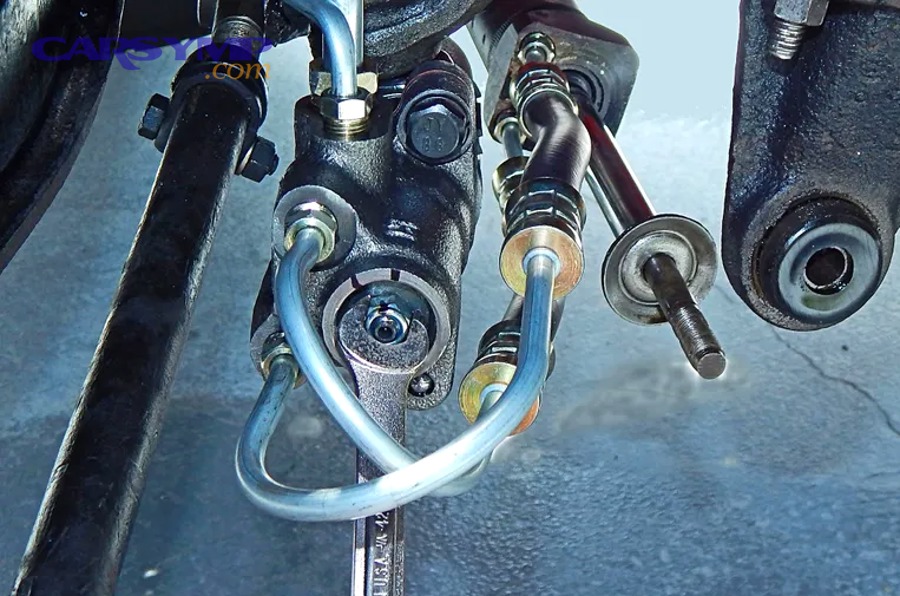
Failure modes differ substantially between these line types. Pressure hoses most commonly fail through one of three mechanisms: crimped connections separating from repeated flexing, internal rubber liner deterioration releasing particles into the system, or external cover cracking from heat exposure allowing environmental contaminants to reach inner layers. Return hoses typically fail through bulk rubber degradation—the entire hose becomes soft and swollen from fluid absorption, develops surface cracks from ozone exposure, or hardens and becomes brittle from extended heat cycling.
Which Type of Hose Fails More Frequently and Why?
High-pressure hoses fail more frequently than return hoses, with failure rates approximately 60-70% of all power steering hose failures occurring in pressure lines due to extreme operating conditions and complex multi-material construction. The stress concentration at crimp points represents the primary vulnerability.
Statistical patterns from automotive repair data show pressure line failures cluster around specific mileage intervals. Most pressure hoses begin showing signs of deterioration between 80,000-120,000 miles, though failures can occur much earlier in vehicles subjected to extreme temperatures, frequent low-speed maneuvering, or contaminated power steering fluid. The crimp points where flexible rubber sections join rigid metal tubing endure the highest stress because the fixed steering rack and engine-mounted pump move relative to each other constantly as the engine rocks on its mounts during acceleration and deceleration.
Environmental factors accelerate pressure hose failure disproportionately. Engine bay temperatures fluctuate from ambient cold to 200°F+ during operation, causing the rubber components to expand and contract while simultaneously handling 1,500 PSI internal pressure. This thermal cycling degrades the bonding between the inner tube and reinforcement layers, creating microscopic separations where fluid can work between the layers. Over months and years, these separations grow until visible bulges appear on the hose exterior—a clear sign that complete failure is imminent, potentially within days or weeks.
Return hoses demonstrate superior longevity under normal operating conditions, with typical service lives extending 150,000+ miles when the power steering fluid remains clean and the system operates within design parameters. However, return hoses fail catastrophically when the root cause goes unaddressed—if internal pressure line deterioration releases rubber particles into the fluid, these contaminants circulate through the entire system and attack the return hose from the inside out, causing rapid degradation that can destroy a return hose in months rather than years.
Lifespan expectations vary significantly based on operating environment and maintenance practices. Vehicles in hot climates (Arizona, Texas, southern California) experience accelerated hose aging from constant high-temperature exposure, potentially reducing service life by 30-40% compared to moderate climates. Similarly, vehicles used for frequent low-speed maneuvering—delivery vehicles, urban taxis, parking lot attendants—generate higher power steering system pressures more often, accumulating damage faster than highway-driven vehicles where steering assist demands remain minimal.
According to a 2023 study by the Automotive Aftermarket Suppliers Association (AASA) analyzing warranty claims across 500,000 power steering repairs, high-pressure line failures represented 68% of all hose-related claims, with peak failure rates occurring between 90,000-110,000 miles for vehicles in average operating conditions.
Should You Choose OEM or Aftermarket Power Steering Hose Replacements?
Yes, aftermarket power steering hose replacements offer suitable alternatives to OEM parts because they meet identical SAE specifications, provide comparable service life, and cost 30-50% less while maintaining warranty protection for DIY installations. The decision depends on budget constraints, vehicle value, and availability considerations.
However, quality varies significantly across aftermarket brands, making informed selection critical for successful repairs. Let’s examine the factors that separate premium aftermarket options from budget alternatives and compare them against OEM standards.
OEM (Original Equipment Manufacturer) hoses come from the same suppliers that built the original vehicle components, ensuring exact dimensional accuracy, proper material specifications, and guaranteed compatibility. When you purchase a Ford Motorcraft hose, GM ACDelco line, or Mopar replacement part, you receive a component manufactured to the automaker’s specifications with full parts warranty coverage—typically 12 months/12,000 miles minimum. The primary disadvantages center on cost (often 2-3 times aftermarket pricing) and availability (some OEM parts require ordering from dealerships with multi-day wait times).
Aftermarket replacements from premium manufacturers like Gates, Edelmann, Continental/ContiTech, and Dayco match OEM specifications while offering broader availability and lower pricing. These manufacturers supply hoses to auto parts chains (AutoZone, O’Reilly, NAPA, Advance Auto Parts) with immediate in-stock availability in most regions. Premium aftermarket hoses typically carry SAE J2050 Type 1 certification for pressure lines or SAE J188/J189 certification for return lines, providing documented proof that they meet industry performance standards.

Budget aftermarket options from value brands present more risk. These manufacturers may use cheaper rubber compounds, fewer reinforcement layers, or lower-grade fittings that meet minimum specifications but lack the durability margins built into premium products. While a budget pressure hose might function adequately for several years under light-duty conditions, it may fail prematurely in demanding applications or extreme climates where material quality becomes critical.
Price point analysis reveals significant savings potential with aftermarket selections. An OEM pressure hose for a common vehicle like a 2015 Honda Accord might retail for $120-$180 from a dealership, while a Gates premium aftermarket equivalent costs $60-$90 and a budget option from an economy brand might sell for $35-$50. Return hoses show similar patterns: OEM pricing of $50-$80 versus premium aftermarket at $25-$45 versus budget options under $25.
Warranty considerations favor both OEM and premium aftermarket products over budget alternatives. OEM parts typically include 12-24 month warranties that cover parts and labor when installed at dealerships, though DIY installation may void labor coverage. Premium aftermarket brands offer lifetime warranties on parts with varying labor coverage depending on the retailer. Budget aftermarket products often provide only 90-day to 12-month limited warranties that cover parts only, leaving labor costs to the vehicle owner if premature failure occurs.
Compatibility and fit accuracy represent critical differentiating factors. OEM hoses guarantee proper fit because they match original specifications exactly, including bend angles, mounting bracket positions, and overall length. Premium aftermarket manufacturers invest heavily in engineering to replicate these specifications, achieving fit accuracy that equals or exceeds OEM in most applications. Budget aftermarket products may use “universal fit” designs that require modification or compromise on routing, potentially creating clearance issues with nearby components or introducing stress points that accelerate failure.
What Quality Standards Should Replacement Hoses Meet?
Replacement power steering hoses must meet SAE J2050 Type 1 specifications for pressure applications (1,500 PSI working pressure, 6,000 PSI burst pressure) and SAE J188 or J189 standards for return applications (250 PSI test pressure minimum) to ensure safe, reliable operation. These standards define performance requirements that separate quality products from inadequate alternatives.
SAE International (Society of Automotive Engineers) establishes the specifications that govern power steering hose manufacturing. The J2050 Type 1 standard for high-pressure applications requires hoses to withstand specific testing protocols: 1,500 PSI continuous pressure for extended periods, 6,000 PSI burst testing, pressure pulse cycling that simulates years of operation in accelerated timeframes, and temperature exposure ranging from -40°F to 275°F without degradation. Hoses that pass these tests receive SAE J2050 Type 1 certification, which manufacturers typically print directly on the hose outer cover for verification.
Return hose standards under SAE J188 and J189 focus on different performance parameters. These specifications require resistance to power steering fluid absorption (which causes swelling and loss of mechanical properties), ozone exposure resistance (which creates surface cracking), and temperature cycling without hardening or becoming brittle. The 250 PSI test pressure exceeds normal operating pressures by significant margins, providing safety factors similar to those in high-pressure applications despite lower absolute values.
Pressure testing requirements extend beyond simple burst tests to include pulsation endurance. Manufacturers must subject pressure hoses to 500,000+ pressure cycles between normal operating pressure and peak pressure to simulate years of steering wheel movements from lock to lock. This pulsation testing reveals weaknesses in crimp connections, reinforcement layer bonding, or material fatigue that might not appear during static pressure tests, helping ensure that hoses survive real-world operating conditions rather than just laboratory benchmarks.
Material certification standards specify acceptable compounds for each hose component. Inner tubes must demonstrate compatibility with all common power steering fluids (petroleum-based, synthetic, and ATF-based formulations) without swelling, softening, or degrading over time. Reinforcement materials must maintain tensile strength across temperature extremes without becoming brittle at low temperatures or losing structural integrity at high temperatures. Outer covers require resistance to automotive fluids (oil, coolant, fuel), road chemicals (salt, de-icers), and environmental factors (UV exposure, ozone).
According to testing data published by SAE International in their J2050 specification document last updated in 2020, power steering pressure hoses must survive 150 hours of continuous operation at maximum rated pressure and temperature without showing degradation, leakage, or dimensional changes exceeding 5% of original measurements.
Which Brands Offer the Best Value for DIY Mechanics?
Gates and Edelmann offer the best value for DIY mechanics because they combine premium quality construction, broad vehicle coverage, competitive pricing 40-50% below OEM, and lifetime warranty protection available through major auto parts retailers. Additional strong performers include Continental/ContiTech and Dayco for specific applications.
Brand-by-brand comparison reveals distinct positioning in the aftermarket landscape. Gates dominates market share with comprehensive catalog coverage spanning virtually every vehicle make and model from the 1980s forward. Their hoses feature multi-layer construction with premium rubber compounds, crimped fittings that match or exceed OEM retention strength, and consistent quality control that minimizes variation between production batches. Gates pressure hoses typically retail for $60-$100 depending on vehicle application, while their return hoses range from $25-$50—positioning them in the premium aftermarket tier.
Edelmann specializes in hydraulic components and brings decades of power steering expertise to their product line. Their hoses often include upgraded features like additional reinforcement layers, improved heat shielding on models designed for vehicles with hoses routed near exhaust components, and proprietary rubber formulations optimized for extended service life in extreme climates. Edelmann pricing aligns closely with Gates at $65-$110 for pressure hoses and $30-$55 for return hoses, with marginally higher prices reflecting their specialty positioning.
Continental/ContiTech leverages their position as an OEM supplier to multiple automakers, offering aftermarket hoses that often match the exact specifications of original equipment. Their brand recognition comes from supplying hoses to German automakers (BMW, Mercedes-Benz, Volkswagen, Audi), making them particularly strong choices for European vehicle applications where precise specifications matter for proper system operation. Pricing runs slightly higher at $70-$120 for pressure applications but includes the confidence that comes from OEM-equivalent engineering.
Budget brands available through online retailers and discount auto parts stores include API, Replacement Brand, and various house brands from auto parts chains. These products typically cost $35-$60 for pressure hoses and $15-$30 for return hoses, offering significant savings but with trade-offs in construction quality, warranty coverage (usually 12 months versus lifetime), and quality consistency. Budget options suit older vehicles with limited remaining service life or situations where immediate repair takes priority over long-term durability.
Price-to-quality ratio analysis favors premium aftermarket brands for most DIY applications. While OEM hoses cost $120-$180, their premium reflects dealership markup and brand positioning rather than superior materials—the actual hoses often come from the same Gates, Edelmann, or Continental factories that produce aftermarket equivalents. Spending $60-$100 for a Gates or Edelmann pressure hose delivers 90-95% of OEM performance at 50-60% of the cost, making the value proposition clear for vehicles worth preserving with quality parts.
Availability and warranty support separate premium aftermarket brands from both OEM and budget alternatives. Gates and Edelmann products stock at virtually every auto parts chain, providing same-day availability in most regions without special ordering. Their lifetime warranties (when purchased through participating retailers) transfer if you sell the vehicle and cover both parts and installation labor at authorized repair facilities, providing financial protection that budget brands can’t match. OEM parts may require ordering from dealerships with 2-5 day wait times, while budget brands often lack physical store presence and require online ordering with shipping delays.
User reviews and reliability data consistently rank Gates and Edelmann at the top of aftermarket power steering hose manufacturers. Analysis of product reviews across AutoZone, O’Reilly, and Amazon shows Gates averaging 4.6/5.0 stars across thousands of reviews with failure rates under 2% during warranty periods. Edelmann scores similarly at 4.5/5.0 stars with comparable reliability metrics. Budget brands show more variable performance with average ratings of 3.8-4.2/5.0 and failure rates of 5-8% based on warranty claim analysis.
What Replacement Options Exist for Different Vehicle Applications?
Replacement options divide into three main categories: vehicle-specific molded assemblies that match OEM routing exactly, universal hoses with adaptable lengths and fittings for standard applications, and custom AN (Army-Navy) fitting systems designed for modified vehicles and performance builds. Each category serves distinct installation scenarios and budget requirements.
To better understand when each option applies, consider how vehicle modifications and original design influence hose selection. Vehicle-specific molded assemblies work best for stock vehicles or those with minimal modifications, providing precise fit and eliminating installation uncertainties. Universal hoses suit applications where routing flexibility matters more than exact OEM appearance, while custom AN systems address specialized needs in engine swaps, racing applications, or enthusiast builds where standard parts don’t accommodate non-stock configurations.
Vehicle-specific pre-formed assemblies come from both OEM manufacturers and premium aftermarket brands. These hoses replicate the exact bends, angles, and lengths of original equipment, including integrated mounting brackets that secure the hose to the vehicle’s frame or body at specific points. The pre-formed design ensures proper clearance from exhaust components, suspension parts, and engine accessories while maintaining the routing that engineers optimized for durability. Gates, Edelmann, and other premium manufacturers catalog thousands of vehicle-specific assemblies covering domestic and import applications from the 1980s through current model years.
Year/make/model compatibility considerations become critical when selecting vehicle-specific hoses because minor engineering changes can affect hose design even within the same model generation. A 2010 Honda Accord 2.4L uses different pressure hose configurations than a 2012 Accord 2.4L despite sharing the same engine, reflecting mid-cycle steering system updates. Online parts catalogs at AutoZone, O’Reilly, RockAuto, and manufacturer websites provide VIN-based lookup tools that identify the correct part number for each specific vehicle, eliminating guesswork and ensuring compatibility.
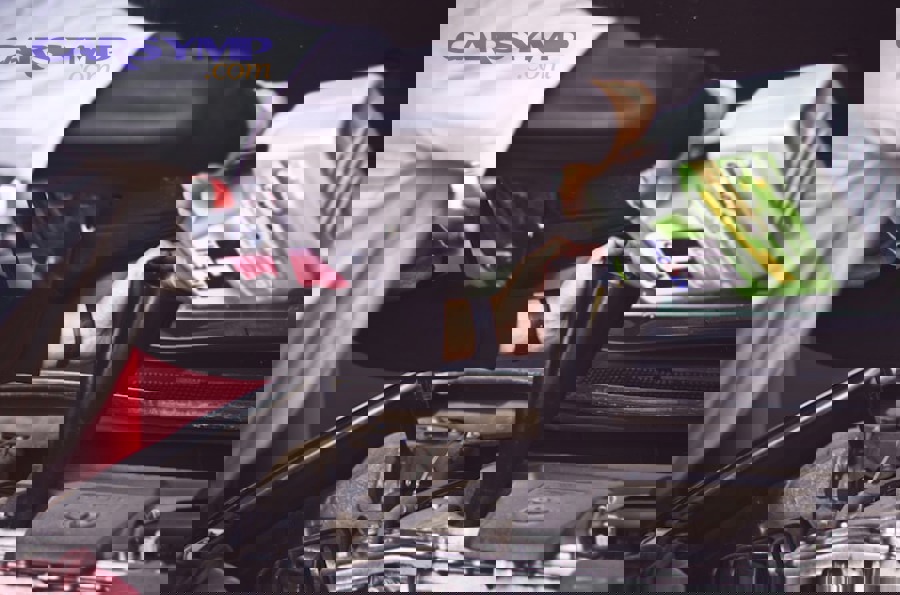
Custom fabrication options serve modified vehicles that don’t fit standard catalog parts. Engine swaps represent the most common scenario requiring custom hoses—installing a modern LS-series V8 into a classic Chevrolet C10 pickup places the power steering pump in a different location than the original engine, requiring custom-length pressure and return lines with non-standard fittings. Performance upgrades like aftermarket steering racks or relocated power steering pumps similarly demand custom solutions that standard parts can’t accommodate.
Special applications extend beyond hot rods and race cars to include heavy-duty trucks with modified suspensions, off-road vehicles with lifted frames that change relative component positions, and custom-built vehicles where standard catalog parts never existed. Each scenario requires either custom-fabricated hoses from specialty hydraulic shops or build-your-own AN fitting kits that allow mechanics to construct exact-length assemblies tailored to their specific installation.
Are Universal Hoses Suitable for All Power Steering Systems?
No, universal hoses are not suitable for all power steering systems because they lack pre-formed bends for complex routing, may require fitting adapters that introduce potential leak points, and can create clearance issues with nearby components in tightly-packaged engine bays. They work best for simple, straight-run applications with adequate workspace.
Advantages of universal hoses center on flexibility and immediate availability. Auto parts stores stock universal pressure and return hoses in various lengths (12″, 18″, 24″, 36″, 48″) with common fitting types, allowing DIY mechanics to purchase replacement hoses without waiting for vehicle-specific parts orders. The adjustable nature means cutting hoses to exact required lengths and routing them through available space rather than following predetermined paths, which can prove beneficial when original routing passes through areas now occupied by aftermarket accessories or modifications.
Limitations become apparent in applications requiring multiple bends or precise clearances. Universal hoses lack the memory that pre-formed assemblies provide—they tend to straighten over time from internal pressure forces, potentially creating contact with hot exhaust components or moving suspension parts that weren’t issues when the hose initially routed through tight spaces with deliberate bends. The constant tendency to straighten can stress fittings at both ends, creating leak paths or accelerating crimped connection failures.
When to use vehicle-specific molded assemblies becomes clear in modern vehicles with complex engine bay packaging. Cars manufactured after 2000 typically feature tightly-organized engine compartments where components nestle within millimeters of each other, leaving no room for routing variations. The OEM engineering that determined original hose paths accounted for engine movement on mounts, suspension travel, and thermal expansion—factors that universal hose installations might overlook until problems emerge after installation.
Routing and clearance considerations demand careful attention when using universal hoses. Mechanics must ensure adequate separation from heat sources (exhaust manifolds, turbochargers, catalytic converters typically exceed 400°F), rotating components (serpentine belts, cooling fans, driveshafts), and sharp edges that can abrade hose covers over time. Most manufacturers recommend maintaining at least 1-2 inch clearance from exhaust components and 0.5 inch from all other parts, but achieving these specifications with straight universal hoses in spaces designed for pre-formed assemblies often proves impossible.
Fitting adapter requirements introduce complexity and potential failure points when universal hoses don’t exactly match system specifications. Many universal hoses come with generic JIC (Joint Industry Council) or NPT (National Pipe Thread) fittings that require adapters to mate with vehicle-specific ports using inverted flare, O-ring boss, or banjo bolt connections. Each adapter represents an additional junction where leaks can develop, and the adapters themselves add length that may create clearance problems in space-constrained installations.
What Are the Best Options for Modified or Swapped Engines?
AN (Army-Navy) fitting systems represent the best options for modified or swapped engines because they provide standardized connections in multiple sizes (-6 AN through -10 AN), allow custom-length hose fabrication, and offer superior reliability under high-pressure, high-vibration conditions typical of performance applications. These systems require more installation expertise but deliver professional-grade results.
Adjustable-length pressure line kits from manufacturers like Aeroquip, Earl’s, Fragola, and Russell combine braided stainless steel hose with reusable AN fittings that assemble without special crimping tools. A typical LS swap power steering kit includes 6 feet of -6 AN braided hose (suitable for 1,500+ PSI applications), two straight male AN-to-M16x1.5 adapters for GM Type II power steering pumps, two 45-degree or 90-degree swivel hose ends for routing flexibility, and installation instructions specific to popular swap combinations. These kits cost $80-$150 but eliminate the trial-and-error of adapting standard hoses to non-standard configurations.
Adapter fittings for non-standard configurations bridge the gap between modern AN systems and various OEM power steering components. Common scenarios include connecting AN hoses to Ford power steering racks (which use inverted flare fittings), Honda power steering pumps (which use banjo bolts), or aftermarket steering racks with their own unique port specifications. Adapter manufacturers like Speedway Motors, Jegs, and Summit Racing catalog hundreds of combinations covering virtually every power steering pump and rack design, allowing builders to create reliable connections regardless of component mismatches.

The AN sizing system uses dash numbers that represent sixteenths of an inch: -6 AN indicates a 6/16″ (3/8″) inside diameter, while -8 AN indicates 8/16″ (1/2″) inside diameter. Power steering pressure applications typically use -6 AN hose, which provides adequate flow capacity for hydraulic power steering while maintaining compact packaging. Return lines may use -8 AN or -10 AN for reduced restriction and improved system response, though -6 AN suffices for most applications including high-performance builds.
Installation best practices for AN systems include using thread sealant specifically formulated for power steering applications (never Teflon tape, which can contaminate the system), torquing fittings to manufacturer specifications (typically 15-20 ft-lbs for -6 AN connections), and routing hoses with gradual bends rather than sharp angles that can kink stainless steel braided covers. The reusable nature of quality AN fittings means mechanics can disassemble and reorient connections during test-fitting without destroying components, allowing precise routing optimization before finalizing the installation.
According to installation guides published by Flaming River Industries in their 2024 Power Steering Installation Manual for street rods and custom builds, AN fitting systems reduce installation failures by approximately 60% compared to adapted OEM-style hoses when used in engine swap applications, primarily due to standardized specifications and superior vibration resistance.
How Do Material Choices Affect Power Steering Hose Replacement Selection?
Material choices affect power steering hose replacement selection by determining pressure capacity, temperature tolerance, chemical resistance, and service life—with CSM (chlorosulfonated polyethylene) inner tubes and steel-braided reinforcement delivering superior durability for high-pressure applications while NBR (nitrile rubber) and CR (chloroprene) materials optimize flexibility and cost-effectiveness for return lines. Understanding these material properties helps match hose specifications to operating conditions.
Comparing construction materials reveals why certain combinations dominate specific applications. The table below outlines material properties across common power steering hose types:
| Material | Application | Temperature Range | Pressure Capacity | Chemical Resistance | Primary Advantages |
|---|---|---|---|---|---|
| CSM (Hypalon) | Pressure hose inner tube | -40°F to 300°F | Excellent (1,500+ PSI) | Superior to all PS fluids | Heat resistance, long service life |
| NBR (Nitrile) | Return hose inner tube | -40°F to 250°F | Good (400 PSI) | Good to petroleum fluids | Cost-effective, flexible |
| Steel Braid | Pressure hose reinforcement | -40°F to 400°F | Excellent (6,000+ PSI burst) | Not applicable | Maximum strength, minimal expansion |
| Aramid Fiber | Pressure hose reinforcement | -40°F to 350°F | Very Good (4,000 PSI burst) | Not applicable | Lighter weight than steel |
| CR (Neoprene) | Hose outer cover | -40°F to 250°F | Not applicable | Excellent to oils, ozone | Weather resistance, abrasion protection |
| Thermoplastic | Return hose construction | -30°F to 225°F | Moderate (300 PSI) | Good to synthetic fluids | Lightweight, corrosion-free |
This material comparison demonstrates why high-pressure applications demand CSM and steel braid combinations while return lines function adequately with less expensive NBR and CR constructions, creating the cost differential between these hose types.
Rubber versus steel-braided construction represents the fundamental material divide in power steering hoses. Pure rubber construction appears only in return lines where low pressure allows single-layer reinforcement using woven synthetic fibers embedded in the rubber matrix. Pressure hoses require steel braiding—either a single braid for standard-duty applications or double-braided for severe-duty and racing applications—to contain the 1,500 PSI working pressure without expansion that would reduce steering response and create spongy pedal feel.
Synthetic materials beyond basic rubber compounds include thermoplastic elastomers that combine plastic processing advantages with rubber-like properties. Some return hoses use thermoplastic construction throughout, eliminating the rubber curing process and reducing manufacturing costs while delivering adequate performance for low-pressure applications. However, thermoplastics generally offer inferior high-temperature performance compared to CSM or CR, limiting their use to specific vehicle applications where engine bay temperatures remain moderate.
Multi-layer construction benefits compound as additional layers are added to pressure hose designs. A basic pressure hose might use three layers: CSM inner tube, single steel braid reinforcement, and CR outer cover. Premium constructions add up to five total layers: CSM inner tube, intermediate adhesion layer, dual steel braid reinforcement with fabric spiral between the braids, secondary adhesion layer, and CR outer cover with additional abrasion-resistant coating. These extra layers provide redundancy—if the outer cover develops cracks from age or abrasion, the secondary adhesion layer prevents environmental contamination from reaching the steel braiding and inner tube, extending service life significantly.

Temperature and chemical resistance by material create distinct operating envelopes for each compound. CSM withstands continuous exposure to 270°F with peaks to 300°F without degrading—critical for pressure hoses routed near exhaust manifolds or turbochargers in modern turbocharged engines. NBR begins softening above 250°F, making it unsuitable for high-temperature zones despite its excellent resistance to petroleum-based power steering fluids. CR outer covers resist ozone degradation that causes surface cracking on hoses exposed to sunlight and atmospheric pollutants, preventing premature failure in outer cover layers that would expose inner components to accelerated aging.
What Materials Are Used in High-Pressure Hose Construction?
High-pressure power steering hoses use CSM (chlorosulfonated polyethylene) inner tubes for fluid resistance, braided steel wire or aramid fiber reinforcement for structural strength, and CR (chloroprene) or EPDM outer covers for environmental protection—creating assemblies that withstand 1,500 PSI working pressure and temperatures exceeding 275°F. This multi-material construction balances competing requirements for flexibility, durability, and performance.
Inner tube materials must satisfy contradictory demands: complete resistance to power steering fluid absorption while maintaining flexibility across temperature extremes. CSM, marketed under brand names like Hypalon, achieves this balance through its chlorine-modified polyethylene structure that resists oils, hydraulic fluids, and heat while retaining elastic properties from -40°F to 300°F. Alternative inner tube materials include HNBR (hydrogenated nitrile butadiene rubber), which offers even better high-temperature performance but at higher cost, limiting its use to severe-duty applications and racing products.
Reinforcement layers provide the structural capacity to contain high-pressure fluid without expansion or rupture. Single braided steel wire over the inner tube creates the baseline reinforcement for standard-duty pressure hoses, using high-tensile wire in a tight braid pattern that covers approximately 95% of the underlying inner tube surface. The braiding angle—typically 54 degrees from the hose axis—optimizes the balance between pressure containment and flexibility, allowing the hose to bend for routing while maintaining dimensional stability under pressure.
Dual-braided reinforcement constructions add a second steel wire layer over the first, with the braid angles typically mirror-imaged (one at +54 degrees, the second at -54 degrees) to create opposing forces that further stabilize the hose under pressure and pulsation. Between the two steel braids, manufacturers often insert a layer of aramid fabric (similar to Kevlar) that cushions the steel wires and prevents them from abrading against each other during flexing cycles. This intermediate fabric layer significantly extends service life in applications with constant vibration or where the hose must flex repeatedly during normal operation.

Outer cover protection serves multiple functions beyond simply encasing the inner components. The CR cover resists abrasion when the hose contacts other components during engine movement, chemical attack from oil drips or coolant leaks that might land on the hose, and ozone degradation from atmospheric exposure. Some premium hoses add a textile or fiber wrap over the CR cover for additional abrasion resistance in harsh installations where the hose routes through areas with sharp metal edges or must pass through tight clearances.
Heat shielding represents an additional layer in pressure hoses designed for extreme-temperature environments. Aluminized fabric sleeves or heat-reflective tape wraps around the CR outer cover in sections near exhaust components, reflecting radiant heat and preventing the cover from reaching temperatures that would accelerate aging. These heat shields maintain hose surface temperatures 50-100°F cooler than unprotected sections, dramatically extending service life when routing through high-temperature zones becomes unavoidable.
According to material testing data from Gates Corporation published in their 2023 Hydraulic Hose Engineering Guide, CSM inner tubes in power steering applications demonstrate 40% longer service life than NBR alternatives in identical operating conditions exceeding 250°F, with the improvement increasing to 70% longer life when continuous temperatures reach the 275-300°F range common in turbocharged engine installations.
Do Return Hoses Require Different Materials Than Pressure Hoses?
Yes, return hoses require different materials than pressure hoses because they operate at lower pressures (150-400 PSI versus 1,500 PSI), prioritize flexibility over strength, and encounter different fluid conditions—making NBR inner tubes, single-layer synthetic reinforcement, and CR covers more appropriate than the CSM and steel-braided construction used in pressure applications. These material differences reduce costs while maintaining adequate performance for return line functions.
NBR (nitrile butadiene rubber) for return hose tubes offers excellent resistance to petroleum-based power steering fluids while maintaining flexibility and cost-effectiveness. The nitrile content—typically 33-40% in automotive applications—provides the oil resistance needed for continuous power steering fluid contact, while the butadiene component contributes flexibility that allows the hose to route through tight spaces and absorb vibrations from the engine and steering system. NBR performs adequately up to 250°F, sufficient for return line applications where fluid returns to the reservoir after giving up heat to the steering gear.
CR (chloroprene/neoprene) for covers brings balanced properties that suit return hose requirements. While not as heat-resistant as CSM, CR withstands temperatures to 250°F while providing superior resistance to ozone, weathering, and abrasion compared to basic rubber compounds. The ozone resistance proves particularly important because return hoses often route through exposed areas of the engine bay where atmospheric ozone concentrations can cause rapid surface cracking in susceptible materials. CR covers maintain integrity for years despite this exposure, preventing environmental contamination from reaching the NBR inner tube.
Silicone alternatives for high-temperature applications represent premium options for return hoses in extreme-duty installations. Silicone rubber inner tubes withstand continuous temperatures to 350°F and peaks to 400°F, making them suitable for return hoses routed near turbochargers or in race cars where engine bay temperatures exceed normal limits. However, silicone costs 3-4 times more than NBR and offers slightly lower resistance to petroleum fluids, requiring more frequent inspections for swelling or degradation. Most automotive applications don’t require silicone’s temperature capabilities, limiting its use to specialized scenarios.
Flexibility versus durability trade-offs favor flexibility in return hose materials since the lower operating pressures don’t demand the structural rigidity that pressure hoses require. Return hoses must bend easily to route from the steering rack (typically located low in the engine bay or under the vehicle) up to the power steering reservoir (usually mounted high near the firewall or on the engine). This vertical routing with multiple directional changes demands hose that flexes readily without kinking, making the single-layer synthetic fabric reinforcement in NBR/CR return hoses more suitable than the steel-braided construction that would resist bending.
Reinforcement structures in return hoses typically use woven synthetic fibers—polyester or nylon—embedded directly in the rubber matrix rather than as a separate braided layer. This integrated reinforcement provides adequate burst strength (600-1,000 PSI) while maintaining small bend radius capabilities that separate steel braiding can’t match. The woven pattern runs at angles through the hose wall, creating a fabric skeleton that prevents expansion under pressure while allowing the hose to flex in multiple planes without developing stress concentrations.
Steps to diagnose steering leaks often begin with return hose inspection because their simpler construction and lower cost make them logical first suspects when fluid levels drop without obvious pressure line failures. Mechanics check return hoses for external wetness, soft spots indicating fluid absorption, surface cracks from ozone exposure, and end-fitting leaks at clamp connections. When return hoses show these symptoms, replacement typically occurs before investigating more complex and expensive pressure line issues, following diagnostic principles that eliminate simple possibilities before pursuing complicated ones.
According to comparative testing reported in SAE Technical Paper 2022-01-0234 examining power steering hose materials under simulated operating conditions, NBR-based return hoses demonstrated 25% better flexibility than equivalent CR-based alternatives while maintaining comparable resistance to petroleum-based power steering fluids, making NBR the preferred material for return line inner tubes across most automotive applications.
What Should DIY Mechanics Know About Installing Replacement Power Steering Hoses?
DIY mechanics should know that proper installation requires specific tools (flare nut wrenches, drain equipment), mandatory replacement of Teflon sealing washers, precise bleeding procedures to remove air, and attention to routing that prevents heat damage—with mistakes like overtightening fittings or incorrect hose positioning causing premature failure despite using quality parts. Following manufacturer procedures eliminates common pitfalls that compromise otherwise successful repairs.
Understanding installation fundamentals separates successful DIY power steering hose replacement from repairs that fail prematurely or create new problems. Let’s examine the essential knowledge areas that ensure reliable results.
What Tools and Supplies Are Required for Power Steering Hose Replacement?
Power steering hose replacement requires flare nut wrenches (15mm, 16mm, 18mm most common), a fluid catch pan holding 2+ quarts, jack stands rated for vehicle weight, and fresh power steering fluid matching manufacturer specifications—plus optional but recommended items including line wrenches, penetrating oil, and Teflon washer installation tools for professional-grade results. Proper equipment prevents common installation failures.
Complete tool lists vary by vehicle complexity but generally include:
Essential hand tools:
- Flare nut wrench set (6-point design preventing rounded fittings)
- Combination wrench set for holding adapter fittings
- Socket set with 3/8″ drive ratchet
- Pliers for hose clamp removal
- Jack and jack stands (if working underneath vehicle)
Fluid handling equipment:
- Large drain pan (3-5 quart capacity minimum)
- Fluid transfer pump or turkey baster for reservoir draining
- Shop towels or absorbent pads
- Safety glasses and gloves
- Catch containers for fluid collection
Specialty items:
- Teflon seal installer/expander tool (for pressure line O-rings)
- Line wrenches (flare nut style) in vehicle-specific sizes
- Quick-connect removal tool (for specific vehicle applications)
- Penetrating oil (PB Blaster, Kroil) for seized fittings
- Torque wrench (for precise fitting tightening)
Fluid requirements and specifications demand careful attention because power steering systems use different fluids depending on manufacturer. Domestic vehicles (Ford, GM, Chrysler) typically specify ATF Dexron III or Dexron VI transmission fluid, which doubles as power steering fluid in their systems. European manufacturers often require synthetic power steering fluids like Pentosin CHF 11S (common in BMW, Volkswagen, Audi, Mercedes-Benz) or manufacturer-specific formulations. Asian manufacturers split between ATF-based systems (Honda, Toyota) and dedicated power steering fluid specifications (Nissan, Mazda). Using incorrect fluid can damage seals and cause system malfunctions, making specification verification critical before purchase.
Safety equipment and preparation extend beyond basic tools to include proper workspace organization. Working underneath vehicles requires solid, level surfaces with adequate jack stand placement—never rely on hydraulic jacks alone for support during hose installation since they can fail without warning. Power steering fluid damages paint and causes slippery conditions, so protecting surrounding areas with plastic sheeting or absorbent pads prevents cleanup headaches and safety hazards from fluid spills creating traction-loss situations.
Teflon seal installer tools serve specialized but important functions when replacing pressure hoses that use Teflon washers at connection points. These washers—often called “crush washers” because they deform during installation to create seals—require slight stretching to slip over male fitting threads before assembly. The installer tool expands the washer’s inner diameter by 1-2mm, allowing it to slide onto the fitting without tearing or excessive force. Hand-stretching Teflon washers often damages them, creating leak paths that appear immediately or develop within weeks of installation, making the $15-25 tool investment worthwhile for professional-quality results.
What Are Common Installation Mistakes to Avoid?
Common installation mistakes include overtightening pressure line fittings beyond manufacturer specifications (causing thread damage or hose distortion), routing hoses with inadequate clearance to exhaust components (creating heat-induced failures), using incorrect clamp types on return lines (allowing leaks as hoses compress), and failing to replace Teflon washers at pressure connections (guaranteeing leaks). Each error undermines otherwise quality parts and workmanship.
Overtightening fittings and causing damage represents the most frequent installation error among DIY mechanics. Inverted flare fittings used on many pressure hoses require precise torque—typically 15-25 ft-lbs depending on size—to create reliable seals without damaging threads or distorting the fitting. Excessive tightening crushes the flare, exceeds thread yield strength, or strains the hose at the crimp point, creating stress concentrations that cause premature failure. The “tighten until it feels really tight” approach that works for many mechanical connections destroys delicate hydraulic fittings. Using a torque wrench set to manufacturer specifications eliminates guesswork and ensures proper assembly.
Incorrect hose routing leading to premature failure occurs when replacement hoses don’t follow original paths or when mechanics take shortcuts that seem reasonable but violate clearance requirements. Power steering pressure hoses must maintain minimum distances from heat sources: at least 2 inches from exhaust manifolds, 3 inches from turbochargers or catalytic converters, and 1 inch from any component exceeding 200°F during normal operation. Return hoses require similar clearances despite lower internal pressures because excessive heat degrades rubber compounds regardless of the stresses they’re designed to handle. Installing hoses that contact or route too close to hot components guarantees heat-related failures within months rather than years of service.
Using wrong clamp types for return hoses creates leak problems as hose materials age and compress. Constant-tension spring clamps maintain consistent clamping force as rubber compresses from heat cycling and aging, automatically compensating for material changes over time. Worm-drive screw clamps provide high initial clamping force but can’t adjust as materials compress, eventually allowing return hoses to slip or leak at connections. While worm-drive clamps work acceptably on new hoses, they require periodic retightening—typically at 6-month intervals—to maintain sealing as hoses age. Replacing original spring clamps with worm-drive alternatives seems like an upgrade but often introduces maintenance requirements that original equipment didn’t demand.
Failing to replace Teflon washers/O-rings guarantees leaks at pressure line connections. Teflon washers deform during initial installation, conforming to microscopic surface irregularities on both the fitting and mating surface to create hydraulic seals. Once deformed, they can’t seal effectively when reused—the previous compression pattern doesn’t match new installation conditions, leaving leak paths that allow fluid to weep or spray from connections. New Teflon washers cost $1-3 each from dealerships or specialty suppliers, making their replacement a trivial expense that prevents significant frustration from persistent leaks requiring system draining and connection rework.
DIY repair pitfalls and safety considerations extend to proper system bleeding and leak checking after installation. Mechanics who skip bleeding procedures often experience erratic steering assist, pump noise, or premature pump failure from air bubbles trapped in the system. Complete bleeding requires raising the vehicle’s front wheels, turning the steering wheel lock-to-lock 20-30 times while the engine idles, monitoring fluid levels continuously, and watching for air bubbles to disappear from the reservoir before considering the job complete. Rushing this process or assuming the system will self-bleed during normal driving invites problems that compromise steering function and potentially damage expensive power steering pumps.
How Do You Properly Bleed the Power Steering System After Hose Replacement?
Properly bleeding the power steering system requires raising the front wheels off the ground, refilling the reservoir with fresh fluid, turning the steering wheel lock-to-lock 20-30 times while the engine idles, maintaining fluid level above the minimum mark, and continuing until air bubbles stop appearing in the reservoir—typically 10-15 minutes for complete air evacuation. This process prevents steering noise, erratic assist, and pump damage.
Step-by-step bleeding procedures vary slightly by vehicle but follow these general principles:
Initial preparation:
- Raise front wheels off ground using jack stands (reduces steering effort, speeds bleeding)
- Fill power steering reservoir to “MAX” or “FULL” line with correct fluid
- Start engine and let idle (typical idle speed 600-900 RPM)
- Verify parking brake application (prevents vehicle movement)
Active bleeding process:
- Turn steering wheel slowly from full left to full right lock
- Hold at each lock position for 2-3 seconds (allows fluid to circulate fully)
- Return to center position
- Check reservoir fluid level, refill as needed (fluid level drops as air expels)
- Repeat steps 5-8 for 20-30 complete cycles
Completion verification:
- Observe reservoir surface for air bubbles (bubbles indicate remaining air)
- Continue turning lock-to-lock until bubbles cease appearing (typically 10-15 minutes)
- Verify fluid level stabilizes (no further drops after turning stops)
- Lower vehicle to ground
- Verify steering operates smoothly without noise
- Recheck fluid level after test drive (top off if needed)
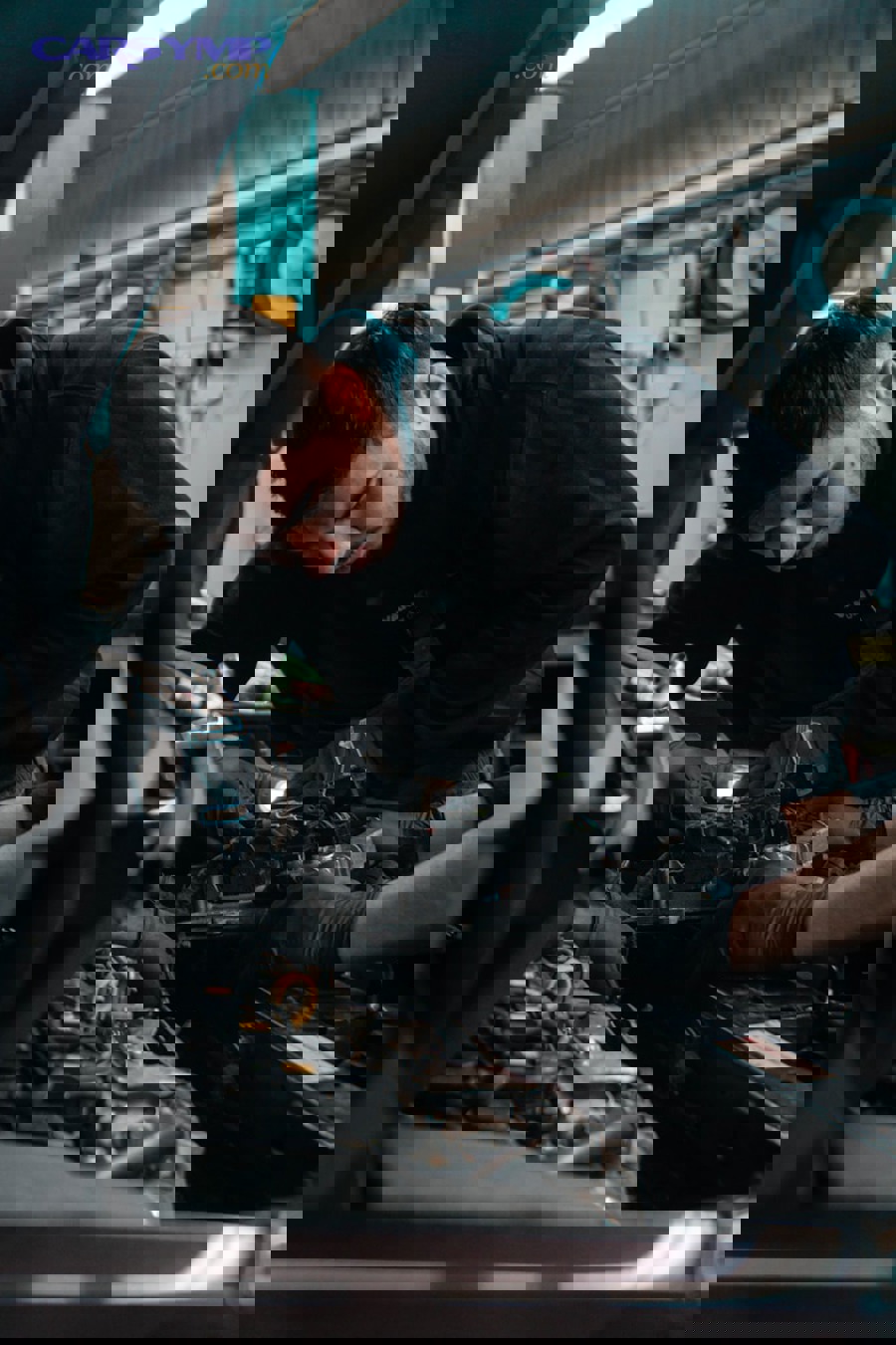
Air pocket identification and removal techniques include listening for characteristic sounds that indicate trapped air. Power steering pumps make high-pitched whining or groaning noises when air bubbles pass through the pump vanes, creating cavitation that sounds distinctly different from normal hydraulic pump operation. These noises typically appear when turning the wheel and diminish as bleeding progresses, providing audible feedback that the process is working. Persistent noise after 30+ lock-to-lock cycles suggests air trapped in the steering rack or pump housing, requiring additional bleeding time or more aggressive techniques.
Fluid circulation and refill process demands continuous monitoring because air occupies significantly more volume than the hydraulic fluid it displaces. During initial bleeding, the reservoir fluid level can drop from “FULL” to “ADD” in just 5-10 steering cycles as trapped air evacuates and fluid fills the voids. Allowing the reservoir to run dry during bleeding introduces new air into the system, undoing progress and potentially damaging the pump through dry running. Keeping a quart of fresh fluid immediately available and topping off after every 3-5 steering cycles prevents pump damage and speeds overall bleeding time.
Vehicle-specific bleeding requirements add steps for certain manufacturers or models. Some vehicles include bleed valves on the steering rack or power steering pump housing that allow air evacuation without extensive lock-to-lock cycling. Honda and Acura products often feature bleeder screws that require opening during the bleeding process, allowing air to escape directly rather than circulating through the entire system. European vehicles with self-leveling or adaptive steering systems may require scan tool access to activate bleeding modes that cycle internal valves and ensure complete air removal. Consulting vehicle-specific service procedures prevents missed steps that could leave air pockets in system components.
When Should You Replace Both Pressure and Return Hoses Simultaneously?
You should replace both pressure and return hoses simultaneously when they’re the same age (installed together originally), when fluid contamination indicates internal deterioration affecting both lines, when one hose failure suggests system-wide issues, or when preventive maintenance goals justify the additional cost—typically adding $25-60 for the return hose to pressure line replacement already in progress. Simultaneous replacement prevents near-term return visits for the second hose.
Age-based replacement recommendations suggest simultaneous hose replacement when the vehicle approaches or exceeds 100,000 miles with original hoses. While return hoses typically outlast pressure lines by 30-50%, their failure windows overlap enough that replacing both during a single repair makes economic sense. The labor to access and replace power steering hoses represents 60-70% of total repair cost in most vehicles, meaning the incremental cost to add the return hose replacement while the system is already drained and disassembled amounts to just the parts cost plus 15-20 minutes additional labor.
System contamination indicators make simultaneous replacement mandatory rather than optional. When power steering fluid appears grey, black, or contains visible particles, internal hose deterioration has occurred—rubber particles from degraded inner tubes circulate through the system, attacking all rubber components including the return hose, pump seals, and rack seals. Replacing only the failed pressure hose leaves contaminated fluid and degraded return hose in the system, virtually guaranteeing return hose failure within 6-12 months. Proper repair requires replacing both hoses, flushing the entire system with fresh fluid, and inspecting the pump and rack for damage from contaminated fluid circulation.
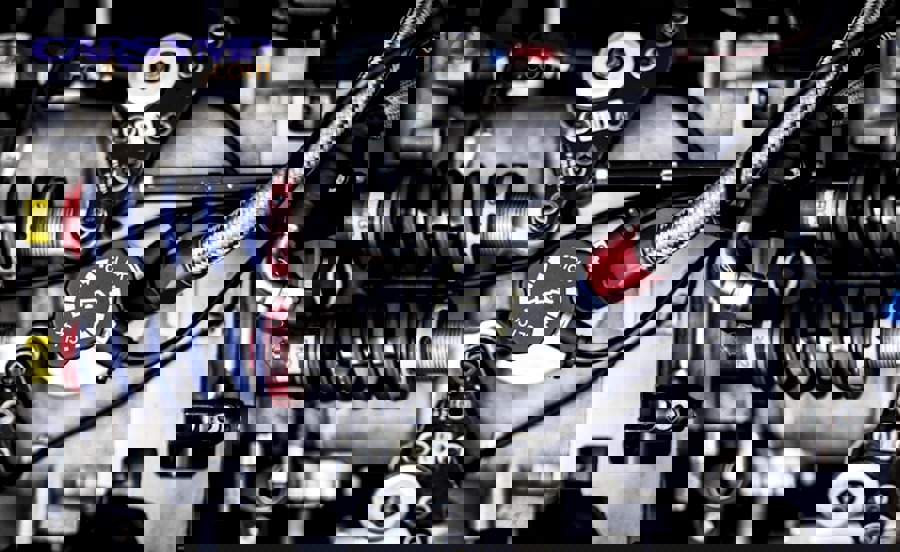
Preventive maintenance best practices favor simultaneous replacement when tackling power steering repairs on vehicles the owner intends to keep long-term. The inconvenience and labor cost of draining the system, accessing hoses in tight engine bays, and properly bleeding the system make repeat repairs undesirable. Spending an additional $25-60 for a return hose during pressure line replacement provides peace of mind that the entire hose system is renewed, eliminating the likelihood of returning to the same repair within the next 2-3 years when the return hose reaches its failure threshold.
Cost-benefit analysis of simultaneous replacement strongly favors replacing both hoses in most scenarios. Consider a typical repair: pressure hose costs $75, return hose costs $35, and labor to replace the pressure hose runs $150 (1.5 hours at $100/hour shop rate). Total cost: $260. Adding the return hose increases parts cost to $110 but adds only $25-30 in labor (0.25-0.3 hours) since the system is already open, bringing total cost to $285-290. Returning six months later for return hose replacement costs $35 parts + $125-150 labor (system must be drained and bled again) = $160-185. The simultaneous approach saves $135-160 over sequential repairs while providing earlier peace of mind and avoiding the second repair appointment.
According to automotive repair industry statistics compiled by Mitchell1 in their 2023 Labor Time Guide Analysis, shops that recommend simultaneous pressure and return hose replacement report 73% customer acceptance rates when the cost differential is clearly explained, with virtually zero comeback rates for power steering hose issues during the following 36-month period—compared to 22% comeback rates when only failed components are replaced.
Selecting the right power steering hose replacement requires balancing multiple factors: hose type (pressure versus return), quality level (OEM versus aftermarket), application specificity (vehicle-specific versus universal), material construction (CSM/steel versus NBR/synthetic), and installation approach (DIY versus professional). Understanding these alternatives empowers mechanics to make informed decisions that match their vehicle’s requirements, operating conditions, budget constraints, and performance expectations while avoiding common pitfalls that compromise otherwise quality repairs.