


Fan failures are preventable when facility teams apply the right maintenance strategies before minor issues escalate into costly breakdowns. Whether you manage industrial exhaust systems, commercial HVAC units, or cooling fan assemblies, a structured approach to cleaning, inspection, lubrication, and electrical monitoring can eliminate the vast majority of unplanned downtime. The eight strategies outlined in this guide target every root cause — from debris accumulation on blades to corrosion on motor windings — so your fans keep running at peak efficiency year-round.
Understanding why fans fail is the essential first step toward preventing those failures. Dust buildup, worn bearings, voltage spikes, and improper installation each attack a different component, yet they all share one trait: they are detectable and correctable long before they cause a shutdown. By learning the mechanisms behind each failure mode, maintenance teams can prioritize the right interventions at the right time.
Equally important is recognizing the early warning signs that a fan is approaching failure. Grinding noises, excessive vibration, reduced airflow, and unusual motor heat are not random inconveniences — they are diagnostic signals. Acting on these signals promptly can mean the difference between a scheduled service call and an emergency radiator fan repair or full motor replacement.
Beyond the eight core strategies, this article also explores whether preventive maintenance truly outperforms reactive repairs in cost-effectiveness, and examines specialized considerations for extreme environments. Next, let’s begin with the foundational question of what fan failure actually means and why it demands attention.
What Is a Fan Failure and Why Does It Matter?
A fan failure is any condition in which a fan ceases to operate, operates below its designed performance parameters, or runs in a state that risks imminent breakdown — encompassing mechanical, electrical, and airflow-related malfunctions across industrial, commercial, and HVAC systems.
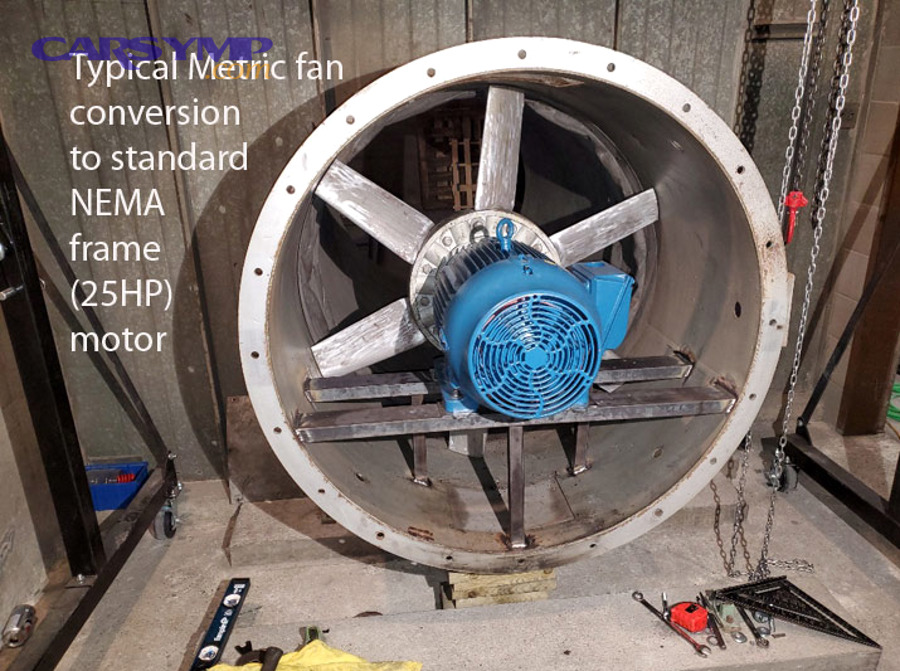
To better understand the stakes, consider the downstream consequences that a single failed fan can trigger across an entire facility.
A fan that stops working does not simply create discomfort. In an industrial plant, a failed exhaust fan can halt production lines, push the facility out of environmental compliance, and generate emergency repair costs that dwarf the price of routine maintenance. In commercial buildings, HVAC fan motor failures lead to tenant complaints, energy waste, and accelerated degradation of connected components such as compressors and condensers. The AC performance impact of fan repairs extends well beyond the fan itself — when airflow drops, the entire cooling or ventilation system strains to compensate.
According to a reliability study published by the American Society of Mechanical Engineers (ASME), unplanned equipment downtime costs industrial facilities an average of $260,000 per hour, with rotating equipment failures — including fans — among the leading contributors.
What Are the Most Common Types of Fan Failures?
There are three main types of fan failures: mechanical, electrical, and airflow-related, classified by which component or subsystem breaks down first.
Specifically, each type manifests through different symptoms and requires different corrective actions. Mechanical failures center on physical components — bearings that seize due to lack of lubrication, blades that crack from fatigue or imbalance, and shafts that warp under prolonged vibration. These failures are often preceded by audible grinding or rattling.
Electrical failures target the motor and its supporting circuitry. Burned-out windings, failed capacitors, loose wiring connections, and voltage surges all fall into this category. Wiring repairs for fan circuit faults are among the most frequently needed interventions in aging commercial buildings where electrical infrastructure has degraded over decades.
Airflow-related failures occur when the fan runs but cannot move air effectively. Clogged inlets, misaligned blade angles, blocked filters, and ductwork obstructions create back-pressure that forces the motor to work harder, accelerating wear on every other component.
Can Fan Failures Lead to Complete System Shutdowns?
Yes, fan failures can and frequently do lead to complete system shutdowns because modern HVAC and industrial systems rely on continuous airflow to regulate temperature, maintain compliance, and protect sensitive equipment.
However, the path from fan failure to system shutdown is not always immediate. Many systems include safety switches that detect overheating caused by failed fans and shut the system down automatically to prevent catastrophic damage. In HVAC applications, a failed condenser fan motor causes heat to build rapidly across the condenser coils, triggering high-pressure cutoff switches that halt the compressor. In industrial settings, a failed combustion air fan can shut down an entire kiln or furnace.
Circuit breaker tripping is another pathway. A failing motor draws excessive current as it struggles against increased friction or electrical resistance. This overload trips the breaker, cutting power to the entire circuit — which may include other critical equipment. Repeated tripping is a strong diagnostic indicator that the fan motor is approaching or has already reached failure.
What Are the Root Causes of Fan Failures?
There are eight primary root causes of fan failures: dust and debris accumulation, bearing wear, overheating, electrical faults, improper installation, moisture and corrosion, vibration imbalance, and component aging — each targeting a different part of the fan assembly.
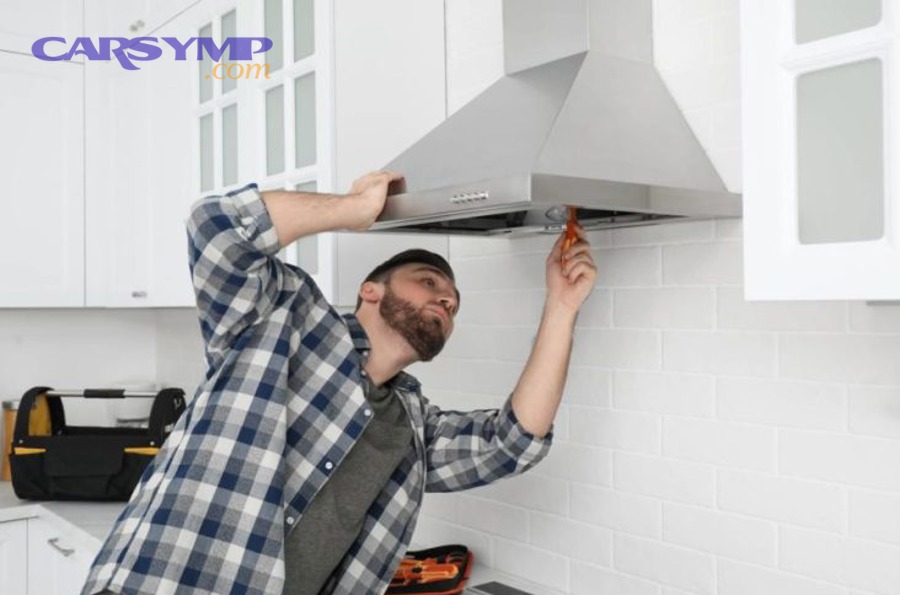
To illustrate how interconnected these causes are, consider that a single root cause like debris buildup can trigger a cascade involving overheating, bearing damage, and ultimately electrical failure.
The table below summarizes each root cause, the component it primarily affects, and the typical failure timeline if left unaddressed:
| Root Cause | Primary Component Affected | Typical Time to Failure (Unaddressed) |
|---|---|---|
| Dust/debris accumulation | Blades, motor, filters | 6–18 months |
| Bearing wear | Bearings, shaft | 12–36 months |
| Overheating | Motor windings | 3–12 months |
| Electrical faults | Capacitor, wiring, motor | Immediate to 6 months |
| Improper installation | Entire assembly | Immediate to 12 months |
| Moisture/corrosion | Electrical connections, housing | 12–48 months |
| Vibration imbalance | Bearings, shaft, mounting | 6–24 months |
| Component aging | All components | 10–15 years |
How Does Dust and Debris Accumulation Cause Fan Breakdowns?
Dust and debris accumulation causes fan breakdowns by restricting airflow through the fan assembly, adding unbalanced weight to the blades, and insulating the motor so it cannot dissipate heat effectively.
For example, in a warehouse with high particulate concentrations, fan blades can accumulate several pounds of dust within months. This added weight shifts the center of mass away from the rotational axis, creating wobble. Wobble increases bearing load unevenly, accelerating wear on one side while the motor draws more current to maintain speed. The restricted airflow simultaneously reduces cooling across the motor housing, compounding the thermal stress. Over time, the motor windings overheat and the insulation degrades, leading to a short circuit or burnout.
Industrial environments with sawdust, metal shavings, or chemical particulates face accelerated timelines because these materials are heavier and more abrasive than ordinary household dust.
Why Are Bearing Failures the Most Frequent Point of Fan Breakdown?
Bearing failures are the most frequent point of fan breakdown because bearings serve as the critical mechanical link between the rotating shaft and the stationary drive base — absorbing all radial and axial loads during operation.
More specifically, bearings endure continuous stress from the weight of the fan wheel (which can exceed 10 feet in diameter in industrial applications), the centrifugal forces generated during rotation, and any vibration transmitted through the system. When lubrication degrades, friction increases between the rolling elements and the raceway, generating heat that further breaks down the remaining lubricant. This self-reinforcing cycle accelerates rapidly once it begins.
Misalignment is another major contributor. If the shaft and bearing housing are not precisely aligned during installation or if the mounting shifts over time, the bearing carries uneven loads. This uneven loading reduces the bearing’s calculated L10 life — the number of operating hours that 90% of identical bearings will exceed under given conditions. For high-temperature fan applications, the target L10 life should range from 50,000 to 100,000 hours, according to engineering guidelines published by Plant Services.
How Do Electrical Issues Contribute to Fan Motor Failures?
Electrical issues contribute to fan motor failures by delivering unstable or excessive power to the motor windings, degrading insulation, and damaging supporting components like capacitors and relays.
In addition, electrical failures are particularly dangerous because they often develop silently. A capacitor losing capacitance over months will gradually reduce the motor’s starting torque until the fan can no longer spin up under load — yet the system may show no visible symptoms until the day it fails entirely. Voltage spikes from lightning, grid fluctuations, or nearby heavy equipment switching on and off can punch through winding insulation in a single event. Loose wiring connections create intermittent resistance points that generate localized heat, slowly melting insulation and eventually causing arcing.
After repair: verifying fan-on temperatures is a critical step that many teams overlook. Confirming that the motor operates within its rated temperature range after any electrical repair ensures that the underlying issue has been fully resolved rather than merely masked.
What Are the 8 Maintenance Strategies to Prevent Fan Failures?
Preventing fan failures requires eight coordinated maintenance strategies: regular cleaning, proper lubrication, routine electrical inspections, vibration monitoring, airflow optimization, correct installation, preventive scheduling, and timely component replacement — each targeting a specific failure pathway.

Below, each strategy is detailed with actionable guidance that maintenance teams can implement immediately.
How Does Regular Cleaning and Dusting Prevent Fan Failures?
Regular cleaning and dusting prevent fan failures by removing the debris that restricts airflow, unbalances blades, and insulates motors from cooling.
Specifically, an effective cleaning program addresses three zones: the blades and wheel, the motor housing and vents, and the surrounding intake area. Blades should be wiped or pressure-washed (depending on the application) on a monthly basis in dusty environments and quarterly in cleaner settings. Motor housing vents require inspection for blockage, and intake screens or filters should be checked weekly in high-particulate environments. Installing fan filters at the intake significantly reduces the volume of contaminants reaching internal components, cutting motor-related failures by a measurable margin.
Why Is Proper Lubrication Essential to Avoiding Fan Breakdowns?
Proper lubrication is essential because it maintains a thin film between bearing surfaces that reduces friction, dissipates heat, and prevents metal-to-metal contact that leads to rapid wear.
However, lubrication is not simply about adding grease on a schedule. Over-lubrication can be as damaging as under-lubrication — excess grease increases internal pressure within the bearing housing, generates heat from churning, and can force grease past seals into the motor. The correct approach involves following manufacturer-specified intervals, using the exact lubricant grade recommended, and applying the precise volume indicated for the bearing size. Facilities operating in high-temperature environments should use synthetic lubricants rated for their operating range.
How Do Routine Electrical Inspections Eliminate Sudden Fan Failures?
Routine electrical inspections eliminate sudden fan failures by detecting degraded capacitors, loose connections, insulation breakdown, and voltage irregularities before they cause motor damage.
To illustrate, a comprehensive electrical inspection includes measuring supply voltage and comparing it to motor nameplate ratings, testing capacitor microfarad values against specifications, checking wiring connections for tightness and signs of heat discoloration, and verifying that circuit breakers are correctly sized for the motor’s amperage draw. Installing surge protectors on fan motor circuits provides an additional layer of defense against transient voltage spikes from the grid or nearby equipment.
What Role Does Vibration Monitoring Play in Preventing Fan Failures?
Vibration monitoring plays a critical role in preventing fan failures by detecting imbalance, misalignment, bearing degradation, and structural loosening at the earliest measurable stage — often months before audible symptoms appear.
More specifically, vibration analysis involves mounting accelerometers on bearing housings and motor frames to capture the vibration signature during operation. Abnormal frequency patterns correspond to specific fault types: a dominant first-order frequency indicates imbalance, while higher-order harmonics suggest bearing defects. Facilities that implement continuous vibration monitoring as part of a predictive maintenance program have reported reductions in unplanned fan downtime of up to 70%, according to data from the Vibration Institute.
How Does Airflow Optimization Reduce Strain on Fan Motors?
Airflow optimization reduces strain on fan motors by ensuring the system resistance matches the fan’s design operating point, preventing the motor from working harder than intended.
For example, clogged filters increase system resistance and force the fan to move less air at higher pressure, pushing the operating point away from peak efficiency. Blocked or partially closed dampers, kinked ductwork, and undersized intake openings produce similar effects. Maintenance teams should replace or clean filters on a fixed schedule, inspect ductwork for obstructions quarterly, and verify that damper positions match design specifications. In complex commercial buildings with multiple zones, professional airflow balancing ensures that no single fan in the system is overloaded.
Why Is Correct Fan Installation Critical to Long-Term Reliability?
Yes, correct installation is critical to long-term reliability because errors during initial setup — including voltage mismatches, improper orientation, poor shaft alignment, and inadequate mounting — create persistent stress that accelerates every other failure mode.
Especially in retrofit situations where a fan is being replaced or a system has been modified, the new unit must be matched to the existing ductwork, electrical supply, and structural supports. Running a 230V motor on a 208V supply, for instance, reduces available torque and forces the motor to draw higher current to compensate, generating excess heat with every hour of operation. After any installation or modification, verifying alignment with dial indicators or laser alignment tools is a non-negotiable step.
How Does a Preventive Maintenance Schedule Extend Fan Lifespan?
A preventive maintenance schedule extends fan lifespan by converting random, reactive interventions into systematic, planned inspections that catch developing problems before they escalate.
The following table provides a baseline scheduling framework that facilities can adapt to their specific operating conditions:
| Frequency | Tasks |
|---|---|
| Weekly | Visual inspection, filter check, listen for unusual sounds |
| Monthly | Blade and housing cleaning, intake screen inspection |
| Quarterly | Bearing lubrication, belt tension check, electrical connection inspection |
| Semi-annually | Vibration analysis, full electrical testing, airflow measurement |
| Annually | Complete teardown inspection, component replacement as needed |
Maintaining detailed service records allows teams to track trends — a bearing that requires re-lubrication more frequently than expected, for instance, may indicate misalignment or contamination that cleaning alone will not resolve.
When Should You Replace Aging Fan Components Instead of Repairing Them?
Replacing aging fan components is more cost-effective than repairing them when the component has exceeded 75% of its rated lifespan, when repair costs exceed 50% of replacement cost, or when the same component has failed more than twice within its expected service interval.
On the other hand, premature replacement wastes capital. The decision should be data-driven. Bearings rated for 50,000 hours that are approaching 40,000 hours of service in a harsh environment are candidates for planned replacement during the next scheduled shutdown. Motors that have been rewound more than once typically deliver lower efficiency than a new replacement. Capacitors are inexpensive enough that replacement at the first sign of degradation — reduced starting torque or slow ramp-up — is almost always justified.
What Are the Early Warning Signs That a Fan Is About to Fail?
There are four primary early warning signs of impending fan failure: unusual noises, excessive vibration, reduced airflow, and abnormal motor temperature — each corresponding to a different underlying fault.
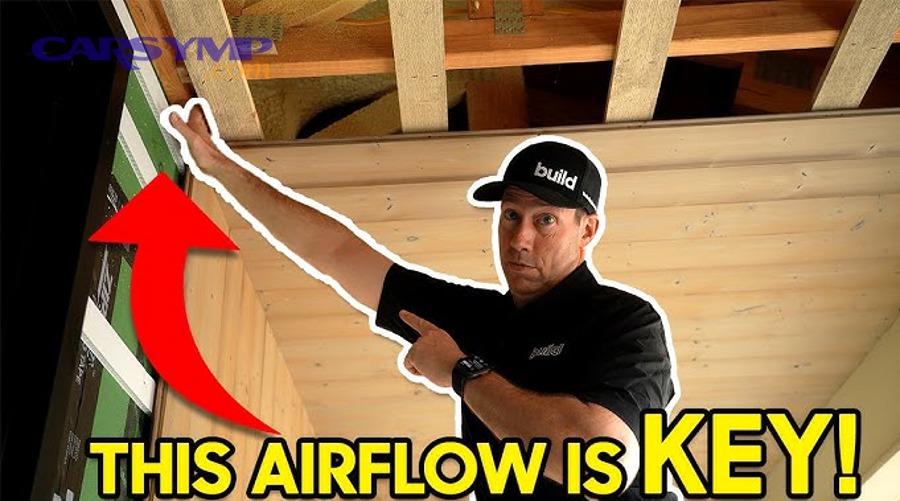
Let’s explore each signal and what it reveals about the fan’s condition.
What Unusual Noises Indicate an Impending Fan Failure?
Unusual noises indicate impending fan failure by revealing specific mechanical or electrical faults: grinding signals worn bearings, rattling indicates loose components or debris, squealing points to belt slippage or dry bearings, and humming suggests electrical issues such as a failing capacitor.
Specifically, each sound has diagnostic value. A high-pitched grinding that increases with fan speed almost always originates from a bearing whose lubricant has broken down, allowing metal-to-metal contact between the rolling elements and raceway. Intermittent rattling that changes with airflow direction may indicate a piece of debris trapped inside the housing or a loose mounting bolt. A continuous electrical hum with no mechanical clicking often points to a capacitor that can no longer deliver adequate starting current.
Does Reduced Airflow Always Mean a Fan Is Failing?
No, reduced airflow does not always mean a fan is failing, because the same symptom can result from external obstructions such as clogged filters, closed dampers, or blocked ductwork — none of which involve fan component degradation.
Meanwhile, distinguishing between external causes and actual fan deterioration is critical for directing maintenance resources correctly. A simple test involves checking the motor’s amperage draw: if the motor draws normal or low current while airflow is reduced, the restriction is likely downstream in the ductwork or filters. If the motor draws higher-than-normal current, the fan itself is working harder against internal resistance — pointing to blade damage, bearing friction, or motor degradation.
Is Preventive Maintenance Really More Cost-Effective Than Emergency Repairs?
Yes, preventive maintenance is significantly more cost-effective than emergency repairs because scheduled interventions cost a fraction of unplanned breakdowns when accounting for parts, labor, downtime, and collateral damage to connected systems.
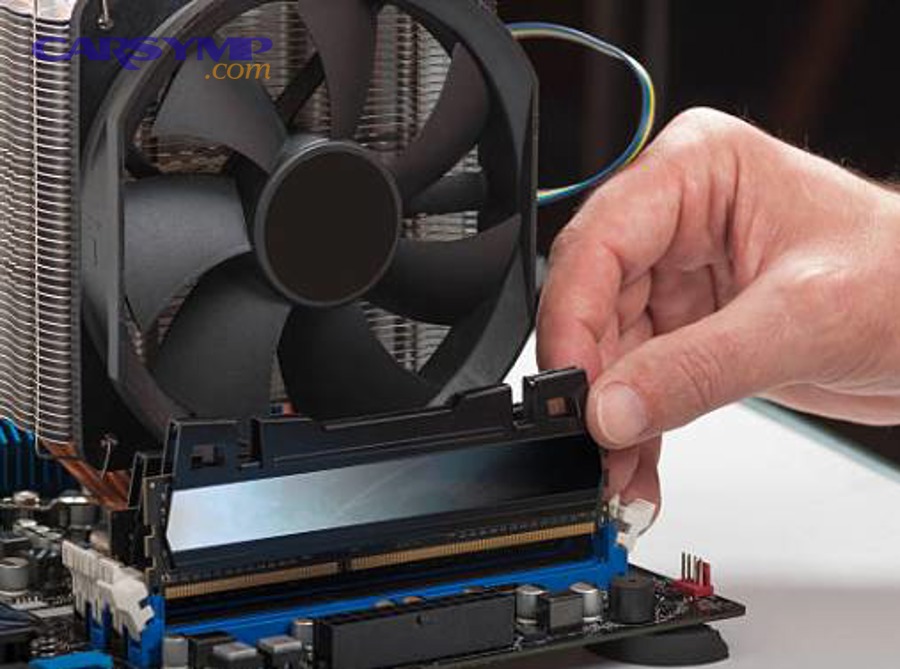
However, the magnitude of the cost difference depends on the facility’s operating context. For a manufacturing plant running 24/7, a single unplanned fan shutdown during peak production can cost tens of thousands of dollars in lost output alone — before repair costs are even considered. The emergency service premium (after-hours labor, expedited parts shipping, production rescheduling) typically multiplies the direct repair cost by a factor of three to five.
A study by the U.S. Department of Energy’s Federal Energy Management Program found that preventive maintenance programs reduce overall maintenance costs by 12–18% compared to purely reactive approaches, while also extending average equipment lifespan by 20–30%. For fans specifically, the return on investment is even higher because the consumables involved — lubricant, filters, belts — are inexpensive relative to motor replacements and production losses.
The comparison becomes even more striking when factoring in energy efficiency. A fan operating with worn bearings, dirty blades, or clogged filters consumes measurably more electricity to deliver the same airflow. Over a year of continuous operation, the excess energy cost alone can exceed the cost of the preventive maintenance program.
What Are the Specialized Considerations for Preventing Fan Failures in Extreme Environments?
Extreme environments — high temperatures, corrosive atmospheres, and moisture-heavy conditions — demand specialized prevention strategies that go beyond standard maintenance because they accelerate degradation pathways that standard schedules are not designed to address.
The supplementary guidance below covers the most critical specialized scenarios.
How Do You Prevent Fan Failures in High-Temperature Applications?
Preventing fan failures in high-temperature applications requires selecting bearings with appropriate L10 life ratings, choosing heat-resistant housing materials, and designing cooling pathways that account for elevated ambient temperatures.
For example, fans operating in kiln heat recovery systems where gas temperatures routinely exceed 600°F face unique challenges. The bearing must be loaded sufficiently to prevent roller skidding — a counterintuitive failure mode where oversized bearings carrying too little load allow rollers to slide rather than roll, generating heat and premature wear. Ball bearings with a moderate L10 life (50,000–100,000 hours) often outperform heavier spherical roller bearings in these applications because they match the actual load more closely. Housing material selection matters equally: stainless steel housings conduct less heat to the bearing than carbon steel, reducing operating temperature by a meaningful margin.
Can Moisture and Corrosion Cause Fan Failures Even in Indoor Settings?
Yes, moisture and corrosion can cause fan failures in indoor settings because humidity, condensation from temperature cycling, and even cleaning procedures introduce water that attacks electrical connections, degrades insulation, and weakens structural components over time.
In addition, coastal facilities face accelerated corrosion from salt-laden air that penetrates indoor spaces through ventilation systems. Even facilities in temperate inland climates experience condensation on motor housings when fans cycle between operation (warm) and idle (cool) states. Prevention measures include specifying motors with moisture-resistant seals (IP55 or higher ingress protection ratings), installing dehumidifiers in mechanical rooms, ensuring proper drainage around outdoor condensing units, and applying corrosion-inhibiting coatings to exposed metal surfaces during scheduled maintenance intervals.
What Is the Difference Between Preventive, Predictive, and Reactive Fan Maintenance?
Preventive maintenance wins on cost-effectiveness for most facilities, predictive maintenance is best for critical or high-value fan systems, and reactive maintenance is only appropriate for non-critical fans where downtime carries minimal consequences.
The following table compares the three approaches across key decision criteria:
| Criterion | Preventive | Predictive | Reactive |
|---|---|---|---|
| Cost per intervention | Low–moderate | Moderate–high (sensor investment) | High (emergency premiums) |
| Downtime impact | Minimal (scheduled) | Minimal (data-driven scheduling) | Severe (unplanned) |
| Equipment lifespan | Extended 20–30% | Extended 25–40% | Shortened significantly |
| Best suited for | Most fan systems | Critical, high-value fans | Non-critical, redundant fans |
| Data requirements | Service logs, schedules | Vibration sensors, thermal imaging | None (run-to-failure) |
Predictive maintenance, which uses vibration analysis, thermal imaging, and oil analysis to schedule interventions based on actual equipment condition rather than fixed intervals, delivers the highest return for fans whose failure would cause major production or safety consequences. However, the initial investment in monitoring equipment and trained analysts makes it impractical for every fan in a facility.
How Does Capacitor Failure Silently Trigger Fan Motor Breakdowns?
Capacitor failure silently triggers fan motor breakdowns by gradually reducing the starting torque and running efficiency of the motor over weeks or months, with no visible or audible symptoms until the motor can no longer start or overheats during operation.
More specifically, the capacitor stores and releases electrical energy to create the phase shift needed for single-phase motors to generate a rotating magnetic field. As the capacitor ages and loses capacitance, the phase shift weakens. The motor compensates by drawing more current from the supply, which generates additional heat in the windings. Because this degradation is gradual and produces no noise, vibration, or visible damage, it is frequently missed during basic visual inspections. Only a direct microfarad measurement with a capacitance meter reveals the decline. Facilities that include capacitor testing in their quarterly electrical inspections catch this silent failure trigger before it destroys the motor — a component that costs ten to fifty times more than the capacitor itself.