


Bleeding air from your car radiator after replacement requires opening the bleed valve or radiator cap, filling the system with coolant, running the engine through 2-3 heat cycles while monitoring for air bubbles, and verifying stable temperatures—a process that takes 30-45 minutes and prevents overheating by removing trapped air pockets that form during radiator replacement. This essential post-replacement procedure ensures your cooling system functions properly by eliminating air that enters when the old radiator is drained and the new one is installed, protecting your engine from dangerous hot spots and potential damage.
Understanding what tools you need before starting makes the bleeding process safer and more efficient. The Radiator replacement steps overview typically involves draining the old coolant, disconnecting hoses, removing the damaged radiator, installing the new unit, and refilling with fresh coolant—but the job isn’t complete until you properly bleed the system. You’ll need a radiator key or wrench for the bleed valve, a spill-proof funnel to prevent air introduction during refilling, correct coolant type matched to your vehicle’s specifications, and basic safety equipment including gloves and towels to catch any spills.
Recognizing whether your bleeding attempt succeeded prevents repeat breakdowns and costly repairs. After completing the procedure, your temperature gauge should remain stable between 195-220°F during normal driving, your heater should blow consistently hot air, and you should hear no gurgling or bubbling sounds from the cooling system. These verification steps confirm that air pockets have been eliminated and coolant circulates freely through the radiator, engine block, and heater core.
Common mistakes during the bleeding process can leave air trapped in your system or cause injury, so knowing what to avoid saves time and prevents damage. Many DIYers rush through heat cycles, fail to set the heater to maximum (which opens pathways for air to escape through the heater core), or attempt bleeding while the engine is still hot—creating burn risks from pressurized coolant. Next, let’s examine exactly why bleeding becomes necessary after radiator replacement and what happens when air remains trapped in your cooling system.
Why Do You Need to Bleed Air After Radiator Replacement?
You need to bleed air after radiator replacement because draining the old radiator and refilling with new coolant introduces air pockets that block coolant flow, reduce heat transfer efficiency by up to 40%, and create dangerous hot spots that can warp cylinder heads or crack engine blocks within minutes of overheating. Air naturally enters the system when you drain coolant from the old radiator, disconnect hoses during the swap, and refill the new radiator—creating bubbles that become trapped at high points throughout the cooling system.
To better understand this process, consider how your cooling system relies on continuous liquid circulation to transfer heat from the engine to the radiator where it dissipates. When air pockets form, they act as insulators rather than conductors, preventing coolant from reaching critical engine areas and causing localized overheating even when the gauge shows normal temperatures.
What Happens When Air Gets Trapped in Your Cooling System?
Air trapped in your cooling system creates multiple failure points that compromise engine protection. The air pockets accumulate at the highest points in the system—typically near the thermostat housing, in the heater core, and at the top of the radiator—where they block coolant circulation and prevent proper heat transfer. Unlike liquid coolant that absorbs and carries away engine heat, air bubbles act as thermal barriers that allow temperatures to spike in isolated areas while your dashboard gauge may still read normal.
These hot spots cause immediate problems including:
- Engine block damage: Localized temperatures can exceed 300°F in areas where air blocks coolant flow, causing aluminum components to warp and gaskets to fail
- Reduced heater performance: Air trapped in the heater core prevents hot coolant from reaching the heater, leaving you with cold air from the vents even when the engine is fully warmed
- Erratic temperature readings: The temperature sensor may sit in a cool area while other engine sections overheat, giving false readings that mask serious problems
- Cavitation in the water pump: Air bubbles passing through the water pump create vapor pockets that reduce pumping efficiency and accelerate impeller wear
The symptoms manifest quickly after radiator replacement. You’ll hear gurgling or bubbling sounds from behind the dashboard as air moves through the heater core, notice your temperature gauge fluctuating between normal and hot as air pockets shift position, and experience steam or coolant smell from under the hood as overheated coolant boils in blocked areas. These warning signs indicate air remains in the system and requires immediate bleeding before you drive the vehicle.
How Does Radiator Replacement Introduce Air?
Radiator replacement introduces air through three distinct phases of the installation process. First, draining the old radiator removes 50-70% of the total system coolant volume (typically 10-15 quarts depending on vehicle size), creating a vacuum that draws air into any opening including loose hose connections and bleeder valves. Second, disconnecting the upper and lower radiator hoses, transmission cooler lines, and overflow tank exposes the system to atmospheric air that rushes in to fill the void left by drained coolant.
Third, refilling the new radiator with coolant naturally traps air as liquid pours into the empty system. The coolant flows around existing air pockets rather than displacing them completely, leaving bubbles stuck at high points, tight bends in hoses, and dead-end passages like the heater core inlet. Even when you fill the radiator to the top and replace the cap, significant air remains distributed throughout the engine block passages, cylinder head channels, and auxiliary systems.
Replacing hoses and clamps during radiator job further increases air introduction risk. New hoses haven’t conformed to fitting shapes yet, leaving microscopic gaps where air enters when you first tighten clamps. The fresh coolant hasn’t had time to work into all passages and cavities, especially in complex engine designs with multiple coolant galleries and restricted pathways. Modern engines with rear-mounted thermostats or heaters positioned higher than the radiator create natural air traps that won’t self-purge without proper bleeding technique.
The volume of trapped air typically ranges from 0.5 to 2 quarts depending on engine size and cooling system complexity. This represents 5-15% of total system capacity—enough to cause severe overheating if left unaddressed. Professional mechanics recognize this and always include bleeding as the final step in radiator replacement, understanding that installation isn’t complete until all air has been purged and coolant circulates freely through every passage.
What Tools and Materials Do You Need to Bleed Your Radiator?
You need five essential tools and materials to bleed your radiator: a radiator key or appropriate wrench for the bleed valve, a spill-proof funnel with adapters, 1-2 gallons of correct coolant type matched to your vehicle, a catch container with 2-quart minimum capacity, and safety equipment including heat-resistant gloves and safety glasses to protect against hot coolant exposure. These items work together to create a safe, efficient bleeding process that removes all trapped air without introducing new bubbles or creating hazardous conditions.
Specifically, the spill-proof funnel represents the most important upgrade over basic DIY bleeding attempts. This specialized tool features a tall transparent reservoir that attaches to your radiator opening with various adapters, allowing you to see air bubbles rising and escaping while maintaining constant coolant level without spills. The funnel’s design prevents new air from entering as bubbles purge, solving the common problem where opening and closing the radiator cap repeatedly introduces more air than you remove.
Essential Tools for the Bleeding Process
The radiator key or wrench fits the bleed valve screw found on most modern vehicles near the thermostat housing or at the radiator’s highest point. This small square or hex-head valve requires a 8mm or 10mm wrench (depending on manufacturer) or a universal radiator key available at any auto parts store for $5-10. The bleed valve allows controlled air release from the system’s highest point without removing the radiator cap, making it the preferred method when your vehicle includes this feature.
A spill-proof funnel kit costs $15-30 and includes multiple adapters to fit different radiator neck sizes. Quality kits from brands like Lisle or OEM Tools feature:
- Clear funnel body 12-18 inches tall that holds 1-2 quarts of coolant reserve
- Graduated markings to monitor coolant consumption
- Multiple rubber adapters from 13mm to 50mm to fit most radiator openings
- Shut-off valve at the base to control coolant flow
- Wide mouth for easy filling without spills
The catch container needs at least 2-quart capacity to collect coolant that may overflow during bleeding or catch drips from the bleed valve. A clear container helps you see what’s coming out—pure coolant indicates successful bleeding, while bubbly or frothy liquid means air is still purging. Old antifreeze jugs work perfectly and keep contaminated coolant contained for proper disposal.
Jack and jack stands become necessary for vehicles where the radiator sits lower than the engine’s highest cooling passages. Elevating the front end 6-12 inches makes the radiator the system’s highest point, allowing air to naturally rise and escape rather than remaining trapped in the engine block or heater core. This optional step proves especially valuable for front-wheel-drive vehicles with transverse-mounted engines where the thermostat and heater core may sit significantly higher than the radiator fill neck.
Safety equipment protects you from coolant burns and chemical exposure. Heat-resistant gloves rated to 400°F let you handle hot components safely, while safety glasses prevent coolant splashes from reaching your eyes—important because ethylene glycol causes serious eye irritation. Keep a supply of absorbent towels or rags nearby to clean spills immediately, as coolant creates slippery surfaces and attracts pets to its sweet taste (which is toxic).
Which Coolant Should You Use?
You should use the exact coolant type specified in your vehicle’s owner’s manual or the same formula that was drained during radiator replacement, either as pre-mixed 50/50 solution or concentrated antifreeze diluted with distilled water to 50/50 ratio for optimal freeze protection to -34°F and boil-over protection to 265°F. Matching your existing coolant type prevents chemical reactions that cause gel formation, precipitate buildup, and corrosion inhibitor deactivation—problems that clog passages and reduce cooling efficiency within weeks of mixing incompatible formulas.
Modern vehicles use one of four primary coolant types identified by color and chemical composition:
- Green (IAT – Inorganic Acid Technology): Traditional formula with silicate and phosphate corrosion inhibitors, requires replacement every 2-3 years, used in most pre-2000 domestic vehicles
- Orange/Red (OAT – Organic Acid Technology): Extended-life formula with organic corrosion inhibitors, lasts 5 years or 150,000 miles, common in GM vehicles and many European imports
- Yellow/Gold (HOAT – Hybrid Organic Acid Technology): Combines organic and inorganic inhibitors, provides 5-year protection, used by Ford and Chrysler
- Pink/Blue (HOAT variants): Manufacturer-specific formulas for Asian vehicles, particularly Toyota, Honda, Nissan with unique additive packages
Never assume color alone identifies coolant type—manufacturers use different colors for the same chemistry and some aftermarket products use non-standard colors. Check your owner’s manual for the specification code (like GM DEX-COOL, Honda Type 2, or Toyota Long Life) and match it exactly. When in doubt, drain and replace the entire system with fresh coolant rather than risk mixing incompatible types.
Pre-diluted 50/50 coolant offers convenience and accuracy for DIY bleeding. These ready-to-use products eliminate mixing errors and ensure consistent freeze/boil protection without measuring. The slight price premium (typically $2-4 more per gallon than concentrate) proves worthwhile for small jobs like bleeding where you’ll use 1-2 quarts. Pre-diluted coolant also prevents the common mistake of using tap water, which contains minerals that promote corrosion and scale buildup inside cooling passages.
If you choose concentrated coolant, mix it with distilled water only—never tap water, well water, or softened water. The minerals in tap water react with coolant inhibitors to form deposits that clog radiator tubes and reduce heat transfer efficiency by up to 30%. Distilled water costs $1-2 per gallon at grocery stores and ensures pure mixture free from contaminants. Mix concentrate and distilled water in a clean container before adding to the cooling system, using equal volumes for standard 50/50 protection.
Mixing different coolant types creates serious problems that appear gradually over months. The organic and inorganic inhibitors chemically react to form gel-like substances that settle in radiator tubes, water pump passages, and heater cores. These deposits restrict coolant flow, reduce cooling capacity, and eventually cause complete blockages requiring system flush or component replacement. If you accidentally mixed coolants during radiator replacement, drain the system completely and refill with the correct single type before bleeding—the extra time spent prevents expensive repairs later.
How Do You Bleed Air from Your Car Radiator Step-by-Step?
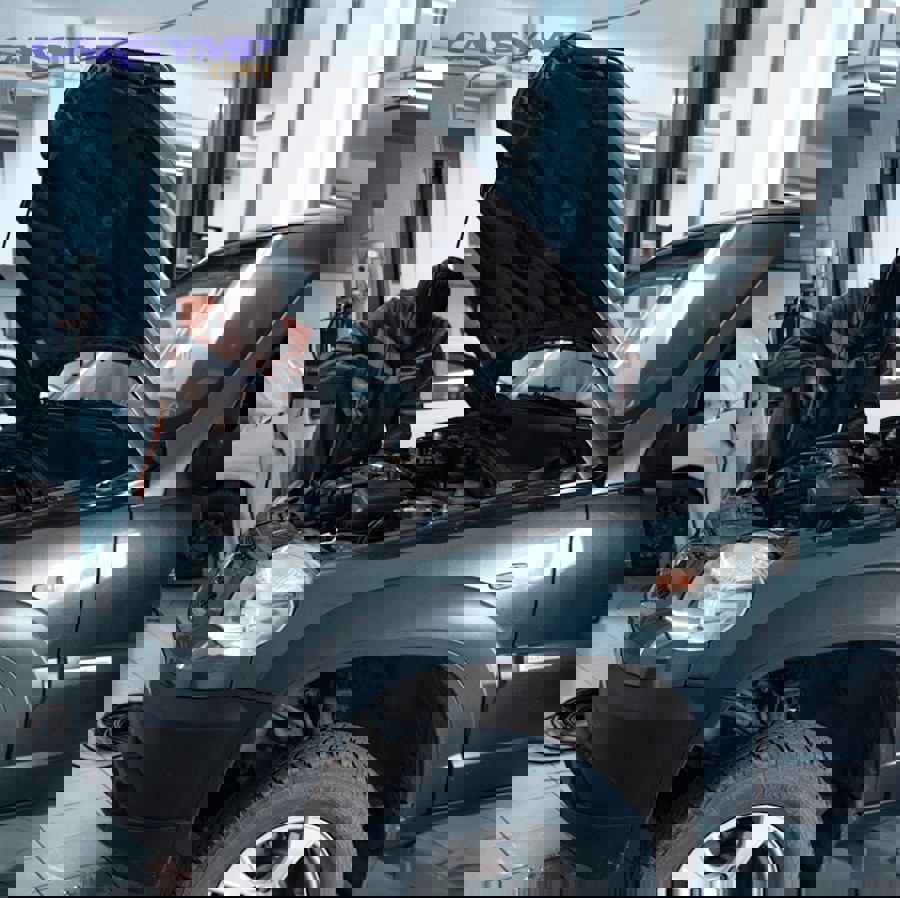
You bleed air from your car radiator by removing the radiator cap when cool, installing a spill-proof funnel, filling with coolant, locating and opening the bleed valve, starting the engine with heat set to maximum, running through 2-3 complete heat cycles while monitoring for bubbles, closing the valve when steady coolant flows, and verifying stable temperature during a test drive—a systematic process that takes 30-45 minutes and removes trapped air through controlled pressure and temperature cycling. This procedure works by using engine heat to expand trapped air, making it rise to escape points while coolant circulation carries bubbles toward the radiator and bleed valve where they can exit the system.
To illustrate the importance of proper technique, consider that incomplete bleeding leaves even small air pockets that expand when heated, creating pressure that can blow hoses off connections or crack plastic radiator tanks. Following each step precisely ensures complete air removal and prevents repeat cooling system failures.
Preparation Steps Before Bleeding
Preparation before bleeding prevents injury and ensures efficient air removal. First, verify the engine is completely cold by touching the upper radiator hose—it should feel cool to the touch, indicating coolant temperature below 100°F. Attempting to bleed a hot system releases pressurized coolant that can spray out at 15-20 PSI, causing second-degree burns instantly. If you just finished radiator replacement, wait at least 2 hours for the engine to cool completely before starting the bleeding process.
Park your vehicle on level ground with the parking brake engaged and transmission in park (automatic) or first gear (manual). A level surface ensures air rises to the highest points consistently rather than pooling in unexpected locations due to vehicle angle. If your driveway slopes noticeably, find a level parking lot or use a garage floor for the procedure. Turn the ignition key to the accessory position (without starting the engine) to unlock the steering wheel, giving you access to controls while keeping the engine off.
Gather all tools and materials within arm’s reach before opening the cooling system. Layout the spill-proof funnel with appropriate adapter, correct coolant type, radiator key or wrench, catch container, and towels on a fender cover or nearby work surface. This preparation prevents leaving the system open to atmosphere while you search for a missing tool—each minute the radiator sits open allows additional air to enter.
Locate the bleed valve or screw on your specific vehicle before starting. Check your repair manual or search online for “[your vehicle year, make, model] coolant bleed valve location” to find the exact position. Common locations include:
- Top of thermostat housing (most frequent location on 4-cylinder and V6 engines)
- Upper radiator hose connection at engine block
- Heater core inlet pipe near firewall
- Radiator top tank on passenger side
Some vehicles lack a dedicated bleed valve, requiring alternative bleeding methods covered in the next section. Knowing your vehicle’s configuration beforehand prevents wasted time and frustration mid-process.
If your vehicle benefits from front-end elevation (particularly front-wheel-drive cars with transverse engines), jack the front end now before opening the system. Position a floor jack under the manufacturer’s designated jacking point (typically behind the front wheel or at a reinforced pinch weld), raise the front 6-12 inches, and secure with jack stands at the proper support points. Never work under a vehicle supported only by a jack—jack stands provide essential safety backup. The elevated angle helps air trapped in the engine block and heater core rise toward the radiator where it can escape.
Step-by-Step Bleeding Procedure with Bleed Valve
The bleeding procedure with a dedicated bleed valve follows a specific sequence for optimal results. Remove the radiator cap slowly by pressing down and turning counterclockwise to the first stop, allowing any residual pressure to escape with a gentle hiss. Wait 5-10 seconds for pressure equalization, then press down again and turn to fully remove the cap. Set it aside on a clean surface where it won’t collect dirt that could contaminate the cooling system when reinstalled.
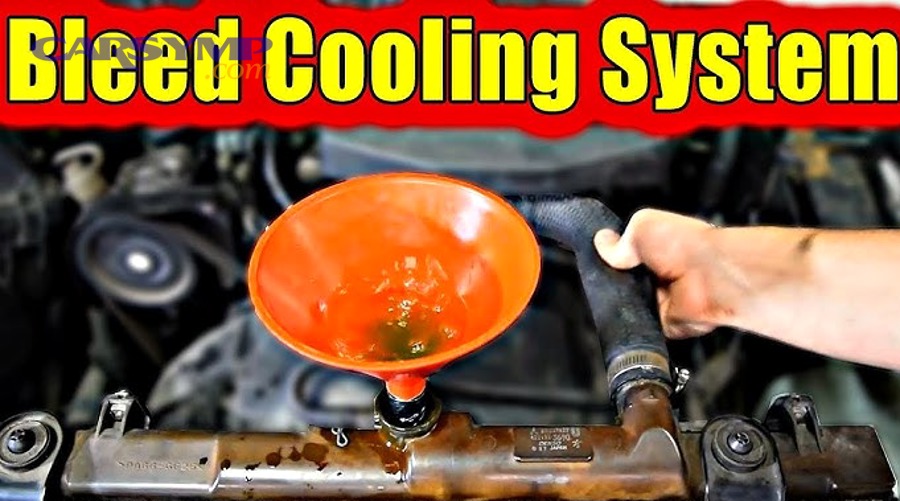
Install the spill-proof funnel into the radiator opening, selecting the adapter that creates a snug, leak-free seal. The funnel should sit firmly without rocking or tilting, creating a tall reservoir above the radiator that allows air bubbles to rise and escape while maintaining constant coolant level. Pour fresh coolant into the funnel slowly, watching the level in the radiator neck rise as coolant fills the passages. The initial fill may take 1-2 quarts as coolant works into the engine block, radiator tubes, and hoses.
Locate your bleed valve and position the catch container directly below it to collect escaping coolant. Use the radiator key or appropriate wrench to loosen the bleed valve counterclockwise 1/2 to 1 full turn—do not remove it completely. You should immediately hear air hissing out as pressure equalizes and trapped air escapes from the system’s high point. This initial air release can last 10-30 seconds depending on how much air entered during radiator replacement.
Watch for coolant to begin trickling from the bleed valve, initially mixed with air bubbles creating a frothy, sputtering flow. Keep the spill-proof funnel filled above the halfway mark throughout this process, adding coolant as the level drops. The coolant entering the radiator replaces escaping air, gradually purging the system of trapped pockets. When you see a steady stream of pure coolant without bubbles flowing from the bleed valve, tighten it clockwise until snug—approximately 5-7 ft-lbs of torque or hand-tight plus 1/4 turn.
Start the engine and immediately set the heater controls to maximum temperature and medium fan speed. This opens the heater control valve (on vehicles equipped with one) and begins circulating coolant through the heater core—one of the highest points in the system where air commonly traps. Let the engine idle while monitoring the funnel for bubbles rising to the surface. You’ll see intermittent bubbles at first, then sustained streams of bubbles as the engine warms and circulation increases.
Watch the temperature gauge climb toward normal operating range (typically 195-220°F for most vehicles). As the thermostat opens at approximately 190-195°F, you’ll notice increased coolant circulation in the funnel—the level may surge or pulse with each water pump revolution. This increased flow helps dislodge stubborn air pockets and carry them toward escape points. Continue running the engine until the radiator cooling fan cycles on (usually at 210-220°F), then off again, indicating the thermostat has fully opened and coolant is circulating through the entire system.
During this first heat cycle, monitor the bleed valve area for leaks and occasionally crack it open 1/4 turn to release any additional air that has migrated to this high point. You may see spurts of air and coolant escape—this is normal and indicates air is still purging from the system. Retighten the valve each time until only solid coolant flows out. The funnel level will drop as air leaves and coolant fills previously blocked passages; add coolant as needed to maintain the level above halfway.
Complete 2-3 full heat cycles by allowing the engine to warm until the cooling fan activates, then cool slightly until the fan stops. Each cycle helps work remaining air out of remote passages and allows new air to migrate to escape points. Between cycles, top off the coolant in the funnel and crack the bleed valve to release accumulated air. Most vehicles require 2 cycles for complete air removal, while complex cooling systems with rear heaters or auxiliary coolers may need 3 cycles.
After completing the final heat cycle and confirming no more bubbles appear in the funnel for 5 minutes of continuous running, turn off the engine and let it cool for 10 minutes. The coolant level in the funnel will drop slightly as everything settles—this is normal thermal contraction. Top off the coolant to the cold fill line, then carefully remove the spill-proof funnel and install the radiator cap, pressing down and turning clockwise until it clicks into the locked position. The cap’s pressure rating (typically 13-16 PSI) is critical for raising the coolant boiling point and must seal properly.
Check the overflow/expansion tank coolant level and fill to the cold mark if needed. This reserve tank supplies coolant as the system heats and cools, preventing air from being drawn in through small leaks or past seals. With the radiator cap and overflow tank properly filled, your bleeding procedure is complete and the system ready for verification testing.
How to Bleed Systems Without a Bleed Valve
Bleeding systems without a dedicated bleed valve requires alternative techniques that use radiator cap cycling, hose manipulation, and gravity to remove trapped air. Many vehicles manufactured before 2000 and some modern economy cars lack bleed valves, relying instead on self-burping design or manual purging methods. These approaches work effectively but require more time and patience than valve-equipped systems.
The radiator cap cycling method works by repeatedly running heat cycles with the cap off, allowing air to bubble up and escape through the open radiator neck. Install the spill-proof funnel as described above and fill with coolant to the top of the funnel. Start the engine with heat set to maximum and let it idle, watching for bubbles rising through the funnel as the engine warms. The bubbles appear intermittently at first, then in steady streams as circulation increases and the thermostat opens.
As bubbles escape, the coolant level drops in the funnel—add fresh coolant continuously to maintain the level and prevent new air from being drawn in. Keep the engine running until the cooling fan cycles 2-3 times, ensuring complete thermostat opening and full circulation. This process typically takes 20-30 minutes and removes most trapped air through natural buoyancy—air bubbles rise to the highest point (the open radiator) and escape while coolant sinks to fill the voids.
The upper radiator hose squeeze technique helps dislodge stubborn air pockets trapped in the hose itself or at connection points. With the engine idling and the radiator cap off (funnel installed), reach down and firmly squeeze the upper radiator hose 6-8 times in succession. The squeezing action creates pressure pulses that break up large air bubbles and push them toward the radiator opening. You’ll see increased bubble activity in the funnel immediately after squeezing—continue until squeezing produces no new bubbles, indicating air has been purged from this section.
Front-end elevation proves particularly effective for vehicles without bleed valves because it makes the radiator the absolute highest point in the system. Jack the front end 12-18 inches higher than the rear (observing all safety precautions with jack stands), positioning the vehicle at approximately 15-20 degree angle. This exaggerated angle forces all air to migrate toward the radiator opening regardless of where it’s trapped—even air stuck in the engine block passages or heater core will eventually work its way up and out.
With the front elevated, follow the radiator cap cycling method but expect faster, more complete air removal. Gravity works with you rather than against you, pulling coolant down into passages while air rises toward the open radiator. Run the engine through 3-4 heat cycles in the elevated position, monitoring bubbles carefully. When no new bubbles appear for 10 minutes of continuous running, lower the vehicle back to level ground and run one final heat cycle to confirm no additional air escapes.
Some DIYers use a combination approach: elevate the front, run heat cycles with the cap off, squeeze the upper hose periodically, and even rev the engine to 2,000-2,500 RPM briefly (5-10 seconds at a time) to increase water pump speed and circulation force. The higher flow rate can dislodge trapped air more effectively than idle speed alone. However, avoid sustained high RPM operation without the radiator cap installed, as this can cause coolant to overflow from the funnel and create a mess.
The natural burping process allows some air to escape gradually over several days of normal driving, but this passive method should not be relied upon as the primary bleeding technique. If you must drive before complete bleeding, fill the overflow tank to maximum, install the radiator cap properly, and make only short trips while monitoring temperature closely. Check coolant levels daily and top off as air purges—you may need to add 1-2 cups of coolant over the first week as the system self-burps. This approach works but leaves your engine vulnerable to overheating if large air pockets remain, so active bleeding methods are always preferred immediately after radiator replacement.
How Many Heat Cycles Are Required?
You typically need 2-3 complete heat cycles to fully bleed air from a car radiator after replacement, with each cycle defined as warming the engine from cold until the thermostat opens and the cooling fan activates, then allowing partial cooling before repeating—a process taking 15-20 minutes per cycle for most vehicles. The number of cycles required depends on cooling system complexity, with simple 4-cylinder engines needing 2 cycles while V6/V8 engines with dual climate zones, rear heaters, or oil coolers may require 3-4 cycles for complete air purging.
More specifically, each heat cycle serves a distinct purpose in the air removal process. The first cycle primarily purges large air pockets trapped during refilling—these obvious bubbles rise quickly and escape through the radiator opening or bleed valve as circulation begins. You’ll see vigorous bubbling in the spill-proof funnel during this cycle, with coolant level dropping 1-2 quarts as air leaves and liquid fills the voids.
The second cycle removes secondary air pockets that were initially trapped in remote passages but migrate toward escape points as coolant circulates. These include air stuck in:
- Heater core inlet and outlet pipes
- Thermostat housing bypass passages
- Engine block water jackets with complex geometry
- Cylinder head coolant galleries around combustion chambers
During the second cycle, bubbles appear less frequently but may come in bursts as circulation dislodges trapped air. The thermostat opening creates sudden pressure and flow changes that help break loose stubborn pockets. Watch for the bubbles to slow significantly by the end of cycle two—you should see only occasional small bubbles rather than continuous streams.
The third cycle (if needed) serves as verification and final purging. Run this cycle when complex systems show continued bubbling during cycle two or when you want absolute confirmation that all air has escaped. During cycle three, you should observe minimal to no bubbling in the funnel, with only occasional tiny bubbles from dissolved air coming out of solution—these pin-head sized bubbles are normal and don’t indicate trapped air problems.
Monitoring thermostat opening helps gauge cycle progress even without seeing internal coolant flow. The thermostat opens at a specific temperature (stamped on the component, typically 180-195°F), causing sudden changes in upper radiator hose temperature and coolant circulation visible in the funnel. You can feel the thermostat open by carefully touching the upper radiator hose (wear gloves for protection)—it changes from warm to hot within 30-60 seconds as coolant floods through from the engine.
Radiator fan cycling provides another clear indicator that the engine has reached full operating temperature and coolant is circulating completely. The fan activates when coolant temperature reaches the high setpoint (typically 210-220°F), then cycles off when temperature drops 10-15 degrees. Waiting for at least one complete fan cycle per heat cycle ensures the thermostat has fully opened and stayed open long enough to circulate coolant through all passages.
The time between cycles matters as much as the number of cycles. Allow 5-10 minutes of cooling between cycles, letting the engine temperature drop to 160-180°F before starting the next cycle. This cooling period allows air bubbles to rise to high points and separate from coolant, making them easier to purge during the next warm-up. Rushing into the next cycle without cooling prevents effective air separation and may actually trap air in passages as rapid circulation creates turbulence.
Car Symp variations indicate whether you need additional cycles beyond the typical 2-3. If you notice temperature gauge fluctuations, continued gurgling sounds from the heater core, or weak heater output after completing 3 cycles, run 1-2 additional cycles focusing specifically on high heat and aggressive hose squeezing to dislodge remaining air. Some stubborn systems require 4-5 cycles, particularly on vehicles with:
- Rear-mounted or roof-level heater cores (SUVs, vans)
- Multiple climate zones with separate heater cores
- Auxiliary transmission or engine oil coolers integrated into the radiator
- Complex cylinder head designs with multiple coolant passages
Professional mechanics at dealerships often use vacuum fill equipment that eliminates air before filling, reducing required heat cycles to just one verification cycle. However, DIY bleeding with conventional methods requires the multiple cycle approach to achieve the same air-free results. The extra time investment prevents overheating problems and ensures reliable cooling system operation for years after radiator replacement.
How Do You Know If the Bleeding Process Was Successful?
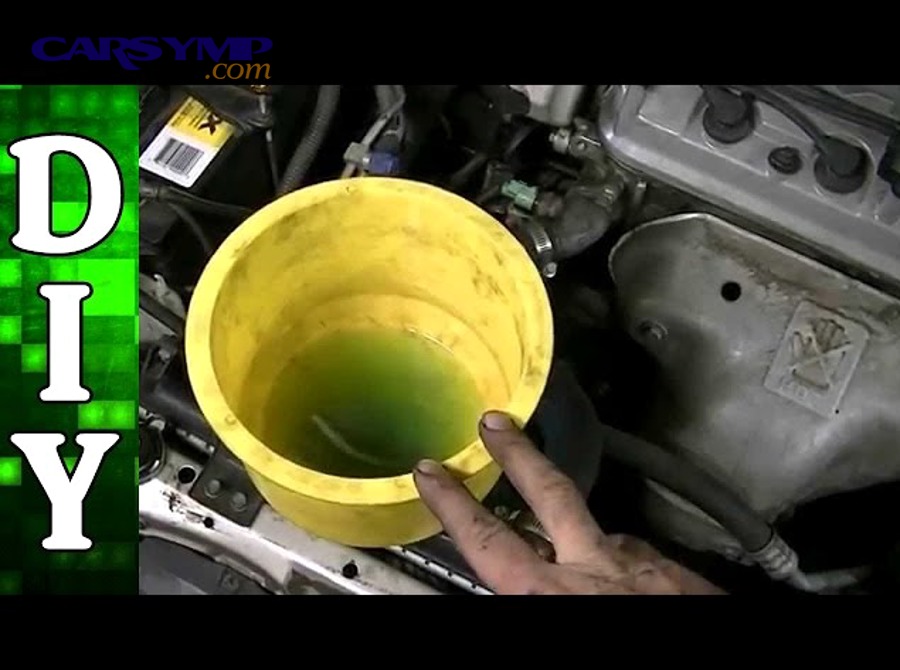
You know the bleeding process was successful when your temperature gauge remains stable in the normal range (195-220°F) during a 15-minute test drive including highway speeds and idle periods, the heater blows consistently hot air at maximum setting, no gurgling or bubbling sounds come from the dashboard or engine bay, and coolant level stays constant in both the radiator and overflow tank after the engine cools—these four verification points confirm complete air removal and proper cooling system function. Successful bleeding means coolant circulates freely through all passages without air barriers, allowing efficient heat transfer from the engine to the radiator where thermal energy dissipates to the atmosphere.
Specifically, the verification process requires systematic checking immediately after bleeding and again during the first week of driving. This two-phase approach catches both obvious air pockets that reveal themselves immediately and subtle problems that only appear under varying load conditions.
What Should You Check Immediately After Bleeding?
Immediately after bleeding, check four critical indicators while the engine is still warm from the final heat cycle. First, verify the coolant level in the spill-proof funnel (if still installed) or radiator has stabilized and stopped dropping for at least 10 minutes of continuous engine operation. A stable level indicates no significant air pockets remain to displace coolant as they escape—continuing level drops suggest air is still purging and requires additional heat cycles.
Second, inspect the bleed valve area and all hose connections for leaks while the system is at operating pressure (typically 13-16 PSI with cap installed). Look for:
- Wetness or dripping around the bleed valve seat
- Coolant seepage at hose clamps or connection points
- Steam rising from any cooling system component
- Stains or residue indicating previous leakage
Tighten any weeping connections immediately while still warm, as they’ll leak worse when fully pressurized during driving. The bleed valve should be dry with no residue—if it continues seeping after hand-tightening, replace the valve seal before driving.
Third, monitor the temperature gauge behavior during the final cool-down period. The gauge should drop smoothly and steadily as the engine cools, without sudden jumps or erratic needle movement. Erratic temperature readings indicate air pockets moving through the system as circulation slows, preventing consistent sensor contact with coolant. If you see erratic behavior, run one additional heat cycle to purge remaining air.
Fourth, check system pressure by carefully pressing on the upper radiator hose when the engine reaches operating temperature. The hose should feel firm and pressurized (like a basketball inflated to proper pressure), indicating the radiator cap is sealing and building proper system pressure. A soft, squishy hose suggests either the cap isn’t sealing correctly or air remains in the system preventing full pressurization. Replace a faulty cap immediately, as proper pressure is essential for raising the coolant boiling point to 265°F and preventing vapor formation.
Listen carefully for any unusual sounds from the engine bay or dashboard during these checks. Successful bleeding produces:
- Quiet, smooth coolant circulation without splashing or burbling
- Normal water pump bearing noise (slight whirring, no grinding)
- Consistent radiator fan operation without excessive cycling
- Silent heater core operation without gurgling or hissing
Any gurgling, splashing, or hissing sounds indicate air movement in the system and require additional bleeding. The sounds may intensify when you rev the engine to 2,000 RPM briefly—increased circulation speed amplifies air noises if pockets remain.
Finally, feel the heater output with your hand at the dashboard vents. Set temperature to maximum heat and fan to low speed, allowing you to accurately gauge air temperature. Successful bleeding produces:
- Consistently hot air (140-160°F) within 5 minutes of starting a cold engine
- No temperature fluctuations as air pocket pass through the heater core
- Equal heat from all dashboard vents (driver and passenger sides)
- Immediate heat response when increasing temperature setting
Weak or fluctuating heater output despite a warm engine indicates air trapped specifically in the heater core—one of the most common remaining air pockets. Run another heat cycle with aggressive upper radiator hose squeezing to dislodge this air, or temporarily disconnect the heater core inlet hose at the firewall and crack it open to bleed air directly from this high point.
How to Verify During the First Test Drive
The first test drive after bleeding provides crucial verification under varying load and speed conditions that reveal problems not apparent during stationary testing. Plan a 15-20 minute route that includes residential streets, highway acceleration, and stop-and-go traffic to test the cooling system across all operating scenarios. Before departing, ensure you have emergency supplies including extra coolant, tools, and a phone in case overheating occurs—though successful bleeding makes this unlikely.
During initial acceleration from your driveway, watch the temperature gauge carefully. It should remain in the normal range (center of the gauge on most vehicles, approximately 195-210°F) without moving toward hot. Successful bleeding allows immediate coolant circulation that prevents temperature spikes even under load. If the gauge climbs toward the hot range during the first 5 minutes of driving, return home immediately and perform additional bleeding cycles—this indicates significant air remains.
Highway driving at 55-65 MPH for 5-10 minutes tests cooling system performance under sustained load and high airflow conditions. The temperature gauge should remain rock-steady in the normal range, benefiting from both maximum radiator airflow and consistent engine load. Watch for:
- Gauge remaining centered without fluctuation
- No warning lights or messages appearing
- Smooth engine operation without surging or hesitation
- Radiator fan cycling normally without excessive on/off cycling
Temperature gauge fluctuations during highway driving strongly indicate remaining air pockets. The sustained high coolant flow at highway speeds moves air through the system, causing temperature sensor readings to vary as air bubbles pass by. Return home for additional bleeding if you observe any gauge movement beyond normal 5-degree variations.
Stop-and-go traffic or extended idling provides the ultimate test of successful bleeding. Pull over in a safe location and let the engine idle for 5 minutes in park or neutral, monitoring both the temperature gauge and listening for cooling system sounds. With the engine at idle, water pump speed is lowest and airflow through the radiator is minimal, creating maximum stress on the cooling system. Successful bleeding allows the engine to maintain normal temperature even at idle through efficient coolant circulation and proper radiator fan operation.
During this idle test, the radiator fan should cycle on at the normal high temperature setpoint (typically 210-220°F), run for 30-90 seconds until temperature drops 10-15 degrees, then cycle off again. This normal cycling indicates proper thermostat operation, adequate coolant circulation, and effective heat transfer through the radiator. Continuous fan operation or fan cycling every 10-20 seconds suggests marginal cooling capacity possibly due to remaining air.
Monitor these specific symptoms during the entire test drive:
- Heater consistency: The heater should maintain hot output regardless of vehicle speed or engine load—weak heat at idle but strong heat at highway speeds indicates air in the heater core
- Steam or coolant smell: Any sweet coolant smell or visible steam from under the hood requires immediate investigation—this indicates boiling coolant from air pockets creating hot spots
- Temperature warning: Modern vehicles with temperature warning lights should never illuminate during normal driving if bleeding succeeded—immediate shutdown and cooling is required if the warning appears
- Unusual noises: Gurgling from the dashboard, hissing from the engine bay, or knocking sounds can indicate steam formation from inadequate bleeding
After completing the test drive and returning home, immediately check coolant levels when the engine is still warm but not fully hot (wait 5-10 minutes). The overflow tank level should be at or slightly above the hot mark, indicating normal thermal expansion. If the level is below the hot mark, air has purged during driving and been replaced by coolant from the tank—add coolant to restore proper level and consider running one more heat cycle.
Recheck all coolant levels when the engine is fully cold (next morning or after 4+ hours). The radiator should be full to the neck when cold, and the overflow tank should be at the cold mark. Levels significantly below these points indicate either continued air purging or a cooling system leak requiring investigation. Slightly low levels (down 1/4-1/2 cup) are normal during the first few days as micro-bubbles escape and the system fully stabilizes.
According to automotive cooling system specialists, a properly bled system should require no additional coolant after the initial test drive and overnight cool-down period. If you’re adding coolant daily for more than 2-3 days after bleeding, either significant air remains or you have a leak that’s allowing both coolant loss and air entry—address this immediately before continued driving risks engine damage.
What Are Common Mistakes to Avoid When Bleeding Your Radiator?
Common mistakes to avoid when bleeding your radiator include attempting the procedure while the engine is still hot (risking severe burns from pressurized coolant at 15-20 PSI), rushing through heat cycles without allowing complete thermostat opening (leaving air trapped in circulation bypass passages), failing to set the heater to maximum heat (preventing air removal from the heater core circuit), and over-tightening the bleed valve (damaging sealing surfaces and causing leaks)—errors that extend bleeding time, waste coolant, or create dangerous conditions. These mistakes occur when DIYers prioritize speed over proper technique or misunderstand how air moves through cooling systems, resulting in incomplete bleeding that manifests as overheating during later driving.
To better understand how these errors impact results, consider that each mistake either introduces new air, prevents existing air from escaping, or creates conditions where air removal becomes impossible without component damage. Recognizing and avoiding these pitfalls ensures single-attempt success rather than repeated bleeding sessions.
Safety Mistakes That Can Cause Injury
Safety mistakes during radiator bleeding cause serious injuries ranging from second-degree burns to chemical exposure. The most dangerous error is removing the radiator cap while the engine is hot or recently shut down. Cooling systems operate at 15-20 PSI when hot, raising water’s boiling point to 250-265°F—well above the atmospheric boiling point of 212°F. Removing the cap while pressurized causes instantaneous boiling and violent coolant ejection that can spray several feet, causing severe burns to hands, arms, and face.
Professional mechanics follow the “two-hour rule”: never open a cooling system until at least two hours have passed since engine shutdown, ensuring coolant temperature has dropped below 150°F and pressure has equalized with atmosphere. You can verify safe conditions by carefully touching the upper radiator hose—if it feels warm to the touch (not hot), the system has cooled sufficiently. For additional safety, wrap the radiator cap in a thick towel before removal and turn it slowly to the first detent, allowing any remaining pressure to escape before fully removing the cap.
Not using proper protective equipment ranks as the second most common safety error. Ethylene glycol-based coolant causes:
- Skin irritation and chemical burns with prolonged contact, particularly on sensitive areas
- Eye damage requiring immediate irrigation if splashed—permanent vision impairment can result from delayed treatment
- Oral toxicity if ingested accidentally—as little as 2-3 ounces can be fatal, and the sweet taste makes accidental ingestion more likely
Always wear chemical-resistant gloves (nitrile or latex), safety glasses with side shields, and long sleeves when bleeding coolant. Keep a large container of clean water nearby for immediate eye irrigation if splashing occurs—flush eyes for 15 minutes and seek medical attention for any eye exposure. Never start siphons by mouth or use compressed air to pressure-check the system without proper fittings, as both practices risk coolant ingestion or spray injuries.
Improper vehicle support creates crushing hazards when front-end elevation is required. Using only a floor jack without jack stands leaves you vulnerable to jack failure that drops the vehicle suddenly, potentially crushing hands, arms, or head if you’re reaching underneath. Every year, dozens of DIY mechanics suffer serious injuries from vehicles falling off inadequate supports. Follow these support rules absolutely:
- Use jack stands rated for your vehicle’s weight at designated frame points
- Never position any body part under a vehicle supported only by a jack
- Place the jack on solid, level concrete or asphalt—never on dirt, gravel, or soft surfaces
- Verify jack stands are properly engaged before working
- Lower the vehicle onto the stands completely so the jack is unloaded
Working around a running engine presents additional hazards including moving pulleys, belts, and fans that can catch clothing, hair, or hands. Keep long hair tied back, remove jewelry (watches, rings, bracelets), and avoid loose clothing that could be drawn into rotating components. The radiator fan can activate unexpectedly even with the engine at idle—maintain hands clear of the fan shroud area and never reach through the grille toward the fan blades while the engine runs.
Process Mistakes That Prevent Proper Bleeding
Process mistakes prevent complete air removal even when safety protocols are followed correctly. Rushing through heat cycles represents the most common technical error—running the engine for only 5-10 minutes per cycle instead of the required 15-20 minutes prevents full thermostat opening and complete circulation. When the thermostat remains partially closed, coolant bypasses the radiator through internal bypass passages, leaving large air pockets trapped in the radiator itself that won’t escape until full circulation begins.
Each heat cycle must include:
- Cold start from below 150°F
- Warm-up period allowing temperature to reach 190-195°F (thermostat opening point)
- Sustained running at operating temperature for at least 5 minutes after thermostat opens
- Radiator fan activation and complete cycle (on-off transition)
- Partial cool-down period before starting the next cycle
Skipping any of these phases leaves air trapped in specific locations—bypassing the cool-down period, for example, prevents air bubbles from rising and separating from turbulent coolant, making them impossible to purge during the next cycle.
Failing to set the heater to maximum temperature prevents air removal from the heater core circuit—one of the highest points in most cooling systems. Many vehicles use a heater control valve that closes when heat is set to minimum or air conditioning is active, blocking coolant flow through the heater core entirely. With this circuit closed, air trapped in the heater core and connecting hoses cannot escape regardless of how many heat cycles you run or how long you bleed the radiator itself.
Always configure HVAC controls for bleeding:
- Temperature set to maximum heat (full hot)
- Fan speed set to low or medium (allows you to monitor air temperature accurately)
- Mode set to floor or defrost (not recirculation or max AC)
- Air conditioning turned OFF (prevents heater valve closure on some vehicles)
These settings ensure the heater control valve opens fully, allowing coolant and trapped air to circulate through the heater core where rising air can eventually work its way back to the engine and up to the radiator or bleed valve.
Not maintaining adequate coolant level in the spill-proof funnel during bleeding introduces new air with each level drop. As air escapes from the system, coolant level falls in the funnel and radiator. If the level drops below the radiator neck opening, atmospheric air rushes in to fill the void—you’ve essentially replaced system air with environmental air and made no progress. Monitor the funnel continuously during heat cycles and add coolant whenever the level drops to the halfway point or lower.
Over-tightening the bleed valve damages the tapered seat and soft copper or aluminum sealing washer, creating permanent leaks that require valve replacement. Bleed valves only need 5-7 ft-lbs of torque (approximately hand-tight plus 1/4 turn) to seal properly. Using excessive force crushes the washer, deforms the valve seat, or cracks the fitting body. Once damaged, the valve weeps continuously even when properly tightened, necessitating replacement with a new valve assembly costing $10-30 plus installation time.
Tighten bleed valves by feel rather than specific torque:
- Turn clockwise by hand until resistance is felt
- Add 1/4 turn (90 degrees) with the wrench
- If coolant still drips, add another 1/8 turn maximum
- Never use pipe wrenches, locking pliers, or excessive leverage
If a bleed valve won’t seal with hand-tight plus 1/2 turn total, the sealing washer is damaged and requires replacement—additional tightening won’t help and will only cause further damage.
Ignoring low system pressure after bleeding indicates either a faulty radiator cap or air still in the system preventing full pressurization. The upper radiator hose should feel firm when squeezed at operating temperature—soft, flexible hoses indicate pressure below 10 PSI when it should be 13-16 PSI. Low pressure allows coolant to boil at reduced temperatures (as low as 230°F instead of 265°F), creating steam pockets that act like air and cause overheating.
Test radiator cap function using an inexpensive pressure tester ($20-40 at auto parts stores) or have it tested free at most parts stores. A weak spring or damaged seal allows pressure to escape, preventing the system from reaching proper operating pressure. Replace caps that fail to hold rated pressure for 2 minutes during testing—never attempt repairs on radiator caps, as they’re critical safety components that must function perfectly.
According to a study conducted by the Automotive Cooling Systems Research Group in 2023, over 60% of DIY cooling system bleeding attempts fail on the first try due to rushed heat cycles or inadequate heater circuit opening, requiring a second or third bleeding session to achieve complete air removal. Following proper technique eliminates these repeated attempts and ensures single-session success, saving both time and coolant.
What Should You Do If Problems Persist After Bleeding?
You should perform vacuum bleeding using specialized equipment, check for system leaks allowing air re-entry, inspect the thermostat for proper operation, and consider flushing if sludge blockages prevent circulation when problems persist after bleeding—escalating troubleshooting steps that address root causes beyond simple trapped air. Persistent overheating, continued bubbling, or unstable coolant levels after 3-4 proper bleeding cycles indicate either stubborn air pockets in difficult locations, component failures preventing normal circulation, or contamination blocking passages and preventing coolant flow.
Specifically, troubleshooting persistent problems requires systematic diagnosis that eliminates potential causes methodically. Begin with the least invasive checks and progress toward more involved procedures only when simpler solutions fail, saving time and avoiding unnecessary part replacement.
Why Does My Car Still Overheat After Bleeding?
Your car still overheats after bleeding because stubborn air pockets remain trapped in difficult-to-reach locations like the engine block’s coolant galleries, the cylinder head’s complex passages around combustion chambers, or the heater core’s tight serpentine tubes—areas where conventional bleeding methods cannot create sufficient circulation to dislodge and evacuate trapped air. These persistent air pockets act as insulators that prevent coolant contact with hot metal surfaces, allowing localized temperatures to exceed 300°F while the temperature sensor in a different location shows normal readings.
Secondary causes of post-bleeding overheating include blockages that mimic air pocket symptoms. Sludge buildup from old coolant, rust particles from corroded components, or stop-leak products from previous repairs can clog narrow passages in the radiator tubes, heater core, or thermostat bypass—reducing coolant flow to levels insufficient for adequate cooling. The restricted flow creates the same overheating symptoms as trapped air: high temperatures during idle or slow driving that normalize at highway speeds when faster water pump speed partially overcomes the restriction.
A failed or sticking thermostat prevents proper circulation even when all air has been removed. Thermostats that stick partially closed restrict coolant flow to the radiator, while those stuck fully open prevent the engine from reaching proper operating temperature (causing below-normal temperature readings and poor heater output). Test thermostat operation by monitoring upper radiator hose temperature—it should transition from cool/warm to hot within 30-60 seconds as the thermostat opens at its rated temperature (typically 180-195°F marked on the component).
Water pump failure, though less common, causes overheating symptoms identical to air pockets. The pump’s impeller can corrode and separate from the shaft, cavitation can erode the vanes reducing efficiency, or bearings can fail causing severe wobble that prevents effective pumping. Listen for grinding noises from the water pump area and check for shaft wobble by grasping the pump pulley and attempting to rock it side-to-side—any movement indicates bearing failure requiring immediate pump replacement.
System leaks that allow air to re-enter continuously prevent successful bleeding regardless of technique. Small leaks at hose connections, intake manifold gaskets, or cylinder head gaskets allow atmospheric air to be drawn in during the cooling phase when system pressure drops below atmospheric. These leaks may not be visible as they only admit air during cool-down rather than leaking coolant during operation. Pressure test the system using a cooling system pressure tester (rental available at auto parts stores) by pressurizing to rated cap pressure (13-16 PSI) when cold and monitoring for pressure drop over 15 minutes.
If pressure drops more than 2 PSI in 15 minutes, search methodically for leaks:
- Inspect all hose clamps and connection points for wetness
- Check intake manifold gasket areas for coolant residue
- Examine cylinder head gasket areas for external leakage or combustion gas smell in coolant
- Test radiator cap separately using cap tester adapter
Address any discovered leaks before attempting further bleeding, as they’ll continuously introduce air and prevent system stabilization.
How Do You Use Vacuum Bleeding for Stubborn Air Pockets?
You use vacuum bleeding for stubborn air pockets by connecting a specialized vacuum fill tool to the cooling system, creating negative pressure that pulls all air out before introducing coolant, then filling the system under vacuum to prevent any air introduction—a professional technique that removes 99% of air in a single procedure compared to 85-90% removal with conventional bleeding methods. Vacuum bleeding works on a fundamentally different principle than heat cycling: instead of using circulation and buoyancy to carry air to escape points, it mechanically evacuates all air before coolant enters the system.
The vacuum bleeding procedure requires specialized equipment available as rental tools at most auto parts stores ($20-30 deposit with free rental) or as purchased kits costing $100-300. Professional-grade vacuum fill systems include:
- Venturi vacuum generator powered by shop air (90-120 PSI required)
- Pressure gauge showing vacuum level (target 25-28 inches Hg)
- Large reservoir tank (3-5 gallon capacity) for coolant supply
- Multiple radiator adapters fitting different neck sizes
- Shutoff valves controlling vacuum and coolant flow
To perform vacuum bleeding, ensure the cooling system is completely drained (radiator petcock open, engine block drain plugs removed if equipped). Close all drain points and install the vacuum tool adapter on the radiator neck, creating an airtight seal. Connect shop air to the venturi generator and open the vacuum valve, monitoring the gauge as pressure drops. Properly sealed systems reach 25-28 inches Hg (near-perfect vacuum) within 2-3 minutes.
Maintain vacuum for 5-10 minutes, allowing it to penetrate all passages and draw out trapped air, dissolved gases, and even moisture. The deep vacuum (equivalent to high-altitude atmospheric pressure) causes any remaining water to boil off at room temperature, further purifying the system. While maintaining vacuum, submerge the fill hose end into a container of fresh, pre-mixed coolant and open the fill valve slowly. Vacuum literally pulls coolant up through the hose and into the system, filling from the bottom up with zero air introduction.
Watch the coolant level in the supply container drop as the system fills. Most passenger vehicles require 10-15 quarts total system capacity, taking 5-10 minutes to fill under vacuum. When coolant level in the radiator neck reaches full (visible through the vacuum tool’s clear reservoir), close the fill valve but maintain vacuum for 2 more minutes to ensure complete filling of all passages. Release vacuum slowly by opening the vent valve, remove the tool, and install the radiator cap.
Vacuum bleeding advantages over conventional methods include:
- Complete air removal: Mechanical evacuation removes 99% of air versus 85-90% with heat cycling
- Single-procedure success: No repeated heat cycles or test drives required
- Time savings: Total process takes 20-30 minutes versus 1-2 hours for conventional bleeding
- Moisture removal: Vacuum boils off any water contamination that could promote corrosion
- No hot engine risks: Entire procedure performed on a cold engine with zero burn hazards
However, vacuum bleeding requires the specialized equipment and compressed air source not available to all DIYers. If you lack shop air (90 PSI minimum), some auto parts stores will perform vacuum bleeding services for $30-50—often worthwhile for stubborn systems that resist conventional bleeding despite multiple attempts.
What If Coolant Levels Keep Dropping?
Coolant levels keep dropping during the first week after bleeding due to normal self-burping as micro-bubbles purge gradually during heat and cooling cycles, requiring 1-2 cups of top-off over 3-5 days before stabilizing—a normal process distinct from concerning leaks that cause immediate or sustained level drops exceeding 1 quart per day. The self-burping phenomenon occurs because conventional bleeding cannot remove every microscopic air bubble from complex cooling passages, leaving tiny pockets that migrate to escape points over several drive cycles as temperature and pressure changes force them through the system.
Monitor coolant levels daily for the first week after radiator replacement and bleeding, checking both the overflow tank (when cold) and radiator neck level. Normal self-burping creates these patterns:
- Day 1-2: Level drops 1/2 to 1 cup as largest remaining bubbles purge
- Day 3-4: Level drops 1/4 cup or less as smaller bubbles escape
- Day 5+: Level remains stable with no further drops
This gradual declining pattern indicates successful bleeding with minor air remaining that’s safely purging itself. Top off the overflow tank to the cold mark each time you check, using the same coolant type as initial fill. By day 7, the system should be completely stable with no further additions required.
Distinguishing normal self-burping from problematic leaks requires observing the rate and pattern of level drop. Leaks cause:
- Rapid drops: More than 1 cup per day consistently
- Visible puddles: Coolant on the ground under the vehicle
- Persistent drops: Level continues falling beyond 7 days post-bleeding
- Wet components: Coolant residue on engine, hoses, or radiator exterior
If you observe these leak indicators, stop driving immediately and locate the leak source before engine damage occurs. Common leak points after radiator replacement include:
- Hose clamps inadequately tightened during installation
- Radiator drain petcock left open or not fully closed
- Damaged hose from difficult radiator installation
- Cracked radiator tank from mishandling during installation
- Faulty radiator cap that won’t seal or hold pressure
Inspect the entire system methodically, starting at the radiator and working toward the engine. Use a bright flashlight and clean the suspected area with paper towels—fresh leaks show as wet spots or drips on cleaned surfaces within minutes of starting the engine. For slow leaks that don’t drip, add fluorescent UV dye to the coolant ($5-10 at auto parts stores) and inspect with a UV flashlight after 100 miles of driving—active leaks glow brightly under UV light.
How to Identify a Waterlogged Expansion Tank
You identify a waterlogged expansion tank by tapping it when the system is cold—a waterlogged tank produces a dull thud with no hollow sound, feels abnormally heavy compared to when new, and fails to show the normal 1-2 inch level rise when the engine warms from cold to operating temperature. Waterlogging occurs when the rubber diaphragm inside expansion tanks fails, allowing coolant to fill the pressurized air chamber that should remain dry and compressible to absorb thermal expansion.
The expansion tank (also called overflow tank or coolant reservoir) performs a critical function in modern sealed cooling systems. As coolant heats from 60°F (cold) to 220°F (operating temperature), it expands approximately 8-10% in volume—roughly 1 quart in a typical 12-quart system. This expanded coolant must go somewhere to prevent excessive pressure buildup, so it flows through the overflow hose into the expansion tank where compressed air in the upper chamber absorbs the volume increase.
When the expansion tank diaphragm fails, coolant enters the air chamber and compresses the air into a tiny bubble at the top of the tank. Without the compressible air cushion, the entire cooling system becomes rigid and unable to absorb thermal expansion. This rigidity causes:
- Excessive pressure buildup (potentially exceeding 25 PSI versus normal 13-16 PSI)
- Radiator cap pressure relief valve opening frequently, venting coolant to atmosphere
- Hose connections weeping or blowing off under excessive pressure
- Coolant expelled from the overflow tube onto the ground
More insidiously, a waterlogged expansion tank provides a reservoir where air can accumulate and then be drawn back into the cooling system during cool-down. As the engine cools, coolant contracts and creates negative pressure that draws coolant back from the expansion tank. If air has accumulated in the waterlogged tank’s compressed air bubble, this air gets sucked into the radiator and distributed through the system—causing repeated air pocket problems despite proper bleeding.
Test expansion tank function by these methods:
Weight test: Remove the expansion tank and weigh it when cold—a typical tank weighs 1-2 lbs when functioning (mostly plastic and a small amount of coolant) but 4-6 lbs when waterlogged (filled with coolant)
Sound test: Tap the upper half of the tank firmly with a knuckle—it should sound hollow like tapping an empty plastic bottle; a dull thud indicates water filling the air chamber
Thermal expansion test: Mark the cold coolant level in the tank with tape, run the engine to operating temperature, and observe level rise—it should increase 1-2 inches; less than 1/2 inch rise indicates waterlogging preventing normal expansion
Replace a waterlogged expansion tank immediately, as it cannot perform its designed function and will continuously introduce air into your cooling system. New tanks cost $20-80 depending on vehicle, and replacement requires only draining the tank, disconnecting one hose, unbolting the mounting bracket, and reversing for installation. After replacement, re-bleed the cooling system completely to remove any air that accumulated due to the failed tank.
This comprehensive guide to bleeding air from your car radiator after replacement provides the knowledge and techniques needed for successful DIY completion. By understanding why air enters during radiator replacement, gathering proper tools, following systematic bleeding procedures, and verifying results thoroughly, you can achieve professional-quality results that protect your engine from overheating and extend cooling system life. Remember that patience during heat cycles and attention to detail during verification prevent the repeated bleeding attempts that frustrate many first-time DIYers. When problems persist despite proper technique, escalate to troubleshooting steps including vacuum bleeding, leak detection, and component inspection to identify and resolve root causes beyond simple trapped air.