


Replacing brake pads yourself can save money, but ten critical mistakes turn this straightforward maintenance task into a dangerous liability. The most common errors include choosing incompatible brake pad materials, neglecting hardware replacement, installing new pads on worn rotors, mishandling calipers, skipping surface preparation, ignoring brake fluid maintenance, applying incorrect torque, reversing pad installation, forgetting to pump the pedal after installation, and skipping the break-in procedure. Each mistake compromises braking performance and creates safety hazards that range from annoying noise to catastrophic brake failure.
Understanding why these mistakes happen helps you prevent them during your brake job. Many DIY mechanics focus solely on removing old pads and installing new ones, overlooking the interconnected components that ensure proper braking function. The brake system operates as a precision assembly where calipers, rotors, hardware, and hydraulic components must work together seamlessly. When you skip steps or use incorrect procedures, even seemingly minor oversights cascade into serious performance issues or complete brake failure.
The consequences of brake pad installation errors extend beyond immediate safety concerns to long-term financial costs. A poorly executed brake job leads to premature pad wear, damaged rotors requiring replacement, seized calipers, contaminated brake fluid, and potential ABS system damage on modern vehicles. These secondary failures often cost two to three times more than the original brake pad replacement, eliminating any savings from DIY work while creating hazardous driving conditions.
Next, we’ll examine each critical mistake in detail, explaining what goes wrong, why it matters, and how to execute the correct procedure for safe, effective brake pad replacement.
What Are the Most Common Mistakes When Replacing Brake Pads?
There are ten critical mistakes DIY mechanics make when replacing brake pads: selecting wrong pad materials, neglecting hardware, ignoring rotors, mishandling calipers, skipping cleaning, avoiding fluid maintenance, applying incorrect torque, reversing pads, forgetting pedal pumping, and skipping break-in procedures.
To better understand how these errors occur during a typical brake pad job, consider that each mistake represents a skipped step or incorrect assumption in the replacement process. The most frequent error involves treating brake pad replacement as a simple swap operation rather than a comprehensive brake system service. Professional technicians inspect and address multiple components during every brake job, while DIY mechanics often focus narrowly on the pads themselves.
The ten mistakes fall into three categories based on their impact and frequency. Component selection errors include choosing incompatible pad materials that don’t match your vehicle’s original equipment specifications or driving requirements. Installation process errors encompass hardware neglect, rotor oversight, caliper mishandling, and surface preparation failures that occur during the physical replacement work. System maintenance errors involve brake fluid neglect, incorrect torque application, pad reversal, pedal pumping omission, and break-in procedure skipping that affect overall brake system performance.
These mistakes often compound each other when multiple errors occur in a single brake job. For example, installing new pads on grooved rotors while neglecting to replace worn hardware creates a triple failure: the damaged rotor shreds the new pad material, the old hardware allows excessive movement and noise, and the combination produces uneven wear that requires another replacement within months instead of years. Each additional mistake multiplies the negative consequences and increases safety risks.
Specifically, these ten errors account for approximately 85-90% of DIY brake job failures based on common repair patterns. The remaining failures typically involve rare issues like contaminated brake components, incompatible aftermarket parts, or vehicle-specific complications that require professional diagnostic equipment to identify and resolve.
Why Is Choosing the Wrong Brake Pad Type a Critical Error?
Choosing the wrong brake pad type is a critical error because mismatched friction materials alter braking sensitivity, generate excessive noise and dust, and wear prematurely, requiring replacement at 40-60% of normal service intervals while compromising stopping performance.
However, understanding brake pad material differences helps you select compatible replacements that maintain your vehicle’s original braking characteristics. Brake pads come in three primary friction material types—organic (also called non-asbestos organic or NAO), semi-metallic, and ceramic—each engineered for specific performance characteristics, heat dissipation properties, and vehicle applications.
How Do You Match Brake Pads to Your Vehicle’s Requirements?
Matching brake pads to your vehicle starts with identifying the original equipment (OE) friction material type installed by the manufacturer. Check your owner’s manual, contact your vehicle’s dealership parts department with your VIN, or examine the existing brake pads for material identification markings before purchasing replacements. Most brake pad boxes clearly label the friction material composition, making verification straightforward once you know what to look for.
Your driving conditions and vehicle usage patterns determine whether you should match OE specifications exactly or upgrade to a different material. Daily commuters driving primarily in urban traffic typically benefit from ceramic pads that produce minimal dust and operate quietly in stop-and-go conditions. Vehicles used for towing, hauling heavy loads, or mountain driving require semi-metallic pads that resist brake fade under sustained high-heat conditions. Performance vehicles may need specific high-friction compounds that maintain consistent stopping power during aggressive driving.
The pad material directly affects your brake pedal feel and stopping distance consistency. Ceramic pads provide linear, progressive pedal response that most drivers find natural and easy to modulate. Semi-metallic pads offer firmer initial bite but may feel grabby until they reach operating temperature. Organic pads deliver soft, quiet operation but compress more under heavy braking, requiring greater pedal pressure for emergency stops.
What Happens When You Install Incompatible Brake Pads?
Installing incompatible brake pads creates immediate braking sensitivity changes that affect your ability to modulate stopping force smoothly. Drivers who replace ceramic factory pads with organic aftermarket pads often report that their brakes feel “mushy” or require excessive pedal travel to achieve normal stopping power. Conversely, switching from organic to semi-metallic pads can make brakes feel overly aggressive, causing jerky stops in normal driving and making smooth parking lot maneuvering difficult.
Noise complaints represent the most common symptom of incompatible brake pad installation. Semi-metallic pads installed on vehicles designed for ceramic pads generate constant squealing because the harder friction material vibrates against rotors at frequencies the original sound-dampening hardware cannot suppress. This noise persists regardless of how carefully you perform the installation or how thoroughly you clean components.
Excessive brake dust production accelerates when incompatible pad materials wear faster than designed. Organic pads installed on heavy trucks or SUVs disintegrate rapidly under the heat and pressure of stopping heavier vehicles, coating wheels with thick black residue weekly instead of monthly. This accelerated wear shortens replacement intervals to 15,000-20,000 miles instead of the typical 40,000-50,000 miles, eliminating any cost savings from choosing cheaper pads.
Temperature-related performance degradation occurs when pad materials cannot handle your vehicle’s heat generation. Organic pads may fade during mountain descents or repeated highway panic stops as their softer compounds reach temperatures where friction coefficients drop dramatically. Semi-metallic pads on lightweight commuter cars may never reach their optimal operating temperature, remaining less effective than properly matched materials during normal driving.
According to brake system research from the Society of Automotive Engineers, mismatched brake pad friction materials can reduce stopping effectiveness by 15-30% under certain conditions while decreasing pad service life by 40-60% compared to properly matched original equipment specifications.
Is Neglecting Brake Hardware Replacement a Dangerous Mistake?
Yes, neglecting brake hardware replacement is a dangerous mistake because worn anti-rattle clips, deteriorated shims, and corroded springs allow pad movement, create excessive noise, cause uneven wear, and in extreme cases permit pad detachment that leads to complete brake failure.
Especially important to understand is that brake hardware serves multiple critical functions beyond simply holding pads in place. These small, inexpensive components dampen vibrations, maintain proper pad alignment, ensure consistent rotor contact, and prevent the rattling sounds that often lead drivers to believe their brakes are failing when the pads themselves remain functional.
Which Hardware Components Must Be Replaced During Brake Jobs?
Anti-rattle clips represent the most critical hardware components requiring replacement during every brake job. These spring-steel clips fit between the brake pads and caliper bracket, applying constant tension that prevents the pads from vibrating loosely in their mounting channels. Original clips lose tension after 30,000-50,000 miles of heating and cooling cycles, becoming weak and unable to suppress the high-frequency vibrations that create squealing noises during braking.
Pad shims and insulators attach directly to the back of brake pads, creating a barrier between the pad backing plate and caliper piston. These multi-layer components combine rubber and metal construction to absorb vibration before it transfers into the caliper and suspension components. Heat degrades the rubber layers over time, causing shims to harden, crack, or separate into pieces that fall out during pad removal. Reusing damaged shims eliminates their noise-suppressing function entirely.
Retaining springs and pins secure the brake pads within the caliper bracket while allowing the controlled movement necessary for proper operation. These components experience constant tension and exposure to road salt, brake dust, and moisture that corrodes their surfaces and weakens their holding force. Corroded retaining hardware may fracture unexpectedly, allowing pads to shift out of alignment or rotate within their mounting positions.
Wear indicator sensors on many modern vehicles integrate into the brake pad hardware system rather than the pad itself. These electronic or mechanical sensors trigger dashboard warning lights when pad material reaches minimum thickness. Sensors designed for one-time use must be replaced during pad changes, or your warning system will provide false alerts or fail to notify you when replacement becomes necessary again.
What Are the Consequences of Reusing Old Brake Hardware?
Noise complaints dominate the consequences of reusing old brake hardware, with squealing and rattling sounds occurring during braking, driving over bumps, or even when parked as worn hardware allows pads to vibrate against calipers. These noises create the perception of brake problems even when pads and rotors remain in good condition, leading to unnecessary repeat repairs and diagnostic work that costs more than replacing hardware initially.
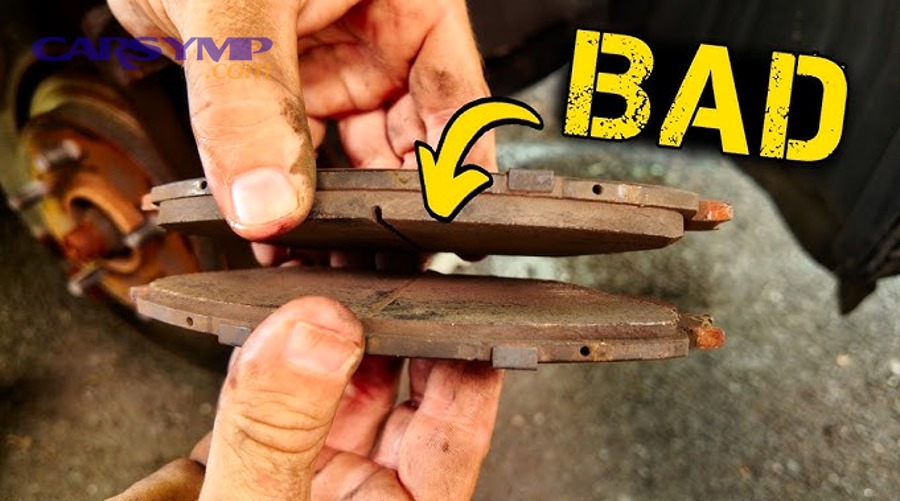
Uneven pad wear develops when loose hardware permits pads to cock at slight angles within their mounting positions. A pad tilted even 2-3 degrees contacts the rotor unevenly, concentrating wear on one edge while the opposite edge retains full thickness. This uneven wear pattern reduces the effective friction surface area, decreasing stopping power while creating the tapered wear that causes squealing noises and vibration during braking.
Pad vibration and reduced rotor contact occur when worn springs and clips fail to maintain consistent pad position against the rotor. The brake pad bounces or chatters during application instead of making smooth, continuous contact with the rotor surface. This bouncing creates the pulsating pedal feel that drivers often mistake for warped rotors, when the actual problem stems from loose hardware allowing pad movement.
Potential pad detachment represents the most dangerous consequence of severely worn or broken brake hardware. Retaining pins that fracture from corrosion or springs that break from metal fatigue can allow brake pads to shift completely out of their proper mounting position. In worst-case scenarios, a pad may fall out of the caliper entirely, wedging between the rotor and caliper bracket or wheel assembly. This creates immediate, complete brake failure on the affected wheel and may cause loss of vehicle control.
The cost comparison between replacing hardware and addressing these consequences demonstrates false economy. A complete hardware kit typically costs $15-30, while addressing noise complaints, uneven wear, or brake failure requires labor charges of $100-300 plus potential rotor replacement and additional component damage repairs.
Why Is Ignoring Rotor Condition One of the Biggest Brake Pad Mistakes?
Ignoring rotor condition is one of the biggest brake pad mistakes because damaged, grooved, or warped rotors destroy new brake pads within 5,000-10,000 miles, reduce stopping power by 20-35%, create dangerous vibration, and often cost more to repair after pad damage than if rotors were replaced initially.
Meanwhile, understanding rotor wear patterns and minimum thickness specifications helps you determine whether rotors require replacement, resurfacing, or can remain in service with new pads. The brake rotor serves as the friction surface against which pads clamp to generate stopping force, making rotor condition equally important to pad quality for safe braking performance.
Should You Always Replace or Resurface Rotors When Changing Pads?
Replacing or resurfacing rotors when changing pads has become industry best practice, with most brake specialists recommending full rotor replacement rather than machining for vehicles approaching 70,000-100,000 miles or showing visible wear patterns. Modern rotors feature thinner designs than older vehicles, leaving minimal material for safe resurfacing operations. Many rotors measure within 1-2mm of their minimum thickness specification when pads wear out, making machining impractical or impossible while maintaining safe operating margins.
Visual inspection criteria determine rotor condition quickly and reliably. Rotors showing deep grooves (deeper than a fingernail), blue heat discoloration, dark glazed surfaces, or visible warping require replacement regardless of thickness measurements. Grooves deeper than 0.015 inches (approximately 0.4mm) act like cutting edges that shred new pad material, creating the “hole-puncher effect” where grooves tear chunks from the friction surface during every brake application.
The minimum thickness specification stamped on every rotor hub provides the absolute limit for safe operation. Rotors worn to within 0.5mm (approximately 0.020 inches) of this minimum cannot be resurfaced and must be replaced. Machining operations remove 0.4-0.8mm of material per side, meaning rotors already near minimum thickness would fall below safe limits after resurfacing.
Rotor replacement costs versus pad replacement frequency demonstrates the economic advantage of proactive rotor service. New rotors costing $40-80 each ensure 60,000-80,000 miles of pad life, while installing pads on marginal rotors often requires repeat pad replacement at 15,000-25,000 miles when damaged rotors destroy the new friction material prematurely.
How Do Damaged Rotors Destroy New Brake Pads?
Damaged rotors destroy new brake pads through mechanical shearing, uneven heat distribution, and vibration that prevents proper pad-to-rotor contact during the critical break-in period. Deep grooves in rotor surfaces function like cutting tools, literally shaving material from brake pads during every stop. The groove edges, hardened by heat and stress, slice into the softer pad material, creating matching wear patterns that accelerate pad deterioration exponentially.
The hole-puncher effect occurs when severe rotor grooving tears chunks from brake pad friction material rather than wearing it gradually. Each brake application forces pad material into rotor grooves where rotational forces rip pieces away from the pad surface. This aggressive mechanical action reduces pad thickness by 1-2mm per 5,000 miles instead of the normal 1mm per 20,000-30,000 miles, requiring replacement four to six times more frequently than pads installed on smooth rotors.
Uneven contact and premature wear develop when warped rotors prevent consistent pad-to-rotor surface contact. A warped rotor wobbles laterally as it rotates, alternately pushing the brake pad away and pulling it closer during each revolution. This variation prevents the uniform friction layer transfer necessary for optimal braking performance while creating high and low spots on pad surfaces that match rotor irregularities.
Heat transfer and glazing issues compound when damaged rotors cannot dissipate braking heat uniformly. Grooved and scored rotors concentrate heat in remaining ridge areas between grooves, creating localized hot spots that reach 200-300°F higher than surrounding areas. These temperature spikes melt and harden the top layer of brake pad material, creating the glassy, glazed surface that reduces friction coefficients by 30-40% and causes the squealing noise associated with glazed brakes.
Optimal braking performance reduction manifests as increased stopping distances, reduced pedal feel, and inconsistent brake response when new pads mate with damaged rotors. The irregular surface contact prevents proper bedding-in of new pads, leaving only 60-70% of the pad surface area actively engaging the rotor. This reduced contact area decreases available friction force, requiring greater pedal pressure and longer distances to achieve the same stopping power that properly matched new pads and rotors would provide.
According to testing data from brake component manufacturers, new brake pads installed on rotors with grooves deeper than 0.030 inches experience 40-60% reduction in expected service life and demonstrate 15-25% longer stopping distances compared to pads installed on new or properly resurfaced rotors.
What Are the Most Common Caliper-Related Mistakes?
The most common caliper-related mistakes during brake pad replacement include hanging the caliper by its flexible brake hose, failing to clean and lubricate slide pins, and improperly compressing the caliper piston, each creating problems ranging from hydraulic system damage to uneven brake wear and complete brake failure.
More specifically, these three caliper mistakes represent the primary causes of post-installation brake problems that weren’t present before the DIY brake job. Understanding caliper function and proper handling procedures prevents damage to the hydraulic system while ensuring even pad wear and consistent braking performance.
Why Should You Never Hang the Caliper by Its Hose?
Never hang the caliper by its hose because the caliper’s weight (typically 5-8 pounds) strains the rubber hose’s internal structure, causing microscopic tears in the inner liner that lead to brake fluid weeping, restricted fluid flow, and potential hose rupture that creates complete brake failure on the affected wheel.
The brake hose internal construction consists of multiple layers including a rubber inner liner, reinforcing fabric or wire braid, and a protective outer cover. The inner liner maintains brake fluid integrity and prevents fluid from permeating through the hose walls. When a heavy caliper hangs from the hose for even 10-15 minutes during pad replacement, gravity pulls the caliper downward while the hose connection points remain fixed, stretching and stressing the inner liner beyond its designed flexibility limits.
Soft pedal development occurs weeks or months after improper caliper hanging when the damaged hose inner liner develops tiny cracks that allow brake fluid to seep into the reinforcement layers. This fluid absorption creates a spongy, flexible section in the hydraulic line that compresses under pedal pressure instead of transferring force directly to the caliper piston. The result feels like air in the brake lines even after proper bleeding procedures, requiring hose replacement to restore firm pedal feel.
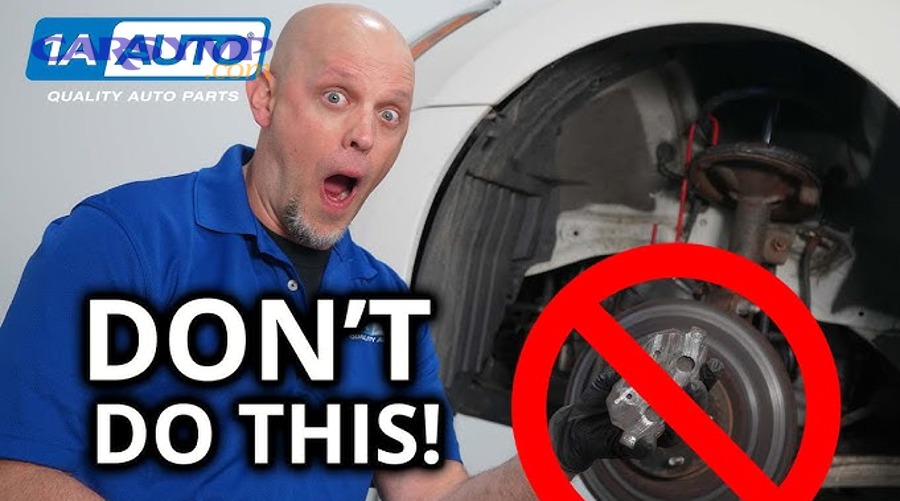
Proper support methods protect brake hoses while providing convenient caliper access during pad replacement. Use a bungee cord hooked to a suspension component or shock absorber to support the caliper weight, or rest the caliper on a clean shop towel placed on top of the brake rotor. Wire coat hangers work effectively when shaped into hooks that support calipers from coil springs or control arms. Some mechanics prefer specialized caliper hangers that hook onto shock tower openings or suspension mounting points.
Risk of rupture or restriction increases dramatically when stressed hoses face subsequent thermal cycling and pressure changes during normal braking. The damaged internal structure weakens the hose’s ability to withstand brake system pressures of 800-1,200 PSI generated during hard stops. Hose failure typically occurs during emergency braking when maximum pressure combines with heat expansion, causing the weakened section to balloon or rupture completely.
How Do Seized Slide Pins Cause Uneven Brake Wear?
Seized slide pins cause uneven brake wear because the caliper cannot move freely to apply equal pressure on both brake pads, resulting in the inner pad (attached to the piston) wearing 60-80% faster than the outer pad while creating dragging brakes, excessive heat, and potential rotor warping.
To illustrate how this mechanical failure develops, consider that floating calipers—the type used on most modern vehicles—rely on slide pins (also called guide pins) to enable lateral movement. When you press the brake pedal, hydraulic pressure pushes the caliper piston outward against the inner brake pad. Simultaneously, the caliper body must slide inward on its pins to pull the outer pad against the rotor’s opposite side. If corrosion, dried grease, or contamination prevents pin movement, only the inner pad contacts the rotor with full force.
Caliper binding mechanics create a cascade of problems beyond uneven pad wear. A caliper with one seized slide pin operates in a tilted position, applying pressure unevenly across the pad surface. This creates diagonal wear patterns where one corner of the pad shows full thickness while the opposite corner wears to the backing plate. The uneven pressure distribution reduces overall braking effectiveness on that wheel by 30-40%, creating the vehicle pull that drivers notice when braking on straight roads.
One-sided pad wear patterns appear dramatically obvious during caliper inspection. The inner pad may measure 2-3mm thickness while the outer pad retains 8-10mm of original material. This uneven wear requires premature pad replacement even though one pad remains serviceable, essentially doubling pad costs over the vehicle’s lifetime. More concerning, drivers often don’t notice the problem until the thinner inner pad wears completely to metal, creating grinding noises and rotor damage.
Brake dragging and heat generation occur when seized pins prevent the caliper from retracting fully after brake release. The stuck caliper maintains light pad-to-rotor contact during driving, creating constant friction that generates excessive heat in the rotor, pad, and caliper assembly. Rotor temperatures may reach 500-700°F during normal driving instead of cooling to ambient temperatures, causing brake fade, accelerated pad wear, and potential wheel bearing damage from transmitted heat.
Rotor warping from excessive heat develops when sustained high temperatures from dragging brakes create uneven thermal expansion in the rotor. The affected wheel’s rotor may warp significantly while the opposite side’s rotor remains flat and true. This warping creates the pulsating brake pedal feel during stops, often misdiagnosed as a rotor problem when the root cause is seized caliper slide pins preventing proper caliper retraction.
Proper cleaning and lubrication technique prevents slide pin seizure and ensures years of trouble-free operation. Remove slide pins completely from caliper brackets and clean all old grease, brake dust, and corrosion using brake cleaner and wire brushes. Inspect the rubber dust boots for tears or deterioration, replacing damaged boots immediately to prevent future contamination. Apply high-temperature brake caliper grease (not standard chassis grease) to the full length of each pin before reinstalling them in their bores.
What’s the Correct Way to Compress the Caliper Piston?
The correct way to compress the caliper piston uses a C-clamp or specialized brake caliper tool to apply slow, steady pressure that evenly pushes the piston back into its bore without damaging the piston seal or forcing contaminated brake fluid back into the ABS system.
However, piston compression requires specific techniques that vary based on caliper design. Standard floating calipers with single pistons accept straightforward compression using a C-clamp positioned against the piston face and an old brake pad to distribute pressure evenly. Multi-piston calipers require compressing all pistons simultaneously to maintain equal pad-to-rotor gaps. Rear calipers with integrated parking brake mechanisms often feature screw-in pistons requiring rotation while compressing, necessitating specialized tools designed for this purpose.
Even pressure application prevents piston seal damage and ensures proper piston retraction. Position the C-clamp or compression tool squarely against the piston center, avoiding angled pressure that could cock the piston sideways in its bore. Apply gradual force over 30-60 seconds rather than rapid compression that stresses seals and forces brake fluid backward through the system too quickly. Watch for fluid level rise in the master cylinder reservoir, removing excess fluid with a turkey baster if necessary to prevent overflow.
Dust boot inspection determines whether the caliper requires replacement before installing new pads. The rubber dust boot surrounding the piston perimeter prevents moisture and contaminants from entering the caliper bore where they would corrode the piston and cylinder walls. Examine the boot carefully for tears, cracks, brittleness, or separation from the piston or caliper body. Any boot damage allows water and road salt to enter the caliper, causing piston seizure within months.
Signs of piston seizure or corrosion appear during compression attempts when the piston resists movement or requires excessive force to retract. A healthy piston compresses smoothly with moderate C-clamp pressure, while a seized piston barely moves even under maximum clamping force. Inspect the visible piston surface for rust, pitting, or rough texture indicating corrosion that has spread beneath the dust boot. Corroded pistons may compress initially but often seize again within weeks as the damaged surfaces create friction against cylinder walls.
Compressing the caliper piston safely also requires opening the bleeder screw on calipers equipped with ABS systems to prevent forcing contaminated brake fluid backward into sensitive ABS valves. This practice remains controversial among mechanics, with some advocating for bleeder-open compression on all vehicles while others reserve it for high-mileage cars with potentially dirty brake fluid. Consult your vehicle’s service manual for manufacturer recommendations regarding your specific ABS system.
Is Skipping Surface Preparation a Costly Mistake?
Yes, skipping surface preparation is a costly mistake because contaminated rotor friction surfaces, rusty caliper brackets, dirty hub faces, and uncleaned pad backing plates create vibration, noise, uneven wear, and reduced stopping power that often requires complete brake system disassembly and parts replacement to correct properly.
In addition to these immediate performance problems, surface contamination prevents proper break-in of new brake pads, eliminating the friction layer transfer necessary for optimal performance. Clean mating surfaces ensure proper component fitment, allow even pressure distribution, and prevent the vibration that drivers often attribute to more expensive problems like warped rotors or bent wheels.
Which Surfaces Must Be Cleaned During Brake Pad Replacement?
Rotor friction surfaces require thorough cleaning to remove the anti-corrosion coating applied by manufacturers during shipping and storage. New brake rotors arrive with a thin oily film that prevents rust damage during inventory storage, but this coating contaminates new brake pads if not removed before installation. Spray both rotor faces liberally with brake cleaner, then wipe thoroughly with clean, lint-free shop towels until the cloth shows no residue transfer.
Caliper bracket contact points accumulate brake dust, rust, and old lubricant that create high spots preventing smooth pad movement. Remove the caliper bracket completely and wire-brush all surfaces where brake pads slide, including the abutment clips’ contact areas and the inner bracket channels. These buildup areas create resistance that contributes to uneven pad wear and squealing noises when pads cannot move freely in response to rotor runout and thermal expansion.
Hub mounting surfaces develop rust buildup between the rotor and wheel hub that creates lateral rotor wobble even when the rotor itself is perfectly flat. This rust buildup, often just 0.5-1.0mm thick, causes what technicians call “false runout”—the rotor appears warped during dial indicator testing, but the problem stems from uneven mounting rather than rotor defects. Use a wire brush or rotary tool with an abrasive pad to clean the hub face until bare metal appears across the entire surface.
Pad backing plates occasionally arrive with manufacturing oil or protective coating that interferes with proper shim adhesion and caliper piston contact. While less common than rotor contamination, uncleaned pad backs prevent noise-dampening shims from bonding correctly and may allow movement between the piston and pad that creates clicking sounds during brake application and release.
How Does Contamination Affect Brake Performance?
Contamination affects brake performance through vibration generation, noise creation, stopping power reduction, and accelerated component wear that manifests immediately after installation or develops gradually over several hundred miles of driving.
Vibration and pulsation issues emerge when rust buildup on hub mounting surfaces creates uneven rotor positioning that mimics warped rotor symptoms. Each wheel revolution carries the rotor through high and low spots created by rust thickness variations, pushing the brake pads inward and outward cyclically. This movement transfers through the caliper, suspension, and steering components as the pedal pulsation and steering wheel shake that drivers associate with warped rotors, when cleaning the hub surface would have prevented the problem entirely.
Noise generation from contaminated surfaces includes squealing from oil-coated rotors, clicking from dirty caliper brackets, and grinding from rust particles embedded in new pad surfaces. Oil contamination on rotors creates a barrier between pad and rotor that prevents proper friction while generating the high-frequency vibration heard as squealing. The contamination burns off eventually, but not before potentially glazing new pad surfaces through excessive heat generation during the contamination burn-off period.
Reduced stopping power results from contaminated friction surfaces decreasing the effective friction coefficient between pads and rotors. Oil films on rotors may reduce initial braking force by 20-30% until temperatures rise high enough to burn off the contamination completely. During this break-in period, stopping distances increase significantly, creating dangerous situations where drivers accustomed to their vehicle’s normal braking performance suddenly require additional distance to achieve the same deceleration.
Accelerated component wear develops when rust particles and debris act as abrasive material between brake pads and rotors, essentially sanding both surfaces during every brake application. This abrasive action increases wear rates by 40-60% while creating the scored, grooved surfaces that destroy brake pads prematurely and require expensive rotor replacement to correct.
According to brake service data from automotive repair facilities, approximately 30-40% of repeat brake noise complaints within 90 days of pad replacement stem from inadequate surface preparation rather than defective parts, representing $150-250 million annually in unnecessary diagnostic work and repeat repairs across the United States.
Why Is Neglecting the Brake Fluid System a Hidden Danger?
Neglecting the brake fluid system during pad replacement is a hidden danger because old, moisture-contaminated fluid corrodes ABS components, seizes caliper pistons, creates spongy pedal feel, and under severe braking can boil inside brake lines, causing complete brake fade and potential total system failure.
Especially concerning is that brake fluid degradation occurs silently and invisibly, with contaminated fluid looking identical to fresh fluid until moisture content testing reveals potentially dangerous conditions. The hydraulic brake system relies on clean, moisture-free fluid to transfer pedal force into clamping pressure at each wheel, making fluid condition critical to reliable brake operation.
When Should You Flush Brake Fluid During Pad Replacement?
Flushing brake fluid during pad replacement becomes necessary when fluid age exceeds three years, moisture content measures above 3%, color appears dark brown or black, or the pedal feels spongy despite proper bleeding procedures. Most vehicle manufacturers recommend brake fluid replacement every 2-3 years regardless of mileage, yet many drivers never replace brake fluid throughout the vehicle’s entire lifetime, creating significant safety risks.
Fluid age and condition assessment begins with visual inspection of fluid color in the master cylinder reservoir. Fresh brake fluid appears clear to light amber, while contaminated fluid shows dark brown or black coloration from suspended rubber particles, corrosion byproducts, and burned fluid compounds. Open the reservoir cap and observe fluid transparency—if you cannot see clearly through the fluid to the reservoir bottom, replacement is overdue.
Moisture content testing provides scientific measurement of brake fluid contamination levels using inexpensive test strips or electronic moisture meters. Brake fluid naturally absorbs moisture from air through microscopic pores in rubber hoses and around reservoir cap seals. When moisture content reaches 3-4%, the fluid’s boiling point drops from approximately 450°F (dry) to 300°F (wet), creating brake fade risk during repeated hard stops or mountain descents where brake temperatures routinely exceed 300°F.

Color and clarity indicators signal fluid degradation even without moisture testing equipment. Fresh DOT 3 fluid maintains light amber transparency, while DOT 4 appears slightly darker amber. Fluid that has turned dark brown contains significant contamination from rubber deterioration, while black fluid indicates severe degradation requiring immediate replacement. Any cloudiness or suspended particles visible in the fluid demonstrates water contamination or internal corrosion products circulating through the brake system.
Boiling point degradation creates the most dangerous consequence of neglected brake fluid maintenance. Fresh DOT 3 fluid boils at approximately 401°F (dry boiling point), dropping to 284°F when saturated with 3.7% moisture. During hard braking from highway speeds or descending mountain grades, brake temperatures easily exceed 300°F, causing moisture-contaminated fluid to boil and create vapor bubbles in brake lines. These compressible gas bubbles eliminate brake pedal firmness, requiring the pedal to be pressed to the floor with greatly reduced stopping power—the condition known as brake fade.
What Happens If You Skip Brake Fluid Maintenance?
Skipping brake fluid maintenance leads to ABS system valve seizure, caliper and wheel cylinder internal corrosion, brake fade under severe braking conditions, and air bubble formation from boiling fluid that creates spongy pedal feel and extended stopping distances.
ABS system valve seizure occurs when moisture in old brake fluid combines with metal components to form rust particles that circulate through the hydraulic system and lodge in sensitive ABS control valves. These electronically-controlled valves open and close hundreds of times per second during ABS activation, requiring precision clearances measured in thousandths of an inch. Rust particles just 0.001 inches thick can prevent valves from seating correctly, causing ABS malfunction lights and potential loss of anti-lock braking capability.
Caliper and cylinder corrosion develops when moisture in brake fluid combines with ferrous metals in caliper pistons, wheel cylinders, and brake line fittings to create rust that pits and roughens precision-machined surfaces. The caliper piston bore and piston surface must maintain smooth contact with only thousandths of an inch clearance for proper sealing. Corrosion damage increases this clearance and creates rough surfaces that tear rubber seals during piston movement, causing brake fluid leaks that require complete caliper replacement.
Brake fade under severe conditions manifests when moisture-saturated fluid reaches boiling temperatures during repeated hard stops or sustained braking. The boiling fluid creates vapor pockets in brake lines and calipers where solid hydraulic fluid should exist. When you press the brake pedal, pressure compresses these vapor bubbles instead of transferring force to brake calipers, requiring much greater pedal pressure and travel to achieve reduced stopping power. In extreme cases, the pedal may go completely to the floor with minimal braking force.
Air bubble formation from moisture contamination differs from air bubbles introduced during bleeding procedures. Moisture suspended in brake fluid doesn’t become visible until it boils and vaporizes under high temperatures. Once formed, these vapor bubbles don’t naturally rise to bleeder screws like air bubbles do—they circulate throughout the system, creating intermittent spongy pedal problems that worsen during hot weather or after hard braking when fluid temperatures rise.
According to research from the National Highway Traffic Safety Administration, brake system failures attributed to degraded brake fluid account for approximately 5-7% of brake-related accidents, with moisture-induced brake fade being the primary failure mechanism in these incidents.
What Installation Errors Lead to Immediate Brake Failure?
Installation errors that lead to immediate brake failure include applying incorrect torque to caliper bolts causing bolt breakage or caliper separation, reversing brake pad installation so friction material faces away from the rotor, and forgetting to pump the brake pedal after installation leaving excessive air gaps that prevent brake engagement.
For instance, these three errors represent the most dangerous DIY brake job mistakes because they create brake system failures that manifest during the first few stops after installation, potentially before the vehicle leaves your driveway or during the initial test drive on public roads.
How Much Torque Should You Apply to Caliper Bolts?
Applying correct torque to caliper bolts requires following manufacturer specifications typically ranging from 25-35 ft-lbs for caliper bracket mounting bolts and 20-28 ft-lbs for caliper slide pin bolts, with exact values varying by vehicle make and model.
Typical torque specifications appear in vehicle service manuals and online repair databases, with most passenger cars falling within predictable ranges. Caliper bracket bolts securing the bracket to the steering knuckle or axle housing typically require 70-90 ft-lbs of torque due to their larger diameter and critical structural role. Caliper slide pin bolts or caliper mounting bolts need only 20-30 ft-lbs because they clamp through aluminum or cast iron material that cannot withstand excessive torque without thread damage.
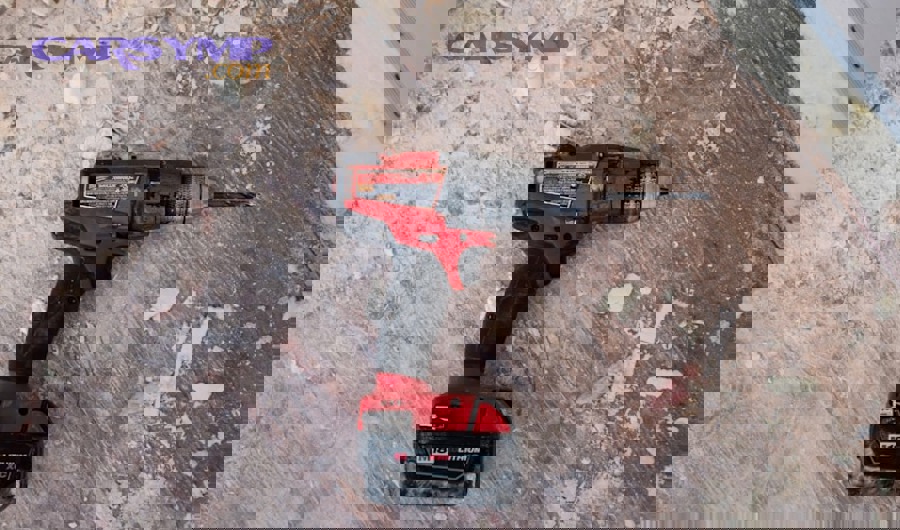
Consequences of over-torquing include bolt head breakage, stripped threads in aluminum caliper brackets, and cracked caliper mounting ears that require complete caliper replacement. Mechanics inexperienced with proper torque often apply “more is better” philosophy, tightening bolts with full breaker bar force that generates 80-100 ft-lbs or more. Caliper bolts, often manufactured from softer steel grades to allow easier removal during service, snap at the head-to-shank junction when over-torqued. The broken bolt shaft remains threaded into the bracket, requiring drilling and extraction that may damage threads beyond repair.
Consequences of under-torquing create equally dangerous conditions where loose caliper bolts allow the caliper to shift position during braking, creating knocking sounds, uneven pad wear, and potential complete caliper separation from its mounting bracket. A loose caliper moves laterally when brakes are applied, pushing the brake pads against the rotor at incorrect angles while generating the clunking noise that indicates serious brake system problems. In worst cases, severely under-torqued bolts back out completely during driving, allowing the caliper to rotate away from the rotor and potentially wedge against the wheel’s inner surface.
Using a torque wrench versus tightening by feel separates professional-quality brake jobs from amateur installations prone to failures. Torque wrenches measure and limit applied force, preventing both over- and under-torquing while ensuring consistent results across all caliper mounting points. The “feel” method relies on subjective interpretation of bolt resistance, varying wildly based on mechanic strength, wrench length, and whether threads are lubricated or dry. Studies show that experienced mechanics tightening bolts by feel achieve accuracy within ±30% of target values—acceptable for some applications but unacceptable for safety-critical brake components.
Why Must You Pump the Brake Pedal After Installation?
Pumping the brake pedal after installation is essential because compressing caliper pistons to install new pads creates excessive clearance between pads and rotors, requiring several pedal applications to reposition pistons and establish proper pad-to-rotor contact before the vehicle can be driven safely.
Specifically, re-seating caliper pistons occurs through hydraulic pressure generated by brake pedal application. Each pedal pump forces brake fluid from the master cylinder through brake lines into caliper cylinders, pushing pistons outward until brake pads contact rotor surfaces. The first pedal application may travel completely to the floor, providing little or no braking force. Subsequent pumps progressively move pistons closer to rotors until normal pedal height and firmness return.
Removing air gaps between brake pads and rotors ensures immediate brake response when pressure is applied during test drives or emergency situations. The typical air gap after caliper piston compression measures 3-5mm on each side of the rotor. At normal brake pedal travel rates, eliminating this gap through piston movement requires 3-5 pedal applications with the engine running to generate maximum hydraulic pressure. Attempting to drive with these air gaps present creates terrifying moments when initial brake application produces no response, requiring panic pumping before brakes engage.
Establishing proper pad-to-rotor contact confirms that the hydraulic system is functioning correctly and all components have been assembled properly. After pumping the pedal until normal firmness returns, hold steady pressure on the pedal for 10-15 seconds while observing for gradual pedal sinking that indicates hydraulic leaks or air in the system. A pedal that maintains position under steady pressure demonstrates proper system integrity and allows safe test driving to verify brake performance.
Testing brake response before driving becomes a critical safety checkpoint that takes just 30-60 seconds but prevents potentially catastrophic failures. Start the engine to activate the brake booster, then apply firm pedal pressure while observing pedal height and resistance. The pedal should stop at approximately one-third to one-half of its total travel range and resist further movement without feeling spongy or mushy. If the pedal sinks gradually or feels soft, recheck all connections, bleed the brake system if necessary, and verify that all components are properly installed before test driving.
Is Skipping the Break-In Procedure Damaging Your New Brakes?
Yes, skipping the break-in procedure damages new brakes because proper bedding transfers microscopic friction material from pads to rotors, creating the essential friction layer for optimal stopping power, while improper or absent break-in causes glazing, reduced effectiveness, uneven transfer, and premature performance loss.
Moreover, the break-in procedure represents the final step in professional brake pad installation, requiring 20-30 minutes of careful driving to achieve the pad-to-rotor surface conditioning necessary for years of reliable service. Many DIY mechanics complete the physical installation perfectly but skip this critical step, never achieving the braking performance their new components are capable of delivering.
What Is the Correct Brake Pad Bedding Process?
The correct brake pad bedding process involves making 10-20 controlled stops from moderate speeds using gradual brake application to heat pads and rotors to 200-300°F, allowing cooling periods between stops, and avoiding complete stops or heavy braking during the initial bedding sequence.
Gentle application sequences protect new brake components while establishing proper friction layer transfer. Begin bedding procedures by accelerating to 30-35 mph on a safe, empty road or parking lot with sufficient distance for multiple stops. Apply moderate brake pressure to slow the vehicle to 5-10 mph without coming to complete stops during the first 8-10 applications. Avoid aggressive braking that generates excessive heat before pads and rotors have developed proper mating surfaces.

Speed and pressure guidelines vary slightly between brake pad manufacturers, but most recommend initial bedding stops from 30-40 mph using 30-40% of maximum brake pressure. This moderate application generates sufficient heat to soften pad surfaces and promote material transfer without overheating components before proper friction layers develop. After completing the initial sequence, perform 3-5 stops from 50-60 mph using 50-60% brake pressure to complete the bedding process and verify that normal brake feel has developed.
Cooling periods between stops allow components to dissipate heat and prevent glazing during the bedding process. After each brake application during bedding, accelerate back to starting speed and drive for 30-60 seconds before the next stop. This driving period allows air flow across rotors and through wheel openings to remove heat buildup. Avoid sitting stationary with your foot on the brake pedal during bedding, as clamping hot pads against hot rotors while stationary creates localized hot spots and uneven material transfer.
Signs of proper break-in include slightly darkened rotor surfaces showing even coloration across the friction area, improved pedal feel with linear response to pressure variations, and absence of squealing noises or vibration during normal braking. The rotor surface should display uniform gray or dark gray coloration without light spots, dark spots, or streaky patterns indicating uneven material transfer. Properly bedded brakes feel progressively firmer and more responsive as the friction layer develops, reaching optimal performance after 200-300 miles of varied driving conditions.
What Are the Consequences of Skipping Break-In?
Skipping break-in procedures causes glazed pads and rotors characterized by hard, shiny surfaces that reduce friction coefficients by 25-35%, creating longer stopping distances, persistent squealing noises, and poor brake modulation that makes smooth stops difficult or impossible.
Glazed pads and rotors develop when new brake components experience excessive heat before proper friction layers transfer between surfaces. Without the gradual heat cycling of proper bedding, aggressive first braking generates intense heat that hardens and burns the pad surface while creating the mirror-finish glaze on rotors. This glazed layer acts as a barrier preventing proper friction development, similar to trying to stop a vehicle using ice cubes pressed against glass.
Reduced friction coefficient translates directly to extended stopping distances and increased pedal pressure requirements. Glazed brakes typically require 15-25% more distance to achieve the same deceleration as properly bedded brakes, creating dangerous situations in emergency stopping scenarios. Drivers often compensate by applying excessive pedal pressure that eventually wears through the glazed layer but damages pad and rotor surfaces through the aggressive breaking-in process.
Uneven pad material transfer creates the streaky, blotchy rotor appearance indicating improper bedding. Instead of uniform dark gray coloration, incorrectly bedded rotors show light and dark patches where friction material transferred unevenly. These thickness variations create the vibration and pulsation during braking that drivers often attribute to warped rotors when the actual problem stems from uneven pad deposit buildup.
Premature performance loss occurs when pads never achieve their designed friction characteristics due to surface hardening during improper break-in. The glazed surface layer prevents the controlled wear that normally refreshes brake pad friction material, instead creating a hard shell that resists wearing to expose fresh material underneath. Glazed pads may last longer than properly bedded pads in terms of thickness retention but provide inferior braking performance throughout their service life.
According to brake pad manufacturer testing data, properly bedded brake pads achieve 90-95% of their maximum friction coefficient within the first 200-300 miles, while pads subjected to aggressive initial use without proper bedding may never exceed 70-75% of their designed friction performance, even after thousands of miles of service.
Should You Replace Brake Pads Yourself or Hire a Professional?
Replacing brake pads yourself makes sense if you possess intermediate mechanical skills, proper tools including a torque wrench and jack stands, and work on standard brake systems, while professional service becomes necessary for complex electronic parking brake systems, integrated ABS components, or whenever uncertainty exists about proper procedures.
In addition to these technical considerations, the decision between DIY and professional brake service involves evaluating time availability, workspace conditions, tool investment costs, and the potential consequences of mistakes on safety-critical brake systems.
What Skills and Tools Are Required for Safe DIY Brake Replacement?
Safe DIY brake replacement requires intermediate mechanical aptitude including the ability to follow sequential procedures, apply proper torque specifications, identify worn components, and recognize when problems exceed DIY capabilities, combined with essential tools including quality jack stands, a torque wrench, and brake-specific tools like caliper compression devices.
Mechanical aptitude assessment helps you determine whether DIY brake work matches your skill level. Successful brake pad replacement requires understanding how hydraulic systems function, recognizing normal versus abnormal component wear patterns, and troubleshooting unexpected problems that arise during installation. If you’ve successfully completed other automotive maintenance tasks like changing oil, replacing filters, or installing new wiper blades, you likely possess the basic skills for brake pad replacement. However, brake work demands greater precision and safety awareness than simpler maintenance tasks.
Essential Tools needed for a brake pad job include a hydraulic floor jack rated for your vehicle’s weight, two or more jack stands with matching weight capacity, a torque wrench covering ranges from 20-90 ft-lbs, a C-clamp or brake caliper compression tool, and metric socket and wrench sets covering sizes from 10mm to 19mm. Additional helpful tools include a brake cleaning spray, wire brushes for surface preparation, brake caliper grease, and a turkey baster for removing excess brake fluid from the reservoir.
Time investment requirements for DIY brake pad replacement typically span 2-4 hours for first-time installations, decreasing to 1-2 hours after gaining experience. This time includes vehicle lifting and securing, wheel removal, brake system disassembly, component cleaning and inspection, new pad installation, and Post-job test drive checklist verification. Plan for additional time if complications arise such as seized caliper bolts, damaged brake hoses requiring replacement, or discovering that rotors need replacement in addition to pads.
Access to vehicle service information dramatically improves DIY success rates by providing torque specifications, brake system bleeding procedures, and vehicle-specific notes about special tools or techniques. While generic online tutorials help understand general procedures, manufacturer service manuals contain the precise information needed for your specific vehicle. Many automotive websites offer subscription-based access to professional service manual databases for $25-30 annually, representing excellent value for DIY mechanics performing multiple repair types.
When Should You Always Choose Professional Brake Service?
Professional brake service becomes mandatory when working on vehicles with electronic parking brake systems requiring diagnostic scan tools for caliper retraction, integrated ABS systems needing special bleeding procedures, or whenever you lack proper tools, workspace, or confidence in executing safety-critical brake repairs correctly.
Complex brake systems on modern vehicles incorporate electronic components requiring specialized diagnostic equipment beyond typical DIY tool collections. Electronic parking brake (EPB) systems use electric motors to retract caliper pistons rather than mechanical methods, requiring scan tools capable of sending retraction commands to the brake control module. Attempting to compress EPB pistons without proper retraction procedures damages electric motors and control electronics, requiring expensive component replacement.
Integrated wear sensors and warning systems complicate brake pad replacement on luxury vehicles and newer models equipped with advanced brake monitoring. These sensors typically connect to vehicle computers through complex wiring harnesses requiring careful disconnection and reconnection during service. Damaged sensors trigger dashboard warning lights and may disable related safety systems, creating problems that require professional diagnosis and repair.
Lack of proper tools or workspace makes DIY brake replacement dangerous and impractical regardless of mechanical skill level. Working on brakes requires absolutely stable vehicle support using quality jack stands—never floor jacks alone or makeshift supports like cinder blocks or wood blocks. Without adequate working space to position tools and components, brake jobs become frustrating exercises in inefficiency that increase error probability.
Uncertainty about procedures should always override cost-saving motivations when considering DIY brake work. Brake systems represent your vehicle’s most critical safety system, and mistakes create genuine life-threatening hazards for you, your passengers, and other road users. If any aspect of brake pad replacement causes confusion or doubt, professional service eliminates risk while ensuring correct installation.
What’s the True Cost Comparison: DIY vs. Professional?
The true cost comparison between DIY and professional brake pad replacement shows DIY parts-only costs of $80-150 for quality pads, rotors, and hardware versus professional service pricing of $250-450 including labor, but DIY requires tool investment of $150-300 if starting from scratch and risks error costs of $400-800 if mistakes require professional correction.
Parts-only cost breakdown for DIY brake jobs typically includes $40-80 for quality brake pads, $60-120 for rotor pairs (if replacing), $15-30 for hardware kits, and $10-20 for brake cleaner and caliper grease. Using premium brake pads and rotors increases material costs to $200-250 total for one axle, approaching professional service prices when tool investment is included for first-time DIYers.
Tool investment amortization makes DIY brake work increasingly cost-effective over multiple services. A $200 tool investment spread across five brake jobs over ten years of vehicle ownership adds only $40 per service to material costs. However, infrequent DIYers replacing brakes once every 3-4 years may find professional service more economical when considering tool costs, time investment valued at reasonable hourly rates, and elimination of error risk.
Risk of mistakes requiring professional correction represents the hidden cost in DIY brake work that may eliminate all cost savings. Installing brake pads on badly worn rotors, neglecting caliper slide pin lubrication, or applying incorrect torque to mounting bolts creates problems requiring professional diagnosis and repair. These correction services typically cost $400-800 including labor to disassemble incorrectly installed brakes, replace damaged components, and properly reassemble the system—more than twice the cost of professional service from the beginning.
Time value consideration factors into true cost comparisons when personal time has measurable worth. A 4-hour DIY brake job valued at even $25 per hour (much less than professional mechanic rates) adds $100 to material costs, narrowing the gap between DIY and professional service. Professionals complete brake pad replacements in 45-90 minutes per axle due to experience, specialized tools, and efficient workflow, making their labor charges reasonable when compared to DIY time investment.
Warranty and liability factors favor professional brake service by providing guarantees on parts and labor while establishing clear liability for any installation errors. Professional brake shops typically warranty their work for 12-24 months or 12,000-24,000 miles, replacing any defective parts or correcting installation errors at no charge. DIY brake work carries no such protection—parts failures require purchasing replacement components while installation errors require paying for professional correction.
How Do Modern Brake Systems Complicate DIY Replacement?
Modern brake systems complicate DIY replacement through electronic parking brake motors requiring scan tool retraction, ABS module priming procedures needing specialized bleeding equipment, tire pressure monitoring sensors (TPMS) that may trigger warnings during service, and diagnostic scan tools necessary for clearing brake service reminders after pad installation.
Electronic parking brake retraction stands as the most significant complication preventing DIY brake service on many newer vehicles. These systems use electric motors integrated into rear brake calipers to apply and release parking brake force. Unlike traditional mechanical parking brake cables that technicians easily disconnect, EPB systems require commanded retraction using manufacturer-specific scan tools that communicate with the brake control module. Attempting to compress EPB caliper pistons without proper retraction damages the electric motor mechanism, requiring expensive caliper replacement.
ABS bleeding requirements differ fundamentally from conventional brake bleeding procedures, often requiring specialized equipment to activate ABS pump motors and cycle solenoid valves. Modern ABS systems trap air bubbles in the hydraulic control unit that standard gravity or manual bleeding cannot remove. Professional scan tools include ABS bleeding functions that command the ABS pump to run while cycling solenoid valves, purging trapped air from the system. Without these procedures, air bubbles remain in the ABS unit, creating spongy pedal feel and compromising ABS functionality.
TPMS sensor interference during brake service occurs when removing wheels or working around valve stems activates low-pressure warnings or damages sensors. Some TPMS sensors mount on valve stems positioned near brake components, creating interference during caliper removal or installation. Additionally, the process of jacking and supporting vehicles may trigger TPMS low-pressure warnings that require specific reset procedures or scan tool commands to clear.
Diagnostic scan tool requirements extend beyond EPB retraction and ABS bleeding to include brake pad wear indicator resets, electronic parking brake calibration, and brake fluid level sensor adjustments. Many vehicles equipped with electronic brake pad wear monitoring require scan tool commands to reset service reminders after pad replacement. Failure to complete these resets may trigger premature warning lights or prevent the system from monitoring new pad wear correctly.
According to automotive service industry data, approximately 35-40% of vehicles sold since 2018 incorporate electronic parking brake systems, while nearly 60% include ABS configurations requiring specialized bleeding procedures, making professional brake service increasingly necessary for significant portions of the vehicle fleet.
Replacing brake pads successfully requires attention to all ten critical mistakes outlined in this guide. By choosing correct pad materials, replacing hardware, addressing rotor condition, properly handling calipers, preparing surfaces thoroughly, maintaining brake fluid, applying proper torque, pumping the pedal after installation, and completing proper break-in procedures, you ensure safe, effective brake performance. When modern electronic brake systems exceed your DIY capabilities, professional service provides the specialized tools, knowledge, and warranty protection necessary for reliable brake system function. The small additional cost of professional service on complex systems represents wise investment in safety and long-term reliability compared to potential consequences of DIY errors.