


DIY brake pad replacement costs between $50-$150 per axle for parts alone, while professional shop service ranges from $150-$400 per axle, meaning you can save $100-$300 per axle by doing it yourself. The total savings for a complete four-wheel brake job typically range from $200-$600, though this depends on your vehicle type, the quality of parts you choose, and whether you already own the necessary tools. The decision between DIY and shop replacement ultimately comes down to balancing these cost savings against factors like your mechanical skill level, available time, tool investment, and safety considerations.
Understanding the detailed cost breakdown helps you make an informed decision that fits your specific situation. When you replace brake pads yourself, you eliminate labor charges that typically account for $80-$200 per axle at professional shops, but you must factor in the initial investment for tools ranging from $100-$200 if you’re a first-time DIYer. Professional service offers convenience, warranties, and expert inspection, which add value beyond the simple parts and labor equation.
The time investment differs significantly between the two approaches, with DIY brake replacement taking 3-5 hours per axle for beginners compared to 1-2 hours for professional technicians who have specialized equipment and experience. Your vehicle type also plays a crucial role in determining whether DIY makes financial sense—economy cars with standard brake systems are ideal candidates for DIY work, while luxury vehicles with complex electronic brake systems may require professional expertise that justifies the higher cost.
Beyond the immediate cost comparison, several hidden factors affect the overall value equation, including warranty coverage differences, the potential costs of DIY mistakes, regional pricing variations, and the long-term benefits of learning vehicle maintenance skills. To better understand these dynamics and make the right choice for your situation, let’s examine each cost component and decision factor in detail.
How Much Does DIY Brake Pad Replacement Cost Compared to Shop Service?
DIY brake pad replacement costs $50-$150 per axle for parts, while professional shops charge $150-$400 per axle including labor, resulting in savings of $100-$300 per axle when you do the work yourself.
To illustrate the cost difference clearly, consider that a complete four-wheel brake job using the DIY approach typically costs between $100-$300 for parts alone, whereas the same job at a professional shop runs $300-$800 or more. This substantial price gap exists primarily because labor charges at automotive shops range from $80-$120 per hour, with most brake jobs requiring 1-2 hours per axle. When you replace brake pads yourself, you eliminate these labor costs entirely, keeping only the parts expense.
The following table breaks down the typical costs you can expect for both approaches:
| Cost Component | DIY Cost | Professional Shop Cost | Savings |
|---|---|---|---|
| Front Axle (Pads Only) | $35-$150 | $150-$300 | $100-$200 |
| Rear Axle (Pads Only) | $35-$150 | $150-$300 | $100-$200 |
| All Four Wheels (Pads Only) | $70-$300 | $300-$600 | $200-$400 |
| Front Axle (Pads + Rotors) | $95-$300 | $300-$500 | $200-$250 |
| All Four Wheels (Pads + Rotors) | $190-$600 | $600-$1,000 | $400-$600 |
| Labor Cost | $0 (your time) | $160-$400 | $160-$400 |
What Are the Parts Costs for DIY Brake Pad Replacement?
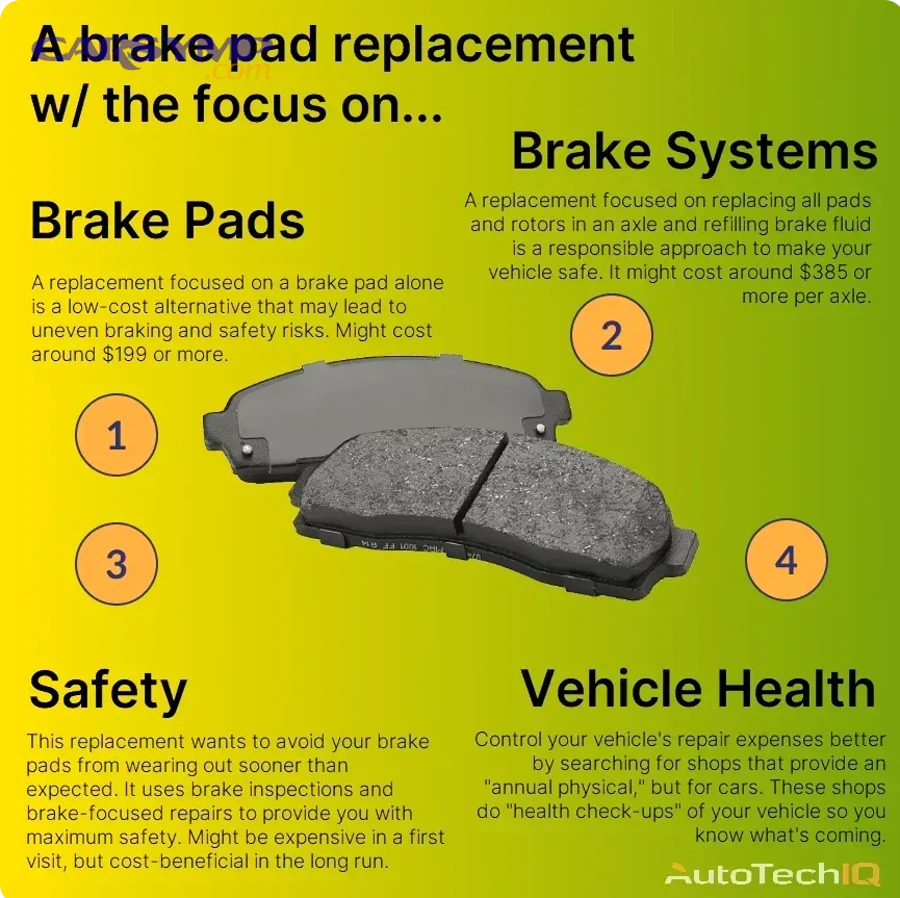
Brake pads for DIY replacement cost between $35-$150 per axle depending on quality tier, with economy pads at $35-$60, mid-grade semi-metallic pads at $50-$100, and premium ceramic pads at $80-$150.
When you purchase parts for a DIY brake job, you have direct control over quality choices without shop markups. Economy brake pads represent the most affordable option and typically last 25,000-40,000 miles under normal driving conditions. These basic pads work adequately for older vehicles or budget-conscious drivers who don’t mind replacing them more frequently. Mid-grade semi-metallic pads offer the best balance of performance, longevity, and cost for most drivers, typically lasting 40,000-60,000 miles while providing reliable stopping power in various weather conditions.
Premium ceramic brake pads command the highest price but deliver superior performance characteristics including quieter operation, significantly less brake dust on your wheels, and extended lifespan of 50,000-70,000 miles or more. Beyond brake pads themselves, you may need additional components for a complete brake job. Rotors cost $30-$75 each when purchased individually, meaning $60-$150 per axle or $240-$600 for all four wheels. Brake calipers, if replacement becomes necessary, run approximately $130 each. Additional items include brake hardware kits ($10-$25), brake fluid ($8-$15 per bottle), and brake cleaner ($5-$10).
The choice between OEM (Original Equipment Manufacturer) and aftermarket parts significantly impacts your total cost. OEM parts typically cost 20-40% more than quality aftermarket alternatives but guarantee exact fit and specifications matching your vehicle’s original components. Quality aftermarket brands like Wagner, Akebono, Bosch, and Raybestos offer excellent performance at lower prices, making them popular choices for DIY mechanics. Online retailers like RockAuto, Amazon, and AutoZone frequently offer better prices than local parts stores, though you must factor in shipping time and potential return complications.
What Do Professional Shops Charge for Brake Pad Replacement?
Professional shops charge $150-$400 per axle for brake pad replacement, with labor rates ranging from $80-$200 per hour and most jobs requiring 1-2 hours of technician time.
The total cost at a professional shop includes several components beyond just parts. Labor charges represent the largest portion of professional brake service costs, with hourly rates varying significantly based on shop type and geographic location. Dealership service departments typically charge the highest rates at $120-$200 per hour, reflecting their specialized training, manufacturer-specific diagnostic equipment, and use of OEM parts. Independent repair shops offer more competitive pricing at $80-$120 per hour while often providing comparable quality work from experienced technicians. Chain repair facilities like Midas, Firestone, or Pep Boys fall somewhere in the middle at $90-$140 per hour and frequently run promotional discounts.
Shop type comparison reveals important considerations beyond just hourly rates. Dealerships mark up parts by 30-50% over wholesale prices, adding significantly to your total bill but providing manufacturer warranty protection and technician expertise specific to your vehicle make. Independent shops typically mark up parts by 20-40%, offering a middle ground between cost and specialized knowledge. Mobile mechanics have emerged as a cost-effective alternative in recent years, charging $70-$120 per hour with lower overhead costs since they come to your location, eliminating the need for you to arrange alternative transportation while your vehicle is serviced.
Geographic variations in pricing create substantial differences in what you’ll pay for identical service. Urban areas with higher costs of living see labor rates at the upper end of the spectrum, while rural areas typically charge less. For example, brake pad replacement in major metropolitan areas like New York, Los Angeles, or San Francisco might cost $300-$400 per axle at an independent shop, whereas the same service in smaller cities or rural areas might run $150-$250 per axle. Shop fees add another layer of costs, including environmental disposal fees ($5-$15), shop supplies charges ($10-$25), and diagnostic fees if additional problems are discovered during inspection.
According to data from AAA’s 2024 automotive service pricing survey, the national average cost for front brake pad replacement at AAA-approved repair facilities was $276 per axle, with regional variations ranging from $215 in the Southeast to $340 in the Pacific Northwest.
What Tools and Equipment Do You Need for DIY Brake Pad Replacement?
DIY brake pad replacement requires essential tools costing $100-$200 for first-time buyers, including a floor jack ($50-$100), jack stands ($30-$60), socket set ($30-$80), C-clamp ($10-$20), and lug wrench ($15-$30).
Understanding the tool investment is critical because these costs directly impact your break-even calculation. If you already own basic automotive tools, you might only need to purchase a few specialized items, making DIY immediately cost-effective. However, first-time DIYers must factor in this upfront expense when comparing against professional service costs. The good news is that these tools remain useful for future brake jobs and other automotive maintenance tasks, spreading their value across multiple uses over the years.
What Are the Essential Tools for Replacing Brake Pads Yourself?
The essential tools for DIY brake pad replacement include a hydraulic floor jack ($50-$100), a pair of jack stands ($30-$60), a socket set with common sizes ($30-$80), a C-clamp or brake caliper piston tool ($10-$40), and a torque wrench ($25-$60).
A hydraulic floor jack lifts your vehicle safely to access the wheels and brake components, with 2-ton capacity sufficient for most cars and 3-ton capacity recommended for trucks and SUVs. Jack stands are absolutely mandatory for safety—never work under a vehicle supported only by a jack, as hydraulic jacks can fail and cause serious injury or death. Quality jack stands rated for your vehicle’s weight provide stable, secure support while you work. A socket set containing metric and standard sizes allows you to remove wheel lug nuts, caliper bolts, and other fasteners, with 3/8-inch drive sockets covering most brake job needs.
The C-clamp or dedicated brake caliper piston tool compresses the brake caliper piston back into its housing, creating space to fit new, thicker brake pads over the rotor. Basic C-clamps from hardware stores work for simple single-piston calipers, while vehicles with multi-piston calipers or rear calipers with integrated parking brakes require specialized tools. A torque wrench ensures you tighten caliper bolts and wheel lug nuts to manufacturer specifications, preventing both under-tightening that could cause components to loosen and over-tightening that could damage threads or warp rotors.
Additional helpful tools that improve the job include a lug wrench or impact wrench ($30-$150) for easier wheel removal, a wire brush ($5-$10) for cleaning caliper brackets and contact points, brake cleaner spray ($5-$10) for degreasing components, and work gloves ($10-$20) to protect your hands. Anti-seize compound ($8-$12) prevents caliper bolts from seizing in the future, while high-temperature brake grease ($8-$15) lubricates caliper slide pins for smooth operation. A drip pan ($10-$20) catches any brake fluid spills, and a bungee cord or wire ($5) safely supports the caliper when removed from the rotor.
The total investment for a complete DIY brake tool kit ranges from $150-$300 depending on tool quality and whether you choose budget or premium options. This upfront cost pays for itself after just one or two complete brake jobs compared to shop labor rates. According to a 2025 consumer survey by Popular Mechanics, DIY mechanics who performed their own brake maintenance over a five-year period saved an average of $1,840 compared to always using professional services, with tool costs representing less than 15% of those total savings.
Do You Need Special Equipment for Modern Brake Systems?
Yes, modern brake systems with electronic parking brakes, ABS, or brake-by-wire technology require specialized diagnostic tools costing $50-$300, including OBD-II scanners ($30-$150) and electronic parking brake reset tools ($50-$200).
Many vehicles manufactured after 2015 incorporate electronic parking brakes (EPB) that replace traditional mechanical cable systems with electric motors integrated into the rear brake calipers. These systems require specific procedures to retract the caliper pistons before you can replace brake pads. Unlike traditional mechanical systems where you simply compress the piston with a C-clamp, EPB systems need electronic commands sent through the vehicle’s diagnostic port to activate service mode. Without the proper tool or procedure, you cannot complete the brake job, making this equipment essential rather than optional for affected vehicles.
OBD-II scanners with EPB functionality range from basic $30-$50 Bluetooth adapters that connect to smartphone apps to professional-grade $150-$300 scan tools with dedicated EPB service functions. Budget scanners may work for some vehicle makes, but many European and luxury vehicles require manufacturer-specific software that only functions with higher-end diagnostic equipment. Some vehicles allow EPB service mode activation through a specific sequence of pressing the brake pedal and parking brake button without special tools, but this varies by manufacturer and model year, making tool investment the more reliable approach.
Anti-lock braking system (ABS) sensors occasionally require reset procedures after brake service, particularly when you disconnect brake fluid lines or replace ABS-equipped components. While simple brake pad replacement typically doesn’t trigger ABS warning lights, having a capable scan tool allows you to clear any fault codes that might appear and verify proper system operation after completing the job. Brake fluid level sensors can also trigger warnings during brake service as the fluid level drops when you compress caliper pistons, and the ability to reset these warnings prevents unnecessary confusion.
Vehicles with brake-by-wire systems found in many hybrid and electric vehicles add another layer of complexity. These systems use electronic controls and regenerative braking that capture energy during deceleration, reducing wear on traditional friction brakes but requiring specific service procedures. Tesla, Chevrolet Bolt, Nissan Leaf, and other EVs often need dealer-level diagnostic equipment to properly service brake components, making DIY replacement impractical or impossible without expensive specialized tools. When specialized equipment makes DIY impractical, professional service becomes the more economical choice despite higher labor costs, as purchasing tools you’ll rarely use doesn’t make financial sense.
How Much Time Does DIY vs Shop Brake Replacement Take?
DIY brake pad replacement takes 3-5 hours per axle for first-time mechanics and 1-2 hours for experienced DIYers, while professional shops complete the same job in 1-2 hours per axle with their specialized equipment and expertise.
Time investment represents a crucial but often overlooked cost factor when comparing DIY to professional brake service. While you save money on labor by doing the work yourself, you must invest your own time—time that has value whether measured in lost wages, missed leisure activities, or other productive tasks you could accomplish instead. Understanding realistic time expectations helps you make an honest assessment of whether DIY brake replacement makes sense for your situation.
How Long Does It Take to Replace Brake Pads Yourself?
First-time DIY brake pad replacement takes 3-5 hours per axle as you learn procedures, troubleshoot issues, and work carefully, while experienced home mechanics complete the same job in 1-2 hours per axle.
Your first brake job involves a significant learning curve that extends the time required. You’ll spend time reviewing online tutorials or repair manual instructions, gathering and organizing tools, figuring out the correct jack points for your vehicle, and working methodically to avoid mistakes. Removing wheels, removing caliper bolts, compressing pistons, cleaning components, installing new pads, and reassembling everything takes longer when you’re unfamiliar with the process. Common complications that extend DIY time include seized caliper bolts requiring penetrating oil and additional effort, difficulty compressing caliper pistons that haven’t been serviced in years, discovering that rotors need replacement in addition to pads, and troubleshooting issues like brake fluid leaks or contaminated pads.
The bedding-in process for new brake pads adds another consideration to your DIY timeline. After installation, new pads require a specific break-in procedure involving 20-30 moderate stops from 30-40 mph to properly transfer friction material to the rotor surface and achieve optimal braking performance. While this doesn’t add hands-on work time, it means you can’t immediately return to normal driving patterns after completing the installation.
Experienced DIY mechanics who have performed brake jobs multiple times develop efficiency through familiarity. They know exactly which tools they need, understand the process flow, work confidently without second-guessing each step, and can complete a straightforward brake pad replacement in 1-2 hours per axle. This time advantage accumulates over multiple brake jobs throughout vehicle ownership. If you perform brake maintenance on multiple vehicles or plan to keep your current vehicle for many years, developing these skills creates long-term time savings in addition to cost benefits.
Time value calculation helps determine if DIY makes economic sense for your situation. If you earn $50 per hour at your job and a DIY brake job takes you 6 hours total for both front and rear axles, you’re investing $300 worth of your time (using opportunity cost logic). Compare this against shop labor charges of $320-$400 for the same work, and the DIY time investment looks reasonable. However, if you earn $100 per hour and lack mechanical interest or skill, paying a professional $400 in labor charges saves you time worth $600, making professional service the economically rational choice even though it costs more in absolute dollars.
According to a 2024 study by the Automotive Maintenance and Repair Association, 68% of first-time DIY brake replacement attempts took longer than 4 hours, with 23% requiring a second day to complete due to unexpected complications or missing tools.
How Quickly Can Professional Shops Complete Brake Replacement?
Professional technicians complete brake pad replacement in 1-2 hours per axle, with many shops performing front and rear axles simultaneously when two bays and technicians are available, reducing total service time to 1-2 hours for all four wheels.
Professional efficiency comes from multiple advantages that home mechanics simply cannot replicate. Experienced technicians have performed hundreds or thousands of brake jobs, allowing them to work quickly without consulting manuals or hesitating over procedures. Professional shops maintain specialized tools like pneumatic impact wrenches for rapid wheel removal, hydraulic lifts that eliminate time-consuming jacking and jack stand placement, brake caliper spreaders designed for specific vehicle types, and electronic diagnostic equipment that instantly resets EPB systems. This equipment represents thousands of dollars in investment that only makes economic sense for businesses performing brake service regularly.
Shop workflow optimization further accelerates service time through parallel processing and systematic approaches. While one technician removes wheels and dismantles brake components, another can be cleaning parts or preparing new pads and hardware. Many shops employ a two-technician approach for brake jobs, with one person handling front brakes while another works on the rear, cutting total service time in half. Professional facilities also maintain organized parts storage and clean, well-lit work areas that eliminate time wasted searching for tools or working in awkward positions.
Same-day service versus appointment wait times presents an important consideration beyond just the hands-on work duration. Many shops can complete brake pad replacement within 2-3 hours including check-in, inspection, and quality verification if you arrive early in the day with no appointment during non-peak times. However, scheduling during busy periods might mean leaving your vehicle overnight or for multiple days even though the actual work takes only 1-2 hours. Mobile mechanics eliminate this variable by coming to your home or workplace and completing the job on your schedule, though they typically charge premium rates for this convenience.
The convenience factor for busy car owners cannot be overstated. Professional brake service allows you to drop off your vehicle in the morning, go to work or handle other responsibilities, and pick up your car that afternoon with the job completed. Compare this to a DIY approach requiring an entire Saturday consumed by brake work, plus potential parts store trips if you discover missing items or damaged components, and the professional service time advantage becomes clear. Some drivers value this convenience highly enough to justify professional costs even when they possess DIY skills and tools.
What Factors Affect the Cost Difference Between DIY and Shop Brake Replacement?
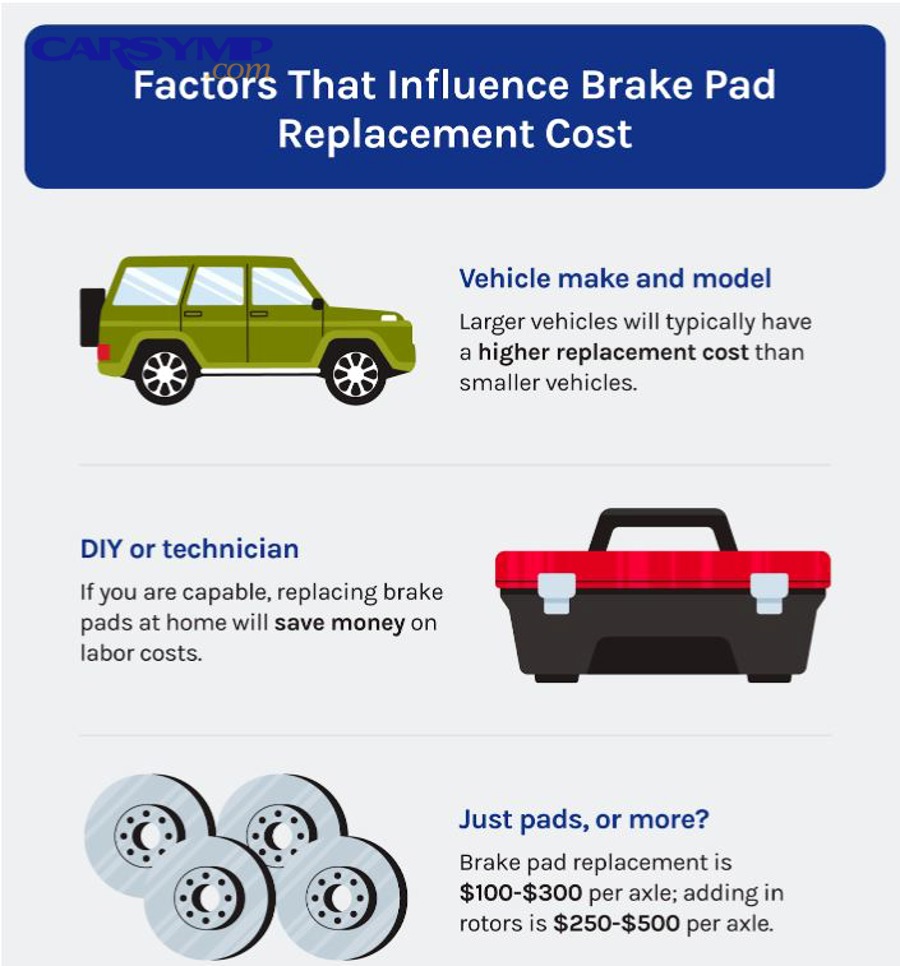
Vehicle type, brake pad quality, geographic location, and brake system complexity create cost differences ranging from minimal $100 savings on economy cars to substantial $600+ savings on luxury vehicles when choosing DIY over professional shop service.
Multiple interconnected factors determine how much money you actually save by replacing brake pads yourself versus paying for professional service. Understanding these variables helps you accurately calculate potential savings specific to your situation rather than relying on generic estimates that might not apply to your vehicle or location.
How Does Your Vehicle Type Impact DIY vs Shop Cost Savings?
Economy cars like Honda Civics and Toyota Corollas offer the greatest DIY cost advantage with $200-$400 total savings, while luxury vehicles like BMWs can save you $400-$600 despite higher parts costs due to dramatically higher shop labor rates.
Economy and commuter vehicles represent ideal candidates for DIY brake replacement because they combine affordable parts prices with straightforward brake systems that don’t require specialized tools. A Honda Civic, Toyota Corolla, Mazda3, or similar compact car typically uses brake pads costing $40-$80 per axle for quality aftermarket parts. Professional shop service for these vehicles runs $150-$250 per axle at independent shops, creating potential savings of $110-$210 per axle when you do the work yourself. These vehicles feature simple single-piston front calipers and basic rear drum or disc brakes that any moderately handy person can service with basic tools.
SUVs and trucks require larger, more robust brake components to handle their increased weight, raising parts costs to $60-$120 per axle for quality pads. However, professional labor charges also increase due to the additional physical effort and time required to work on larger vehicles, with shop rates of $180-$300 per axle. This creates DIY savings potential of $120-$240 per axle, actually higher in absolute dollars than economy cars despite the increased parts cost. A Ford F-150, Chevrolet Tahoe, or Toyota 4Runner owner can save $240-$480 on a complete four-wheel brake job by investing a weekend afternoon in DIY work.
Luxury vehicles present the most dramatic cost differential between DIY and professional service. A BMW 5 Series, Mercedes-Benz E-Class, or Audi A6 uses specialized brake components costing $100-$200 per axle for quality aftermarket parts (OEM dealer parts run even higher at $150-$300 per axle). Dealership labor rates for these vehicles range from $150-$250 per hour, with total shop costs of $300-$500 per axle including parts markup and labor. DIY savings reach $200-$350 per axle, or $400-$700 for a complete four-wheel brake job, making the effort highly worthwhile for luxury car owners with mechanical aptitude.
Performance cars equipped with high-performance brake systems featuring multi-piston calipers, cross-drilled or slotted rotors, and specialized pad compounds add complexity that may push some owners toward professional service despite high costs. A Corvette, Porsche 911, or BMW M3 uses premium brake components requiring careful installation procedures and often vehicle-specific tools. While DIY remains possible and can save $300-$600, the consequences of improper installation on a high-performance vehicle driven aggressively create greater safety concerns than with a commuter car used for gentle daily driving.
Electric and hybrid vehicles with regenerative braking systems require special consideration. While brake pads last significantly longer on EVs due to regenerative braking reducing friction brake usage, the complexity of these integrated systems sometimes demands professional service with specialized diagnostic equipment. A Tesla Model 3, Chevrolet Bolt, or Toyota Prius might need brake service only every 70,000-100,000 miles, but when service becomes necessary, dealer-specific procedures and tools may eliminate the DIY option entirely. The infrequent service intervals also mean purchasing specialized tools provides less value since you’ll use them rarely.
Which Brake Pad Quality Offers the Best Value for DIY vs Shop?
Mid-grade semi-metallic brake pads costing $50-$100 per axle offer the best value for most DIY mechanics, balancing initial cost, longevity of 40,000-60,000 miles, and performance across various driving conditions.
Economy brake pads at $35-$60 per axle represent the lowest upfront cost but typically last only 25,000-40,000 miles, potentially requiring replacement twice as often as premium options. This creates a false economy where you save $20-$40 on each brake job but spend more money long-term through frequent replacements. Budget pads also tend to produce more brake dust, create more noise during braking, and offer less consistent stopping performance in wet conditions. However, they make sense for older vehicles near the end of their useful life or for drivers planning to sell their car within the next year who want minimal brake maintenance investment.
Mid-grade semi-metallic pads provide excellent all-around performance at reasonable prices. These pads use a friction material composition blending metal particles with organic compounds, creating good heat dissipation for safe repeated stops, consistent performance in wet and dry conditions, and durability lasting 40,000-60,000 miles under normal driving. Major aftermarket brands like Wagner ThermoQuiet, Akebono ProACT, and Bosch QuietCast fall into this category at $50-$100 per axle. For DIY mechanics, this sweet spot balances one-time purchase price against service life, minimizing the frequency of brake jobs you need to perform while maintaining safe, reliable braking.
Premium ceramic brake pads at $80-$150 per axle offer superior characteristics that some drivers value highly. Ceramic compounds create extremely low brake dust accumulation, keeping your wheels cleaner for longer periods. They operate very quietly with minimal squealing or grinding noise during normal braking. Temperature stability remains excellent even during aggressive driving or heavy use. Service life often extends to 50,000-70,000 miles or more, the longest of any pad type. However, the 50-100% price premium over mid-grade pads doesn’t always deliver proportional value increases for typical commuter driving.
Professional shops typically markup parts by 20-40% over their wholesale cost, meaning a brake pad set they purchase for $60 retail gets charged to customers at $75-$85 on the final invoice. When you purchase parts directly for DIY installation, you pay only retail prices without markup, saving an additional $15-$40 per axle beyond the labor cost elimination. This parts markup advantage adds meaningfully to total DIY savings, especially on premium brake components. Quality aftermarket brands deliver performance comparable to OEM parts at lower prices, with independent testing by organizations like Consumer Reports showing no meaningful performance differences for most everyday driving applications.
According to a 2025 analysis by Consumer Reports’ automotive testing division, mid-grade ceramic and semi-metallic brake pads from major aftermarket manufacturers performed within 5% of OEM parts in stopping distance tests while costing 30-40% less, making them excellent value choices for DIY mechanics.
Is DIY Brake Pad Replacement Worth the Savings?
Yes, DIY brake pad replacement is worth the savings for mechanically inclined car owners with basic tools, adequate time, and vehicles with standard brake systems, offering $200-$600 in labor cost savings per complete brake job.
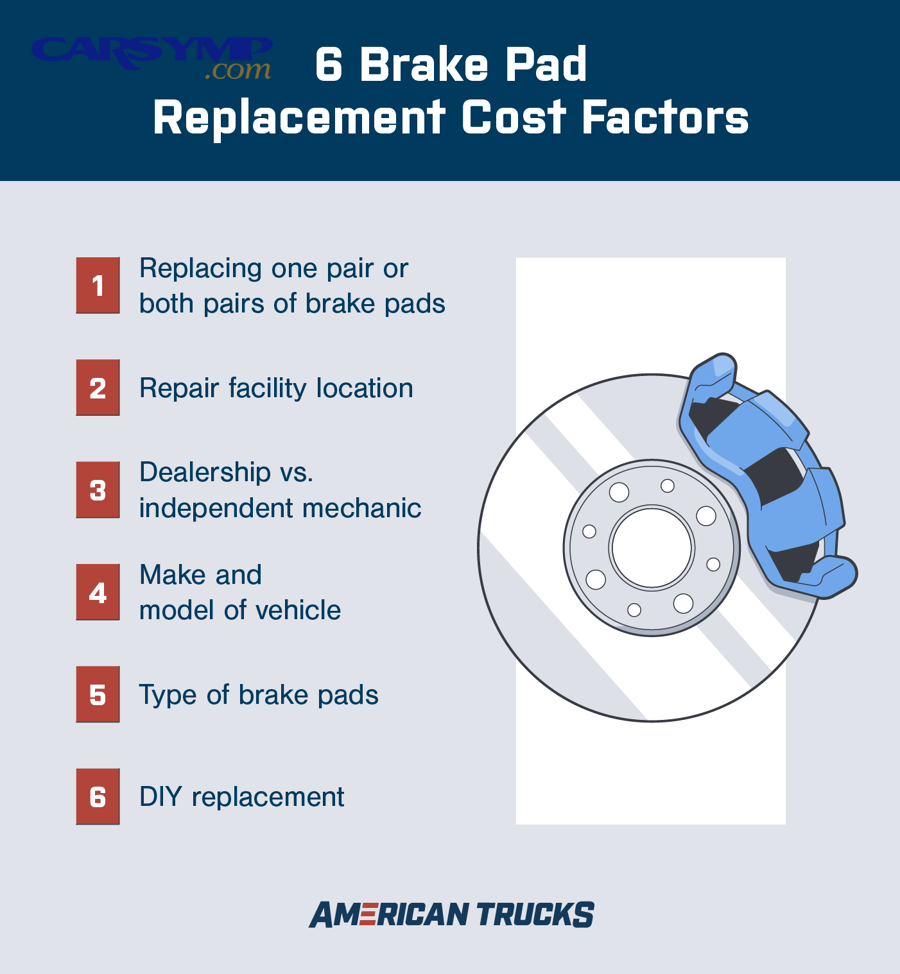
However, the worthiness calculation extends beyond simple dollar comparisons to include skill requirements, safety considerations, warranty coverage, time investment, and long-term learning value. The right choice depends on your specific situation, vehicle type, mechanical confidence, and how you value your time versus money.
When Should You Choose DIY Brake Pad Replacement?
Choose DIY brake pad replacement when you have basic mechanical skills, own or can afford tools costing $100-$200, drive a vehicle with standard brake systems, and can dedicate 4-8 hours to the project while saving $200-$600 in labor costs.
Mechanical experience or willingness to learn represents the most important prerequisite for successful DIY brake work. You don’t need professional technician training, but you should feel comfortable following detailed instructions, working with hand tools, and troubleshooting problems when procedures don’t go exactly as expected. If you’ve successfully completed other automotive DIY tasks like oil changes, air filter replacements, or battery installations, you likely possess sufficient skill for brake pad replacement. First-timers with patient temperaments who carefully study tutorial videos and reference repair manuals can also succeed, though they should expect the job to take longer and potentially involve some frustration.
Tool ownership or affordability directly impacts the DIY cost calculation. If you already own a floor jack, jack stands, and basic hand tools from previous home or automotive projects, your only new purchase might be a $10-$20 C-clamp, making DIY immediately cost-effective. However, first-time DIYers facing $150-$200 in tool purchases need to consider whether they’ll use these tools again for future brake jobs or other maintenance tasks. The break-even point typically occurs after 1-2 complete brake jobs when tools are included, or immediately if you already own required equipment.
Standard brake systems without electronic complications make DIY realistic and safe. Vehicles manufactured before 2010 generally feature traditional mechanical parking brakes and simple hydraulic disc or drum brakes that anyone can service with basic tools and common sense. Even many newer vehicles retain traditional brake designs despite the industry trend toward electronic systems. Before committing to DIY, research your specific vehicle’s brake system—owner’s manual specifications, online forums for your make and model, and YouTube brake replacement videos showing your exact vehicle can quickly reveal whether your car has DIY-friendly brakes or complex systems requiring special tools.
Adequate time availability matters more than many DIY beginners realize. You need an uninterrupted block of 4-8 hours for a first-time complete brake job, preferably during daylight hours on a dry day. Attempting brake work in rushed 1-2 hour sessions after work on weeknights creates stress, increases mistake likelihood, and might leave you with a partially disassembled vehicle you can’t drive. Weekend or vacation day projects work best, giving you flexibility to handle unexpected complications without schedule pressure. Having a backup vehicle or alternative transportation option also reduces stress if the job takes longer than expected or reveals additional problems requiring parts you don’t have on hand.
Learning value extends beyond immediate cost savings for some DIY enthusiasts. Understanding how your vehicle’s braking system works, developing the skill and confidence to maintain it yourself, and achieving the satisfaction of completed hands-on work provides intrinsic rewards that complement monetary benefits. These skills transfer to other automotive maintenance tasks, potentially saving thousands of dollars over years of vehicle ownership while reducing your dependence on professional services for routine maintenance.
When Should You Pay for Professional Brake Pad Replacement?
Pay for professional brake pad replacement when you lack mechanical experience, work on vehicles with electronic parking brakes or ABS complexity, need warranty coverage, face time constraints, or when safety concerns outweigh the $200-$600 cost savings.
Limited mechanical experience or confidence represents a valid reason to choose professional service despite higher costs. Braking systems are safety-critical components where mistakes can cause accidents, injuries, or death. If you don’t feel comfortable jacking up your vehicle, working under it, or following multi-step procedures precisely, professional service provides peace of mind worth the additional expense. There’s no shame in recognizing your limitations—attempting automotive repairs beyond your skill level creates dangers that far outweigh any money saved.
Complex brake systems with electronic parking brakes, advanced ABS, or brake-by-wire technology often require professional service regardless of your general mechanical aptitude. When your vehicle needs a $150-$300 diagnostic tool for a one-time brake job, paying a shop $300-$400 in labor makes more economic sense than purchasing equipment you’ll rarely use. European luxury vehicles particularly tend toward proprietary systems requiring dealer-specific software, making independent DIY repair impractical or impossible. Research your vehicle’s specific brake system before attempting DIY—discovering mid-job that you need specialized tools creates frustrating, expensive complications.
Warranty coverage importance varies among car owners but provides tangible value beyond parts replacement. Professional brake service typically includes 12-24 month parts warranties plus 90 days to lifetime labor warranties depending on the shop. If a brake pad fails or installation error causes problems, the shop corrects issues at no additional cost. DIY mechanics receive parts warranties but bear full responsibility and cost for installation errors or related failures. For risk-averse drivers or those financing expensive vehicles where unexpected repair costs strain budgets, professional warranty coverage justifies higher upfront service costs.
Time constraints prevent many capable mechanics from choosing DIY despite their skills and tools. If you work long hours, have young children demanding attention on weekends, or travel frequently for work, finding an 8-hour block for brake work might prove impossible regardless of cost savings. Professional shops complete the job in 2-3 hours while you work, run errands, or handle other responsibilities. Mobile mechanics enhance this convenience by coming to your home or workplace, eliminating even the inconvenience of dropping off and picking up your vehicle.
Safety concerns should always override cost considerations when evaluating DIY versus professional brake service. If you question any aspect of the job, lack confidence in your ability to complete it properly, or don’t have safe working conditions (level pavement, adequate lighting, proper jack points), pay for professional service. Brake system failures cause thousands of accidents annually, and improper repair work can transform routine maintenance into life-threatening situations. When safety doubts exist, professional expertise provides value far exceeding the several hundred dollars you might save through DIY work.
According to data from the National Highway Traffic Safety Administration’s 2024 Vehicle Owner Survey, brake system failures attributed to improper DIY maintenance accounted for approximately 2,300 accidents annually, highlighting the importance of proper installation procedures and realistic skill assessment.
What Hidden Costs and Long-Term Factors Should You Consider?
Warranty coverage differences, potential mistake costs ranging from $200-$900 in additional repairs, regional pricing variations of 30-50%, and disposal fees of $10-$25 represent hidden factors affecting the true cost comparison between DIY and shop brake replacement.
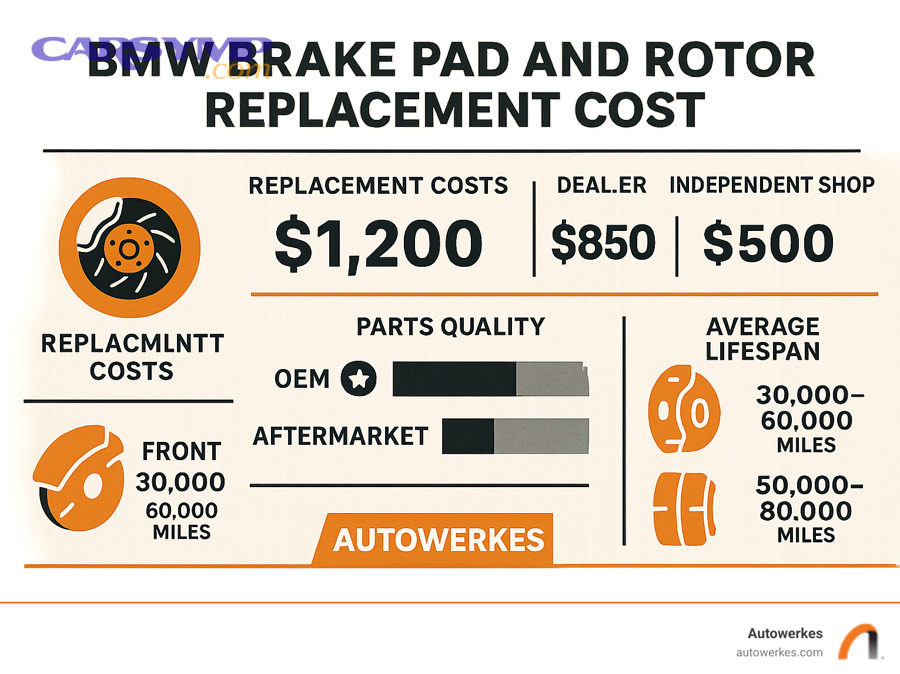
Looking beyond the basic parts-and-labor calculation reveals additional cost considerations that influence the final value equation. These factors don’t always appear in initial price quotes but meaningfully impact your total expenditure and overall satisfaction with whichever approach you choose.
How Do Warranties Differ Between DIY and Shop Brake Replacement?
DIY brake pad warranties cover parts only for 12-24 months with no labor coverage, while professional shops provide both parts warranties and labor guarantees ranging from 90 days to lifetime, offering superior protection against installation defects and premature failures.
Parts-only warranties that come with DIY brake components protect you against manufacturing defects or premature pad failure. If a brake pad delaminates, cracks, or wears excessively within the warranty period, the manufacturer replaces the part at no cost. However, you must remove and reinstall the brakes yourself, investing another 2-4 hours of labor even though the replacement part is free. Premium brake pad brands like Akebono, Wagner, and Raybestos typically offer 24-month warranties, while budget brands provide 12-month coverage. These warranties explicitly exclude installation errors, meaning if you damage a pad during installation or cause premature wear through improper procedure, you receive no coverage.
Professional shop warranties include both parts and labor coverage, providing complete protection against brake job failures within the warranty period. Most reputable shops offer minimum 90-day labor warranties, meaning if installation errors cause problems like brake noise, vibration, or premature wear within three months, they correct the issues at no additional charge. Better shops extend labor warranties to 12-24 months, while some high-end facilities provide lifetime labor warranties for as long as you own the vehicle. This coverage protects you against seized caliper bolts that break during removal, contaminated brake pads from improper handling, improperly torqued components, and numerous other installation-related problems that DIY warranties don’t address.
The warranty claim process differs significantly between DIY and shop approaches. When a shop-installed brake component fails under warranty, you schedule an appointment, drop off your vehicle, and they diagnose and repair the problem at their expense. The shop absorbs both parts and labor costs, and you might receive a free loaner vehicle or rental car discount during repairs. Contrast this with DIY warranty claims where you must remove the failed part, ship it to the manufacturer or return it to the retailer, wait for approval and replacement, then reinstall everything yourself—a process consuming days or weeks and considerable additional effort.
Peace of mind and comeback guarantees add intangible value beyond simple cost analysis. When you pay for professional brake service, you’re purchasing not just installation labor but also the shop’s responsibility for correct work. If something goes wrong related to the brake job, you have recourse through warranty coverage, consumer protection laws, and reputation-conscious businesses wanting to maintain good customer relationships. DIY mechanics bear sole responsibility for their work, with no fallback option if mistakes occur beyond purchasing replacement parts at their own expense.
Warranty value calculations should consider failure likelihood and potential costs. If brake pad manufacturing defect rates run approximately 1-2% based on industry data, and parts warranties from both DIY and professional sources cover these failures, the real warranty value difference comes from installation error protection. Professional labor warranties protect against problems affecting an estimated 3-5% of brake jobs, potentially saving you $200-$500 if issues occur. Risk-averse car owners might value this coverage highly enough to justify professional service costs even when capable of DIY work.
What Are the Real Costs of DIY Mistakes?
DIY brake installation mistakes cost $200-$900 in additional repairs, with common errors including damaged ABS sensors ($150-$300 to replace), warped rotors from improper torque ($200-$400), contaminated pads requiring replacement ($80-$150), and broken caliper bolts ($100-$250 for extraction and repair).
Common DIY errors stem from inexperience, rushed work, or lack of proper tools. Improper brake pad installation where pads aren’t fully seated in the caliper bracket causes premature wear, noise, and potentially dangerous reduced braking effectiveness. Cross-threading or over-torquing caliper bolts can strip threads in the caliper or brake bracket, requiring professional helicoil installation or component replacement costing $100-$250. Under-torquing these same bolts allows calipers to loosen during driving, creating dangerous brake failures requiring emergency repairs. Contaminating brake pads with oil, grease, or other fluids during installation ruins their friction properties, necessitating immediate replacement of $40-$100 pads you’ve already purchased.
ABS sensor damage represents one of the most expensive DIY mistakes. When removing brake components, the wheel speed sensor or its wiring can be pinched, torn, or broken if you don’t work carefully. These sensors typically cost $50-$150 for the part, but installation requires removing additional components and sometimes wheel bearings, creating labor charges of $100-$200 at professional shops for a total repair bill of $150-$300. For DIYers attempting to fix their own mistake, the job extends by several more hours and requires additional tools they might not own.
Case examples illustrate how minor mistakes escalate into major expenses. A DIY mechanic working on his Subaru Outback brake replacement broke a caliper bracket bolt that had seized from years of exposure to road salt. Unable to extract the broken bolt himself, he took the vehicle to a professional shop where they spent 2.5 hours drilling out the bolt and installing a helicoil thread repair at a cost of $280. This expense exceeded his entire planned DIY savings, turning a money-saving project into a net loss. Another common scenario involves DIYers discovering mid-project that rotors need replacement in addition to pads but lacking the time or tools to complete rotor work, requiring an emergency shop visit to reassemble and complete the job at premium rush-service rates.
Safety risks and liability concerns extend beyond just financial costs. Improperly installed brakes can fail catastrophically, causing accidents that result in injuries, deaths, property damage, and legal liability. While this worst-case outcome rarely occurs, it represents the ultimate cost of DIY mistakes—one that no amount of money saved justifies. Responsible DIY mechanics carefully inspect their work, test brakes thoroughly in safe environments before returning to normal driving, and don’t hesitate to seek professional help when uncertain about any aspect of the installation.
Proper disposal fees for old brake fluid and parts add small but real costs to DIY brake jobs. Brake fluid qualifies as hazardous waste in most jurisdictions and cannot legally be poured down drains or thrown in regular trash. Auto parts stores, oil change facilities, and municipal hazardous waste collection sites accept used brake fluid for disposal, sometimes charging $5-$10 per container. Old brake pads containing asbestos-like fibers require similar disposal considerations, with responsible mechanics paying $10-$15 for proper recycling or disposal rather than simply discarding them in household trash.
How Do Regional and Seasonal Factors Affect Brake Replacement Costs?
Regional labor rate variations create cost differences of 30-50% for professional brake service, with metropolitan areas charging $180-$300 per axle compared to $120-$200 in rural areas, while seasonal demand peaks in fall increase shop pricing by 10-20%.
Geographic labor rate variations reflect local economic conditions, cost of living, competition levels, and regulatory environments. Major metropolitan areas like New York City, Los Angeles, San Francisco, Boston, and Seattle feature the highest automotive labor rates at $120-$200 per hour, translating to $240-$400 per axle for brake pad replacement at dealerships and $180-$300 at independent shops. Mid-sized cities and suburban areas typically see rates 20-30% lower at $90-$140 per hour ($180-$280 per axle at dealerships, $140-$220 at independent shops). Rural areas and small towns offer the lowest rates at $70-$100 per hour ($140-$200 per axle at dealerships, $100-$160 at independent shops).
These regional variations directly impact DIY savings potential—the higher the local shop rates, the more money you save by doing brake work yourself. A Los Angeles resident facing $350 shop charges saves $250 per axle through DIY work (assuming $100 parts cost), while a rural Tennessee driver paying $140 at their local shop saves only $90 per axle. However, DIY parts costs remain relatively consistent nationwide since online retailers offer uniform pricing regardless of location, and even local parts stores show minimal regional price variations beyond sales tax differences.
Seasonal demand pricing affects both parts and labor costs during peak service periods. Fall months (September through November) see elevated brake service demand as drivers prepare vehicles for winter weather conditions and holiday travel. Some shops raise labor rates by 10-15% during these peak months or reduce promotional discounts they offer during slower summer periods. Winter salt and moisture exposure causes brake components to corrode and seize, making brake jobs more time-consuming and potentially triggering price increases of $20-$50 per axle for difficult jobs requiring extra penetrating oil, heat application, or broken bolt extraction. Spring months also show modest demand increases as drivers address problems discovered during winter months.
Parts availability and shipping costs for DIY mechanics vary by location and vendor choice. Rural DIYers ordering parts online from RockAuto or Amazon typically pay $10-$25 shipping costs and wait 3-7 days for delivery, while urban dwellers can visit local AutoZone, O’Reilly, or Advance Auto Parts stores for same-day parts pickup. However, local parts stores charge 15-30% higher prices than online vendors, offsetting the shipping costs and making online ordering economical even with delivery charges for non-urgent jobs. Expedited shipping for rush DIY brake jobs can cost $40-$80, eliminating most cost advantages versus professional service with its immediate parts access.
Mobile mechanic pricing trends vary by market maturity and competition levels. In established markets with multiple mobile service providers, pricing remains competitive at 10-20% below traditional shop rates while offering superior convenience. Emerging markets with limited mobile mechanic availability sometimes see premium pricing 10-20% above traditional shops, with convenience commanding a price premium. Urban areas with heavy traffic and parking challenges particularly value mobile service, supporting higher price points, while rural areas with easy shop access and minimal traffic see limited mobile mechanic adoption.
What Certifications and Quality Standards Matter for Professional Brake Service?
ASE (Automotive Service Excellence) certification in brake systems, manufacturer-specific training credentials, and membership in professional associations like AAA’s Approved Auto Repair network indicate quality professional brake service worth potential 15-30% price premiums over uncertified providers.
ASE certification importance for technicians provides verifiable proof of knowledge and competence in brake system repair. The ASE A5 Brakes certification tests technicians on hydraulic system diagnosis, disc and drum brake repair, power assist units, miscellaneous brake systems (including ABS and traction control), and brake repair procedures. Technicians must pass written examinations and demonstrate two years of hands-on work experience to earn certification, which expires every five years unless renewed through retesting or continuing education. Shops employing ASE-certified technicians typically charge 10-20% higher labor rates but deliver fewer comebacks, better diagnostic accuracy, and higher customer satisfaction.
Shop equipment standards and calibration directly affect brake service quality. Professional shops invest $50,000-$150,000 in specialized equipment including computerized wheel alignment machines for verifying suspension geometry after brake work, hydraulic brake fluid pressure testing equipment for diagnosing system leaks, electronic parking brake reset tools covering multiple vehicle manufacturers, brake lathe machines for rotor resurfacing extending component life, and infrared thermometers for measuring brake temperature distributions identifying caliper problems. Budget shops lacking this equipment may miss problems or recommend unnecessary parts replacements instead of proper repairs, ultimately costing customers more money despite lower hourly rates.
Manufacturer-specific training for luxury and performance vehicles ensures technicians understand unique brake system requirements. BMW, Mercedes-Benz, Audi, Porsche, and other European manufacturers offer certification programs teaching dealer technicians about model-specific brake systems, service procedures, and specialized diagnostic software. Independent shops pursuing these certifications demonstrate commitment to quality work on these vehicles, justifying premium pricing 20-30% above standard shop rates. While you can find uncertified shops willing to work on luxury vehicles at lower prices, the risk of improper service or incorrect parts installation increases significantly without manufacturer-specific training.
Quality control procedures at professional shops separate good facilities from mediocre ones. Top-tier shops perform post-repair test drives verifying proper brake operation, noise levels, and pedal feel before returning vehicles to customers. They measure brake pedal free play and pad-to-rotor clearances confirming proper installation. Multi-point inspections examine brake fluid condition, rubber hoses for cracks or swelling, and caliper slide pins for proper lubrication. These thorough procedures add 15-30 minutes to brake jobs, reflected in labor charges, but catch problems before they cause customer comebacks or safety issues.
How to verify shop credentials and reputation involves researching multiple information sources. Check Better Business Bureau ratings and complaint history, read Google and Yelp reviews focusing on brake service experiences specifically, verify ASE certifications through the official ASE website technician locator, confirm manufacturer certifications through brand-specific dealer networks or independent shop lists, and request references from friends, family, or online community forums for your vehicle make. Calling shops with specific questions about their brake service procedures, technician qualifications, warranty coverage, and pricing transparency reveals their professionalism level and customer service priorities.
When certification requirements justify higher professional costs depends on your vehicle type and brake system complexity. Economy cars with standard brake systems receive perfectly adequate service from any competent shop regardless of certification status—the procedures are straightforward enough that experience matters more than formal training. However, European luxury vehicles, high-performance sports cars, and modern vehicles with complex electronic brake systems benefit significantly from certified technician expertise that prevents costly mistakes and ensures proper service procedures, justifying premium pricing of $50-$100+ above basic shop rates.
According to a 2024 automotive service industry analysis by the Automotive Service Association, shops employing at least one ASE-certified brake specialist experienced 43% fewer customer comebacks for brake-related issues and achieved 27% higher customer satisfaction ratings compared to shops without certified brake technicians.
The decision between DIY and professional brake pad replacement ultimately balances quantifiable cost savings of $200-$600 against qualitative factors including your mechanical skills, available time, tool ownership, vehicle complexity, and personal priorities around convenience, safety, and warranty coverage. For mechanically inclined car owners with standard brake systems and basic tools, DIY replacement delivers excellent value through substantial labor cost elimination while building useful automotive maintenance skills. However, drivers with complex electronic brake systems, limited time or mechanical experience, or strong preferences for warranty protection and professional expertise will find professional service worth its higher cost despite the price premium.