


A complete post-test drive evaluation requires inspecting 15 critical areas including fluid leaks, temperature gauge readings, interior comfort assessment, technology functionality, driving performance review, exterior condition, documentation verification, and comparison notes to ensure the vehicle meets your needs and has no hidden problems before purchase. This systematic approach helps buyers identify red flags, validate their driving impressions, and make confident purchasing decisions based on thorough evidence rather than initial excitement.
Understanding what to check immediately after returning from a test drive separates smart buyers from those who discover problems too late. The five-minute window after parking the vehicle reveals crucial information about engine condition, cooling system performance, and potential fluid leaks that aren’t visible during the drive itself. These immediate checks provide the foundation for your complete post-drive evaluation.
Beyond the immediate mechanical inspection, evaluating your comfort and usability impressions while they’re still fresh ensures you don’t overlook ergonomic issues that will frustrate you during daily ownership. Your body’s response to seating position, control placement, and visibility challenges becomes clearer once you’ve spent 20-30 minutes behind the wheel, making this reflection period essential for long-term satisfaction.
Comparing multiple test-driven vehicles requires structured documentation and objective criteria rather than emotional reactions. Below, we’ll explore each critical evaluation area in detail, providing specific inspection points, red flags to watch for, and decision-making frameworks that transform your test drive experience into actionable purchase intelligence.
What Should You Check Immediately After a Test Drive?
You should check for fluid leaks underneath the vehicle, verify the temperature gauge reads in the normal range, and listen for abnormal engine cooling sounds within five minutes of completing your test drive because these immediate inspections reveal mechanical issues that aren’t apparent while driving. This critical window provides your best opportunity to detect overheating problems, compromised gaskets, or cooling system failures before the engine cools down and masks potential issues.
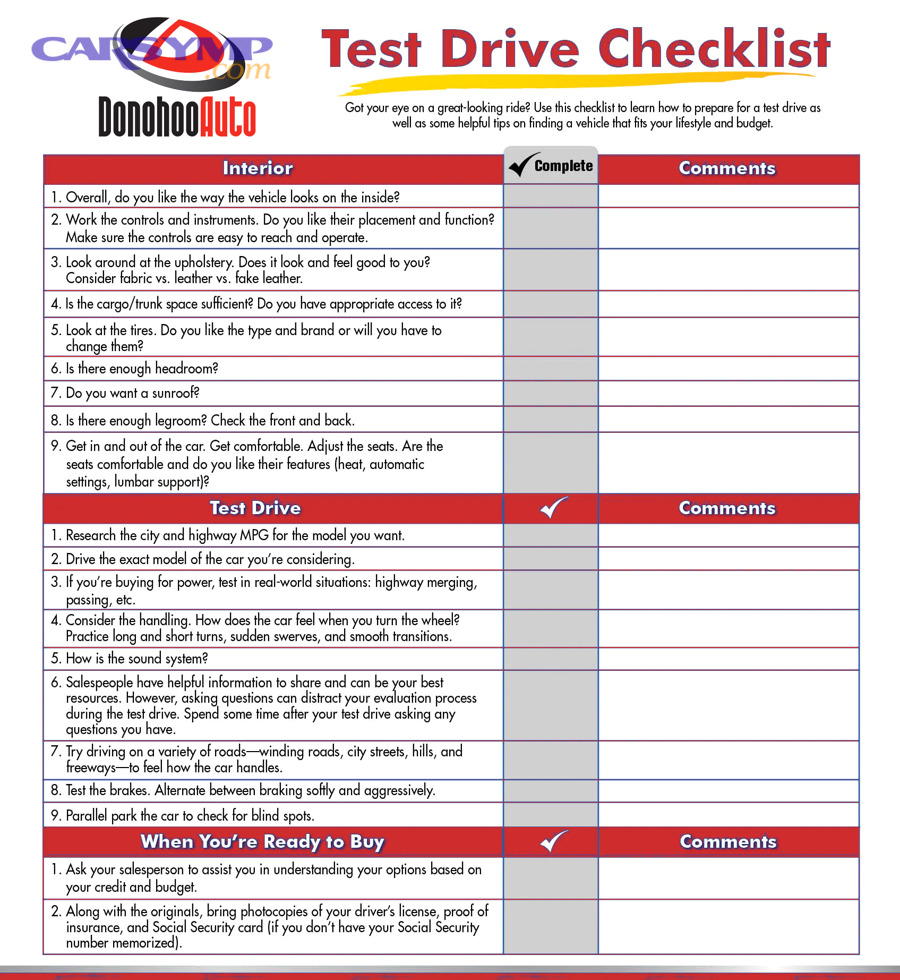
Specifically, the moments immediately following a test drive offer diagnostic information that disappears quickly as the vehicle sits idle. Let’s explore the three most important immediate checks that every buyer should perform.
Should You Inspect for Fluid Leaks Under the Vehicle?
Yes, you should inspect for fluid leaks under the vehicle immediately after the test drive by looking beneath the engine bay, transmission area, and rear axle for any puddles or drips because leaks indicate failing gaskets, seals, or component damage that will require expensive repairs. Checking while the engine is still warm allows you to differentiate between harmless condensation and serious mechanical problems.
To perform this inspection effectively, crouch down or use your phone’s flashlight to examine the ground directly under the engine compartment. Fresh puddles of dark brown or black liquid indicate engine oil leaks, while bright green, orange, or pink fluid suggests coolant system problems. Red or brown fluid near the transmission points to transmission fluid leaks, which can signal serious internal damage.
Understanding normal versus concerning fluids prevents unnecessary alarm. Air conditioning systems naturally produce clear water condensation that drips from beneath the vehicle, especially on hot days—this is completely normal and not a cause for concern. However, any colored fluids, oily residues, or puddles larger than a few inches diameter warrant further investigation before purchase.
The location of leaks provides diagnostic clues about their severity. Front-center leaks typically originate from the engine, radiator, or water pump. Leaks positioned toward the middle of the vehicle often come from transmission or power steering systems. Rear leaks may indicate differential or fuel system problems, particularly in rear-wheel-drive vehicles.
What Does the Temperature Gauge Tell You After the Drive?
The temperature gauge after the drive should read in the middle range or slightly below, indicating the cooling system maintained proper engine temperature between 195-220°F throughout your test drive. Readings in the hot zone (toward “H” or the red area) suggest overheating problems caused by low coolant, failing water pumps, stuck thermostats, or radiator blockages that require immediate attention.
For accurate assessment, check the gauge within two minutes of parking because the temperature can spike briefly during the cooling-down period. Normal operating temperature appears in the center of the gauge range, with the needle remaining stable rather than fluctuating wildly. Some modern vehicles display exact temperature numbers on digital screens, making evaluation even more precise.
Elevated temperature readings raise serious concerns about engine health and cooling system integrity. An engine that runs hot during a relatively short test drive will likely overheat during highway trips, sitting in traffic, or operating in warm weather. This problem often stems from neglected maintenance, damaged radiators, or failing head gaskets that allow coolant and oil to mix.
Pay attention to how the temperature behaved throughout your drive, not just at the end. The salesperson or seller might mention if the gauge climbed during the test—this information combined with your final reading paints a complete picture. Engines should reach operating temperature within 5-10 minutes and maintain it consistently regardless of driving conditions.
How Do You Evaluate Engine Performance After Shutdown?
You evaluate engine performance after shutdown by listening for clicking, hissing, or gurgling sounds from the engine bay, checking for smoke or burning odors, and observing whether the idle was smooth before turning off the ignition because abnormal sounds indicate cooling problems, exhaust leaks, or engine damage. These post-drive symptoms often reveal issues that smooth-running engines mask during operation.
Immediately after turning off the engine, spend 30 seconds standing near the front of the vehicle with the hood closed. Normal cooling sounds include gentle ticking from contracting metal and possibly a radiator fan running for 1-2 minutes. Concerning sounds include loud hissing (suggesting coolant leaks), repetitive clicking (potentially exhaust manifold cracks), or gurgling noises (indicating air trapped in the cooling system).
Next, carefully pop the hood and visually scan the engine bay without touching any components, as they remain extremely hot. Look for wisps of smoke rising from valve covers, exhaust manifolds, or other areas that might indicate oil leaking onto hot surfaces. Smell for burning odors—burnt oil smells acrid and sharp, while burning coolant has a sweet, syrupy scent that signals leaking hoses or gaskets.
Before shutdown, the idle quality provides crucial information about engine health. The vehicle should idle smoothly at 600-900 RPM with minimal vibration transmitted through the steering wheel or seats. Rough idling, excessive vibration, or fluctuating RPM indicates misfiring cylinders, vacuum leaks, or fuel delivery problems that will worsen over time and reduce reliability.
What Interior Features Need Post-Drive Evaluation?
Interior features requiring post-drive evaluation include seating comfort over extended periods, control accessibility and intuitiveness, climate system effectiveness, visibility from the driver’s position, and technology integration because initial impressions often fail to reveal ergonomic issues that emerge during actual use. Your body’s honest feedback after 20-30 minutes of driving provides far more reliable information than sitting in a stationary vehicle on the showroom floor.
Moreover, the difference between trying features while parked versus using them while navigating traffic becomes apparent during post-drive reflection. Let’s examine the specific interior elements that deserve careful assessment.
Did the Seating Remain Comfortable Throughout the Drive?
Yes, the seating should remain comfortable throughout the drive by providing adequate lumbar support, proper thigh cushioning, and stable shoulder positioning without causing back pain, numbness, or the need for constant readjustment because long-term comfort directly impacts your daily driving satisfaction and physical wellbeing. Seats that feel acceptable initially but cause discomfort after 20 minutes will become problematic during commutes, road trips, and extended use.
Evaluate your lower back first, as this area reveals the most about seat quality and ergonomic design. Proper lumbar support maintains the natural curve of your spine without forcing your back into an unnatural position. If you felt increasing pressure or developing pain in your lower back during the test drive, the seat design doesn’t match your body type, regardless of how the car performed.
Thigh support prevents circulation problems and numbness during longer drives. The seat cushion should support your thighs from hip to knee without creating pressure points behind your knees. If you noticed your legs going numb, experienced tingling sensations, or needed to shift position frequently, the seat depth doesn’t accommodate your leg length properly.
Shoulder and upper back position affects both comfort and driving safety. You should be able to reach the steering wheel with slightly bent elbows while maintaining contact between your shoulder blades and the seat back. If you found yourself hunching forward, overextending your arms, or feeling strain in your shoulders, the seating position compromises both comfort and control.
Consider how seat adjustments affected your comfort. Modern vehicles offer 8-way, 10-way, or even 12-way power adjustments allowing precise positioning. If you couldn’t find a comfortable position despite multiple adjustments, or if the adjustment ranges felt limited, this vehicle may not accommodate your body dimensions regardless of its other qualities.
Were All Controls Intuitive and Within Easy Reach?
Yes, all essential controls should be intuitive and within easy reach, requiring minimal visual attention to operate while driving because fumbling with climate settings, audio volume, or safety features creates dangerous distractions and frustration during daily use. Controls positioned awkwardly or requiring complex menu navigation through touchscreens compromise safety and user experience.
Reflect on your experience adjusting climate controls during the test drive. In well-designed vehicles, you can modify temperature and fan speed with simple button presses or knob turns without looking away from the road. If you needed to navigate through multiple touchscreen menus, squint at small icons, or take your attention off traffic to adjust basic settings, the interface design prioritizes aesthetics over functionality.
Audio and infotainment controls deserve equal scrutiny. Volume adjustment, track skipping, and source selection should be accomplished through steering wheel buttons, physical knobs, or large, clearly labeled touchscreen buttons. Systems requiring precise touches on small virtual buttons while the vehicle bounces over road imperfections create frustration and safety hazards.
Safety feature activation must be straightforward and memorable. If you couldn’t quickly determine how to activate parking sensors, adjust blind-spot monitoring sensitivity, or engage lane-keeping assistance without consulting the manual, you’ll struggle with these features during ownership. Intuitive systems make safety features second nature; poorly designed interfaces lead to features being ignored.
Voice command effectiveness matters increasingly as manufacturers eliminate physical buttons. If you attempted voice commands during the test drive, assess whether the system accurately recognized your requests, responded quickly, and accomplished tasks without multiple attempts. Ineffective voice recognition systems frustrate users and ultimately go unused despite their theoretical convenience.
What Technology Features Should You Re-Test?
Technology features requiring re-testing include backup cameras, blind-spot monitoring accuracy, adaptive cruise control responsiveness, smartphone connectivity stability, and navigation system usability because these systems often behave differently during actual use versus static demonstrations. Thorough testing reveals whether advanced features genuinely enhance your driving experience or add complexity without meaningful benefit.
Backup cameras have become standard safety equipment, but their quality varies dramatically. During your test drive, you likely used the backup camera while parking. Reflect on whether the image appeared clear and properly proportioned, if distance guidelines helped you judge proximity accurately, and whether the camera activated promptly when shifting into reverse. Poor-quality cameras with grainy images, significant delays, or distorted wide-angle views provide false confidence rather than genuine assistance.
Blind-spot monitoring systems should alert you to vehicles in adjacent lanes without constant false alarms. If you experienced warnings while no vehicles were present, or if the system failed to detect vehicles you could clearly see in your mirrors, its calibration or design is flawed. Effective systems provide subtle visual indicators in side mirrors and gentle audible warnings only when genuine hazards exist.

Adaptive cruise control quality separates premium systems from basic implementations. During highway portions of your test drive, the system should have maintained consistent following distances, smoothly adjusted speed when traffic slowed, and resumed your set speed naturally when traffic cleared. Systems that brake abruptly, leave excessive gaps, or fail to detect slowing traffic create more stress than conventional cruise control.
Apple CarPlay and Android Auto integration should occur automatically when you connect your phone, display familiar interfaces, and maintain stable connections throughout the drive. If you experienced disconnections, lag when opening apps, or difficulty with voice assistants, these problems will persist and worsen your ownership experience. Premium vehicles should offer wireless connectivity that works flawlessly without cables.
How Do You Assess the Vehicle’s Driving Performance?
You assess the vehicle’s driving performance by reviewing your mental notes on acceleration responsiveness, braking feel and effectiveness, transmission smoothness, steering precision, handling characteristics, and ride quality because objective evaluation of these dynamic attributes determines whether the vehicle suits your driving style and daily requirements. This systematic review prevents emotional excitement from overshadowing practical concerns about drivability.
To illustrate, organizing your performance impressions while they remain fresh ensures accurate comparison between multiple test-driven vehicles. Let’s break down the critical performance areas requiring assessment.
What Are the Key Acceleration and Power Delivery Points to Review?
Key acceleration and power delivery points include highway merging capability from 40-70 mph, passing power at 60+ mph speeds, throttle response from standstill, and any turbo lag or hesitation because these situations demand reliable power when safety depends on decisive acceleration. Vehicles with adequate power on paper sometimes deliver sluggish real-world performance due to poor throttle calibration, turbocharger lag, or transmission programming.
Highway merging represents one of the most demanding acceleration scenarios in daily driving. During your test drive, when entering the highway from an on-ramp, the vehicle should have accelerated smoothly and confidently from 40-45 mph to 65-70 mph within the merging lane distance. If you felt anxious about whether the car could match highway speeds safely, or if you had to floor the accelerator pedal for extended periods, the powertrain lacks adequate performance for highway driving.
Passing power at highway speeds reveals mid-range torque delivery that specifications sheets don’t capture. When you attempted to pass slower traffic during the test drive, the vehicle should have responded immediately with meaningful acceleration from 60-75 mph. Delay between pressing the accelerator and feeling acceleration, or weak power delivery requiring extended time in the opposing lane, indicates insufficient torque or poorly programmed transmission behavior.
Throttle response from standstill affects every daily drive, from leaving parking spaces to pulling into traffic from stop signs. The vehicle should move promptly when you press the accelerator, without lag, lurching, or excessive wheel spin. Turbocharged engines often exhibit brief delays before boost pressure builds—this “turbo lag” feels like hesitation and can frustrate drivers accustomed to naturally aspirated engines’ immediate response.
Test whether the vehicle maintained power with the air conditioning running, particularly during acceleration. Some underpowered vehicles suffer noticeable performance drops when climate control systems operate, causing sluggish acceleration and reduced passing power. If you noticed the engine struggling more when the AC was on, this vehicle lacks sufficient power reserves for comfortable driving in hot weather.
How Should the Braking System Have Performed?
The braking system should have provided firm pedal feel, progressive stopping power, short stopping distances, and no vibration or pulsation through the pedal because these characteristics indicate properly functioning brakes with adequate pad material and true rotors. Any abnormalities suggest worn components, warped rotors, or contaminated brake fluid requiring immediate attention and costly repairs.
Pedal feel provides immediate feedback about brake system health. During your test drive, the brake pedal should have felt firm and responsive, requiring moderate pressure to achieve smooth stops. A soft, spongy pedal that sinks toward the floor indicates air in the brake lines or low brake fluid—both serious safety concerns. Conversely, an extremely hard pedal requiring excessive force suggests a failing brake booster that reduces braking effectiveness.
Progressive stopping power means the vehicle’s deceleration should correspond predictably to pedal pressure. Light pedal pressure produces gentle slowing for smooth stops, while firmer pressure delivers stronger braking for emergency situations. If you experienced grabby brakes that stopped too aggressively with light pedal touch, or weak brakes requiring excessive pedal pressure, the brake system needs adjustment or repair.
Vibration or pulsation through the brake pedal during moderate to heavy braking indicates warped rotors—a common problem in vehicles with deferred maintenance. This pulsing sensation typically worsens at highway speeds and during hard braking. While replacing brake pads and rotors is routine maintenance, discovering this need before purchase provides negotiating leverage or suggests the vehicle received poor care.
Listen for any grinding, squealing, or grinding noises during braking. High-pitched squealing often comes from wear indicators—small metal tabs that contact rotors when pads reach minimum thickness, signaling replacement time. Grinding noises indicate pads worn completely through, causing metal-to-metal contact that damages rotors. Both situations reveal neglected maintenance and upcoming repair expenses.
Was the Transmission Smooth and Responsive?
Yes, the transmission should be smooth and responsive by shifting seamlessly between gears without jerking, hesitation, or hunting, and by downshifting promptly when you need acceleration because transmission problems quickly escalate from minor annoyances to catastrophic failures requiring expensive replacement. Modern automatic transmissions with 8, 9, or 10 speeds should shift almost imperceptibly during normal driving.
For automatic transmissions, observe whether shifts occurred smoothly during gentle acceleration, moderate acceleration, and when you lifted off the throttle. The vehicle should have moved through its gear range without noticeable jerkiness or delays between shifts. “Shift shock”—a clunking sensation when the transmission changes gears—indicates worn components, low fluid, or failing solenoids that require professional diagnosis.
Gear hunting reveals transmission confusion about which gear suits current driving conditions. If you noticed the transmission repeatedly shifting between two gears while maintaining steady speed, or if it downshifted unnecessarily when climbing gentle hills, the programming is poor or the transmission is malfunctioning. This behavior causes excessive wear and reduces fuel efficiency.
Manual transmissions require different evaluation criteria. Clutch engagement should occur smoothly at a consistent point in pedal travel, allowing you to modulate engagement precisely. If the clutch grabbed suddenly or felt vague about the engagement point, it’s wearing out or poorly adjusted. Gear shifts should require moderate effort without grinding, balking, or excessive notchiness—smooth, mechanical movements indicate good synchronizer health.
Pay attention to whether the transmission responded promptly to your acceleration requests. When you pressed the accelerator for passing power, the transmission should have downshifted within one second. Excessive delay before downshifting indicates transmission wear, low fluid, or conservative programming that prioritizes fuel economy over drivability. Sport modes should eliminate this delay by holding lower gears longer.
What Exterior and Structural Elements Need Final Inspection?
Exterior and structural elements requiring final inspection include paint consistency and panel alignment, tire condition and wear patterns, glass integrity, lighting functionality, and body damage assessment because these visual indicators reveal accident history, neglected maintenance, and potential safety issues that aren’t apparent from inside the vehicle. A thorough walk-around inspection before leaving the dealership provides your last opportunity to identify concerns before purchase negotiations begin.
In addition, exterior condition strongly influences resale value and long-term ownership costs. Let’s examine the specific elements deserving close attention.
What Should You Look for in Paint and Body Panel Alignment?
You should look for consistent paint color and texture across all panels, uniform gaps between body panels, properly aligned doors and trunk lid, and absence of overspray or rippling because these indicators reveal whether the vehicle experienced accident damage and subsequent repairs that might compromise structural integrity. Even professionally repaired collision damage reduces resale value and may hide frame damage affecting safety.
Examine the paint in bright, direct sunlight if possible, as this lighting reveals color inconsistencies invisible under dealership lot lights. Walk around the vehicle slowly, viewing each panel from multiple angles. Original factory paint displays perfectly consistent color, while repainted panels often show slight color variations—different shades of white, blue, or silver are particularly telling. Metallic and pearl finishes should exhibit uniform sparkle patterns across all panels.
Paint texture provides equally important clues about repair history. Run your hand gently along body panels, feeling for rough spots, slight ripples, or texture changes that suggest body filler beneath the paint. Orange-peel texture (resembling orange skin) is normal on modern painted surfaces, but this texture should appear consistent across all panels. Unusually smooth or rough areas indicate repainting.
Body panel alignment reveals impact damage even when paint appears flawless. Look at the gaps between panels—the space between the hood and fenders, doors and quarter panels, and trunk lid and body should measure consistently on both sides of the vehicle. Uneven gaps, misaligned panels, or wider spacing on one side strongly suggests collision repair that didn’t restore factory specifications.
Check for overspray on rubber trim, plastic components, headlight lenses, and glass edges. Overspray appears as fine paint mist on areas that should be unpainted. Its presence confirms repainting occurred, often after accident damage. Professional body shops mask carefully to prevent overspray, but it commonly appears on rubber window seals, door jambs, and behind trim pieces.
How Do You Evaluate Tire Condition and Wear Patterns?
You evaluate tire condition by checking tread depth with a penny or gauge, examining wear patterns across the tread surface, inspecting sidewalls for damage or bulges, and verifying tire age from DOT date codes because worn or damaged tires represent immediate replacement expenses and indicate potential alignment, suspension, or mechanical problems. Tire condition also reveals whether the previous owner maintained the vehicle properly.
Measure tread depth using the penny test—insert a penny into the tread groove with Lincoln’s head pointing down. If you can see the top of Lincoln’s head, the tire has less than 2/32″ tread remaining and requires replacement. New tires typically feature 10/32″ to 12/32″ tread depth, so measuring multiple points across each tire provides insight into remaining tire life and near-term replacement costs.
Wear patterns diagnose mechanical problems. Even wear across the entire tread surface indicates proper inflation and good alignment. Wear concentrated on the outer or inner edges suggests alignment issues that will destroy new tires quickly if uncorrected. Center wear indicates chronic overinflation, while edge wear on both sides suggests underinflation. Scalloped or cupped wear patterns point to suspension problems requiring expensive repairs.
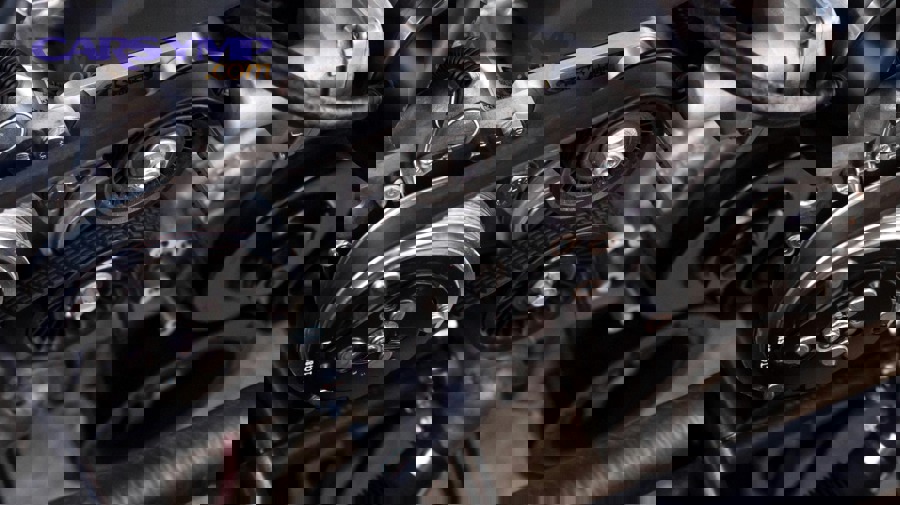
Examine sidewalls carefully for cuts, bulges, cracks, or impact damage. Bulges indicate internal structural failure and represent blowout risks. Cracks in the rubber suggest age-related deterioration or dry rot. Even if tread depth appears adequate, sidewall damage requires tire replacement for safety. Check all four tires, as damage isn’t always visible from a casual glance.
Decode the DOT date code stamped on the sidewall to determine tire age. The last four digits indicate week and year of manufacture—for example, “2219” means the tire was made in the 22nd week of 2019. Tires older than six years should be replaced regardless of tread depth because rubber compounds degrade over time, reducing grip and increasing failure risk.
What Documentation and History Should You Review?
Documentation and history requiring review include vehicle identification number verification, vehicle history reports showing accident and title status, service and maintenance records, title documentation, and warranty information because these documents reveal the vehicle’s past and help you avoid hidden problems like salvage titles, odometer fraud, or undisclosed accident damage. Thorough documentation review protects you from purchasing vehicles with serious issues that sellers fail to disclose.
Specifically, spending 15-20 minutes reviewing paperwork prevents costly mistakes that test drives cannot detect. Let’s examine the critical documents requiring your attention.
Does the VIN Match All Documentation?
Yes, the VIN must match across all documentation including the dashboard plate, door jamb sticker, title, registration, and vehicle history report because VIN discrepancies indicate title washing, VIN cloning, or stolen vehicle concerns that create legal and financial nightmares for unsuspecting buyers. Verifying VIN consistency takes less than five minutes but protects you from fraud schemes costing thousands of dollars.
Locate the VIN in three physical locations on the vehicle. The primary VIN plate appears on the dashboard, visible through the windshield on the driver’s side. A VIN sticker is affixed to the driver’s door jamb. Additional VINs may be stamped on the frame, engine block, or transmission. All these numbers must match exactly—any discrepancy suggests the vehicle was assembled from parts or the VIN was altered.
Compare the physical VINs to the title document. Every character must match perfectly, as a single digit difference indicates fraudulent activity. Sellers sometimes present titles for different vehicles, hoping buyers won’t verify the VIN carefully. This scam becomes apparent when you compare documentation against physical VIN plates.
Cross-reference the VIN with your vehicle history report from Carfax, AutoCheck, or the National Motor Vehicle Title Information System. These reports should display the exact VIN you verified physically. Discrepancies between physical VINs and database records suggest title fraud, where sellers transfer clean titles to damaged vehicles using similar VINs.
Understanding VIN structure helps identify fraud. The 17-character VIN contains check digits that mathematically verify the number’s validity. While you don’t need to calculate these digits manually, online VIN decoders instantly confirm whether a VIN is mathematically valid or fabricated. Invalid VINs always indicate fraudulent activity.
What Should the Vehicle History Report Reveal?
The vehicle history report should reveal accident severity and frequency, title status (clean, salvage, rebuilt, or branded), service and maintenance records, odometer readings over time, number of previous owners, and any open recalls because this comprehensive history exposes problems sellers might hide and helps you assess the vehicle’s true condition. Reports cost $25-$40 but provide information worth thousands in avoided repair costs or prevented fraud.
Accident history deserves closest scrutiny. Reports categorize accidents by severity—minor, moderate, or severe based on airbag deployment, structural damage, and repair costs. Minor accidents like parking lot fender benders rarely affect vehicle value or safety. Moderate accidents involving front or rear damage raise concerns about underlying structural issues. Severe accidents with frame damage, airbag deployment, or side impacts should disqualify most used vehicles from consideration.
Title status reveals whether the vehicle was ever declared a total loss by insurance companies. Clean titles indicate the vehicle never sustained damage exceeding its value. Salvage titles mean insurance companies deemed the vehicle a total loss due to collision, flood, fire, or theft damage. Rebuilt titles indicate salvaged vehicles were repaired and passed state inspections, but they retain significantly reduced resale value and may harbor hidden damage.
Service records validate the seller’s maintenance claims. Comprehensive reports show oil changes, tire rotations, brake services, and major repairs logged by dealerships and shops reporting to national databases. Consistent maintenance intervals suggest responsible ownership, while gaps in service history raise concerns about deferred maintenance. However, private party maintenance not reported to databases won’t appear, so missing records don’t necessarily indicate neglect.
Odometer consistency prevents fraud. History reports graph odometer readings from registration renewals, inspections, and service visits. The mileage should progress steadily upward over time without reversals or suspicious jumps that indicate tampering. Odometer rollback remains a common fraud scheme adding perceived value to high-mileage vehicles.
Ownership history affects future reliability and value. Single-owner vehicles with comprehensive service records generally receive better care than vehicles changing hands frequently. However, vehicles with 3-4 owners over 10 years aren’t necessarily problematic if service records remain consistent. Fleet vehicles, rentals, and lease returns appear in ownership history and may indicate harder use than private ownership.
How Do You Compare Multiple Test-Driven Vehicles?
You compare multiple test-driven vehicles by creating a structured scoring system across 6-8 categories including performance, comfort, features, condition, cost of ownership, and overall value, then ranking each vehicle numerically to overcome emotional biases and identify the objectively best choice. This systematic approach prevents the last vehicle you drove from unfairly influencing your decision simply because impressions remain freshest.
Furthermore, human memory proves unreliable when comparing similar vehicles test-driven days or even hours apart. Let’s explore effective comparison methodologies.
What Comparison Categories Matter Most?
Comparison categories that matter most include driving dynamics (acceleration, handling, braking), comfort and ergonomics, technology and features, safety ratings, condition and maintenance history, total cost of ownership, and resale value because these factors directly impact daily satisfaction, long-term reliability, and financial return on your investment. Weighting categories based on your priorities ensures the comparison reflects what matters most to your specific needs.
Create a comparison spreadsheet or table immediately after each test drive while impressions remain accurate. List vehicles as rows and comparison categories as columns, allowing structured side-by-side evaluation. This visual format reveals strengths and weaknesses more clearly than mental comparison.
Here’s a sample comparison framework with scoring from 1-10:
| Category | Vehicle A | Vehicle B | Vehicle C |
|---|---|---|---|
| Acceleration & Power | 7 | 9 | 6 |
| Braking Feel | 8 | 8 | 7 |
| Handling & Steering | 7 | 9 | 8 |
| Ride Comfort | 9 | 7 | 8 |
| Seat Comfort | 8 | 9 | 7 |
| Interior Quality | 7 | 9 | 6 |
| Technology Interface | 6 | 9 | 7 |
| Visibility | 8 | 7 | 9 |
| Cargo Space | 9 | 6 | 8 |
| Condition/Maintenance | 8 | 9 | 7 |
| Total Score | 77 | 82 | 73 |
Performance metrics deserve detailed notes beyond simple scores. For acceleration, note specific situations where each vehicle excelled or struggled—highway merging, passing at speed, or hill climbing. For handling, describe steering responsiveness, body roll in corners, and stability at highway speeds. These specific observations help you recall differences when making final decisions days later.
Comfort assessment requires breaking down multiple factors. Rate seat comfort separately from ride quality, as vehicles with firm sports seats might score differently than those with plush cushions. Consider rear seat comfort if you frequently carry passengers. Evaluate trunk space with actual cargo items if possible, noting whether your luggage, golf clubs, or stroller fit easily.
Technology comparisons should reflect real-world usability rather than feature lists. A vehicle with smartphone integration that actually works reliably outweighs competitors offering more features that function poorly. Similarly, simple, intuitive climate controls beat complex touchscreen menus despite appearing less technologically advanced on paper.
Should You Test Drive the Same Vehicle Twice?
Yes, you should test drive the same vehicle twice, particularly your top choice, because second drives reveal details you missed initially, allow testing under different conditions like nighttime or highway driving, and confirm your first impressions weren’t influenced by novelty or salesmanship. Second test drives also provide opportunities to bring family members whose opinions matter and test specific concerns identified during the first drive.
Schedule the second test drive for different conditions than your first. If you initially drove during daytime in light traffic, request an evening drive during rush hour. Nighttime driving reveals headlight effectiveness, dashboard visibility, and how exterior lighting affects your comfort. Traffic testing shows how the vehicle behaves during stop-and-go conditions—transmission behavior, brake feel, and whether driver assistance features actually reduce stress.
Bring different passengers for the second drive. If you drove alone initially, bring your spouse, partner, or family members who will regularly ride in the vehicle. Their perspectives on back seat comfort, noise levels, and ease of entry/exit provide valuable insights you can’t assess alone. Children can test car seat compatibility while teenagers evaluate rear seat space and entertainment options.
Test specific concerns identified during the first drive. If you weren’t sure about blind spots, deliberately position the vehicle in scenarios requiring lane changes and shoulder checks. If you questioned whether the vehicle had adequate power, find a steep highway on-ramp for acceleration testing. If cargo space seemed limited, bring items you regularly transport and verify they fit properly.
Request an extended test drive lasting several hours or overnight if the dealer permits. Some dealerships offer 24-hour test drives allowing you to integrate the vehicle into your normal routine—your actual commute, shopping trips, and parking situations. This extended experience reveals whether novelty wears off or the vehicle genuinely suits your lifestyle.
What Are the Red Flags That Should Make You Walk Away?
Red flags that should make you walk away include major mechanical issues like engine knocking or transmission slipping, structural damage indicators such as frame misalignment or flood damage, salvage or rebuilt titles, seller behavior like refusing inspections or rushing decisions, and significant discrepancies between the vehicle’s condition and its description because these problems indicate either serious reliability concerns or potential fraud. Walking away from problematic vehicles, regardless of attractive pricing, prevents financial disasters far exceeding any perceived savings.
Nevertheless, distinguishing between minor issues and dealbreakers requires understanding which problems justify rejection. Let’s identify the specific red flags demanding immediate withdrawal from negotiations.
What Mechanical Issues Are Immediate Dealbreakers?
Mechanical issues that are immediate dealbreakers include engine knocking or ticking noises indicating internal damage, transmission slipping or harsh shifting suggesting imminent failure, excessive smoke from the exhaust pointing to burning oil or coolant, and warning lights that remain illuminated after starting because these symptoms predict catastrophic component failures costing $3,000-$8,000 to repair. Even at discounted prices, vehicles with these issues rarely justify purchase unless you possess extensive mechanical expertise and accept project vehicle status.
Engine knocking or metallic tapping sounds indicate worn bearings, damaged pistons, or valve train problems requiring engine rebuilding or replacement. While some engines naturally tick at idle due to direct fuel injection, loud knocking that worsens with acceleration signals internal damage. This noise results from inadequate lubrication allowing metal-to-metal contact that rapidly destroys engine components. When to replace rotors with pads becomes irrelevant when facing a $5,000 engine replacement.
Transmission slipping manifests as the engine revving without corresponding acceleration, delayed engagement when shifting from park to drive, or harsh bumps between gears. These symptoms indicate clutch wear in manual transmissions or failing internal components in automatics. Transmission repairs typically cost $2,500-$6,000, while replacement reaches $4,000-$8,000. Common mistakes replacing brake pads pale in comparison to transmission rebuilding complexity.
Blue or white smoke from the exhaust indicates the engine burns oil or coolant—both serious problems. Blue smoke results from oil passing worn piston rings or valve seals into combustion chambers. White smoke suggests coolant entering cylinders through failed head gaskets. Either condition requires expensive engine work, and both worsen rapidly once symptoms appear.
Warning lights remaining illuminated after starting signal monitored systems detecting faults. While some lights indicate minor issues like loose gas caps triggering emissions warnings, others point to serious problems. Engine warning lights, transmission temperature warnings, or oil pressure alerts demand professional diagnosis before purchase. Sellers claiming lights “just came on” or “don’t mean anything” are either ignorant or deceptive—neither inspires confidence.
What Seller or Dealer Behaviors Should Concern You?
Seller or dealer behaviors that should concern you include refusing to allow pre-purchase inspections, pressuring immediate decisions without reflection time, inability to provide clear titles, inconsistent answers to questions about vehicle history, and unwillingness to address identified problems because these tactics indicate either desperation to unload problem vehicles or intentional fraud schemes targeting uninformed buyers. Reputable sellers welcome inspections, answer questions transparently, and allow reasonable decision-making time.
Refusing pre-purchase mechanical inspections represents the single biggest red flag in used car transactions. Legitimate sellers understand that buyers need professional verification of vehicle condition and willingly accommodate inspection requests at buyers’ chosen mechanics. Sellers who claim “no time for inspections,” become defensive about inspection suggestions, or insist “nothing’s wrong” often hide significant problems that inspections would reveal.
High-pressure tactics signal desperation or fraudulent intent. Dealers creating artificial urgency with claims like “another buyer coming this afternoon” or “this price only good today” manipulate buyers into emotional decisions bypassing rational evaluation. Legitimate sellers recognize that major purchases require reflection and comparison shopping. Pressure tactics often accompany problematic vehicles that won’t withstand careful scrutiny.
Title problems include sellers claiming “titles are in the mail,” “bank still has the title,” or providing titles with names that don’t match their identification. Legal title transfer requires the properly signed title from the registered owner. Missing titles, titles from other states requiring “special processing,” or other title irregularities often indicate stolen vehicles, title washing schemes, or sellers lacking legal ownership.
Inconsistent answers to questions reveal either poor vehicle knowledge or deliberate deception. When sellers provide different mileage figures, change stories about accident history, or contradict previous statements about maintenance, their credibility evaporates. Take written notes during conversations to identify inconsistencies. Honest sellers provide consistent, verifiable information backed by documentation.
Unwillingness to negotiate on identified problems suggests inflexibility or unrealistic price expectations. If your pre-purchase inspection reveals $800 in necessary repairs and the seller refuses any price adjustment, they’re overvaluing the vehicle or expecting uninformed buyers to absorb repair costs. While not all sellers negotiate significantly, complete unwillingness to address documented problems indicates they value their bottom line over fair dealing.
What Advanced Inspection Steps Should You Take Before Purchase?
Advanced inspection steps before purchase include arranging a comprehensive pre-purchase mechanical inspection by an independent mechanic, requesting extended or overnight test drives to evaluate the vehicle during daily use, using OBDII scanners to check for hidden trouble codes and recent diagnostic resets, and performing cold start re-tests after 10-12 hours of engine cooling because these professional-grade verification methods detect problems that casual test drives miss. Investing $150-$300 in professional inspections prevents $3,000-$10,000 in unexpected repair costs.
In particular, professional mechanics possess specialized diagnostic equipment, lift access, and expertise that reveal hidden problems invisible during test drives. Let’s explore each advanced inspection technique in detail.
How Do You Arrange a Pre-Purchase Mechanic Inspection?
You arrange a pre-purchase mechanic inspection by selecting a reputable independent shop specializing in the vehicle’s brand, calling ahead to schedule and explain your needs, bringing the vehicle for a comprehensive 60-90 minute inspection covering all major systems, and receiving a detailed written report documenting condition and estimating repair costs because professional mechanics detect problems that test drives cannot reveal. This $100-$200 investment frequently saves thousands by identifying hidden issues or providing negotiating leverage.
Find qualified mechanics through online reviews, brand enthusiast forums, or recommendations from friends who own similar vehicles. Independent shops specializing in specific brands (European specialists, Asian vehicle experts, or domestic technicians) possess deeper knowledge than general repair shops. Avoid using mechanics recommended by sellers, as these relationships may compromise objectivity.
Call the shop before the test drive to explain your situation and verify they perform pre-purchase inspections. Reputable shops welcome these inspections and can typically schedule them within 24-48 hours. Explain the vehicle’s year, make, model, and mileage so they quote accurate inspection costs. Expect to pay $100-$200 for comprehensive inspections, with luxury or specialty vehicles commanding higher fees.
The comprehensive inspection should include:
- Lift inspection: Examining the undercarriage, frame, suspension components, exhaust system, and fluid leaks invisible from ground level
- Compression test: Measuring cylinder compression to assess engine internal health
- Brake inspection: Measuring pad thickness, rotor condition, and brake fluid quality
- Suspension evaluation: Testing for worn bushings, leaking shocks, and damaged components
- Cooling system check: Pressure testing for leaks and verifying proper coolant mixture
- Electrical scan: Reading all computer codes, even pending codes not triggering warning lights
Request a detailed written report documenting findings, complete with photos of problem areas when possible. The report should categorize issues as immediate concerns requiring attention before purchase, items needing service within 6-12 months, and routine maintenance items. This documentation provides negotiating ammunition or clear reasons to reject the vehicle.
Use inspection findings strategically. If the inspection reveals $1,500 in necessary repairs, request a price reduction exceeding this amount to compensate for your inconvenience and the vehicle’s reduced value. Sellers often negotiate when confronted with professional documentation of problems they claimed didn’t exist. Alternatively, request the seller complete repairs before purchase, obtaining invoices proving proper correction.
Should You Request an Extended or Overnight Test Drive?
Yes, you should request an extended or overnight test drive, particularly for vehicles costing over $20,000 or representing your top choice, because multi-hour or 24-hour evaluations reveal how the vehicle integrates into your actual daily routine and whether initial impressions hold true beyond showroom excitement. Extended drives expose comfort issues, technology frustrations, and cargo limitations that 20-minute test drives cannot detect.
Many dealerships, particularly those selling certified pre-owned vehicles, offer extended test drives as competitive advantages. Some programs allow taking vehicles home overnight, parking them in your garage to verify fit, and driving your normal commute route. These programs demonstrate dealer confidence in vehicle quality while giving you comprehensive evaluation time.
Request extended drives directly from sales managers rather than salespeople, as managers hold authorization to make exceptions. Explain that you’re seriously interested but need verification the vehicle suits your specific needs. Frame the request positively: “I’m very interested in this vehicle and want to ensure it’s perfect for my 45-minute commute before making this investment.”
Use extended drives strategically. Drive your actual commute to assess comfort, visibility, and stress levels in real traffic conditions. Test the vehicle with your family during typical weekend activities to evaluate practicality. Park in your garage to verify clearance and maneuverability. Connect your smartphone to confirm technology integration works seamlessly over extended periods.
Insurance considerations matter for extended drives. Verify your current auto insurance covers test-driven vehicles, as some policies limit or exclude coverage for vehicles you don’t own. Dealership insurance typically covers accidents during test drives, but confirm this before taking the vehicle off-lot. Avoid extended drives if coverage uncertainties exist.
What Is an OBDII Scanner and Should You Use One?
An OBDII scanner is a diagnostic tool plugging into the vehicle’s onboard diagnostics port (located beneath the dashboard) to read computer trouble codes, monitor sensor data, and detect problems not triggering warning lights because modern vehicles store pending codes and historical data revealing intermittent issues or recently cleared problems that sellers hope to hide. Using a scanner costs $20-$150 for consumer models or free at many auto parts stores, providing professional-grade diagnostics that protect against costly surprises.
OBDII systems became mandatory on all vehicles sold in the United States after 1996, creating standardized diagnostics across all manufacturers. The scanner connects to the OBDII port, typically located under the driver’s side dashboard near the steering column, and communicates with the vehicle’s computer system to retrieve diagnostic information.
Consumer-grade Bluetooth OBDII scanners costing $20-$40 pair with smartphone apps displaying trouble codes, live sensor data, and vehicle information. These basic scanners suffice for detecting hidden problems during used car purchases. Professional-grade scanners costing $100-$300 provide deeper diagnostics, manufacturer-specific codes, and component testing capabilities that professionals use but consumers rarely need.
The P1000 code deserves special attention, as it indicates recent diagnostic memory clearing. This Ford-specific code means the vehicle’s computer was recently reset, erasing all stored trouble codes and diagnostic history. Sellers sometimes reset vehicle computers before showing cars to hide check engine lights and trouble codes. The P1000 code persists until the vehicle completes its self-diagnostic routines through normal driving, revealing recent tampering attempts.
Use scanners before and after test drives. Initial scans reveal existing codes, while post-drive scans detect problems that surface during operation. Pending codes—problems detected but not yet triggering warning lights—often appear after test drives, revealing issues that additional driving would escalate to illuminated warning lights.
How Does a Cold Start Re-Test Reveal Hidden Problems?
A cold start re-test reveals hidden problems by allowing the engine to cool completely for 10-12 hours, then observing starting behavior, idle quality, and initial performance because many mechanical issues become apparent only when engines start from completely cold conditions while sellers often pre-warm vehicles to mask starting problems, rough idle, or oil consumption. This simple verification technique exposes problems that warm-start test drives cannot detect.
Schedule a second visit to the vehicle 12+ hours after your initial test drive, preferably first thing in the morning before the seller arrives. Some dealers resist this request, revealing their awareness of problems masked by warm starts. Legitimate sellers accommodate cold start verification without hesitation.
Touch the hood and exhaust manifold before starting to verify the engine reached ambient temperature. Warm components indicate the seller pre-started the vehicle to hide cold-start issues. In this case, insist on waiting several hours for complete cooling or reject the vehicle based on the seller’s deceptive behavior.
Cold starts should occur promptly with one or two cranking cycles. The engine should settle into smooth idle within 10-15 seconds without excessive cranking, rough running, or abnormal noises. Extended cranking suggests weak fuel pumps, clogged fuel filters, or compression problems. Rough idle that smooths after warmup indicates worn sensors, vacuum leaks, or oil consumption issues.
Blue smoke appearing briefly during cold starts, then disappearing after warmup, indicates worn valve seals allowing oil into combustion chambers when engines sit overnight. This problem worsens gradually, eventually leading to failed emissions tests and expensive repairs. Sellers warm engines before showing them to hide this telltale symptom.
Listen carefully during the first 30 seconds after cold starts. Ticking or tapping noises that fade as oil circulates throughout the engine suggest worn hydraulic valve adjusters or insufficient oil pressure. While not immediate emergencies, these sounds predict upcoming repairs. The Brake pad bedding-in process is straightforward compared to resolving cold-start engine noise issues.
Observe how quickly the engine reaches operating temperature during a cold-start drive. Thermostats should fully open at proper temperature (typically 195-220°F), allowing the temperature gauge to stabilize in the normal range within 5-10 minutes. Engines that stay too cold indicate stuck-open thermostats, while those reaching temperature in under 3 minutes suggest missing or stuck-closed thermostats creating overheating risks.
This comprehensive post-test drive checklist transforms casual test drives into systematic vehicle evaluations that protect your investment and ensure long-term satisfaction. By methodically inspecting mechanical condition, assessing comfort and usability, verifying documentation, comparing alternatives objectively, recognizing red flags, and employing advanced verification techniques, you gather the evidence needed to make confident purchase decisions based on facts rather than emotions or sales pressure. The time invested in thorough evaluation pays dividends through avoided problem vehicles, successful negotiations, and ultimately, finding the right vehicle that serves your needs reliably for years to come.