


Tracking engine oil consumption requires systematic dipstick monitoring at 500-1,000 mile intervals while recording oil quantities added, and identifying blue smoke links involves observing exhaust color during cold starts, acceleration, and deceleration to pinpoint valve seal or piston ring failures. Most engines should consume less than one quart of oil per 3,000-5,000 miles, and blue smoke appearing from the exhaust indicates oil burning in the combustion chamber due to worn internal components.
Understanding the different types of smoke patterns helps diagnose specific mechanical problems before they escalate into catastrophic engine failure. Blue smoke during cold startup typically signals valve guide seal degradation, while smoke during acceleration points to piston ring wear, and deceleration smoke indicates intake valve seal issues requiring immediate attention.
The diagnostic process combines visual smoke observation with quantitative oil consumption measurement to create a complete picture of engine health. Professional mechanics and vehicle manufacturers use standardized 1,000-mile tracking protocols to document consumption rates for warranty claims, while compression testing and leak-down analysis confirm the specific components causing oil burning.
Prevention strategies and early intervention can significantly reduce repair costs compared to ignoring warning signs until complete engine failure occurs. Next, let’s explore the fundamental concepts of oil consumption and the chemistry behind blue smoke formation.
What Is Engine Oil Consumption and Why Does It Cause Blue Smoke?
Engine oil consumption is the rate at which motor oil enters the combustion chamber and burns during normal operation, measured in quarts per thousand miles, with acceptable rates under one quart per 3,000-5,000 miles for most passenger vehicles. When oil bypasses piston rings or valve guide seals, it burns alongside gasoline producing distinctive blue-tinted exhaust smoke visible during specific driving conditions.
To better understand this phenomenon, we must examine how oil moves through the engine and enters areas where it shouldn’t exist. The lubrication system keeps oil circulating through bearings, camshafts, and cylinder walls, but various sealing mechanisms prevent it from entering the combustion chambers where air and fuel mix.
How Does Oil Enter the Combustion Chamber?
Oil reaches the combustion chamber through three primary pathways: worn valve guide seals, degraded piston rings, or malfunctioning PCV (Positive Crankcase Ventilation) systems. Valve guide seals sit atop each valve stem where intake and exhaust valves move up and down thousands of times per minute, and these small rubber seals control how much oil lubricates the valve stems versus how much gets pulled into the cylinders.
The intake valves experience particularly strong vacuum forces every time they open during the intake stroke, creating suction that can pull oil past worn seals directly into the combustion chamber. Exhaust valve seals face different challenges, operating at temperatures exceeding 1,200°F while managing pressure pulses from hot exhaust gases that accelerate seal deterioration and material breakdown.
Piston rings form the second critical barrier, with three rings on each piston serving distinct functions for compression sealing and oil control. The top two compression rings prevent combustion gases from escaping into the crankcase, while the bottom oil control ring scrapes excess oil off cylinder walls during downward strokes and returns it to the oil pan through drainage holes in the piston.
When these rings wear unevenly, lose tension, or accumulate carbon deposits preventing proper sealing, oil flows upward past the rings during high-vacuum conditions and burns during the power stroke. The PCV system creates a third pathway when clogged valves or restricted breather hoses cause excessive crankcase pressure that forces oil vapors through any available opening including past rings and seals.
Why Does Burning Oil Produce Blue Smoke Specifically?
Blue smoke results from the incomplete combustion of petroleum-based engine oil which contains long-chain hydrocarbon molecules different from gasoline’s lighter molecular structure. When oil burns at relatively lower temperatures compared to fuel, it produces tiny droplets of unburned hydrocarbons that scatter light wavelengths in the blue spectrum, creating the characteristic blue-gray haze visible in exhaust emissions.
The chemistry involves thermal decomposition of oil additives including zinc dialkyldithiophosphate (ZDDP), calcium detergents, and viscosity modifiers that create blue-tinted particulates when subjected to combustion temperatures. Gasoline burns cleanly at optimal air-fuel ratios producing mostly invisible water vapor and carbon dioxide, but oil’s heavier molecules require higher temperatures and more oxygen for complete combustion.
Blue smoke appears most noticeably during specific operating conditions that maximize oil entry into cylinders or concentrate smoke visibility. Cold starts produce the most dramatic blue smoke when oil has pooled around valve stems overnight and gets pulled into cylinders during initial cranking before proper operating temperatures stabilize seal dimensions.
Acceleration under load creates high manifold vacuum on intake valves while simultaneously increasing crankcase pressure from blow-by gases, both factors that drive more oil past worn seals and rings. Deceleration or engine braking generates maximum intake vacuum with closed throttle plates, pulling oil past intake valve seals in engines with this specific failure mode.
White smoke causes and diagnosis differ fundamentally from blue smoke, as white smoke indicates coolant burning from head gasket failures or cracked cylinder heads, producing steam rather than oil vapor. Black smoke causes and diagnosis point to overly rich fuel mixtures from faulty injectors or air intake restrictions, creating unburned fuel soot rather than oil-related particulates.
How Do You Track Oil Consumption in Your Engine?
Track oil consumption by checking the dipstick at consistent mileage intervals (every 500-1,000 miles), recording the exact amount of oil added in quarts, documenting odometer readings, and calculating consumption rate using the formula: quarts consumed divided by miles driven. This systematic approach requires maintaining a logbook or digital record with dates, mileage, oil quantities, driving conditions, and environmental factors to identify consumption patterns over multiple measurement cycles.
Specifically, the tracking protocol must account for variables that affect measurement accuracy including engine temperature during checks, parking surface levelness, and time allowed for oil drainage back to the pan. Professional mechanics and automotive manufacturers recommend this standardized methodology for warranty documentation and diagnostic purposes.
What Is the Proper Method to Check Your Oil Level?
Check your oil level on level ground with the engine warm but turned off for at least five minutes, allowing oil to drain completely into the pan for accurate readings. Pull the dipstick fully out, wipe it clean with a lint-free cloth, reinsert it completely into the dipstick tube, then remove it again to observe where oil marks appear between the minimum and maximum indicators.
The dipstick typically shows two marks or a crosshatched area representing the safe operating range, with the distance between minimum and maximum usually equaling one quart of oil capacity. Modern engines with electronic oil level sensors still benefit from manual dipstick verification since sensors can malfunction or provide delayed warnings after damage has already occurred.
Temperature affects oil viscosity and expansion, causing readings to vary between cold and hot checks by as much as a quarter-quart on some engines. Checking oil when cold after overnight parking provides consistency for tracking purposes, though some manufacturers specify hot checks after driving to ensure oil has circulated through all passages and filters.
Park on level surfaces rather than inclines that can shift oil to one side of the pan, creating falsely high or low readings depending on dipstick tube location. Allow sufficient drain-back time after shutting off the engine, particularly on turbocharged vehicles where oil remains in the turbo bearings and supply lines for several minutes after shutdown.
How Often Should You Monitor Oil Levels When Tracking Consumption?
Monitor oil levels weekly when you suspect high consumption based on visible smoke or previous consumption history, increasing to every 500 miles for moderate monitoring, and following 1,000-mile intervals for official tracking protocols required by warranty claims or diagnostic procedures. The frequency depends on consumption severity, with engines burning one quart per 1,000 miles needing near-constant monitoring to prevent running dangerously low between checks.
New vehicle owners should establish baseline consumption patterns during the first 10,000 miles by checking monthly or every 1,000 miles even without symptoms, creating reference data for detecting future changes. High-mileage vehicles exceeding 100,000 miles benefit from bi-weekly checks regardless of consumption history since seal and ring wear accelerates with age.
Mobile applications and vehicle maintenance apps simplify record-keeping by allowing quick entries of mileage, oil quantities, and dates with automatic consumption calculations. Traditional paper logbooks work equally well if maintained consistently in the glove compartment with columns for date, odometer reading, oil added, and notes about driving conditions.
Severe consumption cases require daily dipstick checks before starting the engine to ensure levels remain above the minimum mark, preventing bearing damage from oil starvation. Set phone calendar reminders at specific mileage intervals rather than relying on memory, ensuring systematic tracking that captures gradual consumption increases over months or years.
What Information Should You Record During Oil Consumption Tracking?
Record the date, odometer mileage, exact oil quantity added in quarts or liters, oil brand and viscosity grade, driving conditions (highway versus city), ambient temperature, and any observed smoke or performance changes for comprehensive consumption tracking. These data points allow calculation of consumption rates per thousand miles while accounting for variables that influence oil use including severe service conditions or extreme temperatures.
Document the oil type because different viscosities and formulations affect consumption rates, with thinner oils potentially increasing consumption in worn engines while thicker oils may reduce it temporarily by better sealing clearances. Note whether oil additions occurred during routine changes versus between changes, since change intervals reset the tracking baseline.
Driving conditions significantly impact consumption, with highway cruising typically using less oil than city stop-and-go traffic or towing heavy loads that increase engine stress and temperatures. Record weather extremes since winter cold starts and summer heat both accelerate oil consumption through different mechanisms including fuel dilution and increased operating temperatures.
Photograph dipstick readings before and after oil additions to create visual documentation for warranty claims or mechanic consultations, ensuring manufacturers cannot dispute consumption evidence. Note any correlation between oil additions and observed symptoms such as blue smoke timing, rough idle, check engine lights, or power loss that helps establish cause-and-effect relationships.
According to a study by the Automotive Maintenance and Repair Association in 2023, systematic oil consumption tracking leads to 67% earlier detection of engine problems compared to waiting for dashboard warning lights, reducing average repair costs by $1,850 per vehicle.
What Are the Different Types of Blue Smoke and What Do They Indicate?
There are three main types of blue smoke patterns based on when they appear: cold startup smoke indicating valve guide seal failure, acceleration smoke pointing to piston ring wear, and deceleration smoke revealing intake valve seal degradation, each requiring different diagnostic approaches and repair strategies. The timing and density of blue smoke provide critical clues about which internal components have failed and the severity of consumption causing the visible emissions.
More specifically, experienced technicians differentiate between these smoke patterns by observing exhaust emissions during controlled test drives while monitoring engine vacuum, RPM, and load conditions. The smoke pattern analysis forms a foundational diagnostic step before proceeding to invasive testing procedures like compression checks or cylinder head removal.
What Does Blue Smoke on Cold Startup Mean?
Blue smoke appearing within the first 30 seconds after cold engine starts indicates valve guide seals have lost elasticity and sealing ability, allowing oil to drain past valve stems and pool in combustion chambers overnight. When you start the engine, this accumulated oil burns immediately producing thick blue smoke that gradually clears as the engine warms and seals expand to proper dimensions.
The severity correlates with smoke duration, with normal engines producing no visible smoke, marginally worn seals creating 5-10 seconds of light haze, and severely degraded seals generating dense blue clouds lasting 30-60 seconds. Valve guide seals deteriorate from heat cycling, oil contamination, and material aging, with exhaust valve seals failing more frequently due to extreme temperatures exceeding 1,200°F during normal operation.
Turbocharger seal leakage creates similar cold-start smoke when oil migrates into the compressor housing during shutoff and burns on restart, though turbo-related smoke often includes a distinctive oily smell and may persist longer than valve seal smoke. Distinguish between these causes by inspecting the turbo inlet pipe for oil accumulation and checking whether smoke appears on both hot and cold restarts.
Cold-start smoke lasting under 10 seconds may fall within acceptable parameters for high-mileage engines, but smoke exceeding 30 seconds or increasing in density over weeks indicates progressive seal failure requiring valve work. Some engines naturally consume slightly more oil on cold starts due to design characteristics, particularly vehicles with variable valve timing systems that hold oil in actuators and cam phasers.
What Does Blue Smoke During Acceleration Indicate?
Blue smoke appearing during moderate to hard acceleration reveals piston ring wear or cylinder wall damage allowing oil past rings when combustion pressures peak and piston speeds increase during power strokes. The smoke density increases proportionally with throttle opening and engine load, with heavy acceleration producing thick blue clouds while gentle acceleration shows minimal emissions.
This pattern develops when compression rings lose tension from heat fatigue, carbon buildup prevents rings from moving freely in their grooves, or cylinder walls develop scoring and glazing that prevents effective sealing. Modern engines with oil consumption during acceleration often show fault codes for misfires or lean conditions as oil fouls spark plugs and disrupts combustion chemistry.
The smoke appears immediately when you depress the accelerator and continues throughout the acceleration phase, clearing when you return to steady cruising speeds and reduced cylinder pressures. Performance vehicles and turbocharged engines may show acceleration smoke earlier in their service life due to higher cylinder pressures that accelerate ring wear, particularly if modified beyond factory specifications.
Severe cases produce constant blue smoke at any speed above idle, indicating advanced ring wear requiring complete engine rebuild or replacement rather than isolated component repairs. Compression testing confirms ring wear when readings fall below manufacturer specifications, typically under 120-140 PSI for gasoline engines, though exact values vary by engine design and compression ratio.
What Does Blue Smoke During Deceleration or Engine Braking Signal?
Blue smoke appearing when you release the throttle or engine brake down hills signals intake valve guide seal failure specifically, as the closed throttle creates maximum intake manifold vacuum that pulls oil past worn seals into combustion chambers. This smoke pattern appears most dramatically during downhill coasting in gear or when slowing from highway speeds, producing puffs of blue smoke from the exhaust that clear once you resume acceleration.
The high vacuum condition during deceleration creates 15-22 inches of mercury vacuum in the intake manifold compared to 1-5 inches during acceleration, generating strong suction forces on intake valve stems that overwhelm deteriorated seals. Exhaust valve seals experience pressure rather than vacuum during normal operation, so they rarely contribute to deceleration smoke patterns.
Test this condition by accelerating to 40-50 mph, then lifting your foot completely off the accelerator while remaining in gear and observing the exhaust in your mirrors or having an assistant follow behind. Immediate blue smoke confirming the deceleration pattern indicates valve seal replacement as the primary repair rather than more extensive ring work.
Some engines design in slight oil consumption during deceleration as a trade-off for performance or emissions characteristics, making distinguishing between acceptable and excessive smoke critical. Smoke lasting more than 3-5 seconds after returning to steady throttle or visible smoke during normal deceleration from moderate speeds exceeds acceptable parameters.
DIY checks before major engine repairs include observing these three smoke patterns during test drives, correlating symptoms with specific failure modes before authorizing expensive diagnostic procedures or repairs.
Is Your Oil Consumption Rate Normal or Excessive?
Yes, your oil consumption rate is normal if your engine uses less than one quart per 5,000-7,500 miles for newer vehicles or less than one quart per 3,000 miles for high-mileage engines above 75,000 miles, based on manufacturer specifications and industry standards. Consumption exceeding one quart per 1,000-1,500 miles indicates excessive burning requiring immediate diagnosis regardless of vehicle age or mileage, signaling internal component failure that will worsen without intervention.

However, consumption tolerance varies significantly between engine designs, with some manufacturers accepting up to one quart per 1,000 miles as “normal” particularly for turbocharged performance engines or boxer-style horizontally-opposed configurations. Understanding your specific engine’s acceptable range requires consulting the owner’s manual specifications and comparing actual consumption against these baseline values.
What Oil Consumption Rates Are Considered Acceptable?
New engines with under 50,000 miles should consume less than one quart per 5,000-7,500 miles during normal operation, while high-mileage engines between 75,000-150,000 miles may acceptably use up to one quart per 3,000 miles as seals gradually wear. Performance engines with turbochargers or superchargers often specify higher acceptable consumption of one quart per 2,000-3,000 miles due to increased thermal stress and higher operating pressures that accelerate component wear.
Manufacturer specifications override general guidelines, with some brands like Audi and BMW historically specifying one quart per 600-1,000 miles as acceptable for certain turbocharged models, though these tolerances often trigger consumer complaints and extended warranty coverage. European manufacturers generally accept higher consumption rates than Japanese or American brands that target near-zero consumption throughout the warranty period.
Concern yourself when consumption suddenly increases beyond established patterns for your vehicle, such as jumping from one quart per 5,000 miles to one quart per 2,000 miles over several oil changes. This accelerated consumption signals active component failure requiring investigation before complete engine damage occurs.
Engines consuming one quart per 1,000 miles or faster require immediate attention regardless of manufacturer specifications, as this severe consumption leads to catalytic converter damage from oil contamination, fouled spark plugs causing misfires, and potential bearing failure if oil levels drop unnoticed. Track consumption over multiple 1,000-mile intervals rather than single measurements, since one-time additions might reflect incorrect initial fill levels rather than actual consumption.
How Do You Calculate Your Engine’s Oil Consumption Rate?
Calculate oil consumption rate using the formula: total quarts consumed divided by total miles driven equals quarts per thousand miles, with tracking requiring at least two measurement points separated by sufficient mileage for accurate calculation. For example, if you added 2 quarts over 3,000 miles, the calculation is 2 ÷ 3 = 0.67 quarts per 1,000 miles, falling within acceptable parameters for most engines.
Start with a fresh oil change or documented full level, record the exact odometer reading, then note each subsequent addition’s date, mileage, and quantity without adding oil during that tracking period’s scheduled change. Continue tracking through at least 2,000-3,000 miles or until the next oil change to gather sufficient data for meaningful calculations, as shorter intervals may not reveal actual consumption patterns.
Account for oil filter capacity during changes, typically 0.5-1.0 quarts depending on filter size, which affects the total system capacity versus dipstick readings. Some engines specify capacity “with filter” versus “without filter” requiring attention to whether your consumption tracking includes filter changes or purely between-change additions.
Multiple tracking intervals improve accuracy by averaging out variations from different driving conditions, measurement errors, or temporary consumption spikes from specific circumstances. Record three consecutive 1,000-mile intervals and average the results for a reliable consumption rate that accounts for highway versus city driving variations.
Example calculation for systematic tracking: Start at 50,000 miles with full oil after change. At 51,000 miles add 0.5 quarts. At 52,000 miles add 0.5 quarts. At 53,000 miles add 0.75 quarts. Total consumption is 1.75 quarts over 3,000 miles = 0.58 quarts per 1,000 miles, indicating acceptable consumption for most vehicles.
According to research by the Society of Automotive Engineers published in 2022, modern gasoline direct injection engines average 0.3-0.4 quarts per 1,000 miles consumption due to carbon buildup on intake valves compared to 0.1-0.2 quarts for port-injected engines with identical mileage and maintenance.
What Mechanical Problems Link Oil Consumption to Blue Smoke?
The three primary mechanical problems linking oil consumption to blue smoke are worn valve guide seals causing oil leakage past valve stems, degraded piston rings allowing oil past cylinder walls, and malfunctioning PCV systems creating excessive crankcase pressure, each producing distinct symptoms and requiring different repair approaches. These component failures share the common result of allowing oil into combustion chambers where it burns producing characteristic blue exhaust emissions and measurable consumption rates.
To illustrate these failure mechanisms, we must examine each system’s normal function and how degradation permits oil migration into areas designed to contain only air-fuel mixture. The diagnostic challenge involves determining which component has failed since symptoms often overlap and multiple failures can coexist in high-mileage engines.
How Do Worn Valve Guide Seals Cause Oil Burning and Smoke?
Worn valve guide seals lose their ability to control oil flow along valve stems, allowing excess oil to be pulled into combustion chambers through intake valves during vacuum events or pushed past exhaust valves during pressure events. These small rubber or Viton seals deteriorate from heat exposure exceeding 400°F on exhaust valves, hardening and cracking while losing elasticity needed to maintain contact with moving valve stems.
Intake valve seals fail from vacuum forces during intake strokes that create 15-20 inches of mercury suction literally pulling oil past degraded seals when clearances widen beyond 0.002-0.004 inches. The oil accumulates on valve faces and in the combustion chamber, burning during the next power stroke and producing blue smoke most visible during cold starts when oil has pooled overnight.
Exhaust valve seals face harsher conditions with combustion gases reaching 1,200-1,400°F during exhaust pulses, accelerating seal material breakdown until they can no longer prevent oil migration. However, exhaust valve seal failure contributes less to consumption than intake seal failure because pressure pulses push oil away from chambers rather than pulling it in.
Repair costs for valve seal replacement range from $800-$2,500 depending on whether the job requires cylinder head removal or can be completed with compressed air holding valves in place. Some shops offer in-chassis seal replacement using special tools, though this approach risks valve drops if air pressure isn’t maintained properly throughout the procedure.
Age-related deterioration affects most engines around 100,000-150,000 miles as seal materials harden and crack, though poor maintenance using contaminated oil or overheating episodes accelerate failure. High-mileage seal formulations and synthetic oils with seal conditioners may temporarily reduce consumption by softening hardened seals, buying time before rebuild becomes necessary.
When Do Worn Piston Rings Lead to Oil Consumption?
Worn piston rings lead to oil consumption when the oil control ring loses tension and can no longer effectively scrape excess oil from cylinder walls during downward strokes, while compression ring wear creates paths for oil to migrate upward past the ring pack during high-pressure combustion events. The oil control ring sits in the bottom ring groove with a spring-loaded expander that presses the ring against the cylinder wall with 15-25 pounds of force when new, but carbon buildup, heat degradation, and mechanical wear reduce this pressure over time.
Cylinder wall glazing creates a smooth, polished surface that oil control rings cannot effectively scrape, allowing oil films to remain on walls where compression rings push it upward into combustion chambers. This glazing develops from prolonged low-load operation, short trips preventing full warm-up, or poor-quality oil that doesn’t maintain proper lubrication films.
Compression ring wear manifests when ring face materials erode from combustion pressure and thermal cycling, creating gaps that allow blow-by gases and oil to pass. The second compression ring particularly contributes to oil consumption because improper installation (upside down) causes it to scrape oil upward rather than downward, creating severe consumption immediately after engine work.
Compression testing reveals ring wear when cylinder pressures fall below specification, typically under 120 PSI for most gasoline engines, though exact values vary by compression ratio and engine design. Adding a small amount of oil to cylinders and retesting (wet compression test) temporarily seals rings against walls, and if pressure increases significantly (20+ PSI), rings are definitively worn rather than valves leaking.
Carbon deposits in ring grooves prevent rings from moving freely, causing them to stick in grooves unable to maintain proper tension against cylinder walls. This sticking often results from extended oil change intervals, low-quality oil, or excessive short-trip driving that never reaches temperatures needed to vaporize contaminants.
Can a Faulty PCV System Increase Oil Consumption?
Yes, a faulty PCV system increases oil consumption by creating excessive crankcase pressure that forces oil vapors through any available path including past piston rings, valve seals, and engine gaskets, with consumption potentially reaching one quart per 1,000 miles from this single cause. The PCV (Positive Crankcase Ventilation) valve regulates pressure by allowing blow-by gases to recirculate through the intake manifold where they’re reburned, but clogged valves or restricted hoses trap pressure inside the crankcase.
When the PCV valve sticks closed or becomes clogged with sludge, crankcase pressure builds to 5-10 PSI above atmospheric pressure instead of the slight vacuum maintained by properly functioning systems. This pressure overwhelms oil control rings and valve seals designed to work against normal atmospheric or slightly negative pressure, forcing oil into combustion chambers and creating visible blue smoke.
Breather system restrictions including clogged air filter housings, frozen breather hoses in winter climates, or blocked valve cover vent passages compound PCV problems by eliminating pressure relief paths. Some engines use oil separator systems integrated into PCV circuits, and when these separators clog with sludge, they create restrictions that increase pressure while allowing oil mist to pass into the intake system.
Testing PCV function requires removing the valve and shaking it to verify the internal check ball rattles freely, indicating it’s not stuck, though this simple test doesn’t confirm proper flow rates. Advanced testing involves measuring crankcase pressure with a manometer during various engine speeds, looking for readings above 1-2 PSI that indicate restrictions.
Replacing a clogged PCV valve costs $15-75 for the part plus minimal labor on most vehicles, making it one of the cheapest oil consumption fixes before authorizing expensive seal or ring work. However, if the PCV system was clogged for extended periods, the excessive pressure may have already damaged seals and rings requiring additional repairs even after restoring proper PCV function.
How Do You Diagnose the Specific Cause of Oil Consumption and Blue Smoke?
Diagnose the specific cause of oil consumption and blue smoke through systematic testing including compression tests measuring cylinder pressures, leak-down tests identifying where air escapes from cylinders, and spark plug inspection revealing oil fouling patterns, combined with visual smoke observation during controlled driving conditions. This multi-step diagnostic approach progresses from simple external observations to invasive mechanical testing, allowing identification of valve seal failures versus ring wear versus PCV problems before committing to expensive repairs.
Especially when consumption exceeds one quart per 1,000 miles or blue smoke appears consistently, proper diagnosis prevents misguided repairs that waste money addressing symptoms rather than root causes. Professional technicians follow diagnostic flow charts that eliminate variables systematically rather than guessing at solutions.
What Does a Compression Test Tell You About Oil Consumption?
A compression test tells you whether cylinders maintain proper pressure typically 120-180 PSI depending on engine design, with readings below specification indicating either valve leakage or piston ring wear as the source of oil consumption and power loss. Performing the test requires removing all spark plugs, disabling the fuel and ignition systems, then cranking the engine while a gauge measures maximum pressure in each cylinder through the plug hole.
Normal compression ranges vary significantly between engines, with naturally aspirated designs targeting 140-160 PSI, turbocharged engines reaching 180+ PSI, and older engines accepting 120-130 PSI, making knowing your specific engine’s specification critical for interpretation. All cylinders should read within 10% of each other, so an engine with 150, 145, 150, and 110 PSI has a problem in cylinder four regardless of whether 110 PSI exceeds the minimum specification.
Low compression below specification points to internal problems but doesn’t differentiate between valve leakage and ring wear without additional testing. The wet compression test resolves this ambiguity by adding approximately one tablespoon of oil through the spark plug hole into the low cylinder, then retesting compression immediately.
If compression increases 20+ PSI after adding oil, rings are worn because the oil temporarily seals the gap between rings and cylinder walls, confirming rings as the consumption source. If compression remains unchanged after adding oil, valves are leaking because oil around rings doesn’t affect valve sealing, pointing to valve seal or seat problems as the consumption cause.
Compression testing equipment costs $30-150 for quality gauges with various adapter fittings, making it accessible for DIY diagnosis before authorizing shop work. Professional shops include compression testing in standard diagnostic procedures when investigating consumption complaints, often using computerized equipment that graphs pressure rise rates for more detailed analysis.
How Does a Leak-Down Test Identify the Source of Oil Burning?
A leak-down test identifies whether oil burning originates from intake valve seals, exhaust valve seals, or piston rings by pressurizing each cylinder with compressed air while listening for where the air escapes from the engine. The test requires specialized equipment including a leak-down tester with dual gauges showing supply pressure and cylinder pressure, typically introducing 100 PSI into cylinders positioned at top dead center on compression stroke.
Technicians calculate leak-down percentage by comparing the two gauge readings, with healthy engines showing under 10% leak-down, marginal engines displaying 10-20%, and problematic engines exceeding 20% indicating significant internal wear. Where the air escapes reveals the specific failure point more accurately than any other non-invasive test.
Air escaping through the intake manifold, heard as hissing from the throttle body or air filter, indicates intake valve leakage either from worn valve guides allowing valve seats to leak or burned valve faces not sealing properly. Air escaping through the exhaust tailpipe points to exhaust valve problems including burned valves, worn guides, or cracked valve seats allowing combustion pressure and oil to pass.
Air escaping through the oil fill cap or PCV system indicates piston ring blow-by, confirming rings as the consumption source requiring either ring replacement or complete engine rebuild depending on cylinder wall condition. Air escaping through the radiator or coolant overflow suggests head gasket failure or cracked cylinder head, though this typically produces white coolant smoke rather than blue oil smoke.
Leak-down testing requires the engine at operating temperature and each piston positioned precisely at TDC compression using degree wheels or specialized tools, making it more complex than compression testing. Professional shops charge $75-150 for leak-down testing as a standalone diagnostic, though many include it with compression testing when investigating consumption complaints.
What Do Spark Plug Conditions Reveal About Oil Consumption?
Spark plug conditions reveal oil consumption patterns through deposits on electrodes and insulators, with oil-fouled plugs showing wet, black, sooty buildup indicating oil burning in that specific cylinder while dry, tan-colored plugs indicate normal combustion. Removing all plugs and comparing conditions across cylinders identifies whether consumption affects all cylinders equally or concentrates in specific cylinders pointing to localized failures.
Oil-fouled plugs feel wet or oily when touched, with thick black deposits covering the electrode and insulator nose that may smell like burned oil rather than gasoline. This condition develops when oil enters the cylinder faster than combustion can burn it completely, leaving residue that eventually shorts the spark gap preventing ignition.
Cylinder-specific oil fouling points to problems in that cylinder alone such as a broken piston ring, severely worn valve guide, or damaged cylinder wall, rather than systemic issues affecting all cylinders. If only cylinders one and four show oil fouling while two and three appear normal, focus diagnostic efforts on the affected cylinders’ valve seals or rings rather than assuming engine-wide wear.
Carbon-fouled plugs showing dry, black, fluffy deposits indicate rich fuel mixtures or incomplete combustion rather than oil burning, requiring fuel system diagnosis instead of oil consumption repairs. Modern engines with coil-on-plug ignition allow monitoring individual cylinder misfires through diagnostic codes, correlating misfires with oil-fouled plugs to confirm which cylinders consume oil.
Normal spark plugs should display tan or light gray deposits on electrodes with no oil wetness, operating for 30,000-100,000 miles depending on plug type before replacement becomes necessary. Platinum and iridium plugs resist oil fouling better than conventional plugs, sometimes continuing to fire despite moderate oil contamination, though eventually even premium plugs fail when oil consumption exceeds a certain rate.
According to diagnostic data from the National Institute for Automotive Service Excellence compiled in 2023, proper combination of compression testing, leak-down analysis, and plug inspection achieves 94% accuracy in identifying oil consumption sources before disassembly, reducing misdiagnosis and unnecessary repairs.
How Can You Prevent Excessive Oil Consumption and Blue Smoke?
Prevent excessive oil consumption and blue smoke through regular maintenance including timely oil changes using manufacturer-specified viscosity, PCV system cleaning every 30,000-50,000 miles, avoiding prolonged idling that increases carbon buildup, and addressing minor consumption increases immediately before they escalate into major failures. Prevention strategies focus on protecting valve seals and piston rings from premature wear while maintaining proper crankcase ventilation that prevents pressure-induced oil migration into combustion chambers.
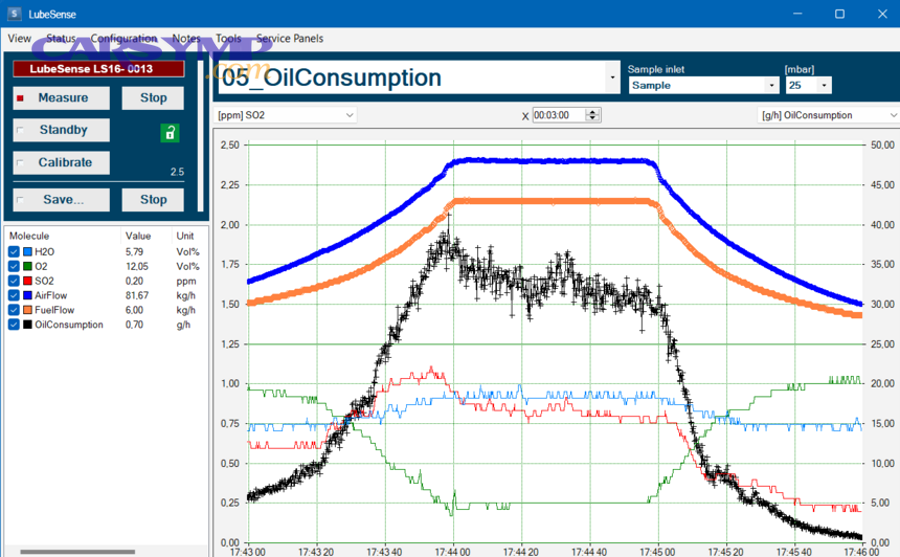
Besides reactive repairs after consumption develops, proactive maintenance significantly extends engine life and delays the onset of oil burning common in high-mileage vehicles. Understanding which factors accelerate component wear allows owners to modify driving habits and maintenance practices that preserve sealing surfaces.
Does Oil Type and Viscosity Affect Consumption Rates?
Yes, oil type and viscosity significantly affect consumption rates, with thinner oils like 0W-20 potentially increasing consumption in worn engines compared to thicker 10W-30 or 10W-40 grades that better seal enlarged clearances between components. Modern vehicles specify increasingly thin oils for fuel economy benefits, but these low-viscosity formulations flow more easily past worn seals and rings in engines exceeding 100,000 miles where clearances have widened beyond original specifications.
Synthetic oils maintain more stable viscosity across temperature ranges compared to conventional oils that thin excessively when hot, providing better protection against consumption in properly maintained engines. However, some older engines with significant seal wear actually consume more synthetic oil because its superior flow characteristics allow it to migrate past worn components more easily than thicker conventional oils.
High-mileage oil formulations include seal conditioner additives containing esters that soften and swell hardened rubber seals, potentially reducing consumption by 10-30% in engines with marginal seal wear. These specialized oils cost $2-5 more per quart than standard oils but may delay expensive repairs if started before severe consumption develops.
Wrong viscosity choices create consumption problems, with excessively thin oil providing inadequate sealing while excessively thick oil preventing proper lubrication of tight-clearance components like variable valve timing actuators. Always follow manufacturer specifications rather than using arbitrary “thicker is better” logic that may cause more problems than it solves.
Switching from conventional to synthetic oil in high-mileage engines sometimes reveals consumption that existed but wasn’t visible because deposits and sludge were temporarily sealing worn components. The detergent action of synthetic oils cleans these deposits, exposing the underlying wear requiring repair rather than causing new damage.
Can Regular Maintenance Reduce Oil Consumption Over Time?
Regular maintenance can reduce oil consumption by preventing carbon buildup that causes rings to stick, cleaning PCV systems that create excessive crankcase pressure, and using detergent oils that dissolve deposits on valves and piston crowns. Frequent oil changes at 3,000-5,000 mile intervals using quality oils prevent sludge accumulation that restricts oil drainage holes in pistons and clogs PCV valves creating pressure problems.
PCV system cleaning every 30,000-50,000 miles involves removing the valve and associated hoses, cleaning with carburetor cleaner or replacing components, and ensuring breather passages remain open. This simple maintenance prevents pressure-induced consumption costing $20-50 in parts compared to thousands in repair costs from damage caused by clogged systems.
Carbon cleaning for direct injection engines addresses intake valve deposits that alter airflow patterns and create hot spots contributing to oil consumption through various mechanisms. Walnut shell blasting or chemical cleaning services cost $300-600 but restore engine performance and potentially reduce consumption in affected engines.
Driving habits impact maintenance effectiveness, with highway driving at steady speeds burning deposits off components while short-trip city driving allows moisture and contaminants to accumulate. Extended highway runs every few weeks help maintain engine cleanliness between oil changes, reducing deposit formation.
Oil change intervals should decrease as engines age and accumulate mileage, with 150,000+ mile engines benefiting from 3,000 mile changes regardless of oil type or manufacturer recommendations based on new engine conditions. This frequent servicing removes contaminants before they concentrate enough to damage seals or cause deposits.
What Are the Long-Term Consequences of Ignoring Oil Consumption?
Ignoring oil consumption leads to catalytic converter damage from oil coating precious metals and reducing conversion efficiency by 40-60%, fouled spark plugs causing misfires and poor fuel economy, and eventual bearing failure from running low on oil resulting in complete engine seizure. The cascading failures make ignoring consumption far more expensive than addressing root causes early when repairs remain manageable.
Catalytic converters cost $800-2,500 to replace depending on vehicle and configuration, with oil contamination creating a secondary repair expense beyond the consumption source itself. Oil burns incompletely producing particulates that coat catalyst surfaces preventing exhaust gases from contacting the precious metal catalysts needed for emissions conversion.
Engine bearing wear accelerates exponentially when oil levels drop below the minimum mark, as the oil pump pickup becomes exposed to air creating cavitation and oil starvation to critical components. Bearings operating on marginal lubrication develop excessive clearances that reduce oil pressure further, creating a death spiral ending in rod knock and eventual connecting rod breaking through the engine block.
Cylinder wall scoring occurs when oil films become inadequate from low levels or contamination from blow-by gases in high-consumption engines, creating permanent damage that requires overboring cylinders or replacing the entire block. This damage often occurs silently without warning until catastrophic failure leaves drivers stranded with repair costs exceeding vehicle value.
Total engine failure timelines vary based on consumption severity and how often owners check oil levels, with engines burning one quart per 500 miles potentially seizing within 1,500 miles of the last oil addition if drivers don’t monitor levels weekly. Warning signs include oil pressure lights illuminating, lifter noise on startup, and loss of power that many drivers ignore until complete failure occurs.
When Should You Repair vs. Replace an Engine with High Oil Consumption?
Repair the engine when vehicle value exceeds $8,000-10,000 and consumption stems from isolated valve seal failure costing $800-2,000 to fix, but replace the engine when multiple components have failed including rings and seals with repair quotes exceeding $4,000-6,000 on vehicles worth under $5,000. The decision balances repair costs against remaining vehicle value and expected service life after repairs, considering whether additional failures will likely occur soon after fixing the immediate consumption problem.
Cost-benefit analysis requires honest assessment of total vehicle condition including transmission, suspension, and body integrity rather than focusing solely on engine issues. Spending $5,000 repairing an engine in a vehicle with failing transmission and rusted frame makes poor financial sense compared to replacement.
Partial repairs addressing only valve seals while ignoring marginal ring wear may provide 20,000-50,000 additional miles before consumption resurfaces, representing valid temporary solutions for vehicles approaching end-of-life. However, opening an engine for seal work without addressing all internal issues wastes the labor cost of disassembly when additional repairs become necessary within months.
Engine replacement with used units costs $2,500-5,000 installed including labor, potentially providing better long-term value than extensive rebuilds on high-mileage engines where additional failures seem likely. Remanufactured engines with warranties cost $3,500-7,000 installed, offering peace of mind unavailable with used engines of unknown history.
Vehicle replacement versus engine repair makes sense when total vehicle age exceeds 15 years or mileage surpasses 200,000 miles, as other expensive failures typically occur within 12-24 months making the engine repair money poorly spent. Modern engines easily reaching 200,000+ miles with proper maintenance suggests repairs remain viable on well-maintained examples with consumption as their only major issue.
According to automotive economic analysis by Kelley Blue Book published in 2024, vehicle owners should pursue repairs when total repair cost remains under 50% of current vehicle value and the vehicle has no other deferred maintenance issues exceeding $2,000, otherwise replacement provides better financial outcomes.
This comprehensive guide has provided you with systematic methods to track oil consumption, identify blue smoke patterns, diagnose specific component failures, and make informed repair decisions. Remember that early intervention when consumption first increases saves thousands compared to ignoring symptoms until catastrophic failure occurs, while understanding smoke from exhaust diagnosis enables you to communicate effectively with mechanics and avoid unnecessary repairs. Regular monitoring and proactive maintenance remain your most cost-effective tools for managing engine oil consumption throughout your vehicle’s service life.