


Fire and smoke damage restoration costs range from $3,107 to $51,243, averaging $27,175 nationally, with pricing determined primarily by fire classification type (Class A, B, K, or D), smoke characteristics (dry soot versus oily soot), and the extent of damage across your property. Homeowners face significantly different restoration expenses depending on whether they’re dealing with ordinary combustible fires ($8,665-$14,000 for a 2,500 sq ft home), flammable liquid fires ($13,335-$19,335), or kitchen grease fires ($11,000-$50,000), making it essential to understand how fire type directly impacts your total repair bill.
Beyond fire classification, the type of smoke and soot your property sustains creates substantial cost variations that many homeowners don’t anticipate until they receive restoration quotes. Dry soot cleanup from wood or paper fires typically costs $400-$700, while oily soot from grease fires or petroleum products can exceed $1,000 due to its smearing properties and deep surface penetration. Smoke odor removal adds another $200-$1,200 per room, with specialized treatments like ozone therapy running $300-$600 per floor, and these expenses compound quickly across multiple affected areas.
The comprehensive restoration process encompasses far more than visible fire damage, as water damage from firefighting efforts, structural repairs, HVAC system decontamination, and debris removal each carry distinct price points that contribute to your final cost. Structural inspections alone range from $350-$900, while air duct cleaning adds $275-$700, roof repairs average $767 (ranging $348-$1,186), and burnt material removal costs either $60 per pound or a flat rate of $300-$1,600 depending on the contractor’s pricing model.
Several critical factors beyond fire type influence your restoration expenses, including property size (calculated at $4.25-$7.00 per square foot), geographic location (with coastal and urban areas commanding higher rates), damage extent (from minor single-room incidents at $800 to total loss scenarios exceeding $180,000), and the labor-to-materials ratio where professional services typically account for 50-70% of total costs. Below, we’ll break down each cost category by fire type, examine how smoke characteristics affect pricing, detail specific restoration services and their expenses, and explore the variables that determine whether you’ll pay toward the lower or upper end of the cost spectrum.
What Are the Average Costs for Fire and Smoke Damage Restoration?
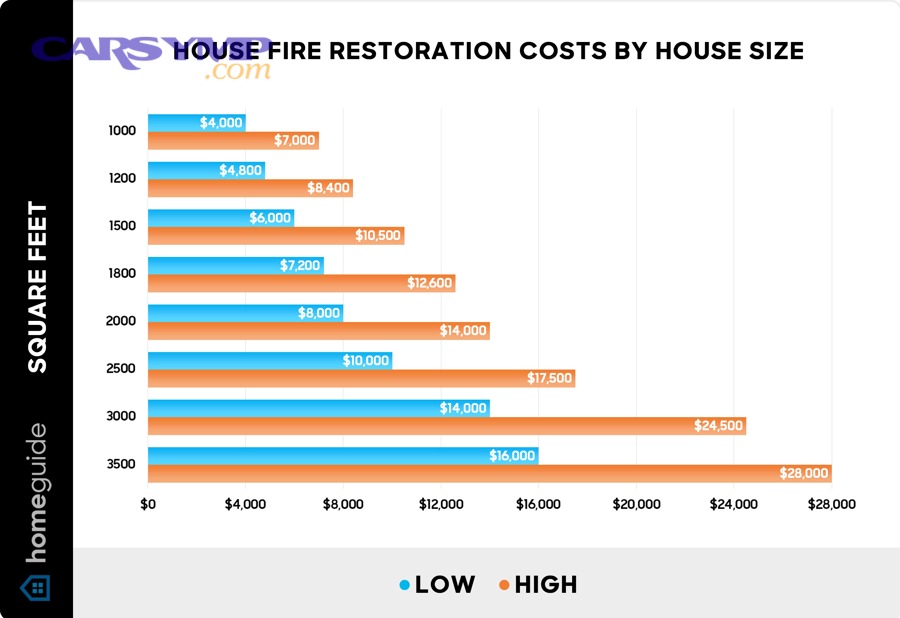
Fire and smoke damage restoration costs average $27,175 nationally, with typical projects ranging from $3,107 to $51,243 depending on damage severity, property size, and required services. This wide cost range reflects the dramatic differences between minor smoke odor removal in a single room versus comprehensive structural reconstruction following a total loss fire, with restoration professionals calculating baseline estimates at $4.25 to $7.00 per square foot of affected space.
To better understand these averages, homeowners should recognize that restoration costs exist on a spectrum tied directly to damage extent. Minor incidents involving light smoke damage in one room might cost as little as $800-$3,000, typically requiring only deodorizing, surface cleaning, and air quality restoration without structural intervention. Moderate damage affecting multiple rooms or an entire floor elevates costs to $8,000-$18,000, as restoration teams must address soot removal across larger surface areas, potentially replace smoke-damaged drywall, clean HVAC systems, and perform more extensive deodorization treatments. Severe damage scenarios where fire compromises structural integrity, destroys significant portions of the home, or creates total loss situations can balloon costs from $42,665 to $180,000 or higher, as these projects essentially involve rebuilding rather than simply restoring.
The per-square-foot calculation method provides a useful baseline for initial estimates, though actual costs fluctuate based on numerous variables beyond simple square footage. A 1,500 square foot home experiencing moderate smoke damage throughout would fall into the $6,375-$10,500 range using the $4.25-$7.00 per square foot guideline, though this baseline doesn’t account for specialized services like ozone treatment, structural repairs, or premium materials. Similarly, a 2,500 square foot property with widespread damage would calculate to $10,625-$17,500 for basic restoration, before factoring in the complexity multipliers that drive many projects toward the higher end of the national average.
Labor typically represents the single largest expense category, accounting for 50-70% of total restoration costs regardless of damage extent. Professional fire damage restoration requires certified technicians trained in hazardous material handling, structural assessment, air quality testing, and specialized cleaning techniques that untrained individuals cannot safely or effectively perform. These labor costs range from $1,000-$4,000 for minor projects but scale proportionally with project complexity, geographic location, and the urgency of restoration timelines. Materials constitute the secondary cost category at $500-$1,000 for standard projects, covering cleaning solutions, replacement drywall, paint, sealants, and other consumables. Additional specialized services including structural engineering assessments, ozone generators, thermal fogging equipment, and debris hauling add another $1,000-$2,000 to comprehensive restoration projects.
According to data compiled by HomeAdvisor in 2025, fire and smoke remediation projects most commonly fall within a normal range of $3,107 to $51,243, with the national average sitting at $27,175, though regional variations and damage specifics create significant deviation from these central tendencies.
How Much Does Restoration Cost by Fire Type?
Restoration costs vary from $8,665 to over $25,000 depending on fire classification, with Class A ordinary combustible fires representing the lower cost range, Class B flammable liquid fires and Class K kitchen grease fires falling in the mid-range at $11,000-$19,335, and Class D combustible metal fires reaching the upper extreme at $25,000 due to specialized cleanup requirements. The Fire Equipment Manufacturers’ Association’s fire classification system directly correlates to restoration complexity and expense, as different fire types produce distinct residue patterns, chemical byproducts, and structural damage profiles that demand specific remediation approaches.
Understanding fire classification becomes essential for accurate cost estimation, as each category presents unique challenges that restoration professionals must address with specialized equipment and techniques. The classification system reflects both the fuel source that fed the fire and the suppression methods required to extinguish it, both of which influence the secondary damage your property sustains and the restoration services needed to reverse that damage. Moreover, fire classification determines insurance coverage categories, approved restoration methods, and safety protocols that certified contractors must follow, all of which factor into final pricing.
What Are Class A Fire Restoration Costs? (Ordinary Combustibles)
Class A fire restoration costs range from $8,665 to $14,000 for a standard 2,500 square foot home, making these ordinary combustible fires the least expensive fire category to remediate despite their potential to cause extensive smoke and soot damage throughout affected spaces. These fires involve common household materials like wood, paper, fabric, plastic, and rubber, which burn at relatively predictable temperatures and produce dry soot that, while pervasive, doesn’t penetrate surfaces as aggressively as oily residues from other fire types.
Class A fires respond effectively to water-based suppression, which means firefighting efforts typically control these blazes without requiring specialized chemical suppressants. However, water suppression creates its own restoration challenge, as the water used to extinguish the flames often causes secondary damage requiring extraction, drying, and mold prevention services. The restoration process for Class A fires focuses heavily on smoke odor removal, dry soot cleanup from walls and ceilings, water damage mitigation, and replacement of porous materials like carpeting and drywall that absorbed smoke particles.
Common Class A fire scenarios include bedroom fires started by candles or electrical failures, living room fires from fireplaces or space heaters, and garage fires involving stored paper products or wooden items. The predictable burn patterns and familiar materials involved in these fires allow restoration professionals to work efficiently using established protocols, which contributes to their position as the most economical fire type to remediate. Despite the lower relative cost, homeowners shouldn’t underestimate the extent of smoke migration in Class A fires, as smoke travels through HVAC systems and penetrates every room in a structure, creating whole-house odor issues even when flames remained confined to a single space.
What Are Class B Fire Restoration Costs? (Flammable Liquids)
Class B fire restoration costs range from $13,335 to $19,335 for a 2,500 square foot home, positioning flammable liquid fires as notably more expensive to remediate than ordinary combustible fires due to the chemical residues, difficult suppression requirements, and specialized cleaning protocols these incidents demand. Class B fires involve petroleum products, gasoline, oil-based paints, lacquers, solvents, and other flammable liquids that burn at extremely high temperatures and produce toxic chemical byproducts that permeate building materials and require hazardous material handling procedures.
The elevated costs for Class B fire restoration stem from several compounding factors that increase both labor intensity and material requirements. Flammable liquid fires cannot be suppressed with water, as water spreads the burning liquid rather than extinguishing it, so firefighters employ foam suppressants, chemical agents, or smothering techniques that leave distinct residues requiring specialized cleanup. The chemical composition of burned petroleum products creates toxic vapors and chemical damage that standard cleaning methods cannot address, necessitating professional-grade decontamination, extensive air quality testing, and potentially the replacement of porous materials that absorbed hazardous compounds.
Residential Class B fire scenarios typically occur in garages where homeowners store gasoline, motor oil, and automotive chemicals, in workshops housing oil-based paints and solvents, or in basements containing heating oil systems. These fires spread rapidly due to the volatile nature of their fuel sources, often causing more extensive structural damage in shorter timeframes than Class A fires. The restoration process must address both the direct fire damage and the chemical contamination, with professionals using industrial-strength degreasers, vapor barriers, and sometimes complete removal and replacement of affected building materials rather than attempting to clean contaminated surfaces.
The specialized equipment and safety protocols required for Class B fire restoration contribute significantly to higher costs compared to ordinary combustible fires. Restoration technicians must use personal protective equipment designed for chemical exposure, employ ventilation systems that prevent toxic vapor accumulation, and follow EPA guidelines for hazardous material disposal. These additional safety measures, combined with the extended cleanup timelines necessary for proper decontamination, push Class B restoration costs well above the baseline range for standard fire damage.
What Are Class K Fire Restoration Costs? (Kitchen/Grease Fires)
Class K fire restoration costs range from $11,000 to $18,000 for typical kitchen grease fires, with severe incidents potentially reaching $50,000 when flames spread beyond the kitchen or when grease vapors permeate the entire home through ventilation systems. Kitchen fires involving cooking oils, animal fats, and grease present unique restoration challenges due to the sticky, penetrating nature of oily soot that adheres to every surface it contacts and requires aggressive cleaning techniques that water alone cannot accomplish.
Grease fires produce extraordinarily heavy residue that creates a persistent film on walls, ceilings, cabinets, countertops, and every kitchen surface within the affected area. This oily residue doesn’t simply wipe away like dry soot from Class A fires, instead requiring specialized degreasers, hot water extraction, and often complete replacement of porous materials like drywall, ceiling tiles, and cabinetry that absorbed grease particles. The cleanup process becomes even more complex when grease vapors travel through range hood systems, HVAC ducts, or open doorways, distributing oily residue to rooms far from the original fire location and multiplying the square footage requiring professional remediation.
Kitchen fire scenarios typically begin with unattended cooking, overheated oil in pans or deep fryers, or grease buildup in range hoods that ignites during normal cooking activities. The fires themselves may be relatively small and quickly suppressed, but the damage extends far beyond the visible burn area due to grease vapor distribution. Restoration professionals must clean or replace kitchen cabinets (often requiring complete cabinet removal and replacement at significant expense), address grease penetration in drywall (frequently necessitating removal and replacement rather than cleaning), deep-clean all kitchen appliances (or replace them if grease damage is extensive), and perform thorough HVAC system decontamination to prevent grease odors from recirculating throughout the home.
The high cost ceiling for Class K fires reflects worst-case scenarios where grease fires spread to create actual structural damage beyond surface contamination. When flames extend beyond the stovetop to ignite cabinets, countertops, or adjacent walls, restoration costs escalate rapidly as structural repairs compound the already expensive grease remediation process. Additionally, many kitchen fires occur in rental properties or condominiums where smoke and grease damage affects multiple units, creating shared wall remediation challenges and potentially multiplying costs across adjacent living spaces.

What Are Class D Fire Restoration Costs? (Combustible Metals)
Class D fire restoration costs can reach up to $25,000, representing the most expensive residential fire category due to the rare, highly specialized nature of combustible metal fires and the extreme safety protocols required for their remediation. These fires involve reactive metals like magnesium, titanium, sodium, potassium, and certain metal alloys that burn at extraordinarily high temperatures and react violently with water or conventional fire suppressants, creating unique hazards that standard restoration contractors cannot safely address.
Class D fires occur rarely in residential settings, as most homeowners don’t regularly handle reactive metals in quantities sufficient to create fire hazards. However, certain hobbyists, home-based metalworkers, or individuals with specialized equipment may encounter these fire risks. The restoration costs reach extreme levels because suppression requires specialized dry powder extinguishing agents, cleanup demands hazardous material disposal protocols, and the intense heat generated by burning metals often causes severe structural damage to concrete, steel supports, and foundation elements that ordinary fires cannot achieve.
The restoration process for Class D fires necessitates bringing in specialized contractors with specific certifications in hazardous material handling and metal fire remediation. Standard fire damage restoration companies lack the training, equipment, and insurance coverage to address combustible metal incidents, forcing homeowners to engage niche specialists whose limited availability and specialized expertise command premium pricing. Additionally, any remaining metal residues must be identified, safely contained, and disposed of according to environmental regulations, as many combustible metals produce toxic compounds when burned that pose ongoing environmental and health hazards if not properly remediated.
How Do Smoke and Soot Types Affect Restoration Costs?
Smoke and soot type impacts restoration costs from $400 for basic dry soot cleanup to over $1,200 per room for oily soot remediation and comprehensive smoke odor removal, with the chemical composition and physical characteristics of combustion byproducts determining both cleaning difficulty and service requirements. The distinction between dry soot from ordinary combustibles and oily, petroleum-based soot represents one of the most significant cost variables in fire damage restoration, as these residue types demand entirely different cleaning approaches, equipment, and labor investments.
Understanding smoke and soot characteristics becomes critical for accurate cost estimation because residue type dictates restoration methodology more than damage extent alone. Dry soot behaves like powder, falling off surfaces when disturbed and responding to vacuuming and dry-cleaning techniques, while oily soot smears when touched, penetrates porous materials, and requires degreasing agents and hot water extraction for effective removal. This fundamental behavioral difference creates the cost gap between relatively straightforward dry soot projects and labor-intensive oily soot remediation that often necessitates material replacement rather than cleaning.
What Is the Cost of Dry Soot Cleanup?
Dry soot cleanup costs range from $400 to $700 for typical residential projects, representing the most economical smoke residue remediation due to the powdery, non-sticky nature of dry soot that responds well to specialized vacuuming, dry-cleaning sponges, and surface treatments without requiring aggressive degreasing or material replacement. Dry soot forms when wood, paper, cardboard, and other cellulose-based materials burn at normal combustion temperatures, producing fine carbon particles that settle on surfaces in a dusty layer that brushes away relatively easily compared to oily alternatives.
The cleanup process for dry soot focuses on containment and careful removal techniques that prevent spreading the powder throughout unaffected areas. Restoration professionals use HEPA-filtered vacuums specifically designed for fine particle collection, dry-cleaning sponges that lift soot without smearing, and specialized chemical treatments that neutralize soot particles and prevent them from permanently staining surfaces. The relatively straightforward methodology keeps labor hours moderate and eliminates the need for expensive material replacement in most cases, as dry soot rarely penetrates deeply enough into drywall, wood, or other building materials to make salvage impossible.
Common sources of dry soot include fireplace incidents, paper product fires, wood-burning stove malfunctions, and outdoor fires that affect home exteriors. The visible black coating these fires produce looks alarming but proves substantially easier to remove than the sticky residues from petroleum or grease fires. However, dry soot still requires professional remediation rather than simple homeowner cleaning, as improper techniques can grind particles into surfaces, spread contamination to clean areas, or fail to address smoke particles embedded in textiles and porous materials that continue emitting odors long after visible soot disappears.
What Is the Cost of Oily Soot Cleanup?
Oily soot cleanup costs exceed $1,000 for most projects, with complex cases reaching several thousand dollars due to the sticky, smearing nature of petroleum-based residues that penetrate deeply into porous surfaces and require specialized degreasers, hot water extraction, and frequent material replacement rather than simple cleaning. Oily soot forms when grease, petroleum products, plastics, or synthetic materials burn, producing a thick, tar-like residue that bonds to every surface it contacts and spreads aggressively when touched or when standard cleaning attempts are made.
The elevated costs for oily soot remediation reflect the labor-intensive processes necessary for effective removal and the high probability that contaminated materials must be replaced entirely rather than cleaned. Restoration professionals employ industrial-strength degreasers formulated specifically for petroleum-based residues, hot water extraction systems that can break the molecular bonds between soot and surfaces, and often resort to complete removal of affected drywall, insulation, and ceiling materials when degreasing proves insufficient. The smearing characteristic of oily soot means that improper cleaning attempts by homeowners before professional help arrives can actually increase damage extent by spreading residue across previously unaffected areas, creating additional restoration costs.
Kitchen grease fires and garage fires involving petroleum products represent the most common sources of oily soot in residential settings. The smoke from these fires carries vaporized oils and fats that deposit as the air cools, creating the sticky coating that characterizes oily soot damage. Unlike dry soot that remains primarily in the room of origin, oily soot vapors travel through ventilation systems and settle in every room, creating whole-house contamination from relatively contained fires. This distribution pattern necessitates comprehensive home remediation rather than single-room cleanup, directly contributing to the substantial cost premium over dry soot projects.
The restoration timeline for oily soot extends considerably longer than dry soot cleanup, as degreasing treatments require application time, multiple cleaning passes, thorough rinsing, and extended drying periods before contractors can assess whether cleaning succeeded or whether material replacement becomes necessary. This extended labor commitment, combined with the specialized chemicals and equipment required, positions oily soot remediation among the most expensive per-square-foot restoration services in the fire damage industry.
How Much Does Smoke Odor Removal Cost?
Smoke odor removal costs range from $200 to $1,200 per room for comprehensive deodorization, with whole-house smoke remediation averaging $425 to $1,800 nationally depending on smoke penetration depth, home size, and treatment methods employed. Smoke odor represents one of the most persistent challenges in fire damage restoration, as smoke particles penetrate fabrics, carpets, drywall, wood, insulation, and HVAC systems at microscopic levels that simple cleaning cannot reach, requiring specialized treatments that neutralize odor molecules rather than merely masking them with fragrances.
Professional smoke odor removal employs several advanced techniques, each with distinct costs and effectiveness profiles depending on smoke type and penetration extent. Ozone treatment represents the most powerful deodorization method, costing $300 to $600 per floor and using high concentrations of oxygen molecules to oxidize and destroy odor-causing compounds at the molecular level rather than covering them with perfumes. Thermal fogging offers an alternative approach at similar price points, dispersing deodorizing agents as a fine mist that penetrates the same spaces smoke reached, neutralizing odors in walls, ceilings, and other areas standard cleaning cannot access. Hydroxyl generators provide a safer alternative to ozone for occupied spaces, though at slightly higher costs due to extended treatment times required for equivalent results.
The room-by-room cost structure reflects the reality that smoke damage rarely distributes evenly throughout a home. Rooms closest to the fire source require intensive treatment, often needing multiple ozone or fogging sessions to eliminate deeply embedded odors, while distant rooms may need only light treatment or simple air purification. HVAC systems present a particular challenge and cost factor, as smoke particles accumulate in ductwork, on fan blades, and in air handlers, requiring specialized air duct cleaning at $275 to $700 to prevent continuous recontamination as the system circulates air through smoke-damaged components.
Furniture and textile deodorizing adds $200 to $1,000 to smoke odor removal costs, as upholstered furniture, curtains, bedding, and clothing absorb smoke particles that continue emitting odors even after structural deodorization completes. Restoration professionals use specialized chambers that expose textiles to concentrated ozone or hydroxyl treatments, or employ dry-cleaning processes specifically designed for smoke-damaged fabrics. Severely contaminated items may prove impossible to salvage, requiring replacement rather than cleaning, which shifts costs from restoration services to personal property replacement claims.
The effectiveness of smoke odor removal depends critically on timing, as smoke odors that remain untreated for weeks or months penetrate more deeply and prove exponentially more difficult to eliminate than fresh smoke damage addressed within days of the fire. This timeline sensitivity creates urgency around smoke remediation decisions, as delaying treatment to save money often results in dramatically higher costs when deeply embedded odors resist standard treatment protocols and necessitate more aggressive interventions or extensive material replacement.
According to research published by the Institute of Inspection, Cleaning and Restoration Certification (IICRC), smoke odor molecules can penetrate up to 2 inches into porous materials within 72 hours of exposure, making rapid professional intervention essential for cost-effective remediation and successful odor elimination.
What Specific Services Are Included in Fire Damage Restoration and Their Costs?
Fire damage restoration encompasses seven primary service categories—structural repairs ($350-$4,380), water damage restoration ($200-$6,000), soot removal ($325-$4,500), debris removal ($300-$1,600), air quality restoration ($150-$1,000), content cleaning ($500-$5,000), and temporary protection ($200-$2,000)—each addressing distinct damage types that fires create both directly and indirectly. Understanding these individual service costs helps homeowners accurately estimate total project expenses and identify which restoration components their specific situation requires, as not every fire necessitates every service category.
The comprehensive nature of fire damage creates the need for this multi-service approach, as flames produce primary damage while firefighting efforts and combustion byproducts create extensive secondary damage that poses equal or greater restoration challenges. A typical fire restoration project combines several services simultaneously, with crews performing water extraction while others handle soot removal, and structural specialists assessing damage while content restoration teams catalog salvageable belongings. This coordinated approach accelerates recovery timelines but contributes to the complexity of cost estimation, as service requirements vary dramatically based on fire extent, suppression methods used, and how quickly professional remediation begins after the incident.
How Much Do Structural Repairs Cost After Fire Damage?
Structural repairs after fire damage cost from $350 for basic inspections to $4,380 or more for extensive reconstruction, with most projects requiring initial structural assessments at $350-$900 to determine whether affected building components remain safe or need replacement. Fire compromises structural integrity through direct flame damage that weakens wood beams and metal supports, through intense heat that causes concrete cracking and foundation shifts, and through water damage that saturates load-bearing materials and creates mold conditions that further degrade structural elements.
The structural inspection represents the mandatory first step in any fire restoration project, as building codes and insurance requirements prohibit reconstruction until licensed engineers or qualified inspectors certify that foundations, load-bearing walls, roof systems, and critical supports either survived the fire intact or have been properly repaired. These inspections cost $350-$900 depending on property size and damage extent, with inspectors examining foundation integrity, roof truss condition, wall framing soundness, and electrical system safety before issuing clearances for occupancy or reconstruction permits.
Wall repair and replacement constitutes one of the most common structural restoration needs, costing $3.50 to $7.00 per square foot for drywall removal, framing repair, insulation replacement, new drywall installation, taping, mudding, and painting. Fires that burn through drywall expose wall cavities to smoke and soot damage, necessitating complete removal of affected sections rather than surface repair. The square footage calculation means that a room with 500 square feet of wall surface area (roughly a 12×12 room with 8-foot ceilings) would cost $1,750 to $3,500 for complete wall restoration, not including any structural framing repairs if fire damaged wall studs.
Roof repairs range from $348 to $1,186, averaging $767 for projects addressing smoke damage to soffits and fascia, heat damage to shingles, or actual structural damage to roof trusses and decking. Minor roof restoration might only involve replacing damaged shingles and cleaning smoke residue from soffit vents, while severe cases require truss reinforcement or replacement, roof decking replacement, and comprehensive re-roofing. The cost variance reflects this range from cosmetic repairs to substantial structural intervention, with the most severe cases reaching or exceeding $4,380 when extensive truss damage requires engineering solutions or partial roof rebuilds.
Foundation repairs represent the most serious structural consequence of major fires, as intense heat can cause concrete cracking, rebar exposure, and foundation settling that compromises the entire structure. Foundation crack repair costs $250-$800 per crack for epoxy injection methods, while more extensive foundation stabilization or underpinning can reach $10,000-$15,000 for severe damage. Fortunately, foundation damage occurs primarily in long-burning, high-temperature fires rather than typical residential incidents, making these extreme costs relatively rare compared to the more common wall and roof repair scenarios.
Electrical system damage requires specialized electrical contractor intervention at $50-$100 per hour for inspection and $30-$100 per hour for repairs, with typical fire-damaged electrical restoration projects totaling $1,000-$3,000. Fire melts wire insulation, damages junction boxes, compromises circuit breakers, and creates short-circuit hazards that make the electrical system unsafe until professionally restored. Some jurisdictions require complete electrical panel replacement and rewiring of affected circuits after any fire, while others permit targeted repairs depending on damage extent, creating significant cost variability based on local building codes and inspector requirements.
What Are the Costs for Water Damage Restoration from Firefighting?
Water damage restoration from firefighting efforts costs $200 to $6,000 depending on water volume, affected materials, and how quickly extraction and drying begin after fire suppression. Firefighters use hundreds or thousands of gallons of water to extinguish house fires, saturating floors, carpets, drywall, insulation, and belongings with water that creates immediate damage and poses mold risks if not promptly addressed through professional water extraction and drying services.
The water restoration process begins with immediate water extraction using industrial pumps and wet vacuums, costing $200-$500 for minor incidents with limited water accumulation or $1,000-$3,000 for major firefighting operations that flooded multiple rooms or entire floors. Restoration professionals must remove standing water within 24-48 hours to prevent mold growth, which begins rapidly in warm, moist conditions created by wet building materials. After extraction, industrial dehumidifiers and air movers create the controlled drying environment necessary to remove moisture from carpets, subfloors, walls, and other affected materials without causing secondary damage like warping or mold proliferation.
Carpet and flooring restoration or replacement represents a major water damage cost component, with water-damaged carpet replacement costing $2-$8 per square foot including removal, disposal, and installation of new materials. Hardwood floors prove particularly vulnerable to water damage, swelling, warping, and cupping when saturated, often requiring sanding and refinishing at $3-$8 per square foot or complete replacement at $8-$15 per square foot when damage proves too severe for refinishing. Tile and vinyl flooring withstand water better but may require replacement if water seeps under the surface and damages adhesives or creates mold growth in the subfloor.
Drywall water damage necessitates removal and replacement when water wicks more than 18-24 inches up walls from flooring, as drywall loses structural integrity when thoroughly saturated and provides an ideal environment for mold growth if not completely removed and replaced. The cost for water-damaged drywall removal and replacement aligns with the $3.50-$7.00 per square foot general wall repair range, though water damage projects often require treating larger surface areas than fire damage alone would affect since water spreads horizontally across floors and vertically up walls beyond the immediate burn zone.
Mold prevention and remediation add $500-$3,000 to water restoration costs when moisture persists longer than 48 hours or when affected areas include hidden spaces like wall cavities, crawl spaces, or attics where mold can establish before discovery. Professional mold remediation requires containment barriers to prevent spore distribution, HEPA filtration, antimicrobial treatments, and complete removal of mold-contaminated materials, making prevention through rapid water extraction and thorough drying dramatically more cost-effective than addressing mold growth after it establishes.
According to data from the Environmental Protection Agency, water damage that remains unaddressed for more than 48 hours increases restoration costs by an average of 400% due to mold growth and progressive material deterioration, emphasizing the critical importance of immediate water extraction following firefighting operations.
How Much Does Soot Removal Cost?
Soot removal costs range from $325 to $4,500 or more depending on soot type, affected surface area, and whether contamination extends into HVAC systems and wall cavities requiring specialized cleaning beyond visible surface remediation. Soot particles settle on every surface throughout smoke-affected areas, creating the black or brown coating visible on walls, ceilings, furniture, and belongings, while microscopic particles penetrate fabrics, carpets, and porous materials where they continue causing odor and health issues if not professionally removed.
Surface soot cleaning forms the foundation of restoration work, with professionals using specialized dry-cleaning sponges, HEPA vacuums, and chemical treatments designed specifically for soot removal without spreading contamination or grinding particles deeper into surfaces. Light soot damage confined to one or two rooms typically costs $325-$700, covering professional-grade cleaning of walls, ceilings, and hard surfaces using techniques that lift soot rather than smearing it across surfaces as standard cleaning methods would. Moderate soot damage throughout a house raises costs to $1,500-$2,500 as restoration teams clean every room, while severe cases with heavy soot accumulation or oily residues reach $3,000-$4,500 or more when extensive surface areas require aggressive cleaning or material replacement.
Air duct cleaning represents a critical soot removal component often overlooked by homeowners, costing $275-$700 on average with most projects settling around $375 for standard residential HVAC systems. Smoke enters air returns during fires and distributes soot particles throughout the entire duct network, coating ductwork interior surfaces, air handler components, and register grilles with contamination that recirculates every time the system operates. Professional air duct cleaning for smoke damage involves removing and cleaning all registers, accessing ductwork through inspection ports or removal of duct sections, using rotating brushes and HEPA vacuums to remove accumulated soot, and cleaning air handler components including the blower, coils, and filter housing. This thorough approach costs more than routine maintenance duct cleaning but proves essential for preventing continuous recontamination as the HVAC system redistributes soot particles trapped in ductwork throughout the cleaned home.
HVAC system evaluation costs $150-$500 for professional inspection of heating and cooling equipment to determine whether smoke damage requires only cleaning or extends to component damage necessitating repairs or replacement. Smoke can corrode heat exchangers, damage blower motors, compromise electrical controls, and deposit residue on cooling coils that reduces efficiency even after cleaning. When evaluation reveals damage beyond surface contamination, HVAC repair or replacement costs escalate to $1,000 or more depending on affected components, with complete system replacement reaching $5,000-$10,000 for severe smoke damage to central heating and cooling equipment.
Drip pan cleaning, filter replacement, and register restoration complete the HVAC soot removal process, with these ancillary services typically included in the overall air duct cleaning cost but sometimes billed separately at $50-$150 when extensive or specialized work is required. Every filter in the system requires replacement rather than cleaning, as smoke particles penetrate filter media and continue emitting odors even after surface cleaning. Registers receive individual cleaning, often requiring removal, degreasing, and occasionally replacement when smoke damage proves too severe for cleaning to restore their appearance.
The comprehensive nature of soot removal explains why costs vary so dramatically, as visible surface cleaning represents only one component of proper remediation while hidden contamination in HVAC systems, wall cavities, and porous materials drives expenses beyond initial estimates when homeowners attempt to address only obvious damage without professional assessment of total smoke distribution throughout the property.
What Does Debris and Burnt Material Removal Cost?
Debris and burnt material removal costs range from $300 to $1,600 for flat-rate pricing or starts at $60 per pound for weight-based billing, covering the labor, equipment, and disposal fees required to remove fire-damaged furniture, appliances, building materials, and personal belongings that cannot be salvaged or that pose contamination risks during the restoration process. Every fire creates a volume of debris that must be removed before reconstruction can begin, including charred structural elements, smoke-damaged furnishings, heat-warped appliances, and contents deemed too contaminated for restoration.
The removal process involves more than simple hauling, as restoration professionals must first catalog items for insurance documentation, separate potentially salvageable contents from total losses, identify hazardous materials requiring special disposal procedures, and safely remove debris without causing additional property damage or creating safety hazards. Structural debris like burned framing, damaged drywall, and compromised insulation often contains asbestos, lead paint, or other hazardous materials in older homes, requiring certified abatement procedures and specialized disposal that standard waste haulers cannot legally perform, which drives costs toward the upper end of the range.
Contractors typically offer two pricing structures for debris removal—flat-rate estimates based on visual assessment of debris volume and per-pound charges calculated after hauling. Flat-rate pricing provides cost certainty and simplifies budgeting, making it preferable for homeowners with comprehensive insurance coverage who want to avoid potential disputes over weight-based billing. The $300-$1,600 flat-rate range covers small to medium residential fires, with larger incidents requiring custom quotes that can exceed $5,000 when entire home contents need removal or when structural demolition creates substantial debris volumes.
Per-pound pricing starting at $60 per pound applies mainly to smaller, highly selective removal projects where homeowners want to minimize costs by handling some disposal themselves or when debris consists primarily of heavy materials like appliances and furniture where weight more accurately reflects removal difficulty than volume estimates. This pricing structure can prove economical for minor fires but escalates quickly for larger projects, as a typical destroyed sofa weighs 150-250 pounds ($9,000-$15,000 at $60/lb), making flat-rate agreements more economical for comprehensive cleanouts despite appearing more expensive initially.
Disposal fees constitute a significant portion of debris removal costs, as fire-damaged materials cannot simply go to standard landfills but require disposal at facilities licensed to accept contaminated materials, hazardous waste, or materials requiring special handling. These specialized disposal sites charge premium tipping fees that contractors pass through to homeowners, typically adding $200-$500 to the overall removal cost depending on debris type and volume. Additionally, some jurisdictions require permits for debris removal, especially when involving dumpster placement on public streets or disposal of building materials, adding $50-$200 in permit fees to the total expense.
What Factors Influence Fire and Smoke Restoration Costs?
Six primary factors influence fire and smoke restoration costs: property size (affecting total square footage requiring treatment at $4.25-$7.00 per sq ft), damage extent (ranging from minor single-room incidents at $800 to total loss scenarios exceeding $180,000), geographic location (with urban and coastal areas commanding 20-40% premium pricing over rural markets), labor versus material cost ratios (with professional services representing 50-70% of total expenses), fire classification type (determining specialized cleaning requirements and safety protocols), and restoration timeline urgency (with emergency services costing 25-50% more than scheduled work). Understanding how these variables interact helps homeowners anticipate whether their specific situation will trend toward the lower or upper end of national cost averages and identifies opportunities for cost management without compromising restoration quality.
These factors rarely operate independently, instead compounding to create the wide cost ranges that characterize fire damage restoration estimates. A small urban property experiencing minor Class A fire damage might cost substantially more than a larger rural home with moderate damage due to regional labor rate differences, while a mid-sized property with severe oily soot contamination could exceed costs for a larger property with light dry soot damage despite smaller square footage. This complex interplay between variables makes generic per-square-foot estimates unreliable without detailed assessment of each cost driver’s specific impact on a particular project.
How Does Property Size Impact Restoration Costs?
Property size impacts restoration costs through the baseline $4.25-$7.00 per square foot calculation, with small homes under 1,500 square feet typically costing $6,375-$10,500 for whole-house smoke damage, medium homes from 1,500-2,500 square feet ranging $10,625-$17,500, and large homes exceeding 2,500 square feet starting at $17,500 and scaling proportionally with square footage. However, property size influences costs beyond simple multiplication, as larger homes require more extensive equipment deployment, longer labor timelines, greater material quantities, and increased complexity coordinating restoration across multiple zones simultaneously.
The square footage calculation applies to affected areas rather than total home size, creating important distinctions for cost estimation. A 3,000 square foot home where fire and smoke damage remained confined to a 500 square foot kitchen and adjacent living room would calculate restoration costs based on approximately 1,000 square feet of directly affected space plus HVAC cleaning for the entire house, rather than treating all 3,000 square feet as primary damage zones. This affected-area methodology explains why two homes of identical size can have dramatically different restoration costs depending on how far smoke traveled and how effectively fire containment limited damage spread.
Smaller homes present certain cost advantages beyond reduced square footage, as restoration crews can typically complete work in shorter timelines with fewer workers, reducing labor expenses that represent the majority of restoration costs. A 1,200 square foot home with moderate smoke damage might require only a three-person crew working five days to complete restoration, while a 3,500 square foot property with similar damage intensity could need a five-person team working ten days due to the expanded work area, effectively more than tripling labor costs for less than triple the square footage.
Conversely, larger homes sometimes benefit from economies of scale in material purchasing and equipment deployment, as contractors can negotiate bulk pricing on cleaning supplies, drywall, and other materials for extensive projects, passing some savings to homeowners. The fixed costs of equipment rental, debris dumpsters, and specialized tools like ozone generators spread across larger square footage, slightly reducing the per-square-foot cost for very large properties compared to small homes where fixed costs represent a higher percentage of the total.
Multi-story homes add complexity and cost beyond simple square footage calculations, as restoration teams must transport equipment between floors, protect stairways and lower levels from debris and contamination during upper-floor work, and potentially establish multiple work zones with separate containment systems. This vertical complexity adds 10-20% to restoration costs compared to single-story homes of equivalent square footage, with three-story properties potentially adding another 10-15% beyond two-story cost premiums due to the logistics of working at height and the time required moving materials and equipment vertically throughout the restoration process.
According to analysis by Fixr.com in 2024, property size accounts for approximately 40% of the variance in fire restoration costs across projects with similar damage extents, making it the single most influential factor in baseline cost estimation before adjusting for damage severity and specialized service requirements.
How Does Damage Extent Affect Pricing?
Damage extent affects pricing from $800 for minor single-room smoke odor removal to over $180,000 for total loss scenarios requiring complete structural rebuilding, with the severity and distribution of fire, smoke, and water damage serving as the primary determinant of whether homeowners face four-figure cleanup costs or six-figure reconstruction expenses. The relationship between damage extent and cost proves exponential rather than linear, as minor damage requires only surface cleaning and odor removal while severe damage necessitates structural engineering, hazardous material abatement, complete material replacement, and essentially rebuilding the affected portions of the home from studs forward.
Minor damage scenarios costing $800-$3,000 typically involve fires that were quickly extinguished with minimal flame spread, creating primarily smoke odor issues in one or two rooms without significant structural impact or soot accumulation. A stovetop grease fire that homeowners suppress with a fire extinguisher within minutes might only require professional smoke odor removal in the kitchen, light cleaning of nearby surfaces, and air quality restoration, keeping costs in the lower four-figure range despite the alarming appearance of smoke damage. These minimal-intervention projects rarely require material replacement, structural work, or extensive water damage remediation, allowing restoration companies to complete work in one to two days with small crews.
Moderate damage ranging $8,000-$18,000 characterizes fires that burned for several minutes before suppression, spread to multiple rooms, or created substantial soot and smoke distribution throughout the home while stopping short of major structural compromise. A bedroom fire from a space heater that fire crews extinguished within ten minutes might create moderate damage throughout a home, with heavy soot in the room of origin, moderate smoke damage in adjacent rooms and hallways, light smoke odor throughout the entire house via HVAC distribution, and water damage in the bedroom and adjacent areas from firefighting efforts. These projects require multi-room cleaning, HVAC decontamination, selective drywall replacement in heavily affected areas, comprehensive deodorizing throughout the structure, and professional water extraction and drying where firefighters operated, engaging restoration crews for one to three weeks of intensive work.
Severe damage from $42,665 to $180,000 or higher involves fires that burned extensively before suppression, compromised structural elements, destroyed significant portions of the home, or created total loss conditions where reconstruction proves more economical than restoration. Kitchen fires that spread to cabinets, walls, and ceiling structures before suppression, or fires that originated in living spaces and burned for fifteen or more minutes while occupants evacuated, often fall into this severe category. These projects require structural engineering assessments, complete demolition and rebuilding of heavily damaged sections, comprehensive hazardous material abatement, replacement of entire HVAC systems rather than cleaning, and essentially reconstructing affected areas from foundation or floor joists upward, engaging large restoration crews for months-long timelines and creating costs that approach or exceed new construction pricing per square foot.
The progression from minor to severe damage often hinges on just a few minutes of fire growth, as fires double in size approximately every minute under favorable conditions. This exponential growth pattern explains why seemingly minor differences in suppression timing create dramatic cost variations—a fire suppressed in three minutes might cost $2,000 to remediate while the same fire burning for seven minutes could escalate to $25,000 in restoration expenses despite occurring in the same room of the same house.
How Does Geographic Location Affect Costs?
Geographic location affects restoration costs by 20-50% between lowest-cost rural markets and highest-cost urban coastal areas, with regional variations driven by local labor rates, cost of living differences, material pricing and availability, permit fee structures, and competitive dynamics in the restoration industry. Homeowners in San Francisco, New York City, Boston, and other high-cost metropolitan areas routinely pay 40-50% more for identical restoration services compared to homeowners in rural Arkansas, Mississippi, or West Virginia, making location one of the most significant cost variables outside of damage extent itself.
Urban areas command premium pricing for several compounding reasons beyond simple supply and demand. Restoration companies operating in cities face higher overhead costs for warehouse space, vehicle parking, equipment storage, and employee compensation required to attract qualified technicians in competitive labor markets. These overhead costs flow through to customer pricing, adding 15-25% to project costs before considering direct labor rate differences. Additionally, urban projects often require parking permits, extended work hours to minimize disruption to neighbors in dense housing, and logistics coordination for equipment and material delivery in areas with limited vehicle access, each adding costs that rural projects avoid entirely.
Coastal states particularly California, New York, Massachusetts, Connecticut, and Washington demonstrate the highest restoration costs nationally, with average projects running 30-40% above national averages due to combination of high labor rates, stringent building codes, expensive permit requirements, and elevated material costs from higher local demand. A moderate fire restoration project averaging $15,000 nationally might cost $20,000-$21,000 in these coastal markets for identical scope of work, square footage, and damage extent. Conversely, rural areas in the Southeast, Midwest, and Mountain West regions typically see costs 10-20% below national averages, with the same $15,000 national-average project potentially costing $12,000-$13,500 in Alabama, Iowa, or Montana.
Material costs vary regionally based on distribution networks and local market demand, though this factor contributes less to geographic cost variation than labor rates. Drywall, lumber, cleaning supplies, and other restoration materials maintain relatively consistent pricing nationwide thanks to national distribution systems and large suppliers, though delivery costs to remote rural areas can add 5-10% to material expenses when contractors must special-order items or pay premium shipping to distant locations. This material cost factor partially offsets the labor savings rural homeowners enjoy, preventing geographic cost differences from reaching the extreme ranges that pure labor rate comparisons might suggest.
Permit fees and inspection requirements create significant geographic cost variation, with some urban jurisdictions charging $500-$2,000 in permit fees for substantial fire restoration work while rural counties might charge $50-$200 for identical projects. High-cost coastal cities often require multiple inspections throughout the restoration process, engineering letters for structural work, environmental certifications for demolition debris disposal, and historical preservation reviews for properties in protected districts, each adding consultant fees, administrative costs, and project timeline extensions that compound overall restoration expenses beyond direct labor and material charges.
According to 2024 data from the National Association of Fire Damage Restoration Contractors, geographic location accounts for approximately 25% of the explained variance in restoration costs after controlling for property size and damage extent, making it the third most influential factor in cost determination behind damage severity and square footage.
How Do Labor and Material Costs Break Down?
Labor costs represent 50-70% of total restoration expenses, ranging from $1,000 to $4,000 for minor projects and scaling proportionally with project scope, while material costs constitute 20-30% of the total at $500-$1,000 for standard projects, with the remaining 10-20% covering equipment rental, disposal fees, permits, and ancillary charges. This labor-heavy cost structure reflects the skilled, time-intensive nature of fire damage restoration, which requires certified technicians trained in hazardous material handling, specialized cleaning techniques, structural assessment, air quality testing, and construction skills that command premium hourly rates compared to general cleaning or handyman services.
Restoration labor rates vary from $50-$100 per hour for basic cleaning technicians to $75-$150 per hour for certified restoration specialists with advanced training in smoke remediation, water extraction, mold prevention, and reconstruction skills. A typical moderate restoration project might employ a three-person crew including a lead technician at $100/hour and two assistants at $65-$75/hour, creating a combined labor cost of $230-$250 per hour while the crew operates on-site. Most projects require 40-160 labor-hours depending on scope, translating to $9,200-$40,000 in labor charges for comprehensive restorations, with this figure representing 50-70% of the $15,000-$60,000 total project cost range for moderate to severe residential fires.
Material costs encompass cleaning supplies, replacement building materials, specialized chemicals, sealants, paints, and all consumable items used during restoration. For a typical moderate project, materials break down approximately as follows: cleaning supplies and chemicals ($200-$400), drywall and joint compound ($150-$300), lumber for framing repairs ($100-$250), paint and primer ($100-$200), insulation ($50-$150), and miscellaneous items like fasteners, sealants, and protective equipment ($100-$200), totaling $700-$1,500 in materials for a representative $12,000-$15,000 restoration project. The relatively modest material costs compared to labor reflect the reality that restoration involves more cleaning and skilled work than material replacement, with professionals often salvaging and restoring existing materials rather than defaulting to replacement.
Equipment rental adds $500-$2,000 to comprehensive restoration projects depending on equipment type, rental duration, and whether contractors own equipment or rent specialized tools for specific projects. Standard equipment includes industrial dehumidifiers ($50-$100/day), air movers ($25-$50/day each, typically renting 4-8 units), ozone generators ($75-$150/day), HEPA air scrubbers ($100-$200/day), and specialty items like thermal foggers, hydroxyl generators, or moisture meters. Most restoration companies own basic equipment and include usage costs in their labor rates, but extensive projects requiring equipment deployment for weeks rather than days often itemize these charges separately.
Disposal fees represent a fixed cost component that varies with debris volume rather than labor or materials, typically ranging $300-$800 for moderate projects requiring one or two dumpster loads. Specialized disposal of hazardous materials, contaminated insulation, or chemical-damaged components can add $200-$500 in premium tipping fees beyond standard construction debris disposal, as contaminated fire debris requires disposal at licensed facilities rather than standard landfills.
The labor-intensive nature of restoration work creates opportunities for cost management through project scheduling and competitive bidding, as labor represents the primary variable cost while materials maintain relatively consistent pricing across contractors. Homeowners can potentially reduce total costs by 10-15% through flexible scheduling that allows contractors to work during slower periods when crew availability doesn’t require premium overtime rates, or by obtaining multiple detailed bids that itemize labor and material components for direct comparison across restoration companies.
What Additional Cost Considerations Should Homeowners Know About Fire Restoration?
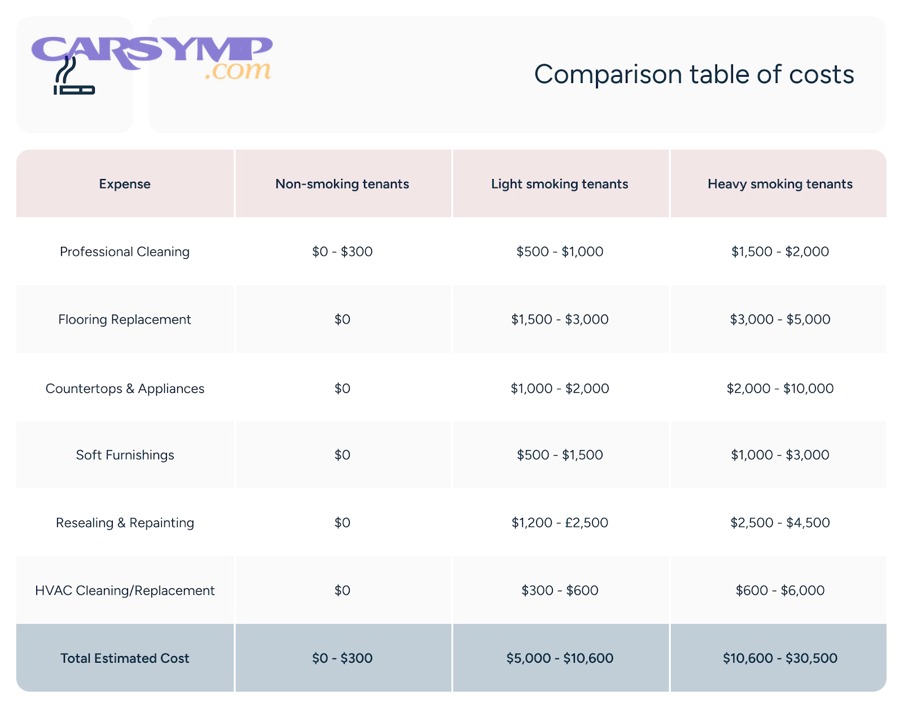
Beyond standard restoration services, homeowners face additional cost considerations including cigarette smoke remediation ($4,100 average, not covered by insurance), wildfire smoke damage ($2,000-$8,000 for exterior and interior cleaning), insurance coverage variations (with deductibles ranging $500-$5,000 and coverage limits affecting out-of-pocket expenses), DIY versus professional cost comparisons (where DIY attempts often void insurance and create safety hazards), hidden expenses like temporary housing ($1,500-$3,000/month during extended restoration), and prevention investments ($200-$500 in smoke detectors and fire extinguishers to avoid future incidents). These supplementary costs can add $5,000-$15,000 or more to the obvious restoration expenses, making comprehensive financial planning essential for homeowners navigating fire damage recovery.
Understanding these additional considerations prevents budget shortfalls mid-project and helps homeowners make informed decisions about insurance claims, contractor selection, and restoration scope. Many homeowners focus exclusively on primary restoration costs while overlooking temporary housing expenses during multi-week projects, underestimating their insurance deductibles, or failing to account for non-covered services like cigarette smoke remediation that insurance policies specifically exclude, creating financial stress when these unexpected costs emerge during the restoration process.
How Much Does Cigarette Smoke Remediation Cost?
Cigarette smoke remediation costs average $4,100 for whole-house treatment, with individual room remediation ranging $300-$800 depending on contamination extent and treatment methods employed. Importantly, homeowners insurance policies specifically exclude cigarette smoke damage from coverage, making this a complete out-of-pocket expense for homeowners purchasing properties from former smokers or for current smokers who wish to eliminate tobacco odors and staining before selling, creating a significant financial consideration that many buyers overlook when purchasing homes with smoking history.
The remediation process for cigarette smoke differs from fire smoke restoration in duration and contamination depth, as years of cigarette smoking create nicotine and tar deposits that penetrate deeply into every porous surface throughout a home. Walls often require specialized cleaning with TSP (trisodium phosphate) solutions or complete repainting with odor-sealing primers, carpets need professional hot water extraction or replacement, HVAC systems require comprehensive cleaning including all ductwork and components, and window treatments, furniture, and other textiles must be professionally cleaned or discarded and replaced. This comprehensive approach explains the $4,100 average cost even though cigarette smoke doesn’t create the dramatic visible damage that fire smoke produces.
Professional contractors employ several techniques for cigarette smoke remediation, with ozone treatment and thermal fogging providing the most effective odor elimination at $300-$600 per floor as discussed in earlier sections. However, surface contamination requires physical cleaning before deodorizing treatments prove effective, as nicotine and tar films prevent ozone and fogging agents from reaching the underlying materials where odors persist. This two-phase approach of cleaning followed by deodorizing extends project timelines and costs beyond simple fire smoke odor removal where surface contamination proves less tenacious.
DIY cigarette smoke remediation represents a viable cost-saving option for motivated homeowners with limited budgets, as insurance coverage doesn’t factor into the equation and the work doesn’t require the same safety precautions and specialized expertise that fire damage restoration demands. Using TSP cleaners on walls ($15-$30), renting carpet cleaning equipment ($40-$60/day), purchasing HEPA air purifiers ($200-$500), applying odor-sealing primer before painting ($30-$40/gallon), and thoroughly cleaning HVAC components ($100 in supplies), dedicated homeowners can reduce cigarette smoke remediation costs to $500-$1,000 in materials and equipment rental while investing significant sweat equity. However, professional results typically prove superior, as contractors access industrial-strength chemicals, commercial-grade equipment, and proven protocols that deliver more complete odor elimination than DIY efforts in most cases.
The non-covered status of cigarette smoke remediation under standard homeowners insurance policies creates disclosure and negotiation opportunities in real estate transactions, with home sellers sometimes agreeing to remediation credits, buyers requesting price reductions to offset remediation costs, or pre-sale smoke remediation becoming a condition of purchase for buyers unwilling to undertake the work themselves. These financial considerations make cigarette smoke remediation costs relevant even to buyers and sellers who haven’t experienced fire damage, as the lingering effects of previous occupant smoking create remediation needs that substantially impact property values and transaction dynamics.
What Are the Costs for Wildfire Smoke Damage Restoration?
Wildfire smoke damage restoration costs range from $2,000 to $8,000 for comprehensive interior and exterior cleaning, with expenses varying based on smoke exposure duration, wind patterns that concentrated smoke against specific home surfaces, and whether smoke penetrated the building envelope into interior living spaces. Wildfire smoke presents distinct restoration challenges compared to structure fires, as the smoke often contains forest materials, vegetation chemicals, and atmospheric pollutants that create different residue characteristics than household fire smoke, while affecting entire communities simultaneously and straining restoration contractor availability during peak wildfire seasons.
Exterior smoke damage represents the primary concern for homes near but not directly impacted by wildfires, as smoke deposits create visible discoloration on siding, staining on windows and doors, residue accumulation on roofs and gutters, and coating on outdoor furniture and equipment. Professional exterior smoke cleaning costs $1,500-$4,000 for comprehensive treatment of a standard single-family home, involving power washing with specialized cleaning agents that remove smoke residue without damaging siding materials, window cleaning to eliminate smoke film from glass surfaces, gutter cleaning to remove accumulated ash and debris, and roof cleaning when smoke deposits create visible staining on shingles.
Interior wildfire smoke remediation costs $1,000-$5,000 depending on how much smoke infiltrated living spaces through windows, doors, ventilation systems, or building envelope gaps during the wildfire event. Homes that remained sealed with windows closed and HVAC systems shut down often escape significant interior smoke damage, requiring only air quality restoration through professional air purification and light surface cleaning at the lower end of the cost range. Conversely, homes with open windows during smoke events, poorly sealed building envelopes, or HVAC systems that drew smoke-laden outdoor air throughout the house need comprehensive interior cleaning including fabric deodorizing, air duct cleaning, surface cleaning on all walls and ceilings, and odor removal treatments approaching the costs of minor structure fire remediation.
Air quality restoration forms a critical component of wildfire smoke damage remediation, as fine particulate matter from wildfire smoke penetrates deep into lungs and poses health risks long after visible smoke dissipates. Professional air quality services including HEPA filtration ($200-$500 for equipment rental and operation), duct cleaning ($275-$700 as previously discussed), filter replacement throughout the HVAC system ($50-$200 depending on system complexity), and air quality testing to verify safe particulate levels ($150-$400) ensure that homes are truly safe for occupancy rather than simply appearing clean after visible smoke effects are addressed.
The regional and seasonal nature of wildfire smoke damage creates unique cost dynamics, as restoration companies in wildfire-prone areas experience surge demand during and immediately after fire seasons, potentially driving prices 20-30% above off-season rates due to limited contractor availability and elevated demand for services. Homeowners who can delay non-urgent wildfire smoke remediation until post-season periods may secure more competitive pricing, though health concerns often necessitate immediate action regardless of cost premiums. Additionally, communities affected by widespread wildfire smoke often see material shortages and contractor scheduling delays as multiple properties require simultaneous restoration, extending project timelines from the typical one-week completion to two or three weeks when regional demand peaks.
According to research published by the California Air Resources Board in 2023, homes within five miles of major wildfires average $4,200 in smoke damage remediation costs even when structures remain physically undamaged by flames, with interior air quality restoration accounting for approximately 60% of the total expense and exterior cleaning representing the remaining 40%.

Does Homeowners Insurance Cover Fire and Smoke Restoration Costs?
Yes, homeowners insurance typically covers fire and smoke restoration costs from accidental fires, with standard policies providing dwelling coverage for structural repairs, personal property coverage for content restoration or replacement, additional living expenses for temporary housing during restoration, and often debris removal coverage up to specific policy limits. However, coverage varies significantly based on policy type, fire cause, deductible amounts, coverage limits, and specific exclusions that can leave homeowners responsible for substantial out-of-pocket expenses even with comprehensive insurance protection.
Standard homeowners insurance policies (HO-3 being the most common) cover fire damage under dwelling coverage (Coverage A) that pays for structural repairs up to the policy limit, typically set at the home’s replacement cost value. This coverage addresses the costs detailed earlier including structural repairs, water damage from firefighting, soot removal, smoke odor remediation, and debris removal, subject to the deductible amount that homeowners must pay before insurance benefits activate. Personal property coverage (Coverage C) protects belongings at 50-70% of the dwelling coverage amount, paying to repair or replace furniture, clothing, electronics, and other contents damaged by fire or smoke based on either actual cash value or replacement cost value depending on policy terms.
Deductibles represent the primary out-of-pocket expense homeowners face even with comprehensive coverage, typically ranging from $500 to $5,000 with most policies carrying $1,000-$2,500 deductibles. The deductible applies once per claim regardless of total damage costs, so a $50,000 fire restoration with a $2,000 deductible leaves the homeowner responsible for $2,000 while insurance covers the remaining $48,000. However, some policies include separate percentage-based deductibles for specific perils, potentially requiring homeowners to pay 1-5% of dwelling coverage amount ($2,000-$10,000 on a $200,000 policy) rather than the standard flat deductible, though percentage deductibles typically apply to wind, hail, and earthquake coverage rather than fire.
Coverage limits create the second major insurance consideration, as policies cap total payouts at the dwelling coverage amount for structural damage and at personal property coverage limits for contents, with additional sub-limits for specific item categories like jewelry, electronics, or artwork. A home requiring $300,000 in fire restoration but carrying only $250,000 in dwelling coverage leaves the homeowner responsible for the $50,000 shortfall, emphasizing the importance of maintaining adequate coverage limits that reflect actual replacement costs rather than outdated policy amounts from years prior. Insurance professionals recommend reviewing and updating coverage limits annually to account for construction cost increases, home improvements, and property value appreciation that can create coverage gaps over time.
Additional living expenses (ALE) coverage pays for temporary housing, meals, and other costs incurred while fire restoration makes a home uninhabitable, typically covering 12-24 months of displacement at limits ranging from 20-40% of dwelling coverage. This valuable benefit prevents homeowners from depleting savings to maintain two households during extended restoration projects, covering hotel costs ($100-$300/night), temporary apartment rental ($1,500-$3,000/month), restaurant meals exceeding normal food costs ($50-$100/day for a family), and other displacement expenses. However, ALE coverage includes time limits and caps that can prove insufficient for severe fire damage requiring six months or more of reconstruction, potentially leaving homeowners covering extended displacement costs after policy limits exhaust.
Specific exclusions create coverage gaps that surprise many homeowners during claims processes, including intentional acts (insurance doesn’t cover deliberately set fires), neglect (failure to maintain the home can void coverage), certain types of smoke damage (cigarette smoke is excluded as discussed earlier), and sometimes specific fire causes like grease fires or electrical fires if insurance companies determine homeowner negligence contributed to the incident. Reading policy exclusions carefully and discussing scenarios with insurance agents before fires occur helps homeowners understand actual coverage versus assumed protection.
According to the Insurance Information Institute, approximately 95% of homeowners carry fire insurance as part of standard homeowners policies, but 64% of homeowners are underinsured by an average of 22%, creating coverage gaps where insurance pays only a portion of actual fire restoration costs and homeowners must fund the difference through savings, loans, or reduced restoration scope.
What Is the Cost Difference Between DIY and Professional Fire Restoration?
Professional fire restoration costs $3,000-$50,000 for typical residential projects while DIY attempts might reduce out-of-pocket expenses to $500-$3,000 in materials and equipment rental, but insurance policies typically void coverage when homeowners perform restoration work themselves, professional restoration prevents health hazards from toxic smoke exposure and improper cleaning techniques, and inadequate DIY restoration often necessitates professional remediation later at costs exceeding what proper initial restoration would have required. This creates a false economy where apparent DIY savings actually increase total costs while exposing homeowners to serious health and safety risks that certified professionals avoid through proper training, equipment, and protocols.
The primary cost difference appears substantial at first glance, as homeowners can rent equipment like ozone generators ($75-$150/day), air movers ($25-$50 each/day), and dehumidifiers ($50-$100/day), purchase cleaning supplies ($100-$300), and invest sweat equity to reduce professional labor charges that constitute 50-70% of restoration costs. A minor smoke damage project that professionals would charge $3,000-$5,000 to complete might cost homeowners $500-$1,000 in DIY expenses, creating tempting savings for budget-conscious property owners. However, this simple cost comparison ignores critical factors that make DIY fire restoration economically unviable for most homeowners despite the apparent financial benefits.
Insurance coverage voids represent the most significant hidden cost of DIY restoration, as standard homeowners policies require professional restoration by certified, licensed contractors to honor coverage and maintain policy validity for future claims. Homeowners who attempt DIY restoration forfeit insurance benefits that would have covered 90-98% of professional restoration costs after deductible payment, converting a $2,000 out-of-pocket expense (deductible on a $20,000 professional restoration) into a $20,000 personal liability when insurance denies coverage due to unauthorized DIY work. Additionally, improper restoration that fails to meet building code requirements, safety standards, or complete smoke remediation can result in insurance companies denying future claims, refusing policy renewal, or even canceling coverage entirely if discovered during subsequent claims or inspections.
Health and safety hazards create unquantifiable costs when untrained individuals handle fire restoration, as smoke residue contains toxic chemicals, particulates include carcinogens and heavy metals, improper cleaning spreads contamination rather than removing it, and inadequate protection exposes homeowners to respiratory hazards, skin contact with harmful substances, and long-term health consequences. Professional restoration teams use respirators, protective suits, air quality monitoring equipment, and safety protocols developed through industry certification programs, while homeowners typically work with basic dust masks and household cleaning gloves that provide inadequate protection. The potential medical costs from smoke exposure, chemical burns, respiratory damage, or long-term health effects vastly exceed any DIY savings, though these costs often emerge years after exposure when causation becomes difficult to prove and insurance coverage may not apply.
Inadequate DIY restoration creates the most expensive long-term cost scenario, as homeowners who believe they’ve successfully cleaned smoke damage often discover persistent odors, hidden contamination, or structural issues months or years later that necessitate complete professional remediation at costs exceeding what proper initial restoration would have required. Smoke particles trapped in wall cavities, inadequately cleaned HVAC systems that redistribute contamination, missed water damage that creates mold growth, and surface-only cleaning that fails to address penetrated smoke residue all represent common DIY restoration failures. Professional remediation after failed DIY attempts often costs 150-300% of what initial professional work would have required, as contractors must first reverse improper homeowner interventions before beginning proper restoration protocols.
Very limited DIY scenarios prove appropriate for homeowners with specific skills and minimal damage, such as individuals with professional cleaning experience addressing light smoke odor in a single room from a quickly suppressed fire, or homeowners with restoration industry background performing work on uninsured properties. For these rare situations, proper PPE ($100-$200), commercial-grade cleaning supplies ($200-$400), equipment rental ($300-$600), and thorough self-education on proper techniques ($50-$100 in reference materials) enable competent DIY restoration at $650-$1,300 compared to $3,000-$5,000 professional costs. However, these scenarios represent less than 5% of fire damage situations, with the vast majority of homeowners better served by professional restoration despite higher upfront costs.
The smoke from exhaust diagnosis differs entirely from fire restoration, as automotive smoke indicates mechanical issues rather than fire damage, though homeowners sometimes confuse vehicle exhaust problems with home smoking damage when garages fill with smoke from running vehicles. White smoke causes and diagnosis in vehicles typically indicate coolant burning from head gasket failure or cracked engine blocks, while Smoke on startup vs under acceleration clues help mechanics identify whether oil sealing, fuel system, or engine wear creates the smoking condition. The Coolant loss and sweet smell correlation specifically points to coolant entering combustion chambers, though none of these automotive diagnostic procedures relate to the fire and smoke damage restoration costs this article addresses for residential properties.
This comprehensive guide to fire and smoke damage restoration costs by type provides homeowners with detailed pricing information across fire classifications, smoke types, restoration services, and cost factors that determine final expenses. Understanding these costs enables accurate budgeting, informed insurance discussions, and realistic expectations when facing the challenging process of restoring homes after fire damage incidents.