


starter replacement labor time typically ranges from 1.5 to 4 hours for most vehicles, though some complex installations can take 6 to 8 hours depending on starter location and required component removal. This duration directly impacts your total repair cost, as labor charges constitute 60-75% of the final bill when mechanics apply flat-rate pricing systems based on standardized book times from industry databases like Mitchell and AllData.
Understanding what factors extend or reduce starter replacement duration helps you evaluate mechanic quotes and plan accordingly. Vehicle design significantly influences accessibility—front-wheel drive compact cars with top-mounted starters often require just 90 minutes, while luxury sedans with under-intake starter placement demand extensive disassembly that can exceed 6 hours. Moreover, the difference between book time (what the repair manual allocates) and actual time (what mechanics actually spend) varies based on technician experience, tool availability, and unforeseen complications like corroded bolts or damaged wiring harnesses.
Comparing labor times across vehicle types reveals dramatic variations that every car owner should know before scheduling service. Japanese vehicles typically offer better starter accessibility with 1.5 to 3-hour replacement windows, while certain European models engineered for compact engine bays can require 5 to 7 hours of labor. Even within the same manufacturer, different engine configurations create vastly different labor requirements—a rear-wheel drive pickup truck might need 2 hours, whereas the same brand’s all-wheel drive SUV could demand 4 hours due to drivetrain complexity.
Knowing whether your mechanic’s estimate aligns with industry standards empowers you to make informed decisions and potentially save hundreds of dollars. Next, let’s explore the specific timeframes you can expect and how professionals calculate these labor hours.
How Long Does Starter Replacement Take?
Starter replacement takes between 1.5 and 4 hours for most passenger vehicles, with compact cars averaging 2 hours and larger SUVs or trucks requiring 3 to 4 hours based on starter accessibility and component interference.
To better understand these timeframes, mechanics rely on two distinct time measurements that often confuse vehicle owners. The automotive repair industry distinguishes between “book time” and “actual time” when estimating starter replacement duration. Book time represents the standardized labor allocation published in professional repair manuals like Mitchell ProDemand and AllData, calculated by timing experienced technicians working under ideal shop conditions with all necessary tools immediately available. Actual time, however, accounts for real-world variables including parts availability delays, unexpected complications from rust or corrosion, and the individual technician’s familiarity with your specific vehicle model.
What Is the Average Labor Time for Starter Replacement?
The average labor time varies considerably by vehicle category, with specific ranges that help you benchmark your situation. Compact cars like the Honda Civic or Toyota Corolla typically require 1.2 to 1.8 hours of labor, as their smaller engine bays often position the starter in accessible locations near the transmission bell housing. Midsize sedans including the Honda Accord, Toyota Camry, and Ford Fusion generally need 1.5 to 2.5 hours, representing the industry baseline for standard passenger vehicle repairs.
SUVs and pickup trucks present more variability depending on drivetrain configuration. A rear-wheel drive Ford F-150 with a V8 engine might only need 1.8 to 2.5 hours due to straightforward undercarriage access, while a front-wheel drive crossover SUV could require 2.5 to 4 hours if the starter sits beneath intake components or requires raising the engine for access. Luxury and European vehicles consistently demand extended labor times, with many German sedans requiring 3 to 6 hours due to tightly packaged engine compartments where engineers prioritized performance and aesthetics over serviceability.
Industry databases provide specific allocations for thousands of vehicle configurations. Mitchell ProDemand lists the 2018 Honda Civic 1.5L turbo at 1.3 hours, while the same year Audi A4 2.0T quattro shows 4.8 hours due to the need to place the vehicle in “service position” (removing the front bumper and radiator support for engine access). These standardized times form the basis for repair estimates nationwide, though individual shops may adjust based on their efficiency and overhead costs.
How Do Mechanics Calculate Labor Time for Starter Jobs?
Mechanics calculate labor time using a flat-rate system where they charge customers based on predetermined book times regardless of how long the actual work takes. This system benefits both parties when properly applied—experienced technicians who complete jobs faster than book time earn higher effective hourly rates, while customers pay predictable amounts based on industry-standard estimates rather than open-ended hourly billing. For starter replacement, if the book time states 2.5 hours and the shop charges $120 per hour, your labor cost will be $300 whether the mechanic finishes in 90 minutes or takes 3.5 hours.
The calculation process begins when the service advisor enters your vehicle’s year, make, model, and engine configuration into their shop management software, which queries databases containing manufacturer repair procedures and time studies. These databases categorize starter replacement under different scenarios—some vehicles have multiple time allocations depending on whether the technician accesses the starter from above (through the engine bay) or below (from underneath on a lift). The system then applies the shop’s established labor rate, which varies significantly by location and facility type.
Regional labor rates range from $80 to $150 per hour at independent repair shops, while dealership rates typically span $120 to $180 per hour reflecting their manufacturer-specific training and equipment investments. Mobile mechanics often charge $70 to $110 per hour with lower overhead, though they may add travel fees or take longer without full shop equipment access. A starter replacement with a 2.5-hour book time would cost $200 at an independent shop charging $80 per hour, $300 at a facility charging $120 per hour, or $450 at a premium dealership charging $180 per hour—the labor hours remain constant, but the rate multiplier creates dramatic price differences.
Warranty labor calculations follow different rules that sometimes disadvantage repair shops. When a starter fails under warranty, the manufacturer reimburses the dealership based on their predetermined warranty time allowance, which often runs 20-30% lower than customer-pay book times. A starter replacement that pays 2.5 hours to a retail customer might only reimburse 1.8 hours under warranty, creating financial pressure on shops to complete warranty work quickly and sometimes leading to longer wait times for warranty appointments as shops prioritize higher-paying retail customers.
What Factors Determine Starter Replacement Duration?
Seven primary factors determine starter replacement duration: starter location and accessibility, quantity of obstructing components requiring removal, vehicle drivetrain configuration, engine mounting orientation, presence of corrosion or seized hardware, technician experience level, and availability of specialized tools.
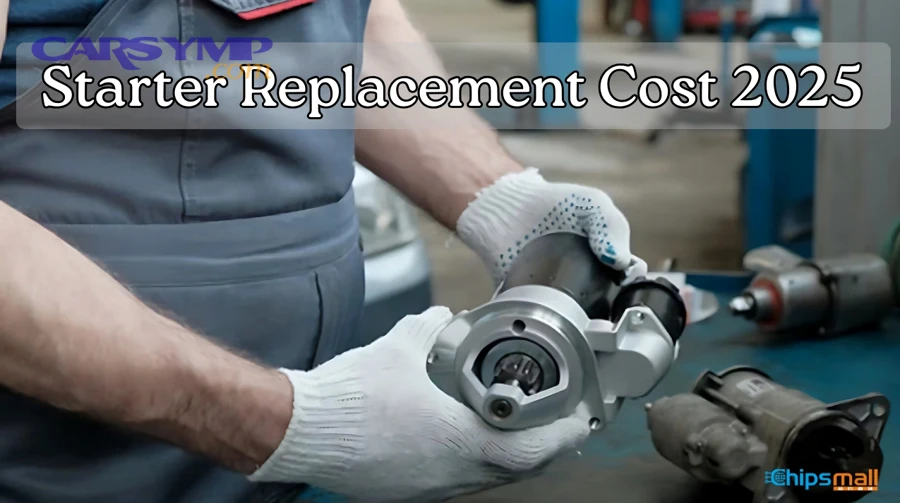
Understanding these variables helps explain why two seemingly similar vehicles can have vastly different labor requirements. For instance, two midsize sedans from the same model year might differ by 3 hours of labor simply because one manufacturer mounted the starter on top of the transmission bell housing with clear access, while the other positioned it underneath the intake manifold requiring significant disassembly. The automotive industry lacks standardization in starter placement, as each manufacturer balances competing priorities including assembly line efficiency, engine performance optimization, and serviceability.
Does Starter Location Affect Replacement Time?
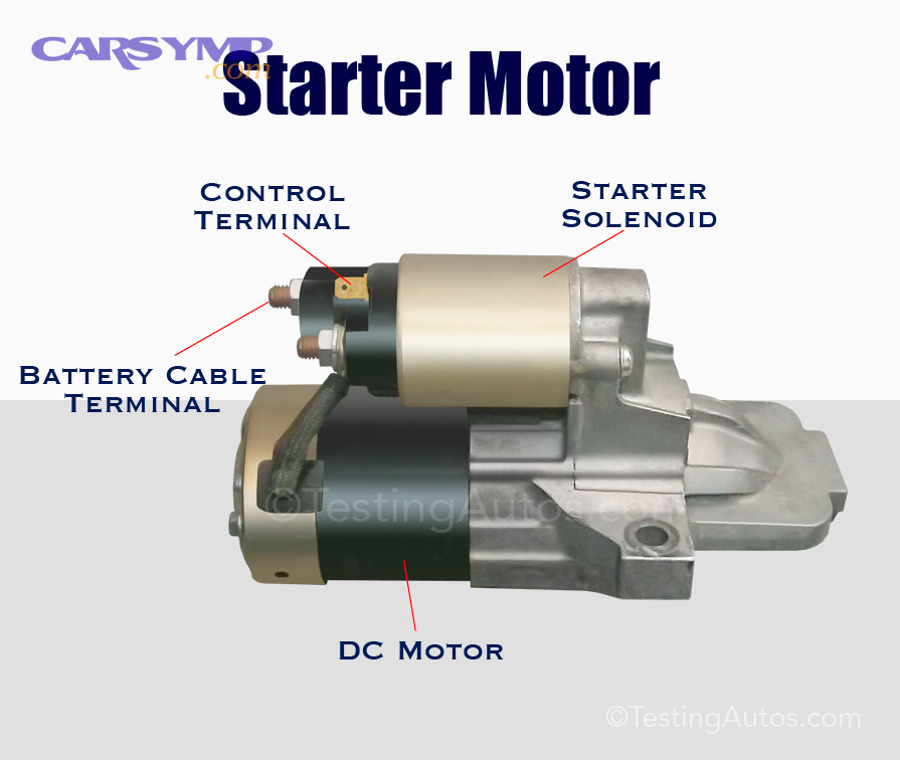
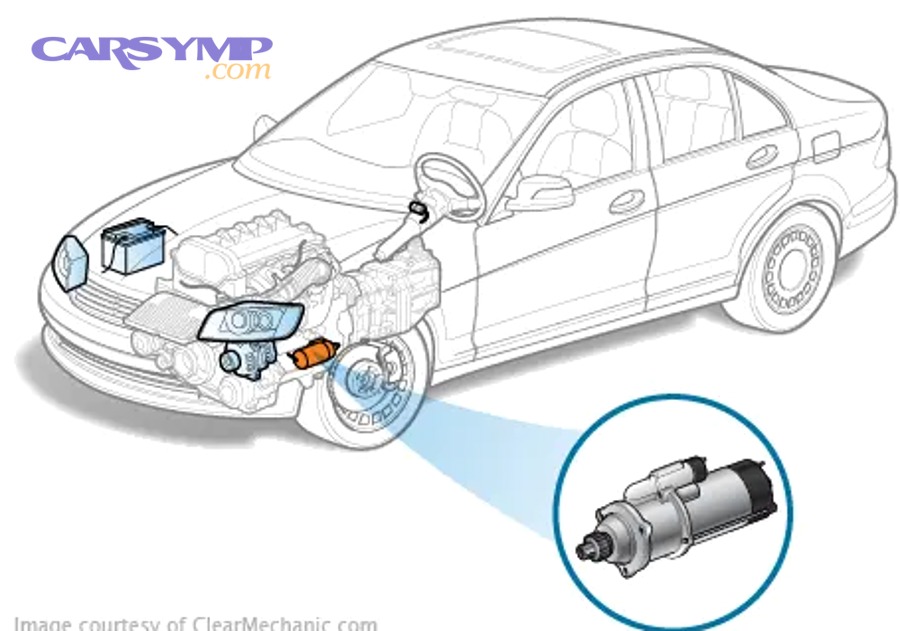
Starter location dramatically affects replacement time, with top-mounted starters requiring 1 to 2 hours, bottom-mounted starters needing 2 to 3 hours, side-mounted configurations demanding 2.5 to 4 hours, and under-intake placements consuming 4 to 8 hours of labor.
Top-mounted starters offer the most convenient access, positioned on the upper portion of the transmission bell housing where technicians can reach them from above without raising the vehicle. Many Honda, Toyota, and Mazda models employ this configuration, allowing mechanics to disconnect the battery, remove two or three mounting bolts, detach the electrical connections, and extract the starter entirely from above. This straightforward approach minimizes the need for specialized equipment and reduces opportunities for complications, making it ideal for both professional shops and confident DIY mechanics.
Bottom-mounted starters require raising the vehicle on a lift or supporting it on jack stands to access the starter from underneath. This configuration adds time for safely elevating the vehicle, positioning proper lighting, and working in less ergonomic positions. Ford trucks, many Chevrolet models, and numerous rear-wheel drive vehicles use bottom mounting, which typically adds 30 to 60 minutes compared to top-access designs. The technician must also remove any protective skid plates, splash shields, or crossmembers that obstruct access, then carefully support the starter’s weight (often 15-20 pounds) while removing bolts in an overhead position that challenges grip strength and coordination.
Side-mounted starters present moderate difficulty, typically requiring partial removal of wheels, inner fender liners, or wheel well components to create access paths. Some Volkswagen, Audi, and Subaru models position starters where technicians must turn the steering wheel to full lock, remove wheel well splash guards, and reach through the resulting gap to access mounting bolts and electrical connections. This configuration demands patience and sometimes requires specialized wobble extensions or flexible ratcheting wrenches to manipulate fasteners at awkward angles. The additional disassembly and reassembly of wheel well components adds 1 to 2 hours compared to straightforward top-access designs.
Under-intake starter placement represents the most time-consuming configuration, requiring removal of intake manifolds, throttle bodies, fuel rails, and associated sensors before accessing the starter itself. Certain Cadillac Northstar engines, some Chrysler 3.5L V6 engines, and various European performance engines bury the starter beneath extensive intake plumbing. This design choice reflects engineering priorities where starter serviceability ranked lower than optimal intake runner geometry for performance. Technicians must systematically disconnect dozens of electrical connectors, vacuum lines, and coolant hoses, carefully documenting each connection for proper reassembly. The intake manifold removal alone can consume 2 to 3 hours, followed by the actual starter replacement, then another 2 to 3 hours for careful reassembly and system testing.
What Vehicle Components Must Be Removed First?
The quantity and complexity of components requiring removal before accessing the starter directly correlate with total labor time—each major component adds 30 minutes to 2 hours depending on its complexity.
Intake manifolds represent the most time-consuming obstruction, requiring systematic disconnection of fuel injector harnesses, throttle position sensors, manifold absolute pressure sensors, idle air control valves, and various vacuum lines. Modern engines employ plastic intake manifolds with multiple mounting points and integrated components like fuel pressure regulators or EGR valves that must be carefully separated. Technicians must relieve fuel system pressure, drain coolant that might spill during manifold removal, and label every connection to ensure proper reassembly. A typical intake manifold removal adds 2 to 4 hours to the base starter replacement time, with some complex V6 and V8 configurations requiring even more extensive disassembly.
Exhaust components occasionally obstruct starter access, particularly on vehicles with tight packaging or performance exhaust systems with larger-diameter piping. The technician may need to disconnect exhaust manifolds from cylinder heads, remove crossover pipes that connect dual exhaust banks, or detach portions of the catalytic converter system. Exhaust work introduces additional variables including severely corroded or seized fasteners that may require cutting and replacement, heat shield removal, and oxygen sensor disconnection. These complications can add 1 to 2 hours to the base labor time, with worst-case scenarios involving rusted bolts potentially extending work by several additional hours if extractors or drilling becomes necessary.
Engine and transmission mounts sometimes require loosening or temporary removal to shift the powertrain for starter clearance. This technique involves carefully supporting the engine weight with a jack or support fixture, then removing one or more motor mounts to allow the engine to pivot or shift slightly, creating the necessary access gap. The procedure demands precision to avoid damaging surrounding components, electrical harnesses, or coolant hoses during engine movement. Technicians must also ensure the engine doesn’t settle onto critical components when lowered. This adds 1 to 3 hours depending on how many mounts require attention and whether specialized engine support equipment is needed.
Wheel well access requirements for side-mounted starters necessitate removing wheels, rotating the steering to full lock, and extracting plastic inner fender liners secured by numerous clips and fasteners. These plastic components become brittle with age and exposure to road salt, meaning technicians often break clips during removal, requiring replacements that may not be readily available. The process of carefully removing liners without damage, accessing the starter, completing the replacement, and reinstalling all protective components adds 0.5 to 1 hour to the base repair time.
Wiring harnesses and sensor disconnections add incremental time that accumulates quickly in complex engine bays. Modern vehicles integrate dozens of sensors and control modules throughout the engine compartment, and accessing the starter may require carefully routing harnesses aside or disconnecting sensor clusters to prevent damage during component removal. Each connector must be released using the proper technique—some employ sliding locks, others use squeeze-tab releases, and some require small screwdriver tools to depress locking tabs. Technicians must avoid breaking fragile plastic connector housings or bending delicate pins, as these failures can trigger check engine lights or electrical faults requiring additional diagnostic time.
How Does Vehicle Drive Type Impact Labor Duration?
Vehicle drive type significantly impacts labor duration, with front-wheel drive vehicles generally requiring 1.5 to 3 hours, rear-wheel drive vehicles needing 2 to 3.5 hours, and all-wheel drive configurations demanding 3 to 5 hours due to increased component complexity and reduced access space.
Front-wheel drive vehicles position the engine transversely (sideways) in the chassis, with the transmission extending toward the passenger side. This configuration often places the starter on the front or rear of the transmission bell housing, accessible from above or below with moderate effort. However, FWD designs pack components tightly to maximize interior space, sometimes positioning the starter behind CV axles, exhaust manifolds, or steering components. Compact FWD cars like the Honda Fit or Ford Fiesta typically fall on the shorter end of the time spectrum at 1.5 to 2 hours, while larger FWD sedans and crossovers may require 2.5 to 3 hours when component interference increases.
Rear-wheel drive vehicles mount the engine longitudinally (front-to-back) with the transmission extending rearward toward the drive shaft. This traditional configuration typically provides cleaner starter access from underneath, as the transmission bell housing faces downward with fewer obstructing components. Many RWD pickup trucks and body-on-frame SUVs benefit from higher ground clearance and more spacious engine bays, allowing technicians to work more efficiently. A Ford F-150 or Chevrolet Silverado might only require 1.8 to 2.5 hours for starter replacement despite their larger size, as accessibility trumps vehicle dimensions. However, RWD performance cars with tightly packaged engine bays or low ground clearance may require additional time for exhaust component removal or chassis component manipulation.
All-wheel drive vehicles introduce complexity through power transfer components including front differential assemblies, transfer cases, and additional drive shafts that occupy space around the transmission where the starter mounts. AWD systems in crossovers and SUVs often position the starter in locations obstructed by transfer case mounting brackets, front differential housings, or half-shaft assemblies that feed power to the front wheels. The technician may need to support and remove portions of the AWD system to create starter access, or carefully maneuver the starter around these fixed components during extraction and installation. Subaru vehicles with their signature boxer engines and symmetrical AWD exemplify this challenge, with many models requiring 4 to 6 hours for starter replacement due to limited working space and interference from AWD components.
Transverse versus longitudinal engine mounting orientation creates fundamentally different working conditions beyond simple drive type categorization. Transverse engines (used in most FWD and some AWD vehicles) pack the engine bay side-to-side, leaving limited depth for component access from the front or rear. Technicians often work with their hands and tools at awkward angles, reaching around or between components rather than working in straight lines. Longitudinal engines (used in RWD and some AWD vehicles) orient front-to-back, generally providing better access from the sides and underneath, though this advantage diminishes in vehicles with low ground clearance or extensive underbody covers.
How Long Does Starter Replacement Take by Vehicle Type?
Starter replacement time varies from 0.8 hours for the most accessible vehicles to 8+ hours for complex installations, with Japanese vehicles averaging 1.5-3 hours, American vehicles spanning 2-4 hours, and European vehicles typically requiring 3-6 hours.
These broad ranges reflect fundamental differences in automotive engineering philosophy and design priorities. To better understand what to expect for your specific vehicle, examining which models fall into each time category reveals patterns that can help predict labor requirements even for vehicles not explicitly listed in repair databases.
Which Vehicles Have the Quickest Starter Replacement Times?
Vehicles with the quickest starter replacement times include the Honda Civic and Accord (1.2-1.8 hours), Toyota Camry and Corolla (1.5-2.0 hours), Mazda 3 and 6 (1.3-2.0 hours), and rear-wheel drive Ford F-150 V8 models (1.8-2.5 hours).
These vehicles share common characteristics that facilitate rapid starter replacement. Top-mounted starter positioning allows technicians to access mounting bolts and electrical connections from above without raising the vehicle, eliminating the time required for safe vehicle elevation and positioning. Generous clearance between the starter and surrounding components means technicians can maneuver standard-length ratchets and sockets without resorting to specialized wobble extensions or flexible drive tools that slow work pace. Logical component layouts position electrical connections where they can be reached and viewed clearly rather than requiring blind manipulation in tight spaces.
The Honda Civic exemplifies efficient starter serviceability across multiple generations. From the 2006-2015 models through current production, Honda engineers positioned the starter on the upper transmission bell housing with just three mounting bolts and a straightforward electrical connection consisting of a large positive cable and a smaller trigger wire. A competent technician can disconnect the battery, remove the necessary bolts, detach the electrical connections, and extract the starter in under an hour under ideal conditions, with the 1.2 to 1.8-hour book time accounting for proper testing, installation of the replacement unit, and final system verification.
Toyota maintains similar serviceability standards across their mainstream vehicle lineup. The Camry and Corolla both position starters where they can be serviced without extensive component removal, reflecting Toyota’s long-standing philosophy of designing for maintainability alongside performance and reliability. This approach recognizes that easier repairs reduce customer costs and frustration, building brand loyalty and reducing warranty claim expenses. The 1.5 to 2.0-hour labor allocation for these vehicles proves competitive with any manufacturer while maintaining Toyota’s reputation for durability.
Rear-wheel drive pickup trucks offer unexpectedly quick starter access despite their larger size. The Ford F-150 with V8 engines positions the starter on the lower passenger side of the transmission bell housing, easily accessible from underneath with the vehicle on a lift. The spacious underbody layout provides ample working room, and the elevated ride height allows access with minimal lift height compared to passenger cars requiring full service lift elevation. The 1.8 to 2.5-hour time allocation includes vehicle positioning, removing any protective shields, completing the replacement, and performing post-installation testing—a remarkably efficient process for such a large vehicle.
Common characteristics shared by quick-replacement vehicles include accessible starter locations without obstructions, simple electrical connections using easy-to-manipulate connectors, minimal interference from exhaust components or steering linkages, and mounting bolt configurations that allow standard tool access. These design elements demonstrate that manufacturers can prioritize serviceability without compromising other vehicle attributes when engineering teams receive appropriate direction and resources.
Which Vehicles Require Extended Labor Time for Starter Replacement?
Vehicles requiring extended labor time include Cadillac Northstar engines (6-8 hours), Subaru models with boxer engines (4-6 hours), Chrysler 3.5L V6 engines (4-5 hours), Audi A4 and A6 V6 models (5-7 hours), and certain Mercedes-Benz configurations (4-6 hours).
The Cadillac Northstar engine family represents one of the most notorious starter replacement challenges in automotive service. These transverse-mounted V8 engines position the starter underneath the intake manifold, requiring complete removal of the upper intake plenum, fuel rails, throttle body, and associated sensors and wiring before the starter becomes visible. The intake manifold itself consists of multiple sections with dozens of mounting points, vacuum connections, and integrated components. Technicians must systematically disassemble the entire upper engine area, carefully documenting every connection to ensure proper reassembly. The 6 to 8-hour labor allocation reflects not just the physical work required but also the mental concentration necessary to avoid mistakes that could trigger check engine lights or performance issues. According to data compiled by RepairPal across thousands of repair facilities, Northstar starter replacements average $800-$1,200 in labor charges alone, making them among the most expensive routine repairs for any domestic vehicle.
Subaru vehicles with horizontally-opposed “boxer” engines create unique challenges due to their low, wide engine configuration. The boxer design positions cylinders horizontally on either side of the crankshaft rather than in a traditional V or inline arrangement, resulting in an extremely low hood line and tight vertical clearance throughout the engine bay. Starters mount between the engine and transmission in a space with limited access from any angle. Many Subaru models require partially lowering the engine from its mounts, supporting it with specialized fixtures, then carefully maneuvering the starter through a narrow gap between the engine block and firewall. This process demands precision to avoid damaging the starter against sharp metal edges or disturbing nearby components like oxygen sensors or exhaust manifolds. The 4 to 6-hour allocation accounts for engine support setup, careful starter extraction, installation of the replacement, and methodical reassembly with proper torque specifications on all mounting points.
Chrysler 3.5L V6 engines installed in various Dodge, Chrysler, and Plymouth vehicles from the late 1990s through mid-2000s position the starter under a portion of the intake manifold on the rear bank of the engine. This transverse V6 configuration wedges components tightly together, with the starter accessible only after removing intake components, disconnecting fuel lines, and carefully maneuvering through a restricted path between the engine and firewall. The design reflects Chrysler’s engineering priorities during that era, where packaging efficiency for front-wheel drive applications took precedence over serviceability. Technicians working on these engines often express frustration with the design, as the 4 to 5-hour labor requirement transforms a routine repair into a major service that many vehicle owners find economically questionable when the car’s overall value may be limited.
Audi’s requirement to place certain models in “service position” creates extraordinary labor times for many repairs including starter replacement. Service position involves removing the front bumper cover, disconnecting radiator support mounting points, and swinging the entire front cooling system assembly forward to create access to the engine compartment. This procedure, necessary for many repairs on Audi A4, A6, and other models with longitudinally-mounted engines in tight engine bays, adds 2 to 3 hours to any repair requiring deep engine access. The starter replacement itself might only require 1.5 hours once access is achieved, but the total 5 to 7-hour allocation reflects the comprehensive disassembly and reassembly required. Audi owners familiar with their vehicles’ service requirements often budget accordingly and seek specialist shops with efficient workflows for these procedures.
Mercedes-Benz vehicles with tightly-packaged turbocharged engines or complex V6 and V8 configurations frequently require extensive component removal for starter access. Some models position the starter beneath turbocharger assemblies, while others place it where technicians must remove portions of the exhaust system, engine mounts, or transmission support brackets. The German engineering philosophy prioritizes performance, refinement, and packaging efficiency over serviceability, resulting in designs where many components must be disturbed to access a single part. The 4 to 6-hour allocations for these vehicles reflect both the physical disassembly required and the careful, methodical approach necessary to avoid damaging expensive components or triggering electronic fault codes in the vehicle’s extensive sensor networks.
How Does Starter Replacement Time Compare Between Domestic and Import Vehicles?
American manufacturers typically require 2-4 hours for starter replacement with moderate accessibility, Japanese vehicles generally need 1.5-3 hours with superior access design, European vehicles often demand 3-6 hours due to tight packaging, and Korean vehicles fall in a middle ground at 2-3.5 hours.
American automotive manufacturers including Ford, General Motors, and Chrysler produce vehicles spanning from compact cars to full-size trucks, with starter accessibility varying dramatically across their lineups. Full-size pickup trucks and body-on-frame SUVs typically offer excellent starter access with 2 to 3-hour labor times, benefiting from spacious engine bays and straightforward layouts. However, domestic manufacturers’ front-wheel drive and transverse-engine vehicles sometimes sacrifice serviceability for packaging efficiency, assembly line optimization, or cost reduction. The Chevrolet Equinox with certain V6 engines requires 3.5 to 4.5 hours for starter replacement due to interference from the engine mount and exhaust components, while the Buick LaCrosse with similar drivetrains demands comparable time allocations.
Japanese manufacturers including Honda, Toyota, Mazda, and Nissan consistently demonstrate superior attention to serviceability across their vehicle lineups. This philosophy stems from their quality management systems that emphasize total cost of ownership rather than just initial purchase price. Engineers receive direction to consider how components will be serviced throughout the vehicle’s life, resulting in starter placements that minimize labor time and customer inconvenience. The typical 1.5 to 3-hour range for Japanese vehicles reflects this commitment, with even their larger SUVs and trucks maintaining reasonable accessibility. The Toyota Tundra, despite being a full-size pickup truck, allows starter replacement in 2 to 2.5 hours thanks to thoughtful component placement and generous working clearances.
European manufacturers including Volkswagen, Audi, BMW, and Mercedes-Benz prioritize different engineering values that often result in extended starter replacement times. Performance, handling precision, and interior space optimization frequently take precedence over serviceability, as these manufacturers traditionally targeted customers less sensitive to maintenance costs and more focused on driving dynamics and luxury features. Tight engine bay packaging maximizes interior cabin space and allows optimal component placement for weight distribution and performance characteristics. The resulting 3 to 6-hour starter replacement times reflect these priorities, with some enthusiasts accepting higher maintenance costs as part of the ownership experience for vehicles offering superior driving qualities.
Korean manufacturers including Hyundai and Kia have evolved rapidly in their engineering approach, now producing vehicles that balance performance, value, and serviceability. Earlier models sometimes struggled with accessibility issues as the companies rapidly expanded their product lineups, but recent generations demonstrate improved attention to maintenance considerations. Current Hyundai Sonata and Kia Optima models require 2.5 to 3 hours for starter replacement, positioning them competitively with domestic manufacturers while offering better accessibility than many European alternatives. This progression reflects Korean manufacturers’ maturation and their focus on total ownership satisfaction as they build brand reputation in competitive markets.
According to analysis by AAA’s Automotive Engineering division published in 2023, vehicles from Japanese manufacturers average 28% less labor time for routine repairs including starter replacement compared to European luxury brands, translating to hundreds of dollars in savings over a vehicle’s lifetime for owners who don’t perform their own maintenance.
Is the Quoted Labor Time for My Starter Replacement Reasonable?
Yes, a quoted labor time is reasonable if it falls within ±0.5 hours of the published book time for your specific vehicle in professional databases, accounts for known complications like corroded fasteners, and aligns with labor rates typical for your geographic region and facility type.
Evaluating the reasonableness of a starter replacement quote requires understanding what factors legitimately justify variations from baseline estimates. To better understand whether your quote represents fair pricing, you need access to benchmark data and knowledge of what additional charges appropriately accompany the base labor time.
What Is a Fair Labor Rate for Starter Replacement?
Fair labor rates for starter replacement range from $80-$120 per hour at independent repair shops, $120-$180 per hour at dealerships, and $70-$110 per hour for mobile mechanics, with geographic variations reflecting local cost of living and competitive market conditions.
Independent repair shops represent the middle ground in pricing, offering qualified technicians with professional equipment at rates below dealership pricing. These facilities invest in diagnostic tools, lifts, specialized equipment, and ongoing training but maintain lower overhead than dealerships by servicing multiple vehicle brands without manufacturer facility requirements. A shop in a rural Midwest location might charge $80-$90 per hour, while a facility in a major metropolitan area like San Francisco or New York could justify $110-$130 per hour based on real estate costs, labor market conditions, and higher operating expenses. The independent shop sector offers the widest pricing variation, allowing consumers to shop around for competitive rates while still receiving qualified service.
Dealerships command premium labor rates reflecting their manufacturer-specific training, proprietary diagnostic equipment, and access to technical service bulletins addressing known issues with specific vehicle models. A dealership technician working on a Honda starter replacement has likely received factory training on that exact vehicle platform, has access to Honda’s internal technical resources, and uses diagnostic tools specifically programmed for Honda systems. This specialization justifies the $120-$180 per hour rate range, with luxury brand dealerships (Audi, BMW, Mercedes-Benz) typically falling toward the upper end of this spectrum. Dealership service also provides benefits including genuine OEM parts availability, warranty coverage on work performed, and detailed service records maintained in manufacturer databases.
Mobile mechanics offer cost advantages through reduced overhead—they operate without expensive shop facilities, property costs, or large support staff. Working from equipped vans or trucks, mobile mechanics bring the shop to your location, saving you the inconvenience of arranging transportation while your vehicle undergoes repairs. Their $70-$110 per hour rates reflect these lower costs while still providing qualified service. However, mobile operations have limitations including weather dependency (they cannot work efficiently in rain or extreme cold), restricted access to specialized equipment like transmission jacks or exhaust lifts, and potential time penalties if parts need to be sourced during the repair. For straightforward starter replacements on vehicles with good accessibility, mobile mechanics offer excellent value, but complex installations requiring extensive component removal may be better suited to fully-equipped shop environments.
Regional labor rate variations reflect local economic conditions, with coastal metropolitan areas commanding significantly higher rates than rural or economically depressed regions. A starter replacement with 2.5 hours of book time would cost $200 in labor in a low-cost region at $80/hour, $300 in a moderate market at $120/hour, or $450 in a premium market at $180/hour—identical work with dramatically different pricing based solely on location. These variations also reflect local competition—areas with numerous repair shops competing for customers tend toward lower rates, while regions with limited service options may sustain higher pricing.
Verifying book time estimates protects you from overcharges while ensuring shops receive fair compensation for genuinely complex jobs. Several consumer-accessible resources allow you to research standard labor times for your vehicle. Websites like RepairPal provide average cost ranges based on anonymized data from thousands of shops nationwide, offering estimates that include both parts and labor for common repairs. While not providing exact book times, these tools help you identify whether a quote falls within normal ranges. Some public libraries provide access to professional databases like AllData or Mitchell through their online resources, allowing you to research exact manufacturer repair procedures and time allocations. Finally, simply obtaining quotes from three different shops creates a competitive market check—if two shops quote 2.5 hours and one quotes 5 hours for the same repair, the outlier requires justification or should be avoided.
Should I Expect Additional Labor Charges Beyond the Base Time?
Yes, you should expect additional charges beyond base labor time, including diagnostic fees ($80-$150), shop supplies (5-10% of labor cost), potential corrosion complications (+0.5-2 hours), electrical testing ($50-$100), and environmental fees ($5-$15).
Diagnostic fees cover the time and expertise required to definitively identify the starter as the failed component rather than other electrical system elements. Symptoms of a failing starter—clicking sounds when turning the key, slow cranking, or complete failure to engage—can also indicate a weak battery, corroded battery terminals, faulty ignition switch, or damaged wiring. Professional shops invest 0.5 to 1.5 hours testing these components systematically using voltmeters, load testers, and diagnostic scan tools before confirming the starter requires replacement. This diagnostic process prevents misdiagnosis that would leave you paying for an unnecessary starter while the actual problem persists. Diagnostic fees typically range from $80-$150 depending on the shop’s labor rate and the complexity of testing required for your specific vehicle.
Shop supplies charges appear as a percentage (typically 5-10%) of the total labor cost and cover consumable items used during the repair that aren’t separately itemized. These include penetrating oil for corroded fasteners, electrical contact cleaner for connection points, wire brushes for cleaning mounting surfaces, shop rags, and small hardware items like replacement fastener clips or cable ties. A starter replacement with $300 in labor would incur $15-$30 in shop supplies charges. While some customers question these fees, they represent legitimate costs that shops incur on every repair. Shops that don’t explicitly charge for supplies typically incorporate these costs into slightly higher labor rates—you’re paying for them either way.
Corrosion and seized bolt complications represent the most unpredictable additional charge. Vehicles operating in snow belt regions exposed to road salt, or coastal areas with salt air exposure, frequently develop severe corrosion on exhaust components, mounting brackets, and fasteners. A technician may encounter starter mounting bolts so corroded they begin rounding off when standard removal techniques are applied, requiring penetrating oil, heat application, bolt extractors, or in extreme cases, cutting and drilling out the fastener. These complications can add 0.5 to 2 hours to the base labor time, with the exact duration unpredictable until the technician actually attempts removal. Reputable shops communicate these issues when discovered and obtain customer approval before proceeding with additional labor that increases the final bill.
Electrical testing charges apply when shops perform comprehensive electrical system verification after starter installation to ensure the repair resolved all issues and no underlying problems remain. This testing includes verifying proper charging system operation (the alternator must adequately charge the battery), checking for voltage drops in starter circuit wiring that could indicate damaged cables or poor ground connections, and confirming the ignition switch properly signals the starter solenoid. Advanced testing might include monitoring starter current draw to verify the new unit operates within specifications—excessive current draw can indicate internal mechanical resistance even in a new starter, while insufficient draw might suggest poor electrical connections. These tests require specialized equipment and expertise, justifying the $50-$100 charge while protecting you from ongoing electrical issues.
Environmental and hazmat fees cover the shop’s costs for proper disposal of the old starter core. Starters contain materials including copper windings, steel housings, and sometimes small amounts of lubricants that require proper recycling rather than disposal in standard waste streams. Environmental regulations mandate appropriate handling, creating costs that shops pass through to customers. The $5-$15 fee is minimal but reflects responsible environmental stewardship and regulatory compliance that protects groundwater and reduces landfill contamination from automotive waste.
How Can You Reduce Starter Replacement Labor Time and Cost?
You can reduce starter replacement costs through five primary strategies: selecting mobile mechanics for accessible installations, obtaining multiple competitive quotes, purchasing your own high-quality aftermarket starter, performing DIY replacement on simpler vehicles, or negotiating package pricing for multiple needed repairs.
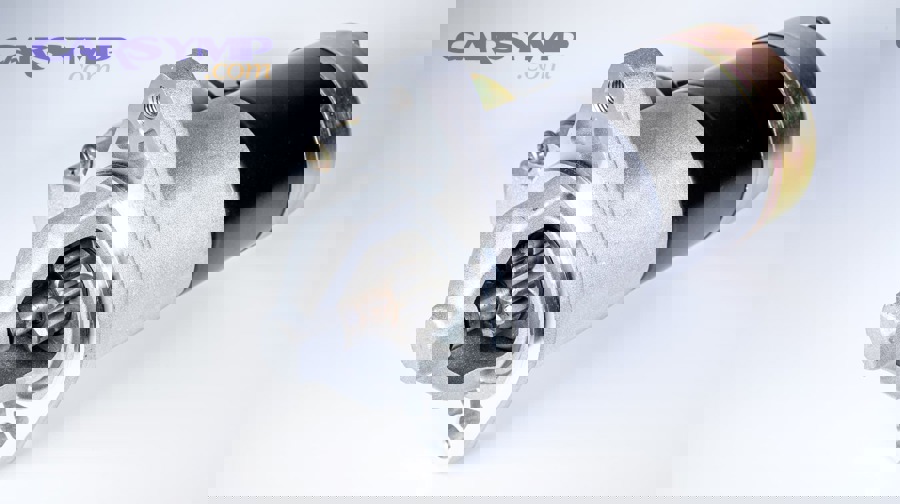
Understanding which cost-reduction strategies apply to your specific situation prevents false economies that compromise repair quality or create safety risks. Next, let’s examine how each approach delivers savings while maintaining appropriate repair standards.
Does Choosing a Mobile Mechanic Save Time?
Yes, choosing a mobile mechanic saves overall time by eliminating shop drop-off, waiting periods, and pickup logistics, though actual labor hours for the repair itself typically match or slightly exceed traditional shop times.
Mobile mechanics provide unmatched convenience by performing the work at your home, office, or any location where your vehicle sits. This eliminates the often frustrating process of arranging transportation to and from a traditional shop, waiting in service areas, or coordinating pickup times that conflict with your work schedule. For someone with a busy professional life, the value of having a mechanic come to them can easily justify mobile service even if labor rates match traditional shops. The total time you invest in the repair—from initial contact through completed work and payment—often runs 2-3 hours less with mobile service compared to the full cycle of shop coordination, drop-off, waiting for completion calls, and retrieval.
However, mobile mechanics face limitations that can extend actual wrench time compared to fully-equipped shops. Working outdoors or in customer driveways means dealing with weather constraints—rain, extreme heat, or freezing temperatures slow work pace and reduce efficiency. Mobile setups typically lack specialized equipment like transmission jacks for safely supporting the engine during mount removal, exhaust lifts that speed component removal, or parts washers for cleaning mounting surfaces. These limitations matter less for straightforward starter replacements with good access but become significant factors for complex installations requiring component removal or engine support.
Mobile mechanics often charge 10-25% lower labor rates than traditional shops due to their reduced overhead. A mobile technician operating from a well-equipped van avoids monthly rent or mortgage costs for shop space, property taxes, heating and cooling expenses, and administrative staff salaries. These savings can be passed to customers while still providing the mechanic with good income. A starter replacement costing $360 in labor at a shop charging $120/hour for 3 hours would cost approximately $270-$300 with a mobile mechanic charging $90-$100/hour for the same job—a savings of $60-$90.
The cost-benefit calculation for mobile mechanics favors vehicles with accessible starters requiring minimal component removal. A Honda Civic or Toyota Camry starter replacement represents an ideal mobile mechanic job—the technician can complete it efficiently despite working in a driveway, and you save both money and time. Conversely, a Cadillac Northstar requiring intake manifold removal would be poorly suited for mobile service—the extensive disassembly benefits from climate-controlled shop conditions, professional-grade organizational systems for tracking dozens of removed bolts and connectors, and specialized equipment that mobile setups rarely carry.
Can DIY Starter Replacement Save Labor Costs?
Yes, DIY starter replacement eliminates labor costs entirely but typically requires 3-6 hours for beginners versus 1.5-4 hours for professionals, demands $100-$300 in tools, and carries risks of injury, vehicle damage, or incomplete repair if attempted on inappropriate vehicles.
The financial case for DIY starter replacement appears compelling at first glance—eliminating $200-$600 in labor charges represents significant savings. For someone with basic mechanical aptitude, appropriate tools, and a vehicle with good starter accessibility, DIY replacement can be accomplished successfully with careful attention to procedures and safety practices. Numerous online resources including manufacturer service manuals, YouTube instructional videos, and enthusiast forums provide detailed guidance for specific vehicle models, making information barriers far lower than in previous decades.
However, realistic DIY time estimates recognize that beginners work substantially slower than professional technicians. A job requiring 2 hours for an experienced mechanic might consume 4-6 hours for a first-timer who needs to identify components, search for the correct socket sizes, research proper disconnect procedures for electrical connectors, and work cautiously to avoid mistakes. This time investment has value—six hours of weekend time might be worth more than the $300 saved in labor for someone whose weekend hours are limited and precious. The calculation shifts favorably for someone who enjoys automotive work as a hobby and values the learning experience beyond simple cost savings.
Required tools for DIY starter replacement include jack stands rated for your vehicle’s weight ($60-$100 for a quality set), a floor jack ($80-$150), basic socket sets and wrenches ($50-$150), and ideally a multimeter for electrical testing ($30-$80). Additional tools might include penetrating oil, wire brushes, jack stands, and specialty tools like ratcheting wrenches for tight spaces. A first-timer might spend $200-$300 on tools, reducing the net savings from DIY work. However, these tools serve for many future repairs, so the long-term economics improve if you plan to perform other maintenance work rather than using them once and storing them indefinitely.
Safety considerations make DIY starter replacement inappropriate for some individuals and vehicles. Working underneath a vehicle supported only by a jack creates lethal danger if the vehicle falls—proper jack stands rated for your vehicle’s weight are absolutely mandatory, not optional. Electrical safety requires disconnecting the battery before beginning work to prevent accidental shorts that could cause severe burns, sparks, or fire. Some vehicles position starters where extraction requires supporting substantial weight overhead while simultaneously manipulating mounting bolts—this creates injury risk if the heavy starter slips and falls. People with physical limitations including limited grip strength, mobility restrictions, or conditions affected by prolonged positioning in awkward postures should carefully evaluate whether DIY work suits their circumstances.
Vehicles appropriate for DIY starter replacement include those with top-accessible or bottom-accessible starters requiring minimal component removal. The Honda Civic, Toyota Corolla, Mazda 3, and many Ford trucks fall into this category—enthusiast forums document successful DIY replacements with detailed instructions and common pitfall warnings. Conversely, vehicles requiring intake manifold removal, engine support, or extensive disassembly are generally inappropriate for DIY work unless you possess substantial mechanical experience and a comprehensive tool collection. Attempting a Cadillac Northstar starter replacement as a DIY project invites disaster for anyone without professional-level skills and equipment.
A Post-installation start test checklist ensures your DIY work succeeded completely. After installation, verify all electrical connections are secure and properly attached with no exposed wiring. Reconnect the battery and attempt to start the engine, listening for abnormal sounds like grinding (indicating misaligned gear engagement) or clicking without cranking (suggesting loose connections). Successfully start the engine multiple times from cold and warm conditions to verify consistent operation. Check for any fluid leaks that might have been disturbed during the repair. Finally, verify that all removed components have been reinstalled and all tools have been removed from the engine bay—stories of mechanics finding ratchets or sockets left behind months later are common cautionary tales.
How Does Starter Replacement Compare to Related Repairs?
Starter replacement compares favorably to alternator replacement (similar 1-3 hour duration and $150-$450 labor cost) but requires substantially more time than battery replacement (0.2-0.5 hours, $20-$60 labor), with rebuilt versus new starters showing identical installation times but different costs and warranty terms.
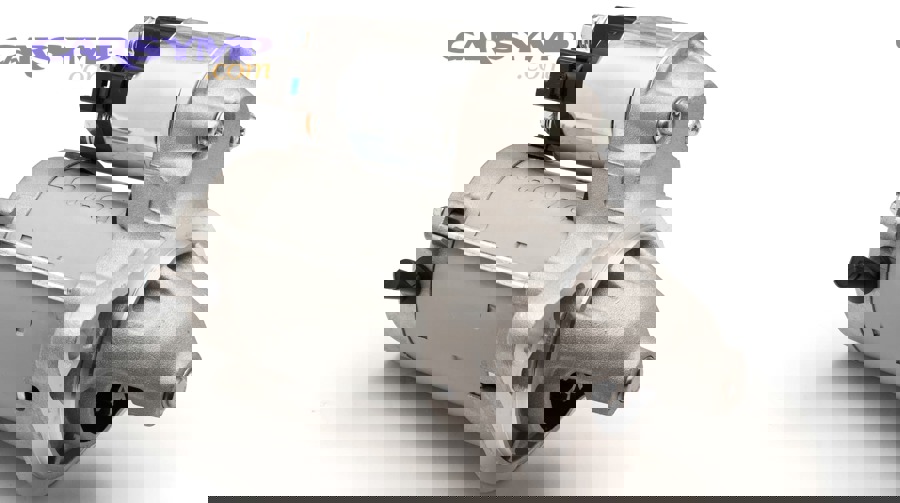
Understanding these comparisons helps contextualize starter replacement within the broader scope of automotive electrical system maintenance. Moreover, examining the differences between new and remanufactured starters, and comparing standard versus performance upgrades, provides insight into options that affect both labor time and total repair investment.
How Does Starter Replacement Time Compare to Alternator Replacement?
Starter replacement time matches alternator replacement duration in many vehicles (both typically 1-3 hours), though alternators often mount in slightly more accessible locations reducing average time to 1.5-2.5 hours versus 2-3 hours for starters.
Both components serve critical electrical system functions and mount to the engine in similar fashion using bracket assemblies and belt drives. Alternators generate electrical power to charge the battery and operate vehicle systems while the engine runs, while starters convert electrical energy into mechanical motion to crank the engine initially. Their functional relationship means both require robust mounting systems capable of withstanding vibration and thermal cycling, resulting in comparable fastener configurations and removal procedures.
Alternators typically mount higher on the engine where they can be driven by the serpentine belt system, providing better accessibility than many starter locations. A technician can often access alternator mounting bolts from above without raising the vehicle, and the electrical connections (usually one large positive cable and a smaller plug connector) disconnect easily with standard tools. The serpentine belt must be released and removed, adding 10-15 minutes to the base labor time, but this represents a straightforward procedure requiring only a wrench or specialized belt tensioner tool.
Cost comparisons between starter and alternator replacement reveal similar total expenses despite alternators typically costing more than starters. A quality remanufactured alternator might cost $150-$300 versus $100-$200 for a comparable starter, but the alternator’s slightly easier access often results in 0.5-1 hour less labor time. Total repair costs for either component typically fall in the $300-$600 range at independent shops, with dealer pricing reaching $500-$900 depending on the vehicle and location. Some vehicles defy these generalizations—certain European models bury alternators deep in the engine bay requiring extensive disassembly that exceeds even difficult starter replacements.
These repairs are commonly confused because both produce similar symptoms when failing. A weak alternator that can’t properly charge the battery will leave you with insufficient power to crank the starter, mimicking starter failure symptoms. Conversely, a failing starter that draws excessive current can drain a battery overnight, leading some to incorrectly suspect alternator problems. Professional diagnosis distinguishing between these failures saves money by ensuring the correct component gets replaced rather than guessing and potentially replacing both unnecessarily.
Is Starter Replacement Faster Than Battery Replacement?
No, starter replacement takes dramatically longer than battery replacement, which requires only 0.2-0.5 hours (12-30 minutes) compared to the starter’s 1.5-4 hours, creating a stark contrast in both labor time and complexity.
Battery replacement represents one of the simplest automotive maintenance tasks, requiring only basic tools and minimal mechanical knowledge. The technician or DIY mechanic disconnects the negative battery cable, then the positive cable, removes the battery hold-down bracket or strap, lifts out the old battery (typically 30-50 pounds requiring careful lifting technique), cleans the battery tray and cable terminals with a wire brush, installs the new battery, secures the hold-down, and reconnects the cables in reverse order (positive first, then negative). The entire process rarely exceeds 15 minutes for a professional, with the 0.2-0.5 hour book time accounting for proper testing, terminal cleaning, and application of anti-corrosion spray.
Labor charges for battery replacement typically run $20-$60 at shops that sell batteries, though many auto parts retailers including AutoZone, Advance Auto Parts, and O’Reilly Auto Parts provide free battery installation when you purchase from them. This dramatic difference from the $150-$600 labor costs for starter replacement reflects the simplicity and speed of battery work versus the complexity of starter access and installation.
When symptoms overlap between battery and starter failures, proper diagnosis becomes critical. A battery that fails to provide adequate voltage will prevent the starter from receiving sufficient power to crank the engine, producing symptoms identical to a failed starter—clicking sounds or complete silence when turning the key. Professional technicians perform voltage testing under load using specialized battery testers that apply controlled current draw while measuring voltage drop. A healthy battery maintains 12.4+ volts at rest and above 10 volts under heavy load, while a failing battery shows voltage collapse when tested. Similarly, testing the starter circuit’s voltage drop while attempting to crank identifies whether adequate power reaches the starter or whether wiring problems interrupt current flow. These diagnostic procedures cost $80-$150 but prevent the false economy of replacing a $400 starter when a $150 battery would resolve the issue.
How Does Rebuilt Starter Installation Time Compare to New Starter Installation?
Rebuilt starter installation time exactly matches new starter installation time (both 1.5-4 hours depending on vehicle) since the physical installation process remains identical regardless of whether the replacement unit is new or remanufactured.
The choice between new and remanufactured (rebuilt) starters affects cost and warranty terms but creates zero difference in labor requirements. Both units mount in identical fashion using the same bolt patterns, electrical connections, and alignment procedures. The technician follows exactly the same removal and installation steps whether installing a factory-fresh unit or a professionally rebuilt component, making labor costs equal between these options.
New versus reman starter pros and cons center on price, warranty, and longevity expectations. New starters cost $200-$500 depending on the vehicle and manufacturer, with premium brands like Bosch or Denso commanding higher prices than economy alternatives. These units feature all-new components including windings, bearings, bushings, solenoids, and drive gears, theoretically providing maximum reliability and lifespan. Warranties on new starters typically span 3-5 years or unlimited mileage, reflecting manufacturers’ confidence in their longevity.
Remanufactured starters cost $100-$300, representing 30-50% savings versus new units. Professional remanufacturing involves complete disassembly, testing of all components, replacement of worn elements including bearings, bushings, and brushes, resurfacing or replacement of the commutator, and thorough testing under simulated load before sale. Quality remanufactured units from reputable companies like Remy or BBB Industries provide reliable service approaching new unit performance at substantially lower cost. Warranties on rebuilt starters typically range from 1-3 years, shorter than new units but still providing reasonable protection.
The choice between new and rebuilt starters depends on vehicle value, ownership intentions, and budget constraints. For a newer vehicle you plan to keep long-term, investing in a new starter provides maximum longevity and the longest warranty period, potentially avoiding a future replacement. For an older vehicle with questionable remaining service life, a quality rebuilt starter offers appropriate reliability at a lower price point that makes economic sense given the vehicle’s limited value. Some manufacturers including Honda and Toyota produce such reliable components that even their rebuilt starters frequently outlast the vehicle’s remaining useful life, making the premium for new units difficult to justify.
According to research published by the Automotive Parts Remanufacturers Association in 2022, professionally remanufactured starters deliver 92-95% of the lifespan of new units while reducing manufacturing energy consumption by 85% and keeping more than 20 million tons of materials from landfills annually.
What Is the Labor Time Difference Between Standard and Performance Starter Installation?
Standard and performance starter installation requires identical base labor time (1.5-4 hours depending on vehicle accessibility), though performance upgrades may add 0.5-1 hour if wiring modifications, custom brackets, or gear reduction system adaptation becomes necessary.
Performance starters serve specialized applications including modified engines with increased compression ratios, racing vehicles requiring rapid restart capability, and off-road vehicles needing reliable starting under extreme conditions. These units typically feature gear reduction systems that multiply torque output, allowing smaller, lighter motors to deliver equivalent or superior cranking power compared to standard direct-drive starters. Weight savings of 5-15 pounds matter in competitive motorsports where every ounce affects performance, while increased torque benefits high-compression engines that resist turning over during the compression stroke.
The physical installation of a performance starter mirrors standard replacement in most cases, using the same mounting points, bolt patterns, and basic electrical connections. However, some high-output starters draw higher amperage than stock units, requiring upgraded battery cables to prevent voltage drop during cranking. Installing 2-gauge or 4-gauge battery cables in place of standard 6-gauge wiring adds 30-60 minutes to the labor time as the technician routes new cables, makes proper terminal connections, and secures the wiring away from heat sources and moving components.
Custom bracket fabrication rarely becomes necessary for performance starters unless you’re installing a unit designed for a different vehicle model or adapting a racing starter to a street car application. Enthusiasts sometimes choose starters from other vehicle platforms that offer superior specifications, requiring custom brackets to adapt mounting points. This specialized work adds 1-3 hours depending on complexity and whether pre-made adapter plates are available or custom fabrication is required. Such modifications fall outside typical starter replacement scope and represent custom fabrication work requiring specialized skills and equipment.
DIY starter replacement safety tips for performance upgrades include verifying amperage requirements match your vehicle’s electrical system capacity, confirming that replacement cables (if needed) feature proper terminal ends for both battery and starter connections, and ensuring all high-current connections are properly crimped and soldered rather than relying solely on mechanical fasteners that can loosen over time. Performance starters often produce higher magnetic fields during operation, so verify all cables are adequately secured away from sensitive electronic components to prevent electromagnetic interference with sensors or control modules.
Performance applications requiring specialized starters include modified engines with compression ratios exceeding 11:1 where standard starters struggle to rotate the engine, vehicles with large-displacement V8 or V12 engines where cranking inertia demands additional torque, racing applications where rapid restarts after stalls provide competitive advantage, and off-road vehicles operating in extreme conditions where reliability matters more than cost considerations. For standard street vehicles with unmodified engines, performance starters offer minimal benefit beyond bragging rights, making the additional cost difficult to justify versus quality standard-replacement units.
This comprehensive guide to starter replacement labor time provides the knowledge you need to evaluate quotes, understand the factors affecting your specific vehicle, and make informed decisions about repair options. Whether you choose professional service, mobile mechanics, or DIY replacement, understanding the time requirements and associated costs empowers you to receive fair value while ensuring reliable repairs that keep your vehicle starting consistently for years to come.