


Diagnosing starter, battery, and alternator problems requires systematic testing to identify which component has failed, using voltage measurements, visual inspections, and load tests to differentiate between these three interconnected parts of your car’s electrical system. Each component produces distinct symptoms when failing, and proper diagnosis prevents unnecessary part replacements while saving both time and money on automotive repairs.
Understanding the fundamental differences between these three components establishes the foundation for accurate diagnosis. The battery stores electrical energy, the alternator generates power while the engine runs, and the starter motor converts electrical energy into mechanical force to crank the engine. These components work as an integrated charging system, and failure in one component often creates symptoms that mimic problems in another, making systematic testing essential for correct identification.
Recognizing the specific warning signs of each component failure guides the diagnostic process toward the actual problem. A failing battery typically causes slow cranking and dimming lights during startup, while alternator problems manifest as electrical issues while the engine runs, including flickering dashboard lights and a battery warning light. Starter failures produce distinct clicking sounds or grinding noises, and sometimes the engine won’t crank at all despite having a fully charged battery.
Professional technicians and DIY car owners alike benefit from following a logical testing sequence that eliminates guesswork from the diagnostic process. Testing the battery first makes practical sense because it’s the easiest and least expensive component to check, requiring only a basic multimeter and a few minutes of time. This systematic approach, combined with understanding voltage specifications and proper testing techniques, empowers car owners to identify electrical system problems accurately before committing to costly repairs. Next, we’ll explore the fundamental roles each component plays in your vehicle’s electrical system.
What Are the Main Differences Between Starter, Battery, and Alternator Functions?
The battery excels at storing electrical energy, the alternator generates continuous power while driving, and the starter delivers high-current bursts to crank the engine. These three components form a circular power relationship where the battery provides initial energy to start the engine, the starter converts that energy into mechanical rotation, and the alternator replenishes the battery while powering all electrical accessories during vehicle operation.
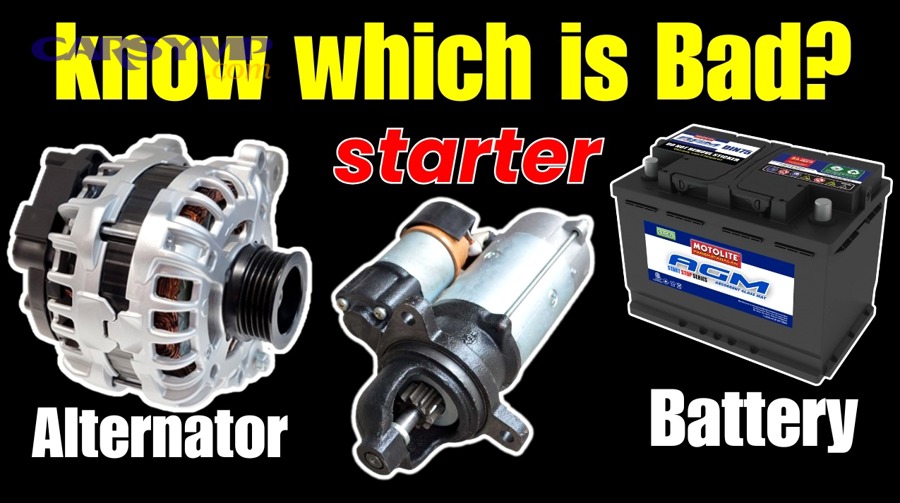
To better understand how these components interact, examining each one’s specific role reveals why diagnosis requires different testing approaches for each part.
How Does a Car Battery Work in the Electrical System?
The car battery functions as an electrochemical storage device that supplies 12-volt direct current electricity to power the starter motor and all electrical accessories when the engine is off. Inside the battery, lead plates submerged in sulfuric acid solution create chemical reactions that generate electrons, producing the electrical potential needed to operate everything from headlights to the ignition system. Modern automotive batteries typically store between 40 and 100 amp-hours of energy, providing enough reserve capacity to run essential systems for 30 to 90 minutes without the alternator charging.
The battery serves three critical functions beyond just starting the engine. First, it stabilizes voltage throughout the electrical system, acting as a buffer against voltage spikes that could damage sensitive electronic components like the engine control module or entertainment system. Second, it provides supplemental power when electrical demand exceeds what the alternator can supply, such as when you’re sitting idle with headlights, air conditioning, and audio system all running simultaneously. Third, it supplies the massive current draw—often 200 to 400 amperes—required by the starter motor during the brief cranking period.
Battery performance degrades naturally over time through a process called sulfation, where lead sulfate crystals accumulate on the battery plates and reduce capacity. Extreme temperatures accelerate this degradation, with heat causing internal water loss and cold reducing the battery’s ability to deliver current. Most conventional lead-acid batteries last between three and five years under normal conditions, though factors like frequent short trips, accessory use while parked, and extreme climate conditions can shorten this lifespan significantly.
What Does the Alternator Do While the Engine Runs?
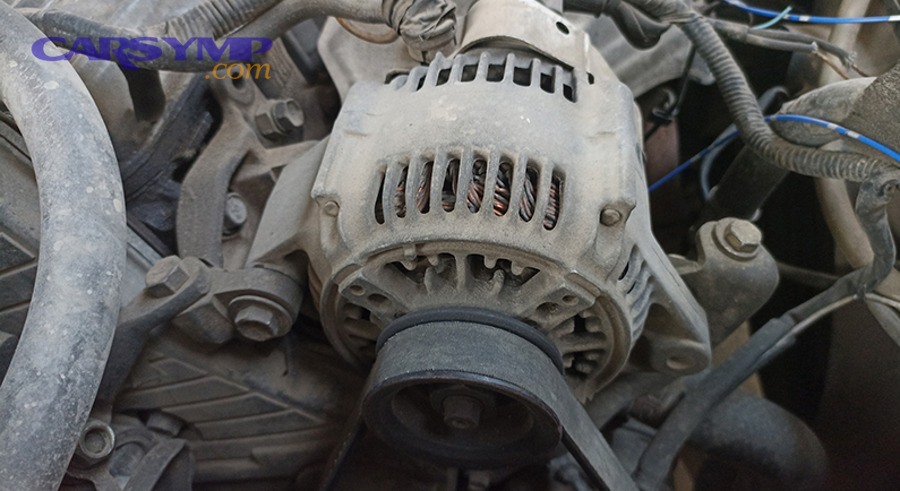
The alternator generates alternating current electricity while the engine operates, then converts it to direct current through internal diodes to charge the battery and power all electrical systems. Belt-driven by the engine’s crankshaft, the alternator contains a rotor that spins inside a stator, creating a magnetic field that induces electrical current through electromagnetic induction. Modern alternators typically produce between 13.5 and 14.5 volts at varying amperage outputs ranging from 60 amps in smaller vehicles to over 200 amps in trucks with heavy electrical loads.
The alternator’s output adjusts automatically based on electrical demand through a voltage regulator that monitors system voltage and controls the magnetic field strength. When you turn on headlights or other accessories, the voltage regulator increases the alternator’s output to meet the additional load while maintaining proper system voltage. This regulation prevents both undercharging, which would drain the battery, and overcharging, which could damage the battery and sensitive electronics through excessive voltage.
Three key components within the alternator work together to produce stable electrical power. The rotor creates the rotating magnetic field, the stator contains copper windings where electricity is induced, and the diode trio converts alternating current to direct current while preventing backflow that would drain the battery when the engine is off. Additionally, the voltage regulator—either built into the alternator or mounted separately—constantly adjusts output to maintain consistent system voltage regardless of engine speed or electrical load variations.
How Does the Starter Motor Crank Your Engine?
The starter motor converts electrical energy from the battery into rotational mechanical force, spinning the engine’s flywheel at approximately 200 RPM until combustion begins. This high-torque electric motor draws between 150 and 400 amperes from the battery during cranking, making it one of the highest-current devices in your vehicle. The starter motor contains powerful electromagnets and a rotating armature that work together to generate the tremendous torque needed to overcome engine compression and rotate the crankshaft, pistons, and all attached components.
The starting process involves both electrical and mechanical engagement through the starter solenoid, which acts as a high-current relay and mechanical actuator. When you turn the ignition key, a small current energizes the solenoid coil, which simultaneously performs two actions: it closes heavy-duty internal contacts that route battery power to the starter motor, and it pushes the starter drive gear forward to mesh with the engine’s ring gear on the flywheel. This gear engagement happens through a Bendix drive or overrunning clutch mechanism that allows the starter to disengage automatically once the engine starts running faster than the starter motor.
Starter motors face extreme operating conditions that contribute to eventual failure. Each cranking cycle generates significant heat from the high current draw and mechanical friction, and the starter must deliver maximum torque immediately without any warm-up period. The engagement mechanism experiences wear as the drive gear repeatedly meshes with the flywheel ring gear, and the electrical components—particularly the brushes that conduct current to the rotating armature—gradually wear down through constant use. Most starters last between 100,000 and 150,000 miles, though frequent starts in stop-and-go traffic or hot-climate operation can reduce this lifespan.
What Are the Symptoms of a Bad Battery vs Bad Alternator vs Bad Starter?
A failing battery causes slow cranking and dim lights during startup, alternator failure produces electrical problems while driving such as flickering dashboard lights, and starter problems create clicking sounds or prevent engine cranking entirely. These distinct symptom patterns emerge because each component fails in different ways and affects the electrical system at different times during vehicle operation.
Specifically, identifying which symptoms occur when the engine is off, during cranking, or while driving helps narrow down the failing component quickly.
What Are the Warning Signs of a Failing Battery?
A failing battery manifests through six primary warning signs that become progressively worse as the battery’s capacity diminishes. The engine cranks noticeably slower than normal, particularly during the first start of the day when the battery has sat unused overnight. Interior and exterior lights appear dimmer than usual when you first turn on the ignition before cranking the engine, then brighten once the alternator takes over after the engine starts. You may hear a clicking sound from the starter solenoid engaging but without enough current to turn the starter motor. The battery case may appear swollen or bloated, indicating internal damage from overheating or overcharging. Corrosion accumulates around the battery terminals as white, green, or blue crusty deposits, which increase electrical resistance and worsen starting problems. Finally, if the battery is three to five years old, age alone becomes a significant factor regardless of other symptoms.
Temperature sensitivity provides another clear indicator of battery deterioration. A battery that starts the engine fine in moderate weather but struggles or fails in cold conditions has lost significant capacity, since cold temperatures reduce a battery’s available cranking amps by up to 50 percent while simultaneously increasing the engine’s resistance to turning. Conversely, if you notice the battery struggling after extended periods of hot weather, internal damage from heat exposure has likely degraded the lead plates.
The battery warning light on your dashboard typically does not illuminate for battery problems alone, as this light specifically monitors the charging system controlled by the alternator. However, if you notice the light flickering briefly during cranking, this can indicate that the battery voltage is dropping so low during the cranking process that it affects the charging system monitoring circuit.
How Can You Tell If Your Alternator Is Failing?
Alternator failure produces seven distinctive symptoms that occur while the engine is running, distinguishing it from battery or starter problems. The battery warning light—usually depicted as a battery symbol on the dashboard—illuminates while driving, indicating that the alternator’s output voltage has dropped below the minimum threshold needed to charge the battery. Headlights and dashboard lights dim noticeably when you’re idling at a stoplight, then brighten when you accelerate and the engine RPM increases, because the alternator’s output is insufficient at low engine speeds. Electrical accessories malfunction or operate erratically, such as power windows moving slowly, the radio cutting out, or the air conditioning blowing weakly. You may detect a burning rubber smell from the alternator belt slipping on the pulley due to a seized alternator bearing, or an electrical burning odor from overheated alternator components.
Unusual noises from the alternator area provide additional diagnostic clues. A whining or grinding sound that increases with engine RPM indicates worn bearings inside the alternator, which will eventually seize and stop the alternator from generating power. A squealing sound synchronized with engine speed typically points to a loose or worn alternator belt, which prevents the alternator from spinning at the correct speed to generate sufficient output.
Dead battery symptoms that reoccur shortly after battery replacement strongly suggest alternator failure. If you’ve recently installed a new battery but it goes dead again within days or weeks, the alternator is not recharging the battery during driving, causing it to deplete from powering electrical accessories and eventually leaving insufficient charge to start the engine. This pattern distinguishes alternator problems from pure battery failure, where a new battery would resolve the issue permanently.
What Symptoms Indicate a Bad Starter Motor?
Starter motor failure creates five characteristic symptoms that occur specifically during the cranking attempt. You hear a single loud click when turning the key but the engine doesn’t crank, indicating the solenoid is engaging but the motor cannot turn due to worn brushes, a bad armature, or seized bearings. The starter produces a grinding noise during cranking, suggesting the drive gear is not properly engaging with the flywheel ring gear, either from a worn Bendix drive or damaged gear teeth. Starting becomes intermittent, working sometimes but failing at other times, often temperature-dependent where the starter functions when cold but fails when hot, or vice versa. Turning the key produces absolutely no response—no clicking, no cranking, no sound at all—which could indicate a completely failed starter motor, a broken solenoid, or a starter that has seized entirely. Smoke appears from underneath the vehicle near the starter location, accompanied by a burning electrical smell, signaling serious internal damage from short circuits or excessive current draw through damaged windings.
The relationship between starter symptoms and temperature provides valuable diagnostic information. A starter that works fine when the engine is cold but fails after the vehicle has been running indicates heat-related internal expansion causing binding, worn bushings that expand with temperature, or heat-soaked electrical connections with high resistance. Conversely, a starter that fails when cold but works after the engine warms up suggests worn components that only make proper contact after thermal expansion occurs.
Freewheeling represents another starter failure mode where the motor spins rapidly but doesn’t engage the flywheel, producing a high-pitched whirring sound without cranking the engine. This symptom indicates failure of the overrunning clutch mechanism that should transfer the starter motor’s rotation to the flywheel, or complete wear of the drive gear that prevents it from meshing with the ring gear teeth.
According to diagnostic data from automotive repair facilities, approximately 15 percent of no-start conditions stem from starter failure, compared to 40 percent from battery issues and 25 percent from alternator problems, with the remaining cases involving fuel system, ignition system, or other electrical component failures.
How Do You Test a Car Battery to Determine If It’s Failed?
Testing a car battery requires three diagnostic methods—visual inspection, voltage measurement, and load testing—to determine if the battery has sufficient capacity and can deliver the high current needed for starting. These progressive tests move from simple observations requiring no tools to precision measurements that definitively establish battery condition.
More specifically, each testing method reveals different aspects of battery health and failure modes.
How to Perform a Visual Inspection of Your Battery?
Visual inspection identifies physical damage, corrosion, and age-related deterioration that indicate battery replacement regardless of electrical testing results. Begin by examining the battery case for cracks, bulging, or swelling, which indicate internal damage from overcharging, freezing, or age-related failure—any of these conditions requires immediate battery replacement. Check both terminals for corrosion, which appears as crusty white, blue, or green deposits that increase electrical resistance and can prevent sufficient current from reaching the starter motor. Inspect the terminal clamps for tightness by attempting to twist them on the battery posts; loose connections cause voltage drops during high-current draw and can mimic symptoms of a failing battery. Look for electrolyte leaks around the terminal posts or case seams, visible as wet spots or white powdery residue, which indicate case cracks or seal failures allowing sulfuric acid to escape.
The battery manufacturing date provides critical information for diagnosis, as batteries naturally lose capacity over time regardless of use or maintenance. Locate the date code stamped on the battery case or on a sticker, typically formatted as a letter representing the month (A=January, B=February, etc.) followed by a digit representing the year. A battery older than four years should be tested more thoroughly and considered for replacement even if it currently passes voltage tests, since it has limited remaining service life and may fail without warning. Extreme climate conditions—both hot and cold—accelerate battery aging, so in harsh environments, batteries older than three years warrant replacement during preventive maintenance.
Examine the battery hold-down bracket and tray for proper installation and corrosion damage. A loose battery that can move in its tray experiences internal damage from vibration, which breaks down the active material on the lead plates and creates internal short circuits. Corrosion on the battery tray indicates past electrolyte leaks and may have weakened the tray structure, potentially causing safety issues if the battery comes loose during vehicle operation.
How to Test Battery Voltage with a Multimeter?
Testing battery voltage with a digital multimeter provides an accurate measurement of battery state of charge and reveals whether the battery maintains proper voltage under different conditions. Set your multimeter to DC voltage mode with a range of at least 20 volts, then connect the red positive lead to the positive battery terminal and the black negative lead to the negative terminal. A fully charged battery should read between 12.6 and 12.8 volts with the engine off and all accessories turned off—this “resting voltage” indicates the battery’s state of charge. A reading between 12.4 and 12.6 volts suggests the battery is approximately 75 percent charged, while readings below 12.4 volts indicate a discharged battery that needs charging before further testing can determine its true condition.
Voltage under load reveals much more about battery health than resting voltage alone. With the multimeter still connected, have an assistant turn the ignition key to crank the engine while you observe the voltage reading. During cranking, the voltage should not drop below 9.6 volts for a healthy 12-volt battery—readings that fall to 9 volts or lower indicate the battery cannot deliver sufficient current under load. The voltage should immediately recover to above 12 volts once cranking stops; if it remains low or recovers slowly, the battery has internal resistance or reduced capacity.
Testing voltage while the engine runs confirms the alternator is charging the battery properly, though this primarily tests alternator function rather than battery condition. Start the engine and let it idle, then observe the multimeter reading—you should see between 13.5 and 14.5 volts, indicating the alternator is generating sufficient output to charge the battery and power electrical systems. Readings below 13.5 volts suggest alternator problems or voltage regulator failure, while readings above 14.8 volts indicate overcharging that will damage the battery. Turn on high-load accessories like headlights, air conditioning, and rear window defroster; the voltage should remain within the proper range, though it may drop slightly under heavy load before the voltage regulator compensates.
What Is a Battery Load Test and How Is It Performed?
A battery load test applies a high-current draw equivalent to the starter motor’s demand while measuring how well the battery maintains voltage, providing the most definitive assessment of battery condition. Professional-grade load testers apply a load equal to half the battery’s cold cranking amp (CCA) rating for 15 seconds while monitoring voltage—a battery that maintains at least 9.6 volts under this sustained load has acceptable capacity and can reliably start the engine. The battery must be at least 75 percent charged before load testing produces accurate results; testing a discharged battery yields false failure indications since low state of charge naturally reduces voltage under load.
Load testing reveals battery failures that voltage testing alone cannot detect. A battery may show correct resting voltage and even perform adequately during brief cranking attempts, yet fail under the sustained load test because it has lost capacity due to sulfated plates, damaged cell connections, or reduced active material. The load test simulates real-world starting conditions more accurately than simple voltage measurements, particularly for cold-weather starting where the starter requires maximum current for several seconds of continuous cranking.
Digital load testers provide more comprehensive diagnostic information than simple analog models. Modern testers use conductance testing technology that measures the battery’s ability to conduct current by sending small alternating current signals through the battery and analyzing the response. These testers display the measured CCA value, compare it to the battery’s rated CCA, provide a pass/fail result, and estimate remaining battery life as a percentage. Some advanced models also test the alternator output and starter draw simultaneously, providing complete electrical system analysis in a single test sequence.
DIY alternatives to professional load testers include using the vehicle’s own starter as the load while monitoring voltage with a multimeter. Disable the ignition system by removing the fuel pump fuse or disconnecting the ignition coil, then crank the engine for 15 seconds while measuring battery voltage—this method works but lacks the precision and safety features of dedicated load testing equipment. For most car owners, having a battery load tested free at an auto parts store provides professional-level diagnostics without equipment investment.
According to research by the Battery Council International, proper load testing identifies failing batteries with 95 percent accuracy, compared to only 70 percent accuracy for voltage-only testing methods, making load testing the gold standard for battery diagnosis.
How Do You Diagnose Alternator Problems and Test Charging Output?
Diagnosing alternator problems requires testing output voltage at various engine speeds, checking for AC ripple voltage that indicates diode failure, and inspecting the drive belt and electrical connections for wear or damage. These three testing approaches—electrical measurement, component analysis, and visual inspection—comprehensively evaluate alternator performance and identify specific failure modes.
To better understand alternator diagnosis, examining each testing method reveals different types of alternator failures and their characteristic symptoms.
How to Check Alternator Output Voltage While Engine Is Running?
Checking alternator output voltage requires measuring battery voltage with the engine running at different speeds and electrical loads to verify the alternator generates sufficient charging voltage. Connect a digital multimeter to the battery terminals with the red lead on positive and black lead on negative, start the engine and let it reach normal idle speed, then observe the voltage reading—it should display between 13.5 and 14.5 volts if the alternator is functioning properly. This voltage range ensures the battery receives adequate charge while preventing overcharging that damages batteries and electronic components.
Testing voltage response to engine speed changes reveals whether the alternator maintains consistent output across its operating range. With the multimeter still connected, increase engine speed to approximately 2,000 RPM and observe whether voltage remains within the proper range—voltage should stay stable or increase slightly, but should not exceed 14.8 volts even at higher speeds. If voltage drops as engine speed increases, or if it climbs above 15 volts, the voltage regulator has failed and requires alternator replacement or voltage regulator replacement if it’s a separate component.
Load testing the alternator determines whether it can maintain proper voltage when powering multiple electrical accessories simultaneously. With the engine running at idle, turn on headlights, air conditioning, rear window defroster, and any other high-draw accessories while monitoring the voltage. The voltage should remain above 13.2 volts even with all loads activated—readings that drop below 13 volts indicate the alternator cannot meet electrical demand, suggesting worn brushes, a failing diode trio, or an undersized alternator for the vehicle’s electrical requirements. The voltage may dip briefly when large loads activate, then recover within a second or two as the voltage regulator compensates; this temporary voltage drop is normal and does not indicate alternator failure.
Testing the voltage drop between the alternator output terminal and the battery positive terminal identifies high resistance in the charging circuit wiring. Set the multimeter to measure DC voltage, place the positive lead directly on the alternator’s battery output terminal (not the case), and the negative lead on the battery positive post. With the engine running and electrical loads activated, the voltage difference should be less than 0.5 volts—higher readings indicate resistance in the wiring, corroded connections, or a loose alternator belt causing inadequate charging despite a functional alternator.
What Is an Alternator Ripple Test and Why Does It Matter?
An alternator ripple test measures the amount of alternating current voltage remaining after the diodes convert the alternator’s AC output to DC, with excessive ripple indicating failed diodes that reduce charging efficiency. Modern alternators use six diodes arranged in a bridge rectifier configuration to convert the three-phase AC voltage generated by the stator into DC voltage—when one or more diodes fail, AC voltage “leaks” into the DC output, creating voltage ripple that stresses electronic components and reduces charging effectiveness. Normal ripple voltage should measure less than 0.5 volts AC; readings above 0.5 volts indicate diode failure requiring alternator replacement or diode trio replacement.
Performing a ripple test requires switching your multimeter to AC voltage mode while the engine runs. Keep the multimeter leads connected to the battery terminals, select AC volts on the meter, start the engine and let it idle, then read the AC voltage displayed—this measures the alternating current component present in what should be pure direct current from the alternator. Increase electrical load by turning on headlights and other accessories; if the AC ripple voltage increases significantly with load, this confirms diode failure as the likely cause of charging system problems.
Ripple voltage creates several problematic symptoms beyond just reduced charging output. Excessive AC ripple causes radio interference heard as whining or buzzing that varies with engine speed, creates flickering or pulsating lights, and can damage sensitive electronic modules by exceeding their voltage tolerance ranges. Modern vehicles with computer-controlled engine management systems, anti-lock brakes, and electronic stability control are particularly vulnerable to ripple-induced failures, making this test essential for diagnosing intermittent electrical problems that voltage-only testing might miss.
Visual inspection complements ripple testing by identifying physical evidence of diode failure. Remove the alternator cover if accessible and look for burned or discolored diodes, which appear darker than surrounding components or show melted solder connections. Some alternators allow diode testing with the alternator removed using the multimeter’s diode test function, which checks whether each diode conducts in one direction and blocks in the other—failed diodes either conduct in both directions or block in both directions.
How to Inspect the Alternator Belt and Connections?
Inspecting the alternator belt and electrical connections identifies mechanical problems that prevent the alternator from generating proper output even when the internal components function correctly. Examine the serpentine belt or V-belt that drives the alternator for signs of wear including cracks, glazing, fraying, or missing chunks of rubber—any of these conditions reduce the belt’s grip on the pulleys and allow slippage that prevents the alternator from spinning at the correct speed. Press firmly on the belt midway between pulleys; it should deflect no more than half an inch with moderate pressure, as excessive slack allows the belt to slip under load when the alternator attempts to generate high output.
Belt tension directly affects charging system performance, particularly under high electrical loads. A loose belt slips on the alternator pulley when the alternator tries to generate maximum output, producing a squealing noise and reducing charging voltage because the alternator cannot maintain proper speed. The slipping generates heat that glazes the belt surface and accelerates wear, creating a progressive failure where the belt slips more over time until charging becomes insufficient. Automatic belt tensioners eventually wear out and fail to maintain proper tension; inspect the tensioner arm for smooth movement and spring resistance—if it moves easily or shows no resistance, the tensioner spring has weakened and requires replacement.
Electrical connections at the alternator require inspection for corrosion, looseness, and damage. The main charging wire connects to the alternator’s battery output terminal, typically a large stud with a ring terminal secured by a nut—verify this connection is tight and shows no signs of overheating such as discolored insulation or melted plastic on the connector. The smaller field wire or voltage regulator connector provides the signal that controls alternator output; ensure this plug is fully seated and the terminals are free from corrosion. Resistance at any of these connections creates voltage drop that reduces charging efficiency and can cause the voltage regulator to misinterpret system voltage, leading to overcharging or undercharging.
Pulley alignment affects both belt life and alternator bearing longevity. Use a straightedge across the pulley faces to verify all pulleys in the belt path align properly—misaligned pulleys force the belt to run at an angle, causing premature wear and potentially throwing the belt off during operation. Listen for bearing noise from the alternator when the engine runs; a worn bearing produces a grinding or howling sound that increases with engine speed and indicates the alternator will soon fail mechanically even if it currently charges adequately.
According to data from automotive service facilities, approximately 30 percent of alternator-related charging system failures stem from belt or connection problems rather than internal alternator component failure, making thorough inspection of these external factors essential before alternator replacement.
How Do You Test a Starter Motor to Confirm It Has Failed?
Testing a starter motor involves performing voltage drop tests to identify high resistance, bench testing the removed starter to verify motor function, and measuring current draw during cranking to detect internal damage. These three diagnostic approaches progress from testing the starter in the vehicle to isolated testing that eliminates other variables and confirms starter condition definitively.
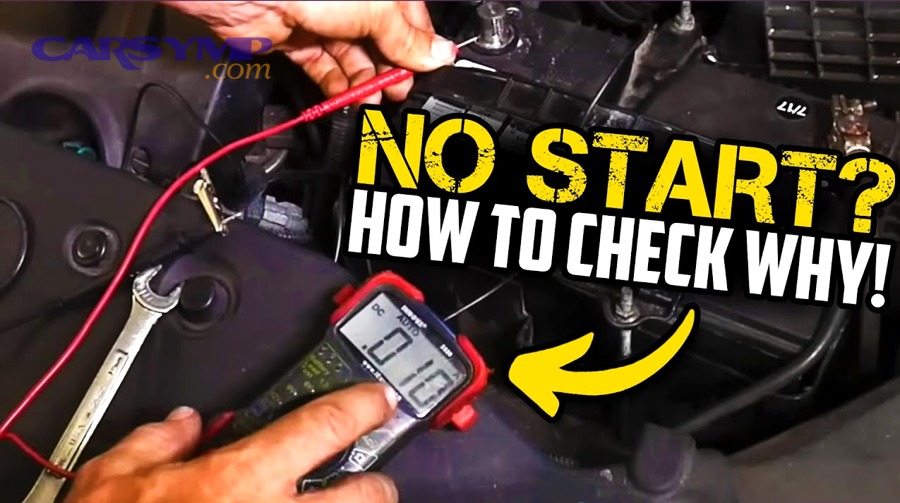
Specifically, each testing method reveals different failure modes and helps differentiate between starter problems and related electrical issues.
How to Test the Starter with a Voltage Drop Test?
Voltage drop testing measures the voltage lost to resistance in the starter circuit during cranking, identifying poor connections, corroded cables, or internal starter damage. Connect a digital multimeter to measure DC voltage, place the positive lead on the battery positive terminal and the negative lead on the starter motor’s positive input terminal, then have an assistant crank the engine while you observe the voltage reading—it should be less than 0.5 volts during cranking. Voltage drop readings above 0.5 volts indicate excessive resistance in the positive cable, poor connections at the battery terminal or starter terminal, or corroded cable ends that prevent adequate current from reaching the starter motor.
Testing the ground circuit voltage drop follows the same principle but measures the negative side of the circuit. Place the multimeter positive lead on the battery negative terminal and the negative lead on the starter motor housing or a clean ground point on the engine block, then crank the engine while observing the voltage—readings should remain below 0.3 volts. Higher readings reveal ground strap problems, corroded engine-to-chassis ground connections, or poor starter mounting that prevents adequate electrical contact with the engine block ground path.
Voltage drop testing reveals problems that battery voltage testing alone cannot detect. A battery may show 12.6 volts at rest and drop to 10 volts during cranking, which appears acceptable, but if the voltage at the starter measures only 8 volts during that same cranking attempt, the missing 2 volts are being lost to resistance somewhere in the circuit. This voltage drop robs the starter of power and causes slow cranking or failure to crank, even though the battery provides adequate voltage at its terminals.
Testing individual cable sections isolates the exact location of high resistance. Move the multimeter leads to test the voltage drop across just the battery positive cable by placing leads on both ends of the cable, then across the cable connection at the starter, then across the solenoid contacts if accessible—the section showing the highest voltage drop contains the resistance problem. Common high-resistance points include battery cable ends that corrode internally where the cable enters the terminal, solenoid contacts that burn from repeated high-current switching, and engine ground straps that corrode at their connection points.
How Can You Bench Test a Starter Motor?
Bench testing a starter motor involves removing it from the vehicle and testing it independently using direct battery power to verify motor operation and solenoid function. Remove the starter motor by disconnecting the battery negative cable for safety, removing the electrical connections from the starter, and unbolting it from the engine block or transmission bell housing—consult a repair manual for your specific vehicle as starter location and removal procedures vary significantly between models. Once removed, place the starter on a sturdy workbench or in a vise that holds it securely without crushing the housing.
Perform the bench test using jumper cables and extreme caution due to the high currents involved. Connect a heavy-duty jumper cable from the battery positive terminal to the starter’s main power terminal, being careful not to short the cable against the starter housing or other ground points. Touch a second jumper cable briefly from the battery positive terminal to the smaller solenoid trigger terminal—this should cause the solenoid to engage with a loud click and the starter motor to spin rapidly. The motor should spin smoothly at high speed without unusual noises, grinding, or binding; the drive gear should extend forward when the solenoid engages and retract when power is removed.
Safety precautions are critical during bench testing because the starter draws hundreds of amperes and can cause serious injury if mishandled. Wear safety glasses to protect against sparks, ensure all connections are secure before applying power, and make the final connection by briefly tapping the jumper cable to the solenoid trigger terminal rather than holding it continuously—sustained operation overheats the starter since it lacks the cooling airflow present during vehicle installation. Never place any body parts near the drive gear when applying power, as the spinning gear can cause severe lacerations if contacted.
Interpreting bench test results determines whether starter replacement is necessary. A starter that spins vigorously and extends the drive gear properly has functional internal components; problems during vehicle installation likely stem from battery, cable, or connection issues rather than starter failure. If the motor spins slowly, draws excessive current (causes battery voltage to sag dramatically), produces unusual noises, or fails to extend the drive gear, internal damage requires starter replacement or rebuild. A starter that produces only clicking from the solenoid without motor operation has either a failed solenoid or an open circuit in the motor windings.
How to Check Starter Amperage Draw During Cranking?
Measuring starter amperage draw during cranking identifies internal starter damage that causes excessive current consumption and reveals whether the starter operates within manufacturer specifications. This test requires a specialized tool called an inductive ammeter or current clamp that measures current flow by detecting the magnetic field around a wire without requiring circuit disconnection. Place the current clamp around the positive battery cable, ensuring it encircles only that cable and not multiple wires together, then set the meter to measure DC current in a range of at least 500 amperes.
Performing the amperage draw test requires an assistant to crank the engine while you observe the meter reading. Have the assistant turn the ignition key to engage the starter while you watch the ammeter display—the current should surge initially to 250-400 amperes depending on engine size and temperature, then settle to a steady 150-250 amperes during cranking. These specifications vary by vehicle; consult manufacturer data for your specific engine to determine acceptable current draw ranges. The reading should remain steady throughout the cranking period without excessive fluctuation, which would indicate intermittent internal connections or damaged brushes.
High current draw during cranking indicates internal starter damage or mechanical binding. Readings exceeding 400 amperes suggest worn bushings that allow the armature to drag against the field coils, shorted windings that reduce electrical resistance and allow excessive current flow, or mechanical binding in the drive gear mechanism. Excessive draw places tremendous stress on the battery and can prevent successful starting even with a fully charged battery, as the available voltage drops severely under such heavy load. This condition also generates excessive heat that accelerates starter failure and can damage battery cables from prolonged high current flow.
Low current draw accompanied by slow or failed cranking indicates open circuits or poor electrical connections within the starter. Readings significantly below the expected range, such as 50-100 amperes with no cranking or very slow cranking, suggest worn brushes that make poor contact with the commutator, broken field coil connections, or armature winding failures that increase internal resistance. The starter consumes less current because the damaged components prevent normal current flow, but this reduced current is insufficient to generate the torque needed for cranking.
According to technical data from starter manufacturers, normal starter current draw ranges from 150 to 250 amperes for four-cylinder engines, 200 to 300 amperes for six-cylinder engines, and 250 to 400 amperes for V8 engines under normal temperature conditions, with cold temperatures increasing these values by 50 to 100 amperes due to thickened engine oil and increased mechanical resistance.
What Is the Step-by-Step Diagnostic Process for Car Starting Problems?
The diagnostic process for car starting problems follows a systematic sequence—perform quick initial checks, test the battery first, then the alternator, and finally the starter—using elimination to identify the failed component accurately. This logical progression tests components from simplest to most complex and from least to most expensive, preventing unnecessary part replacement and reducing diagnostic time.
More specifically, following this structured approach eliminates guesswork and ensures accurate problem identification.
What Should You Check First When Your Car Won’t Start?
Initial quick checks before testing equipment save time by identifying obvious problems that require no diagnostic tools. Turn the ignition key to the “on” position without cranking and observe whether dashboard lights illuminate brightly—if they’re completely dark, the battery is likely dead or a main fuse has blown; if they illuminate dimly, the battery is discharged but may have enough charge for testing. Listen carefully when attempting to start; a single click indicates the starter solenoid is engaging but the motor cannot turn, multiple rapid clicks suggest insufficient battery voltage, a grinding noise points to starter drive gear problems, and complete silence indicates an open circuit somewhere in the starting system.
Check that the transmission selector is firmly in Park or Neutral, as the neutral safety switch prevents starting in any other gear position to avoid starting accidents. Wiggle the shift lever while attempting to start; if the starter suddenly engages, the neutral safety switch is worn or misadjusted. Turn on the headlights and observe their brightness when attempting to crank—if they dim severely or go out completely during cranking, the battery lacks sufficient charge; if they remain bright during the cranking attempt, the starter or its electrical connections have failed.
Verify that the battery terminals are clean and tight by attempting to twist them on the battery posts—loose terminals create high resistance that prevents adequate current flow to the starter. Look for corrosion on the terminals appearing as white, blue, or green crusty deposits. Check visible portions of the battery cables for damage, fraying, or corrosion at the cable ends. Inspect the battery case for cracks, swelling, or leaks that indicate internal battery damage requiring immediate replacement regardless of electrical tests.
Environmental factors affect starting reliability and provide diagnostic clues. Cold weather dramatically increases both the current required to crank the engine due to thickened oil and the battery’s internal resistance, making weak batteries fail only in cold conditions. If the car has been sitting unused for several weeks, a parasitic drain from electrical accessories or a faulty component may have depleted the battery despite it being healthy. Recent work on the vehicle, especially anything involving electrical connections or battery removal, may have created loose connections or incorrect reinstallation.
How to Use the Elimination Method to Identify the Failed Component?
The elimination method tests components in a specific sequence that progressively narrows the diagnostic possibilities until the failing part is identified. Begin by testing the battery since it’s the quickest and easiest component to check—measure resting voltage, perform a load test if available, and charge the battery if voltage is low before proceeding with further diagnosis. If the battery tests good and holds charge but starting problems persist, the battery is eliminated and testing proceeds to the alternator.
Test the alternator next because it can be diagnosed with the vehicle running, requiring no component removal. Measure charging voltage at idle and at 2,000 RPM, test voltage under electrical load, and perform a ripple test if intermittent electrical problems exist alongside starting issues. If the alternator produces proper voltage and shows no excessive ripple, it’s eliminated as the cause and diagnosis proceeds to the starter and its circuit.
Starter testing comes last because it’s more complex and may require component removal for definitive testing. Perform voltage drop tests on both the positive and ground circuits while cranking to identify resistance problems in cables and connections. If voltage drop testing shows excessive resistance, repair the connections and cables before proceeding with starter testing. When circuit resistance is acceptable but cranking problems persist, measure starter current draw during cranking to detect internal damage. If all electrical tests prove inconclusive, remove the starter for bench testing that definitively establishes whether the starter motor itself has failed.
This sequential approach prevents the common mistake of replacing the wrong component. Many car owners replace the starter when the battery has failed, or replace the battery when the alternator has failed to charge it, because they diagnose based on symptoms alone without systematic testing. The elimination method ensures each component is verified as functional before moving to the next, building confidence in the final diagnosis.
Document test results at each step to maintain diagnostic clarity and provide records if professional help becomes necessary. Record battery voltage readings, alternator output values, voltage drop measurements, and current draw figures—these numbers help identify patterns and may reveal problems that fall slightly outside specification but haven’t yet caused complete failure. Many intermittent starting problems stem from components that are marginal but not completely failed, and documented test results reveal these deteriorating parts before they leave you stranded.
When Should You Use Professional Diagnostic Equipment?
Professional diagnostic equipment becomes necessary when basic testing proves inconclusive or when dealing with complex electrical systems in modern vehicles with computer controls. An OBD-II scanner retrieves diagnostic trouble codes from the vehicle’s computer that often identify charging system problems, starter circuit faults, and related sensor failures that affect starting. Codes in the B-series (body) or U-series (network communication) often relate to electrical system problems, while P-series (powertrain) codes may indicate issues with sensors powered by the charging system.
Advanced diagnostic scanners provide live data streams showing real-time voltage, current, and system status that reveal intermittent problems basic multimeters miss. These scanners display battery voltage, alternator output, and electrical load in real time, allowing technicians to observe voltage fluctuations that occur only under specific conditions. Some systems monitor starter engagement time, cranking RPM, and current draw automatically during cranking attempts, identifying marginal performance that will soon lead to failure.
Specialized automotive electrical system testers combine battery load testing, alternator output testing, and starter current measurement in a single integrated device. These professional-grade testers, such as the Midtronics MDX series or Snap-on EECS series, perform comprehensive electrical system analysis including conductance testing that measures battery health, ripple testing for alternator diode condition, and automated starter draw analysis. They generate printed reports showing test results compared to specifications, providing definitive proof of component condition for warranty claims or repair verification.
Oscilloscopes represent the ultimate diagnostic tool for complex electrical problems, displaying voltage and current waveforms that reveal issues invisible to voltmeters. An oscilloscope shows the exact shape of alternator output voltage, revealing failed diodes through characteristic waveform distortions. It displays starter current waveform showing individual cylinder compression events and identifies which cylinder has low compression based on current spike patterns. Oscilloscope diagnosis requires specialized training but solves problems that resist all other diagnostic approaches, particularly intermittent failures and communication network problems in modern vehicles.
According to surveys of professional automotive technicians, approximately 25 percent of electrical system problems require diagnostic tools beyond basic multimeters and load testers, particularly in vehicles equipped with smart alternators, start-stop systems, or complex battery management systems that modify charging behavior based on battery condition and driving patterns.
What Other Electrical Issues Can Mimic Starter, Battery, or Alternator Failures?
Other electrical issues that mimic component failures include parasitic battery drain, corroded cables and connections, faulty ignition switches, and failed starter relays or fuses. These problems create symptoms identical to failed components but require different diagnostic approaches and repairs, making comprehensive electrical system knowledge essential for accurate diagnosis.
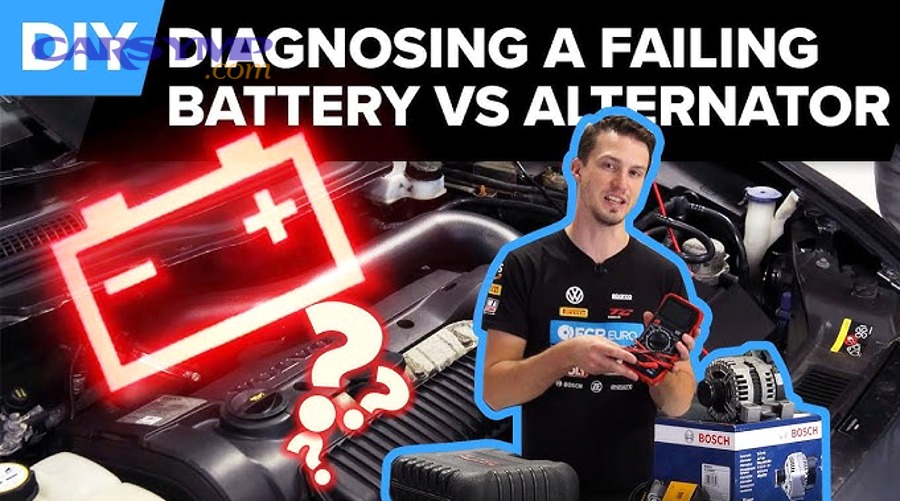
To better understand these mimicking conditions, examining each type reveals how they create false diagnostic signals.
Can a Parasitic Battery Drain Cause Starting Problems?
Parasitic battery drain occurs when electrical components continue drawing current after the vehicle is turned off, gradually depleting the battery over hours or days and preventing starting. Normal parasitic draw ranges from 25 to 50 milliamperes in modern vehicles, required to maintain computer memory, security systems, and clock functions—current draw exceeding 50 milliamperes will discharge a battery overnight. Common sources of excessive parasitic drain include interior lights that don’t turn off due to faulty door switches, trunk lights stuck on, aftermarket accessories improperly wired to constant power, faulty modules that fail to enter sleep mode, and amplifiers or audio equipment that remain energized.
Testing for parasitic drain requires a digital multimeter capable of measuring DC current in the milliamp range and patience to allow vehicle systems to shut down completely. Disconnect the negative battery cable, insert the multimeter in series between the cable and battery terminal by connecting the positive meter lead to the battery negative post and the negative meter lead to the negative cable, then wait 20 to 30 minutes for all vehicle modules to enter sleep mode. The current reading should stabilize below 50 milliamperes—readings above 100 milliamperes indicate significant parasitic drain requiring diagnosis.
Isolating the source of parasitic drain involves systematically removing fuses while monitoring current draw to identify which circuit contains the draining component. With the multimeter still connected measuring current, remove fuses one at a time from the fuse panel and observe whether current draw decreases—when you remove the fuse for the circuit containing the drain, the current will drop significantly. Once you’ve identified the circuit, consult the wiring diagram to determine which components are protected by that fuse, then disconnect components individually to pinpoint the exact source.
Parasitic drain creates a diagnostic trap because the symptoms perfectly mimic battery failure. The battery goes dead overnight or after sitting several days, requiring jump-starting or charging, then the vehicle runs fine once started and may even restart immediately. Testing the battery shows it accepts a charge and tests good under load, leading to misdiagnosis that the battery is fine when actually a parasitic drain is depleting it continuously. Installing a new battery temporarily resolves symptoms until the new battery also becomes discharged, confirming the drain issue.
How Do Bad Battery Cables or Ground Connections Affect Diagnosis?
Battery cables and ground connections create high resistance when corroded, loose, or damaged, preventing adequate current flow to the starter and producing symptoms identical to failed battery or starter. Cables corrode internally where the copper wire enters the terminal end, creating resistance that’s invisible during visual inspection—the cable appears intact but has high resistance from oxidized copper strands. Ground connections corrode at the connection points between the cable end and engine block or chassis, creating resistance in the return path that’s equally damaging to current flow as positive cable resistance.
The most deceptive cable problem occurs when corrosion exists inside the cable insulation near the terminal. External inspection shows clean terminals and intact cable insulation, leading you to believe the cables are good, yet the internal corrosion creates substantial resistance. Testing with voltage drop measurement during cranking reveals this hidden problem—place multimeter leads on the battery terminal and on the cable end itself, then measure voltage during cranking to detect the resistance that voltage-only testing misses.
Ground connections warrant particular attention because vehicles use the engine block and chassis as the return path for electrical current, and poor grounds affect multiple systems simultaneously. The engine-to-chassis ground strap carries hundreds of amperes during starting and must maintain extremely low resistance—corrosion at either end creates starting problems while also causing erratic sensor readings, dim lights, and electrical accessory malfunctions. Many modern vehicles use multiple smaller ground wires instead of a single heavy ground strap, and any of these can corrode and cause problems.
Symptoms of cable and ground problems include intermittent starting where cranking works sometimes but fails at other times with no apparent pattern, successful starting after wiggling battery terminals or cables, temporary success after jump-starting even though the battery tests fine, and starting problems that worsen in cold or humid weather. These intermittent symptoms occur because resistance increases with temperature changes and oxidation levels vary with humidity, making the problem come and go in ways that suggest component failure rather than connection problems.
Preventing cable and ground problems requires regular maintenance including removing battery terminals annually to clean both the terminals and battery posts, applying dielectric grease or terminal protector spray to prevent corrosion, tightening all ground connections between the engine and chassis, and replacing cables that show any external damage or are more than seven years old. Post-installation of a new starter, many technicians perform a starter replacement checklist that includes cleaning all major ground connections to ensure the new starter receives adequate current.
Can a Faulty Ignition Switch Prevent Your Car from Starting?
A faulty ignition switch fails to send the electrical signal to the starter solenoid when you turn the key, creating symptoms identical to a failed starter or open circuit in the starting system. The ignition switch contains internal contacts that close when you turn the key to the “start” position, connecting battery power to the starter relay or solenoid—when these contacts wear out or corrode, they fail to close properly. Many vehicles use a separate starter relay or ignition relay that the ignition switch triggers, and failure of either component prevents starting despite having a functional starter motor and charged battery.
Testing ignition switch function requires bypassing it to determine whether the starting circuit works when supplied with direct power. Locate the wire that runs from the ignition switch to the starter solenoid or starter relay—this is typically a smaller purple or yellow wire on the solenoid. Using a test light or voltmeter, verify that this wire receives 12 volts when the key is turned to the start position—if voltage is absent, the ignition switch or the circuit between the switch and starter has failed. Carefully jump 12 volts from the battery directly to this wire; if the starter engages and cranks the engine, the starter and its related components are functional and the problem lies in the ignition switch circuit.
Ignition switch problems manifest through several distinctive symptoms beyond just failure to crank. The key may feel loose or floppy in the cylinder with no resistance, accessories like the radio and dashboard lights may work intermittently or fail to turn off when the key is removed, the steering wheel may lock even with the key inserted, and starting may work only when holding the key in a specific position. These symptoms often appear gradually as the switch contacts wear, creating intermittent starting problems before complete failure occurs.
Wear patterns in ignition switches relate to vehicle age and usage—vehicles with high mileage or those subjected to heavy key ring weight experience accelerated switch wear. The weight of multiple keys and accessories hanging from the ignition key creates side load on the cylinder that wears the internal components. Modern vehicles increasingly use push-button start systems that eliminate the traditional ignition switch, though these systems have their own failure modes involving the start button itself, the electronic control module, or the wireless key fob authentication system.
What Role Does the Starter Relay or Fuse Play in Starting Issues?
The starter relay acts as an electrically controlled switch that allows the small current from the ignition switch to control the large current flowing to the starter solenoid or motor. Starter relays fail from repeated switching cycles that eventually wear the internal contacts, creating high resistance or complete open circuits that prevent starting. A failed relay produces a single click sound when you turn the key—this click is the relay attempting to engage but failing to close its contacts, identical to the sound of a starter solenoid with insufficient voltage.
Testing the starter relay requires locating it in the fuse/relay box, typically under the hood or beneath the dashboard—consult your vehicle’s manual for exact location as relay positions vary by model. Remove the relay and examine it for burned or corroded terminals, then test it using a multimeter or relay tester if available. Most relays show the terminal numbering on the case; apply 12 volts across the control terminals and verify that the power terminals show continuity when energized and no continuity when power is removed. Many auto parts stores provide free relay testing, eliminating the need for specialized equipment.
Bypassing the relay confirms whether it’s the problem by connecting the power terminals directly to engage the starter. With the relay removed, insert a jumper wire into the relay socket connecting the battery power terminal to the starter power terminal—the starter should engage and crank the engine if the relay is the problem. Use extreme caution with this test as it bypasses safety interlocks; ensure the transmission is in Park or Neutral and don’t hold the bypass connection for more than a few seconds to avoid starter damage from continuous operation.
Starter fuses protect the starting circuit from excessive current that would damage wiring in the event of a short circuit or component failure. A blown starter fuse causes complete failure to crank with no sound at all when the key is turned, distinguishing it from relay failure which produces a clicking sound. Fuses are located in the fuse panel under the hood or inside the vehicle, labeled in the fuse diagram on the panel cover or in the owner’s manual. Testing involves visual inspection for a broken element inside the fuse or using a test light or multimeter to check for continuity through the fuse.
Preventing premature starter failure and related component wear involves addressing the root causes of starting system stress. Avoiding extended cranking attempts—limiting cranking to 10 seconds maximum followed by a 2-minute cooling period—prevents overheating damage to the starter motor. Maintaining the battery in proper charge prevents excessive current draw during cranking. Addressing engine problems like low compression or fuel delivery issues that make the engine hard to start reduces the workload on the starter motor. After performing starter replacement, mechanics typically conduct a Post-installation start test checklist that includes verifying proper voltage at the starter during cranking, checking for adequate ground connection, confirming proper starter mounting, and testing multiple start cycles to ensure reliable operation.
When comparing new versus remanufactured starter options, new starters provide maximum reliability with full warranty coverage but cost significantly more, while remanufactured starters offer good performance at lower cost but may have slightly shorter service life—the choice depends on vehicle value, expected ownership duration, and budget constraints.
According to warranty claim analysis from automotive parts suppliers, approximately 10 percent of starter failures attributed to the starter motor actually stem from failed relays, corroded connections, or ignition switch problems, highlighting the importance of comprehensive electrical system diagnosis before component replacement.