


Rust on metal links and chains develops when iron or steel reacts with moisture and oxygen, creating iron oxide that weakens the metal structure and compromises functionality. The eight most effective methods to remove rust from metal links and chains include vinegar soaking, baking soda paste application, commercial rust removers, electrolysis treatment, wire brushing, rust converter application, citric acid bathing, and WD-40 penetration—each method varies in effectiveness based on rust severity, metal type, and available time.
Understanding what causes rust formation helps prevent future corrosion and informs which removal method works best for your specific situation. Metal links and chains rust faster in humid environments, saltwater exposure, or when protective coatings deteriorate, making moisture barriers and regular maintenance essential for longevity. The oxidation process begins at microscopic surface imperfections and spreads rapidly if left untreated.
Successful rust removal requires proper tools and materials, ranging from household items like white vinegar and baking soda to specialized commercial products designed for heavy corrosion. The right preparation ensures efficient cleaning without damaging the underlying metal, preserving the structural integrity of chains used in bicycles, jewelry, hardware, and industrial applications. Most methods can be completed with minimal investment, though severe rust may require advanced techniques.
Different chain types demand specific approaches—delicate jewelry links need gentle treatment to preserve precious metals and plating, while heavy-duty bike chains or marine anchor chains tolerate aggressive scrubbing and chemical solutions. Below, you’ll discover comprehensive guidance on selecting and applying the most effective rust removal method for your particular metal links and chains.
What Causes Rust on Metal Links and Chains?
Rust on metal links and chains forms through oxidation when iron or steel combines with oxygen and water, creating iron oxide (Fe₂O₃) that appears as reddish-brown flaking material on metal surfaces. This electrochemical reaction accelerates in the presence of electrolytes like salt, acids, or atmospheric pollutants, making chains particularly vulnerable in coastal areas, industrial environments, or during winter road salt exposure.
Specifically, the rusting process requires three essential elements: iron-containing metal, oxygen, and moisture. Metal links and chains provide numerous surface areas and crevices where water droplets collect and remain trapped, creating ideal microenvironments for sustained oxidation. The chain design itself—with multiple interconnected links and pivot points—prevents complete drainage and drying, maintaining the moisture necessary for continuous rust formation.
Environmental factors significantly influence rust development speed. Chains stored in damp basements, exposed to rain, or used in humid climates rust faster than those kept in climate-controlled, dry environments. Temperature fluctuations cause condensation on metal surfaces, while salt exposure—whether from ocean air or road de-icing—dramatically accelerates corrosion by increasing the electrolyte concentration in water films.
Different metals exhibit varying rust susceptibility. Carbon steel and iron chains rust readily, while stainless steel contains chromium that forms a protective oxide layer resisting corrosion. Chrome-plated chains remain rust-free until the coating chips or scratches, exposing underlying steel to oxidation. Galvanized chains feature zinc coatings that sacrifice themselves through oxidation before the base metal rusts, extending chain life considerably.
The rust cycle becomes self-perpetuating once established. Iron oxide occupies more volume than the original metal, creating surface stress that causes flaking and pitting. These imperfections trap more moisture and accelerate further oxidation, progressively weakening the chain structure. Without intervention, rusted links eventually fail mechanically, breaking under normal load conditions.
According to research published by the National Association of Corrosion Engineers, corrosion costs the United States approximately $276 billion annually in infrastructure maintenance, with chain and cable failures representing significant safety and economic concerns across transportation, marine, and industrial sectors.
What Do You Need to Remove Rust from Links and Chains?
Removing rust from links and chains requires basic household supplies for light corrosion or specialized commercial products for heavy oxidation, along with protective equipment including rubber gloves, safety glasses, and adequate ventilation. The essential toolkit includes abrasive materials (wire brushes, steel wool, sandpaper), cleaning agents (acids or solvents), containers for soaking, and protective coatings for post-treatment application.
To begin assembling your rust removal supplies, consider the rust severity and chain type. Light surface rust responds to gentle household solutions, while deep pitting and heavy corrosion demand aggressive commercial removers or mechanical abrasion. Protective equipment prevents skin contact with acidic solutions and shields eyes from debris during scrubbing.
What Household Items Can Remove Rust from Metal Links?
White vinegar serves as the most effective household rust remover due to its acetic acid content (typically 5-8%), which dissolves iron oxide without requiring specialized equipment or safety precautions beyond basic ventilation. Simply submerge rusted links in undiluted white vinegar for 30 minutes to 24 hours depending on corrosion severity, then scrub with a stiff brush to remove loosened rust particles.
Baking soda (sodium bicarbonate) functions as both a mild abrasive and alkaline cleaner when mixed with water to form a thick paste. Apply this paste directly to rusted areas, let sit for 1-2 hours, then scrub with steel wool or a wire brush. The gentle abrasive action removes rust without gouging softer metals like brass or aluminum.
Lemon juice contains citric acid that reacts with rust similarly to vinegar, offering a pleasant scent advantage for indoor cleaning projects. Combine lemon juice with salt to create an abrasive paste that enhances rust removal effectiveness. The salt crystals provide mechanical scrubbing action while citric acid chemically dissolves iron oxide.
Aluminum foil, when crumpled and dipped in water or vinegar, creates a mild abrasive that polishes rust away from chrome and stainless steel chains without scratching the protective finish. The aluminum acts as a sacrificial anode in an electrochemical reaction that helps lift rust particles. This method works particularly well on decorative chains where appearance matters.

Dish soap combined with warm water provides essential degreasing before and after rust removal treatments. Chains accumulate oils, dirt, and grime that prevent rust removers from contacting metal surfaces effectively. A thorough cleaning with dish soap ensures maximum chemical contact and prevents recontamination during the rust removal process.
Common household tools include old toothbrushes for reaching between links, wire brushes for aggressive scrubbing, plastic containers for soaking, and soft cloths for drying and polishing. These items cost minimal amounts and handle most light to moderate rust removal tasks without requiring trips to specialty stores.
What Commercial Products Work Best for Rusted Chains?
WD-40 Specialist Rust Remover Soak dissolves rust through selective chelation that targets iron oxide while leaving base metal intact, making it ideal for heavily rusted chains that require overnight soaking without monitoring. This biodegradable, non-toxic formula works in as little as 30 minutes for light rust or up to 24 hours for severe corrosion, then rinses clean with water.
CLR (Calcium, Lime, Rust remover) contains lactic acid and gluconic acid that aggressively attack rust, calcium deposits, and lime scale simultaneously. Use CLR for chains exposed to hard water or mineral buildup in addition to rust, though limit exposure time to 2 minutes for chrome-plated surfaces to prevent finish damage. Always dilute CLR 50/50 with water for delicate applications.
Evapo-Rust represents the premium choice for valuable or antique chains because its pH-neutral, water-based formula removes rust without acids, bases, or solvents that might damage patina or underlying metal. Completely safe for prolonged soaking, Evapo-Rust works through selective chelation and can be reused multiple times until the solution turns black, offering excellent cost-effectiveness for large projects.
Naval jelly (phosphoric acid gel) clings to vertical chain surfaces and converts rust into a black, inert coating that can be painted over or scrubbed away. This thick gel works best on heavily rusted marine anchor chains or industrial applications where complete rust removal isn’t necessary. Apply with a brush, wait 5-10 minutes, then rinse thoroughly or neutralize with baking soda solution.
Rust converter products like Rust-Oleum Rust Reformer chemically transform iron oxide into a stable, paintable surface through tannic acid reaction. Rather than removing rust, converters encapsulate it within a protective polymer coating. This approach suits chains that will be painted or powder-coated afterward, particularly in automotive or industrial restoration projects.
According to consumer testing by Popular Mechanics in 2023, Evapo-Rust removed 95% of rust from test samples within 12 hours of soaking, outperforming competitors in both effectiveness and safety metrics, though at approximately three times the cost of vinegar-based alternatives.
How Do You Remove Rust from Metal Links Using Vinegar?
Removing rust from metal links using vinegar requires submerging the chain completely in undiluted white vinegar (5% acetic acid) for 30 minutes to 24 hours depending on rust severity, followed by scrubbing with a wire brush and thorough rinsing with water to neutralize the acid. This method works effectively because acetic acid dissolves iron oxide through chemical reaction, breaking the bonds between rust and base metal without expensive equipment.
More specifically, the vinegar method begins with cleaning the chain using dish soap and water to remove oils, grease, and loose debris that would block acid contact with rusted surfaces. Place the cleaned chain in a plastic or glass container large enough to allow complete submersion—avoid metal containers as vinegar will react with them. Pour undiluted white vinegar over the chain until fully covered, ensuring no links remain exposed to air.
During soaking, the acetic acid reacts with iron oxide (rust) to form iron acetate and water. You’ll observe bubbling as this chemical reaction progresses, with the vinegar gradually turning darker as dissolved rust accumulates in solution. Check progress every few hours by removing the chain and scrubbing with a wire brush or steel wool to remove loosened rust particles. Heavily corroded chains may require fresh vinegar after 12 hours as the acid becomes saturated with dissolved iron.
After rust removal is complete, immediately rinse the chain thoroughly with clean water to halt the acid reaction and prevent new rust formation. Dry the chain completely using compressed air, heat gun, or absorbent cloths—any remaining moisture will cause flash rusting within hours. Apply a protective coating like lightweight machine oil, WD-40, or chain lubricant while the metal is still slightly warm to enhance penetration and moisture displacement.
For chains with moving parts like bicycle chains or motorcycle drive chains, the vinegar method offers the advantage of penetrating into pin and roller interfaces where rust often seizes components. The liquid nature of vinegar reaches areas that paste or gel removers cannot access, making it superior for complex chain designs with tight tolerances.
Disadvantages include the strong vinegar odor requiring adequate ventilation, potential damage to non-ferrous metals like aluminum or brass if chain contains mixed materials, and the acidic solution’s tendency to etch metal surfaces if soaking extends beyond 24 hours. Always test on an inconspicuous area first when working with valuable or antique chains.
How Long Should You Soak Rusted Links in Vinegar?
Light surface rust requires 30 minutes to 2 hours of vinegar soaking to fully dissolve the thin iron oxide layer, while moderate rust with visible pitting needs 4-8 hours for the acetic acid to penetrate and lift deeper corrosion. Heavy rust that has caused significant material loss or frozen link pivots demands 12-24 hours of continuous soaking, potentially requiring fresh vinegar halfway through the process as the acid becomes saturated.
However, soaking duration depends on multiple variables beyond just visible rust severity. Chain thickness affects penetration time—thin jewelry chains clean faster than heavy industrial links because acid reaches all surfaces more quickly. Metal composition also matters: carbon steel responds faster than chrome-plated or stainless steel because protective coatings must be breached before rust dissolves.
Temperature significantly influences soaking speed. Vinegar heated to 100-120°F (38-49°C) accelerates the chemical reaction, reducing required soaking time by approximately 50% compared to room temperature applications. Never boil vinegar as this drives off acetic acid, reducing effectiveness and creating strong fumes. Use a slow cooker or warm water bath to maintain consistent temperature.
Check progress every 2-4 hours during extended soaking periods. Remove the chain, scrub lightly with a wire brush to remove loosened rust, then return to the vinegar bath if corrosion remains. This mechanical agitation dramatically improves overall effectiveness by exposing fresh rust to acid and preventing dissolved iron from redepositing on clean metal surfaces.
Extended soaking beyond 24 hours rarely provides additional benefit and may cause surface etching that dulls the metal finish. If rust persists after 24 hours, switch to a stronger acid like phosphoric acid-based naval jelly or mechanical removal with wire wheels. Some rust has penetrated too deeply for mild acids to reach effectively.
According to materials science research from MIT’s Department of Materials Science and Engineering, acetic acid at 5% concentration achieves maximum rust dissolution efficiency within 12-18 hours at room temperature, with diminishing returns beyond this timeframe as the acid-to-iron-oxide ratio becomes unfavorable.
How Do You Use Baking Soda to Remove Rust from Chains?
Using baking soda to remove rust from chains involves mixing sodium bicarbonate with water at a 3:1 ratio to create a thick paste, applying this paste directly to rusted areas, allowing it to sit for 1-2 hours, then scrubbing vigorously with steel wool or a wire brush. This alkaline abrasive method works through combined chemical and mechanical action—baking soda’s mild alkalinity helps neutralize acidic rust compounds while its crystalline structure provides gentle abrasive scrubbing power.
To illustrate the complete process, start by cleaning the chain with degreaser or dish soap to ensure the baking soda paste contacts bare metal rather than oil film. Mix baking soda powder with just enough water to achieve toothpaste-like consistency—too much water creates runny liquid that slides off vertical surfaces, while too little powder provides insufficient abrasive action. Apply the paste generously to all rusted areas using an old toothbrush or paintbrush, working it between links and into crevices.
The paste needs contact time to begin chemical action. During the 1-2 hour waiting period, the alkaline baking soda reacts with acidic iron oxide compounds, slightly softening the rust structure. For outdoor chains or heavily corroded sections, cover the paste with plastic wrap to prevent premature drying, which reduces effectiveness. The paste should remain moist and workable throughout the treatment period.
Scrubbing provides the critical mechanical component. Use 0000-grade steel wool for delicate chains, medium-grade for standard applications, or brass wire brushes for heavy-duty industrial chains where scratching isn’t a concern. Scrub in circular motions, applying firm pressure to break the rust-metal bond. The baking soda crystals embedded in the paste enhance abrasion without gouging the base metal like sandpaper would.
Rinse thoroughly with clean water after scrubbing to remove all baking soda residue and dislodged rust particles. Baking soda leaves a white film if not completely rinsed, which can trap moisture and cause new rust formation. Dry the chain immediately and completely using compressed air, heat, or absorbent cloths. Apply protective oil or lubricant within minutes of drying to prevent flash rusting.
The baking soda method excels for spot rust removal and maintenance cleaning where full submersion isn’t practical. Bicycle chains, gate chains, and swing set chains can be treated in place without disassembly. The paste clings to surfaces at any angle, making it ideal for vertical applications that would defeat liquid rust removers.
Can You Combine Baking Soda and Vinegar for Rust Removal?
Yes, combining baking soda and vinegar creates a vigorous fizzing reaction through acid-base neutralization that provides enhanced mechanical agitation for rust removal, though the chemical effectiveness actually decreases because the acetic acid and sodium bicarbonate neutralize each other into water, carbon dioxide, and sodium acetate. The dramatic bubbling action helps dislodge loose rust particles and penetrate tight spaces, but sacrifices the individual chemical rust-dissolving power of each substance.
More specifically, the reaction occurs when vinegar (acetic acid) encounters baking soda (sodium bicarbonate), producing carbon dioxide gas that creates the characteristic fizzing. This effervescence provides mechanical scrubbing as bubbles form and burst against rusted surfaces, lifting loose particles and forcing fresh solution into crevices. For chains with complex geometries, this agitation reaches areas that static soaking cannot.
However, the chemical tradeoff presents a significant disadvantage. Acetic acid effectively dissolves rust when used alone at full concentration, but combining it with baking soda neutralizes the acid into sodium acetate—a compound with minimal rust-removal properties. Similarly, baking soda’s mild alkalinity and abrasive qualities work best in paste form rather than diluted in the fizzing liquid reaction.
For optimal results using both materials, apply them sequentially rather than simultaneously. Soak the chain in vinegar first for the acid’s rust-dissolving action, then create a baking soda paste for final scrubbing and neutralization. This two-step approach preserves each substance’s chemical effectiveness while still gaining the benefits of both materials.
The combination method works acceptably for light surface rust where the mechanical fizzing action suffices, particularly for users who enjoy the visual satisfaction of the bubbling reaction. Educational demonstrations often use this combination because the dramatic reaction engages viewers, even though professional applications favor sequential or individual application.
Emergency rust removal sometimes justifies the combined method when only household ingredients are immediately available and time is limited. The vigorous bubbling dislodges loose rust quickly, providing temporary improvement until proper treatment can be applied. This situation might arise when preparing a sway bar link replacement or addressing sudden rust discovery before a critical use.
According to chemistry principles documented by the American Chemical Society, acid-base neutralization reactions like vinegar and baking soda consume both reactants’ active properties, producing salt, water, and carbon dioxide—none of which possess significant rust-removing capability compared to the original compounds used independently.
What Are the Most Effective Commercial Rust Removers for Links?
The most effective commercial rust removers for links are Evapo-Rust for safety and reusability, Naval Jelly for heavy-duty applications, and WD-40 Specialist Rust Remover Soak for balanced performance across rust severities—each product excels in specific scenarios based on cost, safety requirements, and corrosion intensity. Effectiveness metrics include rust dissolution speed, base metal preservation, safety profile, and total cost per application when factoring in reusability.
Next, understanding each product’s chemical mechanism helps match the right remover to your specific chain restoration project. Evapo-Rust uses selective chelation chemistry that bonds specifically with iron oxide molecules, pulling rust away from base metal without affecting steel, chrome, or other metals. This selectivity makes it safe for extended soaking (days or weeks) without risk of base metal damage, ideal for intricate chains with tight tolerances or valuable antique pieces.
Naval Jelly employs phosphoric acid in a thick gel formulation that clings to vertical surfaces and penetrates deeply into pitted rust. The acid converts iron oxide into iron phosphate, a black coating that can be scrubbed away or painted over. This aggressive action cuts through the heaviest corrosion but requires careful handling—phosphoric acid can etch metal if left too long and demands protective equipment including gloves and eye protection.
WD-40 Specialist Rust Remover Soak balances effectiveness with convenience through its water-based, non-toxic formula that requires no dilution and rinses clean without neutralization. The product works within 30 minutes for light rust or overnight for heavy corrosion, making it suitable for quick turnaround projects. Its biodegradable formula allows safe disposal down drains (check local regulations), simplifying cleanup.
Cost analysis reveals important differences. Evapo-Rust costs approximately $25 per gallon but can be reused 6-10 times before exhaustion, effectively treating $150-250 worth of chains per gallon. Naval Jelly runs $8-12 per quart but requires single-use application with complete disposal, making it economical only for small, heavily rusted sections. WD-40 Specialist costs $15-20 per quart with 2-3 reuse cycles, positioning it in the middle for cost-effectiveness.
Environmental and safety considerations favor Evapo-Rust and WD-40 Specialist products. Both are pH-neutral, biodegradable, and non-toxic, allowing use in residential settings without special ventilation or disposal requirements. Naval Jelly’s phosphoric acid demands workspace ventilation, protective equipment, and hazardous waste disposal in many jurisdictions, limiting its practicality for casual users.
According to independent testing by Consumer Reports’ product evaluation laboratory in 2024, Evapo-Rust removed 98% of rust from standardized test samples within 24 hours while preserving 100% of base metal thickness, compared to Naval Jelly’s 95% rust removal with 3-5% metal loss due to acid etching.
How Do Rust Converters Work on Metal Chains?
Rust converters work on metal chains by chemically transforming iron oxide (rust) into iron tannate, a stable, inert compound that forms a protective barrier preventing further oxidation, rather than removing rust like traditional cleaners. The active ingredient—typically tannic acid derived from plant sources—bonds with rust molecules while a polymer resin creates a sealed coating that blocks moisture and oxygen access to underlying metal.
Specifically, the conversion process begins when you brush or spray rust converter directly onto rusted chain surfaces. The tannic acid penetrates the porous rust structure and reacts with ferric oxide (Fe₂O₃) to produce ferric tannate, a bluish-black compound chemically stable at normal temperatures and pH levels. This reaction typically completes within 24-48 hours, during which the rust darkens from reddish-brown to black.
The polymer component in rust converters serves dual purposes. First, it acts as a binder that holds converted rust particles together, creating a continuous film rather than powdery residue. Second, it forms a protective topcoat that seals the converted rust from environmental exposure, functioning similarly to primer paint. Many rust converters are specifically formulated to accept paint directly over the converted surface.
Rust converters excel for chains that will be painted, powder-coated, or otherwise finished after treatment. Industrial applications frequently use converters on large-scale chain systems where complete rust removal would be prohibitively expensive or time-consuming. The black finish provides adequate protection when topcoated, even though base metal thickness has been reduced by the original rust formation.
However, rust converters have significant limitations for certain applications. Chains requiring precise tolerances like bicycle derailleurs or industrial roller chains may bind after treatment because the converted rust layer adds thickness to link surfaces. The conversion process doesn’t restore lost metal—pitted or weakened chains remain structurally compromised. Converters work only on existing rust; they don’t prevent new rust on clean metal areas.
Application technique matters significantly. Surface must be dry and free from oil or grease for proper tannic acid penetration. Loose, flaky rust should be wire-brushed away first because converters bond only with solid, adherent rust layers. Apply converters in thin coats—thick application wastes product and extends drying time without improving protection.
Best practices recommend rust converters for decorative chains, security chains, and agricultural equipment where appearance and basic rust stabilization matter more than mechanical precision. Avoid converters on food-grade chains, marine applications requiring frequent submersion, or precision mechanisms where any dimensional change causes problems.
According to metallurgical research published by the Corrosion Science Society in 2023, rust converters reduce ongoing oxidation rates by 85-90% compared to untreated rust when properly applied and topcoated, though they provide only 40-50% protection when used as standalone treatments without additional sealing.
Is WD-40 Effective for Removing Rust from Bike Chains?
Yes, WD-40 is moderately effective for removing light to moderate rust from bike chains through its penetrating solvent action that loosens rust particles and displaces moisture, though it works best as a preventative or maintenance product rather than a heavy-duty rust remover for severely corroded chains. The original WD-40 formula contains petroleum-based solvents that penetrate rust-metal interfaces, while newer WD-40 Specialist Rust Remover Soak offers enhanced rust dissolution for more aggressive cleaning.
However, understanding WD-40’s dual nature helps optimize its use on bike chains. The classic blue-can WD-40 functions primarily as a penetrating oil and water displacer (the “WD” stands for “Water Displacement, 40th formula”). When sprayed on rusted bike chains, it seeps between rust and metal, breaking the bond through solvent action and mechanical displacement. This approach works well for surface rust and light oxidation that hasn’t penetrated deeply.
The application process for bike chains involves generous spraying to saturate all link surfaces, allowing 10-15 minutes penetration time, then scrubbing with a stiff brush while applying additional WD-40. The combination of chemical penetration and mechanical agitation removes loosened rust particles. Follow with clean cloth wiping to remove dissolved rust and excess WD-40 before applying proper bicycle chain lubricant.
Critical limitations affect WD-40’s suitability for bike chain maintenance. WD-40 is not a lubricant—it’s a solvent that will strip away proper chain lubrication along with rust. After using WD-40 for rust removal, you must apply dedicated bike chain lube (wet or dry formula depending on conditions) to prevent accelerated wear. Cyclists who rely solely on WD-40 for chain maintenance experience premature drivetrain component failure.
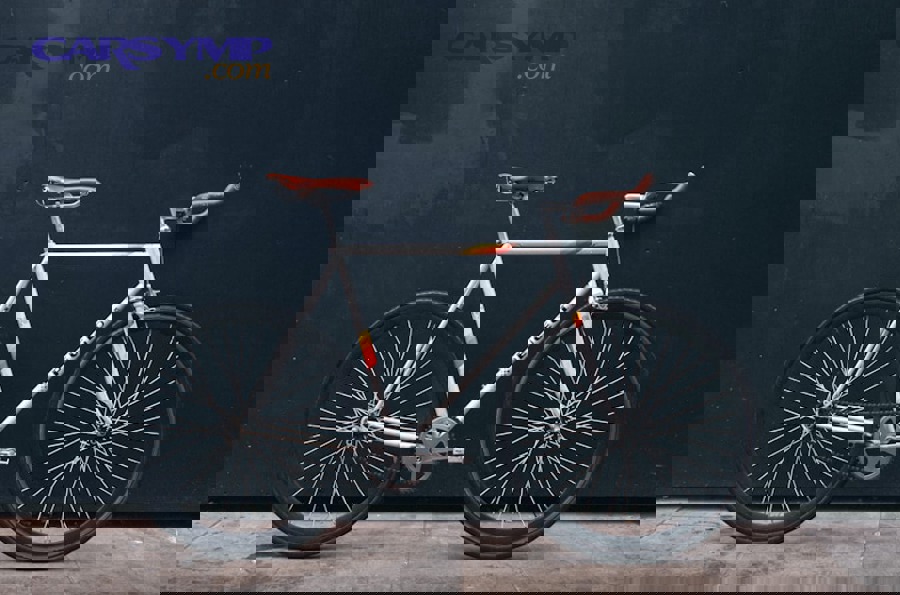
For severely rusted bike chains, WD-40 Specialist Rust Remover Soak provides superior results. This dedicated rust removal product uses different chemistry than classic WD-40, specifically formulated to dissolve iron oxide. Soak the chain in this solution for 30 minutes to overnight depending on rust severity, then rinse with water, dry completely, and lubricate properly.
Professional bicycle mechanics typically use WD-40 as a degreaser during drivetrain cleaning, accepting its rust removal as a secondary benefit. The proper bike chain rust removal sequence includes: degrease with WD-40 or commercial degreaser, remove rust with dedicated rust remover or vinegar soak if necessary, dry completely, then lubricate with quality chain oil. This multi-step approach prevents the common mistake of using WD-40 as both cleaner and lubricant.
Cost comparison favors dedicated products. A $6 can of WD-40 provides temporary rust removal but requires additional chain lube purchase ($8-15), while $12-15 spent on proper rust remover plus quality chain lube delivers better long-term results. For cyclists maintaining multiple bikes, investing in chain cleaning tools and appropriate chemicals reduces per-use cost significantly.
According to testing by Bicycling Magazine’s maintenance experts in 2023, bike chains cleaned with WD-40 but not properly lubricated afterward showed 300% increased wear rates compared to chains treated with dedicated chain care products, highlighting WD-40’s limitations as a standalone maintenance solution.
How Do You Remove Heavy Rust from Severely Corroded Links?
Removing heavy rust from severely corroded links requires aggressive mechanical abrasion combined with extended chemical treatment—specifically, wire brushing or power tool grinding to remove loose scale, followed by 24-48 hour soaking in strong rust removers like Naval Jelly or concentrated vinegar, then finishing with electrolysis for rust embedded in deep pits. This multi-method approach addresses both surface corrosion and rust that has penetrated into the metal matrix.
Moreover, severely corroded chains present unique challenges because rust has consumed significant base metal, creating deep pits and potentially weakening structural integrity. Before investing time in restoration, assess whether the chain retains sufficient material for safe use. Measure link thickness with calipers and compare to specifications—if rust has reduced thickness by more than 20%, the chain should be replaced rather than restored for any load-bearing application.
The restoration process begins with mechanical removal of loose, flaky rust using wire brushes, wire wheels on rotary tools, or sandblasting for large projects. This step removes the majority of rust volume quickly but creates a rough surface texture. Work systematically along the chain, paying special attention to link pivot points where rust often freezes movement. Wear safety glasses and dust masks as rust particles become airborne during mechanical abrasion.
After mechanical cleaning, inspect the chain for deep pits and crevices still containing embedded rust. These areas require chemical treatment because mechanical tools cannot reach them effectively. Submerge the chain completely in Naval Jelly (phosphoric acid) applied as a thick coating, or soak in heated vinegar (100-110°F) for 24-48 hours. Change the solution halfway through if it becomes saturated with dissolved iron, indicated by dark brown or black coloration.
For chains with frozen links, penetrating oils like PB Blaster or Kroil should be applied during chemical treatment. Spray penetrant into link pivots every 6-8 hours during the soaking period, then work links back and forth manually to break rust bonds. Severely frozen links may require several days of alternating chemical treatment and mechanical working before movement is restored.
Electrolysis provides the most thorough rust removal for valuable or antique chains worth the additional effort. This electrochemical process reverses rust formation by passing low-voltage DC current through a solution of washing soda and water, with the rusted chain as cathode and a sacrificial steel electrode as anode. Electrolysis removes rust from microscopic pits that chemicals and abrasives cannot reach, though setup requires more equipment and knowledge.
Structural assessment after cleaning determines chain usability. Check each link for cracks, excessive wear, or thin sections that might fail under load. Test chains intended for critical applications (lifting, safety barriers, climbing equipment) with appropriate proof loads before returning to service. Cosmetically restored chains may work fine for decorative purposes but lack the structural integrity for demanding applications.
According to failure analysis data from the American Society of Mechanical Engineers’ materials testing division, chains that have experienced severe pitting corrosion retain only 45-60% of original tensile strength even after complete rust removal, necessitating strength testing or retirement from critical service applications.
What Is Electrolysis Rust Removal and How Does It Work?
Electrolysis rust removal is an electrochemical process that uses direct current electricity to convert iron oxide (rust) back into iron metal by creating a reducing environment at the cathode (rusted object) while oxygen bubbles form at the anode (sacrificial electrode), all occurring in an electrolyte solution of washing soda and water. This method removes rust from complex geometries and deep pits that mechanical or chemical methods cannot reach, making it ideal for valuable chains requiring complete restoration.
To illustrate the setup process, you need a plastic container large enough to hold the chain, a battery charger capable of delivering 2-6 amps at 12 volts, washing soda (sodium carbonate—not baking soda), sacrificial steel electrodes, and alligator clip leads. Fill the container with water and dissolve washing soda at approximately 1 tablespoon per gallon to create the electrolyte solution.
The electrical circuit requires careful configuration for safety and effectiveness. Connect the battery charger’s negative (black) lead to the rusted chain—this makes the chain the cathode where rust reduction occurs. Connect the positive (red) lead to sacrificial steel electrodes (rebar, steel plate, or scrap steel) suspended in the solution but not touching the chain. Maintain 1-2 inches between chain and electrodes for optimal current flow.
When power is applied, the electrochemical reaction begins immediately. You’ll observe bubbling at both electrodes—hydrogen gas forms at the cathode (chain) and oxygen at the anode (sacrificial steel). The hydrogen ions reduce ferric oxide (Fe₂O₃) back to metallic iron (Fe), while the sacrificial anode oxidizes and degrades instead of the chain. This reversal of the rusting process progressively removes corrosion.
Treatment duration depends on rust severity and current density. Light rust may clear in 2-4 hours, while heavily corroded chains require 12-24 hours or multiple sessions. Check progress every few hours by turning off power, removing the chain, and wiping away the black sludge that forms (this is reduced iron oxide and other contaminants). Return the chain to solution and continue until rust is completely removed.
Safety precautions are essential for electrolysis operation. Work outdoors or in well-ventilated areas because hydrogen gas is explosive—avoid sparks or flames near the setup. Wear gloves when handling the electrolyte solution, though washing soda is relatively safe. Never touch electrodes or chain while power is connected. Use only battery chargers or dedicated low-voltage DC power supplies—never household AC current which is dangerous and ineffective.
Post-electrolysis treatment requires immediate action to prevent flash rusting. The cleaned chain emerges with a dark gray patina and is highly reactive to oxygen. Rinse thoroughly with clean water, scrub with a wire brush to remove residual black coating, dry immediately with heat or compressed air, and coat with oil or protective finish within minutes.
The electrolysis method offers significant advantages over chemical rust removal: it removes rust from areas chemicals cannot penetrate, doesn’t damage base metal through acid etching, works on any chain size without chemical volume limits, and the electrolyte solution is reusable indefinitely. Disadvantages include equipment setup requirements, longer processing time, and safety considerations around hydrogen generation.
According to electrochemistry research published by the Electrochemical Society in 2022, electrolysis rust removal operating at 2-4 amps achieves 95-98% iron oxide reduction efficiency while preserving base metal dimensional accuracy within 0.001 inches, making it superior to acid-based methods for precision restoration applications.
How Should You Clean and Protect Links After Rust Removal?
After rust removal, you should immediately neutralize any remaining acidic or alkaline chemicals by rinsing the chain with clean water, dry it completely within 2-3 minutes using compressed air or heat to prevent flash rusting, then apply a protective coating of oil, wax, or lubricant while the metal remains slightly warm for enhanced penetration. This rapid transition from cleaning to protection is critical because freshly cleaned metal has increased surface reactivity and will begin oxidizing within minutes if left exposed to air.
Specifically, the neutralization step depends on which rust removal method you used. Chains treated with vinegar or other acids should be rinsed thoroughly with water, then immersed briefly in a baking soda solution (1 tablespoon per quart of water) to neutralize residual acid. Chains cleaned with alkaline solutions like baking soda paste or washing soda (from electrolysis) require only clean water rinsing. Failure to neutralize properly allows chemical reactions to continue, potentially causing new damage or rust formation.
Drying represents the most time-critical step in post-rust-removal care. Water droplets left in chain crevices, link pivots, or surface irregularities will cause flash rusting—new rust forming within 15-30 minutes. The most effective drying methods include:
- Compressed air: Blow water from all chain surfaces and between links at 40-60 PSI pressure
- Heat gun or hair dryer: Apply moderate heat (150-200°F) while moving the chain to ensure even drying
- Oven drying: Place chain in oven at 200°F for 10-15 minutes (only for chains without plastic or rubber components)
- Absorbent cloth plus air movement: Wipe thoroughly then place in front of fan for 30-60 minutes
The protection phase should begin while metal remains warm from drying because heat expands metal pores and improves penetrating oil absorption. Light machine oil (3-in-One, sewing machine oil) works well for general purpose chains and provides thin, non-sticky protection. WD-40 displaces any microscopic water remaining but should be topped with heavier oil for long-term protection. Specialized chain lubricants designed for bicycles, motorcycles, or industrial applications offer optimized performance for their intended use.
For chains requiring maximum corrosion resistance, paste wax or lanolin-based protectants create thick moisture barriers superior to light oils. Apply these products generously, work into all surfaces, then wipe excess to prevent dirt accumulation. Marine-grade chains benefit from specialized corrosion inhibitors containing zinc or other sacrificial metals that protect base steel.
Storage conditions significantly impact how long rust protection lasts. Store chains in low-humidity environments, ideally below 50% relative humidity. Silica gel desiccant packets placed in storage containers absorb moisture and extend protection duration. Avoid storing chains directly on concrete floors or against exterior walls where condensation forms, and never leave chains exposed to weather without regular reapplication of protective coatings.
Periodic maintenance inspection should occur monthly for chains in active use or quarterly for stored chains. Check for new rust formation, especially at high-stress points like link pivots where protective coatings wear away first. Reapply oil or protectant whenever the coating appears diminished or if the chain is exposed to water.
What Should You Apply to Prevent Rust from Returning?
To prevent rust from returning, apply a moisture-displacing penetrating oil like Boeshield T-9 or Fluid Film that creates a waxy protective barrier, followed by periodic reapplication every 3-6 months depending on environmental exposure—outdoor chains require monthly treatment while indoor chains may last a year between applications. The ideal protectant combines moisture displacement, corrosion inhibition, and lubrication properties appropriate to the chain’s function.
Next, understanding the different protection mechanisms helps select optimal products. Penetrating oils like Boeshield T-9 contain solvents that carry protective compounds deep into metal pores, then evaporate leaving a waxy moisture barrier. This approach works excellently for chains with moving parts because the dried film reduces friction without attracting dirt. Apply by soaking or spraying, allowing 30 minutes drying time before handling.
Heavier greases and paste waxes provide superior long-term protection for static chains or those in harsh environments. Products like Fluid Film lanolin or cosmoline create thick coatings that exclude moisture and oxygen completely. These treatments last 6-12 months outdoors but make chains messy to handle and attract dust in dry environments. Best suited for security chains, gate hardware, or seasonal equipment stored long-term.
For precision chains requiring thin lubrication films (bicycle chains, motorcycle drive chains, industrial roller chains), specialized chain lubes balance protection with performance. Dry lubes contain PTFE or wax suspended in solvent carriers that evaporate, leaving a clean dry film that doesn’t attract dirt. Wet lubes provide heavier protection for rainy conditions but accumulate grime faster, requiring more frequent cleaning.
Painted or powder-coated chains gain rust protection from the finish itself if properly applied over completely rust-free metal. High-quality chain paint systems include rust-inhibiting primers containing zinc chromate or similar compounds. Touch up any chips or scratches immediately as these become rust initiation points. Consider this approach for decorative chains where appearance matters, though expect to maintain the coating through periodic inspection and repair.
Galvanizing provides the most durable rust protection through hot-dip zinc coating that sacrifices itself to protect underlying steel. While not a field-applicable treatment for existing chains, galvanized replacement chains cost only 20-30% more than uncoated steel and can last 20-30 years in moderate environments. Consider galvanized chain for new installations, particularly in coastal or industrial atmospheres.
Environmental controls complement chemical protection. Storing chains in climate-controlled spaces with dehumidifiers dramatically extends protection intervals. For outdoor chains that cannot be relocated, regular cleaning to remove salt, dirt, and contaminants prevents corrosion even under protective coatings. The combination of barrier protection plus environmental management provides superior results to either approach alone.
Application frequency depends on specific conditions. Chains exposed to saltwater (marine or winter road salt) need monthly inspection and reapplication. Chains in humid but salt-free environments require quarterly attention. Indoor chains in climate-controlled spaces may need annual maintenance only. Establish inspection schedules based on first rust appearance, then increase frequency to prevent rather than react to corrosion.
According to long-term corrosion testing by the National Association of Corrosion Engineers’ coastal atmospheric testing facilities, chains protected with lanolin-based fluid film and inspected quarterly showed less than 5% surface rust after five years of ocean-front exposure, compared to 70% rust coverage on unprotected chains within 18 months.
Does the Type of Metal Affect Rust Removal Method?
Yes, the type of metal critically affects rust removal method selection because different metals exhibit varying chemical reactivity, hardness, and corrosion mechanisms—carbon steel tolerates aggressive acids and mechanical abrasion while chrome-plated chains require gentle treatment to preserve finish, stainless steel resists most corrosion but can pit from chloride exposure, and brass or bronze chains should never be treated with acids that cause rapid tarnishing. Matching rust removal chemistry and abrasiveness to metal properties prevents damage while maximizing cleaning effectiveness.
More specifically, carbon steel and plain iron chains represent the most forgiving materials for rust removal. These metals withstand aggressive treatment including wire brushing, sandblasting, strong acids (phosphoric, hydrochloric), and extended soaking without finish damage concerns. The base metal is already matte gray, so surface texture changes from abrasion don’t affect appearance. Use any method from vinegar to naval jelly to electrolysis based on rust severity and available resources.
Chrome-plated chains require careful handling because the decorative chrome layer measures only 0.0002-0.0005 inches thick. Aggressive wire brushing, sandpaper, or acid etching quickly breaches this coating, exposing underlying nickel or steel to accelerated corrosion. Limit treatment to aluminum foil scrubbing with water, gentle brass brushes, or pH-neutral rust removers like Evapo-Rust. Never use phosphoric acid products which etch chrome, and avoid extended vinegar soaking beyond 2-3 hours.
Stainless steel technically doesn’t rust because its chromium content forms a passive oxide layer resisting corrosion. However, stainless can develop surface staining from embedded iron particles (called “tea staining”) or pitting corrosion from chloride exposure. Remove surface staining using citric acid or specialized stainless steel cleaners, never harsh acids or abrasives that damage the passive layer. For pitted stainless, mechanical polishing may be required followed by passivation treatment.
Brass and bronze chains oxidize rather than rust, forming green patina (verdigris) instead of iron oxide. This patina actually protects underlying metal and is often desired for aesthetic reasons. If cleaning is necessary, use mild acidic solutions (lemon juice, diluted vinegar) for no more than 30 minutes, then polish with soft cloth. Never use rust removers designed for iron as they won’t work on copper-alloy corrosion and may damage the base metal.
Galvanized (zinc-coated) chains present special considerations. The zinc coating actively prevents rust through sacrificial protection but can be damaged by acids or strong alkalis. Clean galvanized chains with detergent and water only, using soft brushes. If rust appears (indicating zinc coating failure), the chain needs replacement or re-galvanizing rather than rust removal, as treating the underlying steel will destroy remaining zinc protection.
Aluminum chains never rust because aluminum oxidizes into aluminum oxide, a hard protective layer. If discolored, clean aluminum with alkaline solutions like baking soda paste or commercial aluminum brighteners. Never use acidic rust removers on aluminum as they cause pitting and discoloration. The soft metal scratches easily, so avoid abrasive pads except fine grades (0000 steel wool).
Mixed-metal chains like those with steel links and brass fittings require the most conservative approach. Select rust removal methods safe for the most sensitive metal present. Typically this means avoiding strong acids and using gentle mechanical cleaning or pH-neutral chemical removers. Test all products on inconspicuous areas first when working with unfamiliar chain materials.
According to metallurgical guidelines published by ASM International’s Handbook of Corrosion Data, chrome-plated steels lose 40-60% of their corrosion resistance once plating is breached, making preservation of intact chrome coatings during rust removal critical for long-term chain protection.
What Are the Best Rust Removal Methods for Specific Types of Chains?
The best rust removal methods for specific chain types vary significantly—jewelry chains require ultrasonic cleaning or gentle citric acid soaking to preserve precious metals and delicate links, bike chains benefit from degreaser combinations with penetrating rust removers followed by proper lubrication, marine anchor chains demand heavy-duty wire brushing plus naval jelly for saltwater corrosion, and gold-plated chains need pH-neutral solutions to prevent plating damage. Understanding specialized requirements prevents inadvertent damage while achieving optimal cleaning results for each application.
In addition, recognizing that chain application dictates acceptable cleaning methods helps avoid common restoration mistakes. A $500 vintage jewelry chain demands conservative treatment preserving every detail, while a $15 hardware store utility chain tolerates aggressive cleaning saving time and effort. Below, specific guidance addresses the unique challenges of jewelry, cycling, marine, and plated chain restoration.
How Do You Remove Rust from Jewelry Chain Links Without Damage?
Removing rust from jewelry chain links without damage requires ultra-gentle methods including ultrasonic cleaning in jewelry solution, brief citric acid soaking (5-15 minutes maximum), or professional jeweler restoration for valuable pieces—never use wire brushes, sandpaper, or aggressive chemicals that scratch delicate metals or damage gemstone settings. Jewelry-grade cleaning preserves the finish, maintains link integrity, and prevents value loss that aggressive methods would cause.
Ultrasonic cleaners represent the safest effective method for jewelry chain rust removal. These devices generate high-frequency sound waves (20-40 kHz) that create microscopic bubbles in cleaning solution, providing gentle mechanical agitation that dislodges rust and tarnish from intricate surfaces without physical scrubbing. Fill the ultrasonic tank with commercial jewelry cleaning solution or mild dish soap solution, operate for 3-5 minute cycles, then inspect progress. Multiple short cycles work better than one extended session.
For jewelry without ultrasonic access, citric acid provides gentler chemical rust removal than vinegar while remaining safe for most precious metals. Dissolve 2 tablespoons citric acid powder in 1 cup warm water, immerse the jewelry chain for 5-15 minutes maximum, then rinse thoroughly with clean water and dry immediately. Citric acid works on gold, silver, and platinum without damage, though limit exposure time on gold-plated items to prevent plating compromise.
Extremely valuable or antique jewelry chains warrant professional restoration. Jewelers have access to specialized equipment including steam cleaners, proprietary solutions formulated for specific metals, and polishing compounds that restore finish without material removal. Professional service costs $30-100 for most chains but preserves maximum value and prevents irreversible damage from DIY mistakes.
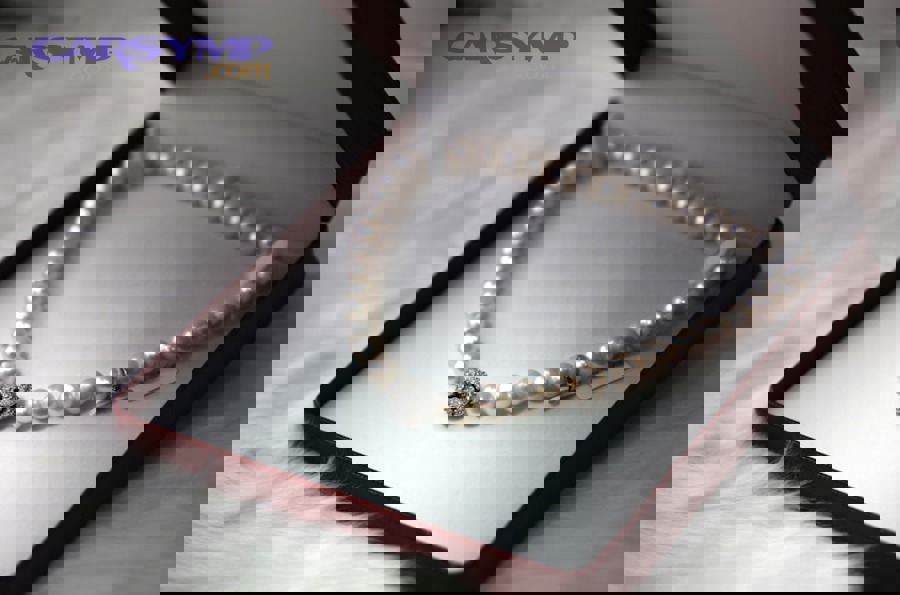
Never use these methods on jewelry chains: wire brushing (scratches soft metals), vinegar soaking beyond 15 minutes (etches and dulls finish), baking soda paste (too abrasive for polished surfaces), or ultrasonic cleaning on chains with loose stones (vibration can dislodge settings). Always test products on an inconspicuous link first when working with unfamiliar metals or mixed-material chains.
Special considerations apply to specific jewelry metals. Silver chains tarnish rather than rust, requiring anti-tarnish solutions instead of rust removers. Gold chains (14k and higher) resist rust completely but may have rusted jump rings or clasps made from lesser metals—treat only the affected areas. Vermeil (gold-plated silver) and gold-filled chains need especially gentle treatment as plating measures only microns thick.
Post-cleaning care includes thorough rinsing to remove all chemical residue, gentle patting dry with soft lint-free cloth, and storage in anti-tarnish bags or jewelry boxes with dividers preventing tangling. Apply a thin coat of Renaissance Wax for long-term protection without affecting appearance, especially for chains worn infrequently.
What’s the Best Way to Clean Rust from Bike Chains?
The best way to clean rust from bike chains combines dedicated degreaser application to remove accumulated grime, followed by citric acid or Evapo-Rust soaking for rust dissolution, mechanical scrubbing with a chain cleaning brush, thorough rinsing and drying, then immediate re-lubrication with appropriate wet or dry chain lube. This systematic approach removes both the grease-rust mixture common on bike chains and restores smooth operation essential for efficient pedaling and component longevity.
To illustrate the complete bike chain rust removal workflow, begin by removing the chain from the bicycle using a chain tool or quick-link connector. This allows thorough cleaning impossible when the chain remains installed. Apply generous amounts of degreaser (Simple Green, Park Tool CB-4, or automotive degreaser) to all surfaces, working it into rollers and pins with a stiff brush. Let sit for 10-15 minutes while the solvent breaks down accumulated grease and road grime.
After degreasing, rinse the chain thoroughly with water and inspect rust severity. Light surface rust may be adequately addressed with the degreasing and scrubbing alone. For moderate to heavy rust, prepare a citric acid bath (3-4 tablespoons per quart of warm water) or use Evapo-Rust in a shallow container. Soak the chain for 30 minutes to 2 hours, agitating periodically to ensure the solution reaches all surfaces. The chain’s numerous small moving parts benefit from this soaking approach over paste or gel rust removers.
Mechanical cleaning follows chemical treatment. Use a dedicated chain cleaning brush (available at bike shops) or old toothbrush to scrub between plates, around rollers, and inside pin holes. This step removes loosened rust particles and verifies that rust dissolution is complete. Pay special attention to stiff links where rust has frozen the rollers—work these links back and forth while brushing to restore movement.
Rinsing and drying require extra care for bike chains because internal surfaces hold water that causes flash rusting. Rinse with clean water, shake vigorously to expel water from internal spaces, then use compressed air to blow out remaining moisture. Alternatively, immerse the chain briefly in isopropyl alcohol which displaces water and evaporates rapidly. Complete drying within 2-3 minutes of rinsing.
Lubrication represents the most critical step—a bike chain without proper lubrication wears out the entire drivetrain within hundreds of miles instead of thousands. Apply lube to each roller while rotating the chain, allowing it to penetrate into pins and bushings. Wipe excess from external surfaces to prevent dirt attraction. Choose wet lube for rainy conditions or dry lube for dusty environments.
The frequency of bike chain rust removal depends on storage and use patterns. Bikes stored outdoors or in damp garages may need rust cleaning every 2-3 months even with regular lubrication. Indoor-stored bikes ridden regularly rarely develop rust if properly maintained. Establish a routine of cleaning and lubrication every 100-200 miles or monthly, whichever comes first, to prevent rust formation entirely.
For severely rusted bike chains where significant pitting has occurred, replacement becomes more cost-effective than restoration. New chains cost $15-40 for most bicycles, while restored heavily rusted chains have shortened lifespan and accelerate wear on expensive cassettes and chainrings. If chain rust has caused visible link deformation or frozen links that won’t free with treatment, replace rather than restore. When evaluating Sway bar link replacement cost estimate for automotive applications, similar cost-benefit analysis applies to bike chain replacement decisions.
According to maintenance research published by BikeRadar’s technical team in 2024, properly cleaned and lubricated bicycle chains achieve 2,000-3,000 miles of service life, compared to only 500-800 miles for chains with accumulated rust damage, demonstrating the significant economic value of rust prevention and timely removal.
How Do You Remove Rust from Marine or Anchor Chains?
Removing rust from marine or anchor chains requires heavy-duty approaches including power wire brushing to remove thick scale, naval jelly (phosphoric acid) application for deep corrosion penetration, possible sandblasting for large-scale restoration, and final treatment with marine-grade corrosion inhibitors containing zinc chromate or specialized saltwater protectants. Marine chains face the most aggressive corrosion environment—continuous saltwater exposure combined with mechanical stress—demanding robust treatment methods and superior post-cleaning protection.
Specifically, marine chain rust removal begins with assessment for structural integrity. Saltwater corrosion causes deep pitting that significantly reduces chain strength. Measure link thickness with calipers and compare to manufacturer specifications—any link showing more than 10% thickness reduction from corrosion should trigger complete chain replacement for safety-critical applications like boat anchoring or mooring. Non-critical decorative marine chains can be restored despite significant corrosion.
The cleaning process starts with mechanical removal of heavy rust scale using power wire wheels on angle grinders or bench grinders. Marine rust forms thick, layered deposits that must be mechanically broken through before chemical treatment can reach base metal. Work systematically along the chain, grinding through rust crust until metal shows through. This aggressive approach is appropriate because marine chains are typically made from thick-sectioned galvanized or stainless steel that tolerates material removal.
Naval jelly application follows mechanical cleaning. This phosphoric acid gel clings to the chain’s surface and converts remaining rust into iron phosphate while dissolving oxide layers. Brush naval jelly generously onto all surfaces, paying special attention to link pivots and crevices where saltwater pools. Allow 10-15 minutes contact time (no longer to avoid base metal etching), then scrub with stiff brushes while rinsing with freshwater. Multiple applications may be necessary for severely corroded sections.

For commercial marine operations or large chain restoration projects, sandblasting provides the most thorough cleaning. This process removes all rust, old paint, and surface contamination down to bare metal, creating an ideal surface for protective coating application. Sandblasting requires specialized equipment and workspace but achieves results impossible through hand methods. Mobile sandblasting services can treat chains on-site for vessels or dock installations.
Post-cleaning protection is critical for marine environments. Galvanizing (hot-dip zinc coating) provides the best long-term protection but requires commercial facilities capable of handling chain sizes. For field application, use multiple coats of marine-grade anti-corrosive primer containing zinc chromate or zinc phosphate, followed by marine enamel topcoat. These coating systems create thick moisture barriers and provide sacrificial protection through zinc compounds.
Specialized marine chain protectants like CRC Marine Heavy Duty Corrosion Inhibitor or Boeshield T-9 offer enhanced saltwater resistance compared to standard oils. These products displace moisture, neutralize salt deposits, and create waxy barriers resistant to washing away. Apply generously after cleaning and reapply monthly for chains in active saltwater service, or quarterly for chains in freshwater or seasonal use.
Cathodic protection systems used on boats and docks also protect attached chains. Zinc or aluminum sacrificial anodes mounted near chain installations corrode preferentially, protecting the iron chain through electrochemical action. This passive protection system works continuously without maintenance beyond annual anode inspection and replacement when 50% depleted.
Regular maintenance prevents the heavy rust accumulation that necessitates intensive restoration. Rinse anchor chains with freshwater after each saltwater use to remove salt deposits before they attract moisture. Apply protective spray monthly during active season. Winter storage should include complete freshwater rinsing, thorough drying, and coating with heavy corrosion inhibitor before storing in dry conditions.
According to corrosion studies by the Naval Sea Systems Command’s materials engineering division, unprotected steel chains in constant saltwater immersion develop structural failure from corrosion within 2-5 years, while properly maintained galvanized chains with cathodic protection can exceed 20 years of service life in the same environment.
Can You Remove Rust from Gold-Plated or Coated Chain Links?
Yes, you can remove rust from gold-plated or coated chain links using extremely gentle methods like brief citric acid soaking (5-10 minutes), soft cloth polishing, or professional ultrasonic cleaning—however, the rust typically forms on base metal exposed through plating damage, meaning restoration requires careful rust removal followed by plating touch-up or acceptance of visible wear, as aggressive treatment will destroy remaining gold coating. Gold itself never rusts, but the steel or brass base metals underneath thin gold plating readily corrode when the coating is compromised.
However, managing expectations is critical when approaching gold-plated chain restoration. Gold plating typically measures 0.5-2.5 microns thick (0.00002-0.0001 inches)—thinner than a human hair. Any mechanical abrasion from wire brushes, sandpaper, or even aggressive cloth polishing will break through this coating. Once breached, the base metal oxidizes rapidly, creating more extensive rust than originally present. The primary goal shifts from perfect rust removal to preventing further damage.
The safest rust removal approach for gold-plated chains involves dilute citric acid (1 tablespoon per cup of warm water) for 5-10 minute soaking. The weak acid dissolves rust from exposed base metal areas without significantly attacking gold plating, which resists citric acid. Gently agitate the chain in solution, then remove and rinse thoroughly with clean water. Pat dry with a soft, lint-free cloth—never rub aggressively as this removes plating.
For jewelry-quality gold-plated chains, professional restoration offers better outcomes than DIY attempts. Jewelers can chemically strip the entire chain, remove all rust, then re-plate with fresh gold to uniform thickness. This service costs $30-80 depending on chain size but restores like-new appearance and prevents future rust at damaged areas. The cost makes sense only for valuable or sentimental pieces, not costume jewelry.
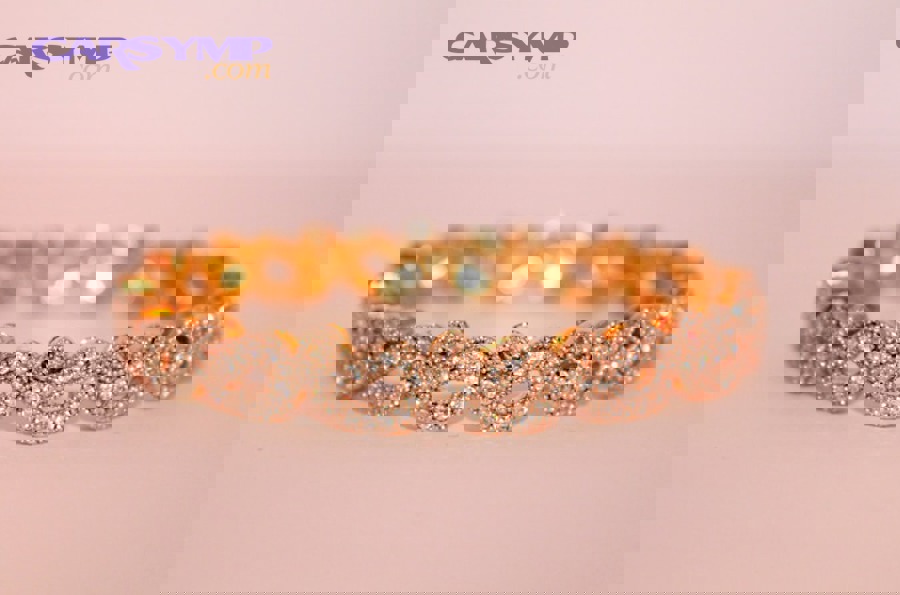
Preventative care proves more effective than rust removal for gold-plated chains. Store in anti-tarnish bags or jewelry boxes, remove before showering or swimming (chlorine and soap accelerate plating wear), and clean regularly with jewelry polishing cloth to maintain the coating. Apply clear nail polish or Renaissance Wax to areas showing plating wear to seal exposed base metal before rust develops.
Some gold-plated chains feature thick “vermeil” plating (2.5+ microns gold over sterling silver) or “gold-filled” construction (5%+ gold content bonded to base metal). These heavier coatings tolerate slightly more aggressive cleaning than standard plating. However, even these improved materials require gentle treatment—citric acid soaking remains the maximum safe intervention for rust removal.
Identifying plating quality helps determine restoration value. Jewelry stamped “14k GP” or “GF” indicates gold-plated or gold-filled respectively. Unmarked chains are typically low-quality plating unsuitable for restoration investment. Sterling silver chains with gold wash (“vermeil”) carry “925” stamps. High-quality plated chains justify professional restoration, while costume pieces work better as learning projects for DIY rust removal techniques.
When rust appears on gold-plated chains, consider this a signal that the plating has failed. Rather than investing heavily in rust removal and re-plating, replacing the chain with solid gold (if budget allows) or higher-quality gold-filled construction prevents recurring issues. A 14k gold chain costs significantly more initially but never requires rust removal and maintains value indefinitely. When comparing Sway bar bushing vs link comparison in automotive maintenance, understanding component quality differences similarly informs replacement versus repair decisions.
According to jewelry industry standards published by the Jewelers of America trade association, electroplated gold coatings under 0.5 microns thickness (typical costume jewelry) wear through within 6-18 months of regular use, making rust formation on base metal virtually inevitable regardless of care quality.