


TPMS issues after tire rotation or replacement are among the most common and misunderstood problems drivers face after routine tire service. In most cases, the warning light or incorrect pressure reading is not a sign of a failing system — it is the system doing exactly what it was designed to do: detect that something has changed. Understanding this distinction is the first step toward resolving the issue quickly and confidently.
The most important thing to know is that your Tire Pressure Monitoring System maps each sensor to a specific wheel position. When tires are rotated, those sensors move to new locations the ECU has not yet recognized. When tires are replaced, entirely new sensor IDs may be introduced that the system has never seen before. Both scenarios can trigger a warning light, incorrect PSI readings on your dashboard, or a full sensor communication failure — all of which look alarming but are almost always fixable.
Fortunately, most TPMS problems after rotation or replacement can be resolved through one of three methods: a manual reset using the TPMS button, a recalibration through your vehicle’s dashboard menu, or a professional OBD-II reprogramming session at a tire shop. The right method depends entirely on your vehicle’s make, model, and the type of TPMS system installed. Some vehicles relearn sensor positions automatically within a few miles of driving, while others require a deliberate reset procedure before the warning light will clear.
Beyond the immediate fix, understanding why these issues happen — and how to prevent them in the future — saves you time, money, and unnecessary anxiety every time you rotate or replace your tires. To better understand the full picture, let’s begin with the foundation: what a TPMS actually is and how it functions under the hood.
What Is a TPMS and How Does It Work?
A TPMS is a vehicle safety system that continuously monitors the air pressure in each tire and alerts the driver when pressure drops below a safe threshold, using either physical sensors or wheel speed data. This system became federally mandated in all new U.S. passenger vehicles from 2008 onward under the TREAD Act, following research linking underinflation to tire blowouts and fatal accidents.
To better understand why TPMS behaves the way it does after a tire rotation or replacement, it helps to know how the system tracks pressure in the first place — and why sensor position matters so much to how the ECU interprets that data.

What Is the Difference Between Direct and Indirect TPMS?
Direct TPMS and Indirect TPMS are two fundamentally different approaches to monitoring tire pressure, and each one responds differently to tire rotations and replacements.
Direct TPMS uses a battery-powered pressure sensor physically mounted inside each wheel, typically attached to the valve stem. Each sensor has a unique ID that it broadcasts via radio frequency (315 MHz or 433 MHz depending on the vehicle) to the vehicle’s ECU. The ECU then associates that ID with a specific wheel position — front left, front right, rear left, rear right — and displays individual PSI readings on the dashboard. When tires are rotated, the sensor IDs move to new positions, and the ECU may not automatically update which ID belongs to which corner.
Indirect TPMS takes a completely different approach. It does not use any physical pressure sensor inside the tire. Instead, it leverages the vehicle’s existing ABS wheel speed sensors to detect differences in rotation speed between tires. A properly inflated tire rolls at a predictable diameter; an underinflated tire has a slightly smaller effective diameter and therefore rotates faster. When one wheel spins faster than the others, the system flags it as potentially underinflated. After a tire rotation, the rotation speed ratios change because tires with different wear levels are now in different positions — which is why Indirect TPMS always requires recalibration after rotation, even though there are no physical sensors to relearn.
The table below summarizes the key differences between the two systems as they relate to post-rotation service needs:
| Feature | Direct TPMS | Indirect TPMS |
|---|---|---|
| Sensor type | Physical pressure sensor in each wheel | ABS wheel speed sensor (no tire sensor) |
| Individual PSI display | Yes | No (warning light only) |
| After rotation: reset needed? | Sometimes (vehicle-dependent) | Always — recalibration required |
| After replacement: reset needed? | Yes — new sensor IDs must be registered | Yes — new baseline calibration required |
| Battery replacement | No — full sensor must be replaced | N/A |
What Does the TPMS Warning Light Mean After Tire Rotation?
The TPMS warning light after tire rotation is a signal from your vehicle’s ECU that it has detected a change in sensor data that falls outside its last-known baseline — it does not automatically mean a tire is dangerously underinflated. Understanding what the light’s behavior actually tells you is critical for diagnosing the problem correctly.
A solid, continuous TPMS warning light typically indicates one of two things: a tire has pressure that is 25% or more below the recommended PSI, or the ECU is displaying a sensor position mismatch after a rotation. This is the most common post-rotation light, and in most cases it clears once the system relearns the new sensor positions and confirms all tires are at correct pressure.
A flashing TPMS warning light — typically blinking for 60–90 seconds before going solid — indicates a system malfunction rather than a simple pressure issue. This can mean a sensor has lost communication with the ECU, a sensor battery is critically low, or a sensor was damaged during the tire mounting process. A flashing light that does not resolve after a reset procedure is a strong signal to use a TPMS scan tool or visit a professional.
According to data from the National Highway Traffic Safety Administration (NHTSA), underinflated tires are a factor in approximately 11,000 tire-related crashes annually in the United States — which is precisely why understanding what your TPMS warning light is telling you, rather than ignoring it, directly affects road safety.
Why Does TPMS Have Issues After Tire Rotation or Replacement?
TPMS has issues after tire rotation or replacement for three primary reasons: sensor position mismatch, unregistered sensor IDs, and pressure differentials between wheel positions — all of which cause the ECU to flag an inconsistency in its last-known tire data. Seasonal temperature changes and TPMS alerts are also a contributing factor, as cold weather can drop tire pressure by 1–2 PSI per 10°F decrease in temperature, compounding the ECU’s confusion immediately following a rotation.
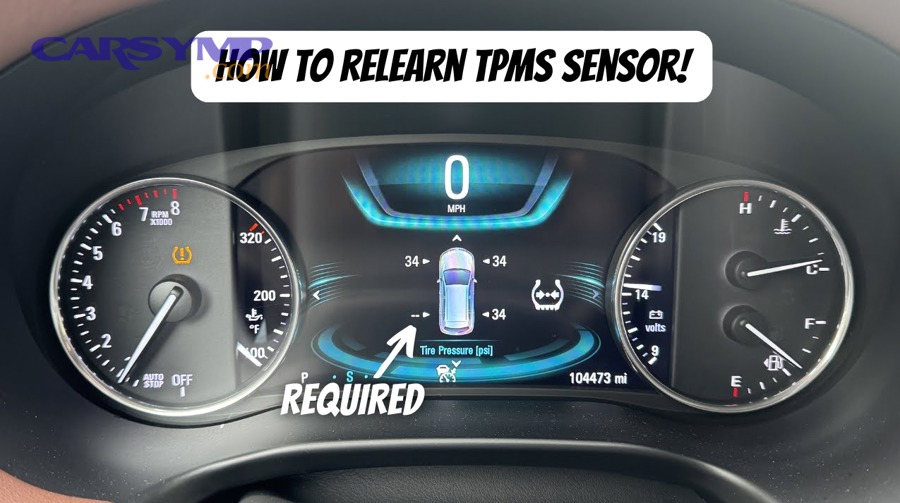
These causes are distinct depending on whether the service performed was a rotation (same tires, new positions) or a replacement (new tires, new sensors). Understanding which scenario applies to you directly determines which fix you need.
Does TPMS Always Need to Be Reset After Tire Rotation?
No, TPMS does not always need to be manually reset after tire rotation — whether a reset is required depends on your vehicle’s make, model, and the type of TPMS system installed, with many modern vehicles capable of auto-relearning sensor positions within a short drive.
Specifically, many vehicles from Ford, Nissan, and certain GM platforms are designed with auto-location technology, where the ECU uses signal strength triangulation or wheel speed correlation to automatically identify which sensor ID is now in which corner after rotation. Drivers who rotate tires on these vehicles often report that the system updates itself silently within one to three miles of driving, with no warning light ever appearing.
However, this automatic capability is not universal. Many Honda, Toyota, and older GM vehicles require either a manual button reset, a dashboard menu recalibration, or a deflation-based relearn procedure before the system updates correctly. Vehicles with Indirect TPMS always require a manual recalibration step, because the system needs to relearn the new baseline wheel speed ratios after the position change.
The safest practice for any vehicle is to verify in the owner’s manual whether a TPMS relearn is recommended after rotation — and to confirm all tires are inflated to the manufacturer’s specified PSI before beginning any reset procedure.
Why Is My TPMS Light Still On After Rotating Tires?
The TPMS light stays on after rotating tires because the ECU continues to associate sensor IDs with their previous wheel positions, causing it to either flag incorrect pressure readings or fail to confirm that all sensors are communicating from expected locations. This is the single most common cause of a persistent post-rotation TPMS warning.
There is a secondary cause worth noting for vehicles with different front and rear tire pressure specifications. On the Honda CR-V, for example, the factory specification calls for approximately 3 PSI more in the rear tires than the front. After rotation, the tires that were inflated to rear-spec pressure are now sitting at the front axle, and vice versa. Even if all four tires were at correct pressure before rotation, the system may interpret this differential as a fault once it attempts to match sensors to their new positions. Correcting the pressure to match the new wheel position specs — and then recalibrating — resolves this specific issue.
A third, less obvious cause is physical sensor damage during tire demounting or mounting. If the tire technician used an improper bead breaker angle or excessive force, the valve-stem-mounted sensor can crack or deform, disrupting its ability to transmit a consistent signal. A damaged sensor will cause a persistent flashing TPMS light that does not respond to any reset procedure.
What TPMS Problems Can Occur After a Tire Replacement?
There are four main TPMS problems that can occur after a tire replacement: unregistered sensor IDs, physically damaged sensors from mounting, incompatible aftermarket sensor frequencies, and sensors that were never programmed to the vehicle’s ECU.
- Unregistered sensor IDs: When new tires are installed with new sensors, each sensor has a factory-assigned ID that the vehicle’s ECU has never seen. Until those IDs are programmed into the ECU — either automatically through a drive cycle or manually via an OBD-II tool — the system will not recognize them and will keep the warning light active.
- Sensor damage during mounting: Bead seating and tire mounting equipment can physically strike or bend TPMS sensors if the technician does not account for their position on the wheel. Michelin and other premium tire brands are known for stiff sidewalls that require more force to seat, increasing this risk.
- Frequency mismatch: North American vehicles predominantly use 315 MHz sensors, while many European vehicles use 433 MHz. Aftermarket sensors purchased without verifying vehicle compatibility may transmit on the wrong frequency entirely, rendering them invisible to the ECU.
- Unprogrammed sensors: Some budget aftermarket sensors are sold as “universal” but require programming to the specific vehicle before installation. Installing them without programming results in a permanent TPMS fault code.
How Do You Fix TPMS Issues After Tire Rotation or Replacement?
Fixing TPMS issues after tire rotation or replacement involves three main methods — manual button reset, dashboard menu recalibration, and professional OBD-II tool programming — with the correct method depending on the vehicle type, TPMS system design, and whether new sensors were installed. Following the right method in the right order ensures the system completes its relearn cycle fully and the warning light clears permanently.
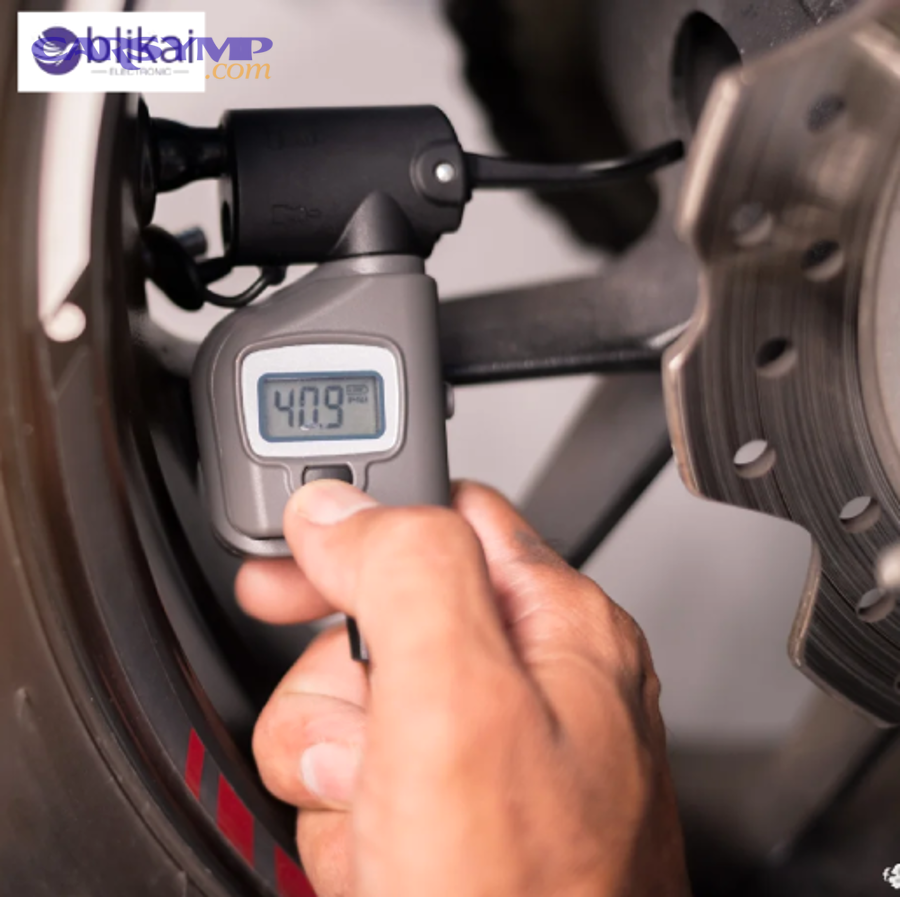
Below, each method is covered in full detail, followed by a vehicle-specific reference guide for the most common makes.
How Do You Reset TPMS Manually After Tire Rotation?
Manually resetting TPMS after tire rotation takes 5 steps and results in a cleared warning light and recalibrated sensor position mapping within 10–15 minutes of driving.
Specifically, follow this procedure:
- Inflate all four tires to the exact PSI specified on the driver’s door jamb sticker — not the number printed on the tire sidewall, which is the maximum pressure, not the recommended operating pressure.
- Turn the ignition to the “On” position without starting the engine. Many modern vehicles allow this by pressing the start button once without pressing the brake pedal.
- Locate the TPMS reset button. On most vehicles it is found under the steering column, inside the glove box, or on the lower dashboard panel. It is typically labeled “TPMS” or marked with the tire pressure icon.
- Press and hold the reset button until the TPMS warning light blinks three times, then release it. The three blinks confirm the system has acknowledged the reset command.
- Start the vehicle and drive at a minimum of 30 mph for 10–15 minutes. This driving period allows the sensors to transmit pressure data from their new positions and complete the relearn cycle. The warning light should extinguish within this window.
If the light remains on after completing this procedure, move to the dashboard menu recalibration method or consult a tire pressure monitoring system service professional with OBD-II diagnostic capability.
How Do You Recalibrate TPMS Through the Vehicle’s Dashboard Menu?
Recalibrating TPMS through the dashboard menu is a software-based reset available on many modern vehicles — particularly Honda, Toyota, and Nissan models — and does not require pressing any physical button. Instead, the driver initiates a recalibration command through the vehicle’s infotainment or settings menu, and the system relearns over the next 20–30 miles of normal driving.
The general procedure follows these steps:
- Inflate all tires to the manufacturer-recommended PSI
- Navigate to Vehicle Settings → TPMS or Tire Pressure → Initialize / Calibrate on the dashboard display
- Select “Calibrate” or “Set” and confirm
- Drive normally for 20–30 miles — the system monitors wheel behavior and establishes new baseline readings
On Honda models specifically, this menu option is often labeled “TPMS Calibration” under the vehicle information screen, and the system recalibrates passively over the next drive cycle without any further input required. On Toyota RAV4 models, the relevant function is labeled “Set Pressures” in the TPMS menu, which is distinct from the “Change Wheel” option used only when installing new sensors with different IDs.
When Do You Need a Professional TPMS Scan Tool to Fix Sensor Issues?
Yes, a professional TPMS scan tool is required in specific situations — when new sensors with unregistered IDs are installed, when a sensor was damaged during mounting, or when both the manual button reset and dashboard recalibration methods fail to clear the warning light.
A scan tool communicates directly with the vehicle’s ECU via the OBD-II port, allowing a technician to read each sensor’s current ID, register new sensor IDs into the ECU’s memory, check individual sensor battery status, and clear stored fault codes. The Autel TS508 is one of the most widely recommended professional-grade tools for this purpose, capable of reading, programming, and activating sensors across virtually all domestic and import vehicle platforms. For Ford vehicles specifically, the Ford TPMS19 Relearn Tool provides a cost-effective DIY option available for under $10.
The typical cost for professional TPMS sensor programming at a tire shop in the United States ranges from $40–$80 per sensor, with full-vehicle reprogramming (all four sensors) commonly quoted between $60–$120 depending on the shop and vehicle type.
How Do You Reset TPMS After Tire Rotation on Common Vehicle Makes?
There are five vehicle-specific TPMS reset procedures for the most commonly searched makes and models, each requiring a different approach based on the manufacturer’s system design.
The following table provides a quick-reference summary before the detailed breakdown:
| Vehicle Make/Model | TPMS Type | Reset Method | Auto-Relearn? |
|---|---|---|---|
| Ford F-150 / Ranger | Direct | Air-deflation relearn or TPMS19 tool | Partial (4-tire only) |
| Honda CR-V / Odyssey | Indirect (newer) / Direct (older) | Dashboard Calibrate button | Yes, over ~30 miles |
| Toyota RAV4 | Direct | “Set Pressures” in TPMS menu | Yes, after menu reset |
| GM / Chevrolet Silverado | Direct | Relearn tool or auto-relearn | Yes (some models) |
| Nissan Titan | Direct | Self-locating, short drive | Yes, 1–2 drives |
- Ford F-150 / Ranger: Standard 4-tire rotations typically self-relearn within a few miles. A 5-tire rotation including the spare requires a manual relearn because the system cannot auto-locate five positions. The deflation procedure (releasing a small amount of air from each tire in sequence while in relearn mode) or the TPMS19 tool are both reliable options. The TPMS19 tool costs under $10 and is reusable.
- Honda CR-V / Odyssey / Ridgeline: Newer models use Indirect TPMS and require the dashboard “Calibrate” function after every rotation. Older models (2006–2008 Ridgeline, for example) used Direct TPMS and typically do not require reprogramming on rotation — only on sensor replacement.
- Toyota RAV4: After rotation, use the “Set Pressures” function in the TPMS menu to reset the system to the new tire positions. The separate “Change Wheel” mode is specifically for installing new sensor IDs and should not be confused with the standard post-rotation reset.
- GM / Chevrolet Silverado: Many 2022+ models include auto-relearn capability and will not trigger a warning after a standard rotation. Older models and trucks with aftermarket sensors typically require a dedicated relearn tool, as the ECU does not self-locate new sensor positions.
- Nissan Titan: The system is designed to self-locate sensors within one or two short drives after rotation. Owners who install a second complete set of wheels with new TPMS sensors may need OBD-II registration for the new IDs, but standard same-sensor rotations are handled automatically.
How Do You Prevent TPMS Problems During Future Tire Rotations or Replacements?
Preventing TPMS problems during future tire rotations or replacements involves five proactive steps that together eliminate the most common causes of post-service warning lights and sensor errors. Taking a few minutes before and after each tire service appointment dramatically reduces the chance of encountering TPMS issues on the road.
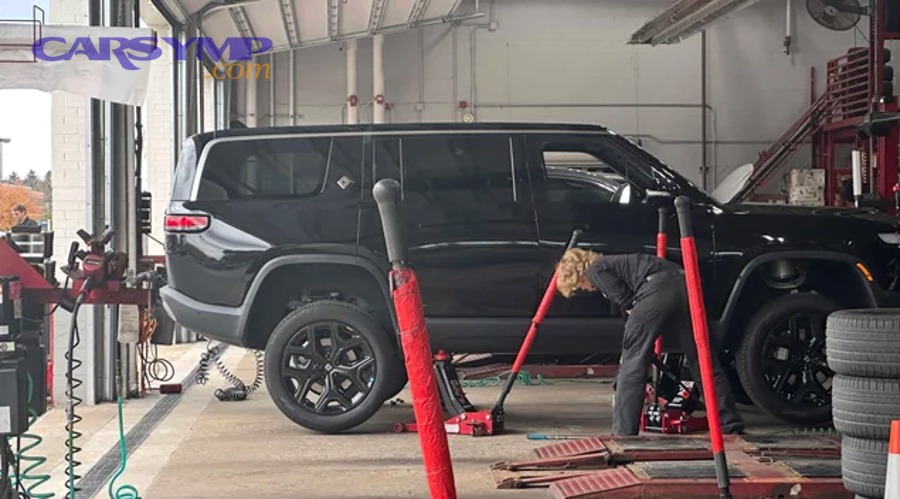
1. Equalize tire pressure before and after every rotation.
Always inflate all four tires to the exact PSI specified on the door jamb sticker before bringing the vehicle in for rotation. After the service is complete, verify that the shop also set pressures correctly for each new position — particularly on vehicles with different front and rear pressure specifications.
2. Inform the tire shop to perform a TPMS relearn.
Not all tire technicians automatically perform a TPMS relearn after a rotation. Explicitly requesting this step — and confirming it was completed before you leave — prevents warning lights from appearing on your first drive after service.
3. Use TPMS-safe mounting tools.
Ask your shop to confirm they use TPMS-compatible bead breakers and mounting equipment. Stiff-sidewall tires such as run-flats and certain premium touring tires require more force to seat, increasing the risk of sensor contact damage. A reputable shop will acknowledge this and adjust accordingly.
4. Keep a record of sensor IDs for each wheel set.
For drivers who maintain two sets of wheels — such as a dedicated winter tire set — recording the sensor ID for each wheel (obtainable with a scan tool) allows a shop to reprogram the ECU quickly at each seasonal changeover without the guesswork. This practice also helps identify a failed or low-battery sensor before it causes a mid-drive warning.
5. Track TPMS sensor battery life expectations.
TPMS sensor battery life expectations typically range from 5 to 10 years or 100,000 miles, after which the internal battery begins to degrade and may cause intermittent signal loss. If your vehicle is approaching this age range and you are experiencing post-rotation TPMS warnings that do not respond to resets, battery degradation may be the root cause rather than the rotation itself. A scan tool can check battery status per sensor and confirm whether replacement is warranted.
Are There Special TPMS Situations That Require a Different Approach?
Yes, there are special TPMS situations — including sensor cloning for seasonal swaps, 5-tire rotation edge cases, aging sensor batteries, and aftermarket wheel compatibility — that require approaches beyond the standard reset procedures covered above. These scenarios are less common but are exactly the situations where drivers waste the most time and money applying the wrong fix.
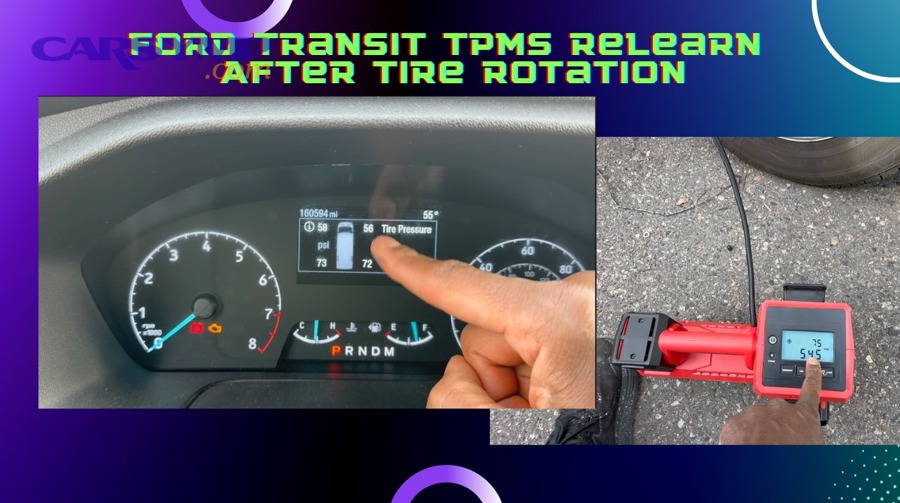
Can You Clone TPMS Sensors to Avoid Reprogramming During Seasonal Tire Swaps?
Yes, TPMS sensors can be cloned to eliminate the need for ECU reprogramming each time you swap between summer and winter tire sets — a specialized technique that significantly streamlines seasonal tire changes.
Sensor cloning works by programming a second set of sensors to broadcast the exact same unique IDs as your original OEM sensors. Because the ECU receives the same IDs it has always known, it treats the new sensor set as identical to the originals and requires no relearning or reprogramming. From the vehicle’s perspective, nothing has changed.
To clone sensors, you need a programmable TPMS tool such as the Autel TS508 and a set of compatible programmable aftermarket sensors. The process involves reading the ID from each original sensor, then writing that ID onto the corresponding new sensor for the second wheel set. Once cloned, both sets operate interchangeably with no additional service required at each seasonal swap.
The limitation of this approach is that both sensor sets must use aftermarket programmable sensors — OEM sensors from the manufacturer cannot be reprogrammed, only read. Additionally, the cloned sensors must be frequency-compatible with the vehicle (315 MHz or 433 MHz), and the Autel tool or equivalent must support the specific sensor brand you purchase.
What Happens to TPMS in a 5-Tire Rotation That Includes the Spare?
A 5-tire rotation that includes the spare creates a specific TPMS challenge because most factory spare tires do not include a TPMS sensor, leaving the ECU with only four registered IDs to account for five wheel positions.
When the spare — without a sensor — is placed into one of the four active wheel positions, the ECU detects a missing signal from that corner and triggers a TPMS fault. This is not a malfunction; it is the system correctly identifying that one position is not transmitting pressure data. The warning will not clear through a standard relearn procedure because there is simply no sensor present to register.
The practical solution for drivers who perform 5-tire rotations is to either accept a persistent TPMS light during the rotation cycle when the spare is in service, purchase and install a TPMS sensor compatible with the spare rim, or use a dedicated TPMS reset tool to manually manage the 5-sensor configuration for vehicles whose ECUs support it. On newer Ford F-150 models with per-wheel antennas, the system can handle a 5-sensor setup when a sensor-equipped spare is used.
How Does a Low or Dead TPMS Sensor Battery Mimic Post-Rotation Errors?
A low or dead TPMS sensor battery causes intermittent signal loss that closely mimics the symptoms of a post-rotation sensor position error — making it one of the most frequently misdiagnosed TPMS problems drivers encounter.
TPMS sensor battery life expectations are typically 5–10 years, but real-world factors such as extreme temperature cycling, high-frequency transmission in vehicles that update pressure data every few seconds, and the sensor’s transmit interval setting can shorten this significantly. As the battery voltage drops below the sensor’s minimum operating threshold, the sensor begins transmitting inconsistently — sometimes working correctly, sometimes going silent for minutes at a time.
The diagnostic challenge is that this intermittent behavior looks identical to a sensor that has simply not yet completed its post-rotation relearn cycle. A driver who rotates tires and then experiences a flashing TPMS light may spend considerable time performing resets and recalibrations when the actual problem is a battery that needs replacement.
The key distinction: a relearn failure typically resolves after 10–20 miles of driving; a battery-related failure does not resolve regardless of how many resets are attempted. Using a TPMS scan tool to read the battery status of each individual sensor — a function available on tools like the Autel TS508 — immediately identifies whether a low battery is present, saving significant time and preventing unnecessary tire dismounts.
Does Switching to Aftermarket Wheels or Run-Flat Tires Affect TPMS Compatibility?
Yes, switching to aftermarket wheels or run-flat tires can directly affect TPMS compatibility in three specific ways: sensor mounting fitment, radio frequency mismatch, and physical sensor damage risk during installation.
Aftermarket wheel fitment: Many aftermarket wheels have valve stem holes drilled to a different diameter or angle than OEM specifications, making it impossible to properly seat or torque an OEM TPMS sensor without an adapter. Using an improperly seated sensor creates an air leak at the valve stem and may eventually cause the sensor to loosen and lose signal entirely.
Frequency mismatch: As noted earlier, 315 MHz and 433 MHz sensors are not interchangeable. Aftermarket wheels sold for vehicles in multiple global markets sometimes come with sensors pre-installed at the wrong frequency for the North American buyer’s vehicle. Always verify the sensor frequency required by your specific vehicle before purchasing aftermarket wheels with pre-installed sensors.
Run-flat installation risk: Run-flat tires have reinforced sidewalls that are significantly stiffer than standard tires. Mounting them requires more aggressive bead-seating pressure, which increases the risk that a mounting machine arm contacts the TPMS sensor. Shops with experience handling run-flat tires will use specialized equipment and position the sensor away from the mounting head — but not all shops are equally equipped or experienced. Confirming that your shop regularly services run-flat tires before booking an appointment is a worthwhile step that can prevent a costly sensor replacement.
TPMS issues after tire rotation or replacement are almost always diagnosable and fixable when you understand the underlying cause. Whether the problem is a sensor position mismatch, an unregistered sensor ID, a damaged sensor from mounting, or a battery nearing the end of its TPMS sensor battery life expectations, there is a clear solution for each scenario. Starting with the correct tire pressure, choosing the right reset method for your vehicle, and communicating clearly with your tire shop at every service visit are the three habits that keep your tire pressure monitoring system service needs minimal and your warning lights off where they belong — until a tire actually needs attention.