Choose Tire & Wheel Service for Drivers: Repair vs Replacement
Tire & wheel service is the quickest way to restore safe grip, predictable steering, and stable braking when your car feels “off” on the road. If you want one practical answer, it’s this: combine inspection + the right fix (not the most expensive fix) and you reduce risk while protecting tire life.
Many drivers search because they need tire repair after a puncture, or because a shop recommended something and they want clarity before paying. This guide breaks down how to decide, what to ask, and what quality work looks like.
Others search because they suspect a wheel service issue—vibration at speed, pulling, or a steering wheel that no longer feels centered. We’ll connect symptoms to likely causes and show how a professional diagnosis should proceed.
Giới thiệu ý mới: we’ll also cover what to do first at home, what must be handled by a shop for safety, and how to prevent repeat problems with a simple maintenance rhythm.
What does tire & wheel service include, and why does it matter?
Tire & wheel service is a set of inspections and corrective steps that keep your tires gripping evenly and your wheels rolling true, so your vehicle can brake, steer, and carry load safely. After that baseline definition, the key is understanding the “system”: tires, wheels, valves, suspension angles, and fasteners all work together.
To begin, think of service in three layers: Safety checks (pressure, tread, damage), ride quality (smooth rolling, no shake), and control (straight tracking, consistent steering).
The service usually includes visual inspection of tread/sidewall, checking inflation, torque verification on lug nuts, and a quick road-feel assessment. Depending on symptoms, it may also include correcting a vibration source, confirming wheel runout, and verifying steering geometry is within spec.
Theo nghiên cứu của National Transportation Safety Board từ Office of Highway Safety, vào Tháng 10/2015, báo cáo Special Investigation Report (SIR1502) cho biết mỗi năm có khoảng 33,000 vụ tai nạn liên quan đến lốp xe du lịch và khoảng 19,000 ca chấn thương, phần lớn có thể phòng tránh bằng bảo dưỡng đúng cách.
Which problems are “tire” problems vs “wheel” problems?
Most of the time, a tire problem changes grip and noise, while a wheel problem changes smoothness and straightness—but they often overlap. Next, you should separate symptoms (what you feel) from root causes (what’s actually wrong).
- Grip/traction issues: worn tread, incorrect pressure, internal tire damage, mixed tire types.
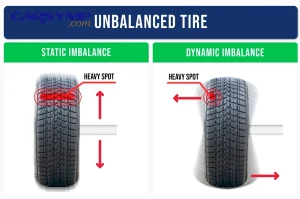
- Shake/vibration: imbalance, bent wheel, uneven wear patterns, tire uniformity issues.
- Pulling/drifting: pressure mismatch, uneven wear, alignment angles out of spec, brake drag.
What a “good” inspection looks like in a shop
A good inspection is documented and repeatable: measured tire pressures (not guessed), tread depth readings across inner/center/outer, and a clear recommendation tied to a measurable finding. After that, the shop should explain what they found, what they’ll do, and how you’ll know it worked.
Do you need tire repair or replacement for a puncture or damage?
Yes—you can often choose tire repair instead of replacement when the damage is a simple tread-area puncture, the tire structure is intact, and the repair meets safety standards; otherwise replacement is the safer call. After that decision, the goal is to avoid “temporary fixes” that fail under heat, speed, or load.
Next, use a simple rule: repair is about sealing a small hole; replacement is about restoring structural integrity. A nail through the tread can be repairable; a cut in the sidewall usually is not.
Theo nghiên cứu của National Transportation Safety Board từ Office of Highway Safety, vào Tháng 6/2016 (Safety Alert SA-050, revised), NTSB nhấn mạnh việc bảo dưỡng lốp cơ bản—kiểm tra hư hỏng và bảo đảm sửa chữa đúng cách—là yếu tố then chốt để giảm tai nạn liên quan đến lốp và phần lớn là phòng tránh được.

When tire repair is appropriate
Tire repair is typically appropriate when the puncture is in the tread area, small, clean, and the tire hasn’t been driven flat for long. After that, the technician should inspect inside the tire for liner damage and confirm there’s no hidden sidewall stress.
- Best-case scenario: a single puncture in the central tread, no secondary damage.
- Repair method matters: a professional internal patch/plug combination is generally stronger than an external-only plug for long-term use.
- Time matters: driving at low pressure can overheat the tire and weaken internal plies.
When replacement is the safer choice
Replacement is usually safer when damage is on the sidewall/shoulder, when there are multiple punctures close together, when cords are exposed, or when there is a bulge (possible internal separation). Next, if you see a blister-like bubble, treat it as a structural warning—not a “wait and see” item.
How to avoid paying twice
Avoid low-quality “quick fixes” that leak again: insist on a documented repair and confirm the shop checks for air loss after the repair. After that, ask for the old repair area to be shown to you (a photo is fine) so you know the diagnosis was real.
How can wheel service diagnose vibration, shaking, or a steering wheel wobble?
Wheel service can diagnose vibration by identifying whether the shake is speed-related, load-related, or brake-related, then correcting the most likely source in a logical order. After that, the simplest fix is often a balance correction, but the best shops confirm the cause before adding weights.
Next, think in “vibration bands”: 45–75 mph shake often points to imbalance or wheel/tire runout; shaking mostly during braking suggests rotor issues; a shake that changes with turning may involve suspension joints.
Theo nghiên cứu của National Transportation Safety Administration từ National Center for Statistics and Analysis (Evaluation Division), vào Tháng 11/2012, báo cáo về hiệu quả hệ thống cảnh báo áp suất lốp ghi nhận nhiều trường hợp lốp dưới áp trong thực tế không được phát hiện sớm như kỳ vọng, cho thấy vì sao chẩn đoán phải dựa trên đo đạc (áp suất, độ đảo, độ mòn) thay vì cảm giác chủ quan.

A practical step-by-step diagnostic flow
- Confirm the symptom: what speed, what road, what load, and whether braking changes it.
- Check pressure and obvious damage: uneven pressure alone can create vibration and drift.
- Balance check: verify weights, wheel mounting, and balance readings.
- Inspect runout: bent wheel or tire uniformity issues can mimic imbalance.
- Road test confirmation: prove the fix, don’t just “hope it’s better.”
Common causes drivers miss
Drivers often miss the basics: a slow leak that shifts pressure over days, mud/ice packed in a wheel, or a wheel that wasn’t torqued evenly. Next, if your vibration starts right after service, ask the shop to re-check mounting surfaces and torque pattern before selling extra work.
What causes uneven wear, and how do you fix it before it ruins tires?
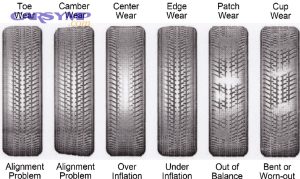
Uneven wear is usually caused by a mismatch between how the tire contacts the road and how it’s being loaded—often from pressure issues, worn components, or geometry drift—and the fix is to correct the cause, not just replace the tire. After that, you want to “read” wear patterns like a report card.
Next, use this quick mapping: center wear often suggests overinflation, shoulder wear often suggests underinflation or aggressive cornering, and feathering or diagonal wear often points to geometry or component play.
Theo nghiên cứu của National Transportation Safety Board từ Office of Highway Safety, vào Tháng 10/2015, SIR1502 kết luận nhiều tai nạn liên quan đến lốp có thể phòng tránh và nhấn mạnh hành vi bảo dưỡng của người dùng thay đổi rất ít theo thời gian, vì vậy phát hiện sớm mòn lệch là một “đòn bẩy” hiệu quả để giảm rủi ro.
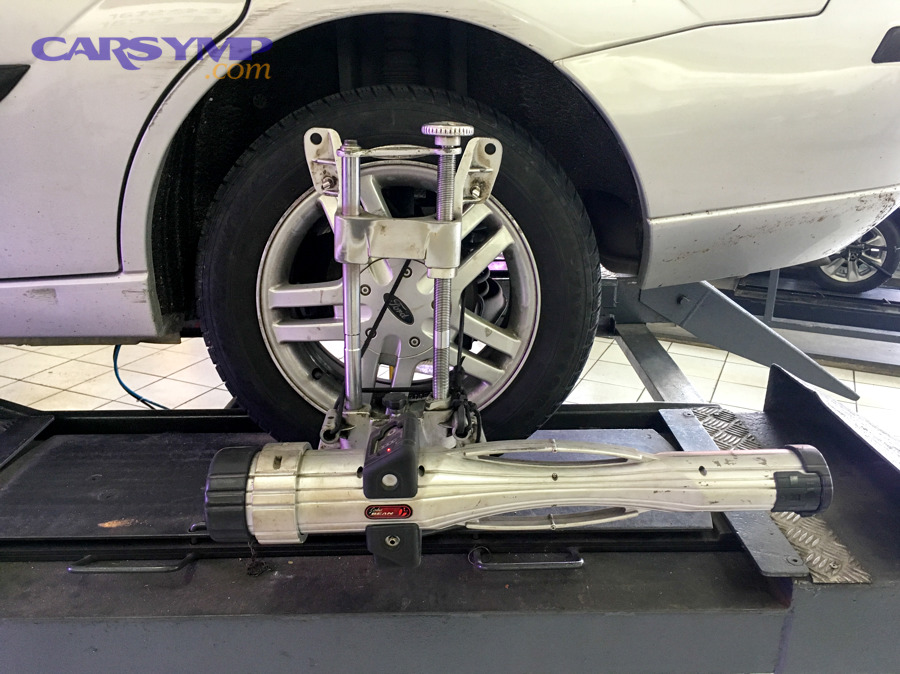
Wear patterns you can recognize in 60 seconds
- Inner-edge wear: often linked to geometry drift or worn joints; confirm with measurements.
- Outer-edge wear: can be driving style, pressure, or geometry; check both pressure and suspension.
- Cupping/scalloping: can be damping issues, imbalance, or loose components; needs inspection.
- Feathering: often indicates toe settings or steering/suspension play.
The “fix” is a package, not a single action
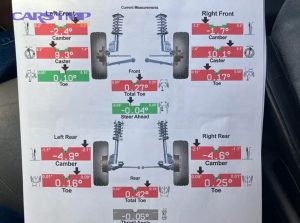
Fixing uneven wear usually means combining correct inflation, restoring tight components, and confirming geometry. Next, ask the shop to show you a before/after measurement printout when geometry corrections are involved; that transparency is a quality signal.
How often should you rotate tires as part of wheel service?
You should rotate tires on a consistent schedule that matches your vehicle and tire type, because rotation distributes wear and helps your tires last longer while keeping grip more even. After that, the key is choosing the correct rotation pattern for your drivetrain and tire design.
Next, consider rotation as “wear insurance”: it doesn’t fix underlying issues, but it reveals them early. If one corner keeps wearing faster after rotation, that’s a diagnostic clue.
Theo nghiên cứu của National Transportation Safety Board từ Office of Highway Safety, vào Tháng 6/2016 (Safety Alert revised), NTSB khuyến nghị người dùng tuân theo hướng dẫn của nhà sản xuất, bao gồm kiểm tra định kỳ và các thực hành bảo dưỡng cơ bản để giảm nguy cơ sự cố lốp có thể phòng tránh được.

Which rotation pattern is right for your car?
The right pattern depends on whether your tires are directional, staggered, or symmetric. Next, if your tires are directional (arrow on sidewall), rotation options are limited and you should avoid patterns that reverse direction.
- Front-wheel drive: front tires often wear faster; rotation balances that load.
- Rear-wheel drive: rear tires can wear faster under torque; rotation evens it out.
- All-wheel drive: consistent wear matters more because mismatched diameters can stress the system.
When rotation is not enough
If you rotate and the same tire still develops rapid wear, there’s likely a root cause (pressure, component wear, or geometry). After that, treat rotation as a “test” that helps confirm whether the underlying system is healthy.
How do you check tread depth and tire pressure safely at home?
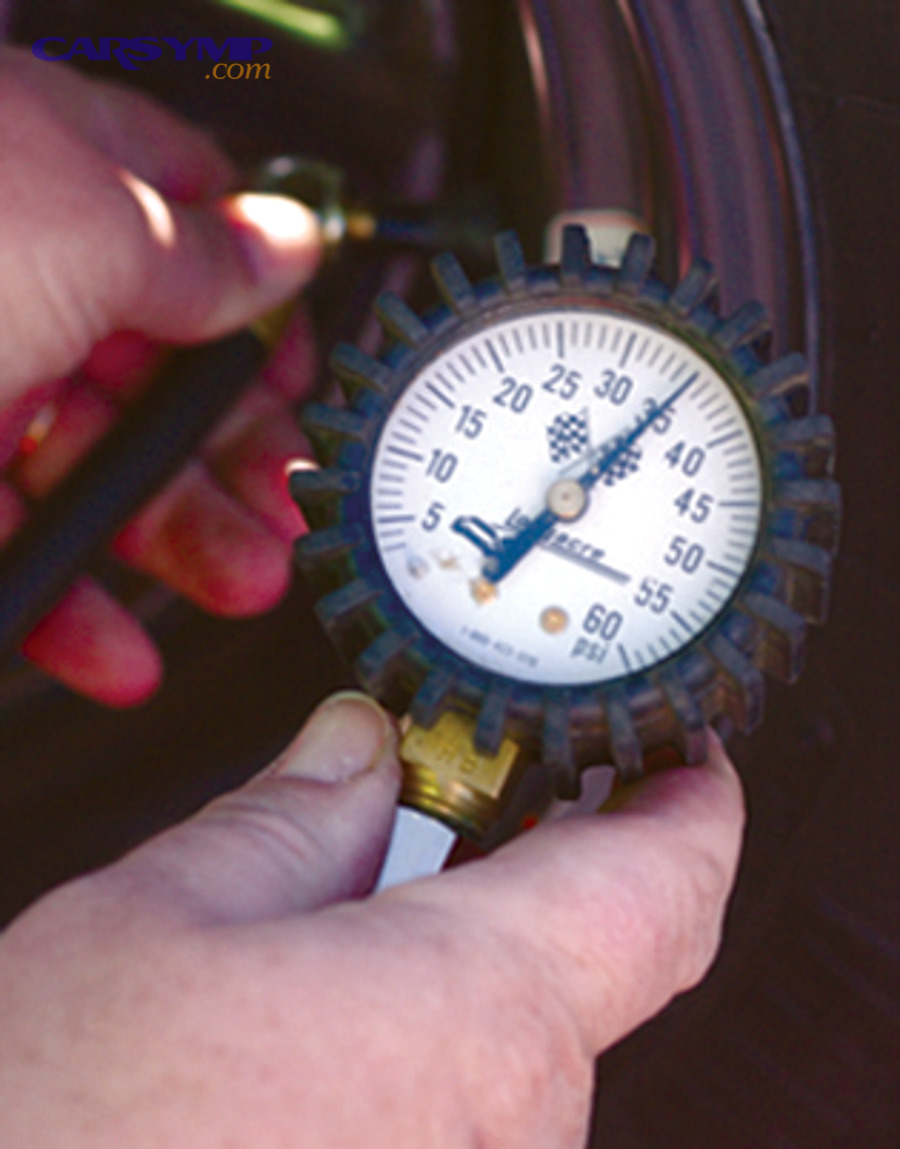
You can check tread depth and tire pressure at home with basic tools, and doing so monthly is one of the simplest ways to prevent tire failures and premature wear. After that, the most important detail is consistency: same conditions, same tool, and recorded readings.
Next, don’t guess pressure by looking at the tire. Use a gauge, and compare your readings to the vehicle placard (usually in the driver door jamb), not the tire sidewall maximum.
Theo nghiên cứu của Tire Rack từ Test & Research Team, vào Tháng 7/2007, bài thử nghiệm về độ sâu gai lốp trên mặt đường ướt cho thấy khoảng cách phanh từ tốc độ cao tăng mạnh khi gai lốp gần mức tối thiểu hợp pháp, nhấn mạnh vì sao đo độ sâu gai là bước an toàn cốt lõi.

A simple 5-minute routine
- Pressure: measure when tires are “cold” (before driving far).
- Tread depth: measure inner/center/outer on each tire and note differences.
- Visual scan: look for cracks, bulges, nails, or uneven wear.
- Valve caps: ensure caps are present; missing caps can invite dirt and slow leaks.
- Record it: a quick note helps spot trends before they become costly.
What “too worn” means in real-world braking
Stopping distance changes can be dramatic on wet pavement when tread is low. Next, remember that legality is not the same as safety margin in rain.
Theo nghiên cứu của American Automobile Association từ AAA Foundation/Research Communications, vào Tháng 6/2018, AAA công bố nghiên cứu cho thấy lốp mòn đáng kể trong điều kiện ướt có thể làm tăng quãng đường phanh trung bình khoảng 43% (tăng thêm khoảng 87 feet) so với lốp mới.
How do you choose a tire & wheel service shop without getting upsold?
You choose a trustworthy shop by looking for measurable diagnostics, clear options, and a recommendation that matches your symptom and your tire’s condition—not a generic “replace everything” pitch. After that, the best defense against upselling is asking the right questions.
Next, focus on evidence: pressure readings, tread depth numbers, and a quick explanation of why a recommended service solves your problem.
Theo nghiên cứu của National Transportation Safety Board từ Office of Highway Safety, vào Tháng 10/2015, SIR1502 ghi nhận nỗ lực giáo dục người tiêu dùng về bảo dưỡng lốp chưa tạo ra thay đổi hành vi đáng kể, cho thấy bạn cần dựa vào quy trình đo đạc và minh bạch của cửa hàng hơn là lời trấn an chung chung.

Questions that reveal quality fast
- “What did you measure?” Ask for tire pressures, tread depth readings, and any printouts.
- “What’s the root cause?” The shop should name the cause, not just the service.
- “What’s the minimal safe fix vs the ideal fix?” Good shops offer options.
- “How will we verify the result?” Road test or re-check is part of quality.
A table to match symptoms to the right service
This table helps you translate what you feel into the most likely service category, so you can ask smarter questions at the counter.
| Symptom | Most likely category | What to ask for |
|---|---|---|
| Shake at 55–75 mph | Wheel-related smoothness issue | Balance check, runout inspection, verify mounting |
| Car pulls left/right | Contact patch mismatch | Pressure comparison, tire condition, geometry check |
| Rapid wear on one edge | Wear pattern/root cause | Measure tread across tire, inspect components, confirm angles |
| Repeated low-pressure warnings | Leak or valve-related issue | Leak test, valve inspection, confirm correct spec pressure |
| Noise that changes with road surface | Tread pattern or wear | Tread inspection, rotation check, confirm wear symmetry |
Can you DIY vs professional tire & wheel service—and what should never be DIY?
Yes—you can DIY basic checks and some maintenance, but professional service is strongly recommended when safety-critical steps require specialized equipment, precise measurements, or internal tire inspection. After that, the best strategy is a hybrid: DIY monitoring, professional correction.
Next, think of DIY as “detect early,” and professional service as “correct accurately.” Doing the first well saves money; doing the second poorly can cost tires, wheels, and safety.
Theo nghiên cứu của National Transportation Safety Administration từ National Center for Statistics and Analysis, vào Tháng 11/2012, báo cáo về hệ thống cảnh báo áp suất lốp ghi nhận nhiều tình huống người lái vẫn vận hành với lốp dưới áp trong thời gian đáng kể, cho thấy kiểm tra thủ công bằng đồng hồ đo tại nhà vẫn có vai trò quan trọng song song với công nghệ.
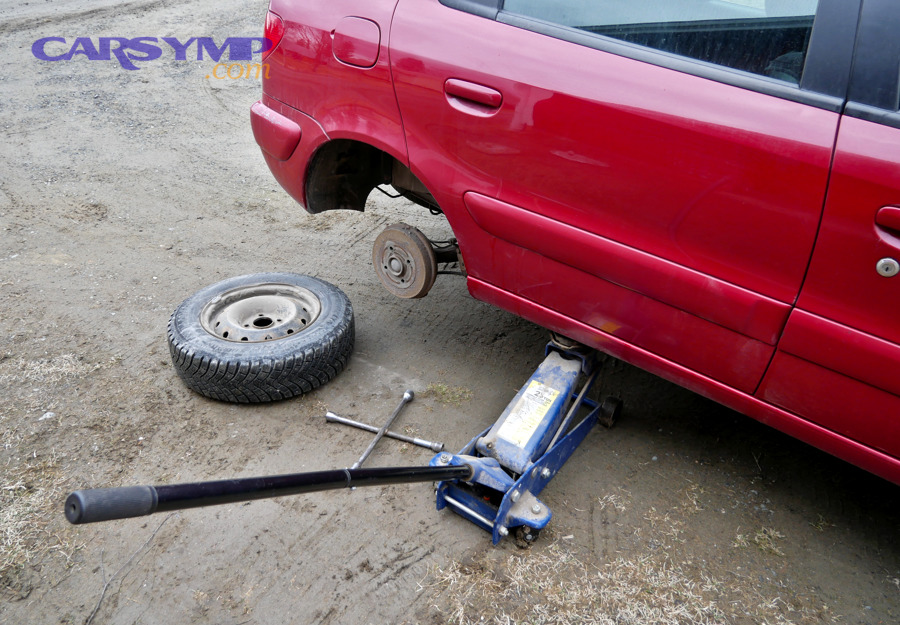
Safe DIY tasks
- Monthly pressure checks and topping up to placard spec.
- Tread depth readings and quick wear-pattern scans.
- Visual checks for nails, cracks, bulges, and missing valve caps.
Tasks best left to professionals
- Internal tire inspection after driving on a flat (hidden damage risk).
- Precision corrections that require calibrated equipment and measurements.
- Any repair near structural areas where safety is compromised.
A short video to understand rotation and safe lifting basics
How do you maintain long-term performance with a simple service schedule?
You maintain long-term performance by pairing consistent at-home checks with periodic professional evaluation, so small issues are corrected before they become wear, noise, or safety failures. After that, the goal is predictability: fewer surprises and better tire value per mile.
Next, adopt a rhythm: monthly checks for pressure and damage, and periodic shop visits when symptoms appear or when you see uneven wear patterns.
Theo nghiên cứu của National Transportation Safety Board từ Office of Highway Safety, vào Tháng 10/2015, SIR1502 ghi nhận các hành động phòng ngừa sự cố lốp là “đã biết và khả thi,” nhưng vẫn thường bị trì hoãn; điều đó khiến lịch bảo dưỡng đơn giản trở thành lợi thế an toàn thực tế cho người lái.
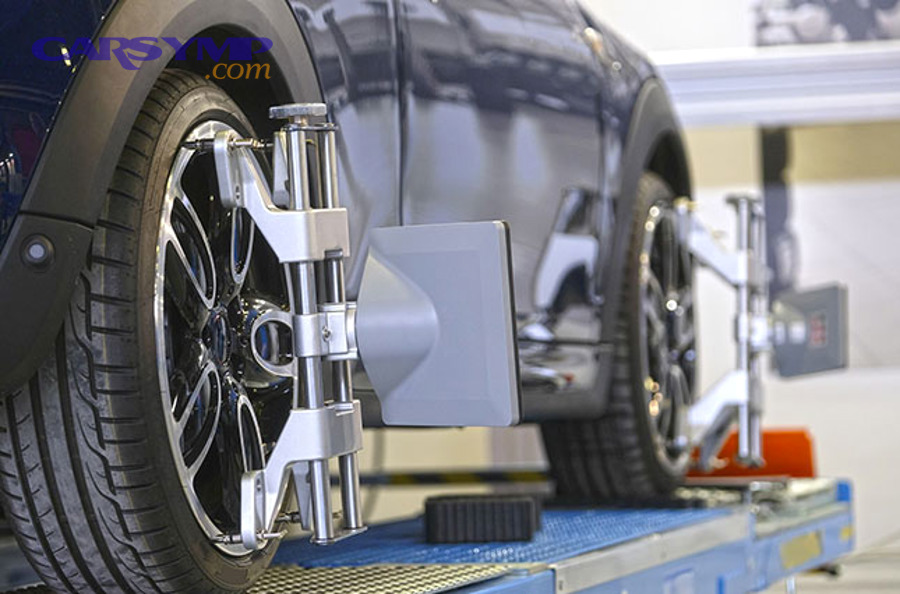
A table to build a realistic maintenance rhythm
This table contains a practical schedule you can follow to reduce surprises, extend tire life, and keep handling consistent.
| When | What to do | What you’re preventing |
|---|---|---|
| Monthly | Check pressure, scan for damage, quick tread depth check | Heat buildup, rapid wear, hidden leaks |
| When you feel vibration | Diagnostic wheel service with measured findings | Worn components, uneven wear acceleration |
| When you see uneven wear | Inspect causes, correct geometry/parts as needed | Premature tire replacement |
| Before long trips | Confirm pressures, tread adequacy, and visible condition | Trip-ending failures and unsafe wet braking |
Advanced factors that change your tire-and-wheel plan
This is the contextual border: once you understand the core service decisions, the next layer is “advanced factors” that quietly change outcomes—especially in weather shifts, sensor behavior, and wheel condition. After that, you can tailor service instead of following generic advice.
Weather swings and load changes can shift your “normal” faster than you expect
Temperature and load both change how a tire behaves. Next, when mornings get colder or you add cargo frequently, your pressures and wear patterns can drift even if you haven’t changed anything else. That’s why a quick gauge check is more reliable than visual inspection.
Dashboard pressure alerts are helpful—but not a full diagnostic
Alerts can tell you something is off, but they may trigger after pressure has already dropped significantly. After that, you still need a manual pressure reading and a leak test to find the root cause. If you want a shop that speaks your language, mention the alert timing and how often it returns, then ask for a documented test. You can also log patterns and discuss them with your technician through carsymp.com as a reference point for symptom tracking.
Wheel edge damage, bends, and corrosion can mimic “tire problems”
A wheel that’s slightly bent or corroded at the bead can create slow leaks, recurring shake, or sealing issues. Next, if a shop keeps rebalancing but the vibration returns, ask whether they checked wheel runout and bead sealing surfaces.
Road hum and “singing” noises often come from wear pattern resonance
Noise is not always a bearing or drivetrain issue; sometimes it’s a wear pattern that becomes a repeating vibration at certain speeds. After that, a tire position swap can confirm whether the sound follows the tire, which is a strong diagnostic clue before replacing parts.
FAQ: Common questions about tire & wheel service
Is it safe to keep driving if the car shakes only at highway speed?
It can be unsafe, because the shake may indicate a balance issue, a damaged tire, or a wheel defect that worsens with heat and speed. Next, reduce speed and schedule a measured diagnosis rather than continuing high-speed driving.
Should I replace one tire or all four?
It depends on wear level, drivetrain type, and how closely the new tire will match the others in size. After that, ask the shop to compare tread depths across all tires and recommend the safest matching strategy for your vehicle.
Why does my steering wheel feel off-center after a repair?
It can happen if the vehicle tracks differently after a fix, or if prior wear and steering compensation masked an underlying issue. Next, request a verification drive and ask whether measured settings and steering angle were confirmed.
How do I know a shop’s recommendation is truly necessary?
Ask for the measurements, the before/after proof, and the minimal-safe option. After that, if the shop cannot show evidence or explain causality, get a second opinion with documented readings.
Key takeaway: The best tire & wheel service decision is evidence-based: measure, match the fix to the root cause, and verify results—so you get safety, comfort, and tire life without paying for guesses.