


Wheel balancing does not need to be included during every single tire rotation — but it should be included far more often than most drivers realize. The decision hinges on your mileage since the last balance, the road conditions you drive on, and whether you are noticing any symptoms in your vehicle’s ride quality. For most drivers on regular road surfaces, combining both services every other rotation — or every 10,000 to 12,000 miles — strikes the right balance between cost efficiency and tire health. However, certain conditions make balancing essential at every rotation, and skipping it in those cases accelerates wear, strains suspension components, and quietly costs you more money over time.
Understanding what each service does is the first step toward making a smarter maintenance decision. Tire rotation moves your tires between axle positions to equalize tread wear across all four tires, while wheel balancing corrects weight imbalances in the tire-wheel assembly that cause vibration and uneven contact with the road. These are fundamentally different problems requiring different solutions, and confusing one for the other is one of the most common mistakes drivers make when scheduling service appointments.
Knowing when each service is needed — and when both are needed simultaneously — depends on a combination of mileage intervals, vehicle symptoms, and the type of roads you regularly travel. Drivers who frequently navigate potholes, rough roads, or highway speeds above 60 mph will find that balance shifts more quickly and that the case for combining services grows stronger with every trip.
To make this decision confidently, it also helps to understand what happens when you skip one service while performing the other, what the real cost difference is between doing them separately versus together, and how tire type and drivetrain affect the rotation-and-balance calculus. Below is a comprehensive guide covering every dimension of this decision so you can walk into any service appointment knowing exactly what your tires need.
What Are Tire Rotation and Wheel Balancing?
Tire rotation is the periodic repositioning of tires across your vehicle’s axle positions, while wheel balancing is the correction of weight imbalances within each tire-wheel assembly — and both are essential but distinctly different forms of tire maintenance.
To better understand why combining or separating these services matters, it helps to examine exactly what each one does to your tires and your ride quality. Specifically, each service targets a completely different root cause of tire degradation.
What Does Tire Rotation Actually Do to Your Tires?
Tire rotation redistributes the wear load by moving each tire to a different position on the vehicle, preventing any single tire from absorbing a disproportionate share of friction, braking force, and steering stress.
Each tire on your vehicle experiences a different type of stress depending on where it sits. On front-wheel-drive vehicles, the front tires handle steering, acceleration, and a greater share of braking, meaning they wear significantly faster than the rear tires. On rear-wheel-drive vehicles, the opposite pattern emerges. Without regular tire rotation, you end up replacing individual tires at different times rather than replacing the full set together — which is both inconvenient and costly.
Following a Tire rotation pattern guide appropriate for your drivetrain ensures that wear distributes as evenly as possible across all four tires over their lifetime. The most common pattern for front-wheel-drive vehicles is the forward cross, where front tires move straight back and rear tires cross to opposite front positions. For rear-wheel-drive and all-wheel-drive vehicles, the rearward cross is standard. The practical outcome of consistent rotation is a measurably longer tread life, more predictable handling, and improved fuel efficiency due to lower rolling resistance across all four contact patches.
What Does Wheel Balancing Fix — and How Does It Work?
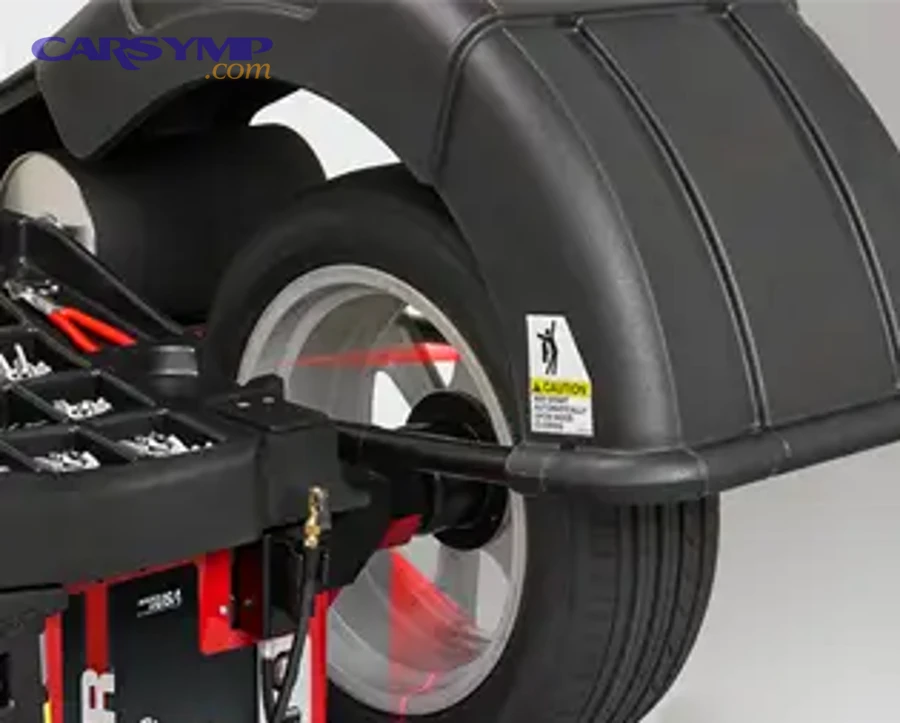
Wheel balancing corrects uneven weight distribution in the tire-wheel assembly by adding precisely placed counterweights to the rim until the assembly spins without vibration or wobble.
Every tire and wheel pairing has slight manufacturing imperfections — microscopic variations in rubber density, slight asymmetries in the rim — that create heavier and lighter spots around the circumference. At low speeds, these imbalances are imperceptible. At highway speeds, however, even a quarter-ounce imbalance can produce a noticeable vibration that travels through the floorboard, the steering wheel, or the seat. Over time, that vibration does real damage to shocks, struts, and wheel bearings.
The balancing process places the tire-wheel assembly on a machine that spins it at speed and identifies the location and magnitude of any imbalance. A technician then attaches small lead or zinc weights to the inner or outer rim at specific points to bring the assembly into equilibrium. A more advanced method called match mounting is also used, which involves aligning the high point of the tire with the low point of the rim to minimize the imbalance before any weights are applied. According to data from the Tire Industry Association, properly balanced tires can reduce abnormal tread wear by up to 25%, directly extending the service life of the tire.
Is Wheel Balancing the Same as Tire Rotation?
No — wheel balancing and tire rotation are not the same service. Rotation changes the physical position of each tire on the vehicle, while balancing corrects the internal weight distribution within each individual tire-wheel assembly.

This distinction matters because many drivers and even some quick-lube service menus bundle the terms loosely, creating the impression that one service delivers the benefits of both. However, understanding how each compares to the other — and how both differ from a third commonly scheduled service, wheel alignment — helps you make a fully informed maintenance decision.
How Is Wheel Balancing Different from Tire Rotation?
Wheel balancing addresses a physics problem within each tire-wheel unit, while tire rotation addresses a wear problem caused by position on the vehicle — and rotating a tire does not fix an imbalance, nor does balancing one tire correct uneven wear across the set.
The table below summarizes the core differences between these two services to clarify when each is appropriate:
| Attribute | Tire Rotation | Wheel Balancing |
|---|---|---|
| What it corrects | Uneven tread wear across tires | Vibration from uneven weight in tire-wheel assembly |
| How it’s performed | Tires moved between axle positions | Counterweights added to rim after spin test |
| Frequency | Every 5,000–8,000 miles (routine) | Every 10,000–15,000 miles or when symptoms appear |
| Trigger type | Mileage-based | Condition-based or mileage-based |
| Outcome | Extended tread life, even wear | Smooth ride, reduced steering vibration |
This table shows that the two services operate on entirely different timelines and fix entirely different problems. The only reason they are often performed together is efficiency — both require removing the tires from the vehicle, so combining them saves labor time and reduces the number of service visits per year.
How Is Wheel Balancing Different from Wheel Alignment?
Wheel balancing corrects weight distribution within the tire-wheel assembly, while wheel alignment corrects the angles at which the tires contact the road — and confusing the two can lead to misdiagnosis of Car Symptoms and unnecessary service costs.
Alignment adjusts the camber, toe, and caster angles of your wheels so that all four tires point in the correct direction relative to the vehicle’s centerline and to each other. Poor alignment causes tires to scrub sideways as they roll, producing rapid and uneven wear on one edge of the tread. Balancing, on the other hand, has no effect on the angle of the wheel — it only corrects rotational imbalance. A vehicle pulling to one side while driving straight is typically an alignment issue, not a balance issue. A vehicle vibrating at highway speed is typically a balance issue, not an alignment issue. Understanding this distinction helps drivers communicate their car symptoms accurately to a technician and avoid paying for the wrong service.
Should You Always Include Wheel Balancing When You Rotate Your Tires?
No, you should not always include wheel balancing at every tire rotation — but you should include it whenever specific conditions or car symptoms are present, and at minimum every other rotation cycle as a preventive measure.

This is the central decision most drivers face, and the answer requires weighing symptom-based triggers against cost and frequency. More specifically, there are clear signs that make balancing essential during a rotation, and equally clear conditions under which it can be safely deferred.
What Are the Signs That Your Tires Need Balancing During a Rotation?
There are four primary signs that indicate wheel balancing is needed during a tire rotation: steering wheel vibration, seat or floorboard vibration at highway speeds, cupped or scalloped tread wear patterns, and any recent impact event such as a pothole or curb strike.
Each of these signs represents a different mechanism by which balance has been disrupted:
- Steering wheel vibration at 60–70 mph: This is the most classic and reliable symptom of front-wheel imbalance. The vibration typically appears at a specific speed range and may diminish at higher or lower speeds.
- Seat or floorboard vibration: Vibration felt in the seat rather than the steering wheel usually indicates rear-wheel imbalance, since the rear wheel forces travel through the chassis before reaching the driver.
- Cupped or scalloped tread wear: This wear pattern — where the tread shows alternating high and low spots around the tire’s circumference — is a direct result of the tire bouncing as it rolls, which is caused by imbalance.
- Recent pothole, curb impact, or flat repair: Any event that involves a sudden shock to the tire-wheel assembly can knock existing counterweights loose or shift the balance point. A tire that was balanced six months ago may need rebalancing after a single significant road impact.
Paying attention to these car symptoms before and after each rotation appointment allows you to make the inclusion decision proactively rather than reactively.
When Is It Unnecessary to Balance Tires at Every Rotation?
It is unnecessary to balance tires at every rotation when the vehicle shows no vibration symptoms, the tires were balanced recently, the mileage since the last balance is under 8,000 miles, and the vehicle has not experienced any significant road impacts.
For drivers who purchase tires from retailers offering lifetime free rotation and balancing — such as Discount Tire or Sam’s Club — the cost-benefit equation changes entirely. When balancing is free, there is virtually no reason to skip it at any rotation visit, since the only investment is a modest amount of additional service time. However, for drivers paying out of pocket, the typical cost of a four-wheel balance ranges from $40 to $80, which adds up quickly if applied to every 5,000-mile rotation. In the absence of symptoms and with a recent balance on record, deferring the service to every other rotation is a financially sound and mechanically safe decision.
How Often Should You Rotate and Balance Your Tires?
Tires should be rotated every 5,000 to 8,000 miles and balanced every 10,000 to 15,000 miles under normal driving conditions, though both intervals shorten significantly with aggressive driving, rough road exposure, or heavy cargo loads.
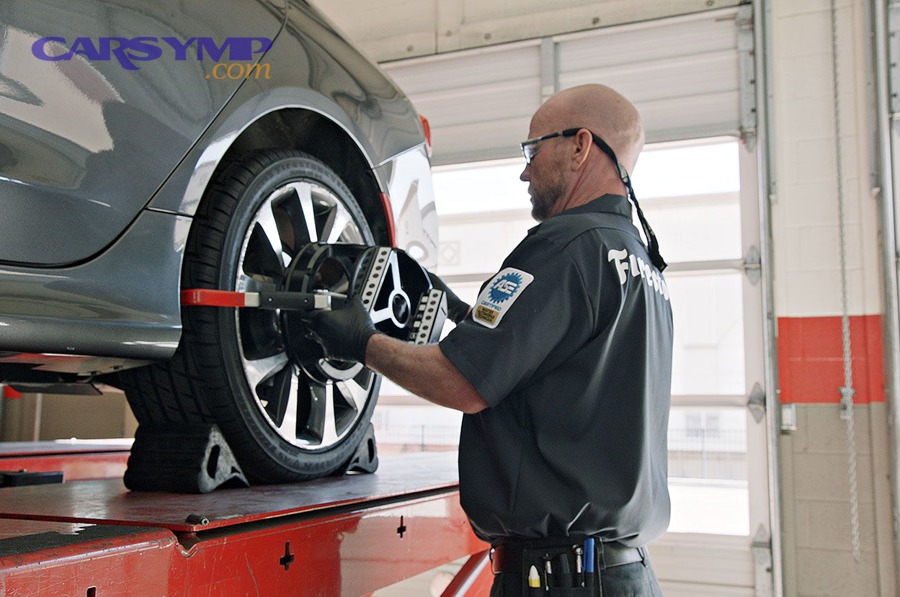
Establishing a clear service calendar for both rotation and balancing removes guesswork from the decision entirely. To better understand the right cadence for your specific situation, it helps to look at the mileage guidelines and the symptom-based triggers for each service separately.
What Is the Recommended Mileage Interval for Tire Rotation?
The recommended mileage interval for tire rotation is every 5,000 to 8,000 miles, with most manufacturers and tire brands aligning this service with every oil change or every other oil change depending on the vehicle’s drivetrain and the driver’s habits.
Front-wheel-drive vehicles typically demand more frequent rotation because the front tires absorb disproportionate stress from both steering and propulsion simultaneously. Many FWD drivers find that a 5,000-mile rotation interval keeps wear rates nearly equal across all four tires. All-wheel-drive vehicles are particularly sensitive to uneven tread depth differences between tires, since the AWD system continuously monitors and adjusts torque distribution based on wheel speed — a significant depth difference can actually strain the differential. For these vehicles, strict adherence to the rotation interval is not just about tire life but about protecting an expensive drivetrain component.
How Do You Know When It’s Time to Balance Your Tires Again?
You know it is time to balance your tires again when you notice steering wheel or floorboard vibration, experience pulling or drift at highway speeds, observe cupped tread wear, or have recently driven over a significant road hazard — regardless of mileage.
Beyond symptom-based triggers, the following event-based conditions should prompt an immediate balance check:
- New tire installation: Even brand-new tires have minor manufacturing imbalances that must be corrected before the first mile of driving.
- Flat tire repair or patch: Removing the tire from the rim to repair a puncture disrupts the previously set balance — the tire must be rebalanced before reinstallation.
- Rim replacement or repair: Any change to the wheel itself alters the weight distribution of the assembly.
- Routine rebalance threshold: Even without symptoms, most tire professionals recommend rebalancing at least once every 12,000 to 15,000 miles to account for gradual weight loss from tread wear and minor weight shifts from road exposure.
According to a study by the National Highway Traffic Safety Administration (NHTSA), improperly maintained tires — including those with uncorrected imbalances — contribute to approximately 11,000 tire-related vehicle crashes in the United States annually, reinforcing why routine rebalancing is a safety issue, not merely a comfort preference.
What Happens If You Rotate Without Balancing — or Balance Without Rotating?
Rotating without balancing carries the pre-existing imbalance to a new wheel position, while balancing without rotating leaves the uneven wear pattern intact — and both incomplete approaches allow tire degradation to continue unchecked from a different angle.
This is the most important practical consequence of treating these services as interchangeable. In reality, each service addresses only half of a complete tire maintenance equation, and understanding the specific risks of each incomplete approach makes the case for coordinated scheduling compelling.
Can Skipping Wheel Balancing During Rotation Damage Your Vehicle?
Yes — skipping wheel balancing when it is actually needed during a tire rotation can damage your vehicle by allowing vibration-related stress to accumulate in the shocks, struts, and wheel bearings, and by perpetuating uneven tread wear that shortens tire life.
When an imbalanced tire is rotated to a new position without being balanced first, the imbalance moves with it. If a rear tire with significant imbalance is moved to the front, the vibration that was previously felt in the seat now travels directly through the steering column and into the driver’s hands. More critically, the cyclic stress from the bouncing motion of an unbalanced tire accelerates wear on the shock absorbers and struts — components that cost significantly more to replace than a $60 balancing service. Post-rotation lug torque and recheck procedures are also essential after any rotation service; a tire reinstalled without proper torque sequencing can introduce its own wobble independent of any pre-existing imbalance. Ensuring lug nuts are torqued to manufacturer specification after post-rotation lug torque and recheck protocols prevents this avoidable complication.
Is It Cost-Effective to Combine Rotation and Balancing in One Appointment?
Yes — combining tire rotation and balancing in one appointment is cost-effective because it reduces total labor costs, minimizes the number of service visits per year, and prevents more expensive repairs to suspension components that result from prolonged imbalance.
The labor efficiency argument is straightforward: both services require lifting the vehicle and removing all four tires. If both are scheduled in the same appointment, the technician performs the removal once and completes both tasks sequentially. Scheduling them separately means paying for two full sets of labor hours. For most service centers, the combined cost of rotation and balancing runs between $60 and $120 depending on location and vehicle type, compared to $30–$60 for rotation alone and $40–$80 for balancing alone when booked separately — resulting in a potential savings of $10 to $20 per service cycle, which compounds meaningfully over a tire’s lifetime. Drivers who invest in lifetime rotation and balance packages from major tire retailers eliminate the per-visit cost entirely, making the combination a zero-incremental-cost decision at every service interval.
Are There Special Balancing Considerations Based on Your Tire Type or Vehicle?
Yes — certain tire types and vehicle configurations require modified balancing approaches, including directional tires that limit rotation patterns, staggered fitments that eliminate rotation entirely, and performance vehicles that benefit from road force balancing rather than standard spin balancing.
These specialized scenarios extend beyond the standard passenger vehicle use case and represent the micro-niche contexts where balancing decisions carry even greater consequences. Moreover, knowing which category your vehicle falls into can prevent costly errors in service planning.
Do Directional or Staggered Tires Change How You Rotate and Balance?
Yes — directional and staggered tires significantly change how rotation and balancing are performed, with directional tires limiting movement to same-side front-to-back swaps and staggered fitments often preventing full rotation entirely.
Directional tires feature a tread pattern with a specific rotational direction — indicated by an arrow on the sidewall — that is engineered to evacuate water efficiently in one direction of spin. Reversing these tires by crossing them to the opposite side of the vehicle would cause the tread to spin backward, eliminating the hydroplaning protection the tread was designed to provide. As a result, directional tires can only be rotated front-to-back on the same side of the vehicle. To achieve a full cross-rotation pattern — which provides more even wear — the tire must be dismounted from the rim, flipped, remounted, and rebalanced. This additional step adds cost and time but is the only way to achieve a true tire rotation pattern guide cross-rotation on directional tires.
Staggered fitments, common on performance and sports vehicles, use wider rear tires than front tires. Since front and rear tires are different sizes, they cannot be swapped between axle positions at all. In these configurations, balancing becomes the primary tire maintenance service, and drivers must monitor wear carefully since the absence of rotation means each tire wears out in its fixed position.
What Is Road Force Balancing and When Do You Need It?
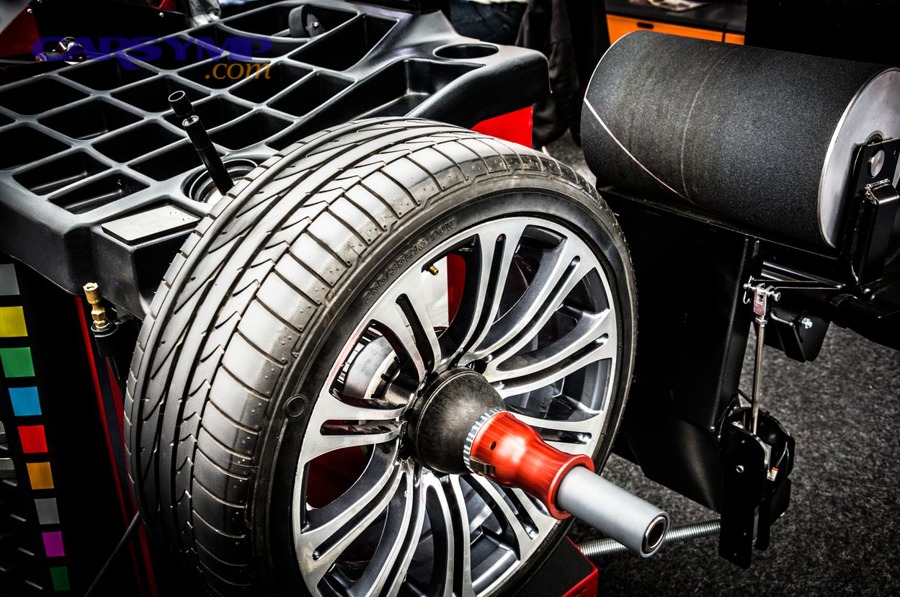
Road force balancing is an advanced tire balancing method that simulates the load pressure a tire experiences while driving by pressing a roller against the spinning tire, allowing the machine to detect stiffness variations in the sidewall and tread that standard spin balancing cannot identify.
Standard spin balancing only measures static and dynamic imbalance — the uneven distribution of mass around the rotational axis. Road force balancing goes further by measuring force variation, which is the inconsistency in how stiff different sections of the tire are as they flex under load. A tire can be perfectly balanced by weight yet still produce vibration if one section of the sidewall is stiffer than the rest. This condition, called radial force variation, is particularly common in run-flat tires, high-performance tires, and some premium luxury tires where sidewall construction is more complex.
Road force balancing is the appropriate choice when standard balancing has been performed correctly but vibration persists, when run-flat or performance tires are involved, or when a vehicle’s ride quality demands are exceptionally high — as is the case with many European luxury and sports models. The cost premium for road force balancing over standard balancing typically ranges from $20 to $40 per axle, making it a targeted investment for problem cases rather than a routine substitute for standard balancing.
Should High-Mileage or Worn Tires Still Be Balanced During Rotation?
Yes — high-mileage and worn tires should still be balanced during rotation, but the cost-benefit calculation shifts as tires approach the end of their usable life, and balancing provides diminishing returns once tread depth falls below 2/32 of an inch.
As tires accumulate mileage, rubber gradually wears away from the tread surface, which itself alters the weight distribution of the assembly. A tire that was perfectly balanced at 0 miles may have drifted measurably out of balance by 30,000 miles simply through normal tread wear. For tires that still have significant tread life remaining — above 4/32 of an inch — rebalancing during rotation is a sound investment that protects both the tire and the suspension. However, for tires approaching the legal minimum tread depth of 2/32 of an inch in the United States, the remaining service life may not justify the cost of a full balance service. In those cases, the more financially rational decision is to schedule tire replacement rather than invest in balancing a tire that will need to be replaced within the next rotation cycle.
How Do Lifetime Rotation and Balance Packages Affect Your Decision?
Lifetime rotation and balance packages fundamentally change the cost calculus of the balancing decision by removing the per-visit fee, making it rational to include balancing at every rotation regardless of whether symptoms are present.
Major tire retailers including Discount Tire, Sam’s Club, and Costco offer lifetime free rotation and balancing as a purchase incentive when customers buy a full set of tires at their locations. For drivers enrolled in these programs, the financial barrier to combining services disappears entirely. The only remaining cost is time — typically an additional 15 to 30 minutes per visit compared to rotation alone. Given that consistent balancing reduces wear, prevents suspension damage, and catches weight imbalances before they become symptomatic, the value proposition of these programs is substantial. Drivers evaluating new tire purchases would do well to factor the long-term value of a lifetime service package into their total cost-of-ownership calculation, as the savings over a set’s full lifespan can easily exceed $200 to $400 depending on rotation frequency and local labor rates.
In short, the decision to include wheel balancing during a tire rotation is not a binary yes-or-no choice applied uniformly at every appointment — it is a condition-aware, cost-conscious judgment that every driver can make confidently with the right knowledge. Rotate on a strict mileage schedule, balance whenever symptoms arise or every other rotation cycle at minimum, and always combine both services after any significant road impact or new tire installation. That disciplined approach protects your tires, your suspension, your fuel efficiency, and ultimately your safety across every mile you drive.